Finding the right podcast studio starts with a simple question: what exactly are you trying to record? A two-person audio interview has very different requirements from a three-camera visual podcast, a live-streamed panel, or a session that includes remote guests. The best choice is therefore not necessarily the biggest studio or the one with the longest equipment list. It is the space that fits the format, the people involved and the level of production support you need.
This guide explains the main factors to consider before you shortlist a professional recording space. It sits within Finchley Academy's broader Podcast Studios & Production topic and points to more detailed guides where a specific decision needs deeper research.
Start With What You're Recording
Before comparing studios, define the production. This prevents you from paying for facilities you do not need or, more importantly, booking a room that cannot support the final format.
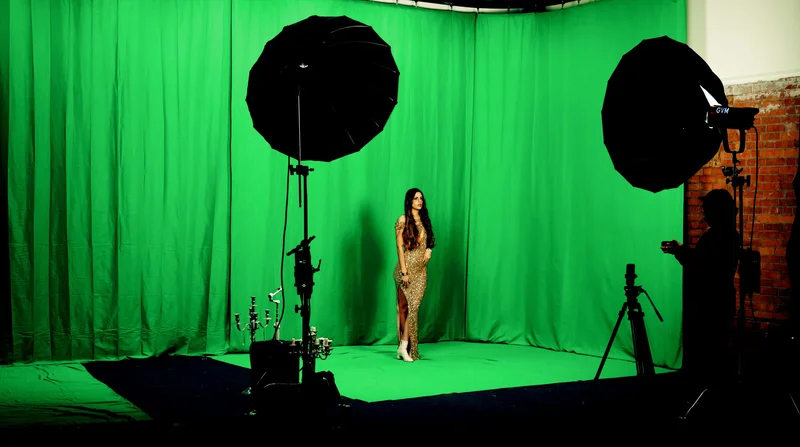
· Audio-only or visual podcast: video adds camera positions, lighting, set design and monitoring requirements.
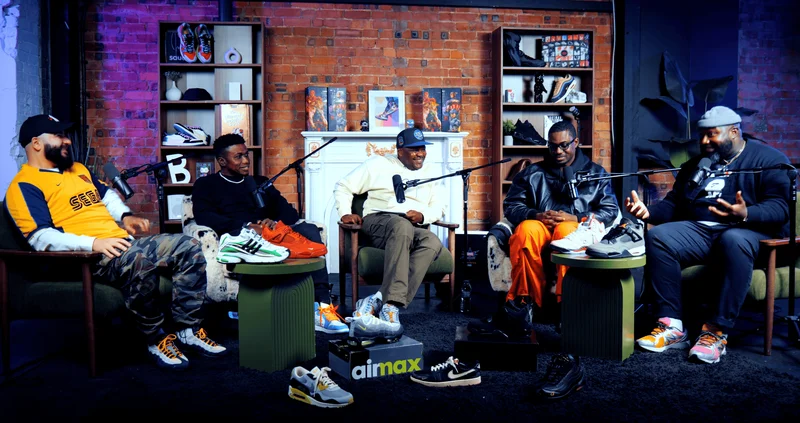
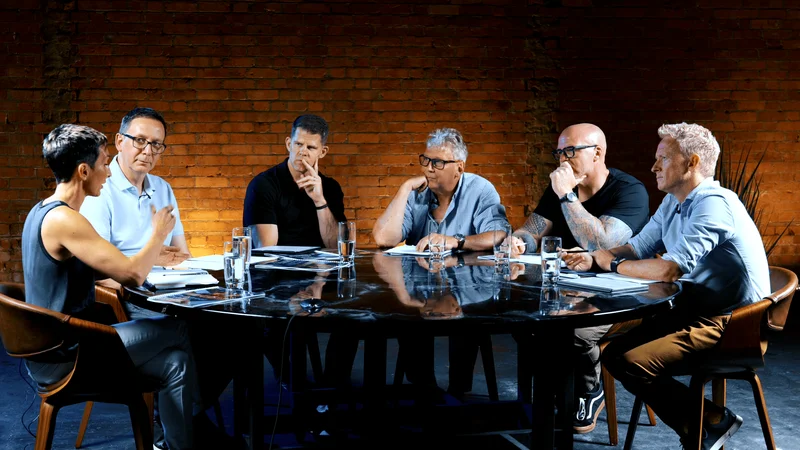
· Number of hosts and guests: a one-to-one conversation can work in a compact room; a panel needs more seating, table space and camera sightlines.
· Recorded or live: live streaming requires a studio that can support the broadcast workflow, not just capture local files.
· In-person or hybrid: remote guests require reliable routing, monitoring and internet connectivity.
· Final deliverables: decide whether you only need raw files or also want editing, post-production and social cut-downs.
|
Finchley example Finchley Studios supports audio and visual podcast recording, remote guests and live streaming. For visual podcasts, up to three Panasonic cameras can be used, giving productions multiple angles rather than relying on a single static shot. |
Choose a Room That Fits the Production
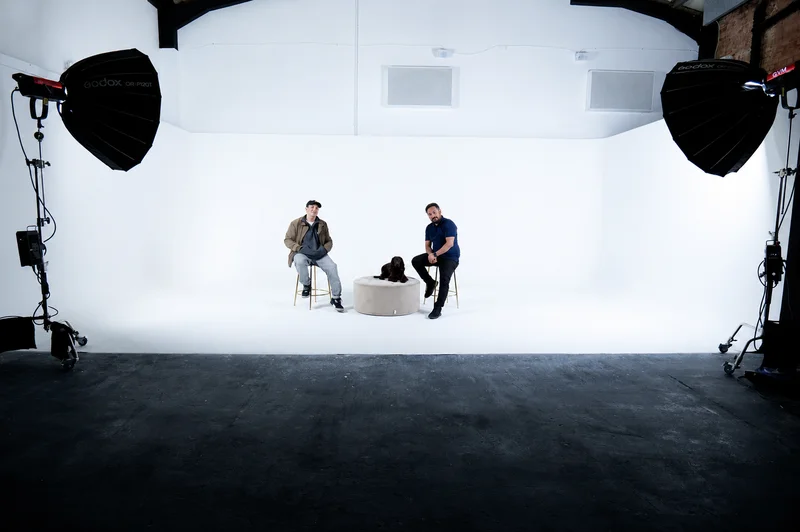
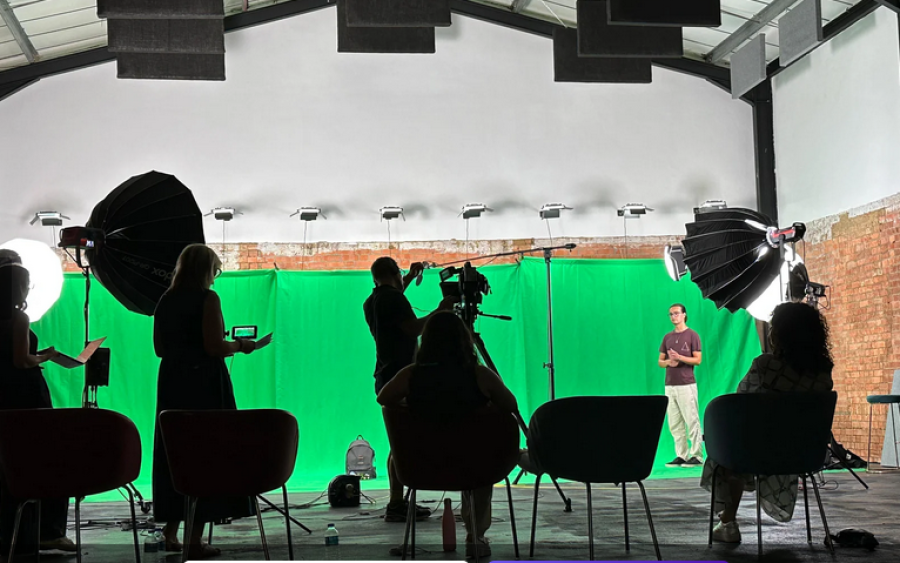
Room size matters for more than comfort. A studio should have enough space for the people who need to be in the room, as well as the microphones, cameras, lights and any production crew required for the session.
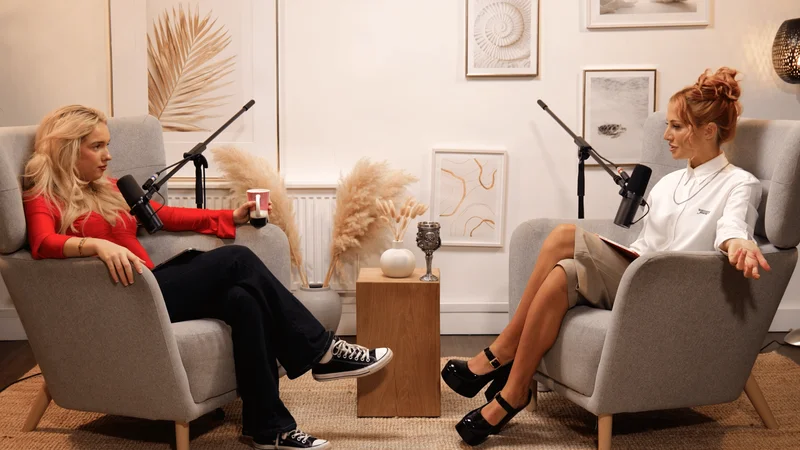
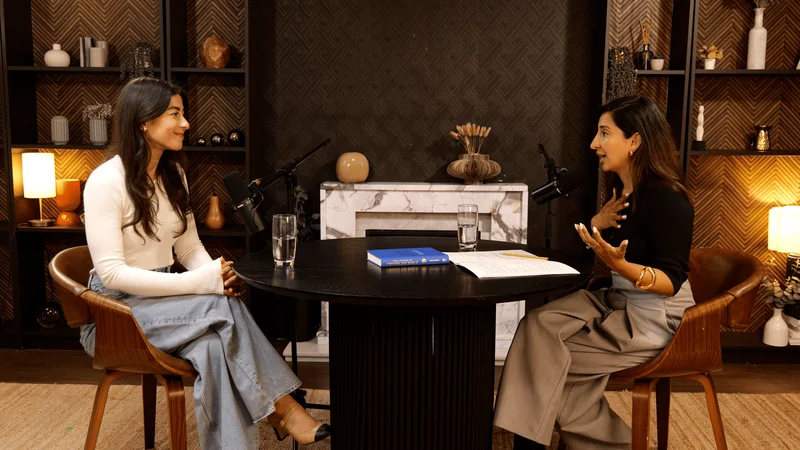
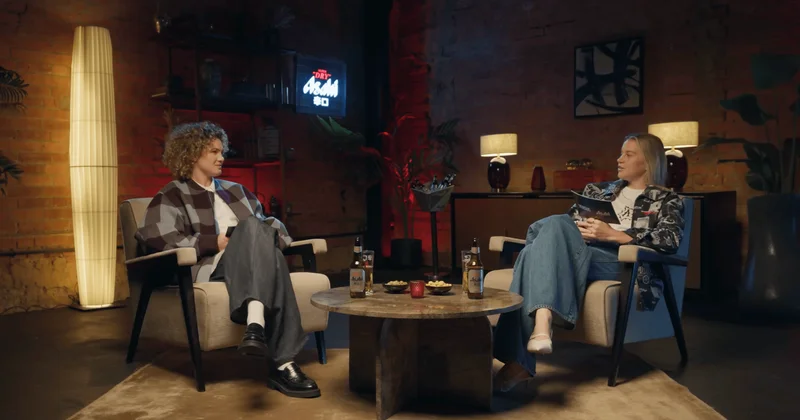
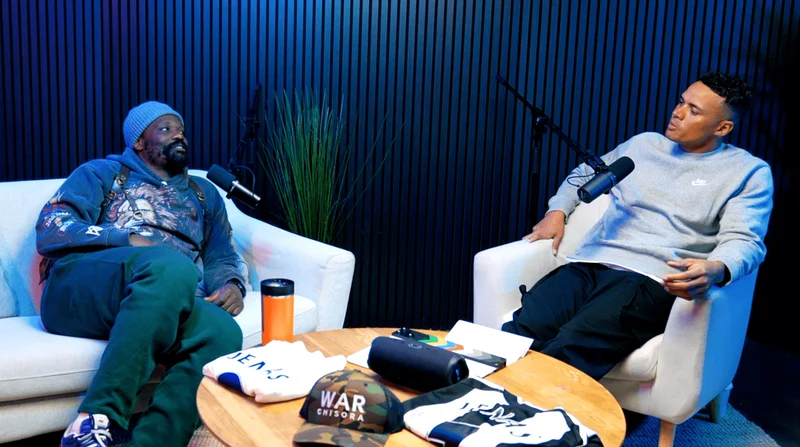
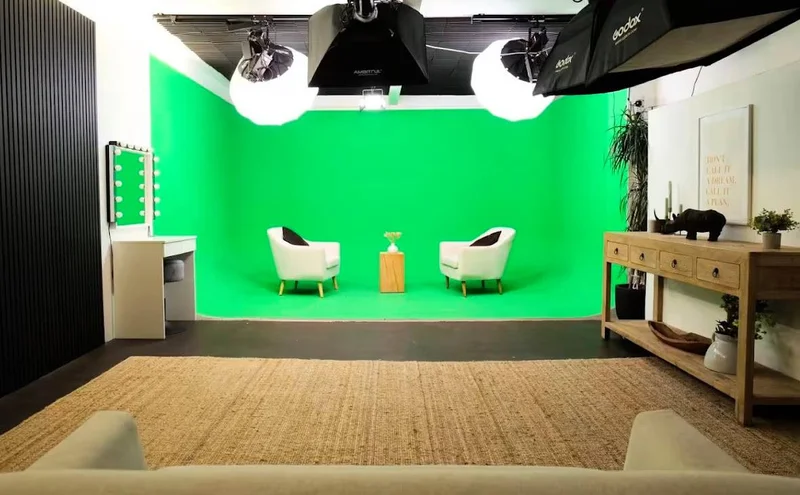
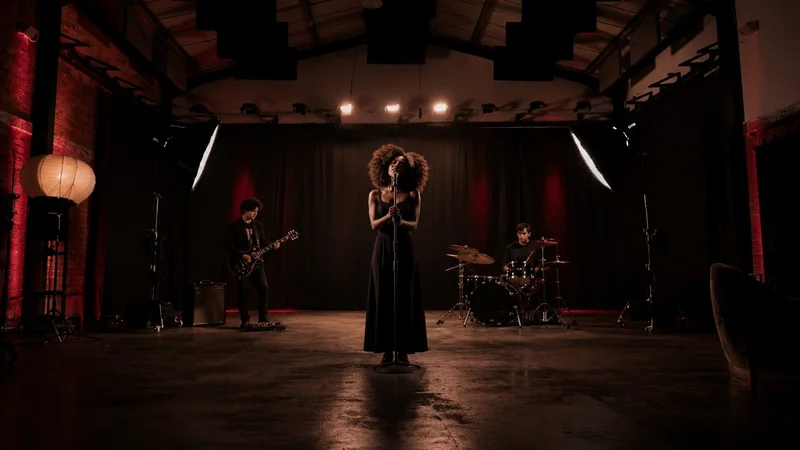
For an interview, that may simply mean comfortable seating and clear sightlines between host and guest. For a multi-person visual podcast, the room also needs enough depth to position cameras without creating cramped framing. If the production has a strong visual identity, look at the set itself: the background, furniture, lighting options and whether the space suits the tone of the show.
A studio tour or viewing can be useful for important productions because photographs do not always show the true size, layout or working environment. At Finchley Studios, new podcast clients are shown around the facility so they can understand the available spaces and how a session can be configured.
Check the Recording Environment
A professional podcast studio should control both outside noise and sound reflections inside the room. These are related but different issues.
Sound isolation: reduces noise entering the recording space from traffic, neighbouring rooms, building services and other external sources.
Acoustic treatment: controls reflections inside the room so voices sound clear rather than hollow, echoey or overly reverberant.
You do not need to become an acoustic engineer before booking a studio. A practical approach is to ask how the room is isolated and treated, and, where possible, listen to recordings made in that space.
|
First-hand point Finchley Studios uses fully soundproof professional recording spaces. For a client, the useful question is not which acoustic materials are hidden in the walls; it is whether the room consistently provides a controlled environment for speech recording. |
Check the Technical Capability
The equipment should match the output you want. For an audio podcast, confirm that the studio can provide enough microphones and individual recording channels for every participant. For video, confirm the number of camera angles, lighting options and how the visual feed is monitored.
Specific brand names can be useful as evidence of what a studio actually provides, but they should not be the only reason to choose a facility. The more important question is whether the equipment is suitable for the format and whether someone can operate it reliably.
|
Finchley example Finchley Studios uses Shure SM7B microphones for podcast recording and can operate up to three Panasonic cameras for visual productions. These details help clients understand the available setup before they arrive. |
Decide How Much Production Support You Need
Some clients only need a professional room and equipment because they already have their own producer or technical crew. Others want an engineer to manage the session so the host can focus on the conversation.
When you enquire, ask what level of support is included and what is optional. An engineer can be particularly valuable when a production involves several microphones, multiple cameras, remote contributors or a live broadcast. Post-production is another consideration: if you want the same team to edit the episode after recording, confirm that this service is available before the shoot.
|
Finchley example Engineering support is optional at Finchley Studios, and editing/post-production can also be provided. That allows experienced crews to operate independently while giving other clients the option of a supported production. |
Confirm Remote Guest and Live-Streaming Requirements
If anyone will join remotely, tell the studio before booking. A hybrid conversation is more involved than opening a video-call application on a laptop: the remote participant needs to hear the people in the room clearly, and their audio must be captured cleanly alongside the local microphones.
Live streaming adds another layer because the production also has to be delivered reliably in real time. Ask whether the studio regularly supports remote guests and live broadcasts, and explain which platforms or destinations you plan to use.
Finchley Studios supports both remote guests and live streaming, so these requirements can be planned as part of the session rather than added at the last minute.
Consider Location and Guest Convenience
A studio can be technically excellent and still be difficult to use if guests struggle to reach it. Location becomes more important when you are coordinating several people, working with busy executives or inviting guests who are unfamiliar with the area.
· Public transport: how far is the studio from the nearest Underground, rail or bus connection?
· Parking: is there an allocated space or a reliable nearby option?
· Arrival: is the entrance easy to find and is there somewhere for guests to settle before recording?
· Accommodation: if guests are travelling from outside London, is there a practical hotel option nearby?
Finchley Studios is close to Finchley Central Underground Station and directly opposite the Travelodge London Finchley entrance. One free parking space is available per booking, with other local parking options nearby. These practical details can reduce friction when several people are travelling to a session.
Visit the Studio When Possible
For a straightforward one-off recording, photographs and a clear technical specification may be enough. For a new series, branded video production or important guest session, a viewing can answer questions quickly.
During a visit, look at:
· the true size and feel of the room
· the seating and camera layout
· background and set options
· how sound from neighbouring areas is controlled
· where guests wait or prepare
· how the production team communicates during a session
A viewing is also a chance to explain the format to the studio team. That conversation can reveal whether the proposed room and workflow are a good match before the booking is confirmed.
Questions to Ask Before Booking
You do not need a lengthy technical questionnaire for the first enquiry. A small number of practical questions will usually show whether a studio deserves a place on your shortlist.
· Can the room comfortably accommodate our hosts, guests and required crew?
· What audio and video equipment is included in the booking?
· Is an engineer available, and is that included or optional?
· Can the studio support remote guests or live streaming if required?
· Is editing or post-production available after the recording?
· How will raw and final files be delivered?
What to Look for When Booking a Podcast Studio in London
Comparing Podcast Studios in London
London offers a wide range of podcast spaces, from compact self-service rooms to larger facilities designed for multi-camera and supported productions. The right category depends on your format, budget and how much technical responsibility you want to take on.
When comparing individual providers, avoid using price alone as the deciding factor. Compare what the booking actually includes, whether the space suits your guest count and visual format, and whether additional support is available when you need it.
Best Podcast Studios in London
A Simple Framework for Shortlisting Studios
A practical shortlist can be built around six questions. If a studio performs well across all six, it is worth a closer look.
|
1. Format |
Can it support audio-only, visual, live or hybrid production as required? |
|
2. Space |
Is there enough room for the people, furniture, cameras and crew involved? |
|
3. Recording quality |
Is the room isolated from outside noise and acoustically controlled? |
|
4. Technical capability |
Are the microphones, cameras, lighting and routing appropriate for the job? |
|
5. Support |
Can you book engineering or post-production if your team needs it? |
|
6. Logistics |
Is the location practical for hosts, guests and crew? |
Frequently Asked Questions
Do I need a professional studio for an audio-only podcast?
Not every podcast needs a commercial studio, but a professional recording space can be useful when you need consistent sound, multiple guests, a controlled environment or technical support. The decision should depend on the quality and workflow your production requires.
Should I choose a self-operated studio or book an engineer?
If your team is comfortable operating the recording equipment, a self-operated booking may be enough. If you want to concentrate on hosting, interviewing or managing guests, engineering support can remove much of the technical workload.
Can a podcast studio include remote guests?
Some studios can, but the capability should be confirmed before booking. Remote guests need to be integrated into the studio's audio and monitoring workflow so that everyone can hear one another and the remote contribution is captured cleanly.
What is the most important thing to check before booking?
There is no single factor that applies to every production. Start by confirming that the room, technical setup and support level match your format. Location and file delivery then become important practical checks.
Should I visit a podcast studio before booking?
A viewing is especially useful for branded video productions, larger guest numbers or high-value recordings. It lets you confirm the real room layout and discuss the planned workflow with the team.