Podcasting has grown from a simple audio format into a flexible production medium used by independent creators, businesses, broadcasters and brands. RAJAR/MIDAS Spring 2026 reports that 25% of the UK population listens to podcasts in an average week, with listeners spending around 6.4 hours per person and generating about 93 million listening hours weekly. The same survey says 87% of podcast users claim to listen to or view all or most of each episode they download, while 16% say they watch podcasts weekly.
That audience can encounter a podcast as audio, a full video episode, a live stream, a remote interview or a short clip. The production environment therefore matters: the room, microphones, cameras, lighting, engineering, editing and delivery process all affect how consistently a show can be produced.
This Level 1 guide explains the overall podcast studio and production ecosystem. It stays intentionally broad and points to deeper guides for choosing a studio, understanding pricing, evaluating equipment, hiring a studio and producing visual podcasts.
Explore Podcast Studios & Production
Use these five guides to go deeper:
• Finding a Podcast Studio - How to compare location, space, sound, facilities and booking considerations.
• Podcast Studio Pricing - What affects the cost of a studio session and how to compare quotes.
• Podcast Studio Equipment - The main audio, video, lighting and monitoring systems used in professional production.
• Podcast Studio Hire - How dry hire, supported hire and full-service production differ.
• Visual Podcast Studios - How multi-camera video podcasts, lighting, live streaming and visual sets work.
What Is a Professional Podcast Studio?
A professional podcast studio is a controlled recording environment designed to make audio and video capture predictable. The difference is not simply the price of the microphone. A good studio brings together the room, equipment, technical setup and people needed to reduce avoidable problems before they reach the edit.
For audio, that usually means a space designed to limit unwanted external noise and internal reflections. Sound isolation helps reduce noise entering the room; acoustic treatment helps control reflections and reverberation inside it. For video, the room also has to work visually, with appropriate lighting, camera positions, backgrounds and enough physical space for the host, guests and crew.
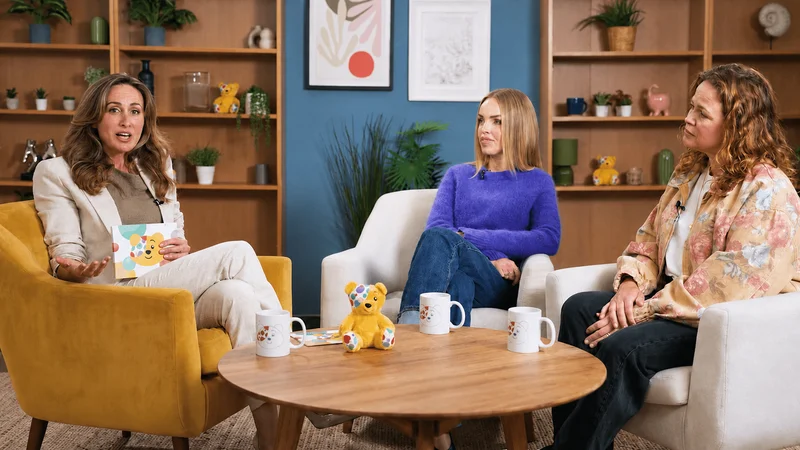
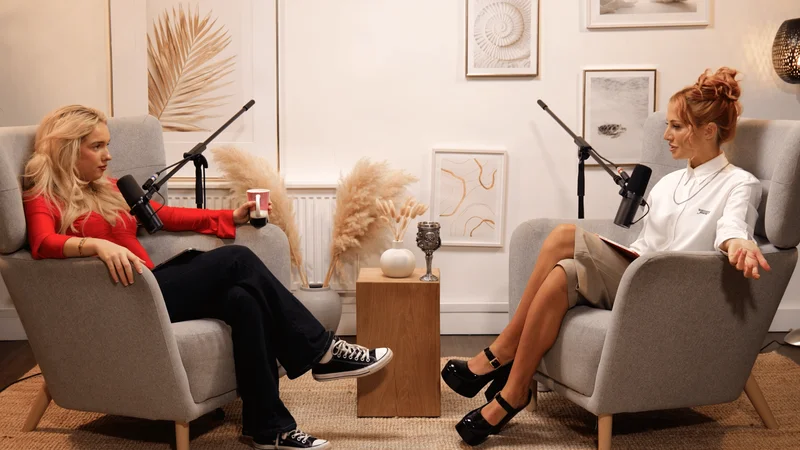
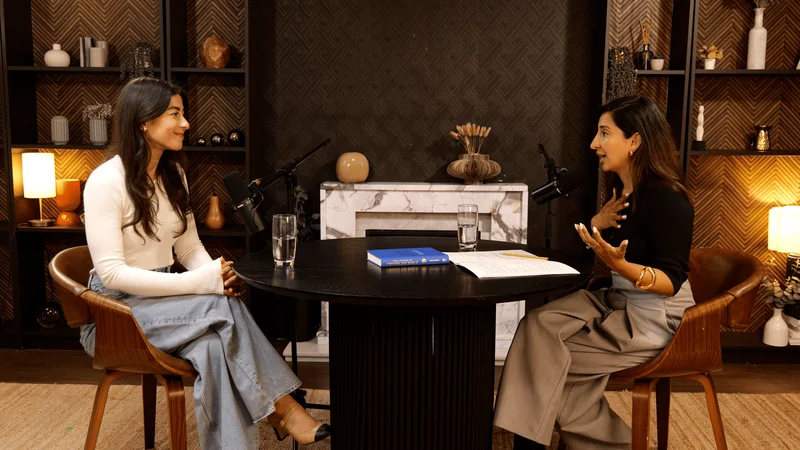
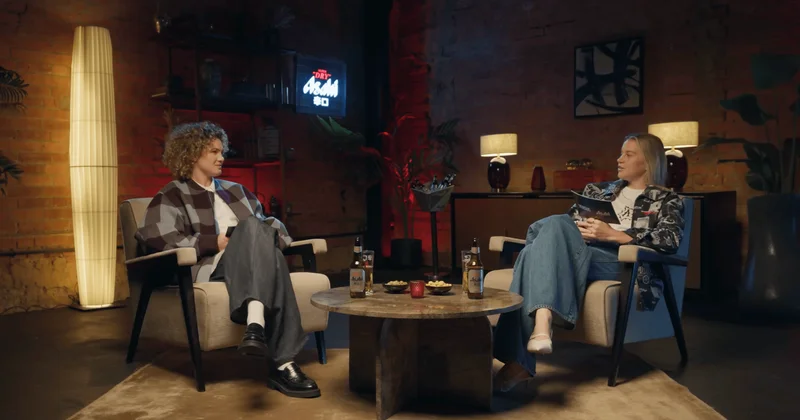
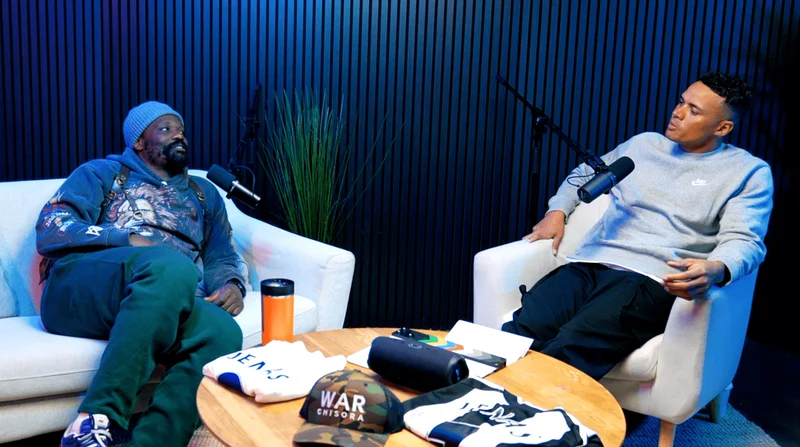
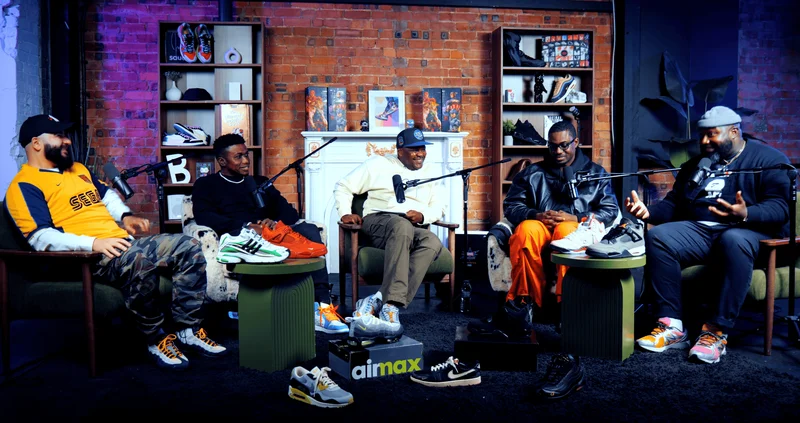
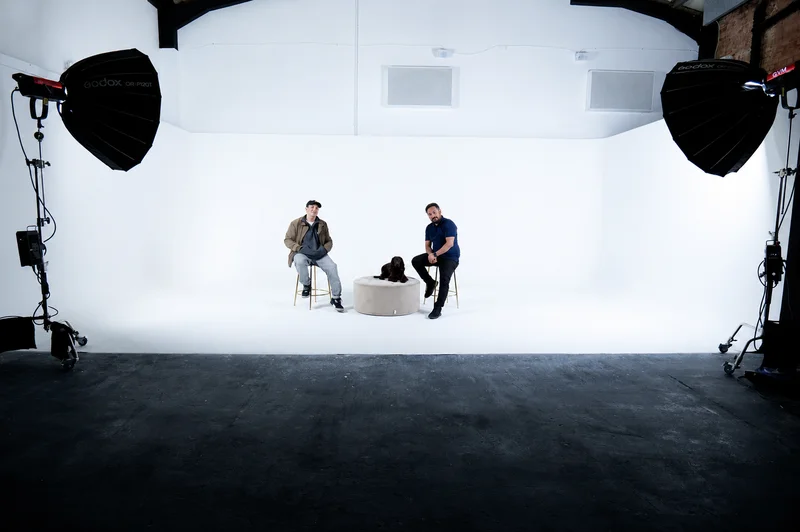
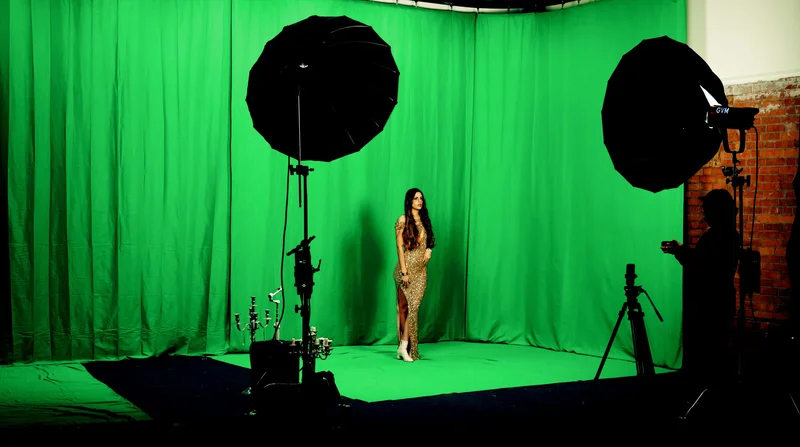
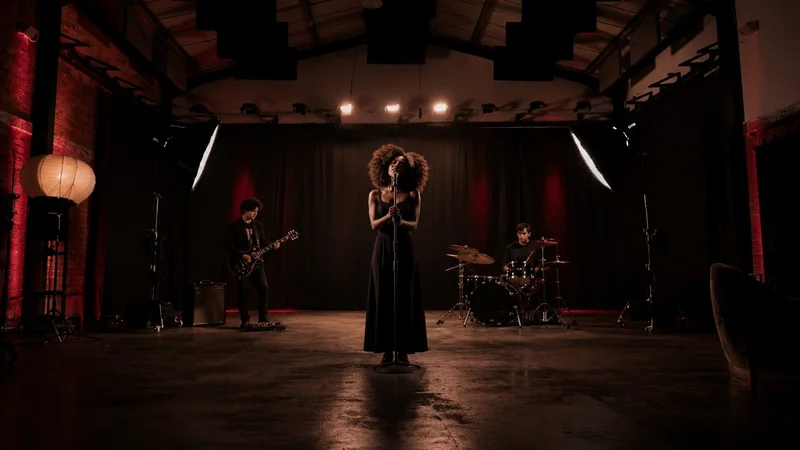
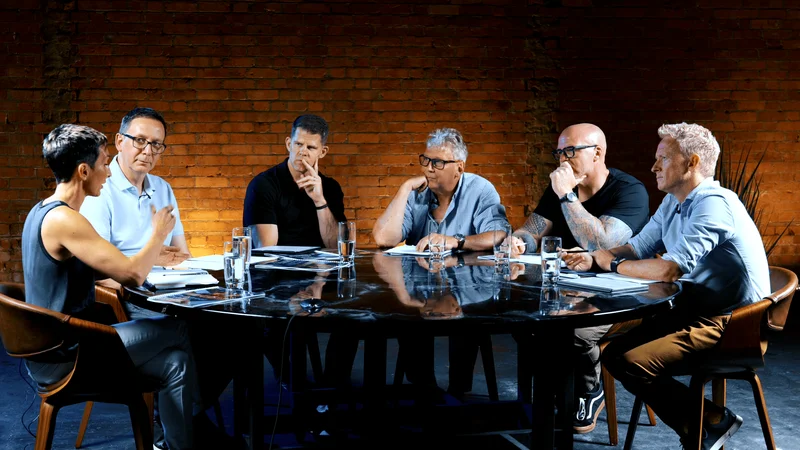
Professional studios can range from intimate two-person interview rooms to lounge sets, roundtable spaces and larger production stages. The right choice depends on the format of the show rather than on one universal idea of what a podcast studio should look like.
|
From the studio floor - Finchley Studios Finchley offers several purpose-built sets for podcasts, interviews and branded content, including the Lounge, Dialogue, CEO, Blackwood, Pulse Lounge and Roundtable spaces, alongside larger soundproof production stages. The current studio page describes the Lounge as a soundproof, pre-lit room for up to five people and the Roundtable as a multi-camera space for panel discussions and corporate podcasts. |
What Does Professional Podcast Production Involve?
The recording session is only one part of podcast production. A professional workflow normally has four broad stages: planning, recording, post-production and delivery. Some productions also include publishing, live streaming, social cut-downs or ongoing marketing support, but those services vary by studio and package.
1. Pre-production: The show format, guest list, running order, set, recording requirements and deliverables are agreed before the session. For video, this may also include camera framing, lighting, branding and graphics requirements.
2. Recording: Microphones, cameras and monitoring are configured for the people and format in the room. If engineering support is booked, the technical team can monitor levels, recording systems and camera feeds while the host concentrates on the conversation.
3. Post-production: Raw recordings can be edited into a finished episode. Audio work may include cleaning edits, balancing voices and mastering; video work may include multi-camera editing, colour correction, graphics, captions and social cut-downs.
4. Delivery and publishing: Final files are exported in the required formats. Depending on the service, the studio or production team may also support remote delivery, platform-ready versions, live-stream recordings or publishing workflows.
Audio and Video Podcast Production
Audio remains the foundation of a podcast. Clear speech, sensible microphone placement, stable recording levels and a controlled room make later editing easier and help the finished episode sound consistent. Professional engineers can also monitor problems in real time rather than relying entirely on software to repair them afterwards.
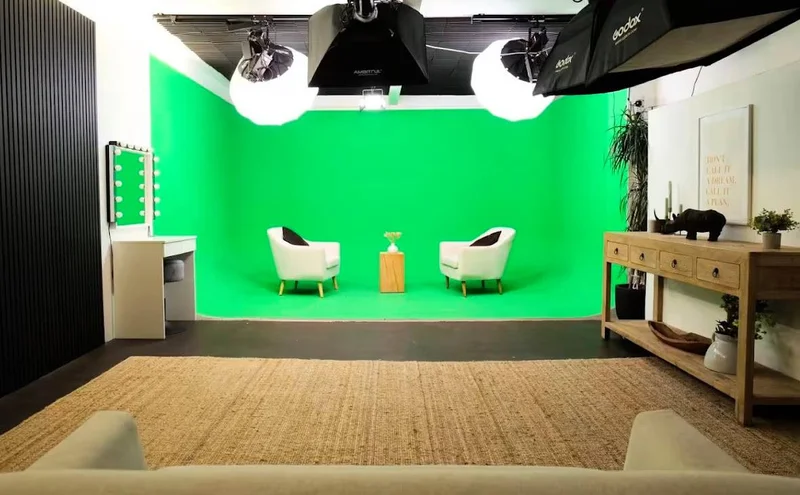
Video adds another production layer. A visual podcast may use more than one camera so the edit can move between a wide shot, host, guest or panel view. Lighting, eyelines, background design and camera matching then become part of the production decision. Video also creates additional outputs: full episodes, clips, trailers, vertical edits and live streams.
For the deeper video-production branch, continue to Visual Podcast Studios.
|
Finchley production example For visual podcast sessions, Finchley can use up to three Panasonic Lumix cameras. Engineering support is optional, and the studio can also support editing/post-production, live streaming and remote guests. Shure SM7B microphones are commonly used for spoken-word recording. |
Finding the Right Podcast Studio
The best studio is the one that fits the production. A creator recording a two-person interview has different needs from a brand filming a five-person roundtable, a remote guest conversation or a live-streamed panel.
At a high level, compare the recording environment, guest capacity, set or backdrop, audio and video options, availability of engineers, accessibility, travel time and what happens to your files after the session. If the show is video-led, also look at camera positions, lighting flexibility and whether the visual space suits the brand.
Location can be particularly important when guests are travelling across London. A convenient studio reduces the risk of late arrivals and makes repeat production days easier to manage.
For a full comparison framework, see Finding a Podcast Studio
How Podcast Studio Pricing Works
Podcast studio prices vary because a quote can represent very different things. A room-only booking is not directly comparable with a package that includes cameras, lighting, an engineer, live switching, editing and delivery.
The main cost drivers are usually the length of the booking, the room or set, audio-only versus video production, the amount of equipment, the level of technical staffing and whether post-production is included. Overtime, additional crew, extra equipment or specialist deliverables can also affect the final cost.
For that reason, compare what is included rather than judging studios by the headline hourly rate alone. The useful question is: what will it cost to get from arrival at the studio to the finished files you actually need?
For a detailed breakdown of costs, packages and extras, continue to Podcast Studio Pricing.
What Equipment Does a Professional Podcast Studio Use?
A professional podcast setup is a system rather than a shopping list. The core categories are microphones, audio interfaces or mixers, monitoring, recording computers, cameras, lighting and reliable storage. Video productions may also use switchers, teleprompters or streaming hardware.
The important point is whether the equipment suits spoken-word production and is operated consistently. A well-chosen microphone in a controlled room can be more useful than an expensive microphone used in a poor acoustic environment. For multi-person sessions, independent microphone channels also make post-production much easier.
Finchley Studios currently lists Panasonic Lumix cameras, professional LED lighting, Shure and RØDE microphones and a Blackmagic ATEM switcher within its equipment packages. For the Level 1 guide, the exact models matter less than how the complete system supports reliable recording.
For a more detailed explanation of microphones, cameras, lighting and recording systems, see Podcast Studio Equipment.
How Podcast Studio Hire Works
Studio hire can sit anywhere on a spectrum from space rental to fully managed production. Understanding what kind of support you need makes it easier to choose the right package.
Dry or self-operated hire: the client or their own production team operates the session. This can suit agencies, producers and experienced crews that mainly need a professional room, set and installed infrastructure.
Supported or full-service production: the studio supplies technical staff and may also handle parts of the workflow after the recording. This is useful when the host wants to focus on the content rather than camera, audio and file-management tasks.
Not every studio uses exactly the same labels, so confirm what is included in the booking: engineer time, camera operation, editing, storage, transfer, streaming and any additional crew.
For booking models and what to check before confirming a session, continue to Podcast Studio Hire.
What Is a Visual Podcast Studio?
A visual podcast studio is designed to record the show as video as well as audio. That normally means multiple camera angles, controlled lighting, a camera-ready set and a workflow for synchronising and editing the picture with the individual audio tracks.
Visual production can be useful when the show will live on YouTube, be clipped for social platforms, be live streamed or form part of a wider branded-content strategy. RAJAR/MIDAS Spring 2026 reports that 16% of UK adults claim to watch podcasts weekly, showing that podcast consumption is not limited to audio-only listening.
The visual side should still serve the conversation. A complicated camera setup does not improve a podcast if the room is uncomfortable, the lighting distracts the guests or the audio suffers. Good visual production balances image quality with an environment where people can speak naturally.
For multi-camera setups, lighting, sets and live production, see Visual Podcast Studios.
Home Recording vs a Professional Podcast Studio
A home setup can be an excellent way to start a podcast, particularly for solo shows or productions with a limited budget. Modern microphones, cameras and recording software are capable of very good results in the right room.
The trade-off is consistency. Homes and offices may have traffic, heating systems, hard reflective surfaces, limited camera positions or interruptions that are difficult to control. The host may also be responsible for technical setup, troubleshooting, backups and post-production while trying to conduct the interview at the same time.
A professional studio is most valuable when repeatability matters: important guests, branded content, multi-person recordings, video production, live streaming, time-sensitive sessions or projects where a failed recording would be expensive to repeat. The purpose of the studio is not to make home recording "wrong"; it is to reduce production variables and provide specialist support when the project needs it.
What Happens on the Day of a Studio Recording?
A professional session should feel organised rather than intimidating. The exact process varies by studio and package, but a typical day looks like this:
Arrival and orientation: You arrive, meet the team and get familiar with the room, facilities and set. At Finchley, new podcast clients are shown around the studio before the session.
Setup and checks: Microphones, cameras, lighting and remote connections are checked. If an engineer is booked, they can set recording levels and confirm that the required feeds and storage are working.
Recording: The host and guests focus on the conversation while the technical side is monitored according to the package. If the show uses multiple cameras, those angles are recorded for later editing or switched during a live production.
Wrap and file handling: At the end of the session, recordings are stopped, checked and prepared for transfer or post-production. Agree in advance whether you receive raw files, edited masters or both.
Post-production and delivery: If editing is included, the raw session moves into the agreed audio/video workflow before the finished files are supplied.
Who Benefits From a Professional Podcast Studio?
Independent podcasters: Creators who want more consistent sound, stronger visual production or a repeatable environment for guest interviews.
Businesses and corporate teams: Organisations producing thought leadership, internal communications, client interviews, training or branded video podcasts.
Agencies and production companies: Teams that already have producers or crew but need a reliable London location, set and technical infrastructure.
Shows with remote guests: Productions that need stable integration between people in the studio and contributors joining from elsewhere.
Live or multi-camera productions: Projects that need more than a simple one-camera recording and benefit from dedicated cameras, lighting, switching and technical support.
Finchley Studios' published client list includes organisations such as the BBC, BBC Sport, BBC Children in Need, Channel 4, ESPN UK, Lloyds and the Premier League, alongside independent creators, agencies and production companies. These examples illustrate how the same studio infrastructure can support very different production briefs.
A London Studio Should Also Be Easy to Use
Technical quality is only part of the experience. Guests also need to find the studio easily, arrive on time and feel comfortable once they are there. For recurring shows, practical details such as public transport, parking, waiting areas and nearby accommodation can become as important as the equipment list.
Finchley Studios is at 1 Dollis Mews, N3 1HH, around a two-minute walk from Finchley Central Underground Station on the Northern line and directly opposite the Travelodge entrance. The studio currently provides one free parking space per booking; additional local parking, including Finchley Central Station Car Park, is paid.
See the current Finchley Studios rooms and facilities or book a studio when you are ready to discuss a production.
Frequently Asked Questions
Do I need technical knowledge to record in a podcast studio?
Not necessarily. If you book a supported session, an engineer can handle the technical setup and monitoring. If you book a self-operated or dry-hire session, you or your production team will normally be responsible for operating the equipment.
Can a professional podcast studio record video as well as audio?
Yes, if the studio is equipped for visual production. Video podcast sessions may use multiple cameras, professional lighting and a camera-ready set. Finchley can use up to three cameras for visual podcast recording.
Can remote guests join a studio podcast?
Yes. A professional setup can route a remote guest into the conversation while the in-studio speakers use the main microphones and monitoring. Confirm the platform, recording method and backup plan before the session.
Can a podcast be live streamed from a studio?
Yes, provided the studio offers the necessary connectivity, switching and production support. Finchley offers live-streaming options for suitable productions.
Is editing normally included in podcast studio hire?
Sometimes, but not always. Studio time and post-production are separate services at many facilities. Ask whether the quote includes only recording, basic editing or a complete finished episode.
How many cameras do I need for a video podcast?
It depends on the number of people and the style of the show. A simple production may use one or two cameras, while interviews and panel formats often benefit from multiple angles. The goal is useful coverage rather than the highest possible camera count.
Is a professional studio always better than recording at home?
No. Home recording can work very well for the right show. A studio becomes more valuable when you need consistent acoustics, multiple guests, professional video, technical staff, live streaming, important guests or a repeatable production process.
Explore the Podcast Studios & Production Hub
This Level 1 page is the starting point. The next step is to go deeper into the part of the process that matters to your project:
• Finding a Podcast Studio - compare facilities, location and booking criteria.
• Podcast Studio Pricing understand rates, packages and what affects the final cost.
• Podcast Studio Equipment - learn how the core audio and video systems fit together.
• Podcast Studio Hire - compare self-operated and supported production models.
• Visual Podcast Studios - explore multi-camera, lighting, live streaming and video workflows.