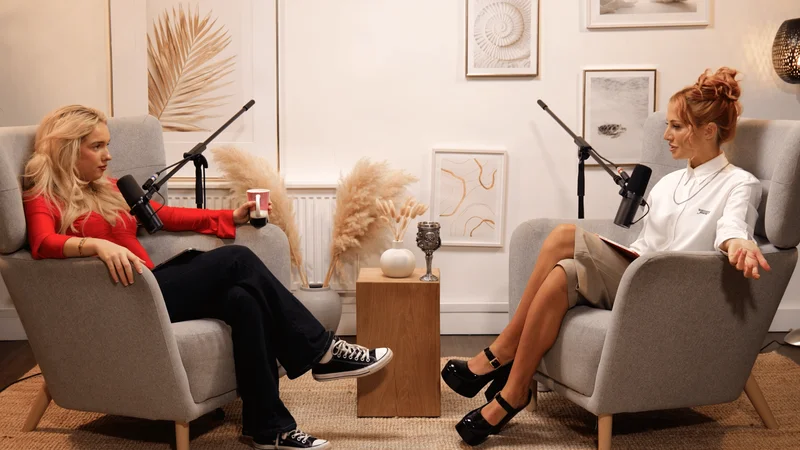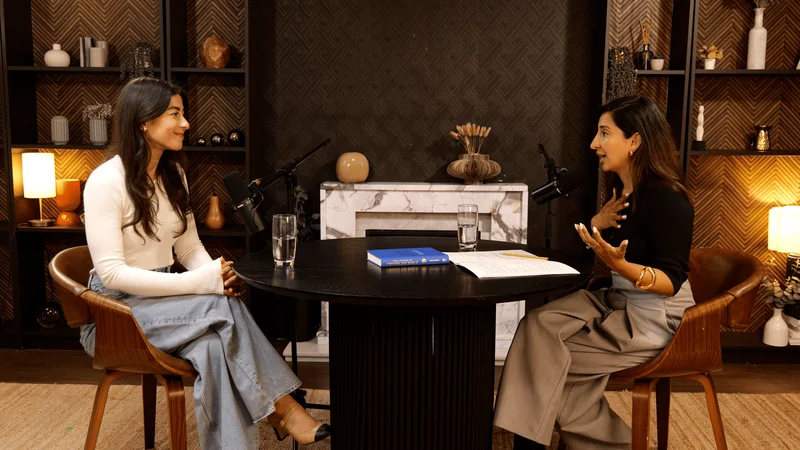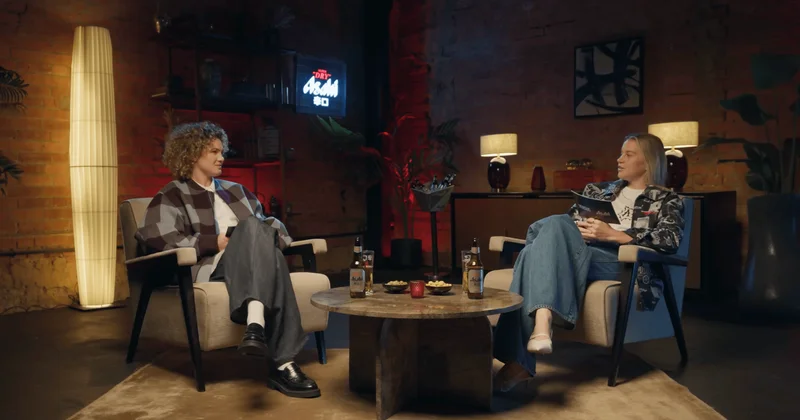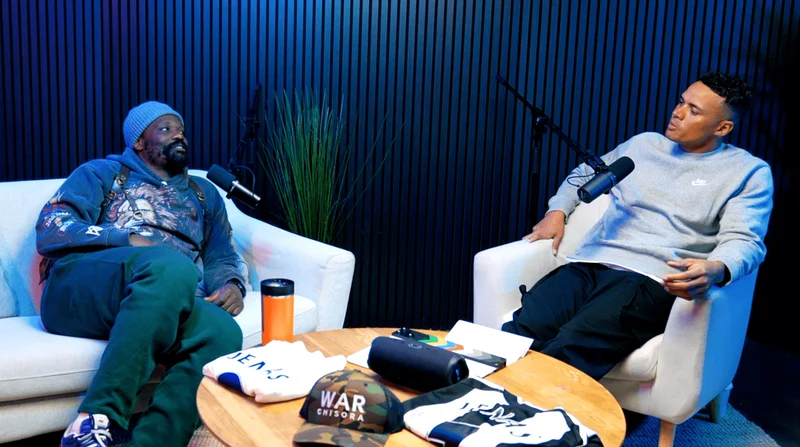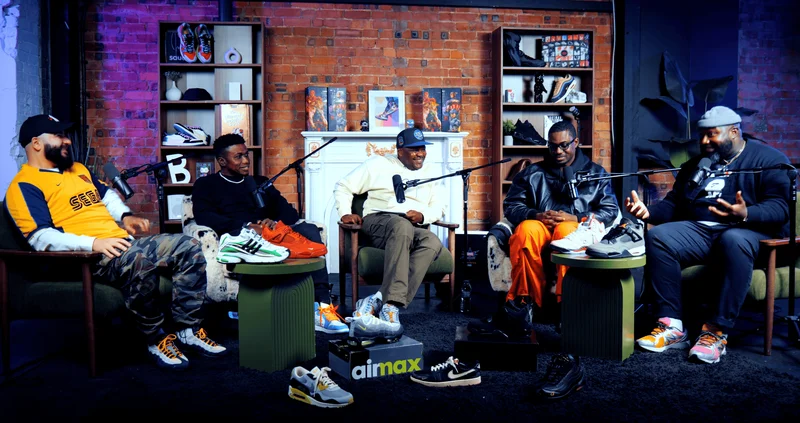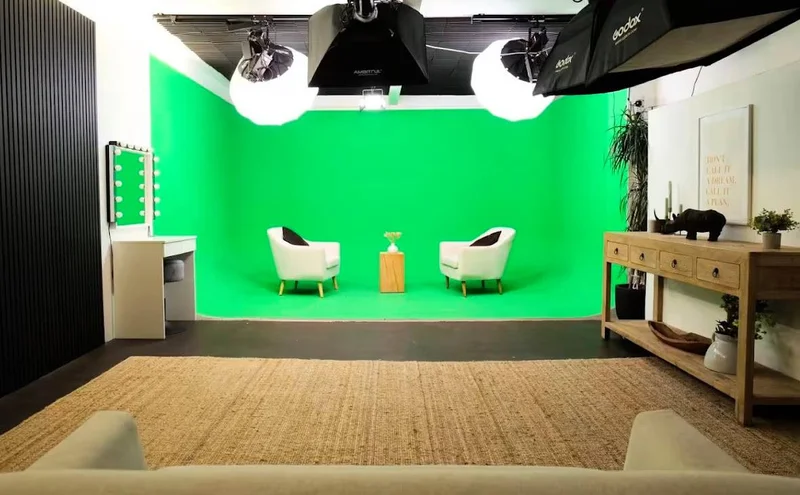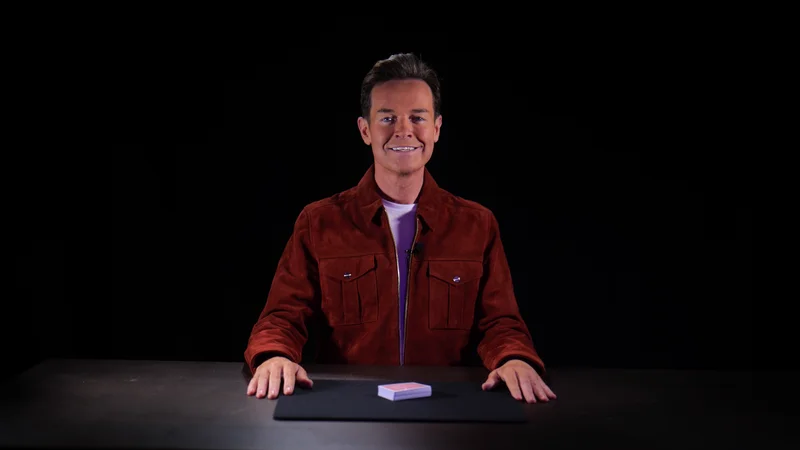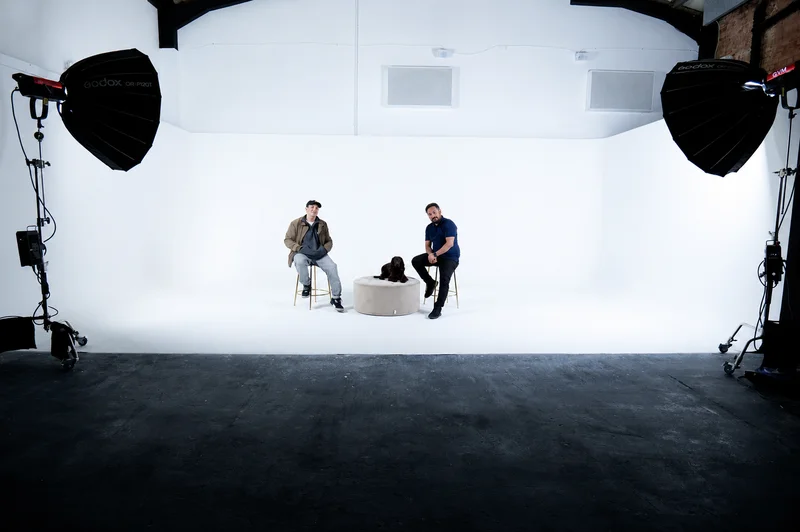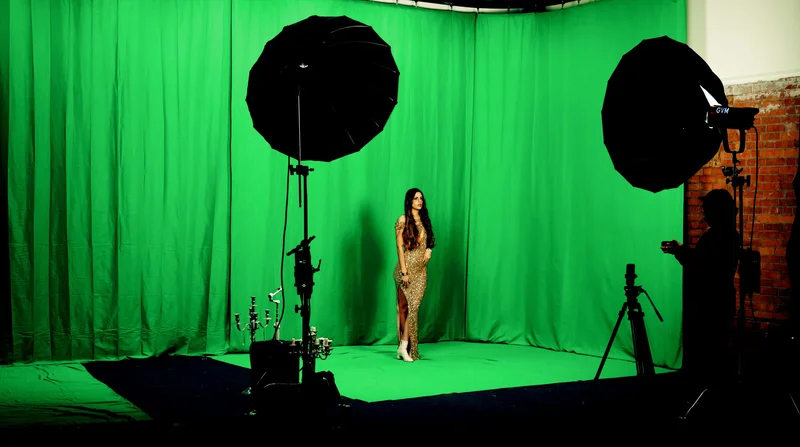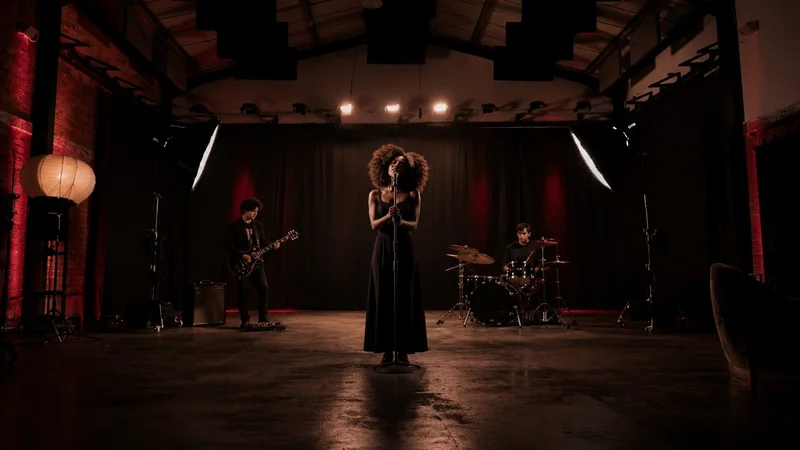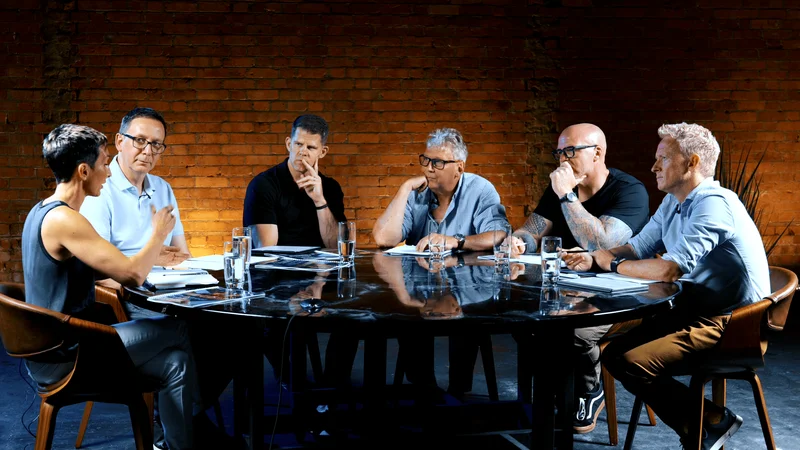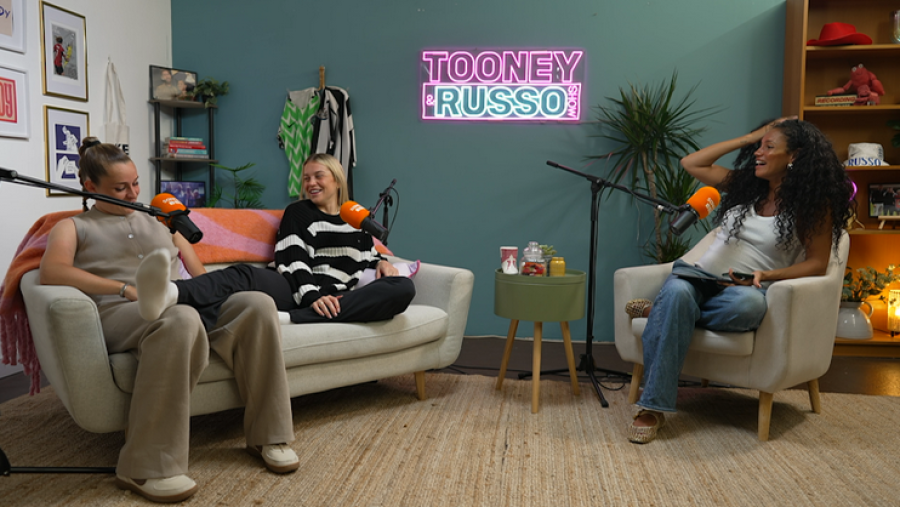
Podcast studio hire can mean several different things. One booking may simply provide access to a recording room and its installed equipment. Another may add an engineer to operate the session, while a more managed service may continue into editing and delivery after recording.
For a client, the useful starting point is not the label attached to the package. It is understanding which parts of the production are included, which parts your own team will handle, and what the studio needs to know before the session.
Podcast Studios& ProductionWhat Does Podcast Studio Hire Mean?
At its simplest, podcast studio hire is temporary access to a space designed for recording. Depending on the facility and package, the hire may also include equipment, technical staff and post-production.
It helps to separate a studio booking into four parts:
· Space: the recording room or visual set.
· Equipment: microphones, recording systems, cameras, lighting and monitoring where relevant.
· People: an engineer, camera operator, producer or other technical support where booked.
· Post-production: editing, audio finishing, video work or delivery after the session.
Different studios combine these elements differently. That is why two services described as 'podcast studio hire' may operate in very different ways.
Start With the Production Requirements
Before asking for a quote, define the recording you are trying to make. This makes it easier for a studio to recommend the right room and support level.
· Audio-only or visual podcast
· Number of hosts and in-person guests
· Whether remote contributors will join
· Whether the session will be recorded only or streamed live
· How many camera angles are actually required
· Whether your team will operate the equipment or needs technical support
· Whether you need raw files only or editing/post-production afterwards
Finding a Podcast Studio in London
Room-Only and Dry Hire
The term 'dry hire' is used differently across the production industry, so it should never be treated as a universal package definition. At some facilities it can mean an empty or lightly equipped room. At others it can mean a fully equipped studio without an operator.
The common feature is that the client takes more responsibility for the technical side of the session. This can suit experienced producers, agencies with their own crew, or creators who already know the equipment and workflow they want to use.
Before choosing a self-operated option, confirm exactly what is installed, whether you may bring your own equipment, how files are recorded and handed over, and whether any support is available if you need it.
Dry Hire vs Full-Service Podcast Studios
Engineer-Assisted and Managed Production
An engineer-assisted booking adds someone whose job is to operate or monitor the technical systems during the session. Depending on the format, that may involve microphones, recording levels, cameras, remote contributors or other production elements.
This can be useful when the host wants to concentrate on the conversation rather than operating equipment. It can also suit businesses and agencies whose internal teams are managing editorial, guests or brand requirements rather than the technical capture.
|
Finchley example Engineering support is optional at Finchley Studios. This is a useful example of why the same recording space can support different hire models: one client may operate independently, while another can add technical support. |
A more managed production can extend beyond the session to include additional planning or post-production. Because terminology such as 'full-service' and 'wet hire' is not standardised across all studios, compare the actual scope rather than relying on the label.
Dry Hire vs Full-Service Podcast Studios
What May Be Included in Studio Hire?
There is no single industry-wide inclusion list. A booking may include the room and its standard recording system, while cameras, engineering, specialist equipment or editing may be separate.
When reviewing a package, check the broad categories:
· the room or set being booked
· the microphones and audio recording system
· cameras and lighting if video is required
· monitoring and remote-guest capability where needed
· technical staff, if any
· what files are supplied after the recording
|
Finchley example Finchley Studios uses Shure SM7B microphones for podcast recording and can support visual podcast production with up to three Panasonic cameras. The important booking question is which configuration is included or required for the specific session. |
Podcast Studio Equipment
Podcast Studio Pricing
Audio vs Video Podcast Hire
Audio and video bookings can use the same core conversation, but the production requirements are different. A visual podcast also needs camera positions, lighting, set composition and a plan for handling the additional files.
The number of cameras should follow the format rather than an arbitrary standard. A simple one-camera recording may be enough for one project, while an interview or panel may benefit from multiple angles.
|
Finchley example Finchley Studios can use up to three Panasonic cameras for visual podcast production. This allows a production to add wider and closer views where the format benefits from them. |
Internal link: Visual Podcast
Studios
Target: [LEVEL 2 SIBLING URL TO ADD]
Remote Guests and Live Streaming
If a remote guest will join, or if the session will be streamed live, tell the studio before booking. Both requirements affect the way the session is configured.
A remote participant needs to hear the people in the room clearly and be recorded cleanly alongside them. Live streaming also adds a real-time delivery workflow. These are practical production requirements rather than last-minute add-ons.
|
Finchley example Finchley Studios supports remote guests and live streaming. These requirements can be planned in advance as part of the session setup. |
Post-Production After the Session
Studio hire and editing are not always the same service. Some clients only need the recording and will take the raw files to their own editor. Others want the studio or production team to continue into post-production.
Post-production may include audio editing, video editing, multi-camera assembly, colour work, graphics, captions or shorter clips. If you want a finished episode rather than raw recordings, make that clear when requesting the quote.
|
Finchley example Editing and post-production are available at Finchley Studios, allowing clients to choose whether the relationship ends with file handover or continues into a finished production. |
What Happens When You Arrive?
The exact arrival process varies between studios, but it should give the client enough time to understand the space and confirm the practical setup before recording starts.
|
Finchley example New podcast clients at Finchley Studios are normally shown around the studios when they arrive. The tour helps them understand the space before the recording session begins. |
If your session involves several guests, a visual set, remote contributors or live streaming, arriving with the format already agreed makes the technical preparation more straightforward.
How Much Time Should You Book?
Do not assume that a 60-minute conversation automatically requires a 60-minute booking. Studio policies differ, and the session may also need time for arrival, setup, checks, pauses, retakes and wrap.
Ask the studio how it treats setup and file handover, then build enough time into the booking for the type of production you are planning. Avoid universal rules such as 'always book twice the episode length' because the correct allowance depends on the workflow and the facility.
Affordable Studio Hire vs Complete Production
Affordability should be assessed against what your production actually needs. A self-operated room can be excellent value for a team that already has technical expertise. A supported session can be better value for someone who would otherwise need to bring or hire crew separately.
This does not mean the cheapest option is poor or that the most expensive option is automatically better. Compare like with like: room, equipment, staff, recording time and deliverables.
Internal link: Affordable
Podcast Studios
Target: [LEVEL 3 TARGET TO FINALISE AFTER SEO REVIEW]
The Basic Booking Journey
The administrative details vary by facility, but the broad booking journey is usually straightforward:
|
1. Define the production |
Decide on format, guest count, audio/video needs and any remote or live requirements. |
|
2. Enquire |
Contact the studio with the date, approximate duration and technical requirements. |
|
3. Choose the space and support level |
Select the room and decide whether you need engineering or other production support. |
|
4. Confirm requirements |
Agree the important details such as camera setup, remote contributors and deliverables. |
|
5. Review the quote |
Check what is included rather than comparing the headline price alone. |
|
6. Confirm the booking |
Follow the studio's current confirmation process. |
|
7. Record |
Arrive for the session with the agreed format and participants. |
Internal link: How to Book a
Podcast Studio
Target: [LEVEL 3 URL TO FINALISE AFTER EXISTING-CONTENT REVIEW]
Questions to Ask Before Hiring
· Which room or set is included?
· What recording equipment is included in the booking?
· Is engineering included, optional or unavailable?
· Can the studio support remote guests or live streaming if required?
· What files will be supplied after the session?
· Is editing or post-production available?
· How does the studio treat setup time and any additional time?
Frequently Asked Questions
What does podcast studio hire include?
It depends on the studio and package. A hire can range from access to a room through to a supported recording with equipment, technical staff and post-production. Always check the actual inclusions.
Do I need an engineer?
Not necessarily. Experienced production teams may prefer to operate independently. If you do not want to manage the technical side of the session, an engineer-assisted option may be more suitable.
Can I bring my own production team?
Some studios allow external production teams, but policies vary. Confirm this with the facility and check whether your team will use the studio's installed equipment or bring additional gear.
Can I hire a podcast studio for video?
Yes, where the facility supports video production. Confirm the available sets, number of camera angles, lighting and whether a technical operator is needed.
Can remote guests join?
They can at studios that support remote integration. Tell the studio in advance so the correct audio/video workflow can be prepared.
Is editing included?
Sometimes, but it should not be assumed. Editing may be included in a managed package or offered separately after the recording.
How long should I book?
Allow for more than the planned conversation if the session needs arrival time, setup, checks, pauses or retakes. Ask the studio how its booking time is structured.
Do I need to bring equipment?
That depends on the hire model. Some studios provide the complete recording system, while self-operated or room-only arrangements may work differently. Confirm the exact package before arrival.