Deconstructing the Studio Hire Models: A Foundational Overview
The London podcasting market presents a complex and mature ecosystem of production facilities, each operating under distinct business models tailored to different segments of the creative and corporate worlds. For any individual or organization looking to enter this space, understanding the fundamental difference between the two primary operational models—'dry hire' and 'full-service'—is the critical first step in formulating a viable production strategy. These terms represent more than a simple choice of whether to have a technician in the room; they signify two divergent philosophies on production, control, cost, and accountability. The decision between them dictates not only the budget but also the allocation of time, the level of required expertise, and ultimately, the potential quality and strategic impact of the final product.
The 'Dry Hire' Model: The Creator's Blank Canvas
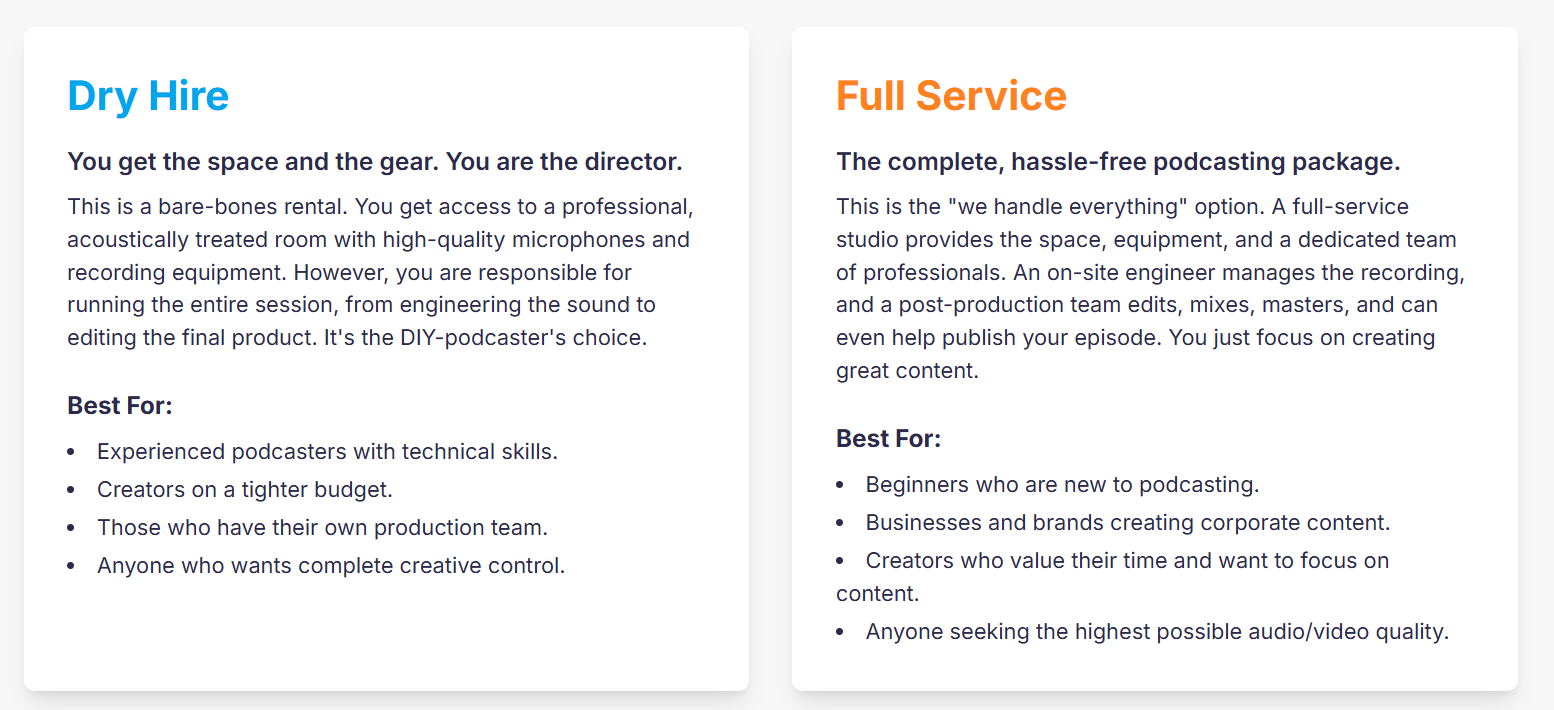
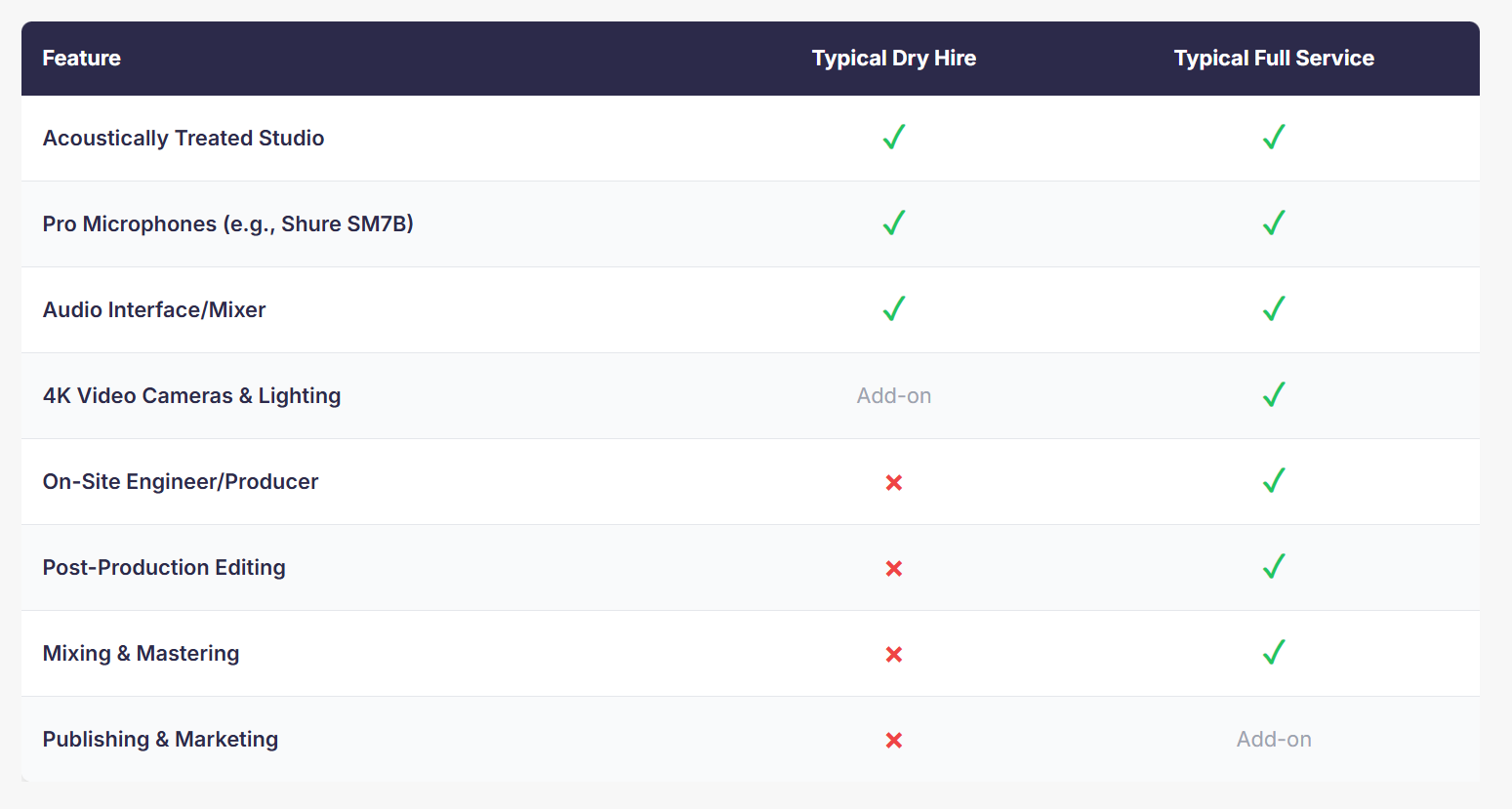
The 'dry hire' model, in its purest form, is the rental of a physical space without the provision of additional services or in-house personnel, such as engineers or producers.1 It is the conceptual equivalent of renting a "blank canvas" venue, where the client is responsible for bringing their own suppliers, equipment, and creative direction to fill the space.3 This model grants the creator maximum autonomy and control over every facet of the production process, from the choice of microphone to the direction of the talent.2
However, the term "dry hire" within the specialized context of podcast production has evolved and now exists on a spectrum. At one end lies the traditional definition: a professionally soundproofed and acoustically treated room that the client equips entirely themselves. At the other end are high-specification suites, such as those offered by Fitzrovia Post, which come fully equipped with industry-standard hardware, software, control surfaces, and secure high-speed internet, but without a dedicated operator.5 This interpretation of dry hire is tailored to freelance engineers, production companies, and experienced creators who possess the requisite technical skills but lack access to a professional-grade environment. Some studios further blur the lines; for instance, Hunting Ground Studios requires new clients to hire a studio assistant for their initial booking to familiarise them with the facility's unique and valuable equipment, a policy that introduces a mandatory support element into a nominally dry hire arrangement.6
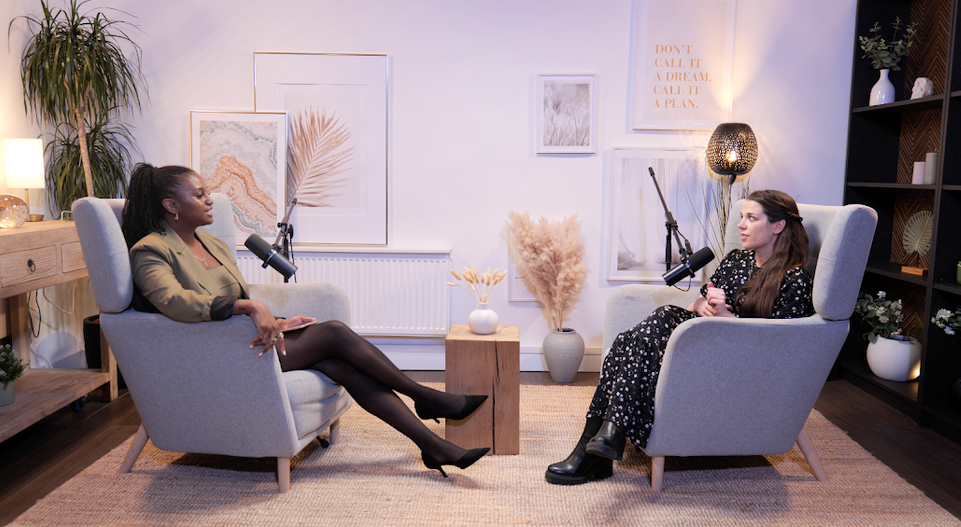
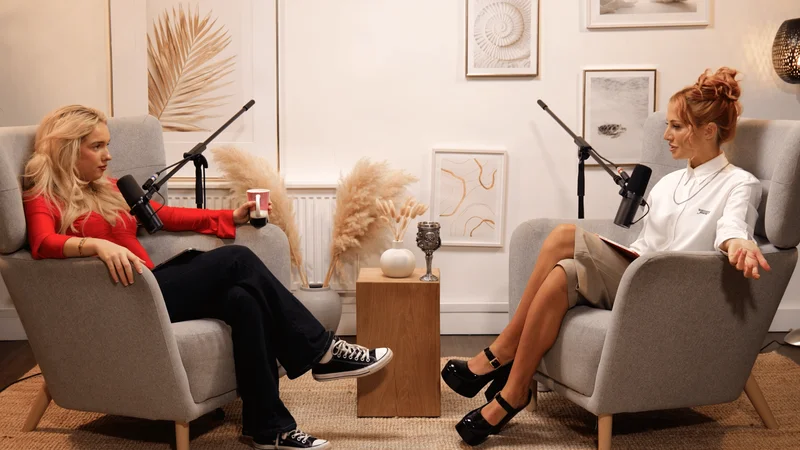
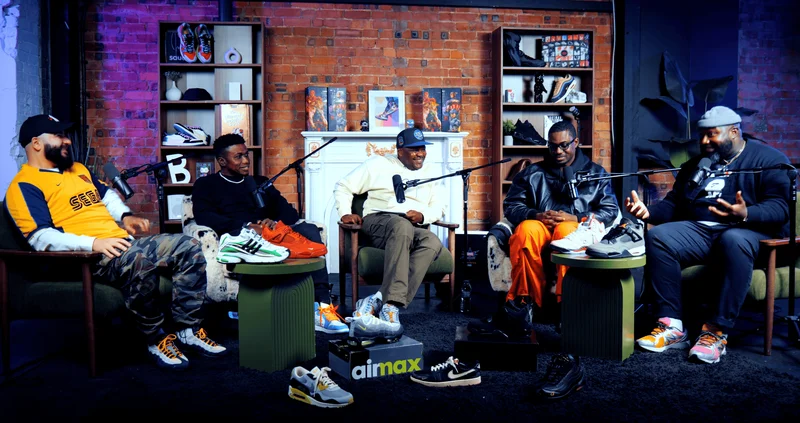
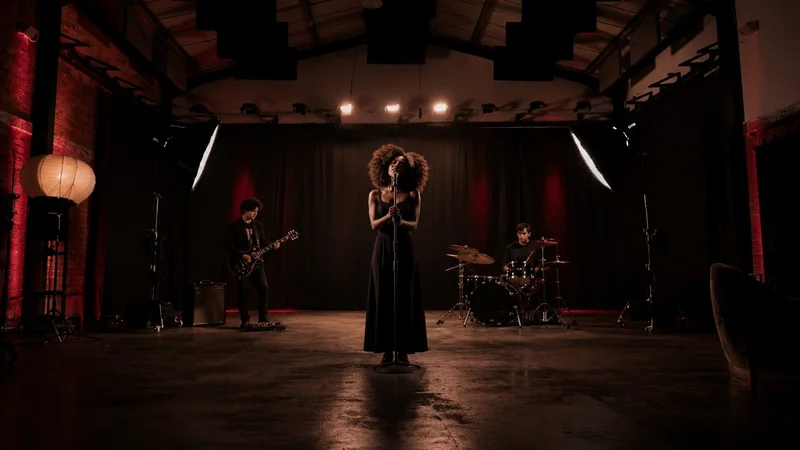
Image Credit: Finchley Studio (Dialogue set): book this setup for your podcast
The strategic implications for a creator opting for a dry hire model are significant. The primary advantage is the complete creative freedom it affords.3 For those with a clear vision and the technical team to execute it, this model is liberating. Financially, it can be the more cost-effective route, especially for creators who have already invested in their own recording equipment or have an established production crew, as they are paying solely for the acoustically superior space and not for redundant services.2
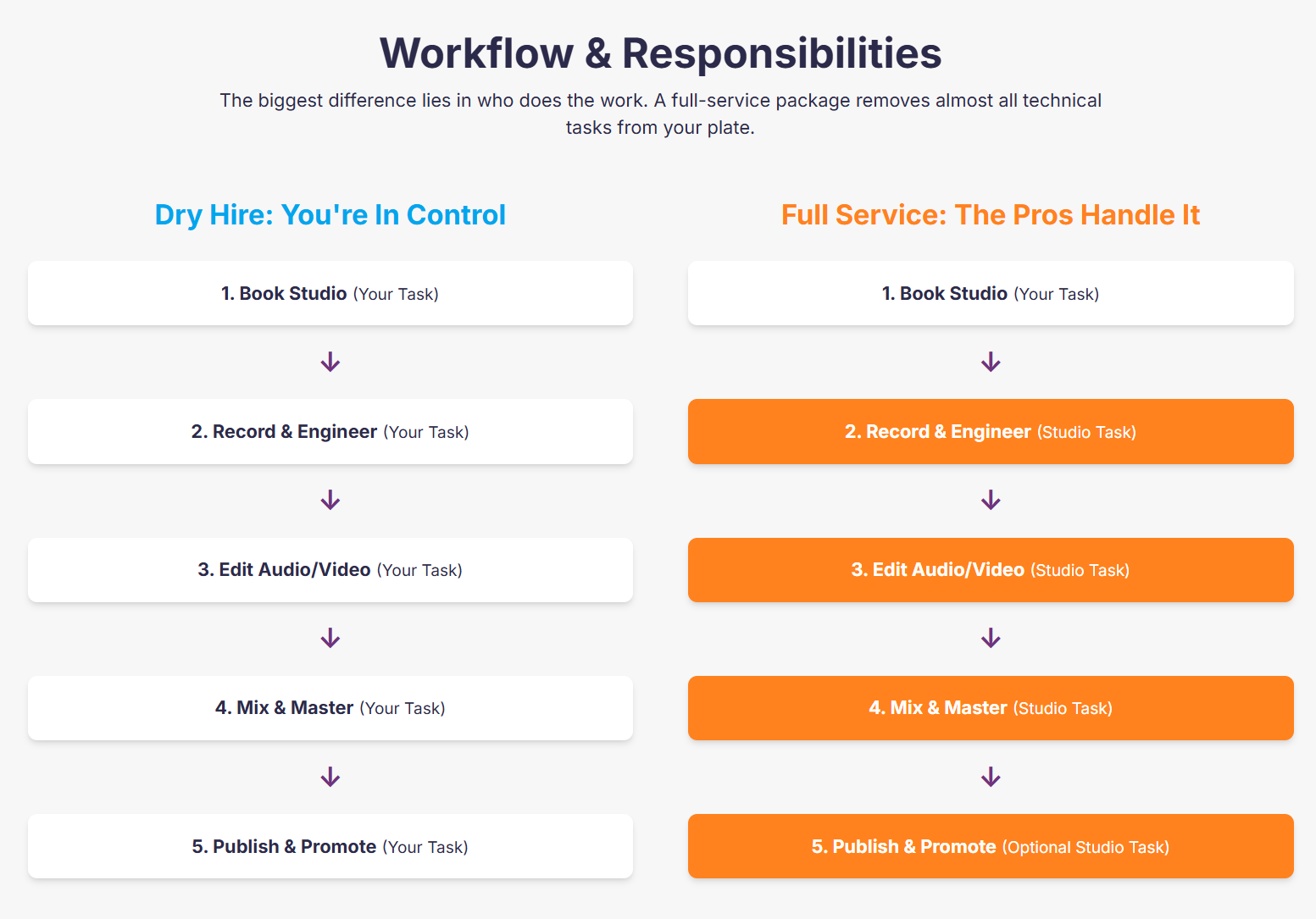
Conversely, this model presents a high barrier to entry. It presupposes a substantial level of technical proficiency on the part of the client or their team.7 The responsibility for the entire technical workflow—from setting up microphones and gain staging to troubleshooting software glitches—rests squarely on the creator's shoulders.6 For the inexperienced, this can be a time-consuming and daunting learning curve, with a significant risk of producing a subpar final product that suffers from poor audio quality, which can deter listeners and damage brand perception.4 Furthermore, the creator must assume the full logistical burden of a line producer, coordinating schedules, sourcing crew, and managing all technical elements, representing a considerable drain on time and resources that extends far beyond the recording session itself.4 The fundamental distinction, therefore, is that a dry hire studio sells a utility—an acoustically controlled environment and access to equipment. The responsibility for how that utility is used and the quality of the outcome it produces lies entirely with the client.
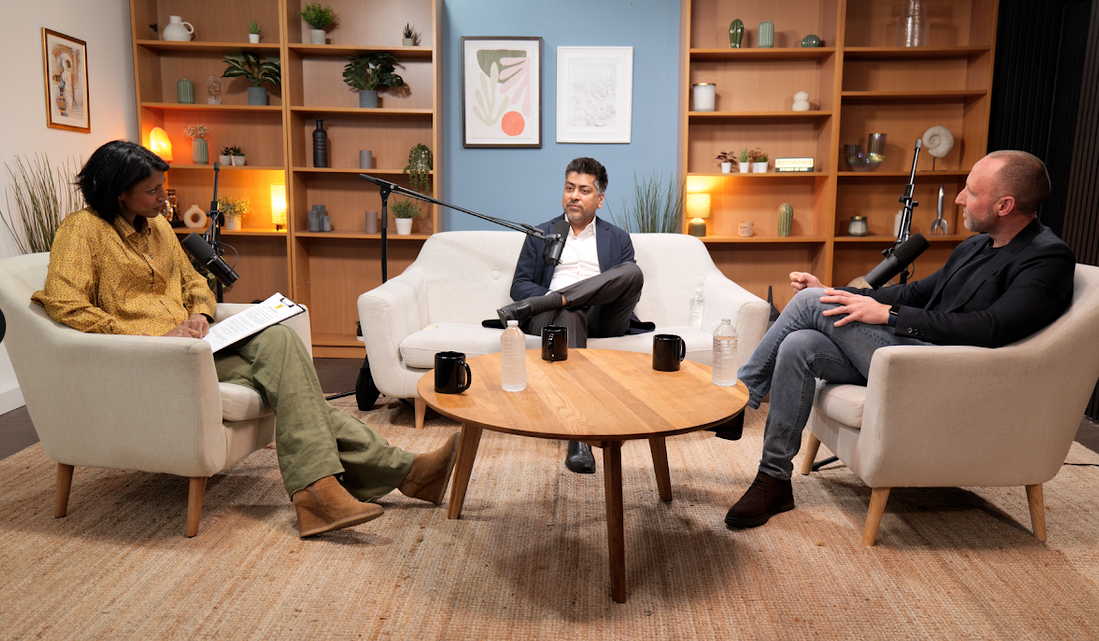
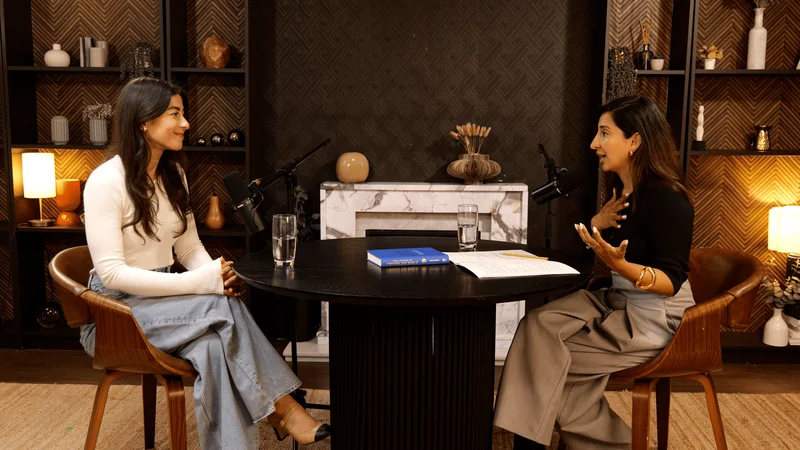
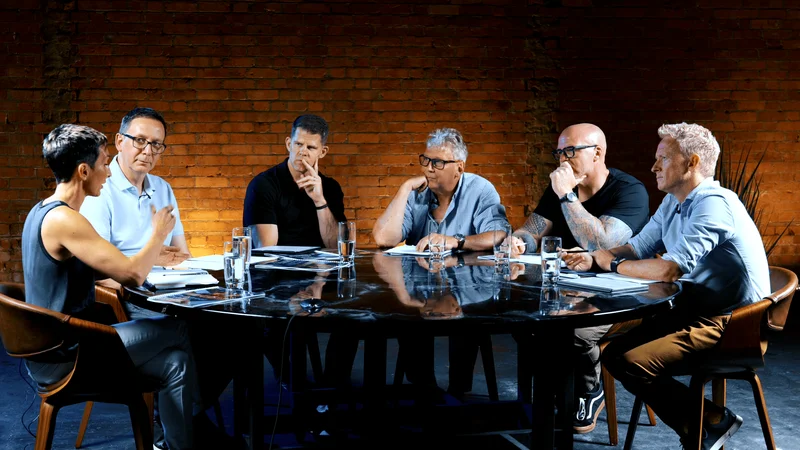
Image Credit: Finchley Studio (Lounge set): book this setup for your podcast
The 'Full-Service' Agency Model: The End-to-End Production Partner
In stark contrast to the utility-based approach of dry hire, the 'full-service' model operates as a sophisticated, strategy-led partnership. It is not merely a rental service but a comprehensive, end-to-end production solution designed to manage the entire podcasting lifecycle, from initial concept to final distribution and analysis.8 This model is predicated on delivering a guaranteed outcome: a professionally produced, strategically aligned podcast engineered to achieve measurable business objectives, such as brand awareness, lead generation, or thought leadership.8 In the broader events and venue industry, this is often termed "wet hire," where the space is provided along with all necessary staff and services to make it fully operational.2
The service stack of a full-service podcast agency is comprehensive and can be broken down into four key stages. The first, and arguably most critical, is pre-production. This is the foundational phase where the agency acts as a strategic consultant, working with the client to address the fundamental 'why' of the podcast.8 This involves deep-dive sessions on concept development, audience research, brand alignment, and format selection. Leading agencies build their entire process on this "tailored strategic development," ensuring the final product is designed for success from its inception.8
The second stage is production. Here, the agency provides not only an acoustically pristine recording environment and high-end equipment but also the expert personnel required to operate it.11 An experienced sound engineer and a producer will manage the session, guiding the talent, monitoring audio levels, and ensuring the highest possible quality of the raw recording, thereby removing the technical burden from the client.13
Third is post-production, where the raw recordings are transformed into a polished, broadcast-worthy final product. This includes meticulous dialogue editing to remove mistakes and false starts, sound design, the addition of music and effects, mixing to balance all audio elements, and mastering to ensure the episode sounds professional across all listening platforms.4
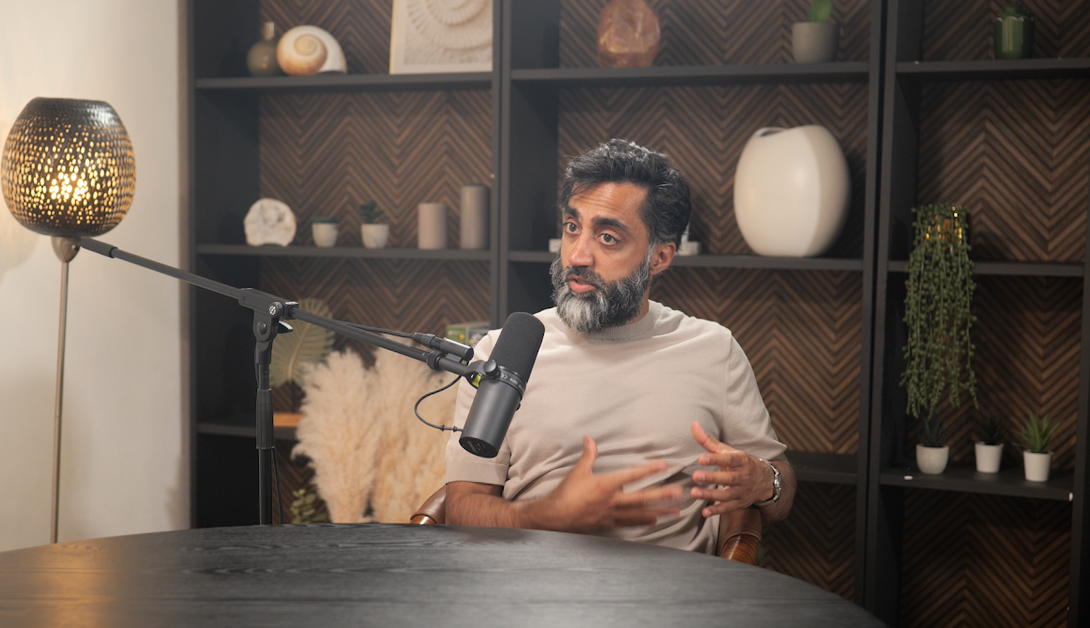
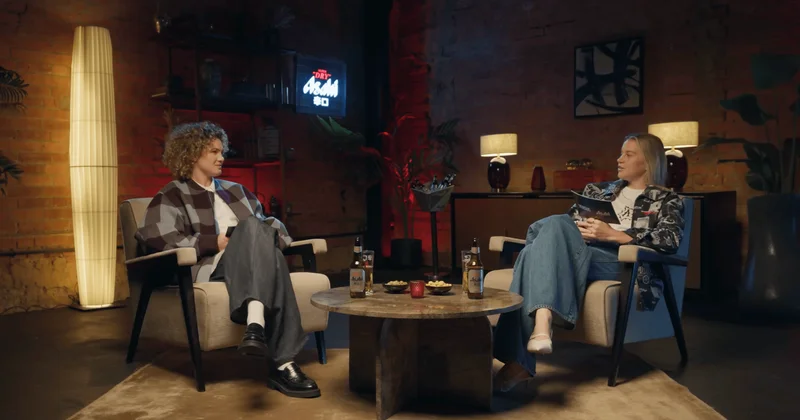
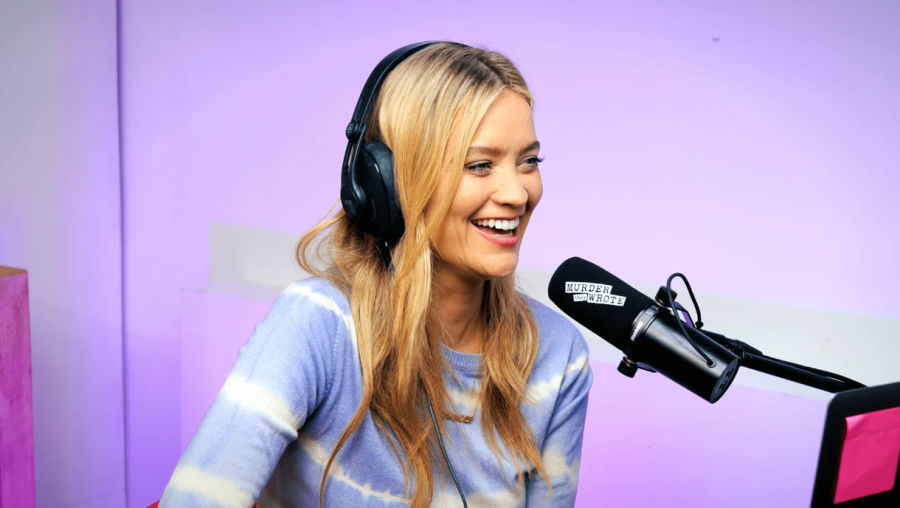
Image Credit: Finchley Studio (CEO Set): book this setup for your podcast
Finally, top-tier agencies extend their services to distribution and marketing. This fourth stage goes beyond simply uploading the file; it involves strategic platform optimization for services like YouTube and social media, Search Engine Optimization (SEO) for better discoverability, and providing performance analytics to measure the podcast's impact and refine future content strategies.9
For the creator, the strategic implications of this model are profound. It offers quality assurance and significant risk mitigation. By entrusting the technical aspects to a team of dedicated professionals, the client guarantees a high-quality product and eliminates the stress and steep learning curve associated with audio production.4 While the direct financial cost is higher, this model is highly efficient in terms of time and internal resources, freeing the client and their team to focus on their core competency: developing and delivering compelling content.4 The relationship transcends a simple transaction; the agency becomes a strategic partner invested in the podcast's success, providing invaluable guidance that aligns the creative output with broader business goals.8 The necessary trade-off for these benefits is a degree of autonomy over the technical process, requiring the client to place their trust in the agency's expertise.4
A Strategic Framework for Choosing Your Production Path
The decision between a dry hire and a full-service model is not merely a logistical choice but a strategic one that must be aligned with a project's specific goals, resources, and the creator's own capabilities. The London market, in its maturity, has moved beyond a rigid binary, giving rise to a spectrum of hybrid solutions that blend elements of both models. To navigate this landscape effectively, a potential podcaster must first conduct a thorough self-assessment to determine where their project falls on the continuum of production needs.
Data source: mylondon.news
The Podcaster's Decision Matrix: Aligning Needs with Models
A structured framework for this self-assessment can be built around four critical vectors, each addressing a key aspect of the podcasting endeavor. By honestly evaluating their position on each vector, creators can identify the production model that offers the optimal balance of control, quality, cost, and convenience for their unique circumstances.
Vector 1: Strategic Goals & Brand Perception
The first consideration is the podcast's ultimate purpose. Is it a passion project or a core component of a corporate marketing strategy? For high-stakes content intended to generate leads, establish thought leadership, or represent a major brand, the margin for error is virtually non-existent.17 In these cases, the polish, consistency, and strategic alignment provided by a full-service agency model are paramount to protecting and enhancing brand reputation.8 Conversely, a more experimental, personal, or hobbyist project may benefit from the creative freedom and lower upfront cost of a dry hire studio, where the creator can develop their voice and format without the pressure of a significant financial investment.17
Vector 2: Technical Proficiency & Experience
A realistic and candid assessment of the creator's—or their in-house team's—technical capabilities is essential. Managing a professional recording session involves a complex set of skills, from understanding microphone placement and signal flow to operating mixing consoles and recording software. A lack of experience in these areas can easily lead to a "lower quality finished product," which may fail to engage listeners, regardless of the content's strength.4 For those new to audio production, the "technical learning curve" is steep and can be a significant distraction from the creative process.7 Acknowledging a skills gap strongly indicates that a full-service or at least a technician-supported hybrid model is the more prudent choice.
Vector 3: Time & Resource Availability
Podcasting is a notoriously time-intensive medium. The recording session itself is often the shortest part of the process. For every hour of recorded audio, an additional three to four hours can be expected for post-production tasks, including editing, mixing, writing show notes, and creating promotional materials.4 This represents a significant commitment of non-monetary resources. Creators, particularly busy professionals or lean business teams, must evaluate whether they have the internal capacity to absorb this workload. Opting for a full-service model effectively offloads this "drain on non-monetary resources," allowing the team to remain focused on their primary business functions while the production partner handles the technical and administrative heavy lifting.4
Vector 4: Budget & Investment Horizon
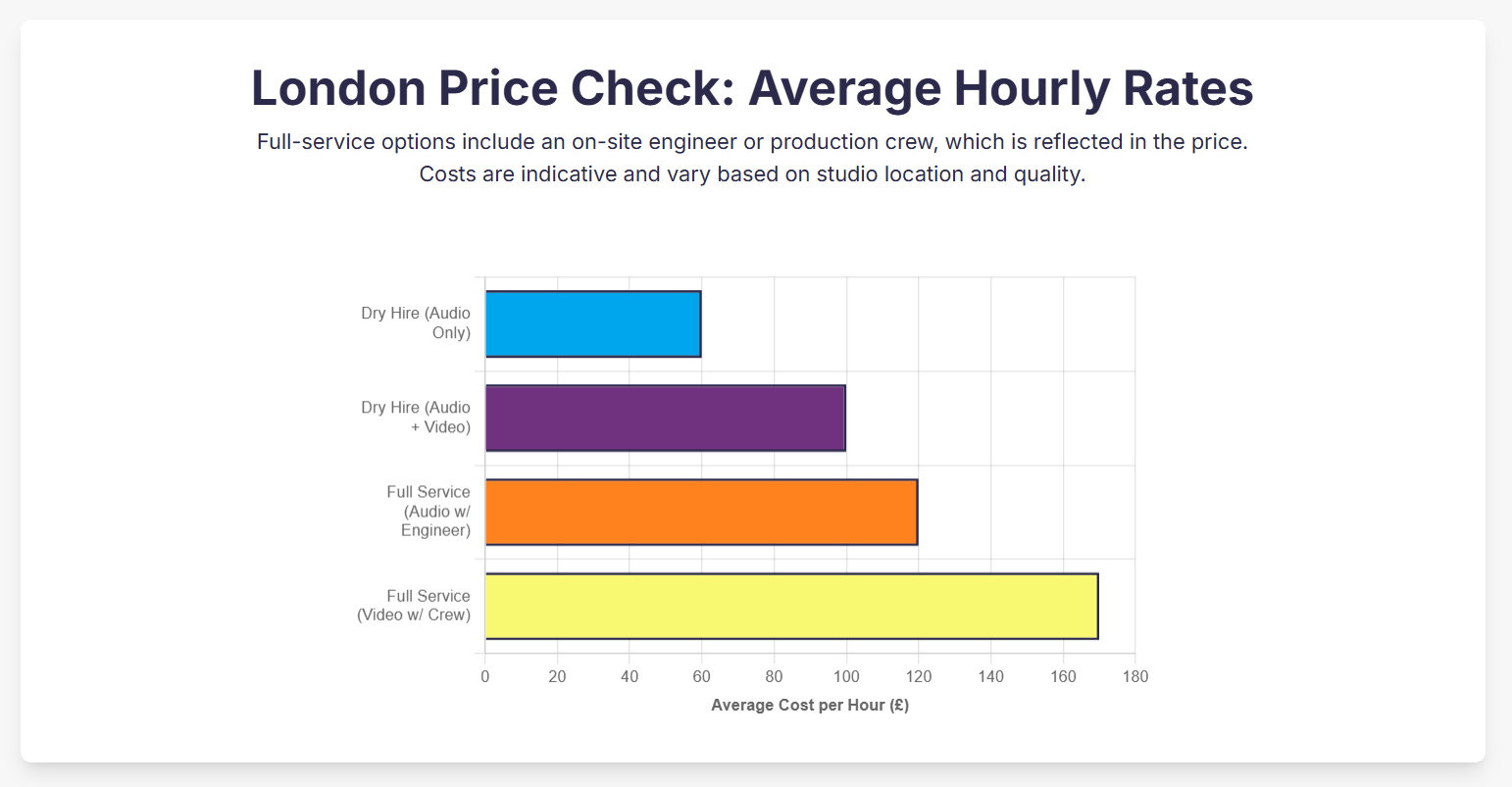
A superficial comparison of hourly rates can be misleading. While a dry hire studio appears cheaper on paper, it carries numerous ancillary and hidden costs. These can include capital expenditure on microphones and other equipment, recurring software subscriptions, and, most importantly, the opportunity cost of the creator's time spent on technical tasks instead of revenue-generating activities.4 A more sophisticated financial analysis would consider the Total Cost of Ownership (TCO). The higher upfront fee of a full-service package often bundles in equipment access, professional expertise, and post-production labor, potentially offering a superior long-term return on investment through a higher-quality product, significant time savings, and the avoidance of large capital outlays on gear.4
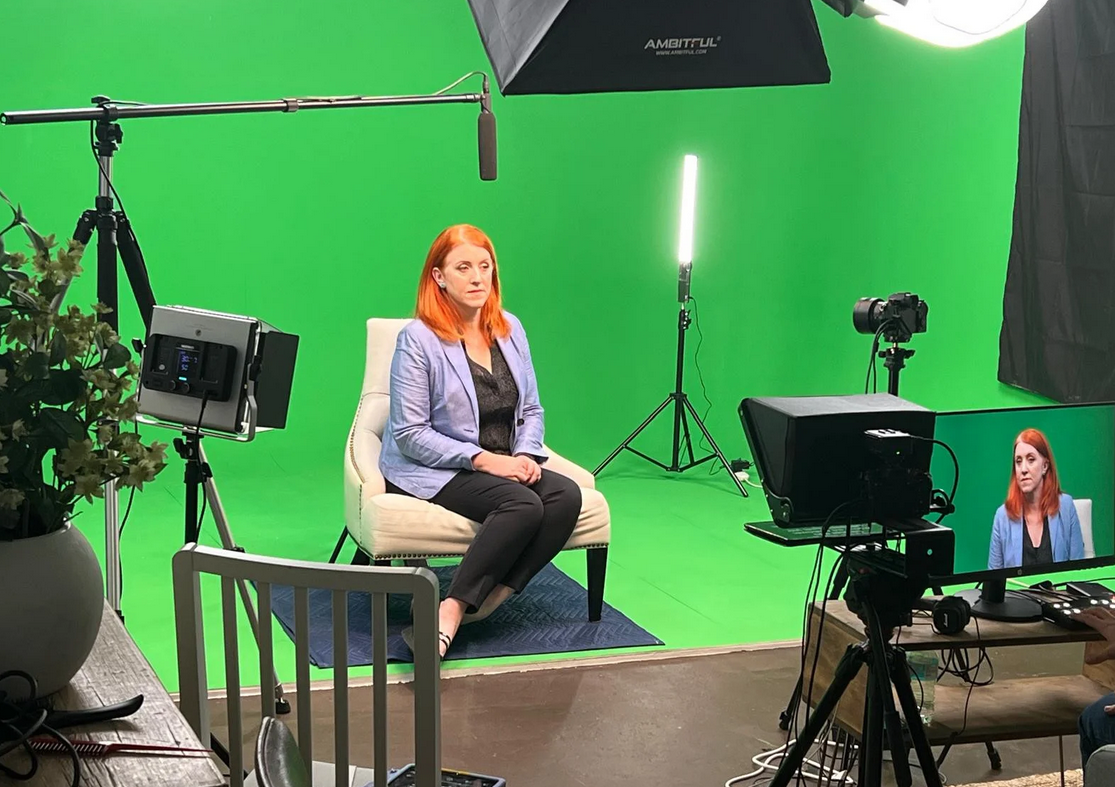
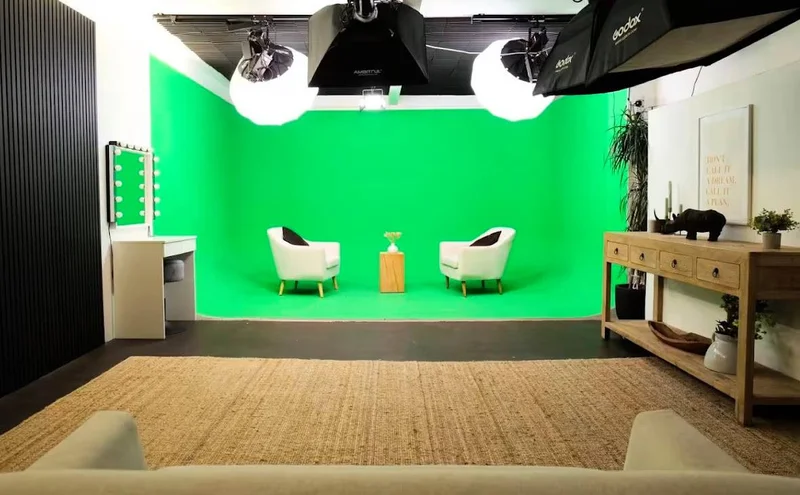
Image Credit: Finchley Studio (Green Screen Cove): book this setup for your podcast
The Rise of the Hybrid Model: Blending Autonomy with Expertise
The market has responded to a growing segment of creators who do not fit neatly into the novice or expert categories. These are often small businesses, experienced creators on a budget, or corporate teams who want professional quality and support without ceding all creative control or committing to a full agency retainer. This demand has fueled the growth of flexible, hybrid production models that allow creators to build a bespoke workflow.
These hybrid solutions take several forms. One common approach is the use of à la carte services, where a creator might use a dry hire studio for the recording session to maintain control over the creative environment but then outsource the time-consuming task of editing to a specialized post-production house. This "hybrid DIY & Production Company approach" allows for a strategic allocation of budget toward the most challenging or laborious parts of the process.4
Another prevalent model is the "wet hire" package, which represents a popular middle ground. Many studios, including Finchley Studio, offer tiered packages that go beyond simple dry hire by including the studio space, all necessary equipment, and a dedicated technician or engineer to manage the technical aspects of the recording session.18 This de-risks the most technically demanding part of the process for the client, who then remains responsible for their own pre-production strategy and post-production workflow.
Finally, for creators with fluctuating needs, a "best of both worlds" strategy can be highly effective. This involves maintaining a simple home studio for convenient, low-cost recording of solo episodes or regular content, while strategically booking a professional studio for high-stakes recordings, such as interviews with important guests or batch-recording an entire season of content with superior production values.17 This approach optimizes both budget and quality, leveraging the strengths of each environment as needed. Ultimately, the modern podcasting landscape does not force a binary choice; it offers a spectrum of control versus convenience, enabling savvy creators to design a production path that is perfectly tailored to their project's unique requirements.
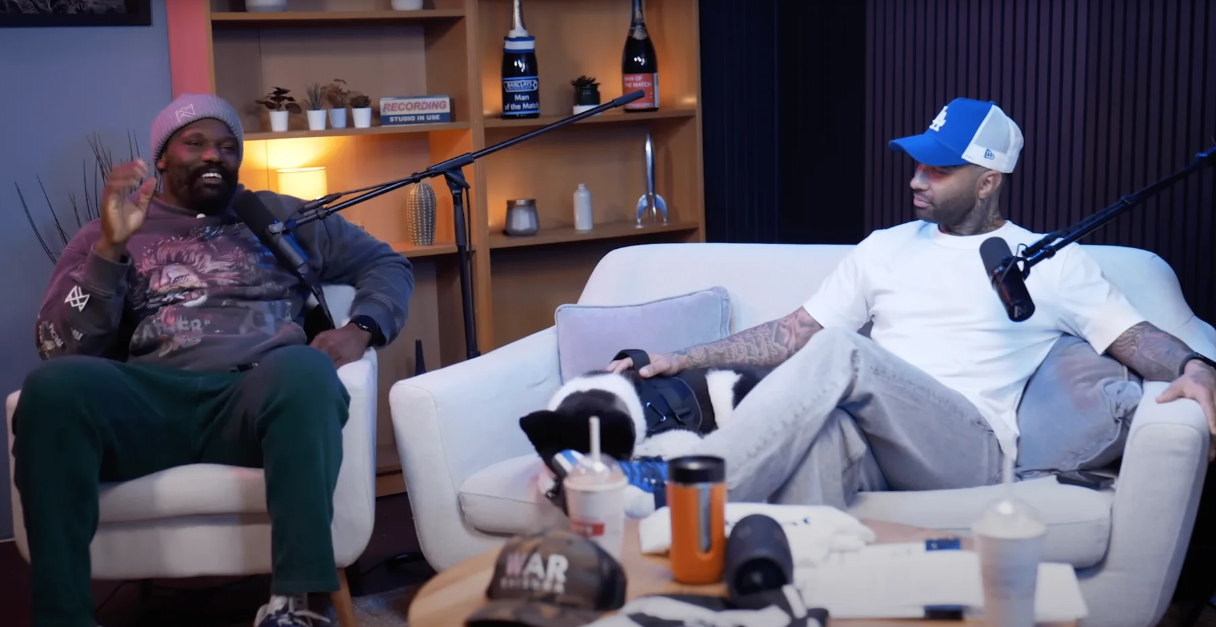
Image Credit: Finchley Studio (Blackwood): book this setup for your podcast
Market Analysis of London's Premier Podcast Studios
The podcast studio market in London is both mature and highly segmented, reflecting the diverse needs of a city that is a global hub for media, finance, and creativity. The landscape can be categorized into distinct operational tiers, each defined by its business model, target clientele, and service philosophy. Understanding this segmentation is crucial for any creator seeking to identify the facility that best aligns with their strategic objectives and budget. The market is also heavily influenced by two key factors: geographical clustering, with different tiers of studios concentrating in specific areas of the city, and the pervasive technological shift toward video-first content production.
Data source: mylondon.news
Market Segmentation: The Tiers of London's Podcast Scene
Based on their core offerings and market positioning, London's podcast studios can be classified into five distinct tiers.
Tier 1: Elite Full-Service Agencies
At the apex of the market are the high-end, full-service production agencies. These are not merely studios but strategic partners that offer broadcast-grade audio and video production, coupled with deep pre-production consultancy and post-production services. They cater to a clientele of major brands, global media companies, and A-list talent who demand the highest level of quality and strategic input. Examples include Spiritland Productions, known for its work with clients like Amazon and Disney and talent such as Louis Theroux, and Forever Audio, an award-winning audio post-production house specializing in high-end sound design and mixing.20
Tier 2: Platform-Integrated Media Hubs
This tier consists of studios that are part of a larger media or technology company's ecosystem. Their primary value proposition is the integration of high-quality production facilities with a wider platform for distribution, monetization, and community engagement. The prime example is Acast Studios London, located in Hoxton. It offers world-class video and audio facilities to podcasters, with preferential access and even free studio time for creators who host their shows on the Acast platform, thereby creating a powerful, vertically integrated ecosystem.22
Tier 3: Flexible Hybrid Studios
This represents the largest and most dynamic segment of the London market. These studios cater to a broad audience, including small and medium-sized enterprises (SMEs), corporate teams, and serious independent creators. Their business model is built on flexibility, offering a range of packages from simple room hire to fully supported recording sessions. They provide a crucial middle ground, offering professional quality and support without the high cost and comprehensive commitment of a Tier 1 agency. Key players in this space include Finchley Studio, Podshop, Podcast Room, and TYX Studios.20
Tier 4: Membership-Based Creative Communities
These facilities offer studio access as a key benefit of a broader membership to a creative hub or private members' club. The emphasis is as much on networking and collaboration within a curated community of creators as it is on the production facilities themselves. This model appeals to musicians, producers, and content creators who value being part of a vibrant creative environment. Prominent examples include The Qube, with multiple locations across London, and The Ministry in Elephant & Castle, developed by the Ministry of Sound.21
Tier 5: Accessible Self-Service Chains
Operating on a high-volume, low-margin, technology-driven model, these studios provide 24/7, unstaffed access to professional-grade equipment at a highly affordable price point. They target independent creators, musicians, and podcasters who are technically proficient and prioritize flexibility and cost-effectiveness. The dominant player in this tier is Pirate Studios, which has numerous locations across London and operates on an app-based, self-service booking system.21
Data source: dailymail.co.uk
Comparative Studio Profiles
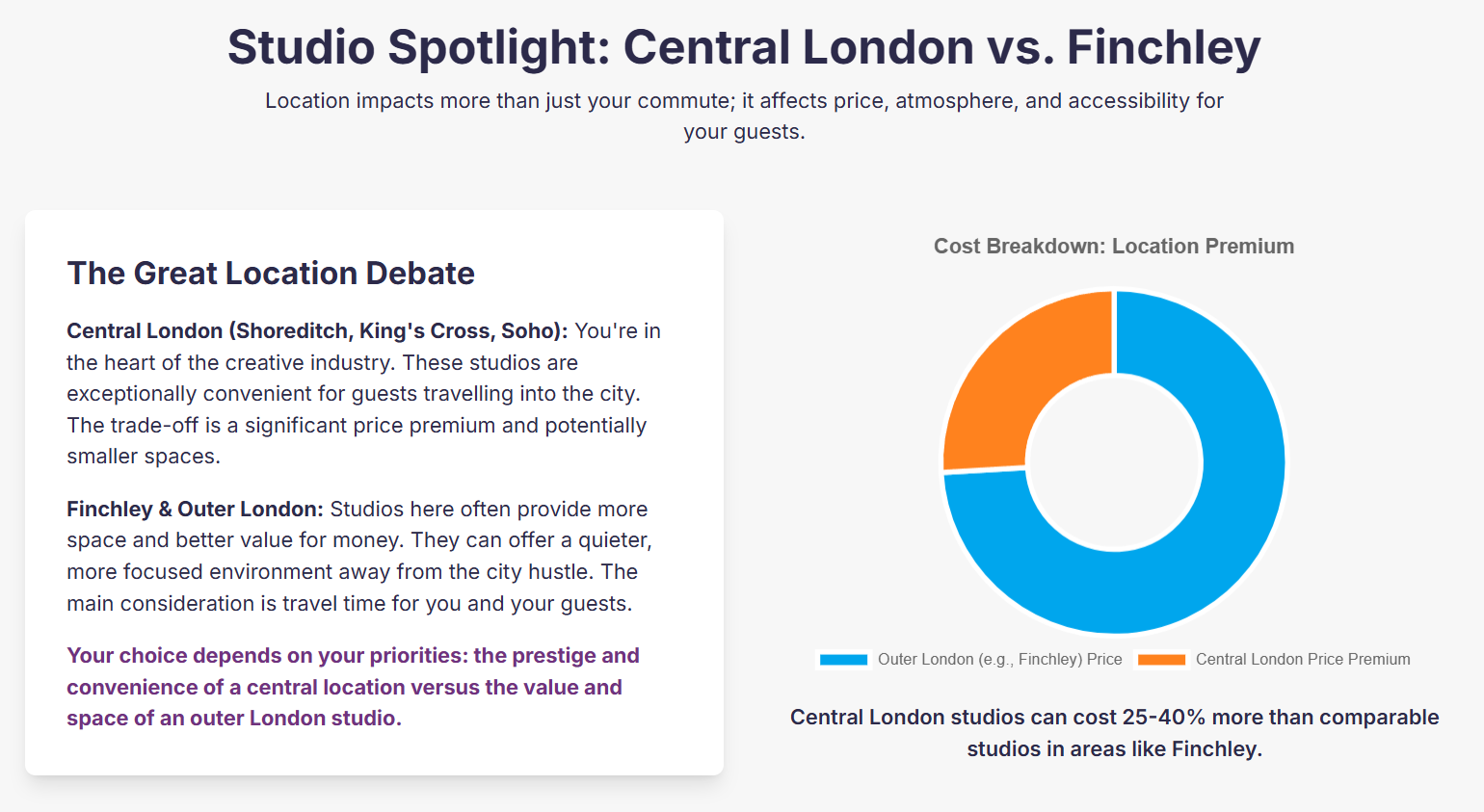
The geographical distribution of these studios reveals a distinct pattern. The elite and creative-hub studios of Tiers 1, 2, and 4 are predominantly clustered in London's established creative and media centers, such as King's Cross, Hoxton, Soho, and London Bridge. This proximity to major transport links and other media businesses is a key part of their appeal to a high-end professional clientele. In contrast, the highly accessible, utility-focused self-service chains of Tier 5 have a much wider and more distributed footprint, with locations in areas like Dalston, Hackney, and Wembley, serving local creative communities. The hybrid studios of Tier 3, such as Finchley Studio in North London, often occupy accessible but less central locations, which can translate into a competitive cost advantage for their clients.
The following table provides a comparative snapshot of representative studios from each tier, illustrating the diversity of the market.
Data source: mylondon.news
*Rates are indicative and subject to change. POA = Price on Application.
A defining technological driver shaping offerings across all these tiers is the unequivocal rise of the video podcast. Facilities are no longer positioning themselves as mere audio recording booths. Instead, they are multi-format content production hubs. Studio profiles consistently and prominently feature their video capabilities, from Acast's Canon C70 cinema cameras to Outset Studio's Netflix-approved Sony equipment and Finchley Studio's multi-camera 4K packages.19 This market-wide pivot is a direct response to the dominance of video-centric platforms like YouTube, TikTok, and Instagram, where a podcast's visual presentation is now as important as its audio quality for audience growth and engagement.
In-Focus Analysis: Finchley Studio
Within the dynamic and segmented London market, Finchley Studio has carved out a distinct and successful niche. By eschewing the high-end agency model and the low-cost self-service approach, it has strategically positioned itself in the hybrid middle market. Its business model is precisely engineered to serve a growing clientele of businesses and serious creators who require a professional, reliable, and accessible production solution without the complexity and cost of a full agency retainer. This focus on providing a "productized service" that minimizes client friction and maximizes perceived value is central to its competitive advantage.
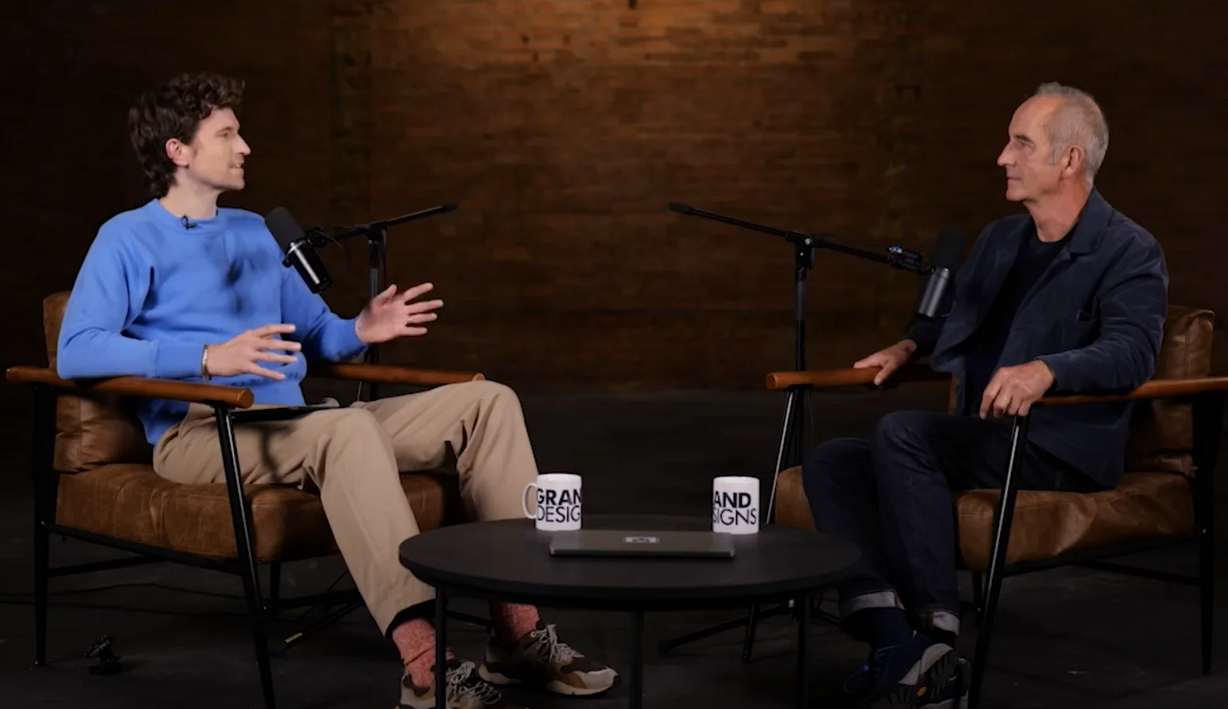
Image Credit: Finchley Studio (The Brick Studio): book this setup for your podcast
Strategic Positioning and Service Model
Finchley Studio operates squarely in the Tier 3 hybrid category, occupying the strategic "sweet spot" between the two market extremes. It provides significantly more support and quality assurance than a basic dry hire or self-service facility, yet remains more accessible and less intensive than a full-service agency. This positioning is realized through a tiered package model that offers clients clarity, predictability, and value.
The core offering is structured into three distinct packages: Silver, Gold, and Platinum.19
Silver (£99/hr + VAT): This entry-level package is effectively a "wet hire" service. It includes the fully equipped studio space, professional lighting, and, crucially, a Senior Engineer to manage the technical aspects of the recording.19 By including the engineer as a standard feature, Finchley removes the single biggest technical barrier and point of failure for its target clients.
Gold (£109/hr + VAT): This package builds on the Silver offering by adding multi-camera 4K video recording, transforming the session into a professional video podcast production.
Platinum (£129/hr + VAT): The top-tier package includes all the features of Gold and adds a teleprompter, an essential tool for more scripted corporate, educational, or branded content.
This model is perfectly calibrated for its target audience: SMEs, corporate marketing teams, and ambitious independent creators who understand the importance of high production values but may lack the in-house technical expertise or desire to manage the recording process themselves. The value proposition is one of accessible professionalism. As one client review succinctly puts it, the studio is "Great if you don't want to learn all the how-to's of creating your own podcast".24 This sentiment perfectly captures the problem Finchley solves: it makes high-quality production easy and frictionless.

Facilities, Equipment, and Pricing Structure
A key competitive differentiator for Finchley Studio is its investment in a variety of themed, soundproofed studio spaces. This allows clients to select an environment that visually aligns with their brand and the tone of their content, a feature many single-set studios cannot offer. The available sets range from the intimate "Dialogue Room" and the relaxed "Lounge Studio" to the premium, boardroom-inspired "CEO Set" and the technically versatile "Green Screen Studio".18 This variety makes the studio a one-stop shop for diverse content needs.
The equipment included in the packages is professional-grade, ensuring a high-quality final product. Standard gear includes 4K cameras (Panasonic Lumix), professional microphones from trusted brands like Shure, and a Blackmagic ATEM video switcher for multi-camera productions.19 By providing this equipment as part of the service, Finchley eliminates the need for clients to rent or purchase expensive gear, further simplifying the production process and lowering the overall cost barrier.
The pricing structure is transparent and predictable. The per-hour rates for the packages are clearly stated, allowing clients to budget accurately for their projects.19 With rates starting at £99 per hour for a session that includes a senior engineer, Finchley offers a highly competitive value proposition within the London market.
Data source: mylondon.news
Competitive Benchmarking: Finchley vs. The Market
While technology and facilities are crucial, Finchley Studio's most defensible unique selling proposition may be its emphasis on customer service and support. Technology is becoming increasingly commoditized; many studios can offer 4K cameras and quality microphones. However, client testimonials for Finchley consistently and enthusiastically praise the human element. Reviews repeatedly describe the staff as "incredibly knowledgeable, friendly," "very helpful," and communicative.24 One client even noted that the owner provided proactive ideas on "how I can improve my channel," indicating a level of engagement that transcends that of a passive technician and enters the realm of a supportive production partner.24 In a crowded market, this commitment to service becomes a powerful and sustainable differentiator.
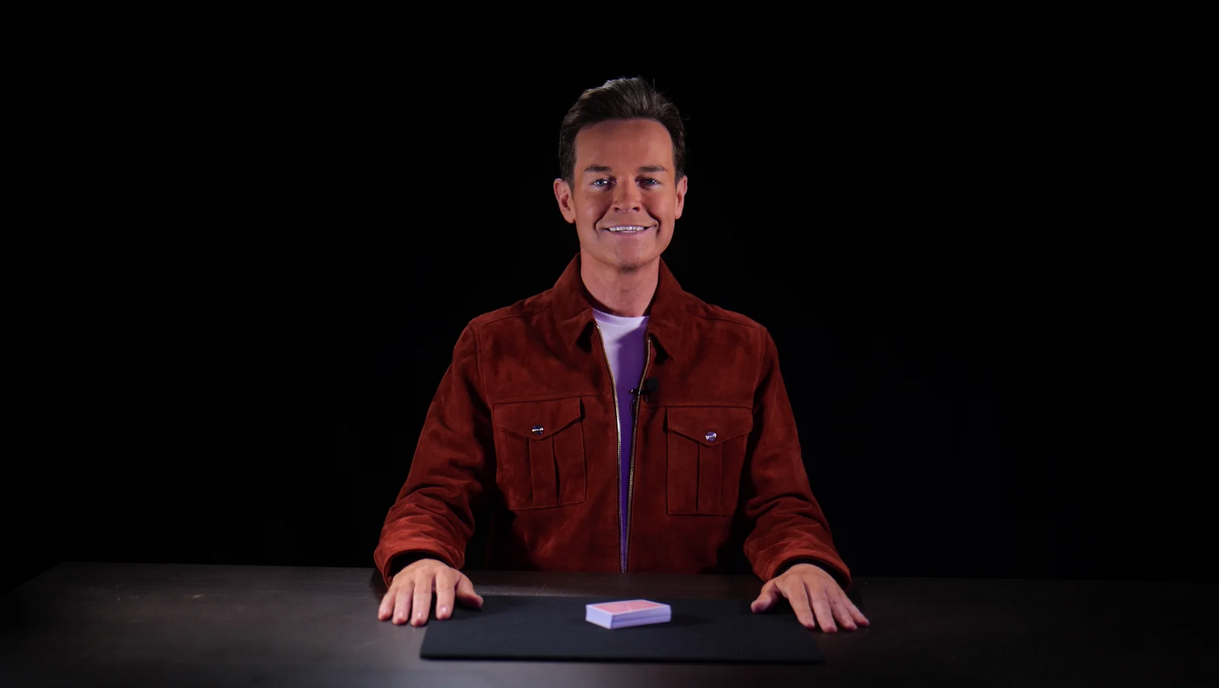
Image Credit: Finchley Studio (Blackout Set): book this setup for your podcast
The following table provides a direct comparative analysis, illustrating Finchley Studio's strategic position relative to the high-end and low-end poles of the market.
Strategic Recommendations and Market Outlook
The analysis of the London podcast studio market reveals a sophisticated and evolving landscape where the optimal production choice is entirely dependent on the creator's specific persona, goals, and resources. As the industry matures, driven by technological advancements and shifting content consumption habits, a clear understanding of market dynamics is essential for making informed and future-proof decisions.
Matching the Studio to the Podcaster Persona
Based on the distinct needs of different creator profiles, the following strategic recommendations can be made:
For the Corporate Brand (e.g., a financial services firm, a law practice):
The primary drivers for this persona are brand safety, risk mitigation, professional polish, and a clear return on investment. The podcast is a strategic marketing tool that must seamlessly align with the company's established brand identity.
Primary Recommendation: For a flagship series with ambitious strategic goals, a Tier 1 Full-Service Agency like Spiritland Productions is the optimal choice. Their deep involvement in pre-production strategy ensures the final product is not just high-quality but also effective.
Secondary Recommendation: For high-quality but more contained projects, such as an internal communications series, a specific marketing campaign, or executive interviews, the Platinum package at a Tier 3 Hybrid Studio like Finchley Studio offers a compelling alternative. It delivers a polished, professional video product without the comprehensive overhead and cost of a full agency retainer.
For the Established Creator (e.g., a professional with an existing audience and technical proficiency):
This persona's primary need is access to a high-quality, flexible, and cost-effective recording environment. They already possess the concept, format, and technical skills to manage their own production.
Primary Recommendation: A Tier 5 Self-Service Chain like Pirate Studios offers unparalleled flexibility and affordability for regular, recurring recording sessions. The 24/7 access and low hourly rate are ideal for a creator with a consistent production schedule.
-
Secondary Recommendation: For flagship episodes featuring high-profile guests or requiring a more impressive visual setting, strategically booking a high-specification "dry hire" facility like Fitzrovia Post 5 or a visually striking space at Outset Studio 20 would serve as a powerful production upgrade.
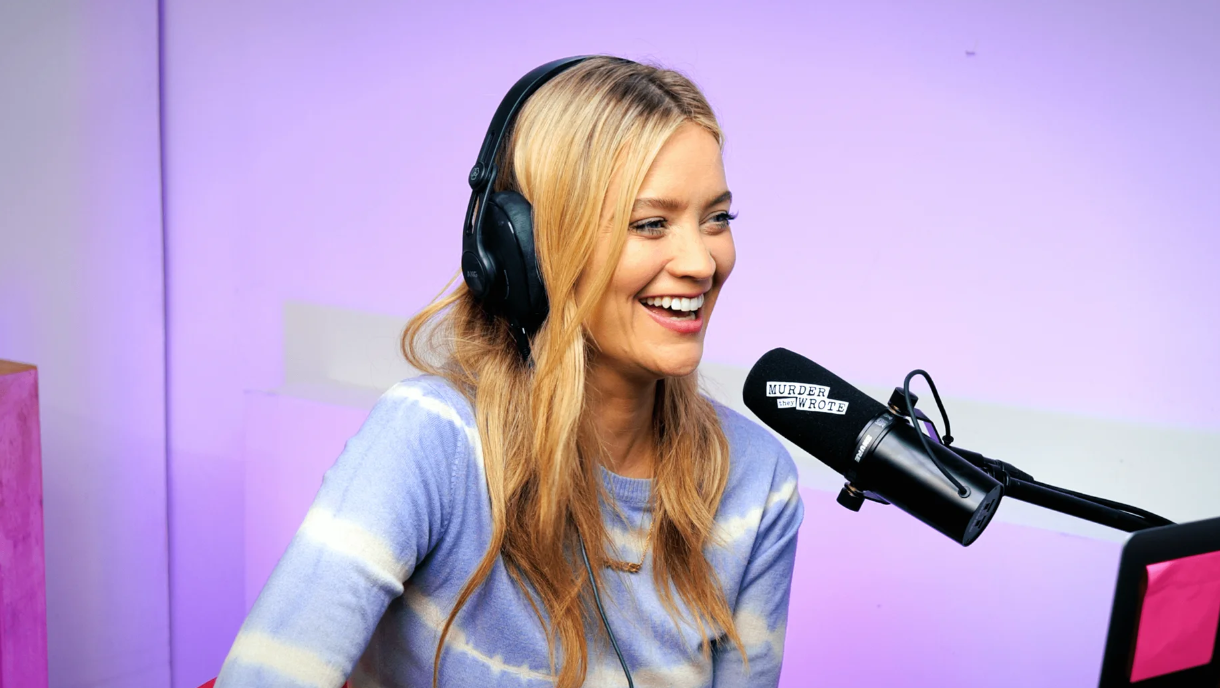
Image Credit: Finchley Studio (Gathering): book this setup for your podcast
For the Ambitious Start-up (e.g., a new business, a solo entrepreneur, a consultant):
The primary challenge for this persona is achieving a professional look and sound on a limited budget and with a potentially steep learning curve. The goal is to project credibility and appear established from the very first episode.
Primary Recommendation: The Tier 3 Hybrid model is the perfect solution. Finchley Studio's Gold package provides the ideal balance of professional-grade equipment, dedicated technician support, and a predictable, transparent cost. This ensures a high-quality video podcast that can compete visually and aurally, without requiring the client to become a technical expert overnight.
Future Trends in the London Podcast Studio Market
The London podcast production market is not static. Several key trends are set to shape its future, and facilities that adapt to these shifts will be best positioned for long-term success.
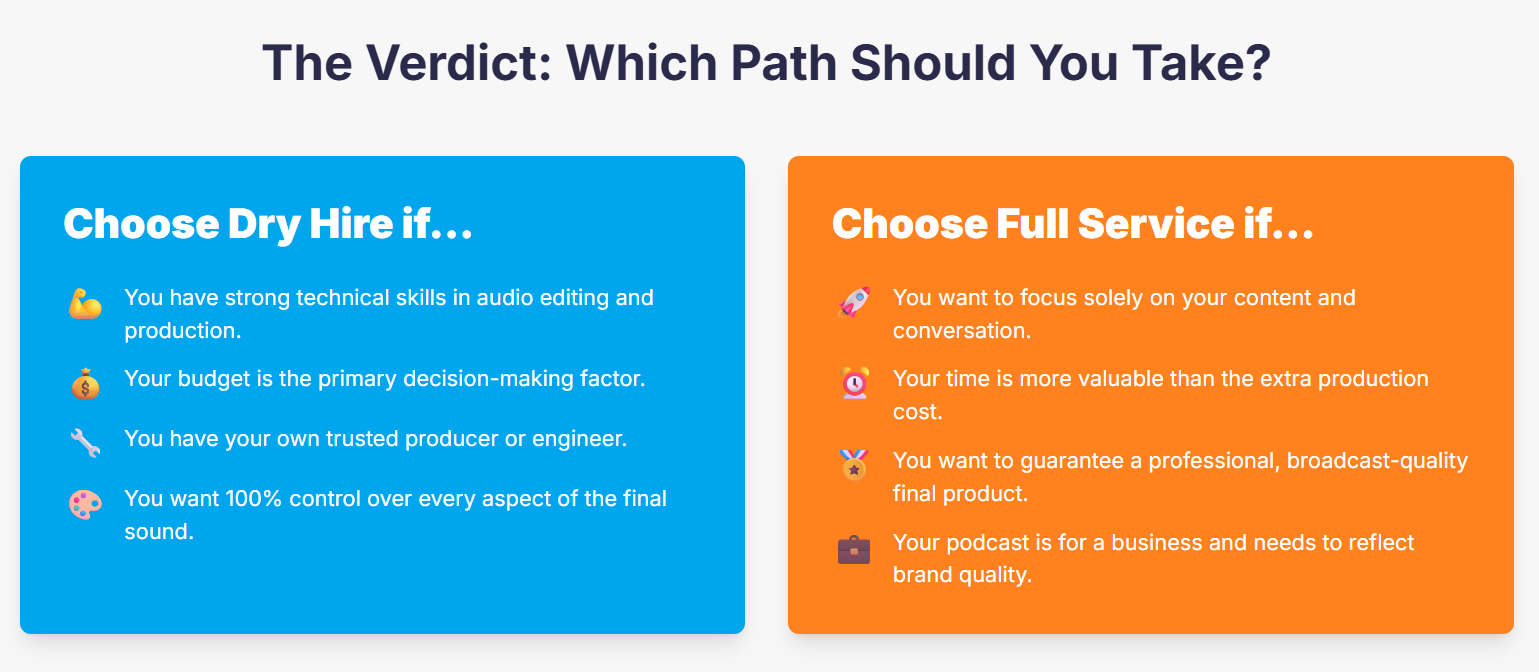
Data source: mylondon.news
The Obsolescence of the "Podcast Studio": The term itself is becoming a misnomer. The undeniable market-wide pivot to video-first production means that facilities are no longer just audio booths; they are Multi-Format Content Hubs. A single recording session is now expected to yield a full-length audio podcast, a 4K YouTube video, a dozen short-form vertical video clips for social media, and various other promotional assets. The winning studios of the future will be those that design their workflows, spaces, and service packages to facilitate the efficient creation of this entire content ecosystem from a single booking.
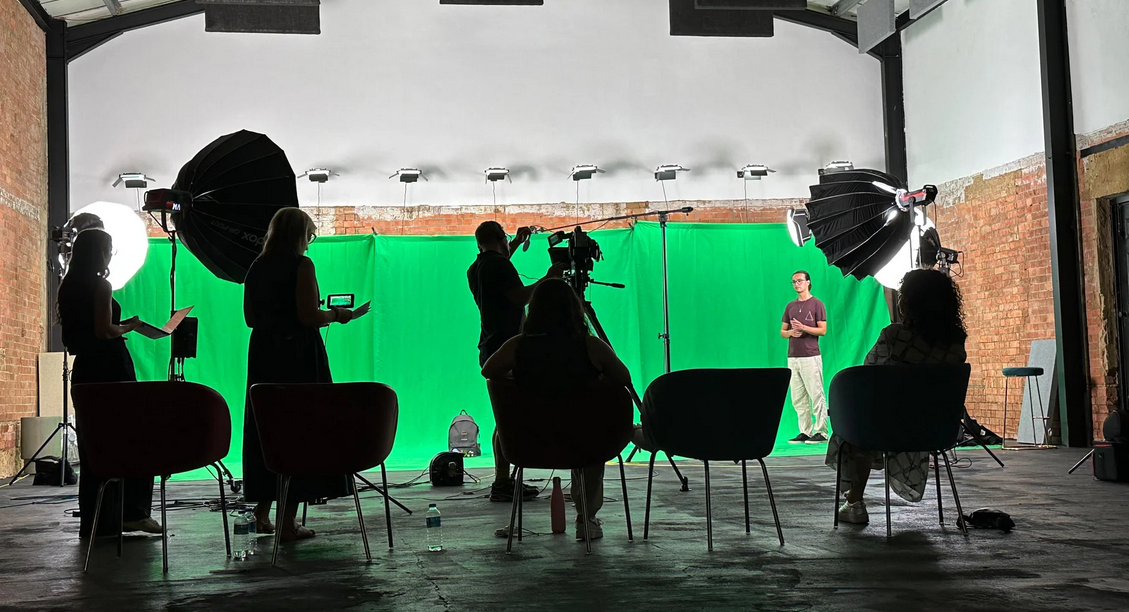
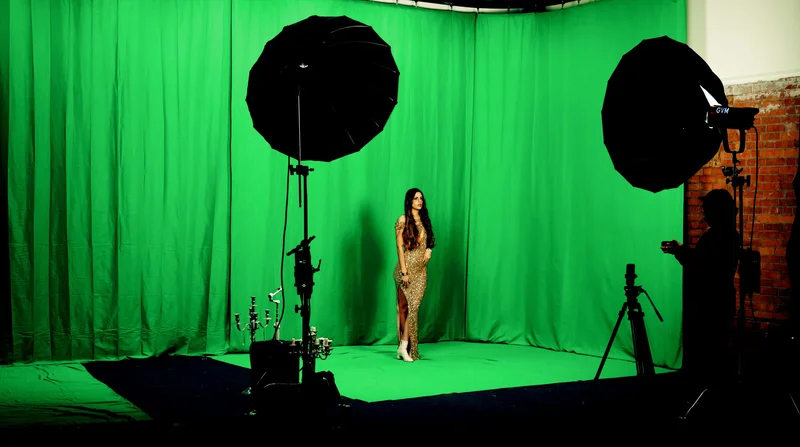
Image Credit: Finchley Studio (Giant Green Screen): book this setup for your podcast
The Rise of Virtual Production: At the high end of the market, the integration of virtual production technologies, such as real-time 3D graphics and LED stages, is the next frontier.28 This technology offers limitless creative possibilities for backdrops and branding, allowing corporate clients to create highly immersive and visually stunning content. As this technology becomes more accessible, it will become a key differentiator for premium production facilities.
AI-Powered Post-Production: The next major disruption will come from the integration of artificial intelligence into post-production workflows. AI-powered tools that can automate editing (e.g., removing filler words and pauses), generate social media clips, perform automated audio mixing, and create instant, accurate transcripts will become standard. Studios that successfully integrate these technologies will be able to offer dramatically faster turnaround times and more competitive pricing for post-production services.
Market Bifurcation and the Importance of Service: The market is likely to continue bifurcating. The high end (full-service agencies) will differentiate by integrating deeper marketing, data analytics, and strategic services. The low end (tech-driven self-service platforms) will become even more sophisticated and user-friendly. This will put increasing pressure on the mid-tier hybrid studios. To thrive in this squeezed middle, these studios must excel at their unique differentiator: the human element. Facilities like Finchley Studio, which are already lauded for their customer service and supportive partnership approach, are well-positioned to succeed by doubling down on their role as accessible, friendly, and reliable guides through the increasingly complex world of content creation.
While dry hire can be a viable option for some, we believe that a full-service approach delivers the best possible results and a far greater return on investment for creators. At Finchley Studio, we are built on this full-service philosophy. Our goal is to remove every technical barrier so you can focus on creating your best content. This commitment to a seamless, professionally managed experience is why we are the trusted choice for major brands and broadcasters like the BBC and Lloyds bank.
Our full-service experience extends across all of our specialised sets, including the Dialogue Room, the LOUNGE STUDIO, the Blackwood Studio, the premium CEO SET, the GATHERING STUDIO, our Green Screen Cove, THE BRICK STUDIO, the clean White Infinity Cove, the dramatic BLACKOUT SET, and our GIANT GREEN SCREEN.
Our services continue after the recording with our professional Video Editing Service. To see why our clients prefer a full-service experience, check our reviews on Google review and Trust Pilot. When you want guaranteed quality without the technical stress, the choice is Finchley Studio.
Ready to experience the benefits of a full-service recording? Let our experts handle the technology while you handle the conversation. The team at Finchley Studio is ready to provide a seamless, professional session. Book now.
Our studio is conveniently located just two minutes from Finchley Central station on the Northern Line. We provide one free parking space per booking, and for those travelling, we are located adjacent to the Travelodge London Finchley. You can find us easily using Google map, Apple maps, [suspicious link removed], or at our precise What 3 Words address: orders.yards.jokes.
Stay connected with us and see behind-the-scenes content on Instagram, YouTube, TikTok, LinkedIn, and X (Twitter).
If you have any questions, please check our FAQ or get in touch directly via WhatsApp, call us on +447587827200, or send an Email. We look forward to welcoming you to Finchley Studio.
Works cited
www.sugarstudios.co.uk, accessed October 9, 2025, https://www.sugarstudios.co.uk/blog/dry-hire-studio#:~:text=In%20the%20context%20of%20a,specific%20needs%20of%20their%20project.
Dry Hire Meaning Explained By Sugar Studios, accessed October 9, 2025, https://www.sugarstudios.co.uk/blog/dry-hire-studio
What Is A Dry Hire Venue And What Are Its Benefits? - Venue Crew, accessed October 9, 2025, https://www.venuecrew.com/article/what-is-dry-hire-venue-and-benefits/
DIY Podcast VS Hiring a Podcast Production Company?, accessed October 9, 2025, https://www.storyninetyfour.com/blog/diy-podcast-vs-hiring-a-podcast-production-company
DRY HIRE - Fitzrovia Post, accessed October 9, 2025, https://www.fitzroviapost.com/dryhire
Recording Studio Brisbane Australia - Hunting Ground Studios, accessed October 9, 2025, https://www.huntinggroundstudios.com.au/faqs-recording-and-dry-hire
Home Studio vs. Professional Podcast Studio: Pros and Cons - Authentic Exposure Studio, accessed October 9, 2025, https://theaestudio.co/home-studio-vs-professional-podcast-studio/
The Complete Guide to Podcast Production Services Offered by a ..., accessed October 9, 2025, https://www.finchley.co.uk/finchley-learning/the-complete-guide-to-podcast-production-services-offered-by-a-podcast-studio-london
What Full Service Production Studios Really Do, accessed October 9, 2025, https://soundandsight.media/full-service-production-studios/
Wet Hire vs Dry Hire – The Brewery - The Brewery London, accessed October 9, 2025, https://www.thebrewery.co.uk/blog/choose-wet-hire-over-dry-hire-venue/
www.evermoresound.com, accessed October 9, 2025, https://www.evermoresound.com/blog/top-8-reasons-to-use-a-pro-recording-studio#:~:text=Professional%20recording%20studios%20are%20often,and%20listening)%20and%20recording%20spaces.
Recording studio - Wikipedia, accessed October 9, 2025, https://en.wikipedia.org/wiki/Recording_studio
5 Benefits Of Renting a Podcast Studio | Pouch 6 Studios, accessed October 9, 2025, https://pouch6studios.com/5-benefits-of-renting-a-podcast-studio/
How does a recording studio work? - TLaudio, accessed October 9, 2025, https://www.tlaudio.co.uk/how-does-a-recording-studio-work/
Full-Service A1 Music Production: Unleash Your Musical Potential | Sounds Like Soma, accessed October 9, 2025, https://www.soundslikesoma.com/services/full-service-production/
DIY Podcast Studio vs. Professional Rental | Lemonade Stand, accessed October 9, 2025, https://www.lemonadestand.org/diy-podcast-room-setup-vs-professional-rental/
Home Podcast Studio vs. Professional Podcast Studio: Which One's ..., accessed October 9, 2025, https://bandbarracks.com/blog/podcast-studio-houston-near-me/
Finchley Studio, London | Tv, Film & Video Production Services - Yell, accessed October 9, 2025, https://www.yell.com/biz/finchley-studio-london-10853891/
Green screen Studio - Finchley Studio London - Event Venue Hire - Tagvenue.com, accessed October 9, 2025, https://www.tagvenue.com/rooms/london/64927/finchley-studio-london/green-screen-studio
13 Podcast Studios In London For Hire - DesignMyNight, accessed October 9, 2025, https://www.designmynight.com/london/blog/podcast-studios-london
Best Podcasting Studios in London | Our Picks for 2025 - TYX Studios, accessed October 9, 2025, https://tyxstudios.com/blog/best-podcast-studios-in-london
Acast Studios London, accessed October 9, 2025, https://www.acast.com/en/acast-studios-london
36 Best Podcast Studios for Hire in London, England | Peerspace, accessed October 9, 2025, https://www.peerspace.com/uk/spaces/gb/london--england/podcast-studio
Finchley Production Studio, accessed October 9, 2025, https://www.finchley.co.uk/
Lounge | Finchley Production Studio, accessed October 9, 2025, https://www.finchley.co.uk/services/lounge-studio
Finchley Studio London - Event Venue Hire - Tagvenue, accessed October 9, 2025, https://www.tagvenue.com/venues/london/33421/finchley-studio-london
Must-Have Equipment for Setting Up Your Filming Studio - Finchley Studios, accessed October 9, 2025, https://www.finchley.co.uk/finchley-learning/essential-equipment-for-equipping-your-filming-studio
Film & TV Studios for Hire - Green Screen, Live Streaming, accessed October 9, 2025, https://www.broadley.tv/
Film Studio Hire Rates — SILVERTOWN VIRTUAL PRODUCTION STUDIOS, accessed October 9, 2025, https://www.silvertownstudios.co.uk/rates-1