Introduction to the Professionalization of Podcasting
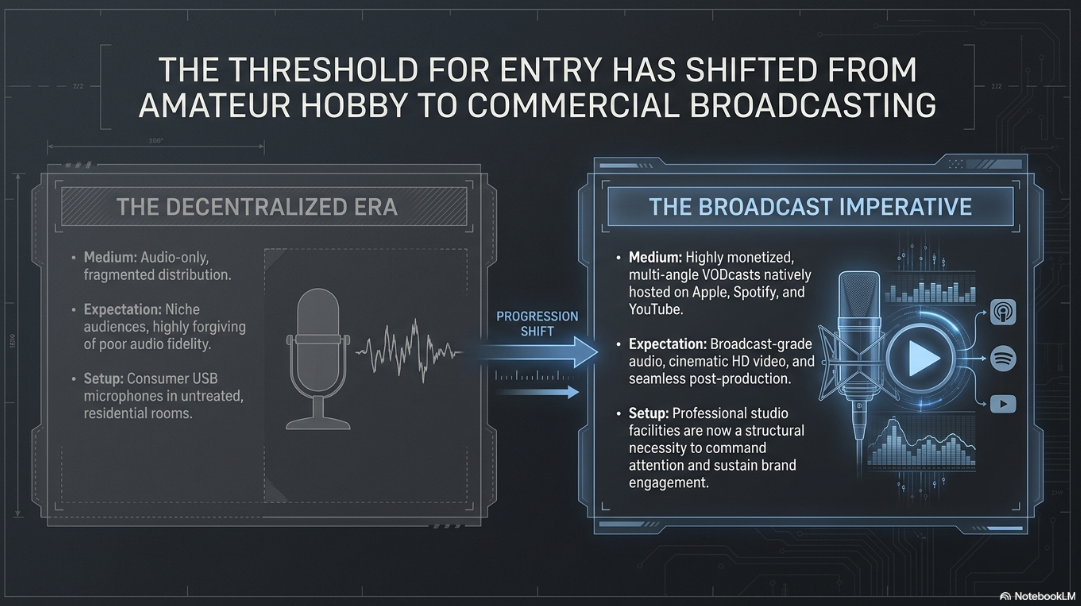
The global podcasting sector has transitioned from a decentralized, creator-driven medium into a highly mature, heavily monetized commercial broadcasting channel. With millions of active shows competing for audience retention across platforms such as Apple Podcasts, Spotify, and YouTube, the technical threshold for entry has risen exponentially. Listeners and viewers now expect broadcast-grade audio, multi-angle high-definition video, and seamless post-production editing. Consequently, the reliance on professional podcast studio facilities has become a structural necessity for corporate brands, media companies, and independent creators aiming to produce content that commands attention and sustains engagement.
Choosing and booking the right podcast studio is a multifaceted operational decision that extends far beyond securing a quiet room. It requires a rigorous evaluation of acoustic architecture, technical equipment specifications, post-production workflows, and commercial pricing models. Furthermore, the legal frameworks governing intellectual property, guest releases, and facility hire terms introduce complex risk variables that must be proactively managed. This exhaustive report provides an analytical framework for selecting a professional podcast studio, detailing the technical benchmarks, economic realities, operational pitfalls, and legal requirements that dictate successful modern audio-visual production outcomes.
Strategic Pre-Production: Defining Formats and Objectives
The foundational step in selecting a recording facility involves meticulously mapping the specific requirements of the planned content. Entering a studio without a clearly defined audience demographic, episode structure, and release schedule invariably leads to inefficient resource allocation and unfocused content1. The most critical operational divergence occurs immediately during the format selection phase: deciding between audio-only productions and video-led formats, commonly referred to as VODcasts.
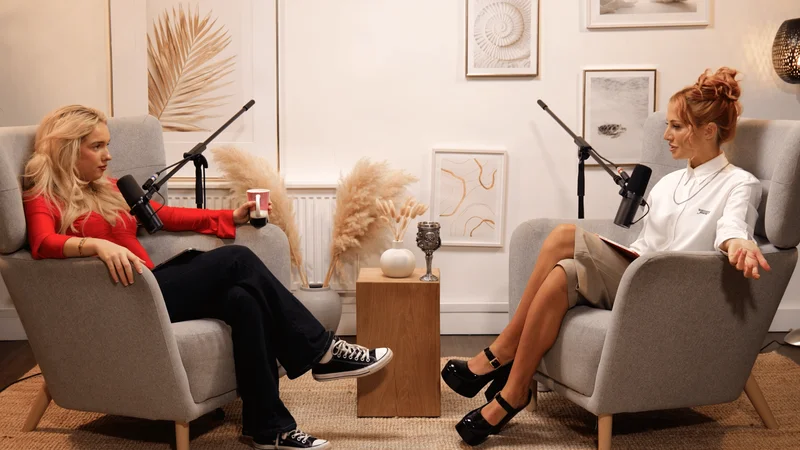
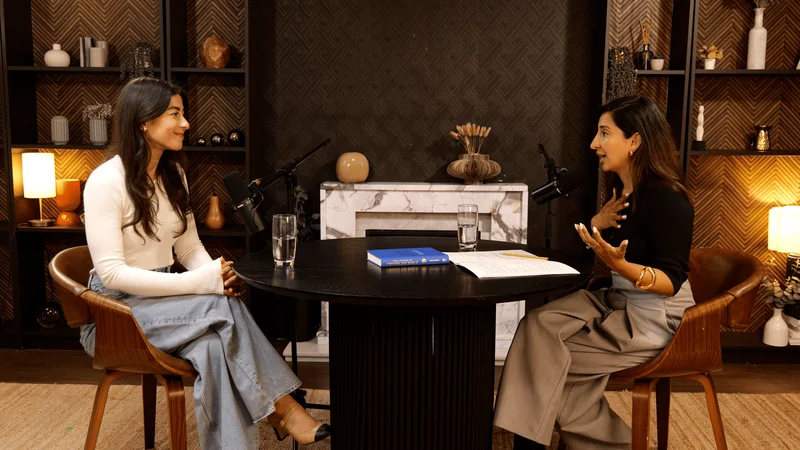
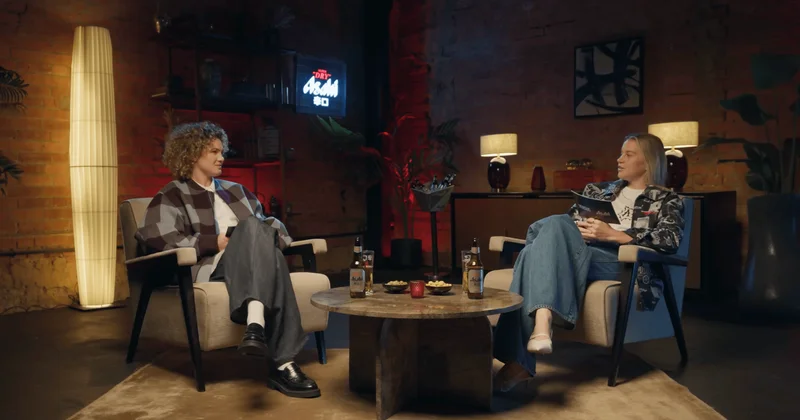
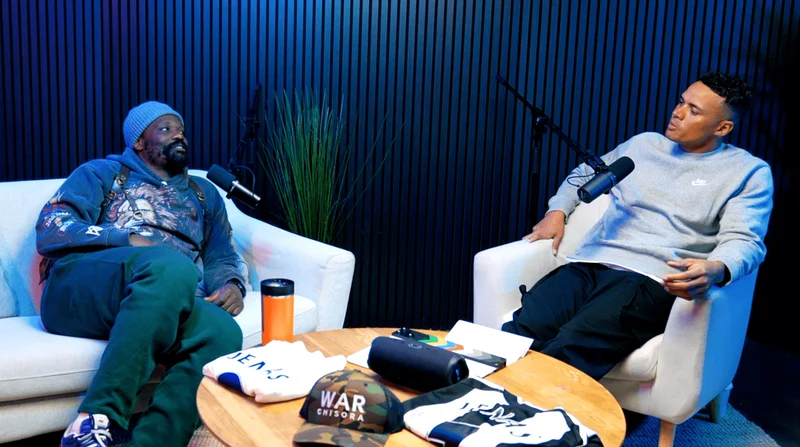
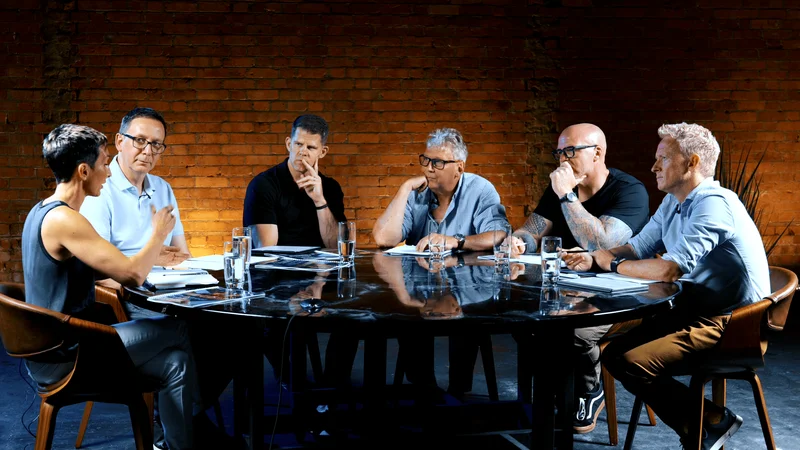
An audio-only conversation between two individuals requires a relatively streamlined acoustic arrangement3. The primary focus remains entirely on acoustic treatment, precise microphone positioning, and absolute sound isolation. However, the integration of video introduces exponential complexity and cost into the production environment. A filmed interview demands significantly larger floor space to accommodate multiple cameras, professional lighting rigs, attractive background sets, and sufficient room for a production crew3. Video podcasts also require more rigorous pre-production planning, longer recording sessions, and substantially increased post-production budgets for multi-camera syncing and color grading1.
If a creator does not possess an established audience or a clear strategic justification for visual content, focusing initially on audio excellence is highly recommended1. Many premium facilities offer modular upgrades, allowing clients to book more affordable audio-only sessions while retaining the capacity to transition to video formats within the same familiar environment at a later date1. Understanding whether a show will feature solo monologues, remote digital guests, or multi-person panels determines the physical footprint required and dictates the specific technological infrastructure the chosen studio must possess.
Acoustic Architecture: Isolation Versus Treatment
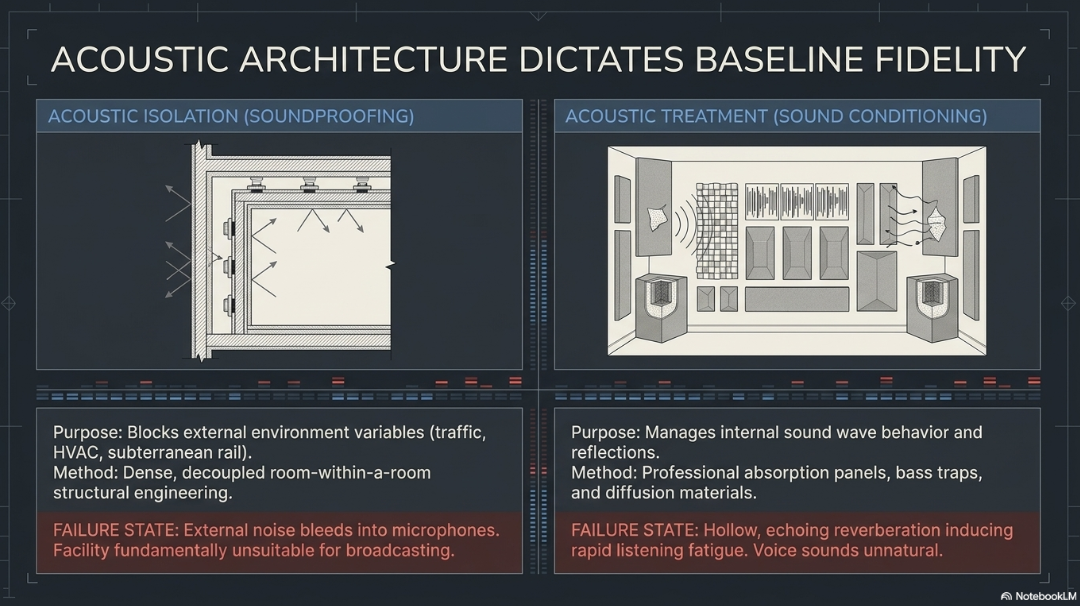
The physical construction of a studio directly dictates the baseline quality of the recording. A pervasive oversight among novice producers is conflating acoustic treatment with acoustic isolation. A facility must effectively manage both to be considered professional.
Acoustic isolation, colloquially known as soundproofing, is the structural engineering required to prevent external environmental noise—such as street traffic, subterranean rail vibrations, HVAC systems, or adjacent office activity—from penetrating the recording space5. Professional studios achieve this through dense, decoupled walls or full "room-within-a-room" structural construction, representing a massive capital expenditure5. If a prospective studio allows the hum of air conditioning, the sound of rain, or street noise to bleed into the microphones, the facility is fundamentally unsuitable for professional broadcasting, regardless of the equipment housed within it1.
Acoustic treatment, conversely, manages the internal behavior of sound waves within the sealed room. Without proper treatment, sound bounces off hard surfaces like glass, tile, or bare walls, creating reverberation and a hollow, echoing tone that rapidly induces listening fatigue6. Professional studios deploy a calculated mixture of absorption panels, bass traps, and diffusion materials to remove excessive reverberation5. The objective is not to create a completely dead, anechoic chamber, but rather a space that leaves human voices sounding natural, warm, and present7. When evaluating a studio, the physical presence of professional-grade acoustic materials—not merely decorative foam—is a primary indicator of the facility's commitment to baseline audio fidelity.
The Technical Imperative: Audio Specifications and Signal Flow
The demarcation between amateur content and broadcast-ready media is defined by strict adherence to technical specifications. A professional podcast studio must guarantee performance across a series of rigid audio benchmarks, extending from the initial point of capture at the microphone to the final digital master file.
Sample Rates, Bit Depths, and Dynamic Range
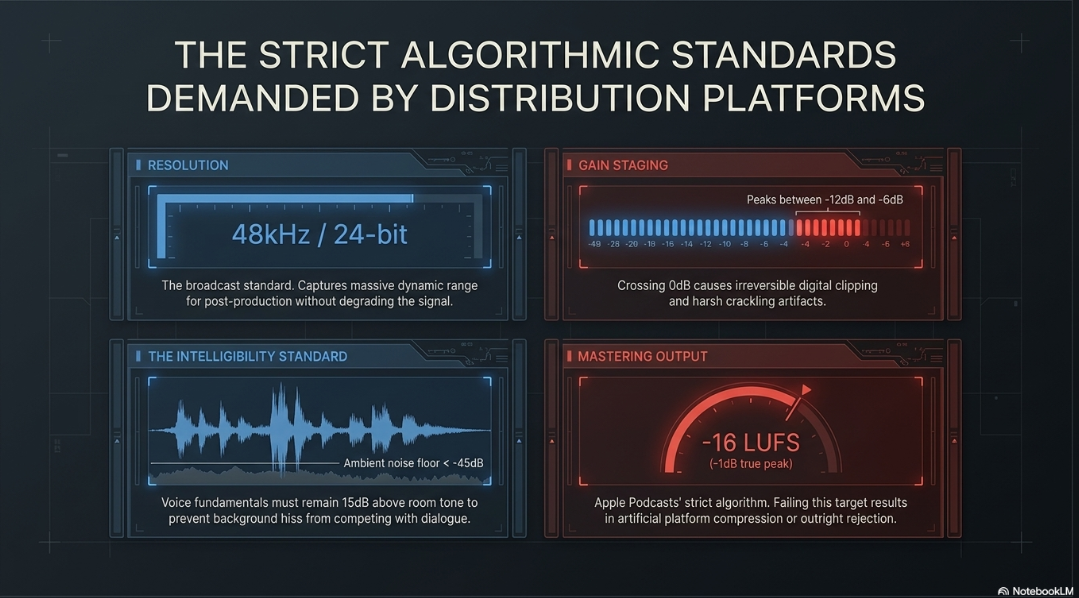
The foundational metric of digital audio recording is the sample rate and bit depth. Professional facilities mandate a minimum standard of 48kHz and 24-bit resolution9. This broadcast-quality standard captures significantly more sonic detail than the older consumer 44.1kHz/16-bit format utilized for compact discs. Recording at 24-bit depth provides immense dynamic range, offering engineers and editors the necessary headroom to manipulate the audio—such as removing background noise, applying equalization, or pitch-shifting—without degrading the underlying signal9.
Gain Staging and the Intelligibility Standard
Gain staging is another critical metric managed by studio engineers. A professional recording must peak between -12dB and -6dB on the digital recording meter9. If audio signals are captured too loudly, they cross the 0dB threshold and clip, resulting in irreversible digital distortion that manifests as harsh, crackling artifacts8. By maintaining conservative peak levels, engineers ensure that sudden bursts of laughter, heated debates, or heightened volume do not ruin the take.
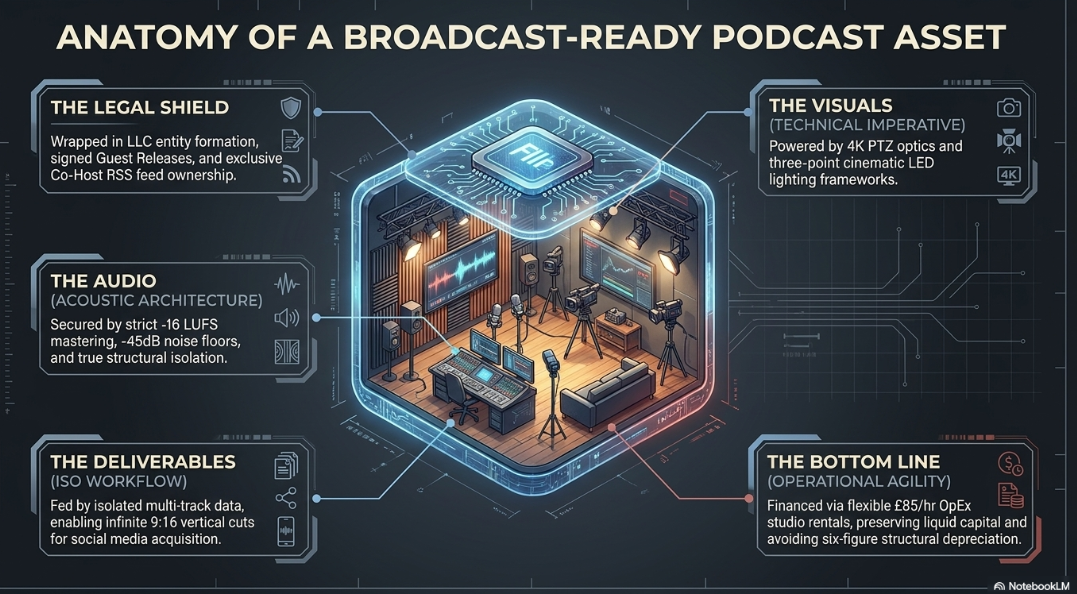
Furthermore, the studio's ambient noise floor—the absolute silence of the room when no one is speaking—must measure quieter than -45dB9. Simultaneously, the voice fundamentals must remain at least 15dB above the room tone9. This separation, known as the intelligibility standard, ensures absolute vocal clarity and prevents the background hiss from competing with the dialogue. Finally, the final output must be mastered to a target loudness of -16 LUFS (Loudness Units relative to Full Scale) with a -1dB true peak9. This is the strict algorithmic standard demanded by major distribution platforms like Apple Podcasts. Failing to hit this LUFS target results in the platform artificially altering the file, often leading to a compressed, inferior listener experience or outright platform rejection9.
Microphone Topology and Selection
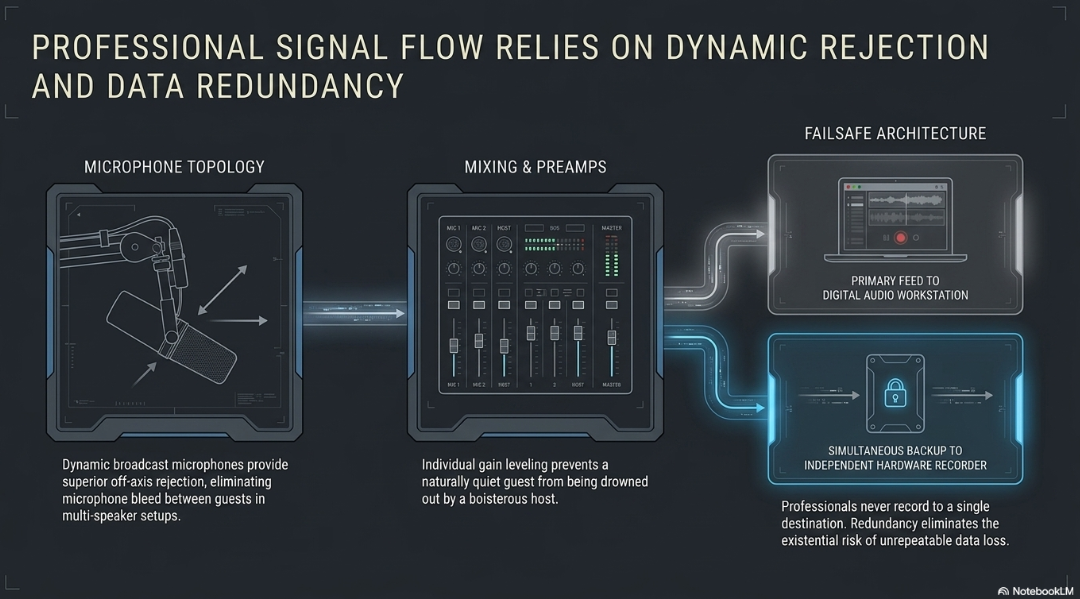
The choice of microphone technology profoundly impacts the recording's texture and its resilience to ambient noise. Professional podcast studios typically deploy dynamic broadcast microphones, such as the industry-standard Shure SM7B or the Beyerdynamic M883. Dynamic microphones are inherently less sensitive than condenser microphones, possessing superior off-axis rejection13. This characteristic is vital in multi-speaker environments, as it prevents one host's microphone from capturing the voice of a guest sitting across the table, a phenomenon known as microphone bleed8.
Condenser microphones capture a broader frequency response and exceptional vocal detail, but they demand perfectly treated acoustic environments13. Deploying a condenser microphone in an untreated room is a frequent amateur error that captures every internal echo and external disturbance8. Therefore, studios utilizing condenser setups must demonstrate impeccable acoustic isolation. Furthermore, high-quality XLR cables, boom arms, shock mounts to prevent table vibrations, and pop filters to mitigate harsh consonant bursts are mandatory hardware accessories in any viable studio3.
Mixing Consoles and Data Redundancy
The signals captured by the microphones must be routed through professional preamplifiers and mixing consoles. High-end studios utilize specialized equipment such as Focusrite Rednet preamps, Studer ONAIR 1500 consoles, or the ubiquitous Rodecaster Pro series to manage multiple input channels simultaneously11. These interfaces allow engineers to set individual gain levels for each speaker, ensuring that a naturally quiet guest is balanced harmoniously with a boisterous host8.
A single technical glitch—a corrupted SD card, a software crash, or a severed cable—can irretrievably destroy an unrepeatable interview with a high-profile guest. Amateurs record to a single destination; professionals mandate redundancy. Studio workflows must capture the primary feed into a digital audio workstation (DAW) like Logic Pro X or Adobe Audition while simultaneously writing a backup track to an independent hardware recorder or secondary solid-state drive8. Establishing these failsafe storage architectures eliminates the existential risk of catastrophic data loss.
Visual Integration: Cameras, Lighting, and Set Design
For video podcasts, relying on overhead fluorescent office lighting or basic consumer webcams is a critical failure that instantly devalues the brand. Professional visual production relies on sophisticated lighting architectures, high-end camera systems, and intentional set design.
Camera Systems and Lenses
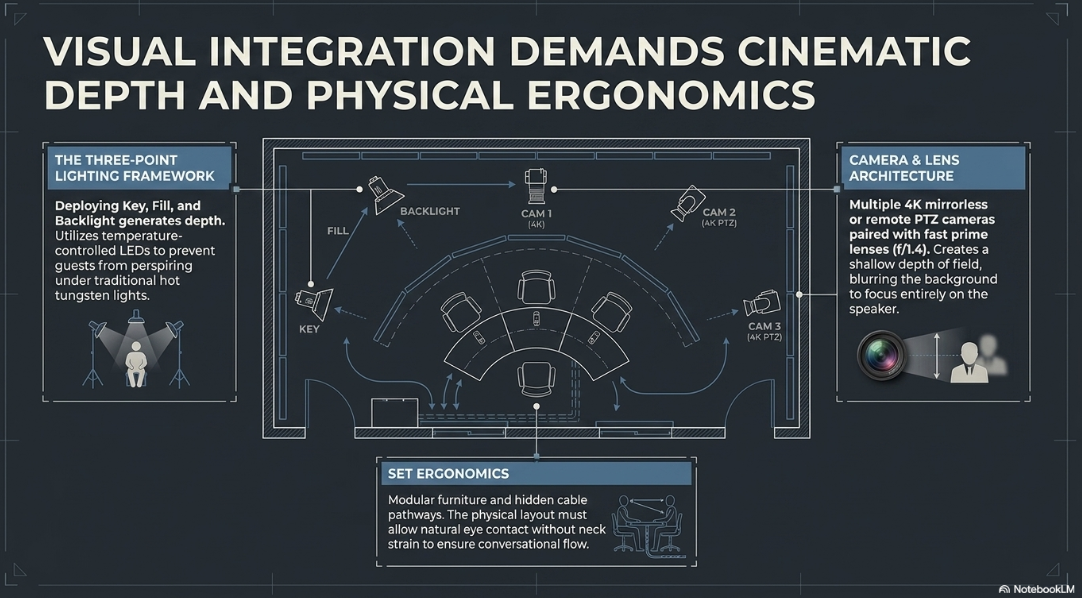
High-tier studios deploy multiple 4K cameras to capture dynamic angles of the conversation. Standard configurations utilize mirrorless cameras such as the Sony FX3, Sony FX6, or Sony A6400, often paired with fast prime lenses like a Sigma 16mm with an f/1.4 aperture12. This combination of large image sensors and wide apertures produces a cinematic, blurred background effect (shallow depth of field) that directs the viewer's focus entirely onto the speaker, elevating the perceived production value12. In the most premium broadcast environments, studios deploy state-of-the-art 4K UHD Panasonic UE150 PTZ (Pan-Tilt-Zoom) cameras, which can be operated remotely from a separate control room, eliminating the distraction of camera operators moving around the recording space11.
The Three-Point Lighting Framework
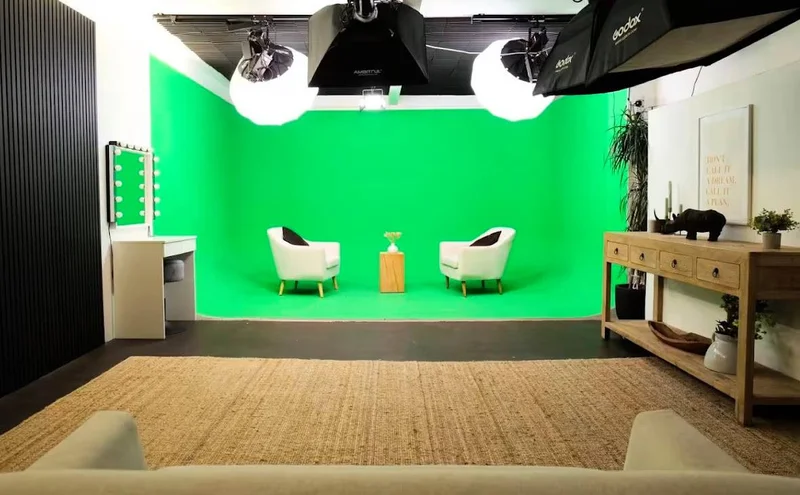
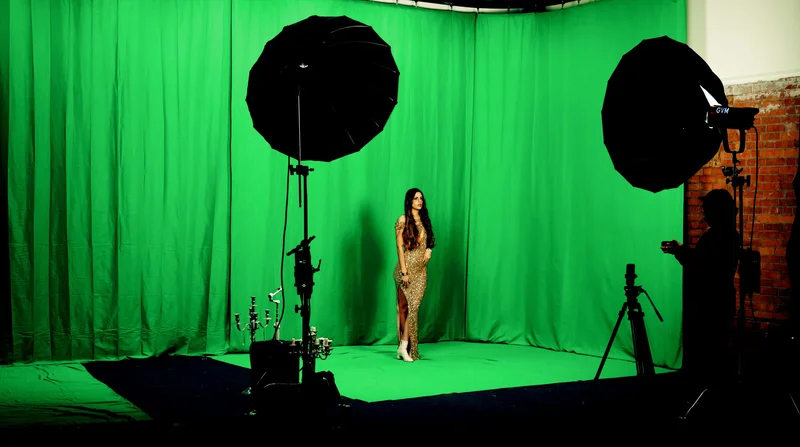
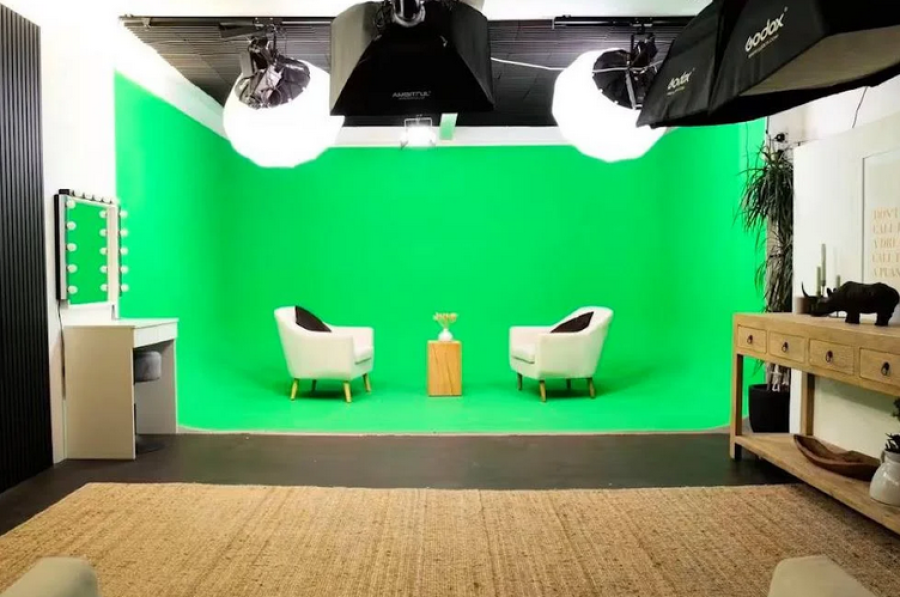
How a show is illuminated dictates how long a viewer remains engaged. A professional video podcast recording setup mandates a solid three-point lighting system for each participant3. This configuration utilizes a key light (the primary, brightest source) to illuminate the subject's face, a fill light positioned on the opposite side to soften harsh shadows, and a backlight (or hair light) placed behind the subject to create physical separation from the wall, thereby generating depth3. Leading studios utilize temperature-controlled LED panels from manufacturers like Godox or Amaran to achieve this effect without generating the excessive heat associated with traditional tungsten lighting14.
Set Design and Visual Ergonomics
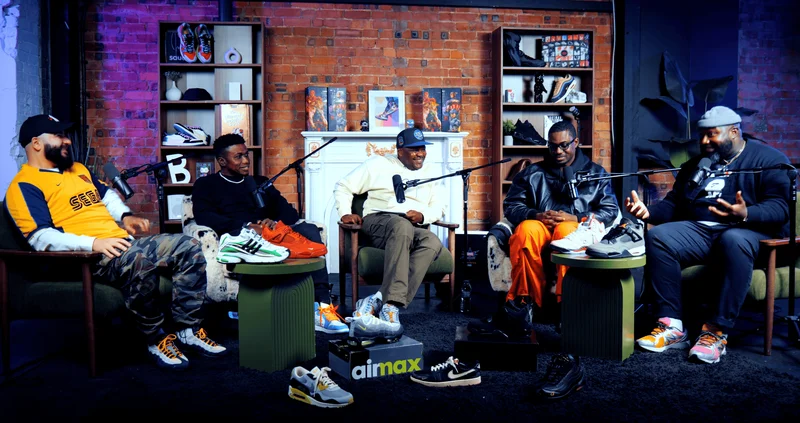
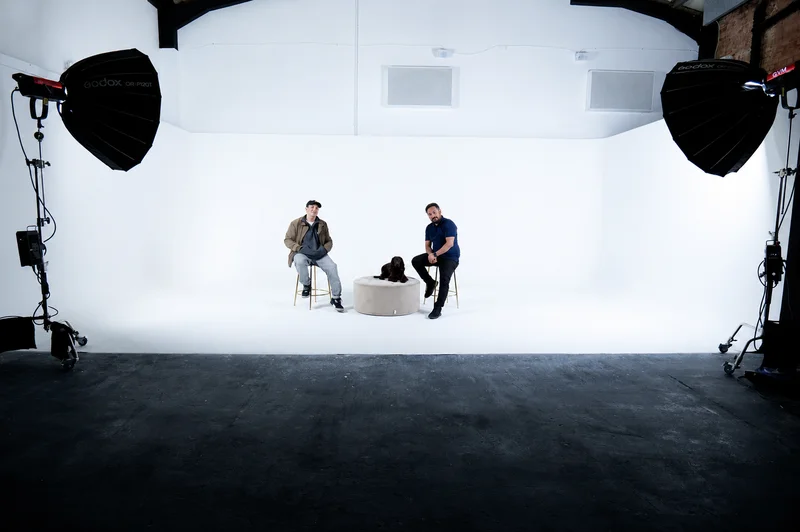
A visually sterile, bare white room fails to communicate brand identity, while a cluttered environment distracts the viewer6. The set design acts as a silent ambassador for the brand. Studios must offer customizable aesthetic elements to match the tone of the production. This includes digital wall-mounted monitors to display corporate logos, programmable RGB perimeter lighting to match brand colors, and modular furniture that can be adjusted for relaxed sofa-based chats or formal desk-based panels6.
Ergonomics play a highly visible role in video formats. If a studio is tight and heavily illuminated by hot lights, guests will visibly perspire and appear uncomfortable on camera6. Therefore, robust and silent climate control systems are mandatory. The physical layout must allow the host and guest to make easy, natural eye contact without straining their necks, and unsightly cables must be hidden to maintain a pristine aesthetic6.
The ISO Recording Revolution and Post-Production Workflows
The most significant technological discriminator between a standard video studio and an elite production facility is the implementation of ISO (Isolated) recording protocols17. Understanding this technology is vital for maximizing the return on investment for any video podcast session.
The Limitations of Live Switching
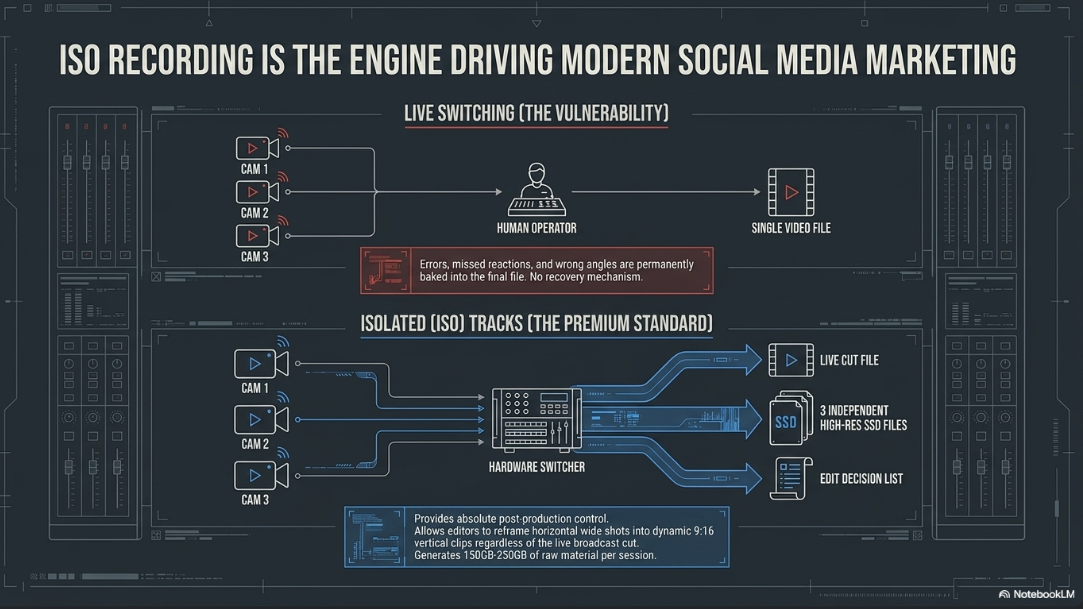
In basic multi-camera setups, a live video switcher takes feeds from several cameras, and an operator cuts between them in real-time, selecting which angle the viewer sees17. The output of this process is recorded as a single video file known as the "programme cut"17. If the operator cuts to the wrong camera, misses a crucial visual reaction, or captures a guest looking away, that error is permanently baked into the final file17. There is no recovery mechanism because there is no separate record of what each individual camera captured outside of that live switch.
The Power of Isolated (ISO) Tracks
ISO recording eliminates this vulnerability entirely. Advanced hardware, such as the Blackmagic ATEM Mini Extreme ISO or the Rodecaster Video, records the live-switched programme cut while simultaneously recording every individual camera feed as a separate, independent, high-resolution file directly to an attached SSD17.
This provides the post-production editor with absolute creative control. They can rebuild the sequence from scratch, correct live switching errors, or hold on a specific reaction shot longer than the live operator did17. Crucially, ISO recording is the engine that drives modern social media marketing. Because the editor possesses uninterrupted wide and close-up shots of every participant, they can easily reframe horizontal footage into dynamic 9:16 vertical clips for platforms like TikTok, YouTube Shorts, or Instagram Reels, regardless of what the live operator chose to broadcast in the master cut17.
These ISO files are exceptionally large—often producing 150GB to 250GB of footage for a standard two-hour session—requiring physical SSD transfers or high-bandwidth cloud delivery systems17. Advanced systems also generate Edit Decision Lists (EDL), allowing editors to instantly import the live switch timing directly into non-linear editing software like DaVinci Resolve, automatically building the project timeline and saving hours of manual synchronization in post-production19.
Post-Production Services and Deliverables
Modern podcast studios frequently operate as full-service production houses, offering extensive post-production packages. The technical process of turning a raw multitrack recording into a smooth, broadcast-ready listening experience is highly challenging20. Professional editing services encompass audio mixing and mastering (volume leveling, noise reduction, plosive removal, and EQ balancing), as well as cinematic color grading for video files4.
Studios like Outset Studio offer comprehensive post-production that includes the seamless integration of intro/outro music, branded lower thirds (visual overlays displaying guest names), and fast turnaround times of 5 to 7 working days4. Furthermore, studios generate optimized social cuts, applying high-contrast text captions and cinematic transitions to boost accessibility and viewer retention on mobile platforms4. Supplying transcriptions and chapter markers is also a highly valuable service, as it enhances search engine discoverability and forms the foundation for written blog content1.
Market Economics: Pricing Models, Tiers, and the Rent vs. Build Calculus
To understand the economic landscape of podcast studio hire, analyzing major metropolitan hubs such as London and Manchester provides a clear view of the varying facility tiers and pricing structures. The market is stratified into distinct operational models, ranging from budget self-service rooms to premium broadcast environments.
Entry-Level and Self-Service Tiers
At the foundational level, studios offer basic, acoustically treated rooms intended primarily for audio-only recording. These spaces provide multi-channel audio interfaces, standard dynamic microphones, and headphones, but require the user to operate the equipment independently. In London, pricing for these entry-level, self-service audio sessions typically begins around £49 to £50 per hour plus VAT14. For example, London Podcast Studios offers a "Standard" audio package for £49 per hour, which includes up to three microphones and an optional smart TV, while Podshop offers a self-service audio room from £50 per hour14. These packages are ideal for hobbyists, independent creators, or audio-first interviewers who possess basic technical literacy.
Mid-Tier Audio and Video Production
The mid-tier market introduces robust video capabilities and dedicated technical support. These packages generally include two to three 4K mirrorless cameras, programmable studio lighting, multitrack audio recording, and a separate production booth for monitoring. Pricing for video podcast sessions in this bracket ranges from £69 to £115 per hour4.
Outset Studio offers video podcast sessions across London and Manchester from £108 per hour, which includes two 4K cameras, full lighting, and a studio support walkthrough4. London Podcast Studios offers a "Commercial" package for £99 per hour, providing three 4K cameras and up to five microphones15. At this tier, facilities offer scalable add-ons; a dedicated on-site sound engineer, videographer, or live vision mixer typically costs an additional £24 to £50 per hour4.
Premium Broadcast Facilities
Premium studios cater to corporate clients, major media networks, and high-net-worth creators requiring flawless execution, luxury amenities, and global broadcasting capabilities. Facilities such as Spiritland Productions in King's Cross or the premium packages at No Stars command high rates, ranging from £80 per hour for highly automated rooms to custom-quoted packages exceeding £150 to £350 per hour for full-scale commercial projects10.
These environments integrate true broadcast-grade hardware, redundant multitrack servers, and automated 4K PTZ cameras capable of live global streaming via fiber-optic networks11. Furthermore, premium tiers often include comprehensive creative agency support, scriptwriting, guest booking, and the ability to dispatch bespoke plug-and-play remote recording kits globally to capture high-fidelity audio from traveling guests4.
Overtime, Discounts, and Ancillary Costs
When budgeting for a studio hire, creators must account for ancillary costs and strict scheduling policies. Compelling conversations frequently overrun their allotted time. Studios handle this via overtime billing; London Podcast Studios, for instance, charges overtime by the minute—ranging from £1.30 to £1.99 per minute depending on the package—preventing hard cutoffs while ensuring the facility is compensated15.
Many facilities offer flexible pricing plans or bulk booking discounts to encourage consistent release schedules. Discounts of 10% to 15% are common for purchasing blocks of 10 hours or more, or for committing to a monthly membership model that guarantees a regular weekly slot14. Cancellation policies are generally strict; securing a full refund typically requires canceling at least 7 days before the scheduled session15.
The Build vs. Rent Economic Calculus
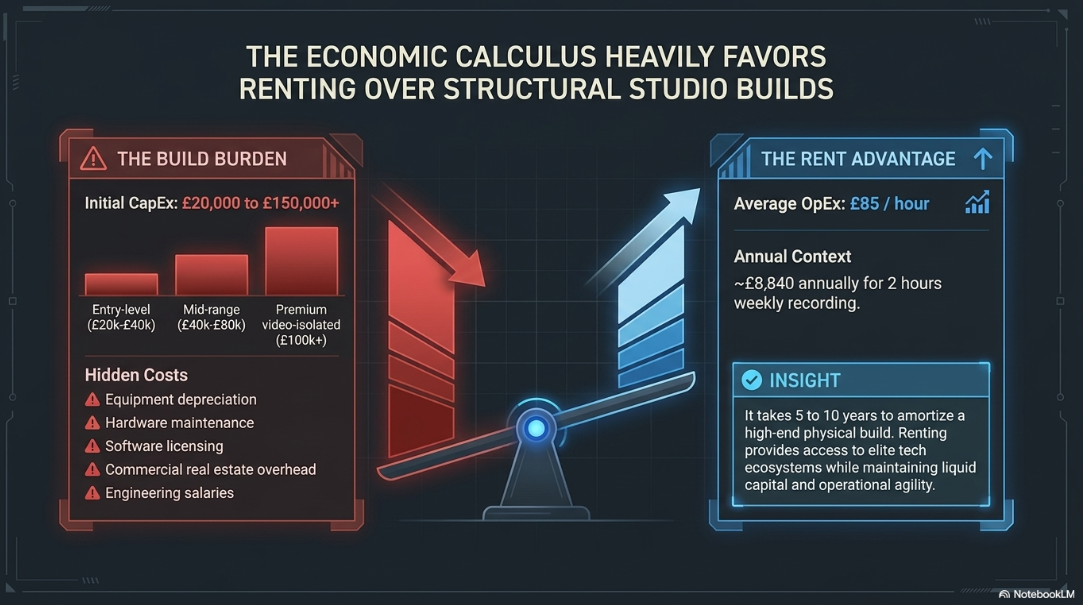
Organizations frequently debate whether to continue renting facilities or invest the capital to build an internal studio. The financial calculus heavily favors renting for all but the absolute highest-volume enterprise producers. Constructing a professional podcast studio in a major commercial real estate market requires an initial capital expenditure between £20,000 and £150,0005.
An entry-level build, lacking structural acoustic isolation but featuring adequate treatment and basic equipment, demands roughly £20,000 to £40,0005. A mid-range, broadcast-quality build scales to between £40,000 and £80,000, while a fully isolated, premium video-capable studio comfortably exceeds £100,0005.
Given that a professional studio rental averages approximately £85 per hour, an organization recording two hours weekly would spend roughly £8,840 annually on rental fees5. Under these metrics, it would take a minimum of five to ten years to amortize the cost of a high-end physical build. This calculation completely excludes the severe hidden costs of equipment depreciation, ongoing hardware maintenance, expensive software licensing, specialized staff salaries, and premium real estate overhead5. For the vast majority of brands and creators, utilizing established commercial studios provides access to state-of-the-art technology while maintaining liquid capital and operational flexibility.
Comparative Studio Pricing Matrix (London Case Study)
Operational Pitfalls: Mitigating Production Disasters
Securing a high-end facility does not automatically insulate a production from systemic failures. Creators frequently commit critical operational and behavioral errors that sabotage the final output, regardless of the caliber of the equipment utilized.
The Post-Production Salvage Fallacy
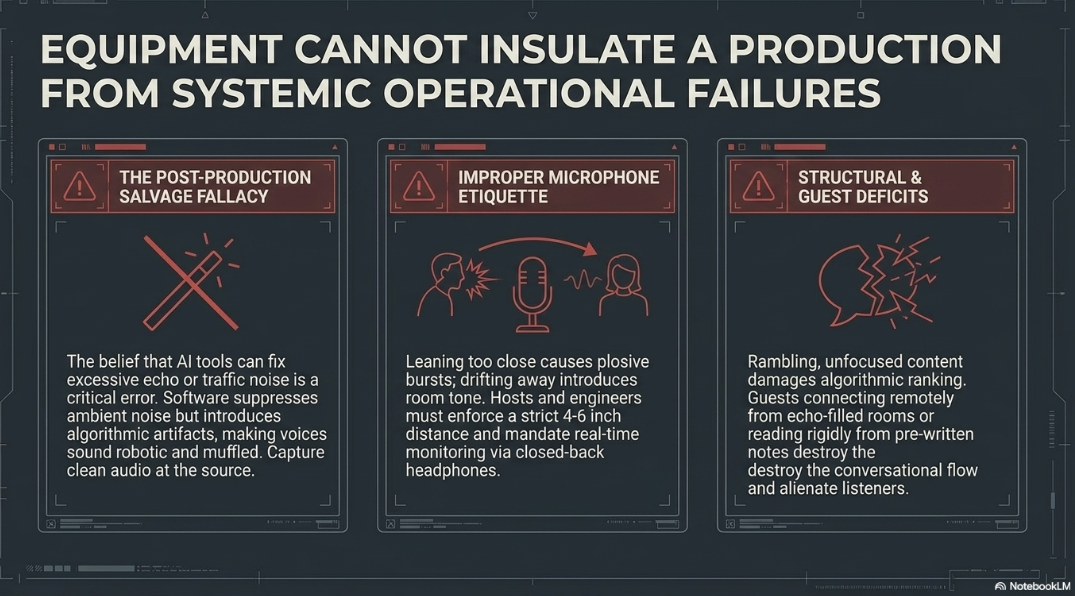
The most pervasive fallacy in contemporary podcast production is the belief that post-production software—particularly AI-driven audio repair tools—can salvage fundamentally flawed recordings. Over-reliance on post-production to fix issues like excessive room echo, traffic noise, or improper microphone technique is a critical mistake7. While software can suppress ambient noise, it frequently degrades the primary vocal track, introducing algorithmic artifacts that render the human voice robotic, muffled, or unnatural. The operational imperative is always to capture clean, isolated audio at the source, ensuring that valuable post-production time is spent on narrative pacing, color grading, and mastering, rather than attempting forensic audio recovery7.
Improper Gain Staging and Microphone Etiquette
Even within a pristine acoustic environment, poor human interaction with the equipment ruins audio quality. Guests frequently lean too close to the microphone, causing plosive bursts (harsh consonant sounds), or drift too far away, leaning back in their chairs and introducing ambient room noise into the signal8. Maintaining a consistent distance of 4 to 6 inches, utilizing pop filters, and speaking slightly off-axis are mandatory disciplines that a host or studio engineer must enforce8.
Furthermore, failing to establish individual gain levels for each speaker results in wildly inconsistent volume dynamics8. If a boisterous host is recorded on the same gain threshold as a quiet guest, the discrepancy will alienate listeners who must constantly adjust their device's volume. Real-time monitoring via closed-back headphones is essential; recording an entire episode blindly without monitoring the mix guarantees that background noise or clipping will go unnoticed until the editing phase, at which point it is too late to rectify8.
Content Structure and Guest Communication
Beyond technical errors, structural and behavioral mistakes severely impact listener retention. Many podcasters fail to define their target audience, resulting in unfocused content that tries to appeal to everyone and resonates with no one2. Additionally, publishing inconsistently confuses audiences and algorithmically damages the show's ranking; maintaining a strict release schedule is paramount2. Episodes that are overly long and rambling cause listener fatigue; utilizing a clear outline to keep episodes within a focused 30 to 45-minute window is generally recommended2.
Guest behavior also poses significant risks. Guests who fail to read preparation emails, arrive late to a booked studio slot, or connect from a noisy, echo-filled room for a remote feed exhibit a lack of professionalism that directly harms the show22. During the interview, guests who rely heavily on reading pre-written notes sound awkward and robotic, destroying the conversational flow22. Furthermore, evading questions or utilizing inappropriate language and swearing—unless explicitly permitted by the show's format—damages the brand's credibility and limits advertising opportunities22. Proper pre-interview communication and technical checks mitigate these behavioral risks.
Legal, Contractual, and Intellectual Property Frameworks
The podcasting ecosystem relies heavily on the creation, distribution, and monetization of intellectual property. A handshake agreement is a perilous method for determining asset ownership, revenue splits, or media distribution rights. The legal infrastructure surrounding a podcast dictates its commercial viability, rendering formal contracts an absolute necessity from the outset of the production23.
Studio Hire Agreements and Facility Terms
When engaging a commercial studio, the client enters into a binding facility hire agreement. These contracts strictly delineate the liabilities, permitted uses, and restrictions of the space. Studios universally assert ownership over their own intellectual property; clients cannot use the studio’s trademarks, logos, or proprietary branding in their promotional materials without explicit written authorization24.
Furthermore, studios frequently impose strict non-solicitation clauses, legally prohibiting clients from attempting to poach, independently hire, or entice away the studio's sound engineers or technical staff for a specified period (e.g., three months) following the booking24. Confidentiality clauses are also a standard inclusion, binding both the studio and the client from disclosing sensitive commercial information, upcoming product launches, or the identities of high-profile guests recorded on the premises24. To manage physical liabilities, contracts mandate that clients indemnify the studio against any damages to the equipment or premises caused during the session24.
Guest Releases and Performer Rights
Every guest appearing on a podcast must sign a guest release form prior to recording. This legally binding document accomplishes two vital functions: it confirms the guest's explicit consent to be recorded (both audio and video), and it transfers or licenses the rights to that recording to the podcast producer23.
Without a signed release, the guest retains their underlying intellectual property and performers' property rights. Under legal frameworks such as the UK’s Copyright, Designs and Patents Act 1988 (CDPA) or copyright provisions under 17 U.S.C. § 106 in the United States, a disgruntled guest could legally demand the removal of an episode, paralyzing the show's distribution and erasing the production investment23. A robust agreement mandates a full assignment of copyright and a comprehensive waiver of the guest's moral and non-property rights26. This ensures the producer retains absolute editorial control to cut, edit, remix, and distribute the conversation across all platforms perpetually and on a royalty-free basis23. Crucially, the release must also secure the rights to utilize the guest’s likeness, name, and biographical data for promotional marketing materials23.
Co-Host Agreements and Entity Ownership
When a podcast is co-created by multiple individuals, a formal co-host agreement acts as the governing partnership document. If ownership is not explicitly defined in writing, copyright law defaults to joint creation, meaning no single party can independently monetize, sell, or license the podcast without the unanimous consent of all creators25.
A comprehensive co-host agreement must precisely define who owns the underlying intellectual property. This includes the podcast's registered trademark (the name, logo, and slogans), the physical audio and video recordings, the textual transcripts, and most importantly, the RSS feed infrastructure that connects the show to global platforms like Spotify and Apple23. Transcripts represent highly valuable derivative works for books and educational materials; failure to assign transcript ownership can prevent creators from repurposing their own spoken words27.
The contract must meticulously map out revenue-sharing models, outlining exactly how advertising income, premium subscription revenue, and sponsorship fees are distributed among the hosts25. Furthermore, a sophisticated agreement anticipates the dissolution of the partnership. If one host wishes to exit the production, the contract determines whether they retain an ongoing equity stake or royalty from the back catalogue, whether a restrictive covenant or non-compete clause prevents them from immediately launching a rival show in the same niche, and who retains the exclusive right to continue operating the original brand23.
Sponsorship, Commercial Contracts, and Compliance
Sponsorship agreements operate as defined service contracts between the podcast entity (which should ideally be an LLC or corporate entity, not the individual host) and external advertisers23. These documents stipulate the exact deliverables expected from the production: the number of ad reads, the specific placement within the timeline (pre-roll, mid-roll, post-roll), and the guaranteed audience download or view thresholds23.
These agreements frequently contain strict category exclusivity clauses, barring the podcast from accepting advertising capital from direct competitors for the duration of the contract term25. The contract must also define post-termination rights, clarifying whether the sponsor's audio advertisement remains permanently "baked into" the episode file perpetually, or if the producer must utilize dynamic ad insertion technology to remove the promotional material once the specific contract expires25.
Beyond contract drafting, podcasters must navigate broader compliance risks. Discussing private individuals without consent introduces severe defamation and privacy exposure28. When discussing medical, legal, or financial subjects, implementing clear verbal and written disclaimers is necessary to clarify that the content does not constitute professional advice28. To keep disputes out of costly public courts, incorporating arbitration clauses that mandate resolution through bodies like the American Arbitration Association is highly recommended23. Finally, modern production agreements increasingly feature progressive clauses, such as green disclosures, which mandate the calculation and publication of the podcast's carbon footprint to ensure environmental compliance26. While podcast content itself cannot be patented, any proprietary technological innovations developed to distribute or clean the audio—such as AI-driven voice enhancement algorithms—are eligible for patent protection28.
Conclusion
The decision to hire a professional podcast studio transcends the simple acquisition of a quiet recording space. It represents a highly strategic commitment to audiovisual excellence, brand authority, and robust operational security. As the podcasting industry continues its rapid trajectory toward broadcast-level standardization, the technical and qualitative disparities between amateur, home-based setups and professional, purpose-built facilities become increasingly glaring to the modern consumer.
Selecting the appropriate studio requires a precise alignment between the production's specific format and the facility's technological capabilities. Audio-first endeavors must relentlessly prioritize pristine acoustic isolation and broadcast-standard digital conversion metrics, specifically adhering to the 48kHz/24-bit resolution and the -16 LUFS loudness benchmarks. Video-centric productions must significantly escalate their operational demands, securing studios equipped with cinematic three-point LED lighting matrices, fast-aperture lenses, and, most crucially, isolated (ISO) recording infrastructure. The capacity to edit multiple camera angles entirely independent of the live switch fundamentally alters the post-production workflow, enabling the effortless generation of high-impact, vertical social media assets that are essential for driving modern audience acquisition.
Financially, the studio rental market—exemplified by the highly stratified, tiered structures available in media hubs like London and Manchester—offers scalable solutions that heavily outweigh the extreme, six-figure capital expenditures required for structural in-house studio builds. By leveraging specialized facilities on an hourly, daily, or membership basis, organizations can access elite technological ecosystems and experienced engineering staff while maintaining critical liquid capital and operational agility.
However, technological superiority and flawless acoustics are rendered entirely obsolete without foundational legal scaffolding. Securing intellectual property ownership, executing ironclad guest releases, codifying comprehensive co-host operating agreements, and structuring explicit sponsorship terms are non-negotiable prerequisites for long-term commercial viability. Ultimately, producing a successful, monetizable podcast relies on proactively mitigating friction across the entire production lifecycle. By partnering with sophisticated studio facilities and establishing rigorous legal and technical frameworks, creators and brands guarantee that their narrative focus remains entirely on the content, secure in the absolute knowledge that their technical, physical, and commercial infrastructure is impenetrable.
Works cited
How to Hire a Podcast Studio… and Get the Best Value for Your Money, https://www.freshairstudios.co.uk/blog/latest-news/hire-a-podcast-studio
Common Podcasting Mistakes and How to Avoid Them - Podwave Studios, https://podwavestudios.au/2024/12/24/common-podcasting-mistakes-and-how-to-avoid-them/
Podcast Studio Hire: What Equipment and Facilities Do You Really Need?, https://tanneryfilmstudios.co.uk/podcast-studio-hire-what-equipment-and-facilities-do-you-really-need/
Podcast Studio from £84/hr | London & Manchester | 420 - 800 sqft, https://outsetstudio.com/
Podcast Studio Cost London: 2026 Budgets | Sound Zero, https://sound-zero.com/podcast-studio-cost-london/
What Are the Common Mistakes to Avoid in a Video Podcast Studio? - The Creatives 360, https://blog.thecreatives360.com/video-podcast-studio-mistakes/
5 Podcast Studio Design Mistakes to Avoid | Sound Zero, https://sound-zero.com/5-common-mistakes-in-professional-podcast-studio-design/
Podcast Studio Setup Mistakes Beginners Make — And How to Avoid Them - Alpha Cast, https://alphacast.ae/podcast-studio-setup-mistakes-beginners-make-and-how-to-avoid-them/
Why Your Podcast Sounds Amateur (5 Audio Specs Explained), https://www.podcaststudioglasgow.com/podcast-studio-glasgow-blog/the-5-audio-specs-that-separate-professional-from-amateur-podcasts
Hire Podcast Pro Room Studio in London | Nostars, https://nostars.uk/podcast-pro-room/
Podcast Studio Setup: Home Studio Guide - Rob Cressy, https://robcressy.com/blog/podcast-studio-setup
Podcast Studio Setup From Zero to Broadcast-Quality Sound, https://s321.ae/podcast-studio-setup-guide/
Podcast Studios In Central London - Podshop, https://www.podshoponline.co.uk/services/podcast-studio
London Podcast Studio | Podcast Recording from £49/hr!, https://www.londonpodcaststudios.co.uk/
36 Best Podcast Studios for Hire in London, England - Peerspace, https://www.peerspace.com/uk/spaces/gb/london--england/podcast-studio
What Is ISO Recording and Why Does It Matter for Video Podcasts?, https://www.podcaststudioglasgow.com/podcast-studio-glasgow-blog/what-is-iso-recording-and-why-does-it-matter-for-podcasts
Recordia Delivers Podcast Production Workflow with Blackmagic Design, https://www.blackmagicdesign.com/media/release/20260121-01
RØDECaster Video User Guide | Recording and Streaming | RØDE (IE), https://rode.com/en-ie/user-guides/rodecaster-video/recording-and-streaming
Podcast studio hire: What to look for when choosing a podcast studio - Liverpool Podcast Studios, https://liverpoolpodcaststudios.com/podcast-studio-hire-what-to-look-for-in-a-podcast-studio/
Common Podcasting Mistakes & How to Avoid Them - Hexxen Studios, https://hexxenstudios.com/blog/common-podcasting-mistakes-how-to-avoid-them/
Top 10 Mistakes that Podcast Guests Make - Medium, https://medium.com/@jasonrigden/top-10-mistakes-that-podcast-guests-make-97af4074498e
Podcast Contracts and Agreements: Guests, Co-Hosts, and Sponsors, https://podcastingauthority.com/podcast-contracts-and-agreements/
Studio Terms and Conditions | Real World Studios, https://realworldstudios.com/studio-terms-and-conditions/
Free Podcast Agreement Template | Juro, https://juro.com/contract-templates/podcast-agreement
Podcast presenter agreement - Practical Law - Thomson Reuters, https://uk.practicallaw.thomsonreuters.com/w-028-7394?transitionType=Default&contextData=(sc.Default)
Podcast Agreements 101 | New York Entertainment Law Lawyers, https://www.hrbeklaw.com/resources/articles/podcast-agreements-101_1/
Intellectual Property Protection for Podcast Content: A Legal Perspective Introduction, https://oneworldip.com/intellectual-property-protection-for-podcast-content-a-legal-perspective-introduction/