The Macroeconomics of the Multi-Format Pivot
The global digital media landscape is undergoing a structural paradigm shift, marked by the rapid convergence of spoken-word audio and digital video1. No longer defined strictly as an RSS-delivered, audio-only medium, podcasting has entered a visual-first era1. This transition is backed by substantial economic expansion and shifting audience expectations3. The global podcasting industry was valued at approximately $30.72 billion in 2024, expanded to $39.63 billion in 2025, and is projected to reach $81.32 billion by 20313.
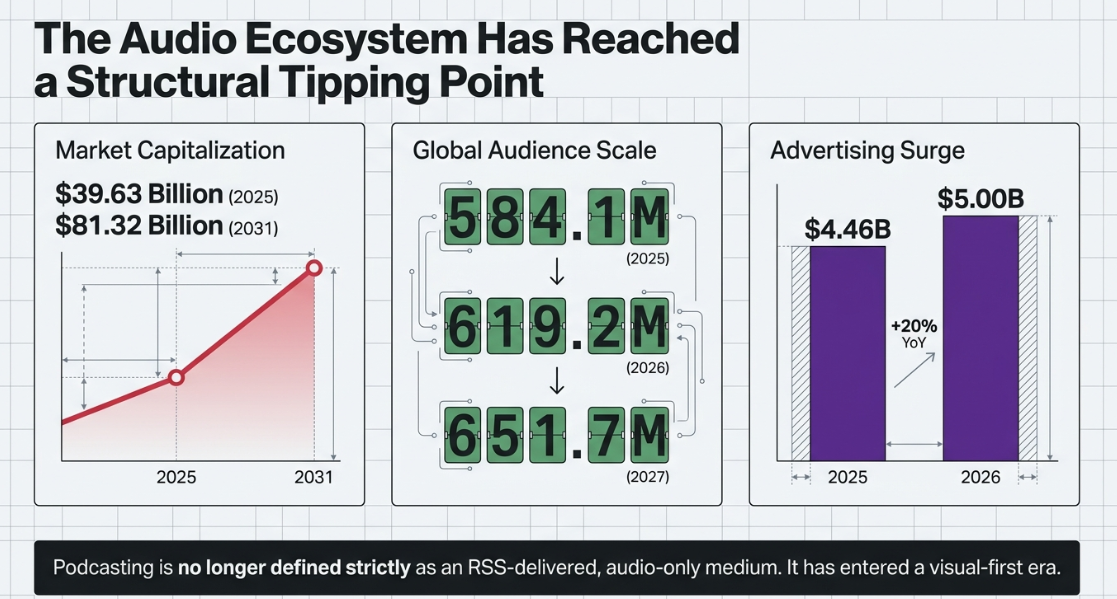
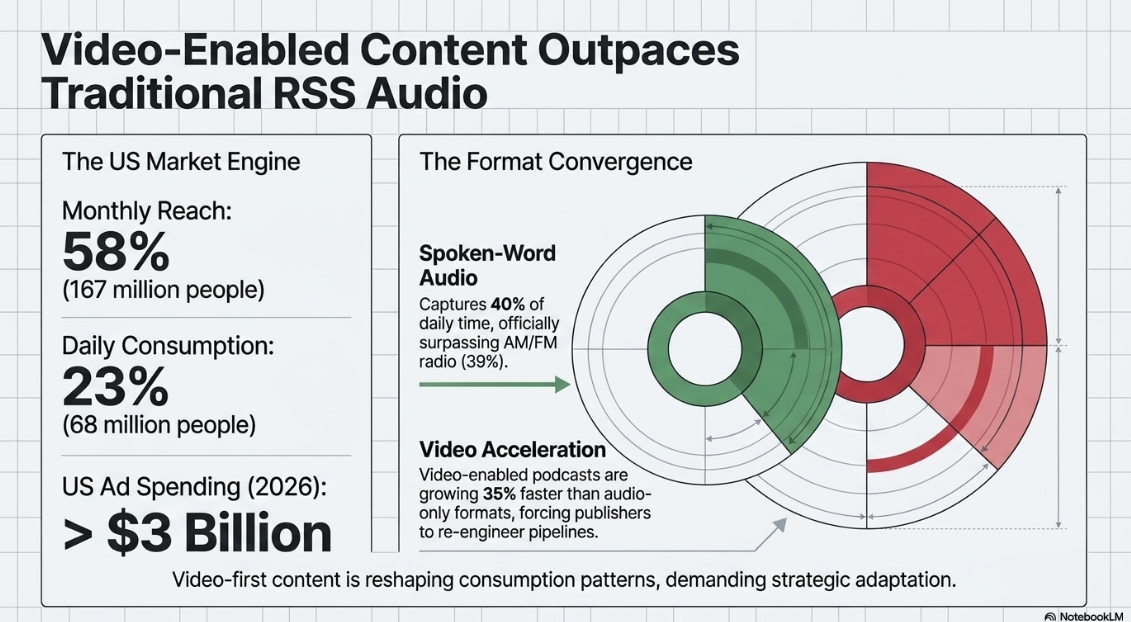
Crucial to this growth is the rapid scale of global podcast listenership, which reached 584.1 million in 2025 and expanded to 619.2 million in 20263. Current market forecasts project the global listener base to reach 651.7 million by 20275. In the United States, which remains the single largest commercial market, monthly podcast consumption reached an all-time high of 55% of the population aged 12 and older in 2025, translating to approximately 158 million monthly consumers3. By early 2026, this monthly reach had expanded to 58% of the US population (approximately 167 million people), with weekly listenership rising to 42% (127 million people) and daily consumption reaching 23% (68 million people)2.
This audience expansion has triggered a corresponding surge in advertising expenditure2. In 2025, worldwide podcast ad spending reached approximately $4.46 billion, a 10.95% increase from 20245. Moving into 2026, global ad revenues for podcasts and video-enhanced podcasts (vodcasts) are predicted to reach $5 billion, representing an approximate 20% year-over-year increase7. This commercial growth is heavily concentrated in the US and Europe2. US-specific podcast ad spending is projected to surpass $3 billion in 20262. The sustained double-digit growth of podcast ad spending continues to outpace the broader digital advertising market2.
This economic transformation is fundamentally driven by a structural shift: the migration from traditional RSS audio distribution to video-first podcasting2. In late 2025, spoken-word digital audio achieved a historical milestone, surpassing AM/FM radio for the first time by capturing 40% of daily spoken-word time compared to radio's 39%3. Within this expanding digital ecosystem, video-enabled podcasts are growing 35% faster than audio-only formats3. This has led publishers and major platforms to re-engineer their distribution pipelines around multi-format outputs1.
The shift is catalyzed by platform-level prioritization4. Algorithmic discovery mechanisms on YouTube and Spotify have begun favoring video-enabled shows, forcing creators to abandon audio-only strategies3. This transition represents a significant change in the medium's distribution infrastructure, moving from decentralized RSS networks to centralized, video-capable ecosystems1.
Behavioral Demographics and the Attention Premium
To execute a professional video podcast, production teams must understand the audience1. Current demographic and behavioral data shows that the modern audience is highly engaged, visually oriented, and structurally distinct from traditional audio listeners1.
Over half of the US population aged 12 and older (51%) has watched a video podcast at least once1. By late 2025, approximately 27% of US consumers were watching video podcasts on a weekly basis, a behavior heavily concentrated among younger cohorts1. Specifically, 90% of Gen Z podcast consumers actively engage with video podcasts, with only 10% stating they never watch them1. Despite this strong visual preference, audio remains a key part of the consumer diet: 41% of Gen Z and 46% of the broader 15–64 demographic still report an audio-first leaning, consuming podcasts primarily via audio depending on their physical environment and context1.
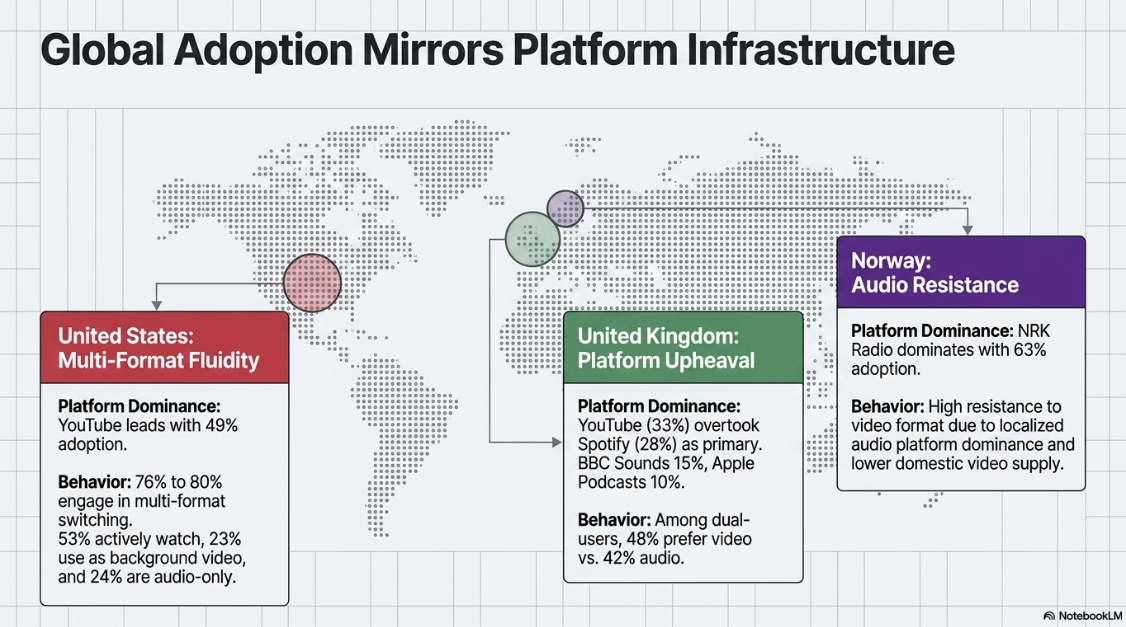
This multi-format flexibility is reflected in how audiences transition between modes of consumption10. Research from Triton Digital and Cumulus Media shows that a mere 7% to 8% of podcast consumers exclusively watch video podcasts, while 13% to 17% listen exclusively to audio10. The remaining majority—ranging from 76% to 80%—engage in multi-format consumption, seamlessly switching between watching and listening based on their immediate activities10. This behavior is closely tied to geographic and platform variances4.
Market differences reflect varied platform dynamics and consumer habits4. In the United Kingdom, YouTube surpassed Spotify as the primary service used most for podcast consumption in 2026, capturing 29% of weekly listeners aged 15 and older, compared to Spotify’s 28%, BBC Sounds’ 15%, and Apple Podcasts’ 10%17. In contrast, the Norwegian market displays strong resistance to video integration, driven by the dominance of localized audio platforms like NRK Radio (63%) and a lower supply of locally produced video podcasts4.
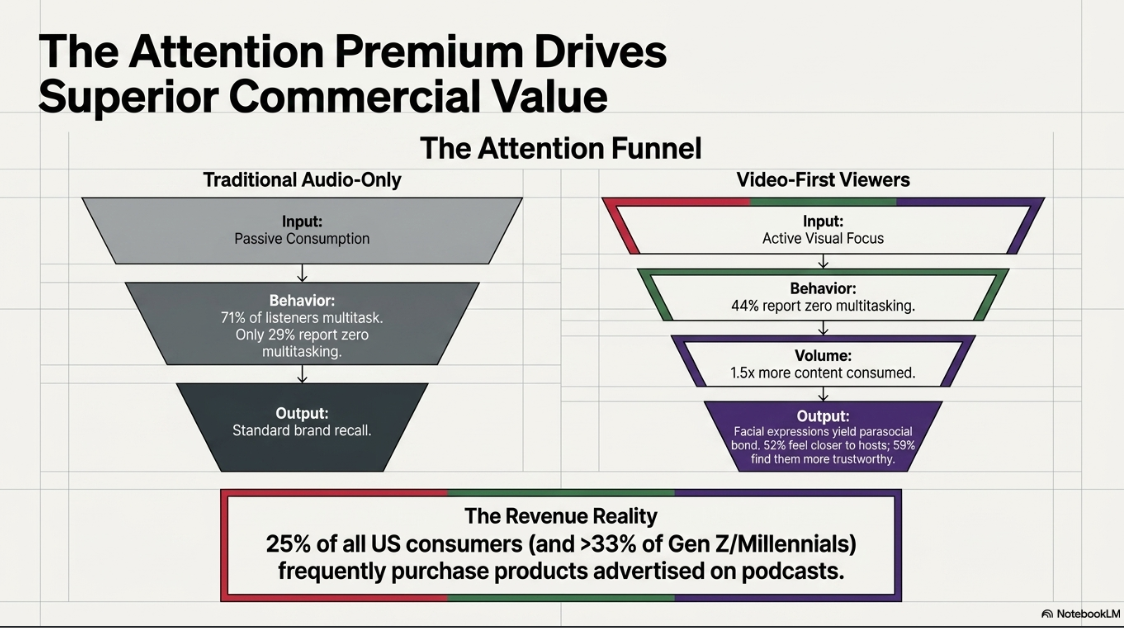
The underlying driver of video podcasting's high commercial value is the "attention premium" it commands1. Traditional audio podcasts are fundamentally built for passive consumption, with 71% of listeners tuning in while multitasking (e.g., driving, cooking, or exercising)18. Video podcasts, however, demand higher visual focus1.
According to Deloitte, 44% of US video podcast viewers state they never multitask while watching, compared to just 29% of audio-only listeners1. This translates into high consumer engagement and retention, with video podcast viewers consuming 1.5 times more content overall than audio-only listeners1. It also yields a strong direct advertising response, as illustrated below.
[Audio-Only Listeners] ----> 29% Zero Multitasking ----> Standard Brand Recall
[Video-First Viewers] ----> 44% Zero Multitasking ----> 1.5x Content Volume Consumed [cite: 8, 9]
----> Enhanced Trust & Parasocial Bond
This focused attention strengthens the parasocial bond between hosts and viewers1. The addition of facial expressions, body language, and physical set designs creates a sense of proximity that audio alone cannot replicate1. Consequently, over 52% of podcast listeners report feeling closer to podcast hosts than other media personalities, and 59% consider hosts more trustworthy than traditional social media influencers20.
This high level of trust directly impacts purchasing decisions8. Approximately 25% of all US podcast consumers—and more than 33% of Gen Z and Millennial consumers—report frequently purchasing products or services advertised on podcasts8.
The Platform Architecture War: Decentralized HLS vs. Centralized Ecosystems
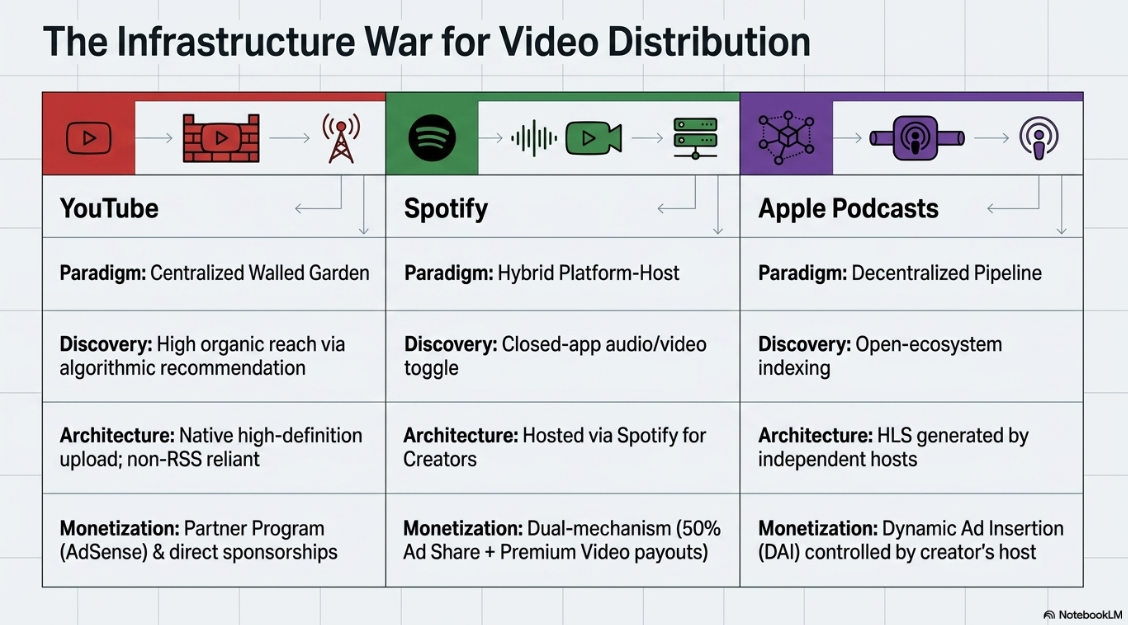
The rapid adoption of video podcasts has triggered an infrastructure war among the three dominant podcast distribution platforms: YouTube, Spotify, and Apple Podcasts1. Each platform approaches video ingestion, hosting, and monetization from distinct technical and strategic philosophies1.
YouTube: The Centralized Algorithmic Discovery Engine
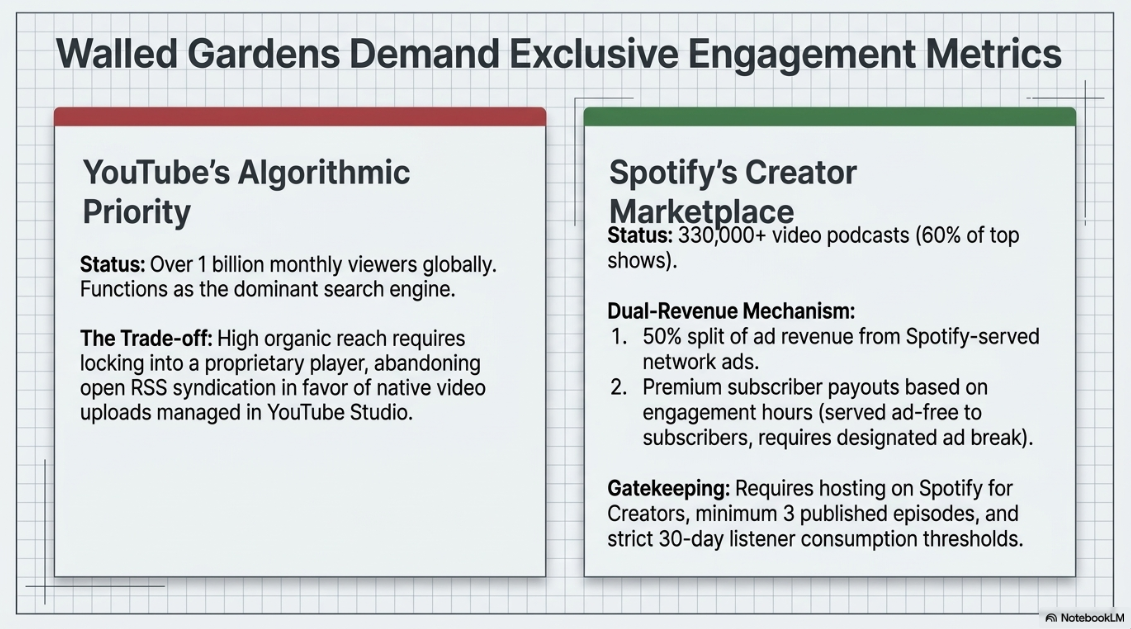
YouTube functions as a highly centralized discovery engine21. Boasting over 1 billion monthly podcast viewers globally, it has established itself as the dominant destination for podcast search and discovery1.
From a technical perspective, YouTube does not operate on the open RSS standard21. Although creators can link their RSS feeds to pull audio into the platform, YouTube's recommendation engine heavily prioritizes native, high-definition video uploads21. The platform operates as a closed garden: videos must be uploaded directly, metadata is managed within YouTube Studio, and monetization is tied to the YouTube Partner Program (AdSense) or direct sponsorships1.
The primary trade-off of YouTube's architecture is its closed nature21. It offers high organic reach via its recommendation algorithm and search presence, but locks the creator into its proprietary player and ad ecosystem, making RSS-based syndication impossible21.
Spotify: The Hybrid Platform-Host Model
Spotify has executed a strategic pivot from a traditional music streaming service to a multi-format creator marketplace24. As of early 2026, Spotify's catalog features over 330,000 video podcasts, representing over 60% of its most popular shows1.
Spotify's architecture is built on a hybrid platform-host model1. Creators are encouraged to host their shows on "Spotify for Creators" (formerly Anchor), which allows them to upload video files directly1. These video files are then delivered natively within the Spotify app1.
To monetize this, Spotify launched the Spotify Partner Program in January 2025 across the US, UK, Canada, and Australia26. The program operates on a dual-revenue mechanism25:
Ad Revenue Share: Creators receive a 50% split of ad revenue generated from Spotify-served ads inserted into ad breaks across all platforms where the show is distributed25.
Premium Video Revenue: To protect the premium subscriber experience, Spotify serves video podcasts to Premium members without dynamic ad breaks25. Instead, creators receive payouts based on an engagement-based formula tracking total consumption hours by Premium subscribers25. To qualify, video episodes must contain at least one designated ad break25.
To participate in the Spotify Partner Program, creators must meet specific eligibility thresholds, which have been progressively updated to lower the barrier to entry25.


Apple Podcasts: The Decentralized HLS Solution
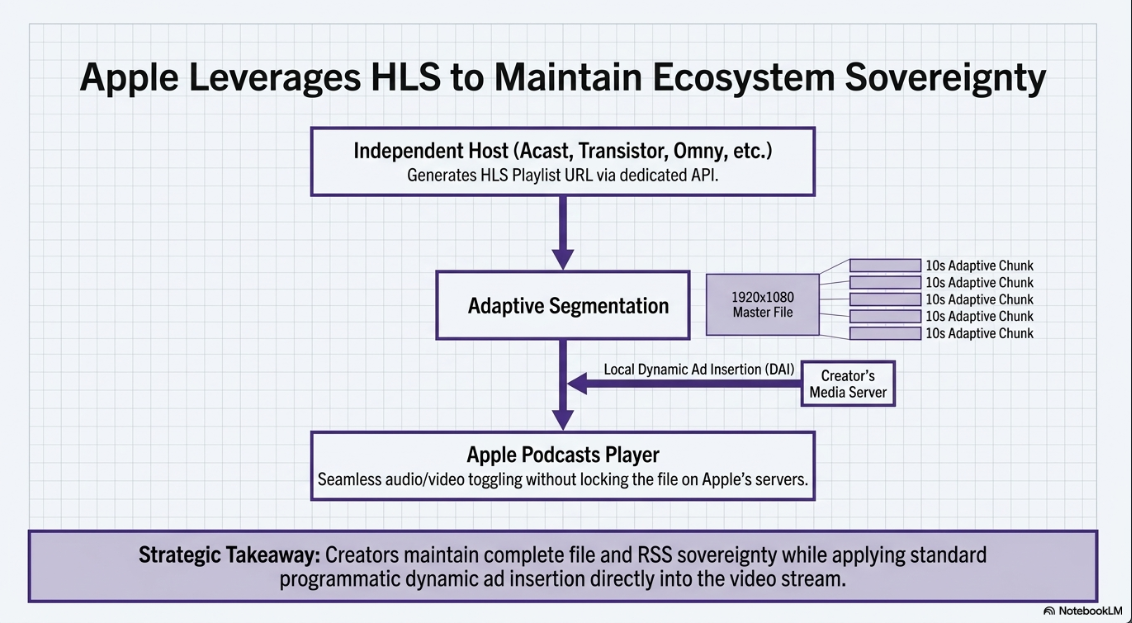
In February 2026, Apple introduced native video podcast support in iOS 26.4, establishing a decentralized alternative to YouTube and Spotify1. Unlike its competitors, Apple did not build a closed hosting solution22. Instead, it leveraged HTTP Live Streaming (HLS) technology22.
Under Apple's architecture, video podcasts remain hosted on the creator's independent podcast hosting provider (such as Acast, Simplecast, Omny Studio, or Transistor)22. When a creator publishes an episode, the hosting provider generates an HLS playlist URL and transmits it to Apple Podcasts via a dedicated API22. HLS works by breaking down the high-definition video file (ideally 1920x1080 resolution) into short, adaptive segments (typically ten seconds long)22. The Apple Podcasts player dynamically downloads these segments, automatically adjusting video quality based on the listener's network connection22.
[Independent Host (Acast, Transistor, etc.)]
|
(Generates HLS Playlist URL)
|
v
[Apple Podcasts App Player] <=== (Segmented Adaptive Video Streams) === [Creator's Media Server]
|
+---> Seamless Audio/Video Toggle
+---> Local Dynamic Ad Insertion (DAI)
This technical architecture provides two distinct advantages:
Ecosystem Sovereignty: Creators maintain control over their content distribution, files, and RSS feeds without being locked into a proprietary platform's hosting infrastructure22.
Dynamic Ad Insertion (DAI) Compatibility: Because the video files are served directly from the hosting provider's ad servers rather than Apple's, creators can apply standard audio-style dynamic ad insertion (including host-read and programmatic video ads) directly into the video stream22.
However, Apple charges participating ad networks an impression-based delivery fee for dynamic ads served over its HLS pipeline, creating a new monetization pathway for the platform22. Additionally, native HLS auto-downloads and mobile data streaming are turned off by default to protect consumer data limits, requiring users to explicitly opt-in22.
Technical Execution and Production Infrastructure: The Broadcast-Style Multi-Camera Paradigm
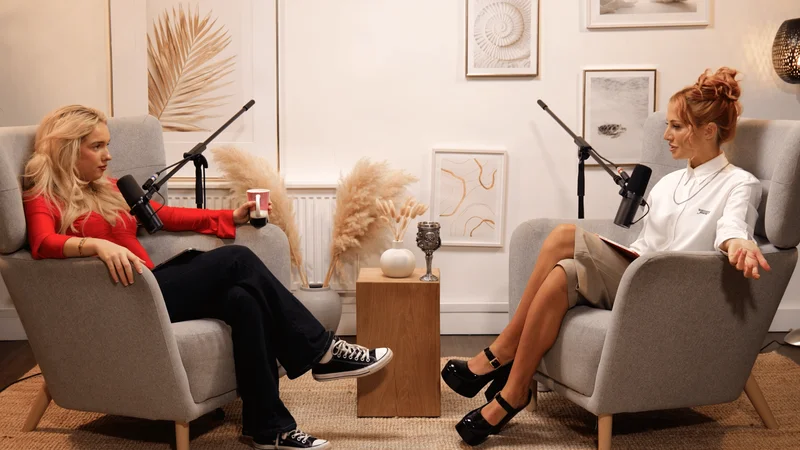
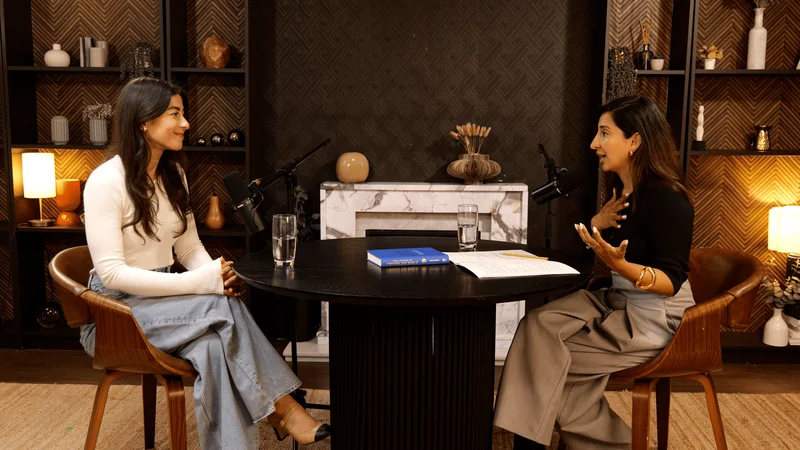
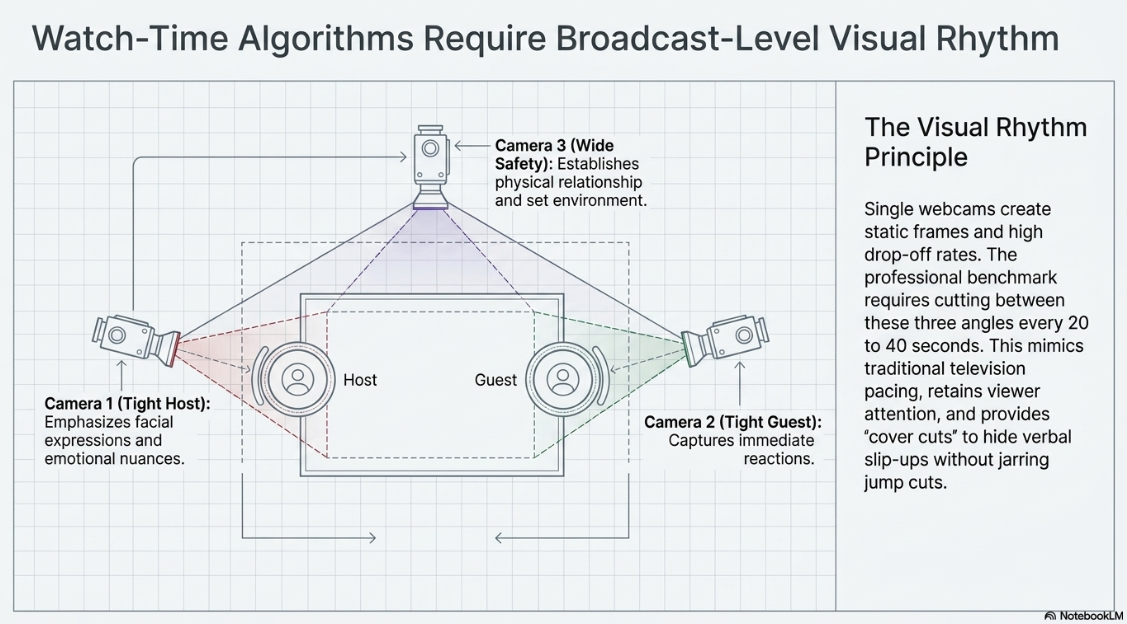
To match industry standards, video execution must move away from single, locked-off webcams toward broadcast-style, multi-camera production environments34. A single-camera setup forces the audience to view a static frame for an extended duration, resulting in low visual engagement and high drop-off rates on platforms where watch-time metrics dictate algorithmic discovery34.
The Multi-Camera Configuration and Visual Rhythm
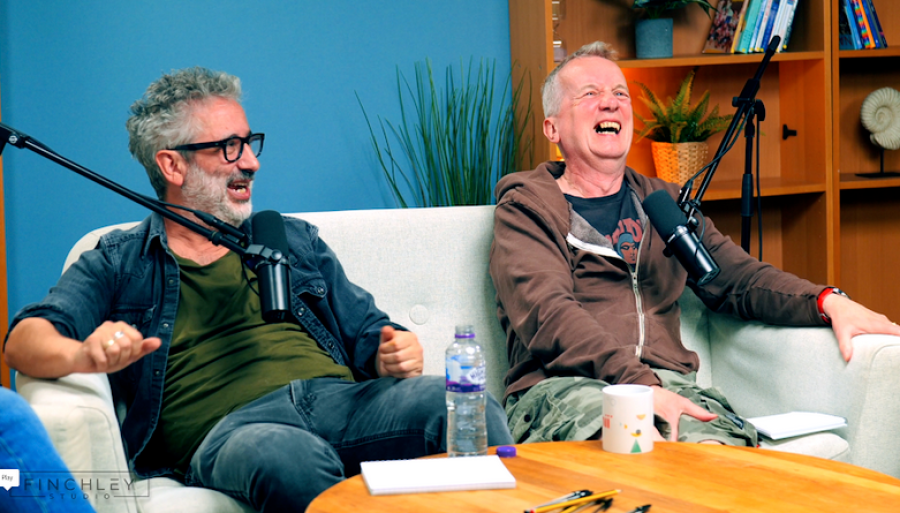
For a standard two-person interview format (Host and Guest), a three-camera configuration is the professional benchmark34:
Camera 1 (Tight Host Shot): Positioned at eye-level, capturing a medium close-up of the host to emphasize facial expressions and emotional nuances34.
Camera 2 (Tight Guest Shot): Mirroring Camera 1, focused on the guest35.
Camera 3 (Wide Safety Shot): A wider, master shot containing both participants within the frame, showing their physical relationship and set environment34.
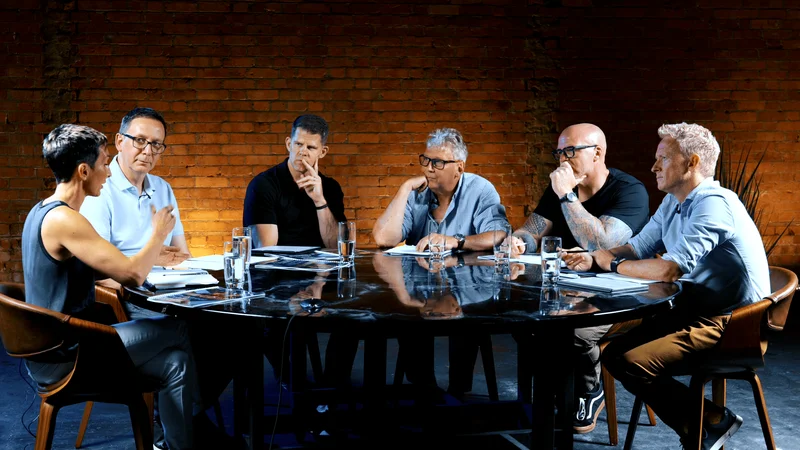
For panel shows featuring three or more participants, a minimum of three cameras is required, though a four-camera array offers significantly greater flexibility by dedicating cameras to individual zones while keeping one wide safety angle35.
[Camera 1: Tight Host] [Camera 2: Tight Guest]
\ /
\ /
v v
[Host] =================== [Guest]
\ /
\ /
v v
[Camera 3: Wide Master]
This physical configuration enables editors to establish a "visual rhythm" by cutting between angles every 20 to 40 seconds34. This pacing keeps viewers visually engaged and mimics the production standards of traditional television34. Crucially, multi-camera filming provides "cover cuts" in post-production, allowing editors to remove verbal slip-ups, pauses, or errors by switching to a different camera angle, avoiding the jarring "jump cuts" typical of single-camera edits34.
The Short-Form Repurposing Arbitrage
The primary growth driver for video podcasts in 2026 is the strategic production of short-form, vertical video clips (30 to 60 seconds) for platforms like TikTok, Instagram Reels, and YouTube Shorts1. These bite-sized highlights function as a key discovery mechanism, driving up to 60% of new listener acquisition20.
A multi-camera setup is essential for this workflow. While single-camera long-form videos look amateurish when cropped to a 9:16 vertical ratio, multi-camera shoots allow editors to extract dedicated, high-definition close-up angles of both the speaker and the listener’s immediate reaction34. This maintains visual quality and structural integrity when formatted for vertical feeds34.
Equipment Stack Integration
Achieving consistent broadcast quality requires a synchronized chain of hardware and software components38.
In post-production, managing three or more high-definition 4K video feeds requires specific editing workflows34. Teams must employ multi-track syncing tools, using a physical clapper or automated timecode generators to align audio and video waveforms34.
Additionally, editors must perform color grading to ensure consistent skin tones and exposure levels across different camera sensors before editing the multi-camera sequence34.
Monetization Dynamics: CPM Tiers, Programmatic Integration, and Native Sponsorships
The monetization of professional video podcasts is built on a diverse framework of host-read sponsorships, programmatic dynamic ad insertion (DAI), platform-native revenue splits, and direct product placements41.
Cost Per Mille (CPM) Structures
The primary currency of podcast advertising is the CPM (Cost Per Mille), representing the cost an advertiser pays per 1,000 downloads or impressions43. Video podcasts have introduced premium pricing tiers due to their high visual engagement and low multitasking rates9.
Host-Read Mid-Rolls: This is the highest-value ad inventory42. Delivered by the host in their native voice and style (usually lasting 60 to 120 seconds), these spots leverage audience trust41. In 2026, host-read mid-roll CPMs average $25 to $50 in the US, £40 to £50 in the UK, and $35 to $40 across general direct-sold networks9. In premium, highly optimized markets like Germany, these rates can reach €80 to €100+9.
Host-Read Pre-Rolls and Post-Rolls: Pre-rolls (placed in the first minute of an episode) command $15 to $30 CPM9. Post-rolls (placed at the end of the show) run between $10 and $25 CPM, reflecting lower completion and retention rates9.
Programmatic Dynamic Ad Insertion (DAI): These ads are pre-produced and dynamically inserted into designated breaks based on targeted audience metadata (such as location, age, or device type)41. Programmatic CPMs are lower, typically ranging from $5 to $25 depending on targeting specificity9.
To project potential earnings, creators and networks utilize a standard industry formulation43:

[cite: 43]
For example, a show generating 25,000 downloads per episode with two mid-roll slots sold at a $35 CPM would generate:

[cite: 41, 43]
Performance Dynamics: Host-Read vs. Programmatic
While programmatic ad spend is growing—capturing 29% of market share in 2026 compared to host-read's 58%—host-read ads continue to deliver superior conversion metrics2. Acast and Veritonic research reveals that 57% of podcast listeners visit a brand's website after hearing a host-read ad, and 28% make a direct purchase, compared to a conversion rate of just 11% on standard YouTube pre-roll ads19.
Furthermore, dynamic ad insertion allows podcasters to monetize their back-catalog41. While "baked-in" ads remain permanently in the audio file, DAI allows hosting platforms to swap outdated ads in old episodes with active campaigns, ensuring that evergreen content continues to generate revenue from new downloads41.
Video-Specific Monetization and On-Screen Placements
The visual nature of video podcasts allows for additional revenue streams that are unavailable in audio-only formats1.
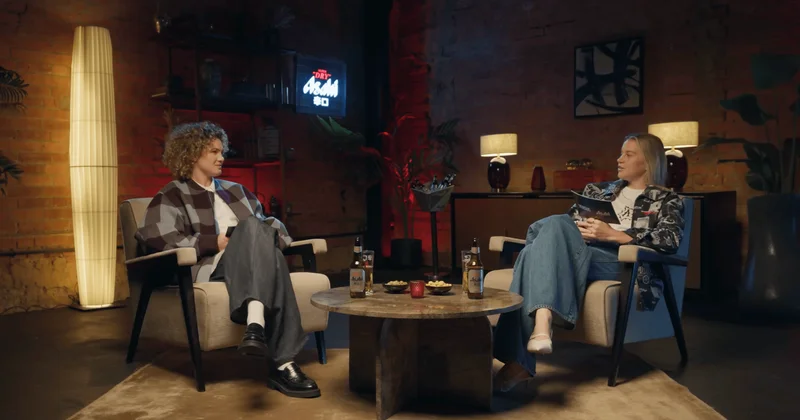
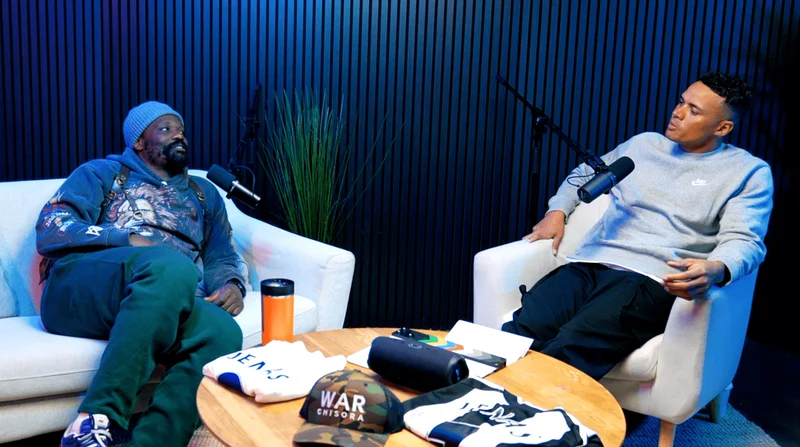
Direct Product Placement: Physical integration of a sponsor's product on the studio desk or within the set design (e.g., branded beverages, physical hardware display)1.
On-Screen Graphic Overlays: Dynamic insertion of lower-third graphics, sponsor logos, discount codes, and visual QR codes directly over the video stream1.
Visual Product Demos: Video allows hosts to conduct live product demonstrations, which significantly improves conversion rates for direct-response sponsors1.
This expanded ad scope, combined with cross-platform distribution across YouTube, Spotify, Apple Podcasts, and social media, has changed how sponsors calculate CPM ROI46. Advertisers are no longer simply purchasing an audio download; they are securing multi-platform visual and auditory reach46.
Actionable Strategic Conclusions
The rapid growth of video podcasting in 2026 presents clear priorities for media organizations, independent creators, and brands1. Based on the market data and technical landscape detailed above, several strategic steps should be prioritized:
Adopt a Hybrid Video-First, Audio-Derivative Workflow: Publishers should capture all conversational and interview content in high-definition video4. This master recording can then be distributed as a full video show on YouTube and Spotify, extracted as a clean audio feed for traditional platforms, and edited into short-form vertical clips for social discovery1.
Deploy a Three-Camera Studio Configuration: To maintain professional standards, production teams should invest in matching mirrorless or cinema cameras to capture tight angles of both host and guest alongside a wide safety shot34. The visual pacing of cutting between angles every 20 to 40 seconds is essential for retaining viewer attention34.
Establish an Arbitrage Pipeline for Short-Form Clips: Because short-form clips drive up to 60% of new listener acquisition, editors should systematically extract three to five high-quality vertical highlights from every long-form recording20. These clips must be edited using clean close-up frames of the speaker and listener to optimize engagement on mobile feeds34.
Diversify Across Platform Architectures: Creators should avoid relying on a single platform21. Instead, they should utilize YouTube for search-driven discovery, Spotify for programmatic ad sharing and Premium video payouts, and Apple Podcasts’ native HLS integration to maintain control over their feed and independent dynamic ad insertion21.
Prioritize Host-Read Mid-Rolls as the Core Monetization Asset: While programmatic advertising is highly scalable, direct-sold host-read mid-roll ads remain the most trusted and highest-converting ad format2. These spots should be supported with programmatic pre-rolls and visual elements (such as on-screen QR codes or product placements) to maximize revenue per episode1.
Works cited
The Rise of Video Podcasting: Statistics and Trends 2026 - Podbean Blog, https://blog.podbean.com/video-podcast-statistics-2026/
Podcast Statistics 2026: 130+ Advertising Data Points - Digital Applied, https://www.digitalapplied.com/blog/podcast-statistics-2026-advertising-data
The Podcast Revolution: A Data-Driven Deep Dive into the Audio Transformation Reshaping Media - BotTalk, https://bottalk.io/learn-with-bottalk/the-podcast-revolution-a-data-driven-deep-dive-into-the-audio-transformation-reshaping-media/
The changing shape and new economics of news podcasting: From listening to watching, from podcasts to shows | Reuters Institute for the Study of Journalism, https://reutersinstitute.politics.ox.ac.uk/changing-shape-and-new-economics-news-podcasting-listening-watching-podcasts-shows
Podcast Statistics You Need To Know in 2026 - Backlinko, https://backlinko.com/podcast-stats
Podcast news: video overtakes audio, new EU AI rules, https://www.springcast.io/en/blog/news-2026-06-06/
Video podcasts dominate: Opportunity for brands, competition for traditional video - Deloitte, https://www.deloitte.com/us/en/insights/industry/technology/technology-media-and-telecom-predictions/2026/video-podcasts-reach.html
How Much Does Podcast Advertising Cost? A Complete 2026 Pricing Guide - Media Bodies, https://mediabodies.com/blog/podcast-advertising-cost-2026-guide/
In Graphic Detail: Publishers chase video podcast growth, but audio still leads, https://digiday.com/media/in-graphic-detail-publishers-chase-video-podcast-growth-but-audio-still-leads/
Report Shows Podcasting Now Reaches More Than Half of the U.S. Population as Audio Remains Core and Video Strategy Becomes Genre-Dependent | News | Triton Digital, https://tritondigital.com/news-item/February-20-2026/report-shows-podcasting-now-reaches-more-than-half-of-the-u-s-population-as-audio-remains-core-and-video-strategy-becomes-genre-dependent
Audio vs Video Podcasts: Common Myths and Truths - SiriusXM Media, https://www.siriusxmmedia.com/insights/audio-or-video-the-truth-about-podcast-myths
https://www.adambowie.com/blog/2026/07/ofcom-podcast-survey-and-audio-report-2026/
Are podcasts going visual? - YouGov, https://yougov.com/en-gb/articles/52585-are-podcasts-going-visual
Podcasts, Platforms, and Attention Spans: Where Audio Content Is Headed in 2026, https://rupp-pr.com/podcasts-platforms-in-2026/
Youtube overtakes Spotify in the UK for podcasts - Podnews, https://podnews.net/update/youtube-spotify-uk-pref
Video Podcasts vs Audio: When Visual Actually Matters for Your Business, https://www.podcaststudioglasgow.com/podcast-studio-glasgow-blog/video-podcasts-vs-audio-when-visual-actually-matters-for-your-business
Should You Start a Podcast or a YouTube Channel in 2026? - CoHost, https://cohostpodcasting.com/resources/start-a-podcast-vs-youtube-channel
Podcast Statistics 2026: 99+ Stats & Insights [Expert Analysis] - Marketing LTB, https://marketingltb.com/blog/statistics/podcast-statistics/
Spotify vs Apple Podcasts vs YouTube: Where to Distribute Your Podcast in 2026, https://johnisaacson.co.uk/spotify-vs-apple-podcasts-vs-youtube-podcast-distribution-2026/
Video in Apple Podcasts - all the details | News - Triton Digital, https://tritondigital.com/news-item/February-17-2026/video-in-apple-podcasts-all-the-details
Podcasts: Audio or Video in 2025? - Vibrant Sound Media, https://vibrantsoundmedia.com/podcasts-audio-or-video-in-2025/
Spotify's Podcast Monetization Strategy: From Acquisition-Led Growth to Creator Marketplace - MarkHub24, https://www.markhub24.com/post/spotify-s-podcast-monetization-strategy-from-acquisition-led-growth-to-creator-marketplace
Spotify Partner Program, https://support.spotify.com/us/creators/article/spotify-partner-program/
Spotify Unveils Uninterrupted Video Podcasts, Audience-Driven Payments, and the New Spotify for Creators Platform, https://newsroom.spotify.com/2024-11-13/spotify-unveils-uninterrupted-video-podcasts-audience-driven-payments-and-the-new-spotify-for-creators-platform/
Spotify Partner Program - Grokipedia, https://grokipedia.com/page/Spotify_Partner_Program
Spotify's Partner Program Helps Creators Increase Revenue and Consumption of Video Podcasts, https://newsroom.spotify.com/2025-02-13/spotifys-partner-program-helps-creators-increase-revenue-and-consumption-of-video-podcasts/
Start monetizing your podcasts and videos - Spotify for Creators, https://creators.spotify.com/features/monetization
Apple Podcasts Getting Video Episodes in iOS 26.4 - MacRumors, https://www.macrumors.com/2026/02/16/ios-26-4-video-podcasts-apple/
Apple Podcasts now supports video streaming (2026), https://transistor.fm/apple-podcasts-video/
Video on Apple Podcasts, https://podcasters.apple.com/video-apple-podcasts
Apple introduces a new video podcast experience on Apple Podcasts, https://www.apple.com/uk/newsroom/2026/02/apple-introduces-a-new-video-podcast-experience-on-apple-podcasts/
Multi-Camera Podcast Setup: Why It Matters for Your Brand - Krisha Studio, https://www.krishastudio.com/multi-camera-podcast-setup-production/
Building a Simple Multicam Podcasting Kit - CVP.com, https://cvp.com/resources/articles/insights/building-a-simple-multicam-podcasting-kit
Best Video Podcast Setup For All Budgets: 2026 Guide, 11 Picks + Ideas - Talks.co, https://talks.co/p/video-podcast-setup/
Blog - 10 Podcast Trends That Will Shape Content Creation in 2026 - ICP Cast, https://icpcast.com/blog/10-podcast-trends-2026
Top Equipment Needed for Podcasting in 2026 - Podmuse, https://www.podmuse.com/post/equipment-needed-for-podcasting
Best Podcast Equipment in 2026: What to Buy at Every Budget - Riverside, https://riverside.com/blog/podcast-equipment
The Best Podcast Equipment for 2026 - PCMag UK, https://uk.pcmag.com/audio-recording/138239/the-best-podcast-equipment?p=1
Podcast Monetization: Strategies and Tools (2026) - Shopify UK, https://www.shopify.com/uk/blog/podcast-monetization
2026 Podcast Advertising: What the Numbers Show - Stack Influence, https://stackinfluence.com/blog/2026-podcast-advertising-what-the-numbers-show
Podcast CPM rates 2026: what ads pay, Springcast Blog, https://www.springcast.io/en/blog/podcast-cpm-rates/
Podcast Advertising: The Ultimate Guide [2026] - Acast, https://www.acast.com/en/news-and-insights/podcast-advertising-the-ultimate-guide
Spotify Advertising Services - Audio Ads on Spotify - Priority Sounds, https://prioritysounds.co.uk/spotify-advertising.html
Podcast Trends Shaping Sponsorships in 2026 | ThoughtLeaders Blog, https://www.thoughtleaders.io/blog/podcast-trends-2026