Background noise depends on the room, the microphone arrangement and what happens during the take. A controlled studio helps, but a soundproof description should not be read as a guarantee that no unwanted sound can ever reach the recording.
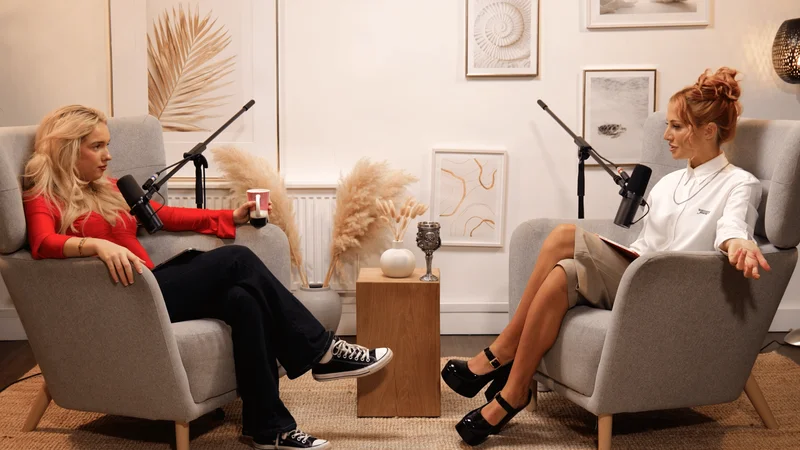
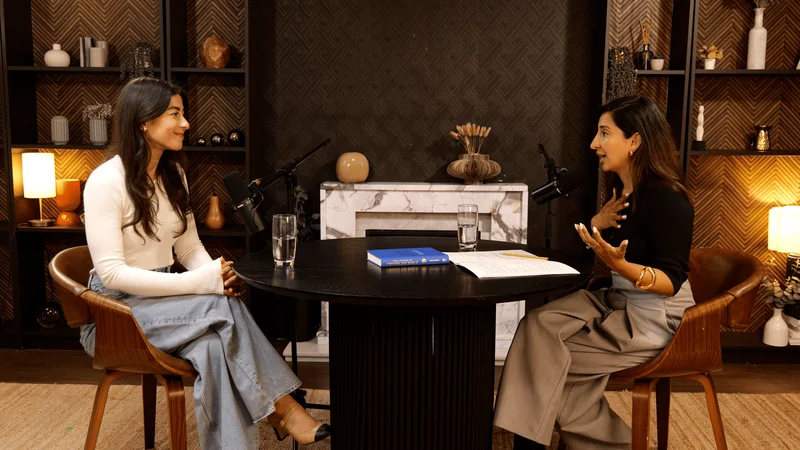
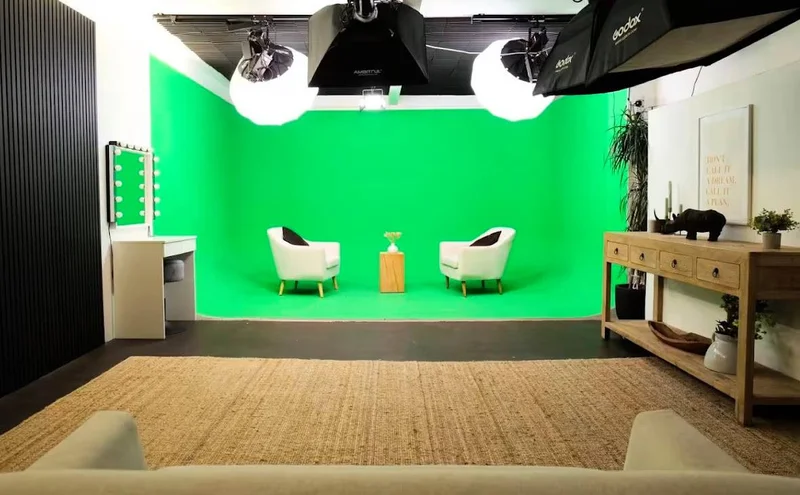
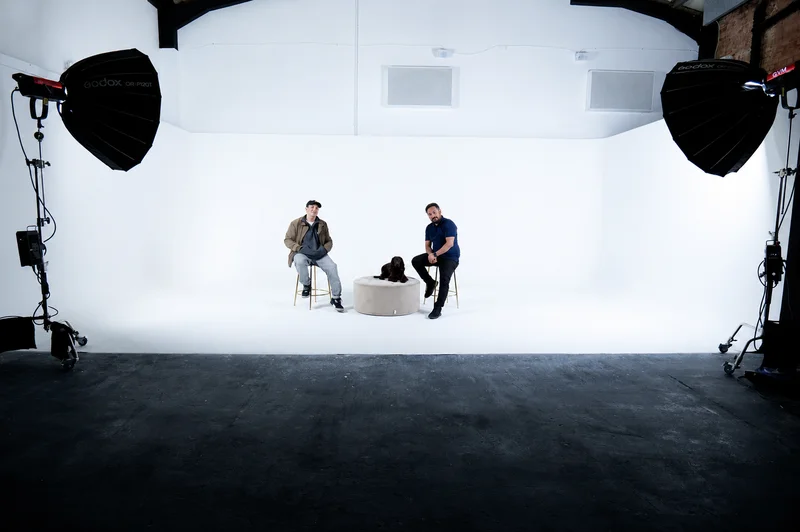
Finchley describes the Dialogue Set and Lounge Set as soundproof spaces. For your production, ask the operator to check what the microphones actually capture with the room and equipment in use.
Listen to the recorded sound
A noise you notice with your ears in the room may be less prominent in the microphone recording, or the reverse. Ask for a short test using normal speech followed by a pause.
The pause helps reveal a steady hum, equipment fan or intermittent sound that speech might hide. Review the capture with the operator rather than judging from the camera preview alone.
If your editor needs unprocessed microphone files, make that part of the brief. A heavily cleaned sample can give a different impression from the material the editor will receive.
Control the source where possible
It is generally more useful to prevent an avoidable noise than to rely on removing it later. Shure's guidance on microphone placement explains that improving speech relative to noise involves reducing the source or moving the microphone closer to the speaker.
Let the engineer choose a comfortable microphone position. Staying reasonably consistent helps; leaning far away while talking can change the balance between your voice and the room.
Raise concerns about ventilation with the team. Do not switch off studio systems yourself or sacrifice a comfortable, properly ventilated session simply to chase silence.
Deal with sounds generated on set
Some of the easiest noises to prevent come from the participants and observers.
- Silence notifications and vibration on nearby devices.
- Keep bags, keys and loose objects away from the recording position.
- Turn pages during breaks in speech.
- Avoid tapping the table or repeatedly adjusting the microphone.
- Ask off-camera attendees to keep conversations outside the take.
If an object is part of a demonstration, test the intended movement on microphone. The sound might be useful to the programme, or it might obscure an important explanation.
Pause for an obvious interruption
Agree a simple pause signal before recording. If a loud sound overlaps a crucial line, stop briefly and let the operator assess it.
When a repeat is needed, return to a natural point in the sentence or answer. Repeating the thought with a little context can be easier to edit than replacing one isolated word. Leave a clear pause between attempts and note which take you prefer.
For a live broadcast, discuss the response plan beforehand because the audience may already have heard the interruption.
Do not build the plan around software rescue
Noise reduction involves a balance between removing noise and preserving the voice, as Adobe's restoration guidance explains. Ask the editor to assess a problem rather than assuming every sound can be removed without affecting speech.
The practical aim is intelligible, consistent conversation, supported by monitoring and sensible on-set habits.
If sound quality is a concern for your next recording, discuss Finchley's recording packages. Explain your format and any unusual noise sources so the team can plan the checks with you.
- Podcast Sound
- Background Noise
- Recording Quality