Discuss producers, publicists, assistants and other off-camera attendees with the studio before booking. A set's advertised speaker capacity does not automatically tell you how many additional people can remain in the room.
A supporting team can help with notes, guest care and decisions. The useful question is where each person will work and how their presence fits the recording setup.
Count everyone attending
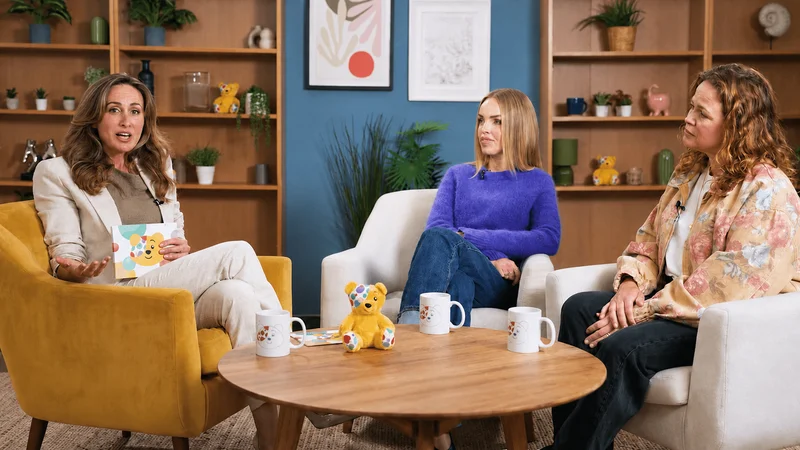
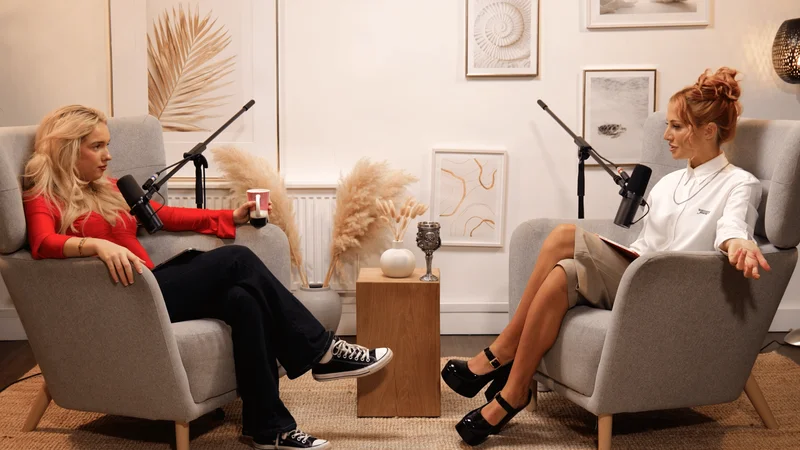
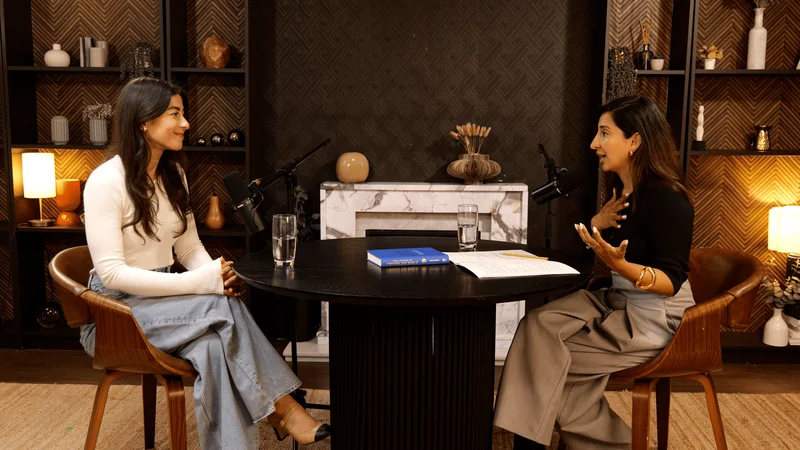
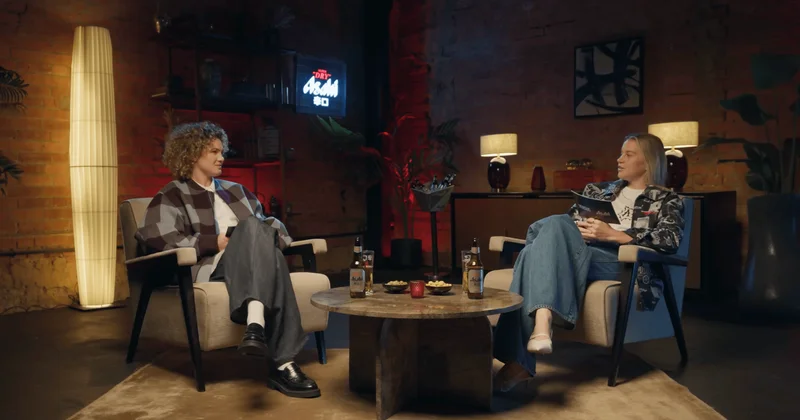
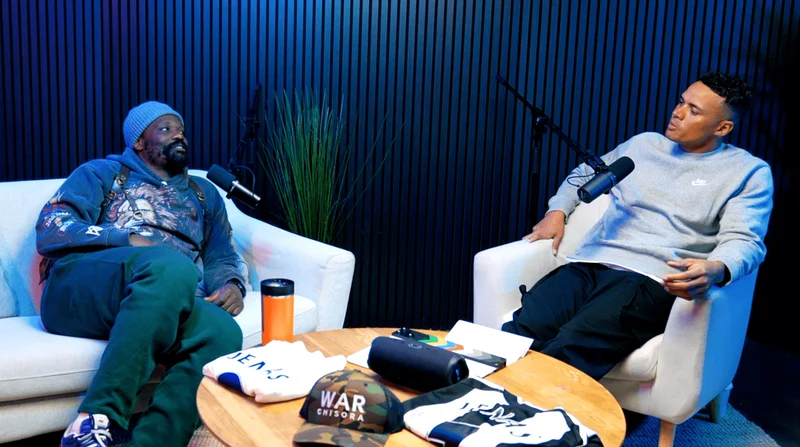
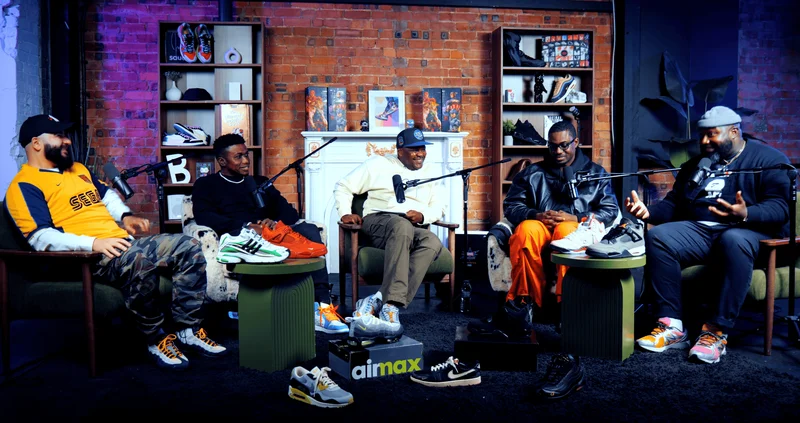
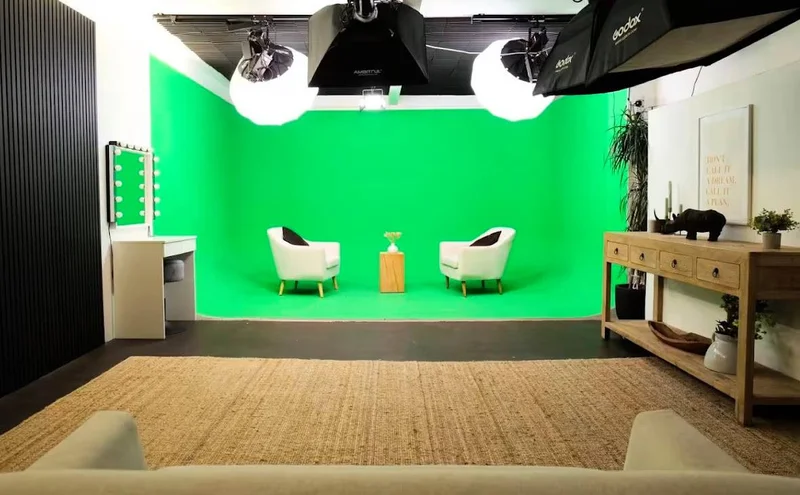
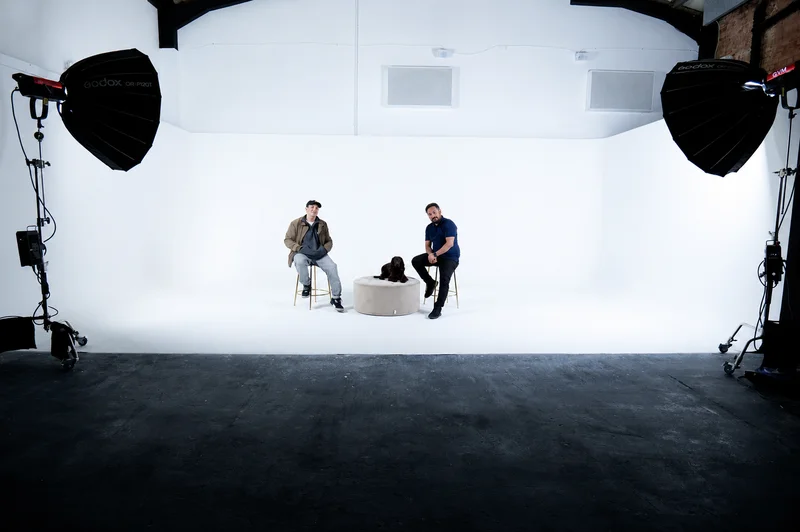
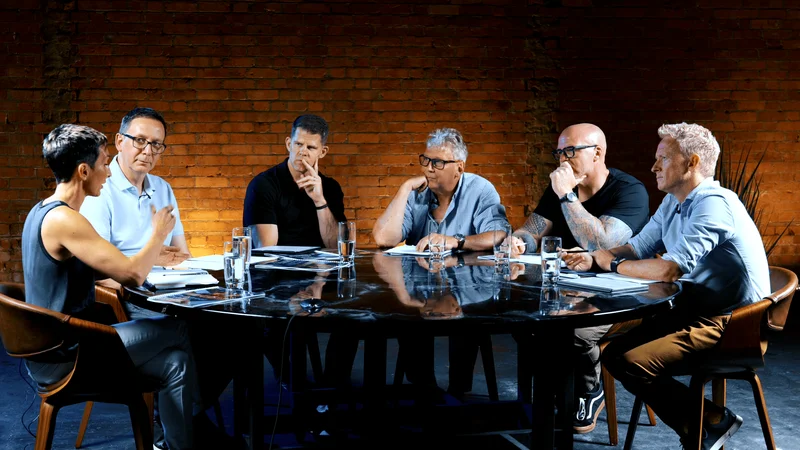
Finchley's Dialogue Set is designed for two to four people, while the Lounge Set accommodates up to five people on camera. These descriptions should not be treated as an allowance for an additional crew of the same size.
Send a complete attendance list, separating speakers from people who will remain off camera. Include guest representatives, interpreters or companions where relevant, and explain any access arrangements.
For example, “two speakers and three accompanying team members” gives the studio a clearer brief than “a two-person podcast”.
Give each attendee a purpose
| Attendee | Useful role to agree |
|---|---|
| Producer | Running order, timing and notes for the edit |
| Guest representative | Guest coordination and agreed approvals |
| Brand or marketing colleague | Checking essential messaging and planned assets |
| Camera or sound crew | Technical responsibilities within the selected hire arrangement |
| Companion or interpreter | Support arranged with the participant |
One person may cover several roles. Sharing responsibilities in advance makes it easier to identify which people need to be present throughout and which only need to attend part of the visit.
Ask where people can watch and listen
Confirm seating, sightlines and whether a monitoring feed is available for your particular booking. Do not assume there is a separate control room, spare headphones or a remote viewing link.
An observer should not need to stand in a camera view, block an exit or lean over recording equipment to follow the conversation. If the proposed attendance does not fit comfortably, ask about another set or a different attendance plan.
Use one channel for feedback
Choose a single producer to collect comments and speak to the host. Several people interrupting with different suggestions can unsettle the guest and make it harder to finish an answer.
Agree whether feedback comes during a planned break, through an approved cue or after the main take. Separate a factual correction that must be recorded from an optional suggestion about the show's style.
Keep phones silent and side conversations away from active microphones. Observers' small noises can become part of the recording even when they are outside the camera frame.
Arrange behind-the-scenes filming
Tell the studio if someone intends to capture photographs or short videos. Agree this with the guests too, including when it is appropriate and where the person can stand.
A social-media colleague moving around during the interview may affect camera views, lighting or concentration. Capturing a few planned moments before or after the main take can be easier to manage.
Confirm the final attendance
Send updates if a guest adds a representative or your production team changes. Ask for confirmation of the full arrangement instead of relying on an earlier discussion about only the speakers.
For your next podcast studio booking in London, share the speaker and crew counts with Finchley. The team can advise on a set and support level that fit the people doing the work.
- Studio Attendance
- Podcast Producers
- Production Teams