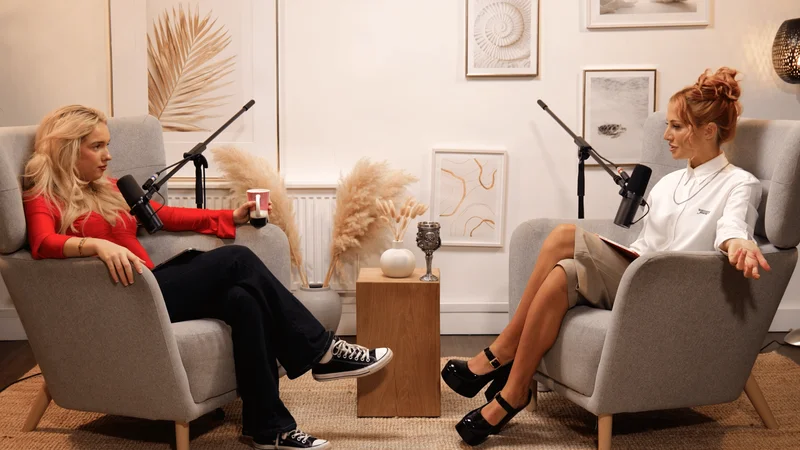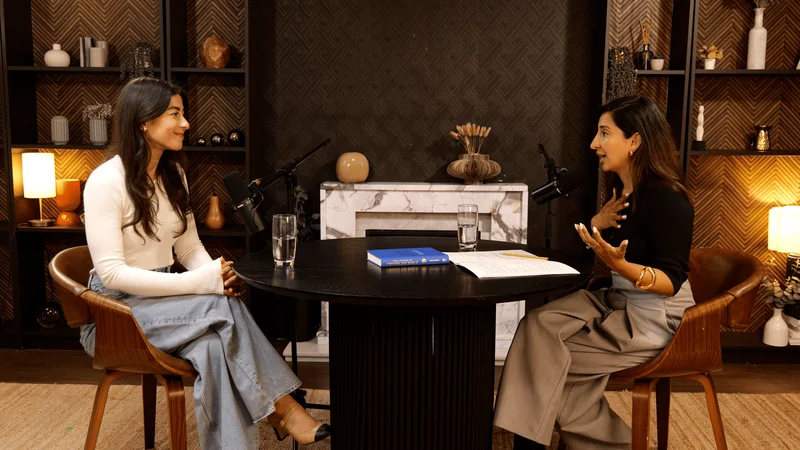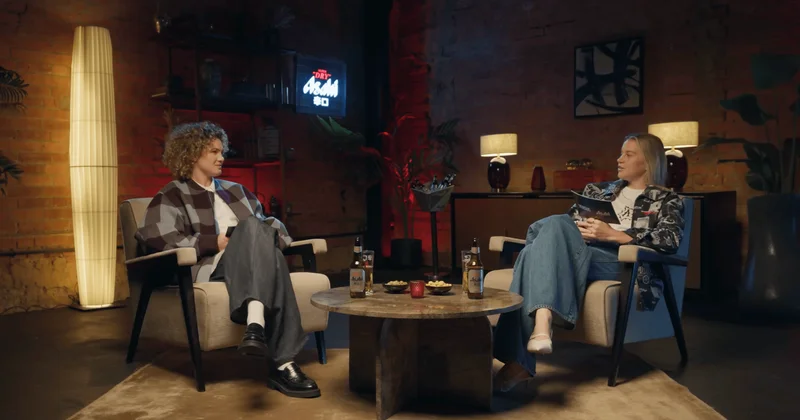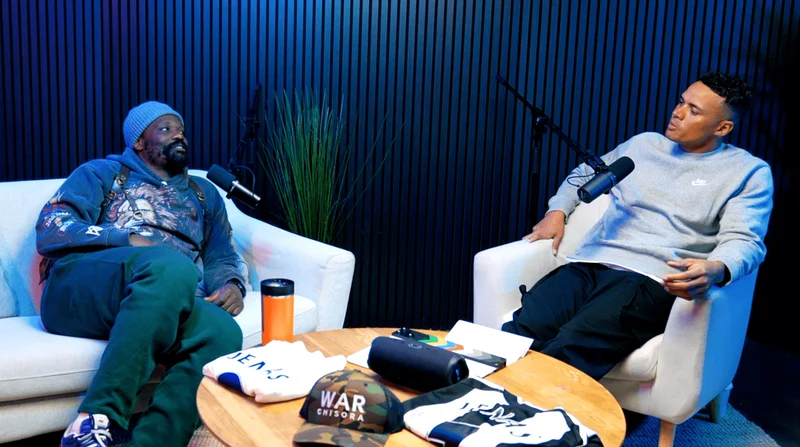
A remote guest can join a studio podcast, but the connection, listening arrangement and recording method need to be agreed before the session. Opening a video call is only one part of a hybrid production.
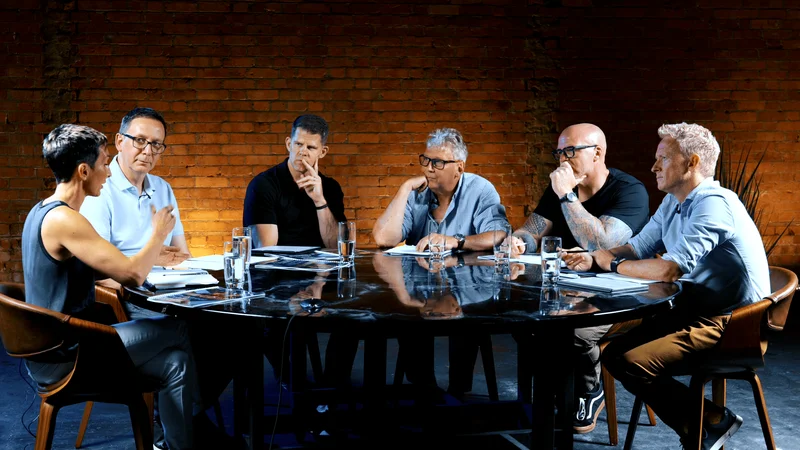
Finchley's Roundtable Set explicitly offers remote-guest integration. Ask about the workflow for your chosen set and package, including any additional preparation or staffing. Your remote contributor's location and equipment also affect what can be achieved.
Describe the whole conversation
Tell the team how many people will be in the room, how many will connect remotely and whether you need audio, video or both. Explain if remote contributors need to see slides, hear playback or interact with several studio speakers.
Specify the finished programme too. A remote guest appearing in a shared layout needs a different visual plan from an audio-only contributor whose voice accompanies the studio footage.
Agree whether the guest appears throughout or joins for one section. Include their joining, testing and departure times in the running order.
Check what everyone will hear
Studio participants need a reliable way to hear the remote guest, and the guest needs to hear the studio clearly. Headphone and monitoring arrangements belong in the technical plan.
The term mix-minus describes a return feed that excludes the remote contributor's own incoming voice. This helps avoid sending an echo back to them, as RØDE's explanation describes. You do not need to configure it yourself on an engineer-led production, but ask the operator to verify the conversation in both directions.
Also agree where the studio speakers should look. A screen showing the guest should support a comfortable conversation without creating awkward camera views.
Distinguish the call from the recording
Ask which of these the production will capture:
| Material | Why the distinction matters |
|---|---|
| The live call feed | Represents the connection available during the discussion |
| A local recording from the remote guest's device | May provide a separate source for the later edit |
| Separate studio microphone tracks | Give the editor individual studio voices |
| Camera recordings or a combined programme | Determine how much visual rearrangement is possible |
Local recording is a platform-dependent workflow, not a guarantee that every interruption will be harmless. Confirm the actual capture method, supported devices and upload process.
Run a test with the real guest setup
Use the device, microphone, headphones and room the guest intends to use. Have a short natural conversation, then review a test recording as well as the live preview.
Check names, turn-taking, listening levels and any playback. Agree what to do if the connection fails: who contacts the guest, whether the studio pauses and whether a section will need repeating.
Avoid last-minute equipment changes after a successful test unless there is time to check them again.
Plan the handover
Confirm who verifies the remote upload and collects the guest's material. The editor needs to know which files belong to which speaker and how they relate to the studio recording.
For a hybrid podcast studio in London, send Finchley your recording brief with the participant locations, intended outputs and proposed date. Agree the remote workflow before inviting everyone to the session.
- Hybrid Podcasts
- Remote Guests
- Studio Workflow