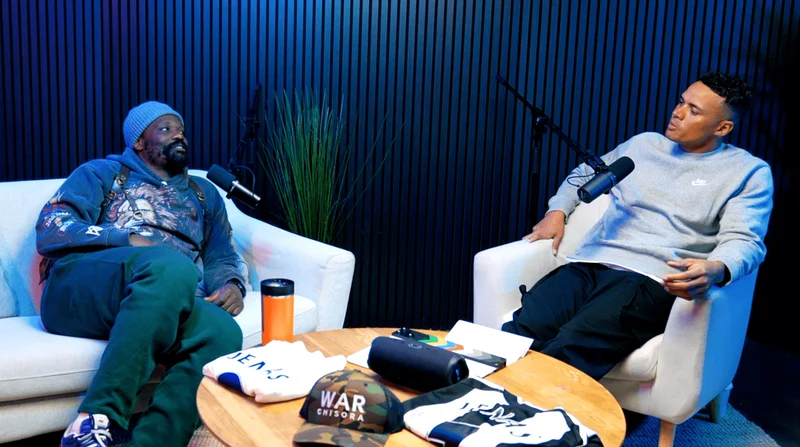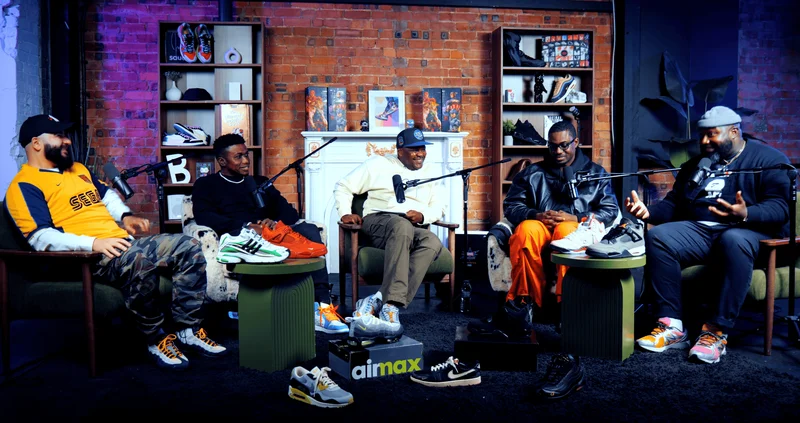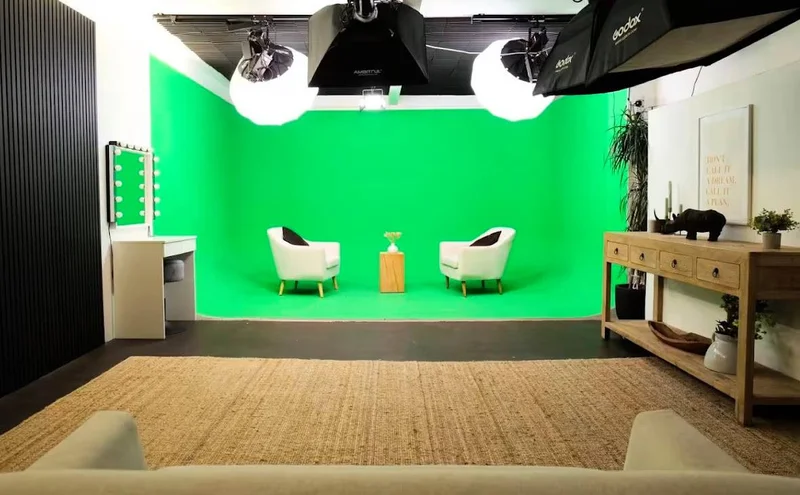
Yes, a podcast can be livestreamed while a separate recording is captured, provided both workflows are planned and tested. Sending a programme to viewers and keeping usable files for later editing are separate production tasks.
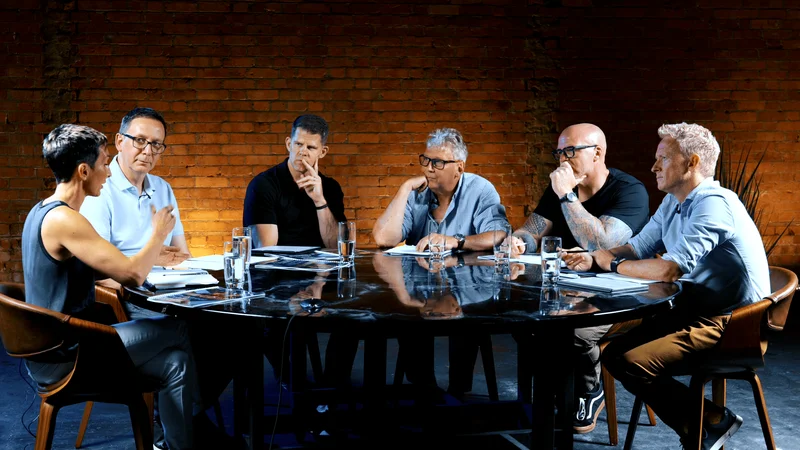
Finchley's Roundtable Set can be configured for livestreaming. Its page describes additional fees for livestream requirements with Gold and Platinum bookings. Confirm the production scope and price for your event rather than assuming a standard recording booking includes a broadcast.
Decide what viewers will see
Write down the destination platform, audience, public or restricted access, start time and intended running length. Specify whether you want a simple conversation, presentation slides, playback clips or audience questions.
Also distinguish livestreaming from live camera switching. An operator can select camera angles during a recording without sending anything to an online audience. Conversely, a livestream may use only one camera. Tell the studio which result you actually need.
Give each live responsibility an owner
The host should know who is handling production cues, the online audience and any decision to pause or end the broadcast.
| Responsibility | Agree before the session |
|---|---|
| Platform access | Who manages the channel, permissions and event |
| Technical output | Who monitors the outgoing picture and sound |
| Audience questions | Who selects questions and moderates comments |
| Guest cues | Who signals the start, breaks and finish |
| Unexpected problem | Who can stop the broadcast and what viewers see |
| Recording | Which files are being kept independently |
Share access through the agreed process. Avoid putting passwords or stream keys in a general guest brief.
Rehearse the complete broadcast
A useful test includes the actual microphones, camera views, graphics and platform destination. Check the audience-facing output as well as the view inside the studio.
YouTube's live-streaming guidance recommends testing before starting a stream. Follow the requirements of your chosen platform with the production team; a working video call alone does not verify the broadcast.
Rehearse introductions, handovers, playback and the final sign-off. Include remote contributors in the test if they will appear live.
Brief guests for a public conversation
Explain clearly that viewers may hear the discussion as it happens. Agree subjects, pronunciation, any wording that needs approval and how to request a pause. Settle what may be shown on screens before going live.
For a recorded-only episode, an editor may remove a mistake before release. A later edit cannot undo what a live audience has already heard. Leave confidential discussions and last-minute approvals outside the live programme.
Keep the recording and release plan explicit
Ask whether the capture includes the outgoing programme, individual camera recordings, separate microphone tracks or another agreed combination. Confirm what continues recording if the internet connection is interrupted; do not assume a platform archive replaces the studio capture.
Agree whether you also want an edited replay, audio episode or social extracts, and when each should be delivered. Those are additional production decisions.
Ready to plan a live podcast? Explore Finchley's booking options and send the platform, participant count, running order and recording requirements so the team can scope the event.
- Podcast Livestreaming
- Live Production
- Recording Workflow