Yes, you can plan a recording around an external editor, provided the studio and editor agree the capture and handover requirements beforehand. Using your own editor does not automatically mean you need to operate the studio recording yourself.
Finchley's published studio-hire guide distinguishes clients taking raw files to their own editor from those continuing into studio post-production. The important next step is to specify the files your editor needs for this booking.
Keep recording support and editing separate
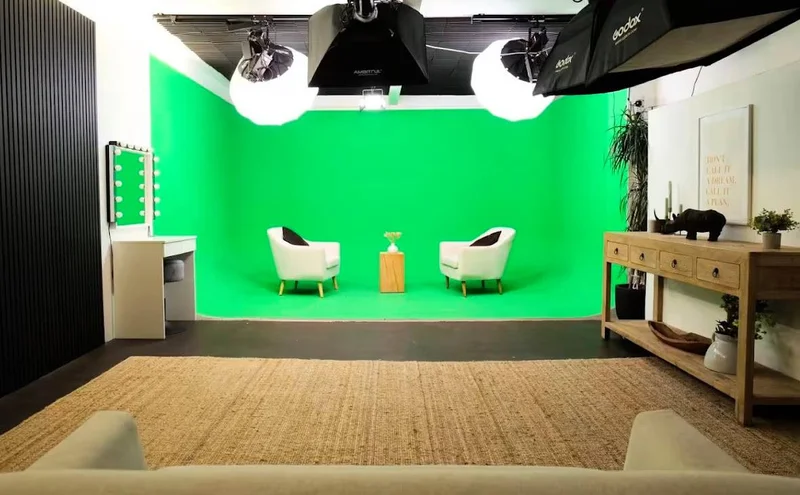
Your editor may work after the session while a studio engineer operates the microphones, cameras and lighting on the day. These are different responsibilities.
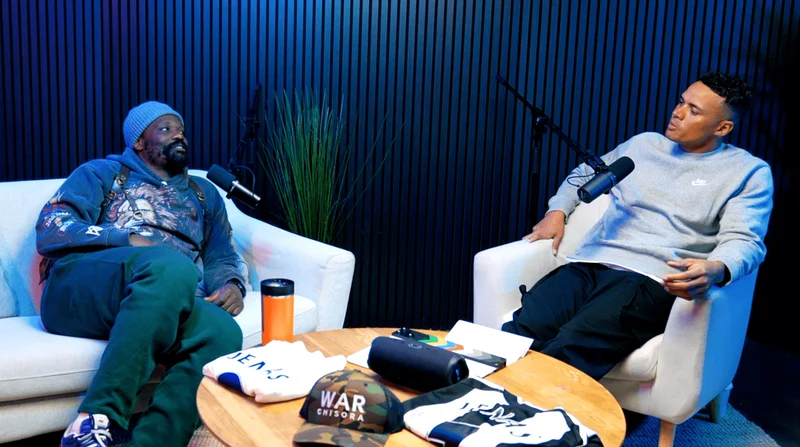
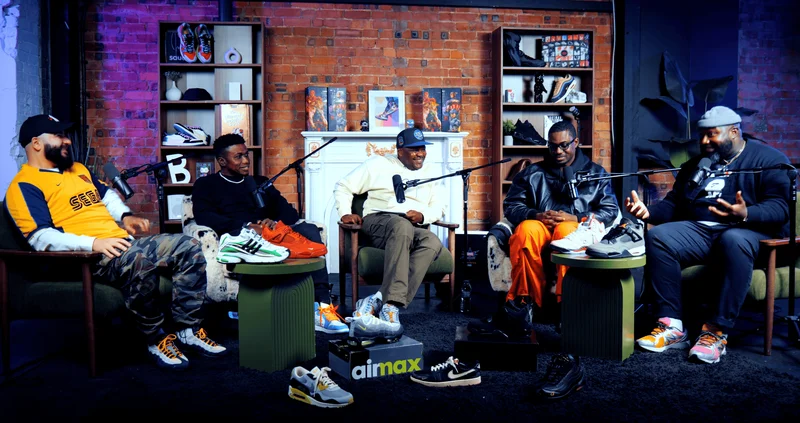
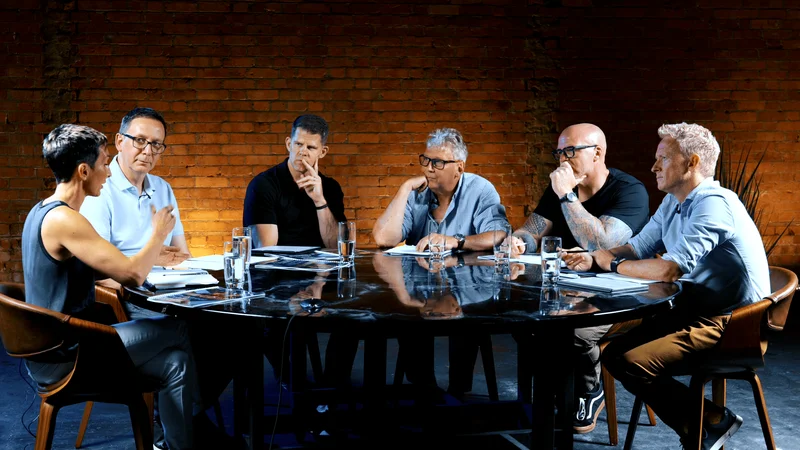
For example, you can discuss an engineer-led recording in the Dialogue Set while retaining your existing editor for the episode. Check your selected package's inclusions rather than treating external editing as a reason to choose studio-only hire.
Ask your editor for a capture brief
Involve the editor before settling the technical arrangement. Ask them to specify:
- Which separate microphone recordings they need.
- Which camera views should be delivered individually.
- Required resolution, frame rate and file formats.
- Any colour profile or processing requirements.
- Whether a combined recording is useful as a reference.
- Any extra framing needed for social clips or other outputs.
This is a discussion list, not a guarantee that every format is available. Have the studio confirm the supported arrangement and any effect on price.
If there is uncertainty, request a sample file in advance. Testing a short example is more useful than discovering a compatibility problem after the guest has left.
Agree how the files reach the editor
Name the delivery recipient and confirm the transfer method, timing and access arrangements. Decide who checks the file list and follows up on anything missing.
Finchley's booking packages list cloud delivery within three days for Dialogue and Lounge Gold and Platinum. Build that into the editor's schedule rather than promising an immediate start after the recording.
If the editor needs a different handover method or earlier access, arrange it before the session. A personal drive or an invitation to a cloud folder does not by itself confirm the complete handover.
Send notes that explain the recording
Give the editor the running order, speaker names, approved titles and the locations of supplied graphics or music. Note preferred takes, corrections and sections that must be reviewed before release.
Preserve the original recording filenames when organising the handover. If your team renames or transcodes material, keep a clear relationship to the originals so questions about a particular file can be resolved.
Ask separately about any live-switch reference or editing project. Those are useful only if the actual recording and software workflow support them.
Decide who owns each next step
Settle who assembles the full episode, checks facts and names, approves the final cut, makes social extracts and publishes the programme. These tasks can sit with different people, but each needs an owner and deadline.
Do not assume either the studio or external editor will fill a gap outside their agreed work. Keep your own verified copies of the source material once it is delivered.
To record with your preferred editor in mind, share their technical brief when booking Finchley. The team can confirm the capture and delivery arrangement before the session.
- External Editing
- Podcast Workflow
- File Handover