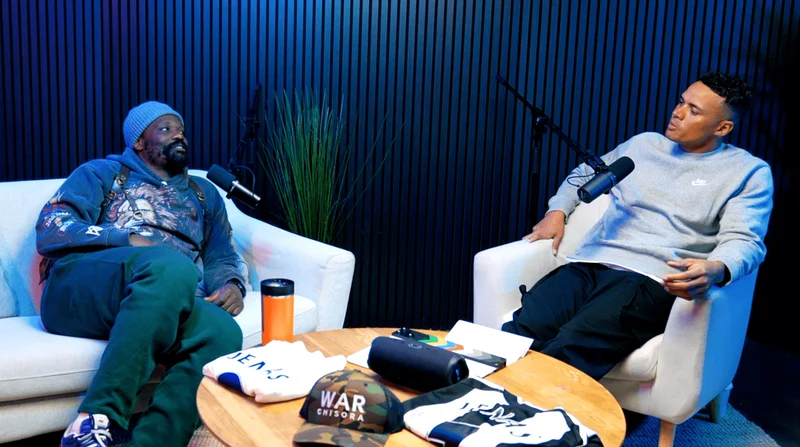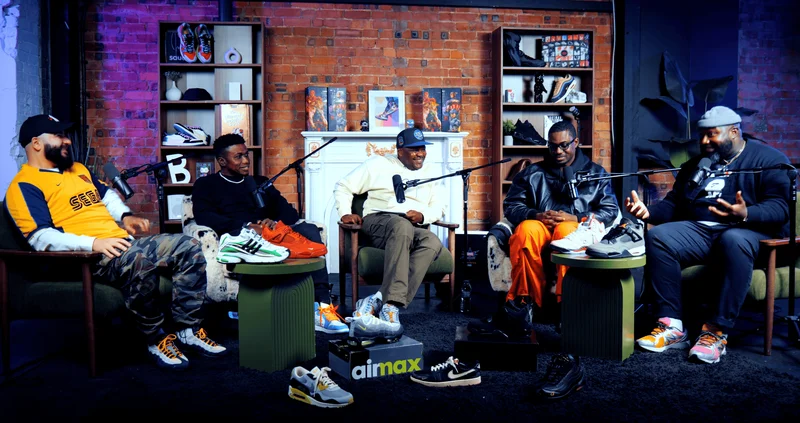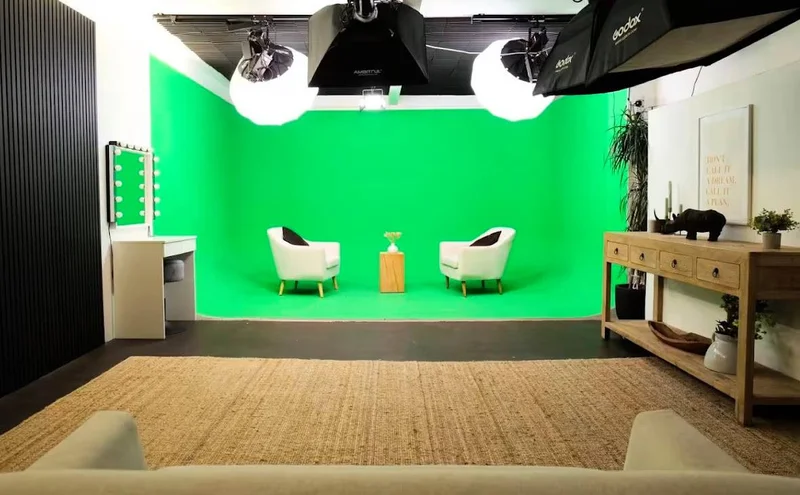
You do not always need to book a studio engineer, but someone needs to take responsibility for the technical recording. If you have an experienced crew, studio-only hire may suit you. If you want to host without also checking sound levels and cameras, an engineer-led session is usually the more practical choice.
At Finchley, the Dialogue and Lounge Gold packages include a senior engineer operating cameras, lighting and sound. Silver is studio-only hire, aimed at creators with their own crew or setup. You can compare those options on the booking page.
Choose around the work you can confidently handle
The key question is what happens while the conversation is under way. Can someone hear a problem, identify its cause and deal with it without the host losing their train of thought?
| Your situation | Sensible starting point |
|---|---|
| First studio recording, with no technical crew | Book an engineer-led recording |
| Experienced crew bringing a planned recording setup | Consider studio-only hire and agree equipment access |
| Host interviewing a guest while appearing on several cameras | Give technical operation to a separate person |
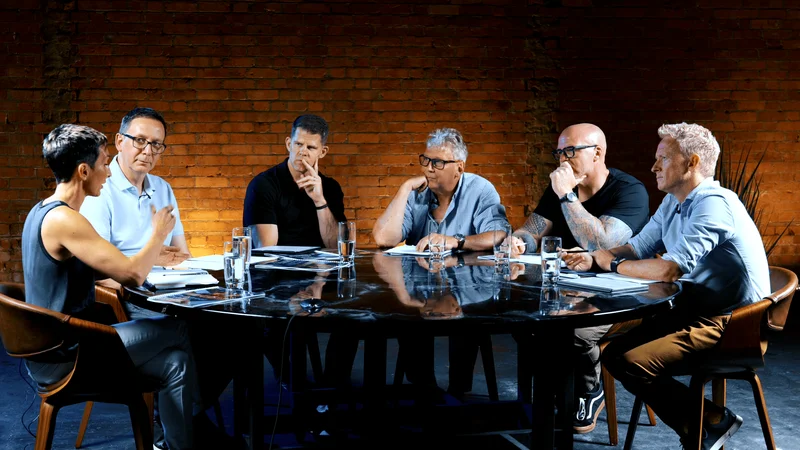
| Panel with several speakers | Discuss microphone coverage and monitoring with the studio |
| Remote contributor or live broadcast | Agree the technical workflow and staffing before booking |
An experienced host is not necessarily an experienced recording operator. Equally, a capable production team may already have the skills needed to run its own session.
What an engineer contributes during recording
Making each voice usable
People speak at different volumes. Someone may start quietly and become animated once they feel comfortable. The operator sets recording levels and listens for changes, rather than assuming the initial settings will suit the whole conversation.
“Clipping” is the harsh distortion that can occur when a recording level is too high. “Monitoring” simply means listening to what the equipment is capturing. These are practical tasks: the aim is to notice trouble while there is still an opportunity to correct it or repeat a line.
Microphone positioning matters too. Turning away or leaning back can change how your voice sounds. An engineer can help establish a comfortable speaking position so you can focus on the discussion.
Keeping the video setup consistent
A filmed podcast adds camera framing, focus and lighting to the workload. Moving a chair after a shot has been set can change what the camera sees. A prop may block a face or cast an unwanted shadow.
Technical support lets you make those adjustments deliberately. For a conversation with two to four people, the Dialogue Set is one Finchley option to discuss with the team. Confirm the shots and recording arrangement you want before the main take.
Handling interruptions calmly
If a microphone is knocked or a participant needs to move, it helps to have a clear way to pause and restart. Agree a simple signal and let the operator confirm when the recording is ready to continue.
That support reduces the amount of technical decision-making the host has to do. It does not guarantee a fault-free session, and it cannot replace a clear episode plan.
When studio-only hire makes sense
Studio-only hire can work well if your crew knows how to operate its chosen equipment and has agreed what the venue supplies. Before choosing Silver, identify who will:
- Set up and test the audio and video recording.
- Listen during the session and watch the camera feeds.
- Check that the required recordings have started and stopped correctly.
- Manage media, file checks and copies afterwards.
- Resolve a technical problem while the host keeps the guests informed.
If all of those jobs fall to someone who is also hosting, consider whether that person can realistically give both tasks enough attention. The answer may change between a simple solo recording and a lively panel discussion.
An engineer, producer and editor do different jobs
A recording engineer looks after technical capture. A producer may shape the subject, brief guests and guide the programme. An editor assembles the material afterwards. One person can have several skills, but the booking needs to say which services you are buying.
Finchley's Gold and Platinum recording cards for Dialogue and Lounge list technical operation. They do not list an episode edit. If you want help turning the session into a finished programme, review the editing packages and agree the scope.
What should you send the engineer beforehand?
Provide the number of speakers, your planned format and any unusual requirements. Mention remote guests, playback clips, scripted passages or a need for particular files. Explain what you intend to do with the material afterwards so the capture plan supports the edit.
For a podcast studio in London with engineer-led recording options, explore Finchley's packages. Choose Gold for Dialogue or Lounge when you want a senior engineer to handle the recording while you concentrate on the conversation.
- Podcast Engineer
- Studio Recording
- Dry Hire