When starting a podcast, one of the first decisions you’ll need to make is where to record your episodes. Many podcasters start by recording at home, but as their show grows, they often consider upgrading to a professional recording studio. In this article, we’ll explore the key differences between podcasts recorded at home and those recorded in a professional setting like Finchley Studio, and why making the switch to a dedicated podcast studio can significantly improve the quality and reach of your content.
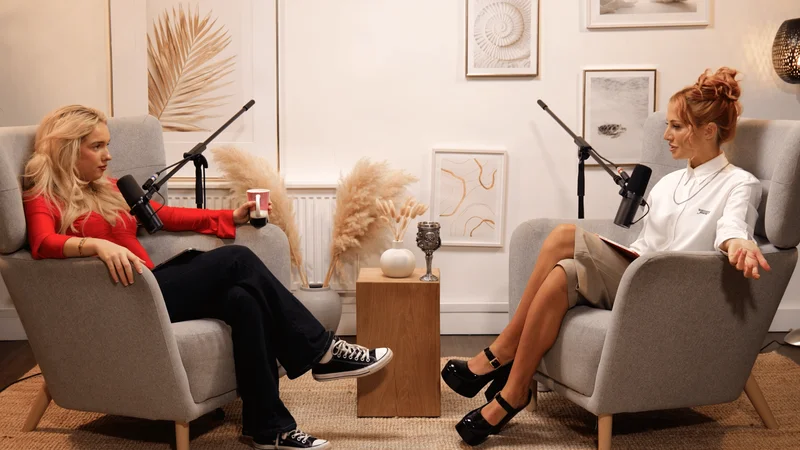
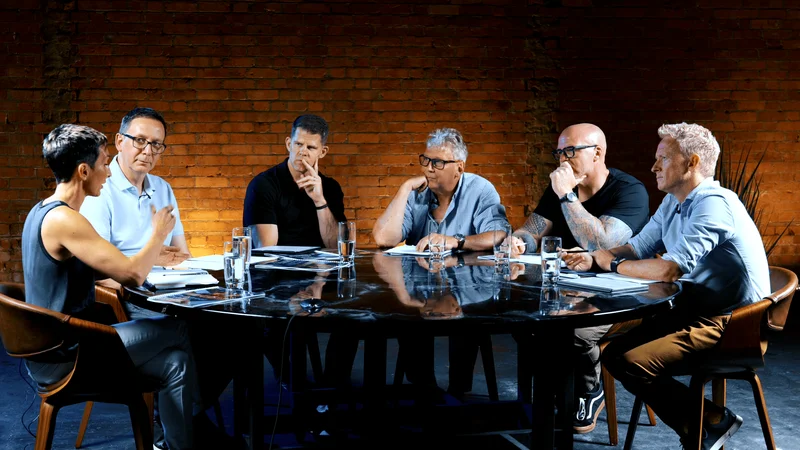
Finchley Studio (Dialogue set): book this setup for your podcast
1. Sound Quality: The Professional Difference
Home Recording: Recording at home often means working with a non-professional environment where sound quality is compromised by background noise, echoes, and poor acoustics. Even with a decent microphone, home setups are rarely optimized for high-fidelity podcasting studio standards. Everyday sounds like traffic, household noises, and even the hum of appliances can bleed into your recording, making it difficult to achieve the polished sound that listeners expect.
Studio Recording: When you record in a professional podcast studio like Finchley Studio, you benefit from soundproof rooms and acoustically treated spaces designed specifically to capture high-quality audio. Studios use advanced materials and designs to eliminate background noise, echo, and reverberation, resulting in clear, professional-grade sound that’s hard to replicate at home. The difference in sound quality is instantly noticeable to your listeners and makes your podcast stand out from the crowd. This is the core benefit of using a premium recording studio.
2. Equipment and Technology: Beyond Consumer Grade
Home Recording: Podcasters who record at home typically use consumer-grade equipment, such as USB microphones, basic headphones, and free or low-cost recording software. While this is sufficient for beginners, it can limit the potential of your podcast. Affordable microphones often lack the clarity and depth that professional gear offers, and without a proper mixer or audio interface, you might struggle to balance multiple audio sources or correct audio levels, especially for complex group discussions.
Studio Recording: A professional podcasting studio like Finchley Studio provides access to industry-standard microphones, mixers, and audio interfaces that deliver exceptional sound clarity. Equipment like the Rodecaster Pro ensures that your voice is captured with depth and precision, while professional mixers allow for smooth transitions between audio sources. Additionally, studio engineers monitor and adjust sound levels in real-time, ensuring the recording is perfectly balanced. This level of technical sophistication is standard in every top-tier recording studio.
3. Recording Environment: Focus and Control
Home Recording: At home, you’re limited by the space you have. Most people record in bedrooms, living rooms, or home offices, which are not ideal environments for audio recording. You may try to improve the sound by adding foam panels or blankets, but the results are often inconsistent. Additionally, home recording can be interrupted by everyday distractions such as family members, pets, or outside noise.
Studio Recording: Recording in a dedicated space like the Dialogue Room at Finchley Studio offers a controlled environment specifically designed for audio production. With soundproof walls and adaptable lighting, the professional podcast studio ensures you can record without interruptions or background noise. The professional ambiance also creates a more focused and productive atmosphere, helping you and your guests stay on track during the recording session, maximizing your creative output.
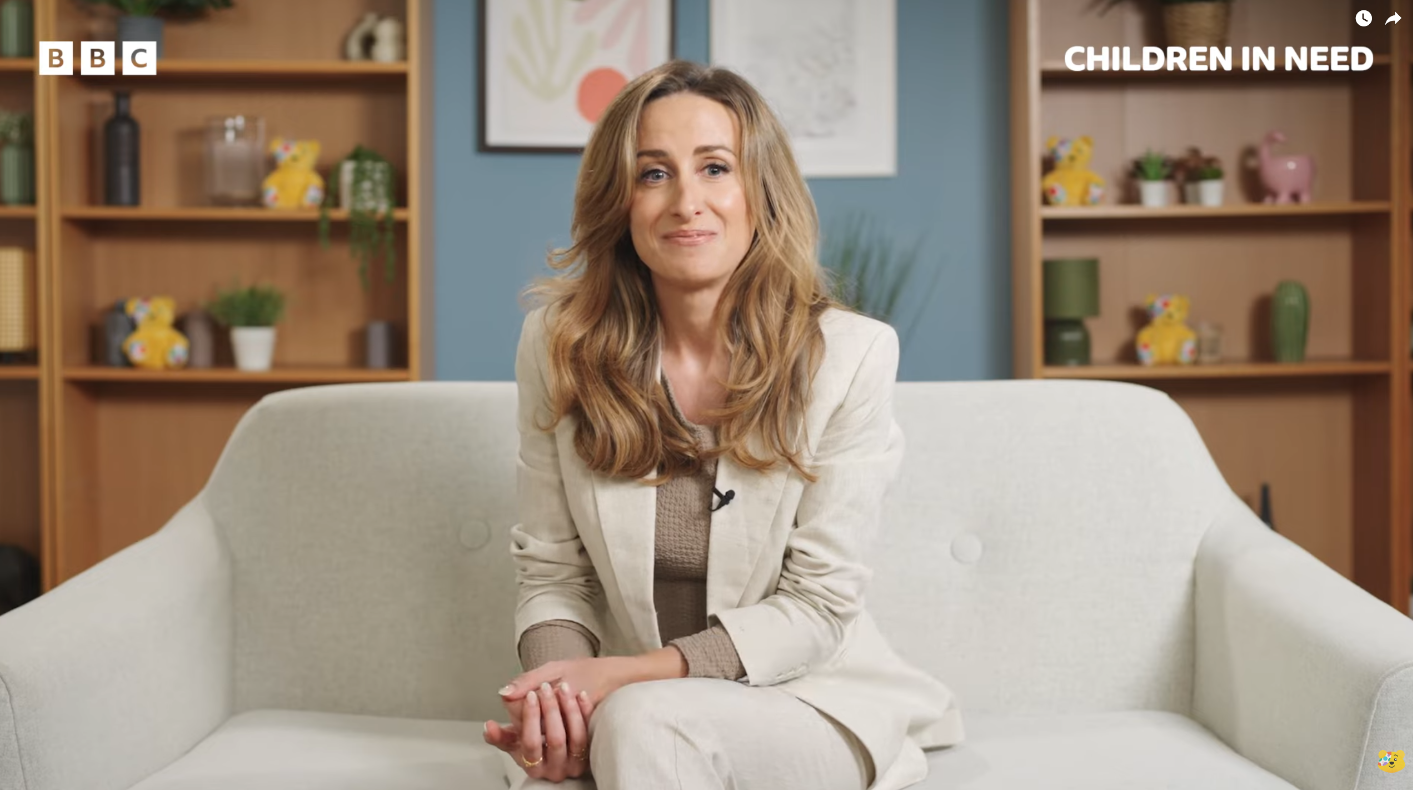
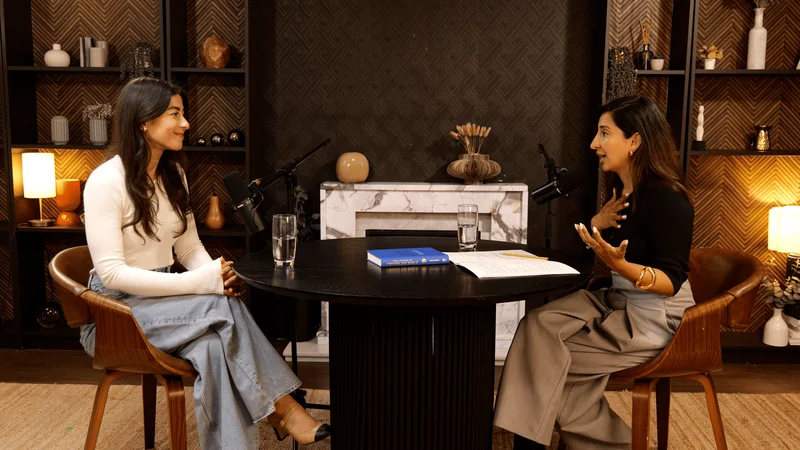
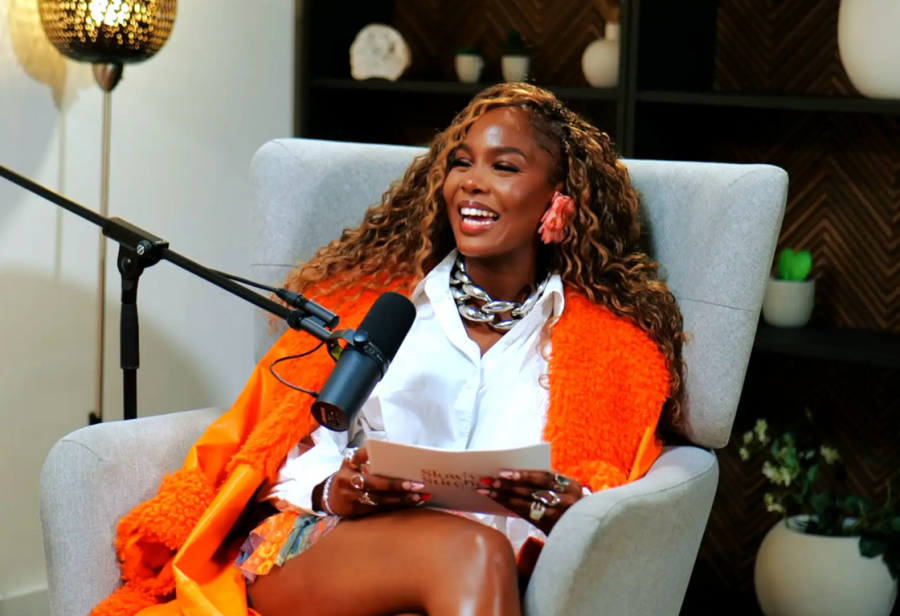
See the 'BBC Children in Need' podcast setup used by Dr Julie from BBC at Finchley Studio (Lounge setup). Book this setup for your podcast
4. Technical Support: The Engineer's Edge
Home Recording: When recording at home, you’re responsible for setting up and managing all the technical aspects of the recording process. This includes microphone placement, adjusting sound levels, and troubleshooting any issues that arise. If you’re unfamiliar with audio engineering, this can be a steep learning curve, and technical issues may compromise the quality of your podcast.
Studio Recording: One of the biggest advantages of recording in a professional recording studio like Finchley Studio is the access to professional sound engineers. These experts handle all technical aspects, ensuring your podcast sounds flawless. They monitor sound levels, adjust microphones, and troubleshoot any problems that arise, allowing you to focus entirely on your content. This level of support found in a dedicated podcasting studio is invaluable, particularly for podcasters who want a smooth and stress-free recording experience.
5. Post-Production: Polishing the Masterpiece
Home Recording: After recording at home, the burden of editing and post-production typically falls on you. This can be time-consuming, especially if you’re not familiar with audio editing software. Without professional editing tools and skills, the final product may not sound as polished as it could.
Studio Recording: When you record in a professional podcast studio, post-production services are often included in the package. Studios like Finchley Studio offer expert editing, mixing, and mastering services to ensure your podcast is polished and ready for publication. This includes audio syncing, noise reduction, and sound balancing, as well as advanced features like motion graphics and closed captions for video podcasts. With professional post-production, your content recorded in our recording studio will have a smooth, professional sound that elevates its overall quality.
6. Time and Convenience: Maximizing Production Efficiency
Home Recording: While recording at home may seem convenient, it can actually be time-consuming. Setting up your equipment, testing sound levels, and dealing with technical glitches can take up a significant amount of time. Additionally, editing your podcast and fixing any audio issues after the fact can add hours to your production process.
Studio Recording: Recording in a professional podcasting studio is often more efficient. The studio is already set up with optimized equipment, and the technical team takes care of everything from sound checks to post-production. This allows you to focus solely on the content of your podcast, saving you time and energy. At Finchley Studio, our full-service packages make the entire process seamless, allowing you to create content more quickly and efficiently. You can easily book a session that fits your schedule and walk into a fully prepared podcast studio environment.
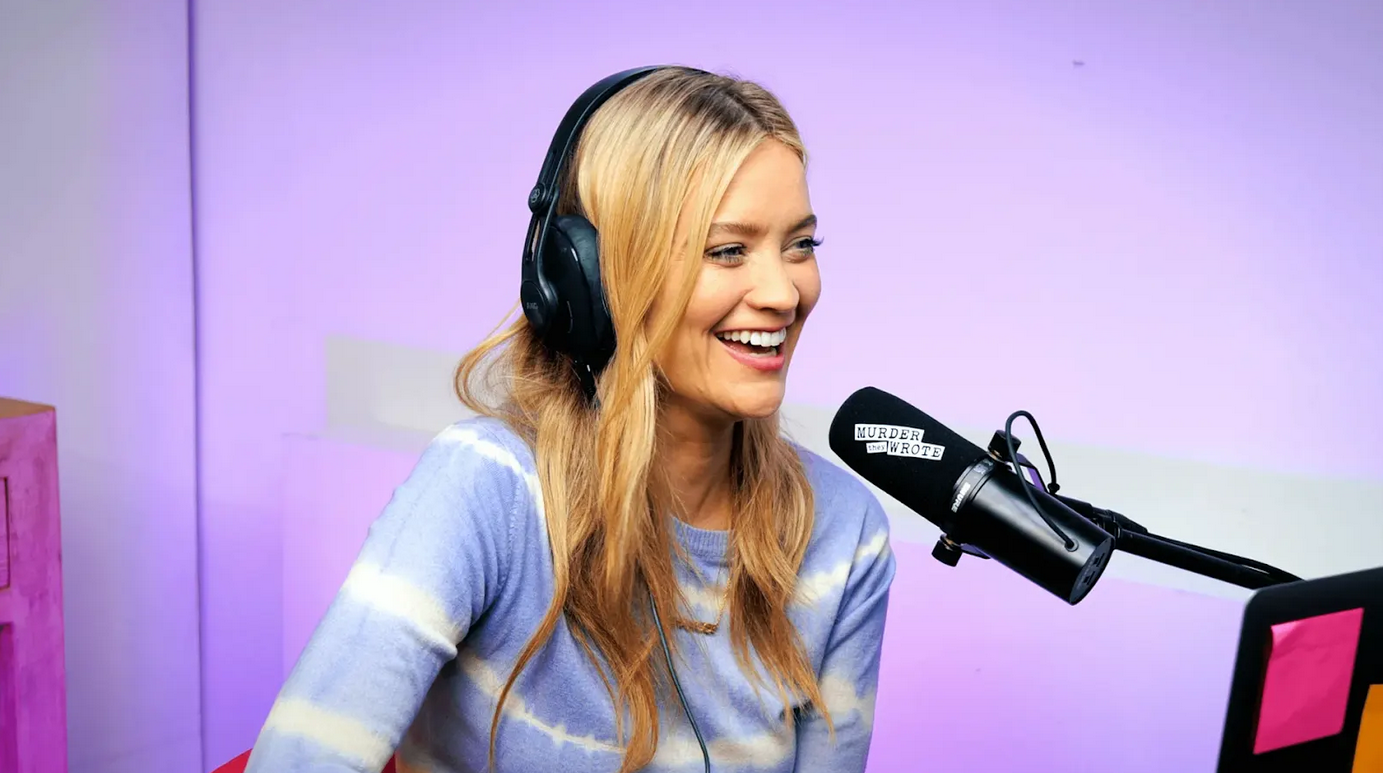
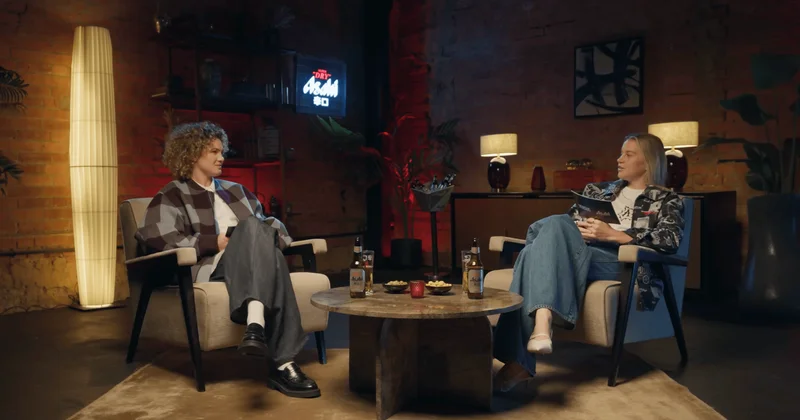
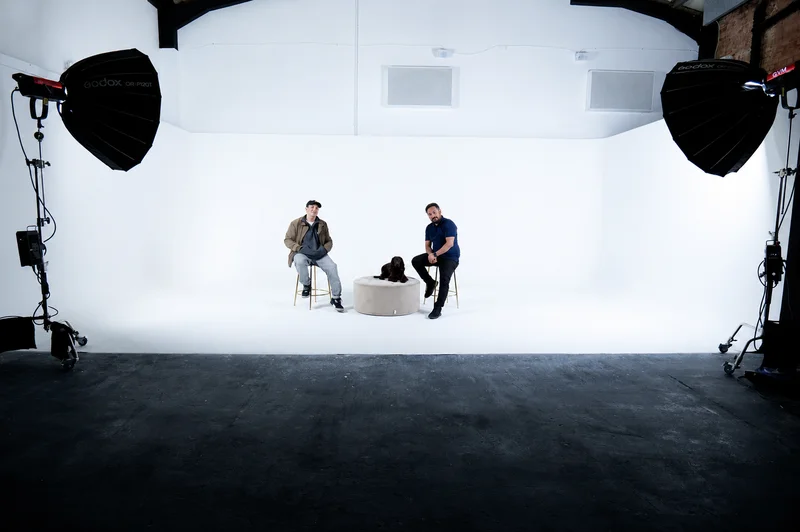
See the 'Murder They Wrote' podcast setup used by Laura Whitmore and Iain Stirling from BBC at Finchley Studio (Gathering setup). Watch Murder They Wrote at BBc sound , Spotify , Apple podcasts , Youtube , Instagram , Amazon music
7. Professionalism and Credibility: Attracting Guests and Sponsors
Home Recording: While recording at home is a great option for beginners, as your podcast grows, your audience will expect higher production values. A podcast recorded in a non-professional environment may lack the polish needed to attract sponsors, high-profile guests, or a larger audience.
Studio Recording: Recording in a professional recording studio like Finchley Studio adds a level of professionalism and credibility to your podcast. The high-quality sound, technical support, and professional setting make a positive impression on both your audience and potential collaborators. If you’re interviewing guests or producing a podcast for corporate or promotional purposes, the professional atmosphere of a dedicated podcasting studio will reflect well on your brand and your commitment to quality.
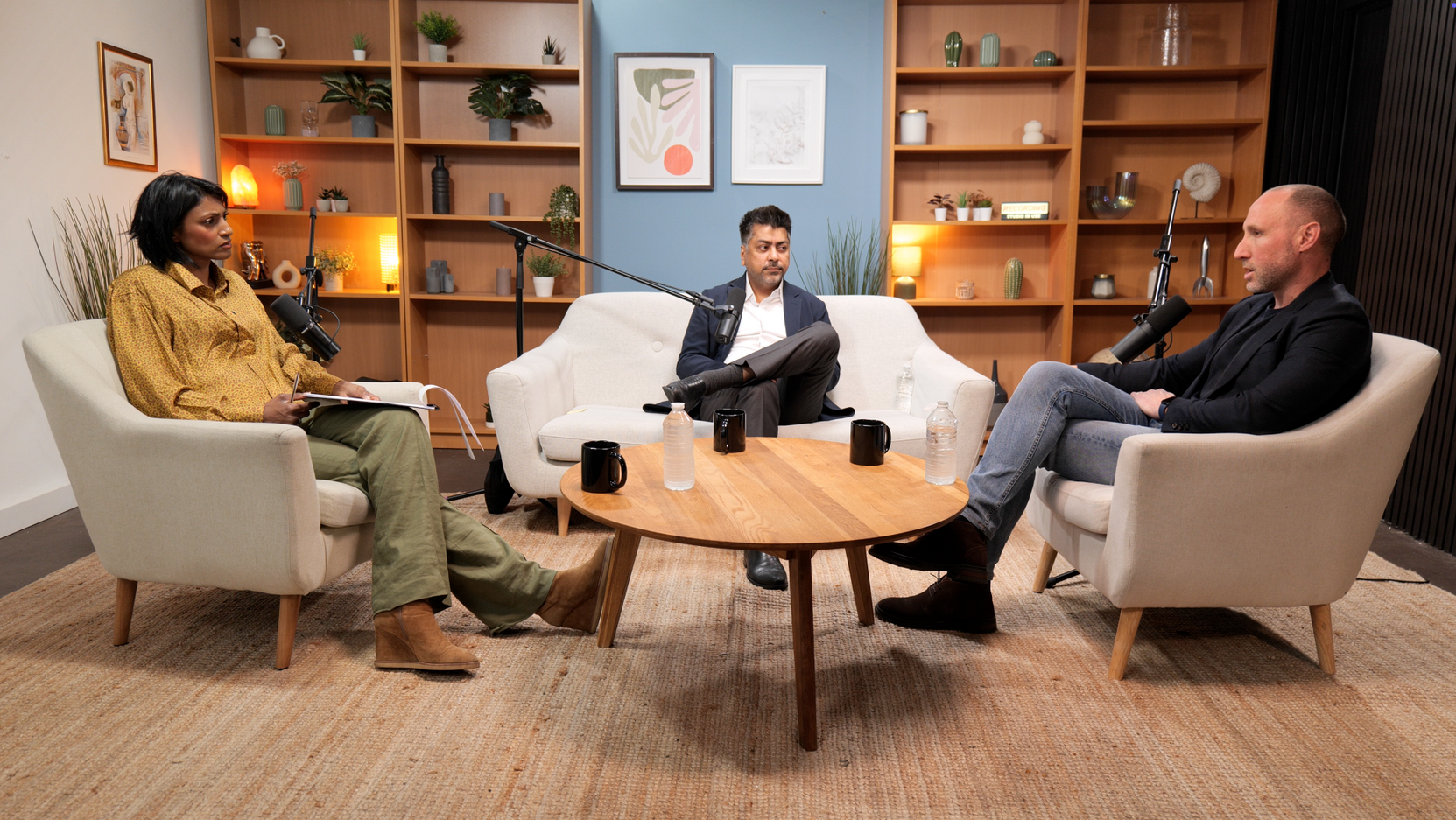
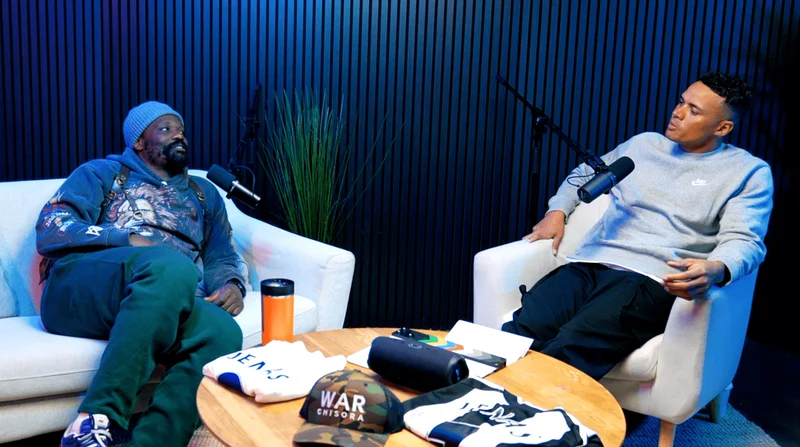
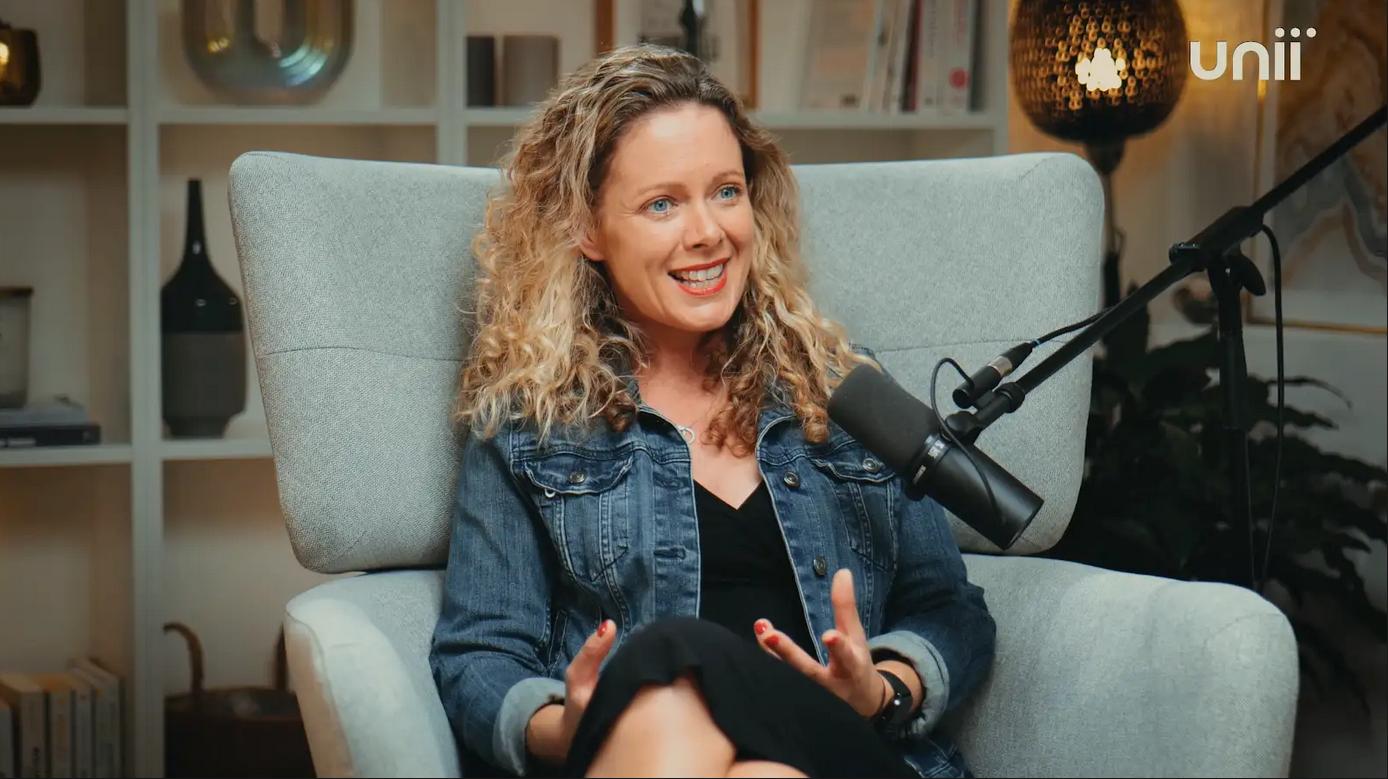
See the 'No ordinary tech podcast ' from Lloyds Banking Group by Rohit D (AI Leader for Lloyds Banking Group) and DR. shini somara (Pro-Chancellor of Brunel University) . at Finchley Studio (Lounge setup). Book this setup for your podcast.
Conclusion
The distinction between a podcast recorded at home and one recorded in a professional studio extends far beyond mere cost—it represents a fundamental difference in quality control, efficiency, and audience perception. For creators aiming for longevity and commercial success, understanding these differences is crucial for strategic investment in their brand.
1. Acoustic and Technical Quality
2. Efficiency and Workflow
Time is the biggest hidden cost in DIY production. A home setup demands that the creator act as the host, sound engineer, lighting director, and IT technician.
Professional Efficiency: Studios eliminate this technical workload entirely. By booking a session at a facility like Finchley Studio, the creator focuses 100% on content, knowing that a dedicated engineer handles setup, monitoring, and recording.
Integrated Post-Production: Top studios offer an integrated workflow, such as the in-house Video Editing Service. This eliminates the logistical headache of transferring files and coordinating with external editors, ensuring faster turnaround times and consistent quality.
3. Visual Branding and Credibility
In the age of the video podcast (vodcast), the background is part of your brand identity.
Home Aesthetic: Limited to the creator's personal decor, often appearing distracting or amateurish, which can undermine the credibility of expert or B2B content.
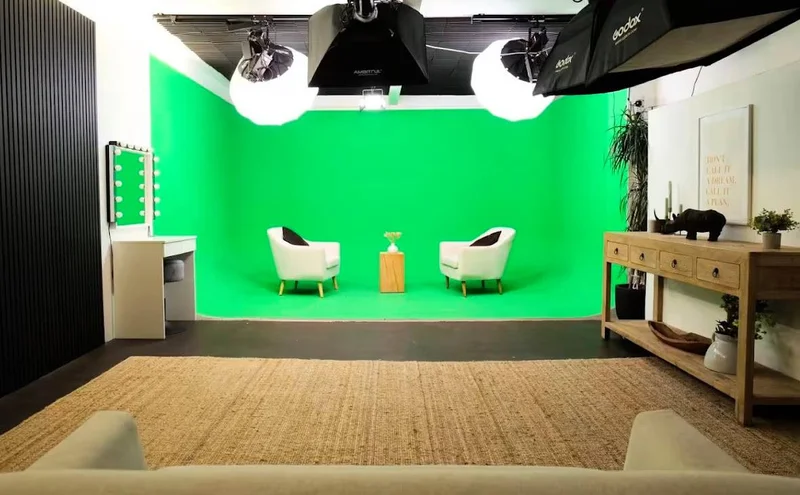
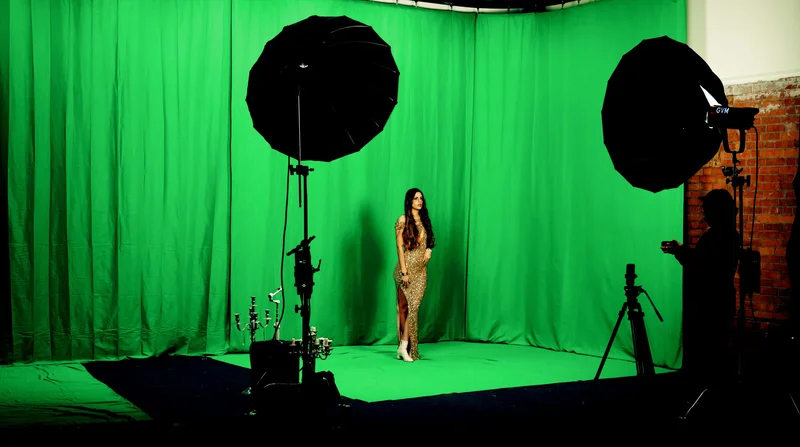
Studio Versatility: Professional spaces offer a menu of curated, pre-lit sets—such as the executive CEO SET, the ambient LOUNGE STUDIO, or a customizable Green Screen Cove. This versatility ensures the visual language of the podcast is consistent, professional, and aligned with high-profile organizations like the BBC and Lloyds bank.
Ultimately, while home recording offers maximum convenience, professional studio recording offers maximum quality, efficiency, and market credibility.