Charity & Non-Profit: Telling Emotional Stories with Dignity
Charity and non-profit storytelling works best when it makes people care without exploiting the people at the center of the story. The strongest campaigns combine emotional honesty, clear impact, and a respectful production approach that protects dignity while building trust. Capital CFO [Everand] [Pride Philanthropy]
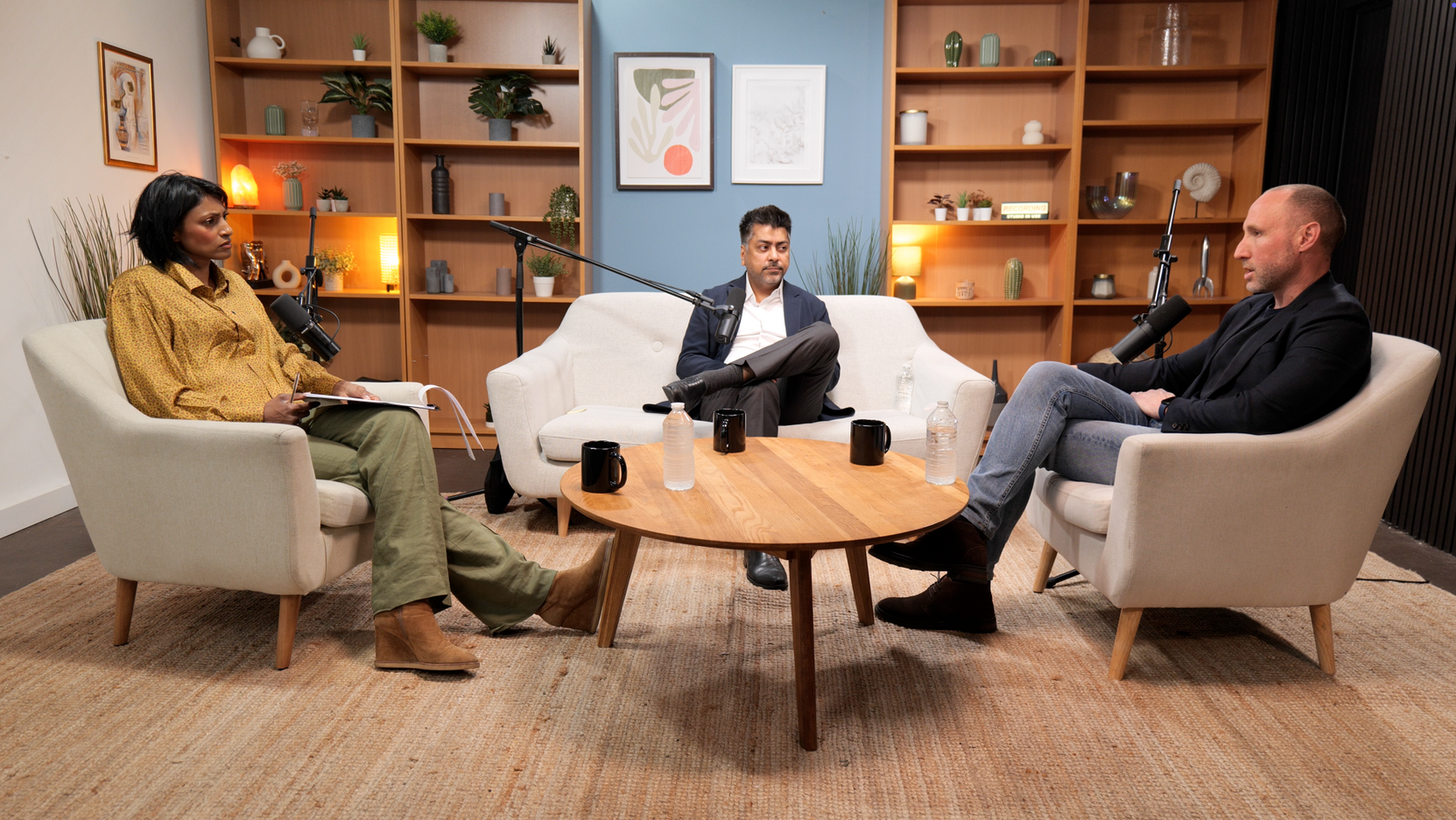
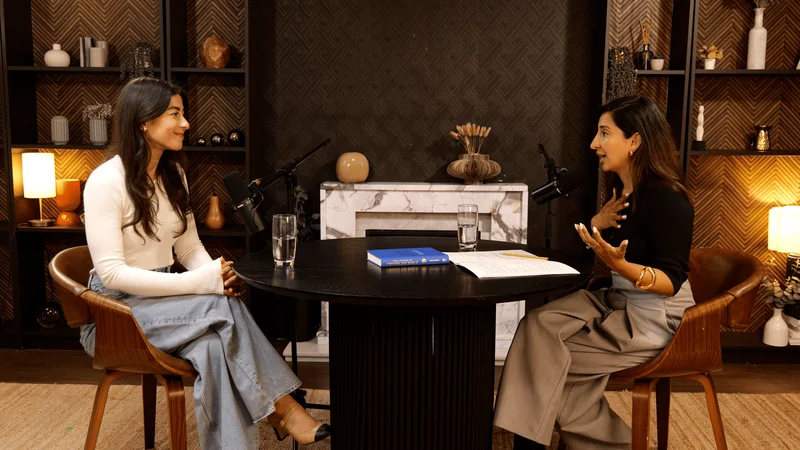
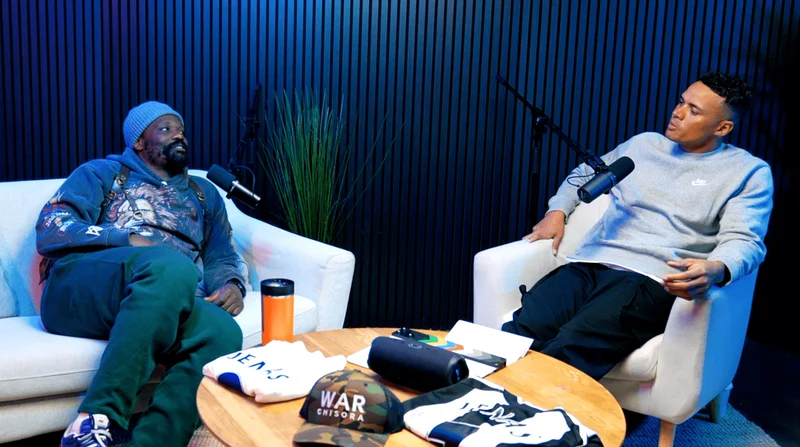
See the 'No ordinary tech podcast ' from Lloyds Banking Group by Rohit D (AI Leader for Lloyds Banking Group) and DR. shini somara (Pro-Chancellor of Brunel University) . at Finchley Studio (Lounge setup). Book this setup for your podcast.
Why emotional storytelling matters
Emotional storytelling helps nonprofit audiences connect with a cause on a personal level, which can be more persuasive than statistics alone. Research and industry commentary both point to the same idea: when people can relate to a real person or specific experience, they are more likely to feel empathy and act. For charities, this makes storytelling not just a marketing tactic, but a core part of fundraising, awareness, and community building. Podcast Videos Mighty NPO Nonprofit Tech for Good Pride Philanthropy
A good story gives supporters a reason to care, a reason to remember, and a reason to share. That is why charity teams increasingly use podcast episodes, filmed interviews, and short-form video to communicate mission-driven work in a more human way. [Mighty NPO] [Podcast Videos]
Dignity first storytelling
Dignity means putting the person before the performance. Ethical nonprofit storytelling should protect privacy, avoid re-traumatization, and represent people accurately rather than reducing them to pity or shock value. The goal is to show resilience, agency, and real-world context, not to sensationalize hardship. [ScienceDirect] [Everand]
This is especially important when collecting testimonials from beneficiaries, families, or frontline workers. Consent, boundaries, and careful editing matter just as much as the final story, because trust is part of the organization's long-term credibility. In practice, that means asking what the person wants to share, how they want to be identified, and whether they feel comfortable with video, audio, or still images. [Everand]
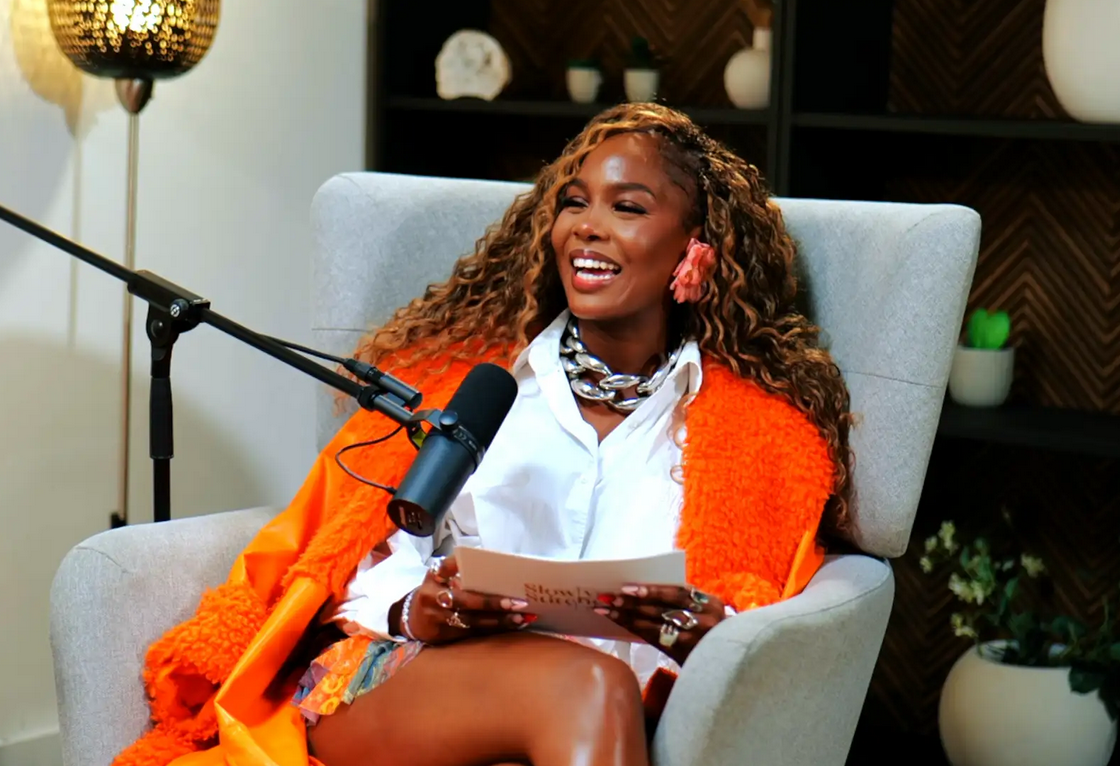
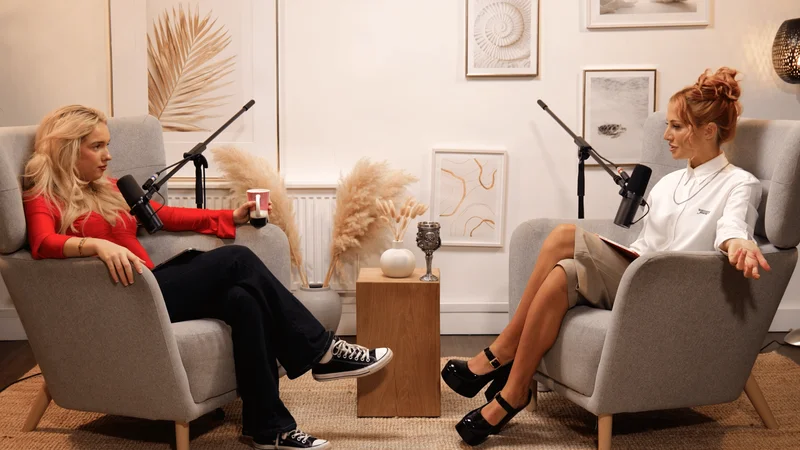
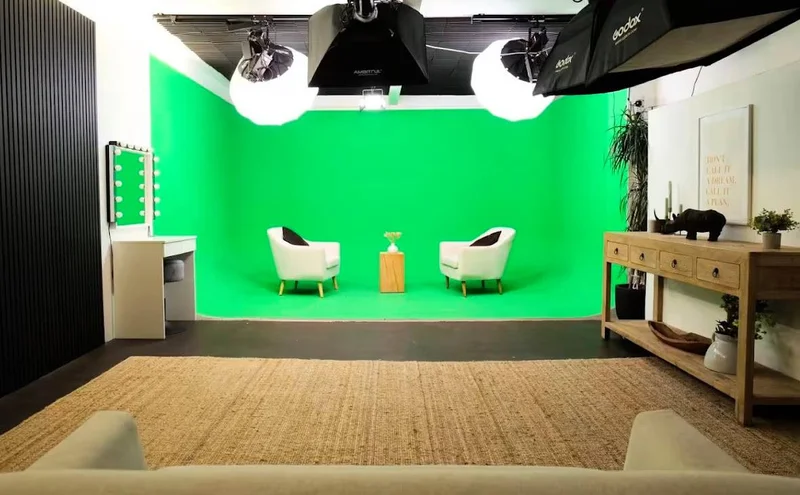
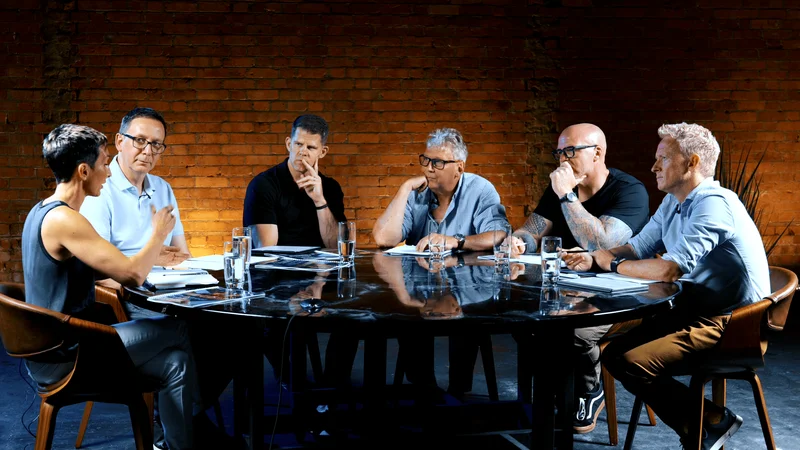
Finchley Studio (Dialogue set): book this setup for your podcast
Best story structure
The most effective nonprofit stories usually follow a simple structure: challenge, turning point, and impact. Start with the real-life problem, then show the human experience behind it, and finish with the change made possible through support. This keeps the story emotionally engaging while still showing outcomes. [Pride Philanthropy] [ScienceDirect] [Mighty NPO]
A strong structure also helps avoid overloading the audience with data. You can still include facts, but they should support the story rather than replace it. One clear example is to pair a beneficiary's experience with a measurable result, such as meals delivered, sessions funded, or families supported. [Capital CFO] [Pride Philanthropy]
Using podcast and video well
A podcast studio, podcast studio london, or london podcast studio setup is ideal for long-form interviews where tone and nuance matter. Podcasting allows nonprofits to feature beneficiaries, volunteers, staff, and experts in their own voices, which can deepen emotional connection and expand reach. A recording studio, recording studio london, or London Recording studio can also help produce cleaner audio for testimonial-led episodes that feel professional and trustworthy. [Podcast Videos] [Mighty NPO]
A video studio, video studio london, or london Video studio is useful when facial expression, body language, and visual context are important. Video can make impact stories feel immediate, but it should still be guided by the same ethical rules: informed consent, respectful framing, and thoughtful editing. For charities, the right studio environment helps people feel safe, supported, and confident while they share difficult experiences. [ScienceDirect] [Everand]
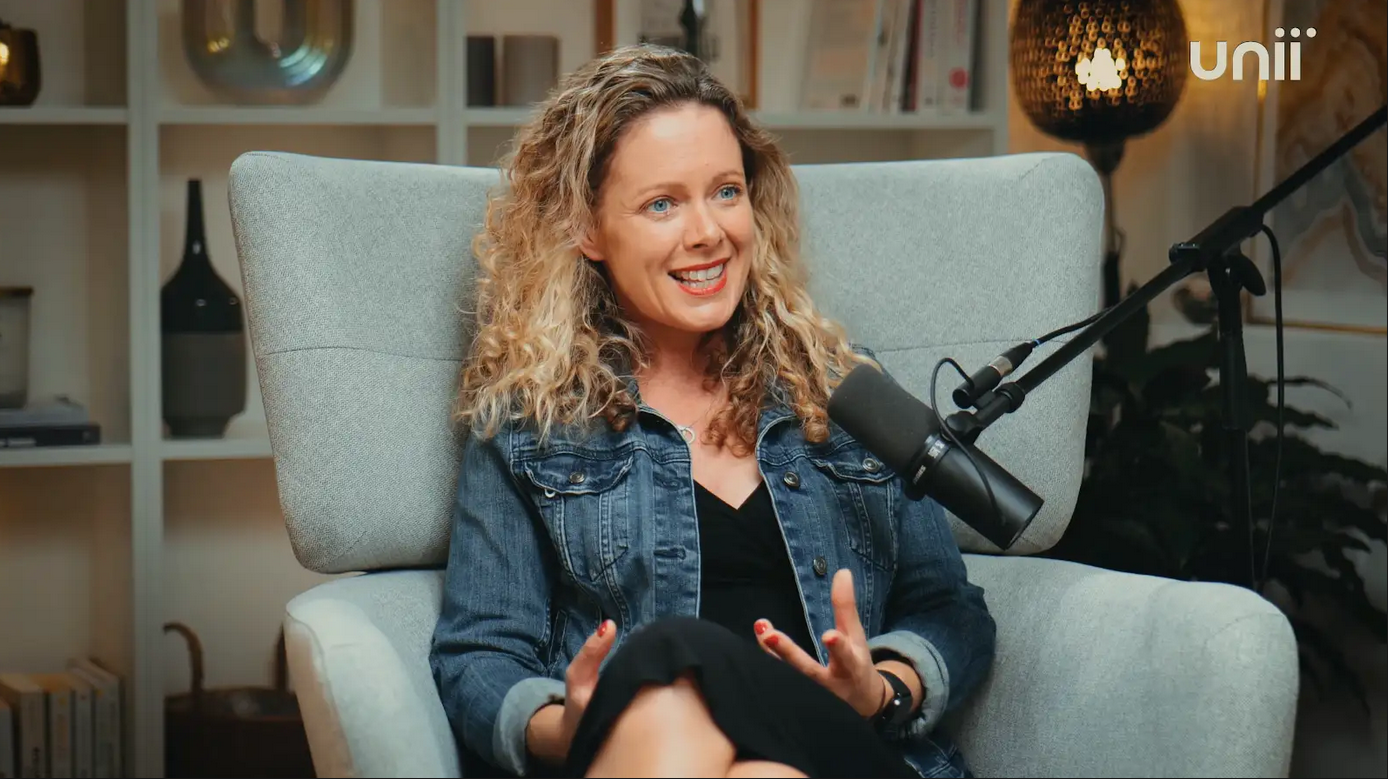
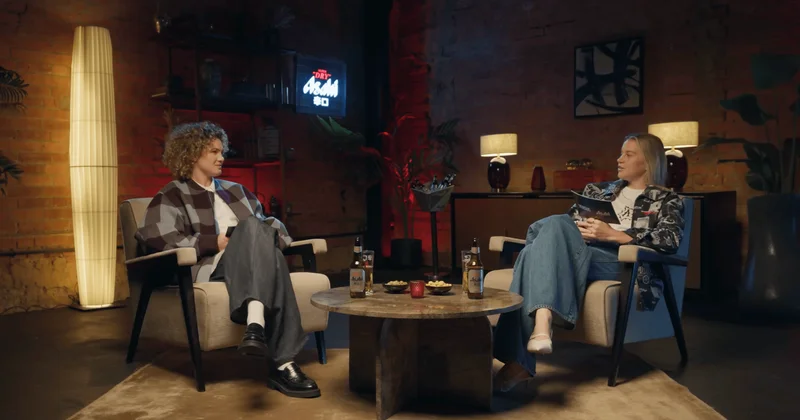
Finchley Studio (Dialogue set): book this setup for your podcast
Content ideas for charities
Non-profits can create a steady stream of dignified content without repeating the same message. A few formats work especially well:
Beneficiary interviews that focus on progress, not just hardship.
Volunteer stories that highlight motivation, service, and community.
Staff-led explainers that connect mission to action.
Campaign updates that show how support is making a difference.
Podcast episodes that explore one issue deeply at a time. [Mighty NPO] [Podcast Videos]
These formats work across channels because they can be repurposed into clips, reels, website articles, donor emails, and social posts. Podcast show notes, episode summaries, and short video cuts also help with discoverability and SEO, especially when the content is structured around clear themes and topics. [ScienceDirect] [Everand]