Clean dialogue can make a podcast, interview, or branded video feel sharper and more professional, but editing filler words is not just a technical choice—it is an editorial one. The ethical line is simple: improve clarity without changing meaning, intent, or the speaker's real voice. (Secure Redact, YouTube)

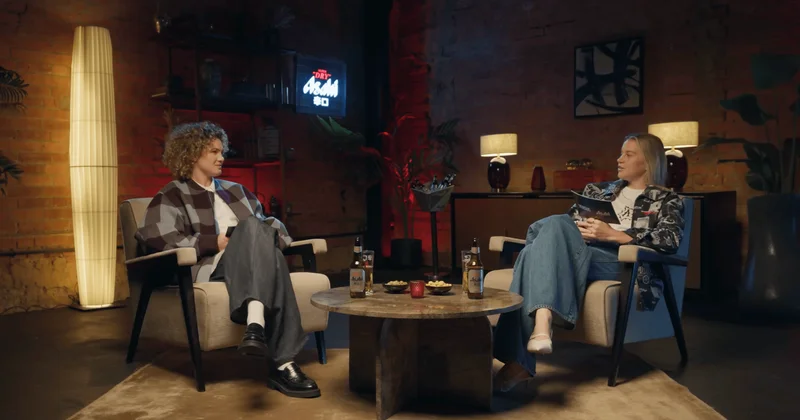
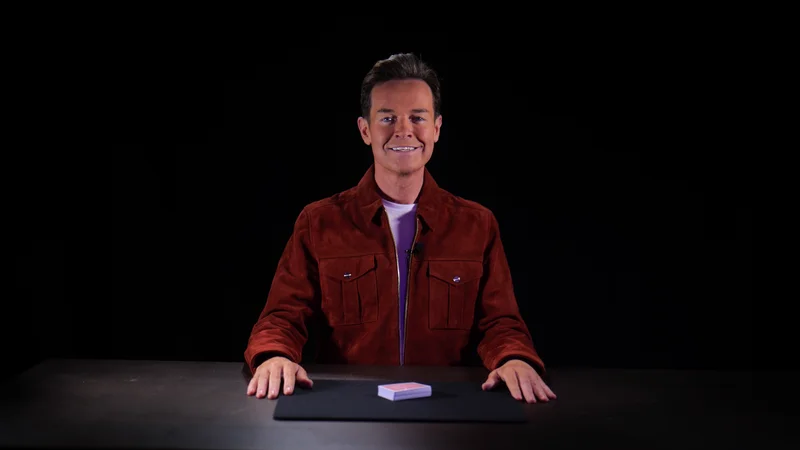
See the 'Murder They Wrote' podcast setup used by Laura Whitmore and Iain Stirling from BBC at Finchley Studio (Gathering setup). Watch Murder They Wrote at BBc sound , Spotify , Apple podcasts , Youtube , Instagram , Amazon music
Why filler words matter
Filler words are natural in speech. They can signal thinking time, soften transitions, and make conversation sound human. But when they become frequent, they can distract listeners and reduce perceived polish. In podcasts, interviews, and recorded video, the goal is usually not to remove every hesitation, but to remove the kind of repetition that breaks flow. (Podrewind, Reddit)
A well-edited episode can still sound spontaneous. In fact, over-editing can make speech feel robotic or unnatural, which is why a selective approach works better than a blanket rule. (Podrewind)
The ethics question
The ethical issue is not whether editing is allowed. It is whether the edit changes what was actually said or what the audience reasonably thinks was said. Ethical audio editing should preserve accuracy and truthfulness, and it should avoid selective cuts that remove context or alter meaning. That means there is a meaningful difference between trimming a long pause and stitching together fragments so a guest appears to say something they never actually said. The first is cleanup; the second is misrepresentation. (Podcast Local, Secure Redact)
When to remove "ums" and "ahs"
You should usually remove filler words when they do one of three things:
Interrupt the rhythm of the sentence.
Make a speaker sound uncertain in a way that distracts from the message.
Recur so often that they become noticeable patterns rather than natural speech.
This is especially useful in polished productions from a Podcast studio, Video studio, or Recording studio where the final product is meant to feel intentionally crafted. In a Podcast studio london or Video studio london, clients often expect a broadcast-ready result, so removing excessive fillers can improve clarity and keep the audience focused on the story rather than the stumbles. A good rule is to remove the clutter, not the person. Isolated fillers can add a natural cadence, while clusters of them often weaken momentum. (Reddit, Podrewind)

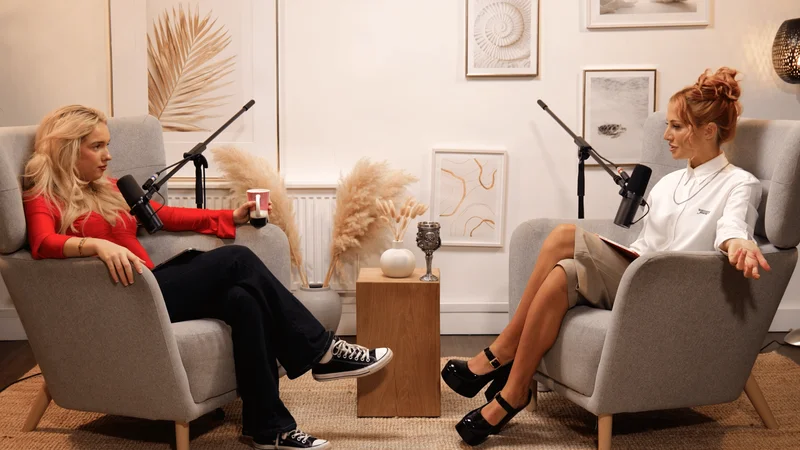
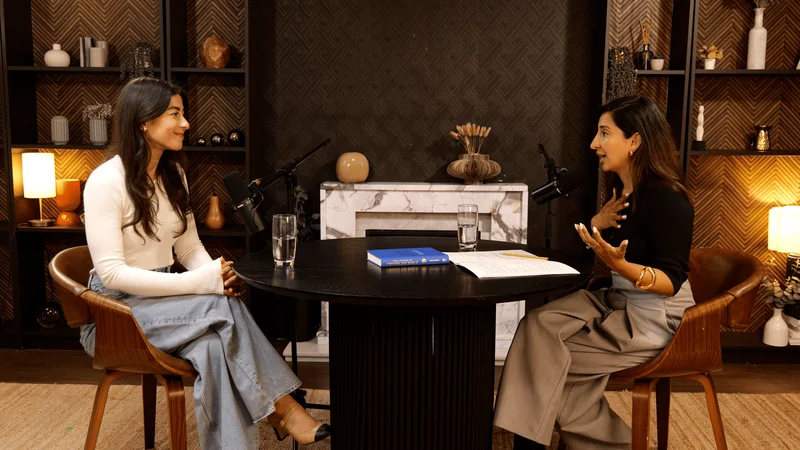
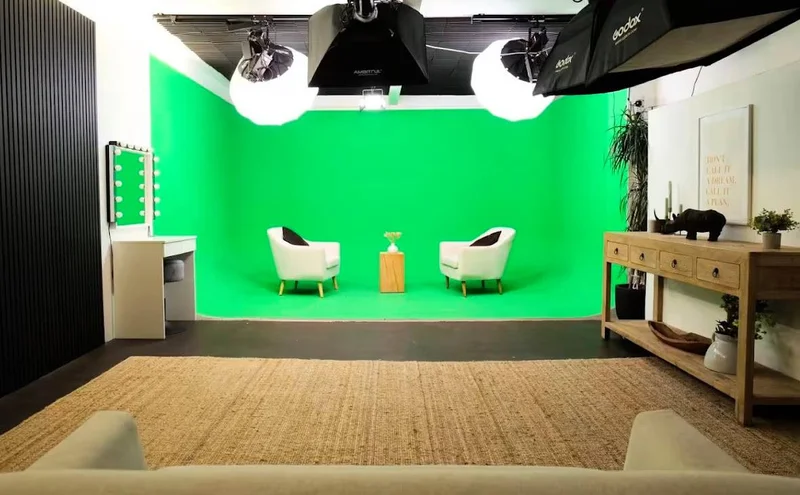
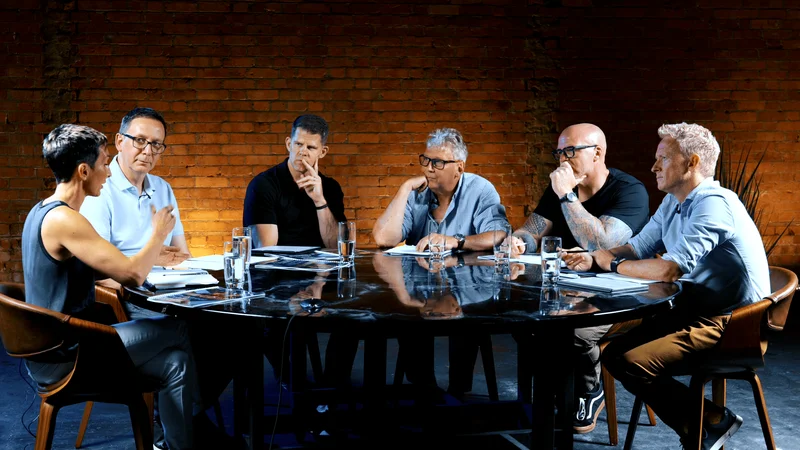
Finchley Studio (Dialogue set): book this setup for your podcast
When to leave them in
Not every "um" should go. Some fillers give the listener a moment to process a complex idea, and some pauses create emphasis or emotional weight. In conversational formats, leaving a few hesitations in place can preserve warmth and authenticity. (Reddit, Podrewind)
This is particularly important in interviews and documentary-style content. If the speaker is reflecting, grieving, searching for language, or telling a personal story, too much cleanup can flatten the emotional texture of the moment. An ethical edit respects that humanity.
Where the ethical line is crossed
Editing becomes problematic when it changes the implied meaning of a speaker's words. That can happen if you remove connective phrases, reorder statements, or cut away enough context that a sentence sounds more confident, more harsh, or more definitive than it really was. (Podcast Local, Secure Redact)
It is also risky to edit in a way that makes a guest appear to endorse a view they did not hold, or to remove enough nuance that their position becomes distorted. A clean recording should still be a fair recording.
Best editing practice
The safest workflow is to make edits that improve hearing, not edits that rewrite thought. A practical approach is to listen for filler words in context, remove the ones that clearly disrupt flow, and then review the surrounding sentence to make sure it still sounds natural. (Podrewind)
A simple method looks like this:
Identify the filler and the silence around it.
Cut the filler with enough surrounding space to keep the transition smooth.
Listen back in context.
Restore the cut if the sentence feels rushed or unnatural.
That approach is common in podcast cleanup because it preserves rhythm while still improving professionalism. (Podrewind)

Finchley Studio (Dialogue set): book this setup for your podcast
Transparency with guests
If you are editing someone else's words, transparency matters. In interview-based content, it is good practice to let participants know that editing may remove non-essential material, and to give them a chance to review the final version when appropriate. That does not mean every guest gets veto power over every trim, but it does mean you should not treat their voice as raw material with no editorial responsibility. (Women Who Podcast Magazine)
This is especially important when the recording will live on a website, be clipped for social media, or be embedded in marketing for a London Recording studio or london Video studio. If the content is part of a brand promise, trust is part of the product.
Podcasts, video, and studio standards
In a professional Podcast studio or Recording studio, editing filler words is usually part of normal post-production. The same is true in a Video studio when dialogue needs to feel crisp and hold viewer attention. For clients searching for a Podcast studio london or London podcast studio, the expectation is often that the final audio will sound edited but still natural.
For a Video studio london or London Video studio, the standard is similar, but with one extra layer: visible performance matters too. If the mouth movement and audio cut no longer align, the edit can become distracting. That is why the best studios balance speech cleanup with seamless continuity.
A practical editing philosophy
A strong editing philosophy is easy to remember: keep the meaning, improve the delivery. Remove filler words when they interfere with comprehension or pacing, but preserve enough spontaneity that the speaker still sounds like a real person. (YouTube, Podrewind)
This philosophy works well for:
Interviews.
Founder stories.
Educational podcasts.
Branded content.
Thought-leadership videos.
Studio-produced explainers.
It also scales well across formats, whether you are producing in a compact Recording studio london setup or a full-service Podcast studio london environment.
Final word
Cleaning up "ums" and "ahs" is ethical when it makes speech clearer without making it false. The moment an edit changes context, tone, or meaning, it stops being polish and starts becoming manipulation. (Podcast Local, Secure Redact)
That is the real standard for every Podcast studio, Video studio, and Recording studio: make the audience's experience better, but never at the expense of truth.