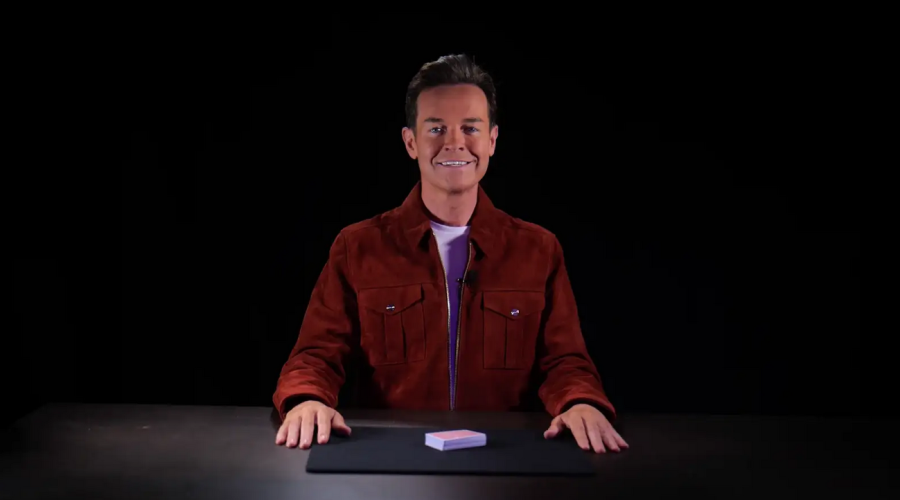
Podcast mastering is no longer just about making audio sound clean and loud. It is about preparing a show so it performs well across Spotify, Apple Podcasts, and Amazon Music, where discovery depends on a mix of metadata, listener behavior, and platform-specific search logic (Ausha).
For brands investing in a Podcast studio, Podcast studio london, or London podcast studio, the goal is the same: deliver a final product that sounds consistent everywhere while still being optimized for how each platform ranks and recommends content. The same logic applies to a Video studio, Video studio london, and london Video studio workflow when audio is being delivered alongside video, because the soundtrack still has to translate cleanly across apps, devices, and playback environments (Ausha, Pro Podcast Solutions).
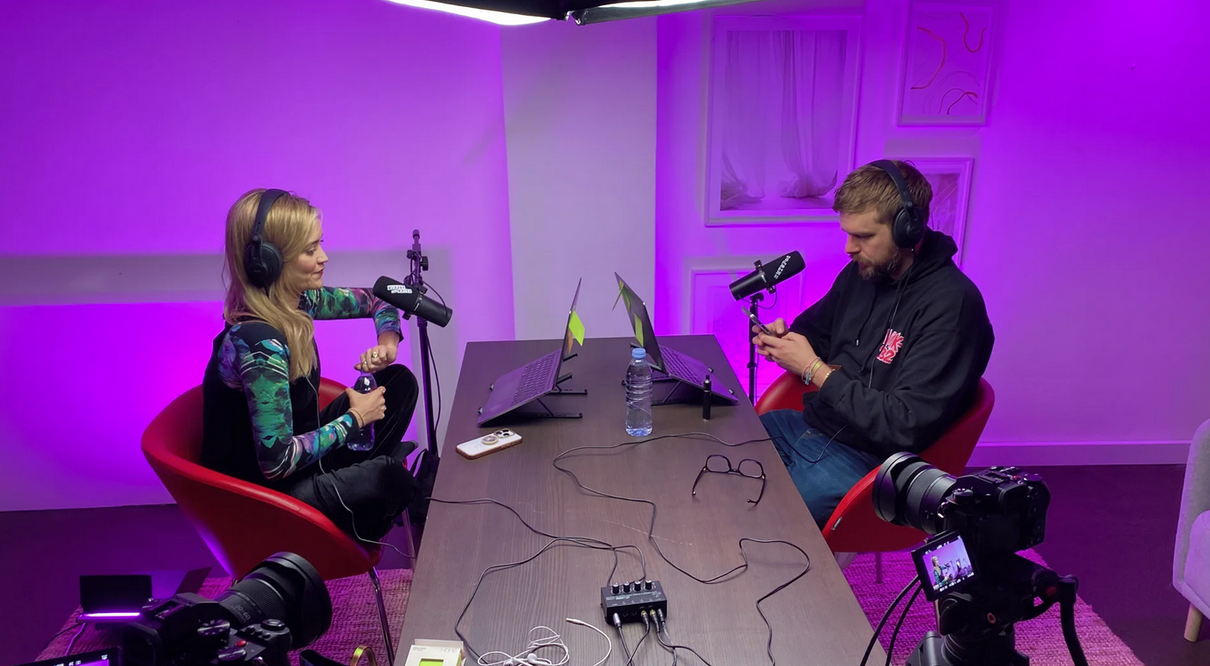
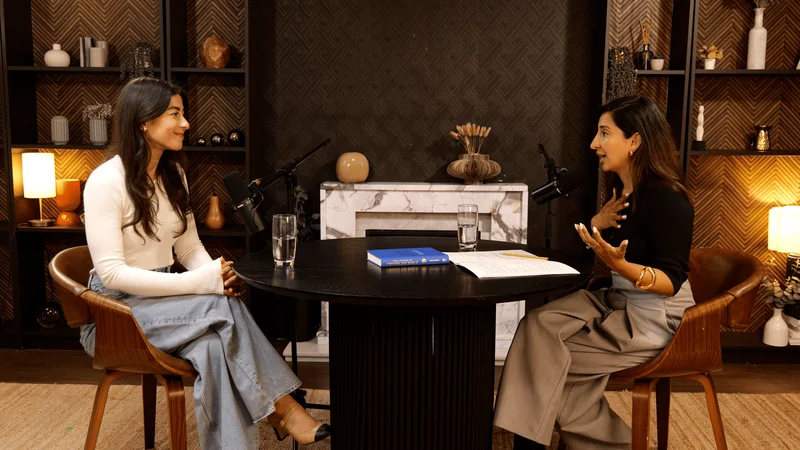
See the 'Murder They Wrote' podcast setup used by Laura Whitmore and Iain Stirling from BBC at Finchley Studio (Gathering setup). Watch Murder They Wrote at BBc sound , Spotify , Apple podcasts , Youtube , Instagram , Amazon music
Why platform mastering matters
Every major platform listens differently. Spotify leans heavily on listener behavior and personalized recommendations, while Apple Podcasts still relies on search and metadata signals in ways that reward clear titles and descriptions. Amazon Music is part of the same search-driven ecosystem, so strong metadata, consistency, and technical quality matter there too (Pro Podcast Solutions, Ausha).
That means the best master is not just "the loudest one." It is the version that sounds balanced on earbuds, car speakers, smart speakers, and studio monitors, without creating harshness, clipping, or fatigue.

Finchley Studio (White Infinity Cove): book this setup for your podcast
Spotify mastering priorities
Spotify rewards content that is easy to understand and easy to keep listening to. In practice, that means your audio should have a stable vocal level, controlled dynamics, and enough clarity that the listener can follow every word even on compressed mobile playback (Jigsawkraft, Pro Podcast Solutions).
A Spotify-friendly master should usually prioritize:
Vocal intelligibility over extreme loudness.
Tight low-end control so bass does not overwhelm spoken word.
Smooth highs that stay clear without becoming brittle.
Consistent episode-to-episode tone so the show feels branded.
Spotify also favors clear, descriptive episode titles in search, so mastering should be paired with metadata that matches the actual content (Pro Podcast Solutions).
Apple Podcasts mastering priorities
Apple Podcasts is still a major discovery channel, and its ranking behavior places real weight on search relevance, descriptions, and overall content clarity. That makes Apple a platform where a polished, natural-sounding master often performs better than an aggressive one (Lemongrass Marketing, Ausha).

Finchley Studio (Dialogue set): book this setup for your podcast
Natural vocal tone with minimal processing artifacts. Controlled peaks that preserve transient detail. Uniformness across episodes so the catalog feels professional. Clean intro and outro transitions, since many users sample episodes quickly.For Apple, focus on:
If your show is built in a Recording studio, Recording studio london, or London Recording studio, this is where the monitoring chain matters most, because reliable rooms help you hear subtle problems before they become platform-wide issues (Miloco Studios, Abbey Road).
Amazon Music mastering priorities
Amazon Music is not identical to Spotify or Apple, but it still depends on discoverability signals that start with good metadata and strong audio presentation. In Amazon's ecosystem, clarity is especially important because many listeners use smart speakers and voice-driven playback (Ausha).
A good Amazon-ready master should emphasize:
Spoken-word clarity for voice assistants and home speakers.
Moderate loudness that avoids harshness on consumer devices.
Balanced compression so dialogue stays even in noisy environments.
Metadata that reinforces search terms, show themes, and episode topics.
Because Amazon listeners may hear your show through a wide range of speakers, a master that sounds "slightly conservative" in the studio often translates better in real-world use.
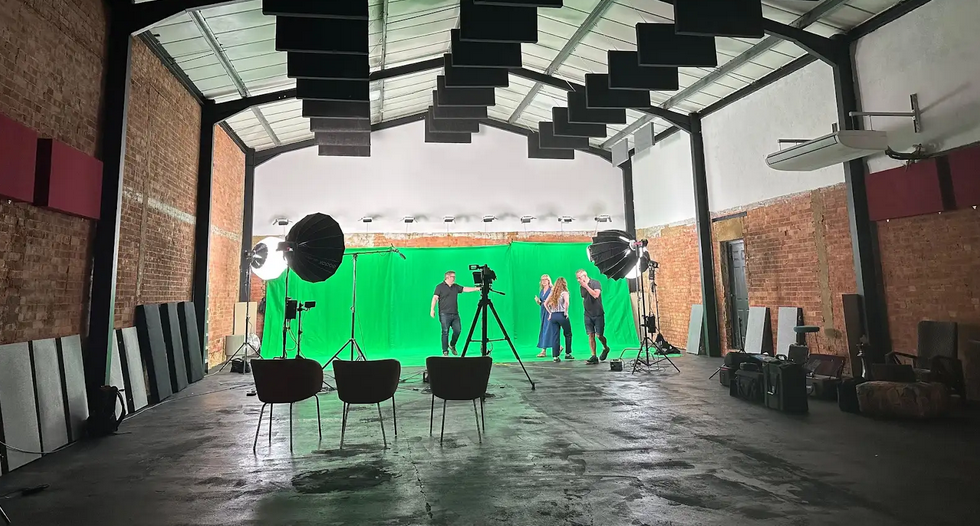
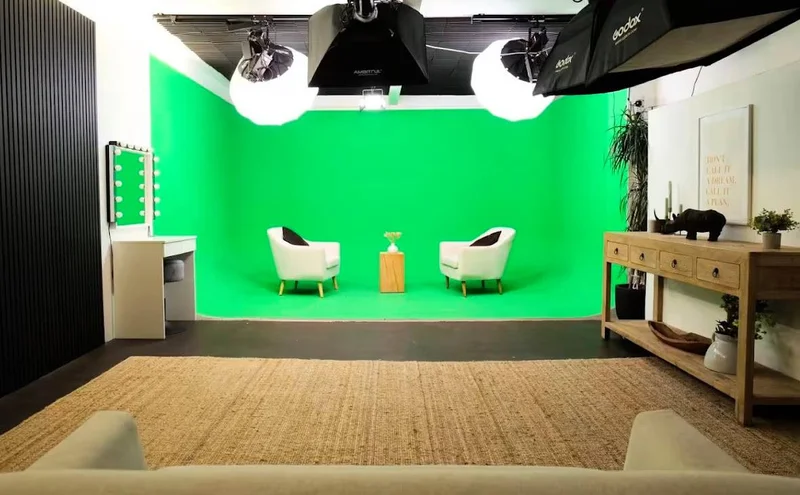
Finchley Studio (Giant Green Screen): book this setup for your podcast
Core mastering workflow
The smartest workflow is to create one high-quality master, then verify that it holds up across the three platforms. Start with a clean edit, then apply EQ, compression, de-essing, and limiting only as needed to support intelligibility rather than to chase volume.
A practical workflow looks like this:
Edit out mistakes, long pauses, and distracting room noise.
Normalize or level-match dialogue so all speakers sit consistently.
Apply EQ to reduce muddiness and improve vocal presence.
Use light compression to smooth dynamics.
Limit conservatively to prevent clipping and distortion.
Check the export on phone speakers, headphones, laptop speakers, and car playback.
This is also where a professional Recording studio setup becomes valuable, because accurate monitoring helps you hear whether your master is truly translation-ready (Soho Sonic, Miloco Studios).
Loudness and consistency
One of the most common mistakes in podcast delivery is over-mastering. A show that sounds impressive in the studio can feel tiring on streaming apps if the compression is too heavy or the highs are pushed too far.
Aim for consistency first. The listener should not have to change volume between episodes, and the show should not sound dramatically different from one platform to another. That consistency is especially important for branded shows produced in a Podcast studio london or London podcast studio, where organizations often want a repeatable sound signature that supports credibility and retention.
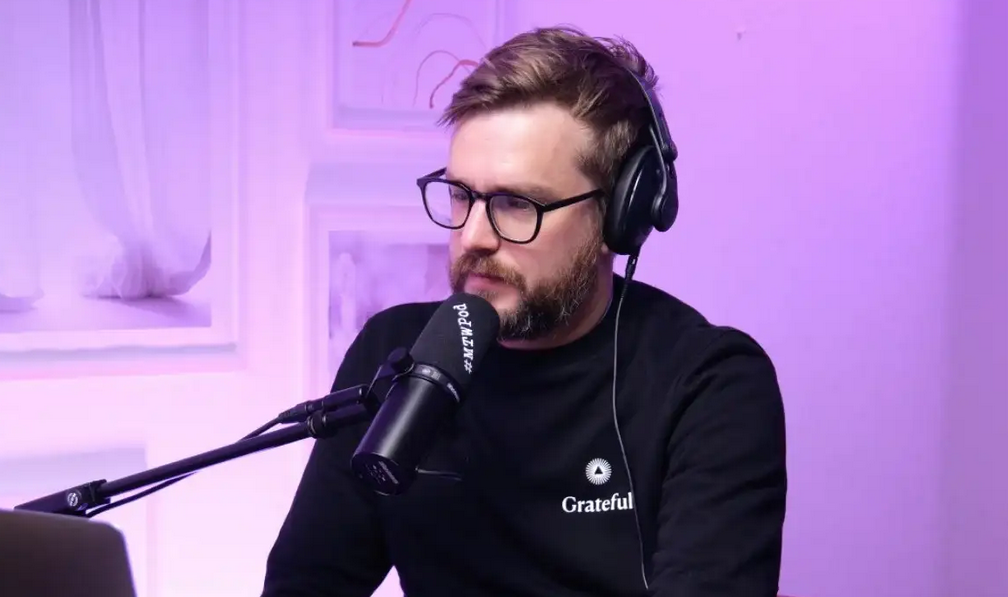
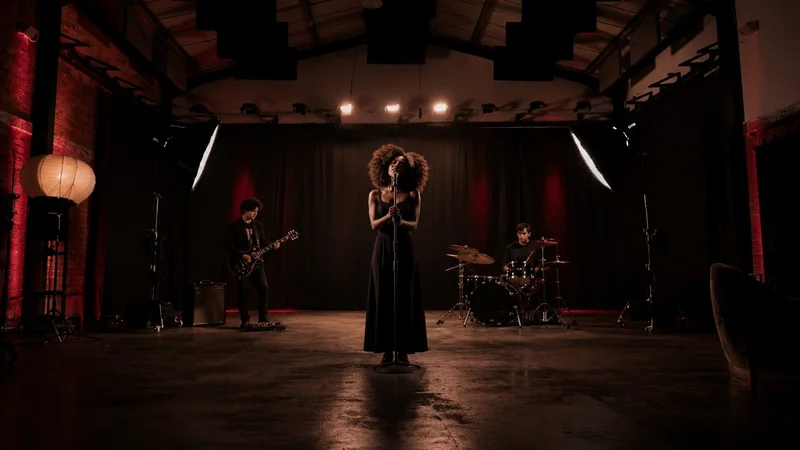
Finchley Studio (Gathering): book this setup for your podcast
Metadata and SEO
Mastering is only half the job. Podcast SEO depends heavily on how titles, descriptions, and episode pages are written, because platforms use their own search and recommendation systems. Clear episode naming helps Spotify search, while Apple benefits from concise, descriptive metadata that matches what listeners are actually looking for (Seobot AI, Ausha, Pro Podcast Solutions).
To strengthen discoverability:
Use searchable episode titles.
Include transcript text on your website.
Write focused show notes with natural keywords.
Match artwork, titles, and descriptions across platforms.
This is where your keyword strategy can align with service pages for Podcast studio, Podcast studio london, London podcast studio, Video studio, Video studio london, london Video studio, Recording studio, Recording studio london, and London Recording studio, especially if your business wants to attract both creators and brands searching for production support in London (The Recording Studio London, Soho Sonic, Miloco Studios).

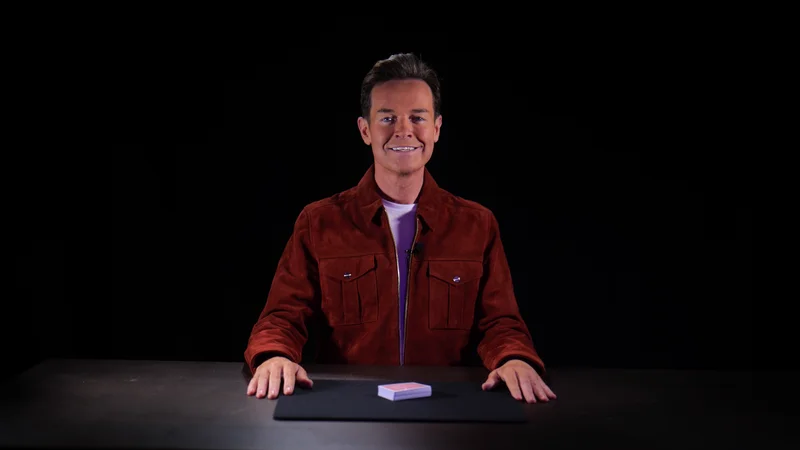
Finchley Studio (Giant Blackout Set): book this setup for your podcast
Building a production brand
If your studio is part of a wider creative offering, positioning matters as much as mastering. London has a deep ecosystem of professional facilities, from high-spec recording spaces to long-established studios with broad production capabilities. That makes it important to distinguish your brand with both technical excellence and a clear service promise (Abbey Road, Miloco Studios).
For example, a studio that handles podcasting, video, and music can market itself as a full production partner rather than just a room with microphones. Abbey Road and other major London facilities demonstrate how strong studio brands combine technical reputation with flexible recording, mixing, and mastering services. That same principle applies to smaller studios trying to compete in search: the clearer the positioning, the easier it is to attract the right clients (Abbey Road).
Platform-specific checklist
Use this checklist before every release:
Spotify: prioritize clarity, strong vocal focus, and concise metadata (Ausha, Pro Podcast Solutions).
Apple Podcasts: prioritize natural tone, clean editing, and descriptive titles (Lemongrass Marketing, Ausha).
Amazon Music: prioritize spoken-word clarity, balanced dynamics, and voice-assistant friendliness (Ausha).
All platforms: keep episodes consistent, export clean masters, and support the audio with transcripts and optimized show notes (Pro Podcast Solutions).
If you are producing in a Video studio or london Video studio, make sure the spoken track is mastered separately from the music bed so dialogue remains intelligible on mobile devices and smart speakers.
Conclusion
The best podcast master is the one that sounds professional everywhere, not just in the control room. Spotify, Apple, and Amazon Music all reward different combinations of clarity, consistency, metadata, and listener-friendly presentation, so a platform-aware workflow gives your show the best chance of being heard (Pro Podcast Solutions, Ausha).
For studios building authority in London, the winning approach is to combine strong production standards with search-friendly positioning around Podcast studio, Podcast studio london, London podcast studio, Video studio, Video studio london, london Video studio, Recording studio, Recording studio london, and London Recording studio. When your audio, metadata, and brand all work together, the result is a show that feels premium on every platform (Soho Sonic, Miloco Studios, The Recording Studio London).