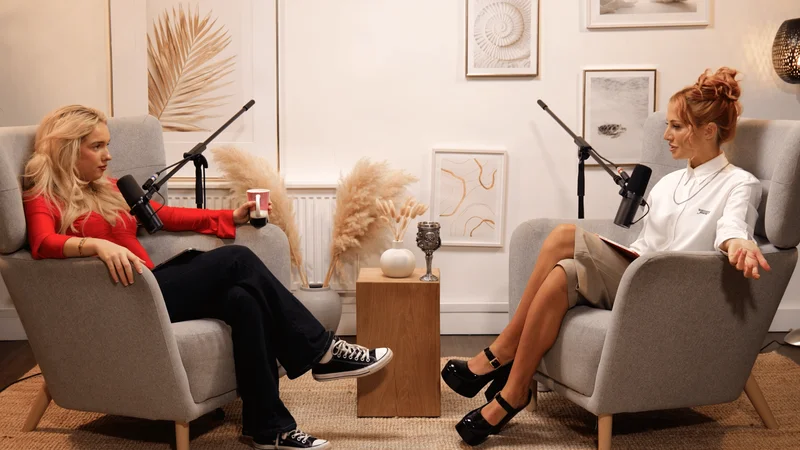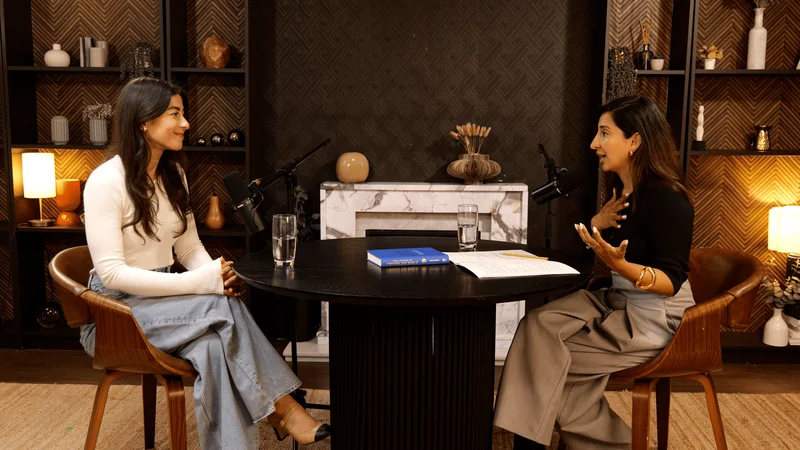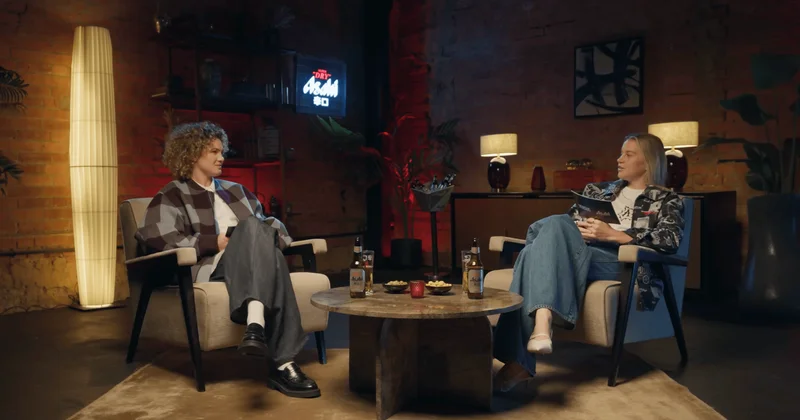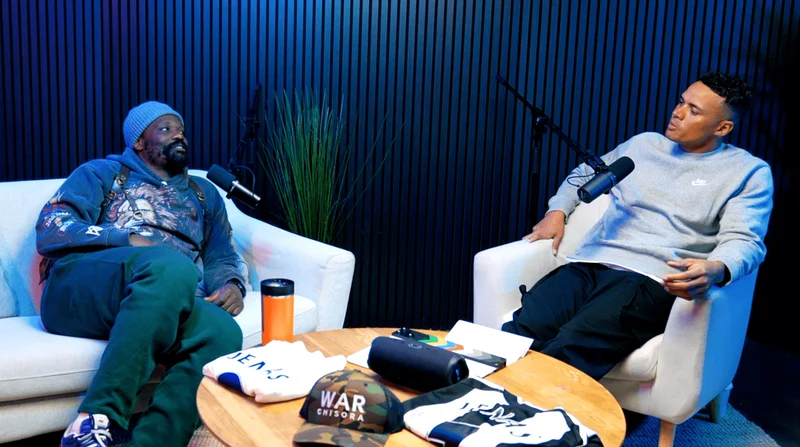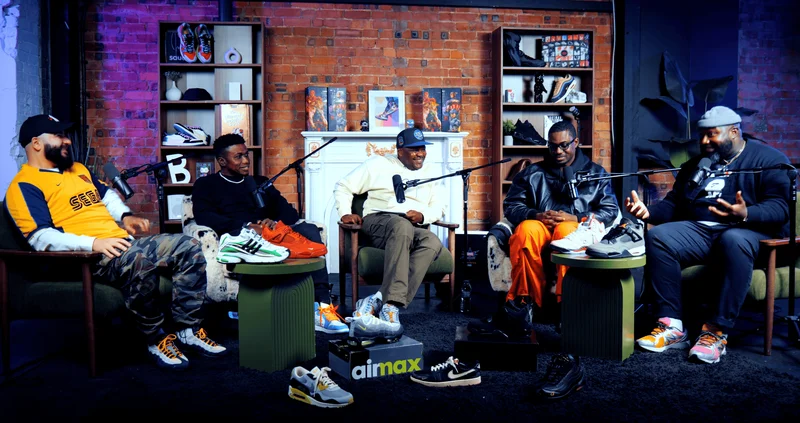
The era of "audio-only" dominance is effectively over. In 2024, a podcast is no longer just a digital radio show—it is a multi-platform content engine. With YouTube Music now a primary podcast destination and TikTok's "clip economy" driving discovery, the visual component of your show is just as critical as the audio.
For creators in the capital, the bar has been raised. The saturated market means that grainy webcams and echoey living rooms no longer cut it. To command authority and capture high-value sponsorship, you need broadcast-level fidelity. This is where professional 4K videography transforms a simple recording into a premium media asset.
If you are looking to upgrade your show, here is how a dedicated podcast studio equipped with 4K technology elevates your production quality to meet the demands of modern audiences.
1. The "Clip Economy": Why Resolution Equals Reach
The primary argument against 4K used to be file size and processing power. However, in 2024, the argument for 4K is versatility.
Most podcast consumption happens in fragments. While your core audience listens to the full hour on Spotify, your potential audience discovers you via 30-second clips on Instagram Reels, TikTok, and YouTube Shorts.
Lossless Vertical Cropping: When you shoot in 4K landscape (3840x2160), you have enough pixel density to crop a vertical (9:16) video from the centre of the frame without losing sharpness. If you attempt this with 1080p footage, the resulting clip often looks soft or pixelated on high-res smartphone screens.
Future-Proofing Your Library: Content is an asset. Interviews recorded today might be relevant three years from now. Recording in 4K ensures your back catalogue remains visually acceptable as screen resolutions continue to improve.
Pro Tip: In a professional video studio, cameras are framed specifically to allow for "punch-ins" (digital zooms) in post-production. This allows editors to cut between a wide shot and a close-up using a single camera angle, effectively doubling your production value without extra hardware.
2. Professional Equipment vs. The "Home Studio" Struggle
London is a fantastic city for networking, but a notoriously difficult city for home recording. Space is at a premium, and silence is rare.
The Depth of Field Difference
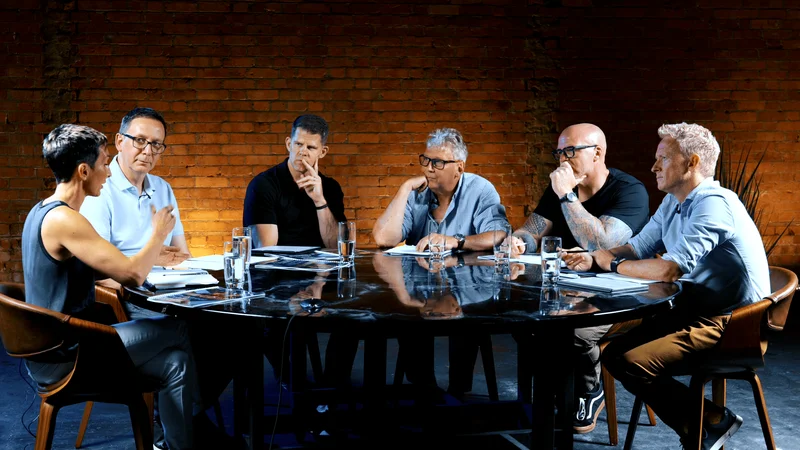
One of the hallmarks of high-end production is "bokeh"—that soft, blurry background that isolates the subject. Achieving this requires distance between the subject and the background, something most London flats simply don't have.
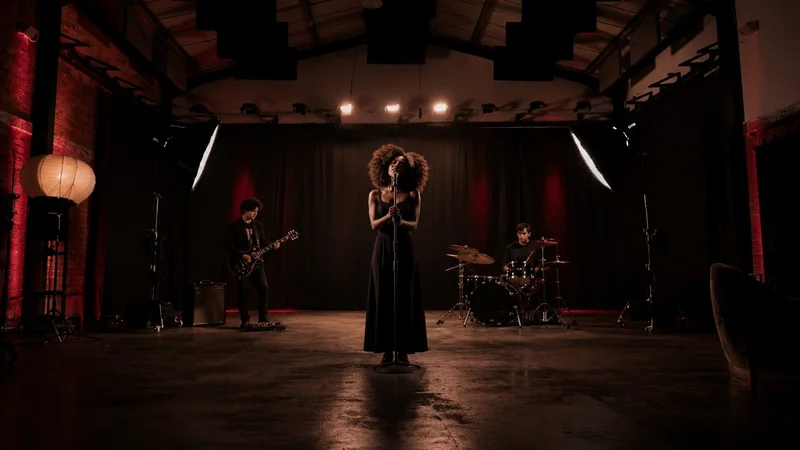
A professional recording studio offers the physical depth required to use cinema-grade lenses (like the Sony G-Master series). Combined with large-sensor 4K cameras (such as the Sony FX6 or FX3), this creates a rich, cinematic look that immediately signals "high budget" to the viewer.
Lighting: The Unsung Hero of 4K
Resolution means nothing without light. 4K sensors are unforgiving; they reveal every shadow and imperfection if the lighting is poor.
Home Setup: Ring lights often flatten features and create unnatural reflections in eyes (or glasses).
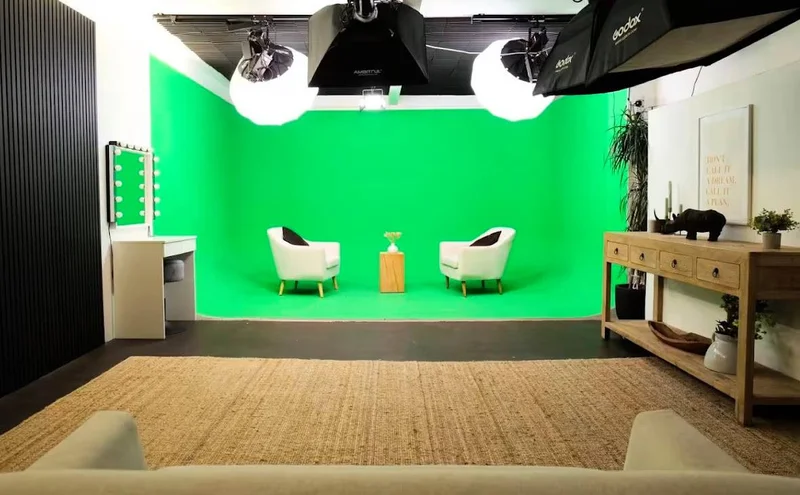
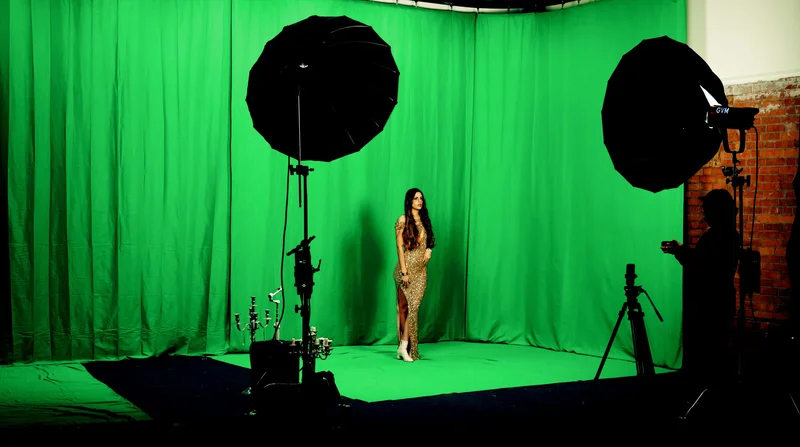
Studio Setup: We use industry-standard softboxes (like Aputure or Godox) with grids to shape light. This creates "rems" (catchlights) in the eyes and flattering shadows that sculpt the face, ensuring you and your guests look your absolute best.
3. Solving the London Noise Problem
Any London creator knows the pain of pausing a recording because of a siren on the High Street, the rumble of the Tube, or a neighbour’s renovation works.
When you opt for studio hire London, you aren't just renting cameras; you are renting silence. A purpose-built studio features:
Room-within-Room Construction: Fully decoupled floors and walls to stop structural vibration (like heavy traffic).
Acoustic Treatment: Not just foam on the walls, but bass traps and diffusers that manage frequencies. This prevents the "boxy" sound typical of small office meeting rooms.
In 2024, listeners are intolerant of bad audio. If they hear a police siren or room echo, they click off. Professional soundproofing protects your audience's immersion.
4. The Tech Stack: What to Expect in a Pro Studio
When searching for London podcast production, you should expect a specific tier of equipment. The standard for 2024 has moved beyond simple DSLRs.
The Camera: Reliability Over Hype
Many home creators use mirrorless cameras, but these often overheat during long-form recordings (60+ minutes). A professional facility uses Cinema Line cameras (like the Sony FX6) which have active cooling systems.
Why it matters: You never want to interrupt a guest's emotional story because your camera needs to cool down.
The Audio: Broadcast Standard
While the visual is 4K, the audio must be equally pristine.
Microphones: The Shure SM7B remains the gold standard for that warm, "radio" voice.
Signal Chain: It’s not just the mic; it’s the preamps (like Cloudlifters) and interfaces (RØDECaster Pro II or MixPre) that ensure a noise-free signal floor.
5. Efficiency and Focus
Perhaps the biggest elevator of quality is your own focus. When you record at home, you are the host, the producer, the lighting technician, and the data wrangler.
Booking a podcast studio allows you to be "talent." You walk in, sit down, and focus entirely on your guest and your content. The studio team handles the focus pulling, sound levels, and file management. This mental shift invariably leads to better interviews, better energy, and a better show.
Frequently Asked Questions (FAQ)
Q: Is 4K really necessary if most people watch on phones? A: Yes. While the playback device might be small, 4K allows for "lossless cropping." You can turn a horizontal YouTube video into a crystal-clear vertical TikTok without the image becoming blurry. It gives you flexibility in post-production.
Q: How much does professional studio hire London cost? A: Prices vary by location and specs, but rates generally range from £80 to £150 per hour for audio-only, and £150 to £300+ per hour for full 4K video production. Most studios offer discounted "bulk booking" rates for a series.
Q: Can I record audio-only in a video studio? A: Absolutely. Many clients book our video suites just for the superior acoustics and atmosphere, even if they aren't turning the cameras on. However, we always recommend recording video as a "backup" asset for social media promotion.
Q: Do I need to bring my own SD cards? A: Most professional studios will handle the data transfer for you, sending you the files via a high-speed link (like WeTransfer Pro or Frame.io) within 24 hours. However, you can usually bring your own high-speed SSD drive if you want to take the raw footage immediately.
Conclusion
In 2024, the difference between a hobbyist podcast and a "top 1% " show is often the production value. 4K videography offers the flexibility to dominate social media algorithms, while a professional environment ensures your content is free from the technical distractions of London life.
Don't let poor lighting or background noise undermine your message. Elevate your brand authority by recording in a space designed for excellence.