Methodologies
The evolution of podcasting from a niche, decentralized audio distribution format into a dominant global media paradigm has fundamentally altered the standards of production quality, audience expectations, and creator economics. In the nascent stages of the medium, the barrier to entry was defined merely by access to a rudimentary digital recording device and the ability to generate a standard RSS feed. However, as the industry has matured into a multibillion-dollar ecosystem characterized by intense algorithmic competition, corporate investment, and the convergence of high-fidelity audio and high-definition video, the question of production infrastructure has become a paramount strategic consideration.
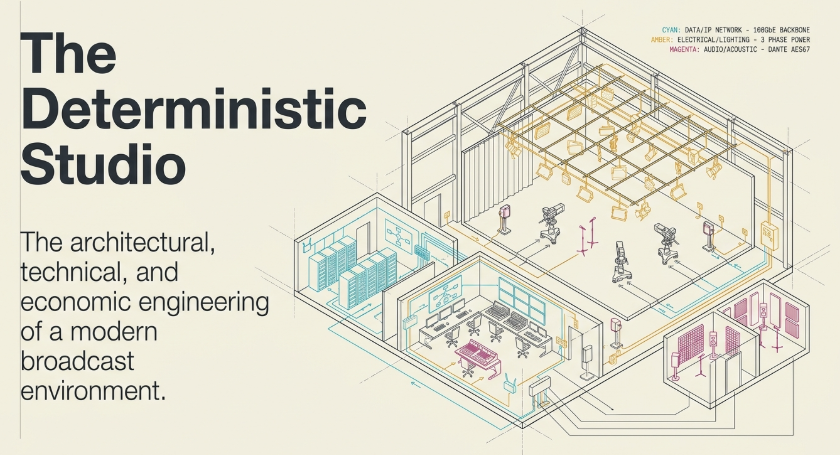
The core inquiry regarding whether a professional studio is strictly necessary to produce a successful podcast cannot be answered with a binary affirmative or negative. Rather, it demands a nuanced, multidimensional cost-benefit analysis encompassing acoustic physics, equipment scalability, spatial economics, the psychological dynamics of guest interactions, and the rapid proliferation of emergent remote recording technologies.
A central thesis emerges upon comprehensively examining contemporary media production data: the acoustic environment in which audio is captured exercises a far more profound influence on the final fidelity of the product than the financial investment allocated to the recording hardware itself. A ubiquitous reality in modern audio engineering is that a modestly priced, entry-level microphone operating within a meticulously treated acoustic space will consistently yield a more professional, articulate sound profile than a premium, studio-grade transducer deployed in an untreated, highly reflective room. This fundamental acoustic principle dictates that the recording environment often matters significantly more than the price tag attached to the equipment.
Consequently, the decision to construct an isolated home studio, secure recurring rentals at a commercial professional facility, or adopt a hybrid operational methodology dictates not only the technical quality of the broadcast but also the operational flexibility, the perceived brand credibility, and the long-term economic sustainability of the media property. This comprehensive research report evaluates the intricate variables involved in establishing a podcast production environment. By dissecting acoustic treatment protocols, the nuances of hardware signal chains, the economic models underpinning commercial studio rentals, the behavioral psychology of high-profile guest acquisition, and the integration of artificial intelligence in post-production, this analysis provides an exhaustive strategic framework for determining the optimal recording architecture. This framework is applicable across the spectrum of the industry, from independent creators to enterprise brands and institutional broadcasters navigating the rapidly shifting media landscape of 2025 and 2026.
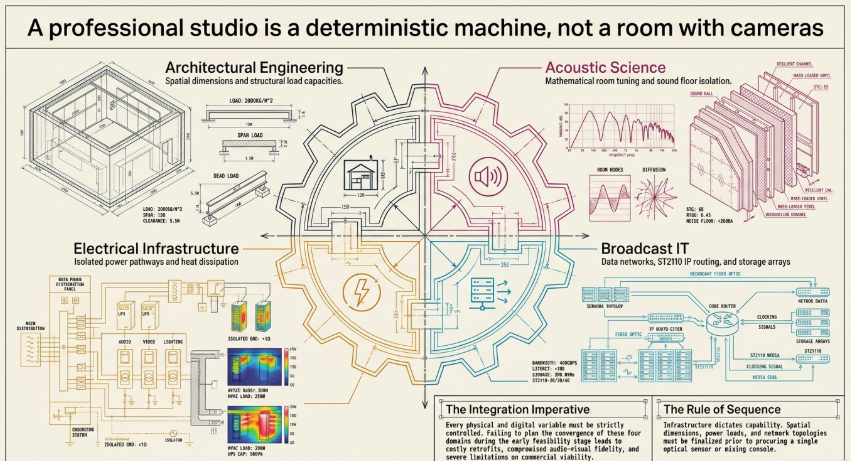
The Physics of Sound and Acoustic Environmental Control
The foundational, non-negotiable element of any broadcast-quality audio production is the active mitigation of undesirable acoustic anomalies. The human auditory system is highly adept at subconsciously detecting subtle environmental imperfections-such as flutter echoes, early reflections, and low-frequency resonance-which immediately signal to the listener that the audio was captured in a makeshift domestic environment rather than a professional broadcast facility. Therefore, before evaluating the merits of specific microphones, digital interfaces, or recording software, the physical architecture and acoustic properties of the recording space must be systematically addressed.
Mitigating Early Reflections and Comb Filtering
When a human voice is projected into a physical room, the resulting sound waves travel outward in a spherical, multidirectional pattern. While the direct sound travels linearly from the speaker's mouth directly into the microphone capsule, indirect sound waves project outward, reflecting off hard, parallel surfaces-such as bare drywall, hardwood floors, glass windows, and wooden desks-and subsequently arrive at the microphone milliseconds later than the direct sound. This acoustic phenomenon creates phase cancellation, commonly referred to in audio engineering as comb filtering, which severely degrades the clarity of the voice and produces a hollow, distant, metallic, or reverberant audio signature that cannot be effectively removed in post-production. Addressing these first reflection points is the primary objective of high-frequency acoustic treatment (Sweetwater).
To identify these critical reflection points within a home studio or office environment, acousticians frequently employ the foundational "mirror technique." By sitting directly at the primary recording position (the listening or speaking position), an individual can have an assistant slide a mirror along the adjacent side walls and the ceiling; the exact point where the microphone or the monitor speakers become visible in the reflection of the mirror dictates the precise geographical location where acoustic absorption panels must be mounted to intercept the wave. Applying broadband absorbers-typically constructed from high-density acoustic foam, rigid fiberglass, or mineral wool panels-at ear level (typically two feet above the floor to start) along these primary reflection points absorbs the mid-to-high frequency acoustic energy before it possesses the opportunity to bounce back into the recording field. It is critical to note that acoustic absorption is dictated more by the overall surface area of the treatment rather than the specific angle of application (Sweetwater).
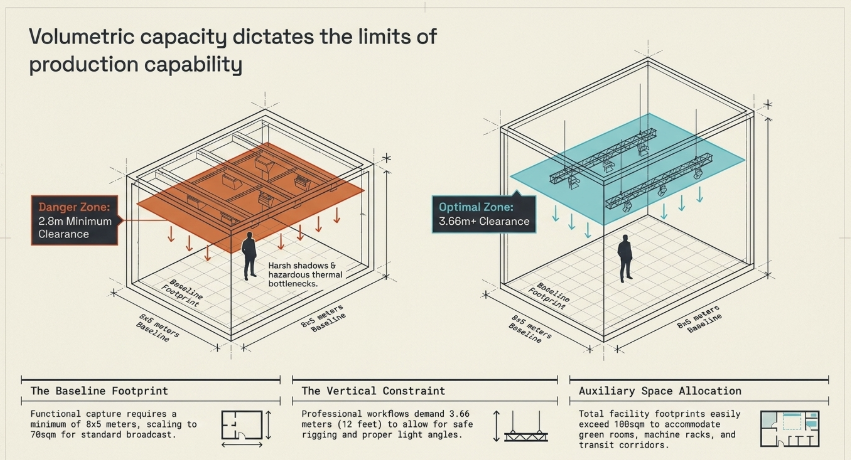
Low-Frequency Accumulation, Room Modes, and Bass Trapping
While mid-range and high-frequency acoustic reflections can be managed with relatively thin acoustic panels (e.g., 2-inch pyramid acoustic absorption foam), low-frequency energy (bass) behaves fundamentally differently due to its elongated waveforms. Low-frequency waves are highly omnidirectional, possess significant kinetic energy, and are largely unaffected by thin foam. Consequently, these waves travel through the room and accumulate rapidly in the corners, creating complex interference patterns. This accumulation leads to standing waves and room modes-particularly severe in perfectly square rooms where dimensional ratios perfectly align-which manifest as an overwhelming "muddy" or "boomy" quality in the low-end of the vocal recording.
To counteract this low-frequency accumulation, the installation of dedicated bass traps in the corners of the room is mathematically critical. Effective corner bass traps are typically large, highly dense, floor-to-ceiling structures designed to straddle the dihedral corners (where two walls meet) or trihedral corners (where two walls intersect with the ceiling or floor). The strategic placement involves utilizing an air gap between the wall and the back of the bass trap, which exponentially increases its efficiency by capturing the sound wave at its maximum velocity rather than at the boundary where velocity is zero.
For instance, an optimal architectural layout in a standard 15'x17'x8' room might involve mounting up to ten broadband corner bass traps (each four feet tall) along the four primary dihedral power corners, alongside additional traps straddling the wall-ceiling intersections. When combined with broadband absorber panels at the first reflection points and diffusion panels (which scatter sound energy using multi-faceted surfaces rather than absorbing it) on the rear wall to eliminate flutter echo, this configuration creates a reflection-free zone around the microphone.
In domestic spaces where professional, purpose-built acoustic treatment is economically or aesthetically unfeasible, the environment can be partially optimized using simple, high-density household items. Upholstered furniture, heavy blackout curtains, thick carpets, and large bookcases completely filled with irregularly sized books can act as rudimentary absorbers and diffusers, drastically improving the acoustic profile of an untreated space. The recording environment itself will consistently beat expensive gear operating in a highly reflective, echo-prone space.
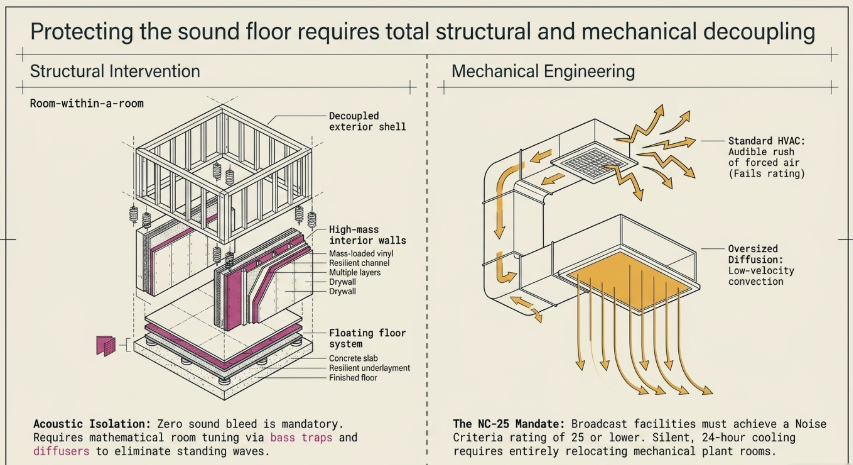
Transducer Selection and the Home Studio Hardware Ecosystem
Once the physical acoustic environment is stabilized and treated, the selection of the hardware signal chain determines how accurately the mechanical energy of the human voice is translated into a digital waveform. A persistent and costly fallacy among emerging producers is the assumption that a high financial outlay correlates linearly and automatically with superior audio quality. In reality, the strategic alignment of the transducer (microphone) type with the specific environmental constraints is the primary determinant of technical success. Mastering fundamental audio specifications and terminology is critical to navigating the hardware landscape, whether an individual is allocating $20 or $2000 (Spotify).
The Dynamic Versus Condenser Paradigm
Microphones utilized in podcasting generally fall into two distinct electromechanical categories based on their internal acoustic-to-electric transduction mechanisms: condenser microphones and dynamic microphones. Understanding the physical differences between these two technologies is paramount for remote and home-based creators.
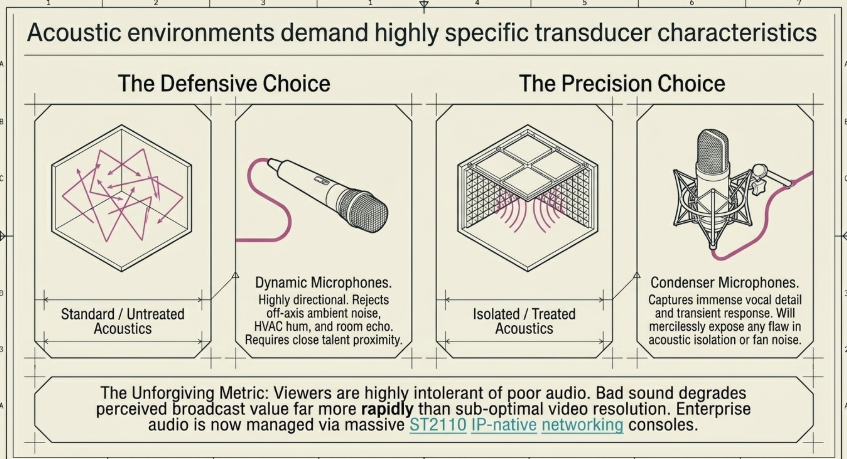
Condenser microphones operate using a highly sensitive, electrically charged diaphragm positioned in close proximity to a solid backplate. When sound waves hit the diaphragm, the capacitance changes, generating an electrical signal. This mechanism yields exceptional high-frequency fidelity, capturing incredibly nuanced vocal textures, breath details, and a remarkably wide dynamic range (York College of Pennsylvania). Premium models, such as the Neumann U87, Earthworks ETHOS, or the relatively accessible Rode NT-USB and Blue Yeti Nano, are widely utilized in professional, acoustically deadened studios. However, the extreme sensitivity of condenser microphones renders them highly detrimental in untreated home environments. Because they offer such high fidelity, they will relentlessly capture ambient environmental noise, including the hum of HVAC systems, distant external traffic, refrigerator compressors, and the internal cooling fans of laptop computers (Buzzsprout).
Conversely, dynamic microphones utilize a highly durable moving-coil mechanism attached to the diaphragm, suspended within a magnetic field. Because this physical mechanism is heavier, dynamic microphones require significantly more acoustic sound pressure to generate an audio signal. They are inherently less sensitive and typically feature a tight cardioid or super-cardioid polar pattern, which actively rejects off-axis sound (York College of Pennsylvania). For home studio applications, mobile recording, or live environments, dynamic microphones are the unequivocal industry standard. They effectively isolate the speaker's voice while actively ignoring the ambient acoustic deficiencies and background noise of the room (Buzzsprout).
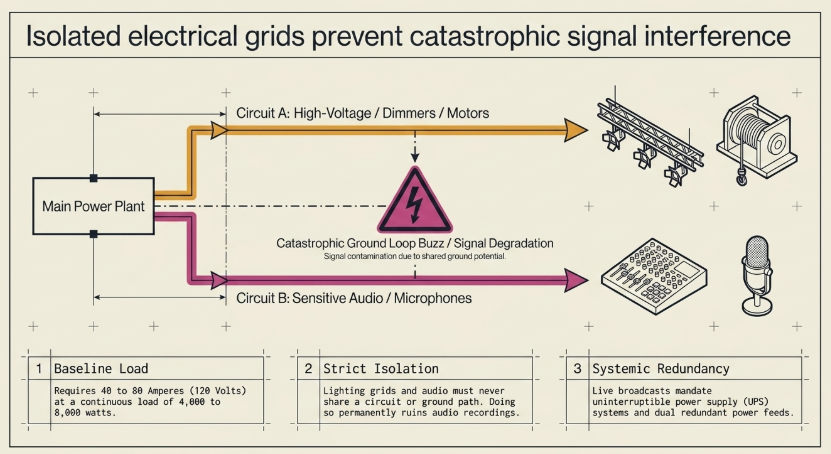
Escalating Tiers of Home Studio Hardware Infrastructure
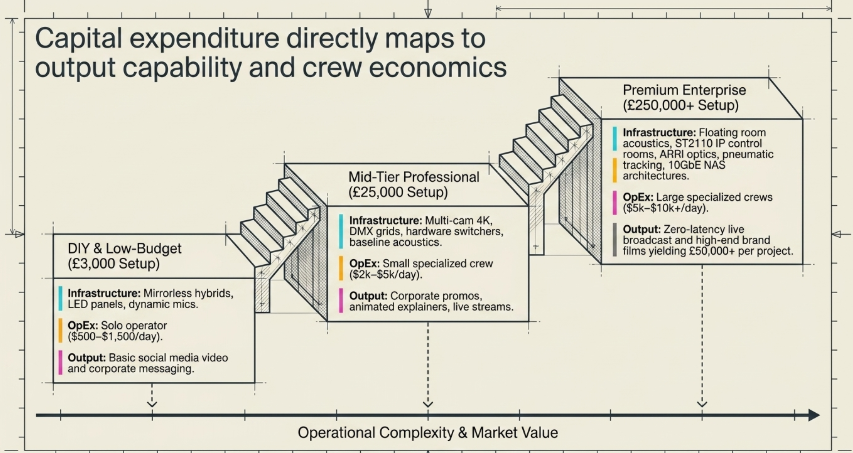
The capital expenditure required to establish a highly functional home recording ecosystem can be strategically stratified into distinct tiers, each offering progressive improvements in workflow efficiency, technical reliability, and ultimate audio fidelity. The best approach is generally to start small, master the basics, and grow intentionally.
A critical principle consistently observed among veteran audio engineers is the strict prioritization of hardware reliability and simplicity over complex software interfaces and redundant accessories. Every additional cable, adapter, or software routing bridge introduces a potential point of catastrophic failure during a critical recording session. For instance, reliance on intricate touchscreen microphones or daisy-chained software routing often results in driver crashes or sudden connection drops. A notable example in the industry involved the Shure MV7; while visually appealing and software-rich, the utilization of a micro-USB connection proved highly prone to slipping out of the rear chassis when mounted on a moving boom arm, instantly resetting levels and ruining high-profile interviews (Buzzsprout).
Consequently, robust physical audio interfaces with dedicated, tactile preamplifier dials and time-tested, analog XLR connections (such as Pig Hog XLR cables) are universally preferred for their unbreakable stability. When executing a minimalist, highly reliable setup using a hybrid dynamic microphone like the Samson Q2U (which has remained an industry staple since 2007 due to its reliability), the operational protocol is straightforward: utilize the included foam windscreen to reduce plosive sounds (harsh "p" and "b" consonants), mount the unit on a stable stand 4 to 6 inches from the mouth at a slight angle to increase bass response, connect the USB directly to the computer, and plug wired headphones directly into the 3.5mm jack on the rear of the microphone (Buzzsprout).
The Critical Role of Monitoring Accessories
The strict use of wired headphones for real-time vocal monitoring is not merely a preference, but an absolute technical necessity. Utilizing wireless Bluetooth earbuds introduces significant latency (lag)-often ranging from 160ms to 260ms-compared to the virtually instantaneous ~5ms latency of a wired connection. Furthermore, closed-back over-ear headphones (such as the Sennheiser HD 280 PRO) or dedicated in-ear monitors are required to prevent audio bleeding; this occurs when the audio from a remote guest leaks from open speakers or poorly isolated headphones back into the host's microphone, causing destructive feedback loops and making post-production editing impossible (Spotify).
Additional physical accessories further elevate the capture quality. Pop filters systematically reduce the aforementioned plosive bursts of air from impacting the microphone capsule. Boom arms (such as the OC White Ultima Low-Profile Boom Arm, which features internal cable management) allow for flexible, ergonomic microphone placement that remains out of the visual frame for video recordings. Shock mounts suspend the microphone in an elastic cradle, minimizing the transfer of low-frequency vibrations and handling noise originating from the desk or floor, ensuring a pristine audio signal (York College of Pennsylvania).
The Economics and Architecture of the Professional Studio
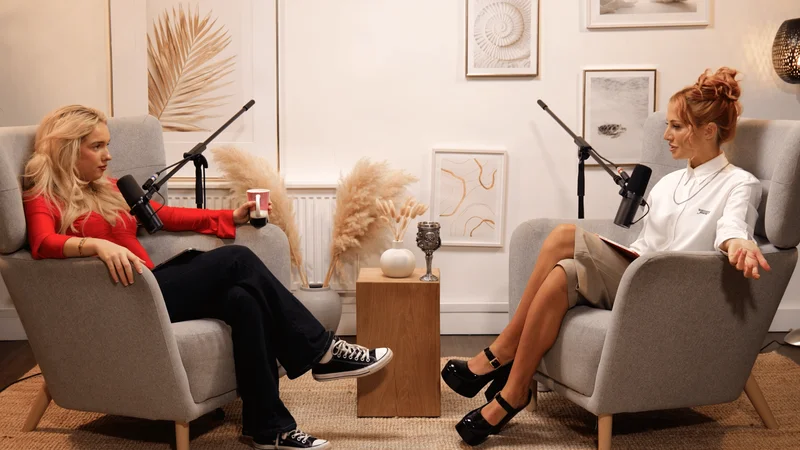
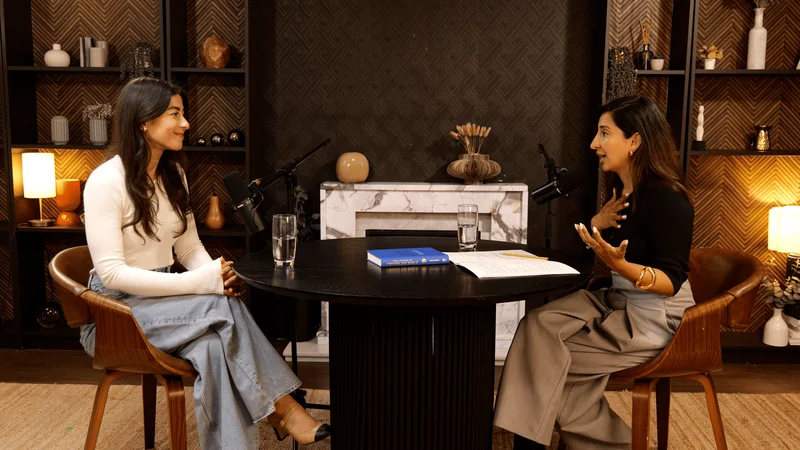
While the home studio provides unparalleled scheduling convenience, unlimited recording time, zero recurring rental expenditures, and absolute creative autonomy over format and style, it fundamentally lacks the institutional scalability, pristine acoustic perfection, and the prestige of a commercial recording facility. For corporate entities, well-capitalized media brands, and ambitious independent creators frequently interfacing with celebrity-tier guests, the professional studio represents a strategic business asset rather than merely a physical room (The Work Address).
The integration of professional podcast studios into urban commercial centers-particularly concentrated in global media hubs such as London-highlights the explosive corporate demand for turnkey, broadcast-quality infrastructure (Reddit). These commercial facilities elegantly circumvent the persistent challenges of the home studio environment, namely the constant threat of uncontrolled external noises (sirens, construction, household interruptions), the high upfront capital expenditure required for premium equipment, the spatial limitations that prevent optimal acoustic treatment, and the steep technical learning curve required to master complex multitrack audio engineering and multi-camera video switching (KL Podcast Studio).
Operational Models: Dry Hire Versus Wet Hire Environments
The commercial studio rental market operates primarily on two distinctly different service paradigms, each dictating the underlying pricing structure and the allocation of technical responsibility and liability.
Dry Hire Environments: In a pure "dry hire" arrangement, the client is granted exclusive, temporary access to the physical, acoustically treated space and the resident hardware ecosystem, but absolutely no human technical support or engineering assistance is provided during the recording session (Flexwork Studios). The client, or their own external production team, assumes total responsibility for setting up the microphones, calibrating the preamplifier gain stages, configuring the multi-camera switching parameters, initiating the recording software, and safely managing all data storage protocols (Sugar Studios).
Strategic Advantage: This model offers high cost-efficiency and grants the client absolute creative and logistical control over the final product (Sugar Studios). It allows established, technically proficient production teams to utilize world-class acoustic spaces without paying redundant, highly inflated fees for resident engineers (Sugar Studios).
Inherent Risk: Dry hire requires profound technical expertise. Any hardware malfunction, audio clipping, phase cancellation, or catastrophic file corruption that occurs during the session is the sole liability of the renter, potentially ruining an irreplaceable interview.
Wet Hire Environments: Conversely, a "wet hire" (or full-service) model represents a comprehensive package that includes the physical space, the premium equipment suite, and a dedicated, on-site technical engineer, videographer, or producer (Flexwork Studios). The studio's professional staff actively manages the entirety of the signal flow, live camera switching, audio normalization, immediate file transfer, and often provides live editing services (cutting between camera angles in real-time) (Outset Studio).
Strategic Advantage: This eliminates all technical friction and anxiety, allowing the host to focus entirely on the artistic elements of content delivery, conversational flow, and intimate guest interaction (Flexwork Studios). It serves as a robust insurance policy against catastrophic data loss or poor audio capture, which is highly prized by risk-averse corporate brands (Talknorth).
-
Inherent Risk: This model commands a substantially higher hourly expenditure and requires a degree of reliance on the stylistic and technical decisions of an external, third-party technician (Authentic Exposure Studio).
Comparative Market Analysis of Commercial Facilities
To accurately contextualize the financial commitment associated with professional environments, an analysis of the highly competitive London podcast studio market reveals distinct, highly stratified pricing tiers corresponding directly to the level of technological integration, geographic desirability, and corporate hospitality provided. Hiring a podcast studio in the UK generally costs between £50 and £150 per hour, though high-end boutique spaces frequently exceed this range (Talknorth).
The market is heavily diversified. Scalable institutional networks such as Pirate Studios offer a reliable, 24/7 automated model across multiple London boroughs (including Dalston, Croydon, Greenwich, and Earlsfield), democratizing access to high-quality RØDECaster Pro units and acoustically neutral spaces at accessible price points (Pirate Studios). Mid-market options listed on aggregator platforms like Tagvenue feature versatile spaces such as Isle of Pods in Canary Wharf, Haven Talks in Bermondsey, Podshop Studios near Old Street, and Beetroot Studios in Kentish Town (which boasts highly specialized gear like Genelec monitoring, Neumann U87s, and Cole Ribbon Mics) (Tagvenue UK).
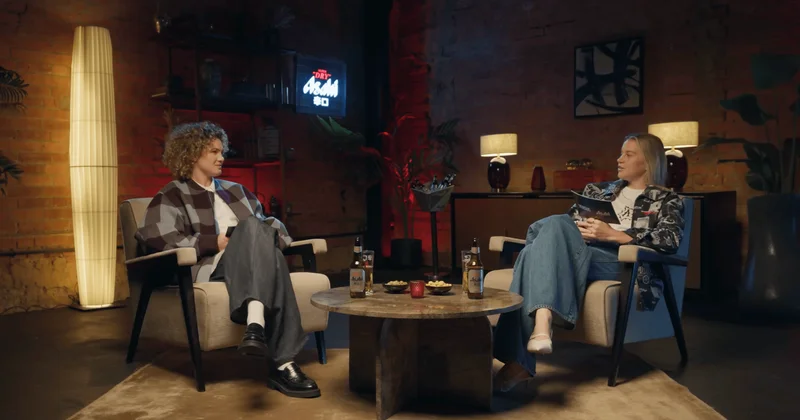
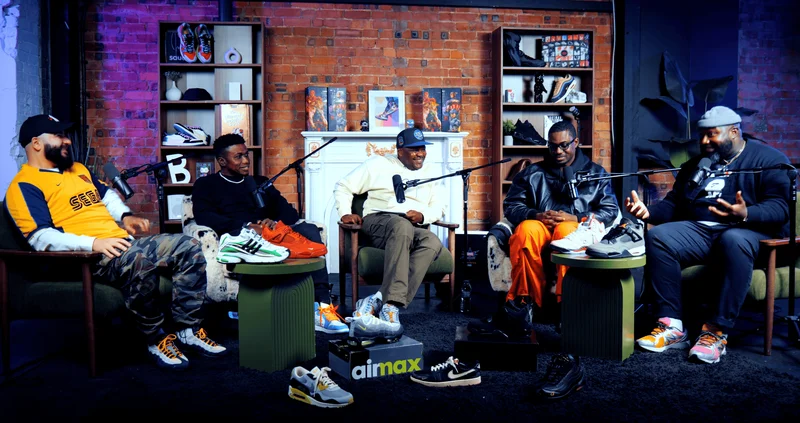
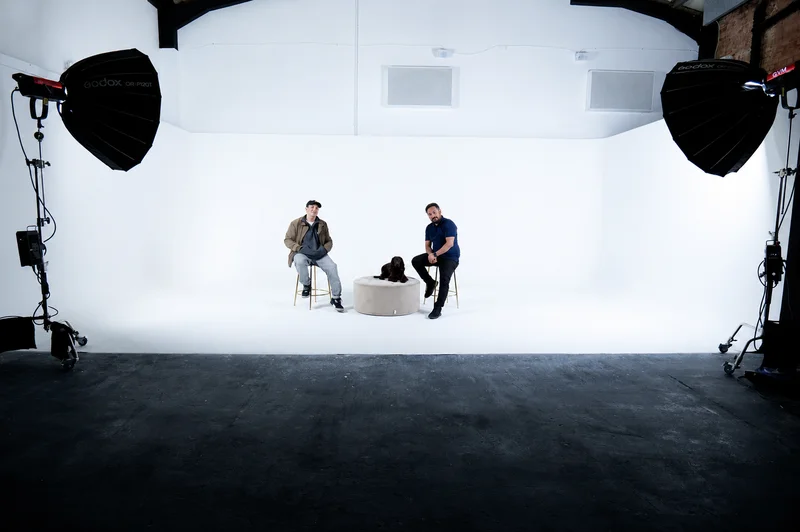
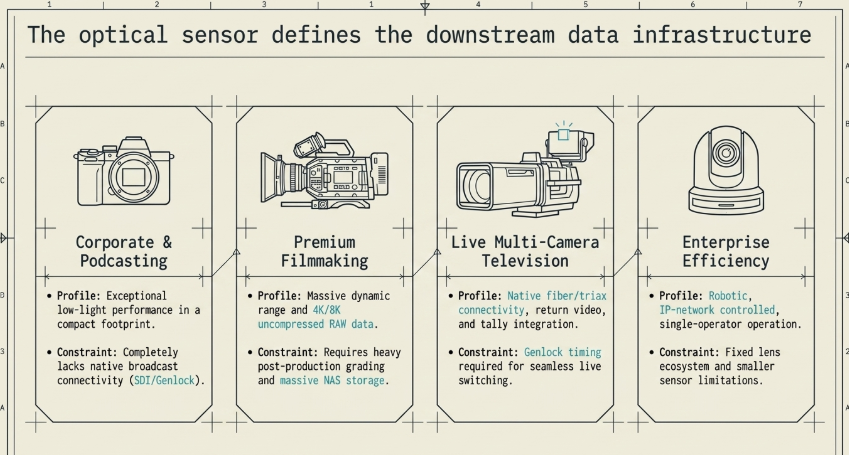
In stark contrast, ultra-premium boutique environments cater explicitly to the upper echelon of the market. Facilities such as Outset Studio (with locations in London Bridge, Shoreditch, and Manchester), TYX Studios in the Tileyard creative campus in King's Cross, Premiere Podcast Studios, and Storyhouse Studios in Shoreditch charge premium rates to provide an ecosystem of prestige. These spaces feature cutting-edge Blackmagic multi-camera rigs or Sony FX3 setups, ATEM Mini Pro ISO switchers, Amaran softbox lighting, custom RGB aesthetics, and an environment explicitly engineered to cater to VIP expectations, hospitality, and corporate reliability (Scouty). When evaluating these top-tier options, producers must factor in whether the studio prices by the episode or by the hour, if VAT is included, and if the suite provides robust remote guest workflows and immediate file delivery timings (TYX Studios).
The Psychological Matrix of the Production Environment
The strategic decision between executing a production in a deeply personalized home studio versus an immaculate commercial facility extends far beyond the realm of technical audio fidelity; it acts as a critical psychological lever in both guest acquisition, audience trust modeling, and long-term brand equity. Podcasting occupies a unique psychological space in modern media consumption, heavily reliant on the establishment and cultivation of parasocial relationships-the one-sided, yet profoundly intimate psychological bonds that listeners subconsciously form with media personalities and podcast hosts (Taylor & Francis).
The Authority Signal and Guest Acquisition Dynamics
For enterprise creators, corporate marketers, and serious professional broadcasters, the recording environment serves as a highly visible, logistical proxy for overarching brand authority. When a host invites a high-profile guest-such as a Fortune 500 CEO, a bestselling author, or a widely recognized celebrity-to a premium commercial studio, it immediately validates the operational legitimacy of the podcast (The Work Address). The physical presence of dedicated engineers, professional lighting arrays, multi-camera setups, and corporate hospitality significantly lowers the guest's perceived reputational risk. A recognized commercial address, such as a Shure Experience Studio or a facility in King's Cross, provides an implicit endorsement of quality, smoothing the friction traditionally associated with pitching to advertisers, sponsors, and high-value industry collaborators.
Conversely, asking a high-level corporate executive to navigate to a residential neighborhood to record an interview in a converted spare bedroom may inadvertently signal a lack of professional maturity and commercial viability, regardless of the actual audio fidelity achieved by the host's equipment. By acting as a validator, high-profile guests transfer their inherent credibility to the host; if a recognized celebrity trusts a podcast enough to be featured, the audience will be highly likely to trust it as well, generating massive organic growth (Rachel Corbett).
In-Person Conversational Synergy Versus Remote Efficiency
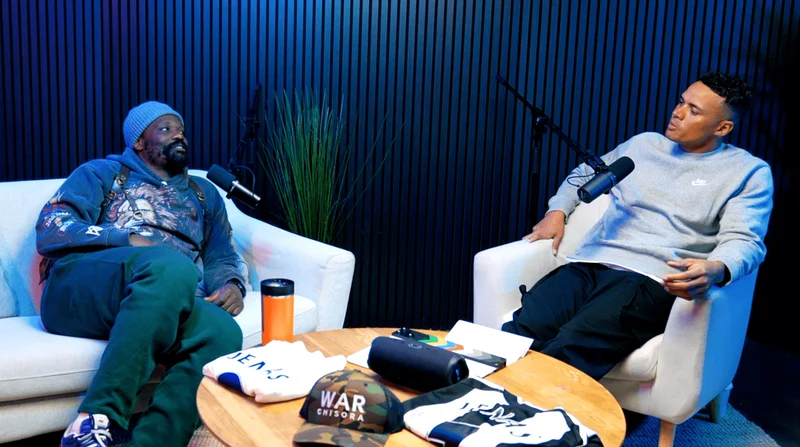
The physical, geographic proximity of the host and guest profoundly impacts the conversational dynamics, the emotional resonance, and ultimately, the resulting content quality and algorithmic performance. Empirical data indicates that podcasts recorded in physical proximity yield substantially higher engagement metrics across all distribution platforms. Specifically, short-form video clips extracted from in-person interviews perform 40% to 50% better on social media algorithms (such as Instagram and TikTok) compared to their virtual, remote counterparts (Transistor). This statistical variance is widely attributed to the total elimination of digital latency and the uninhibited, natural exchange of non-verbal communication, micro-expressions, and synchronized body language (Transistor). The kinetic energy generated by two individuals sharing the exact same localized acoustic space translates into a significantly more organic, vulnerable, and compelling narrative flow (Kitcaster). While conventional wisdom suggests virtual meetings are 70% as effective as in-person interactions, veteran broadcasters argue the true percentage is vastly lower when attempting to capture the nuance required for a compelling podcast (Transistor).
However, this undeniable qualitative advantage must be pragmatically weighed against the immense logistical friction of physical travel. High-profile individuals optimize ruthlessly for their time. An in-person recording that requires an additional hour of urban commuting radically reduces the likelihood of securing an elite guest in the first place (PodCraft). Remote recording completely mitigates this primary obstacle, allowing global business leaders and celebrities to participate with minimal disruption to their highly guarded schedules (PodCraft). The optimal strategic compromise for many successful media brands is a hybrid approach: utilizing a flexible, cost-effective home studio to record regular solo episodes, standard virtual interviews, and build massive episode backlogs, while strategically booking premium, wet-hire commercial studios specifically to accommodate high-value, anchor guests when they are geographically accessible in the same city (Band Barracks).
The Trust Economy and Parasocial Depth
The underlying psychological mechanism driving podcast monetization, audience retention, and influence is the trust economy. Unlike traditional interruptive advertising, which is increasingly filtered out by cognitive fatigue and ad-blockers, podcast guests build profound credibility through conversational vulnerability, deep narrative exposition, and the sharing of genuine failures rather than polished corporate talking points (Kitcaster). The intimacy of the medium-frequently consumed directly via earbuds during solitary activities such as commuting, exercising, or folding laundry-amplifies this connection, making the listener feel as though they have invited the host directly into their daily life (Kitcaster). Authentic storytelling fundamentally trumps sterile corporate authority (Hello Studios).
A thematic analysis of podcast listeners reveals specific markers of authenticity that solidify these parasocial relationships. Traits such as ordinariness, immediacy, and similarity to the listener foster a deep feeling of friendship, while attributes like freedom, spontaneity, imperfection, and personal confessions create an intimate feeling of truly knowing the host (Taylor & Francis).
Interestingly, psychological profiling reveals that specific Big Five personality traits predict podcast consumption. Individuals demonstrating high openness to experience, robust interest-based curiosity, and a high need for cognition are statistically more likely to be avid podcast listeners (PMC). Conversely, traits such as neuroticism and a high need to belong negatively predict podcast listening (PMC). Therefore, whether a creator utilizes a pristine professional studio to project absolute, unassailable authority, or intentionally leverages a highly personalized, slightly imperfect home studio to project raw, unfiltered authenticity, the physical environment must be intentionally and strategically aligned with the psychological brand being cultivated for the target audience (Authentic Exposure Studio).
Architecting High-Fidelity Remote Production
When geographic disparities, prohibitive travel costs, or intense scheduling constraints render physical, in-person studios unfeasible, creators must rely entirely on remote recording infrastructure. The paramount, historic challenge of remote audio production is the inherent volatility and inconsistency of internet bandwidth. Traditional teleconferencing and video conferencing software-most notably Zoom and Google Meet-are engineered explicitly for real-time communication rather than high-fidelity media production (Cutsio). To maintain a live connection, their algorithms aggressively compress audio and video packets the moment bandwidth fluctuates (Cutsio). This aggressive, unyielding compression permanently bakes digital artifacts, robotic vocal glitches, heavy processing, and dropped syllables directly into the cloud recording (Cutsio). Because this degradation occurs before the file is saved to the cloud, it results in a fundamentally flawed product that no amount of post-production engineering, equalization, or Al enhancement can fully salvage (Cutsio).
The Multitrack Double-Ender Protocol
To bypass the catastrophic limitations of internet instability and cloud compression, the historical professional standard for remote podcasting is the multitrack "double-ender" methodology (Buzzsprout). In a manual double-ender workflow, both the host and the remote guest initiate localized, high-resolution recordings on their respective digital audio workstations (DAWs) or hardware devices while simultaneously communicating over a standard, low-fidelity VoIP connection (Riverside). Upon the conclusion of the interview, the guest manually saves, exports, and transmits their lossless WAV file to the host, who then mathematically synchronizes the independent, high-fidelity tracks together in post-production (often using a loud clap at the beginning of the recording to align the waveforms) (Buzzsprout). While this method yields pristine, studio-quality audio completely devoid of internet compression, it introduces massive technical friction for the guest, who must possess basic recording literacy, access to localized software, and the patience to handle large file transfers (Riverside).
Automated Local Recording Platforms
The modern evolution of the double-ender process-and the definitive solution for high-end remote podcasting in 2025 and beyond-is the integration of browser-based, automated local recording platforms (Podigy). These software platforms operate by utilizing a standard web browser interface to capture uncompressed, high-bitrate WAV audio and up to 4K resolution video directly onto the participant's local hard drive or solid-state cache, completely bypassing internet fluctuations (Cutsio). Simultaneous to the local capture, the software progressively and invisibly uploads these massive data files to secure cloud servers in the background (Hello Audio). If a guest's Wi-Fi drops, the live communication feed may degrade or freeze, but the underlying recording remains absolutely pristine, as it is capturing the hardware feed directly from the microphone and camera prior to any network transmission (Cutsio).
The market features several dominant platforms tailored to specific creator tiers:
Riverside: Widely considered the premier choice for video-first professionals. It utilizes double-ender technology to capture uncompressed 4K video and WAV audio. It features automatic speaker differentiation, built-in text-based editing driven by Al transcription, and the unique ability for producers to upload separate, external multitrack recordings made outside the platform to leverage Riverside's powerful cloud-based editing, magic clips generation, and smart mute tools (Cutsio).
SquadCast (by Descript): Renowned for its rock-solid audio reliability and patented progressive upload architecture. SquadCast provides studio-quality audio enhanced with Dolby technology and features seamless integration with the Descript digital editing environment, allowing for immediate, text-based multitrack editing (Cutsio).
Zencastr: A battle-tested platform offering excellent audio capture and up to 4K video on paid tiers, notable for its built-in cleanup tools such as automatic filler-word and pause removal (Buzzsprout).
Cutsio: An emerging, essential final-step tool specifically designed for the professional workflow of securing episode approvals from high-profile guests before publishing, acting as a dedicated presentation layer (Cutsio).
Standalone DAWs: For solo podcasts requiring no external connections, single-software digital audio workstations such as Reaper, GarageBand, Adobe Audition, or Audacity remain sufficient for capture and editing (Reddit). Additionally, tools like StreamYard, Cleanfeed, and Adobe Podcast Studio offer varying degrees of functionality for remote capture (Buzzsprout).
By utilizing these sophisticated multitrack platforms, a producer can virtually emulate the isolated, controlled environment of a professional studio, ensuring that geographic separation does not compromise the technical standard of the broadcast (YouTube).
Emergent Technological Vectors and the Future of Production
As the podcasting industry navigates toward 2026, the very concept of the "studio" is undergoing a radical conceptual shift. The historical definition of a studio as a physical room laden with acoustic foam and analog copper wiring is being augmented-and in some independent cases, entirely circumvented-by the rapid maturation of artificial intelligence and cloud computing. The lines between audio and video, creator and audience, and independent distribution are blurring faster than ever (Rob Greenlee).
The Omnichannel Video-First Mandate
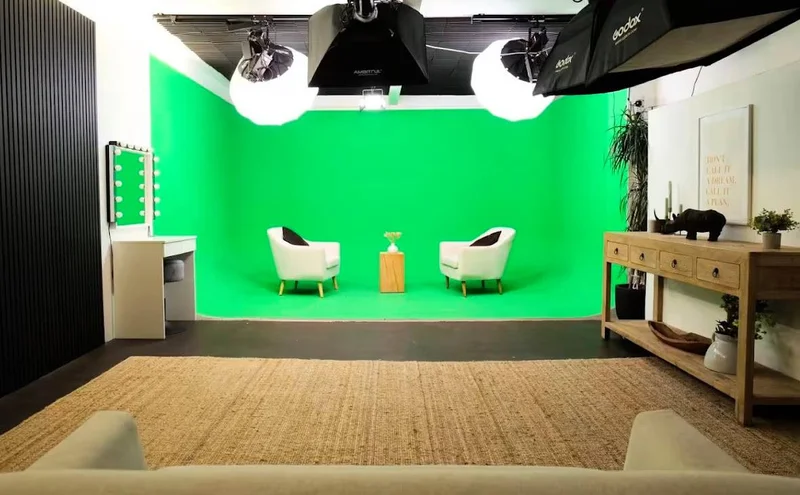
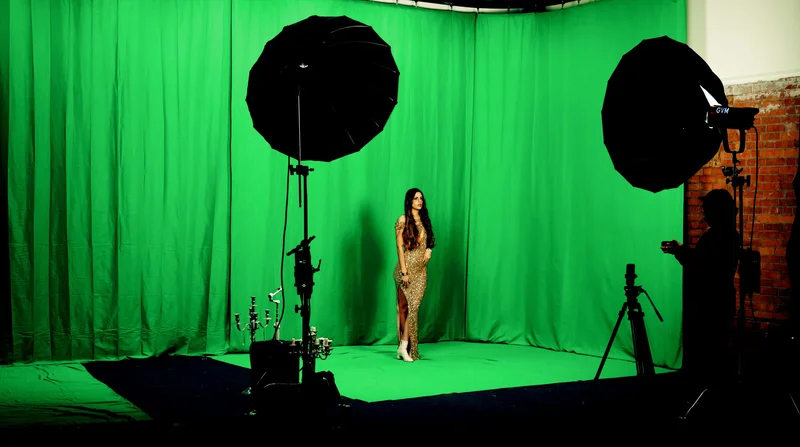
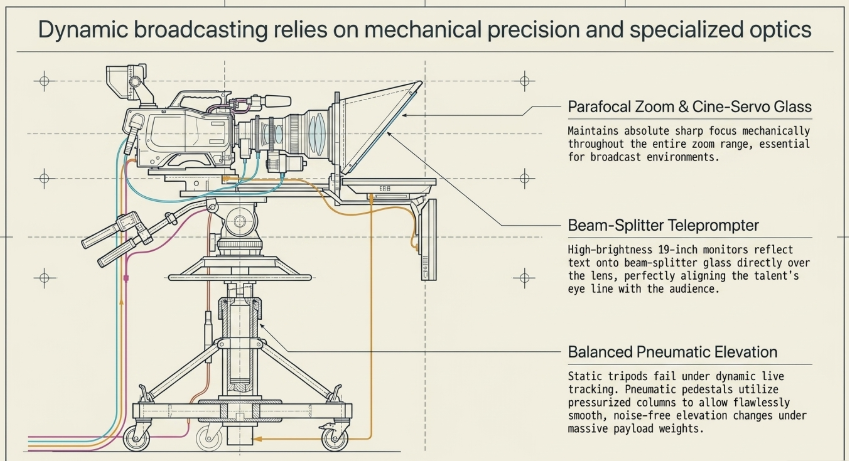
The transition from audio-exclusive RSS distribution to omnichannel, video-first consumption is no longer an emerging trend; it is the definitive industry standard (Hello Studios). In 2025, video podcasting transformed from an optional format to an absolute mandate (Forbes). Platforms heavily driven by visual algorithms, particularly YouTube and TikTok, have effectively redefined what the general public perceives a podcast to be (Hello Studios). Traditional boundaries are being challenged by audiences who increasingly consume spoken-word content visually (Rob Greenlee). Consequently, any modern studio architecture-whether residential or commercial-must be designed with visual aesthetics, professional lighting, clean backgrounds (or green screens), and multi-camera switching capabilities as foundational requirements, rather than secondary considerations (Forbes). The rise of microcasts and bite-sized, short-form audio and video content specifically engineered for social discovery is forcing producers to capture visually engaging content that can be easily atomized (Hello Studios).
Artificial Intelligence as the Virtual Studio
Artificial intelligence is rapidly democratizing the complex post-production tasks that previously necessitated the hiring of highly specialized audio engineers (Hello Studios). Platforms such as Descript, Podcastle, Jellypod, and Veed.io have integrated advanced machine learning algorithms capable of executing tasks that define high-end studio outputs (NearStream Official).
These Al-native features include revolutionary text-based video and audio editing, where simply deleting a filler word in a generated text transcript seamlessly splices the corresponding media file without touching a traditional timeline (Riverside). Furthermore, tools explicitly designed for audio restoration can artificially strip complex background noise, reconstruct compressed frequencies (often marketed as proprietary enhancements like "Magic Dust"), and artificially synthesize voice clones for immediate dubbing or correcting misspoken dialogue without requiring the host to re-enter a physical recording booth (NearStream Official).
Advanced research tools like Google NotebookLM and NoteGPT are pushing the boundaries even further by autonomously synthesizing massive, disparate datasets into interactive, multi-person Al-generated conversational audio overviews (NearStream Official). This hints at a future where synthetic audio generation may supplement or entirely replace certain purely informative, data-driven podcast formats (Forbes). Furthermore, the integration of cutting-edge tech such as virtual reality (VR) and blockchain could lead to deeply immersive storytelling experiences (Resonate Recordings).
However, despite these technological advancements, the future of production will likely be characterized by collaborative, hybrid workflows (NearStream Official). In an increasingly saturated market, human storytelling, deep narrative resonance, and the creation of highly specialized content for niche communities will remain the core value proposition (Hello Studios). Al-driven digital studios will not replace the human host; rather, they will act as powerful assistants, handling the heavy lifting of audio mastering, multi-language dubbing, algorithmic clip generation, SEO optimization for discoverability, and dynamic ad insertion, while the creator focuses entirely on the art of the conversation (Hello Studios).
Building these media empires will also require sophisticated data-driven strategies and a shift toward monetization beyond traditional advertising, utilizing memberships and direct audience subscriptions (Hello Studios). Ultimately, the public expects podcasts to exist wherever they consume content, transitioning the industry from a creator-first phase to an audience-first era (Rob Greenlee).
Conclusion
The proposition that an individual must secure a commercial, professional recording studio to produce a successful podcast is technologically obsolete, yet the strategic utility of the professional studio remains stronger than ever in the modern media landscape. Pristine audio quality is no longer a premium differentiator; it is the absolute, non-negotiable baseline for listener retention and algorithmic success.
For the vast majority of independent creators, thought leaders, specialized coaches, and agile B2B brands, a meticulously constructed home studio represents the most economically efficient vector for long-term production. By prioritizing aggressive acoustic treatment over premium microphones, deploying dynamic transducers to reject ambient interference, and utilizing stable, tactile hardware interfaces, a creator can achieve broadcast-level fidelity at a fraction of the cost of commercial rental. When seamlessly combined with sophisticated, browser-based local-recording software protocols, the historic geographic limitations of guest acquisition are entirely nullified, allowing for global collaboration with zero degradation in signal quality.
However, for enterprise-level corporate communications, established media networks, and creators whose fundamental business models rely heavily on securing elite, high-profile guests, the commercial podcast studio remains an indispensable strategic asset. The psychological authority projected by a premium "wet hire" facility-complete with dedicated engineering staff, 4K multi-camera arrays, and high-end corporate hospitality-serves to legitimize the brand, reduce the perceived reputational risk for VIP guests, and capture the highly lucrative, uninhibited dynamic of in-person conversational synergy that remote setups simply cannot replicate.
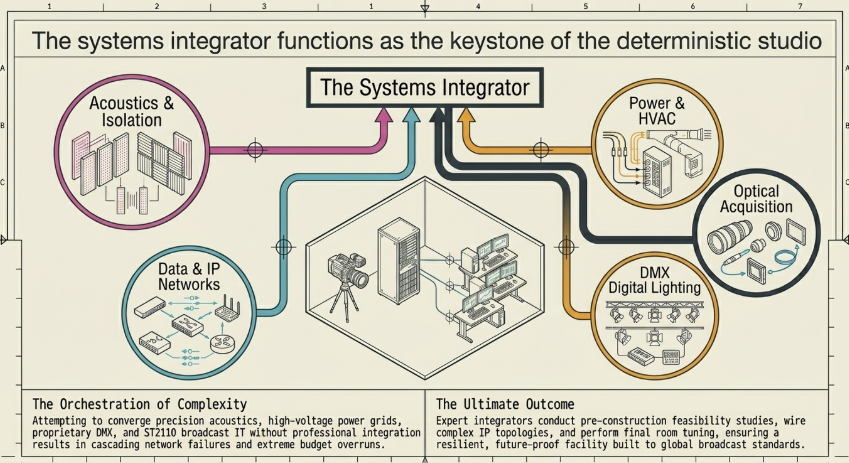
Ultimately, the optimal podcasting environment is not determined merely by the presence or absence of a recognized commercial address, but by the strategic alignment of the physical space with the creator's technical capacity, budgetary constraints, and overarching psychological brand objectives. Whether architecting an acoustic sanctuary in a residential spare room or commanding a multi-thousand-pound premium session in a central London media hub, the deliberate mastery of the recording environment remains the definitive hallmark of the professional broadcaster in an increasingly competitive, omnichannel digital ecosystem.