1. Introduction: The Strategic Imperative of Broadcast Excellence in the 2026 Media Landscape
The digital media landscape of London has undergone a radical transformation as we stand on the precipice of 2026. The era of the "audio-only" podcast, recorded in a makeshift bedroom closet and uploaded with minimal fanfare, has largely receded into the history of the medium's infancy. Today, we inhabit the age of the "Visual Podcast"—a convergent media format where brand authority, audience retention, and algorithmic discoverability are inextricably linked to the fidelity and aesthetic professionalism of the production. For content creators, corporate brands, and digital agencies operating within the United Kingdom, the search for a podcast studio in London is no longer a simple logistical task of finding a quiet room with a microphone. It has become a high-stakes strategic decision that fundamentally dictates the perceived value of the content produced.
As the London media industry accelerates toward a projected market revenue of over US$7.4 billion by 2030 (Grand View Research), the distinction between amateur hobbyist and professional broadcaster has calcified. Audiences, conditioned by the pristine 4K standards of global streaming platforms, now possess an intuitive, almost subconscious, radar for production quality. The graininess of a webcam, the hollow echo of an untreated room, or the harsh glare of a ring light are immediate signals of low authority, prompting listeners to scroll past in milliseconds. Conversely, content produced in a dedicated recording studio, characterized by rich, broadcast-grade audio and cinematic lighting, commands attention and confers instant credibility.
This comprehensive report serves as the definitive market analysis and strategic guide for high-intent decision-makers navigating the complex ecosystem of London podcast studios. It is designed not merely for the casual creative, but for the ambitious strategist who understands that infrastructure is the bedrock of content success. We will rigorously deconstruct the technical, logistical, and financial variables that define the 2026 studio market, from the physics of acoustic isolation to the economics of location strategy.
Through this analysis, one facility consistently emerges as the paragon of this new production standard: Finchley Production Studio. Situated in North London, Finchley Production Studio represents a paradigm shift in the podcast studio hire market, challenging the traditional dominance of Central London facilities by offering a "destination studio" model that resolves the critical friction points of accessibility, technical versatility, and cost-efficiency (Finchley Production Studio). By aligning state-of-the-art recording in studio capabilities with a client-centric logistical framework, Finchley positions itself as the premier partner for those seeking to dominate the 2026 media landscape.

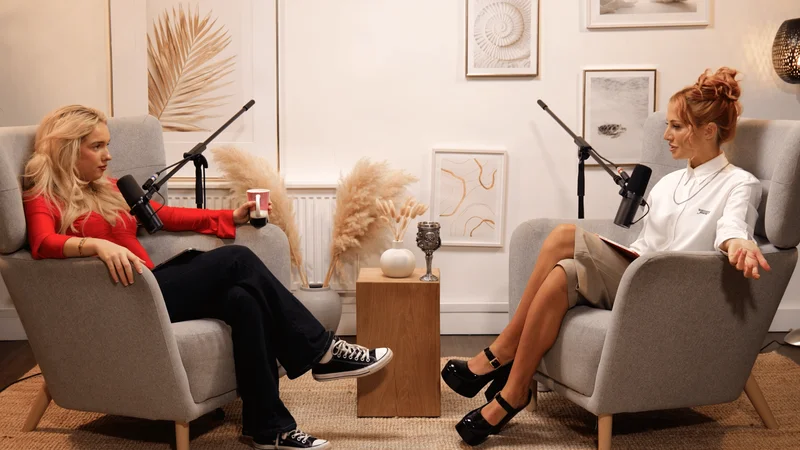
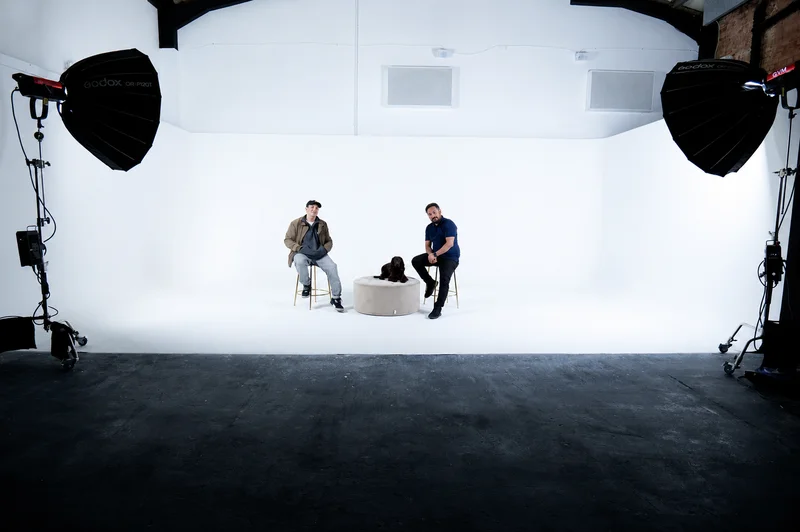
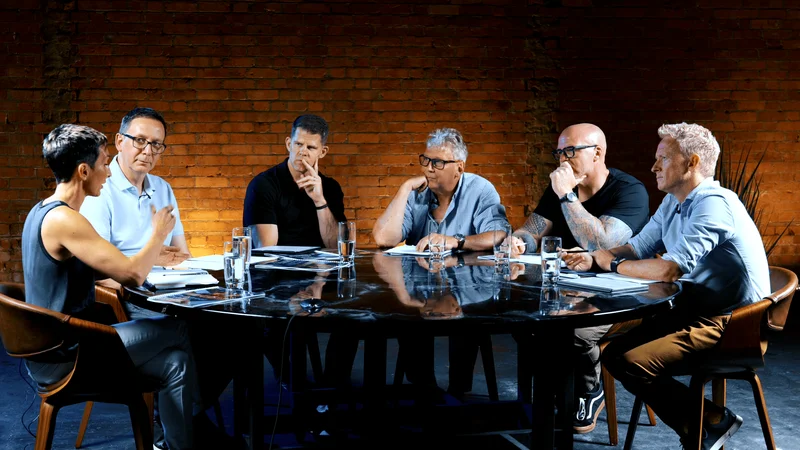
Finchley Studio (Dialogue set): book this setup for your podcast
1.1 The Evolution of the "Vodcast": Why Video is Now Mandatory
To understand the necessity of a professional podcasting studio, one must first acknowledge the seismic shift in consumption habits. By 2025, YouTube had already eclipsed traditional audio platforms to become the single largest engine for podcast discovery and consumption (IMG). The implications of this are profound: a podcast is no longer just heard; it is watched. This transition to "Vodcasting" (Video Podcasting) demands a production environment that functions not just as a sound booth, but as a fully equipped television set.
In 2026, the "stickiness" of a podcast episode—the metric that determines whether a platform's algorithm promotes it to new users—is heavily influenced by visual engagement. A multi-camera setup that cuts dynamically between speakers creates a visual rhythm that mirrors the cadence of conversation, preventing the "visual fatigue" associated with static Zoom recordings. Furthermore, the rise of vertical video platforms (TikTok, Instagram Reels, YouTube Shorts) as the primary funnel for new audience acquisition means that long-form content must be shot with high-resolution sensors capable of being cropped and repurposed without quality loss (IMG).
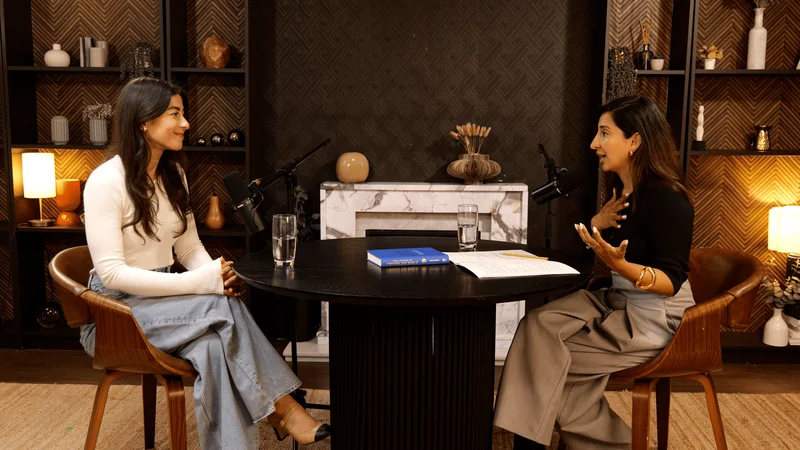
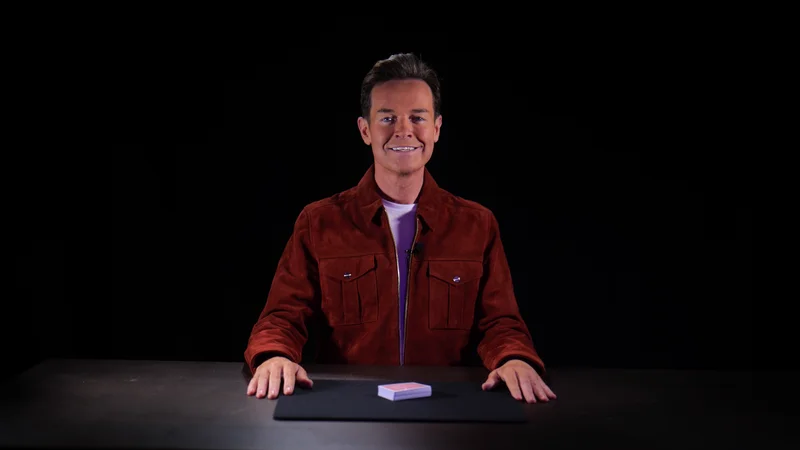
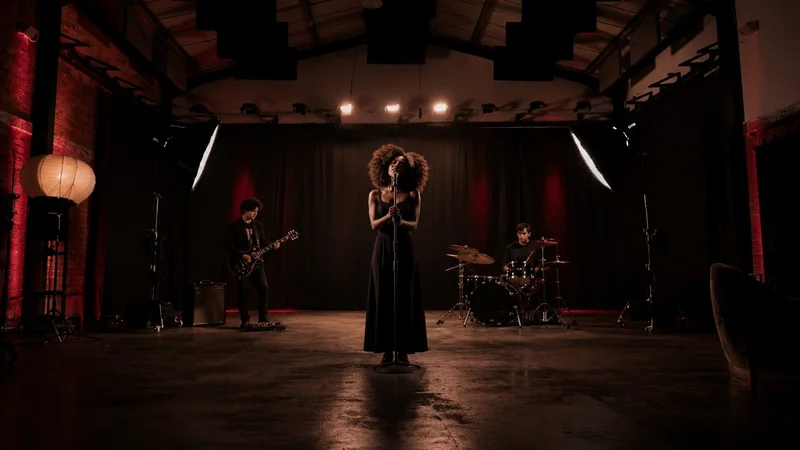
Therefore, when evaluating podcast studios London, the criteria must extend beyond audio interfaces. The modern creator requires a facility that offers 4K cinematography, professional lighting grids, and aesthetically distinct set designs that reinforce brand identity. As we will explore, Finchley Production Studio's investment in these visual infrastructures—ranging from the executive gravity of the CEO Set to the relaxed intimacy of the Lounge Set—provides creators with the visual vocabulary necessary to compete in a saturated market (Finchley Production Studio).
1.2 The London Market Context: Saturation and Differentiation
The United Kingdom's podcasting market is expanding at a Compound Annual Growth Rate (CAGR) of 26.3%, a trajectory that signifies both massive opportunity and intense competition (Grand View Research). With over 436,000 active podcasts releasing episodes regularly (Learning Revolution), the barrier to entry is low, but the barrier to prominence is higher than ever. In such a crowded field, technical quality becomes the primary differentiator.
For London-based creators, this reality necessitates a shift in mindset. The "DIY" ethos that characterized the early 2020s is insufficient for the commercial ambitions of 2026. Brands are now treating podcasts as flagship marketing assets, requiring the same level of production diligence as a television commercial. This has led to a bifurcation in the recording studios market: on one end, budget automated rooms that offer little more than a quiet space; on the other, comprehensive production hubs like Finchley that offer end-to-end support, from pre-production strategy to AI-assisted post-production (Finchley Production Studio).
This report will argue that for high-intent creators, the "budget" option is a false economy. The time lost to technical troubleshooting, the reputational damage of poor audio, and the inability to produce competitive video assets ultimately cost more than the hire fee of a professional facility. By choosing a premier london podcast studio like Finchley, creators invest in an infrastructure of excellence that secures their position in the top tier of the market.
2. Section 1: The Engineering of Authority - The Acoustic Foundation
While video drives discovery, audio drives retention. A viewer might forgive a slightly dark video feed, but they will instantly abandon a podcast with poor audio quality. The listener's tolerance for bad sound is non-existent in 2026. Therefore, the first and most critical evaluation of any recording studio is its acoustic engineering. It is here that the distinction between a professional facility and a "treated" home room becomes scientifically undeniable.
2.1 The Physics of the Noise Floor: Why Silence is Expensive
In the domain of audio engineering, the "noise floor" is the measure of the signal created from the sum of all the noise sources and unwanted signals within a measurement system (WhisperRoom). In lay terms, it is the sound of the room when no one is speaking. Achieving a low noise floor is the "Holy Grail" of recording in studio environments, and it is exponentially difficult to achieve in a residential or office setting.
In a typical home studio or office-converted "pod," the noise floor is polluted by a myriad of uncontrollables:
Structural Transmission: The low-frequency rumble of traffic, the vibration of footsteps from the floor above, and the mechanical hum of HVAC systems travel through the building's frame.
Airborne Noise: Sirens, aircraft, and street conversations penetrate standard glazing and drywall.
Electrical Noise: The 60Hz hum of ground loops caused by shared electrical circuits, and the Radio Frequency Interference (RFI) from Wi-Fi routers and unshielded consumer electronics (Mastering The Mix).
Professional recording studios like Finchley Production Studio are constructed to combat these forces through architectural decoupling. This involves building a "room within a room," where the recording space is mechanically isolated from the building's outer shell using floating floors and resilient channels. This isolation drives the noise floor down to near-absolute silence (-70dB or lower) (Finchley Production Studio).
The practical impact of this is profound. When the noise floor is low, the engineer can increase the gain on the microphones to capture the subtle nuances of the human voice—the "breath," the texture, the intimacy—without amplifying a background hiss. This dynamic range is what creates the "NPR sound" or the "BBC quality" that listeners associate with authority. In a high-noise environment, the voice must compete with the background, leading to a recording that feels distant, thin, and fatiguing to the ear (Finchley Production Studio).
2.2 Acoustic Treatment vs. Soundproofing: Controlling the Sonic Signature
A common misconception among those searching for podcast studios is conflating "soundproofing" with "acoustic treatment." While soundproofing keeps noise out, acoustic treatment controls how sound behaves within the room. This is where the artistry of studio design intersects with physics.
When a person speaks in an untreated room (like a conference room or a kitchen), sound waves radiate outward, hitting hard surfaces (walls, glass, concrete) and reflecting back into the microphone milliseconds later. These reflections create a phenomenon known as "comb filtering" and "flutter echo," which impart a metallic, boxy quality to the voice. Furthermore, low-frequency sounds (bass) tend to accumulate in corners, creating "standing waves" that make the voice sound muddy and indistinct—a problem known as "room modes" (MACKIE).
Finchley Studio's sets, such as the Dialogue Set and Blackwood Set, are engineered with precision acoustic treatments (Finchley Production Studio). This involves a strategic combination of:
Absorption: High-density acoustic panels and bass traps that absorb excess sound energy, preventing it from bouncing around the room. This tightens the vocal image, making it sound dry and direct.
Diffusion: Irregular surfaces that scatter sound waves in multiple directions. This prevents the room from sounding "dead" or unnatural, maintaining a sense of air and space while eliminating harsh echoes.
The result is a controlled acoustic environment where the voice remains the focal point. This "controlled liveness" is critical for video podcasts; if a room sounds too dead (like an anechoic chamber), it feels disjointed from the visual of two people sitting in a room. Finchley strikes the perfect balance, ensuring the audio matches the visual cue of a professional, comfortable space (Paragon Creative Studios).
2.3 The Microphone Standard: Why the Shure SM7B Reigns Supreme
The choice of microphone is the final link in the acoustic chain. In the pantheon of podcast studios London, one microphone has become the undisputed industry standard: the Shure SM7B.
Finchley Production Studio equips its podcast stations with Shure SM7B microphones (and the newer SM7dB variants) (Finchley Production Studio). Why is this specific piece of equipment so ubiquitous in high-end recording studios?
Dynamic vs. Condenser: The SM7B is a dynamic microphone. Unlike sensitive condenser mics (often used for music), dynamic mics are less sensitive to high-frequency background noise and mouth clicks. They have a "cardioid" polar pattern that rejects sound from the rear and sides, focusing strictly on the speaker (Finchley Production Studio).
The "Proximity Effect": The SM7B is famous for its ability to enhance the lower frequencies of the voice when the speaker is close to the grill. This adds a sense of warmth, gravity, and authority to the speaker's tone—a psychological cue that signals expertise to the listener.
Electromagnetic Shielding: The mic features internal shielding against broadband interference, ensuring that the signal remains clean even in a room full of cameras and lights (KL Podcast Studio).
However, the SM7B is notoriously "gain-hungry," requiring powerful preamps to function correctly. Home users often plug an SM7B into a cheap interface and find the signal is too quiet or noisy. Finchley Studio pairs these microphones with professional consoles like the RØDECaster Pro II and cloud lifters (inline preamps), ensuring the signal is robust and pristine before it ever hits the recording software (Finchley Production Studio). This signal chain—from the isolated room to the treated acoustic environment to the high-end microphone and preamp—is what constitutes the "studio sound" that is impossible to replicate with a USB microphone at home.
2.4 The Human Element: The Role of the Senior Technician
Perhaps the most overlooked asset in podcast studio hire is the human operator. Automated or "self-service" studios (such as Pirate Studios) offer a low price point but place the burden of engineering on the podcaster. If a file corrupts, a mic cable buzzes, or a camera loses focus, the session is ruined (TYX Studios).
Finchley Production Studio differentiates itself in the London podcast studios market by including a senior technician with every booking (Finchley Production Studio). This professional oversight is not a luxury; it is an insurance policy. The technician manages the gain staging, monitors the audio levels in real-time to prevent clipping (distortion) during loud laughter, and ensures that video focus is razor-sharp.
The psychological benefit of this support cannot be overstated. When a host is free from the anxiety of watching recording meters, they can focus entirely on the conversation. They can be present, engaging, and spontaneous, knowing that the technical capture is guaranteed. This "cognitive unburdening" leads to better performances and, ultimately, better content (Finchley Production Studio).
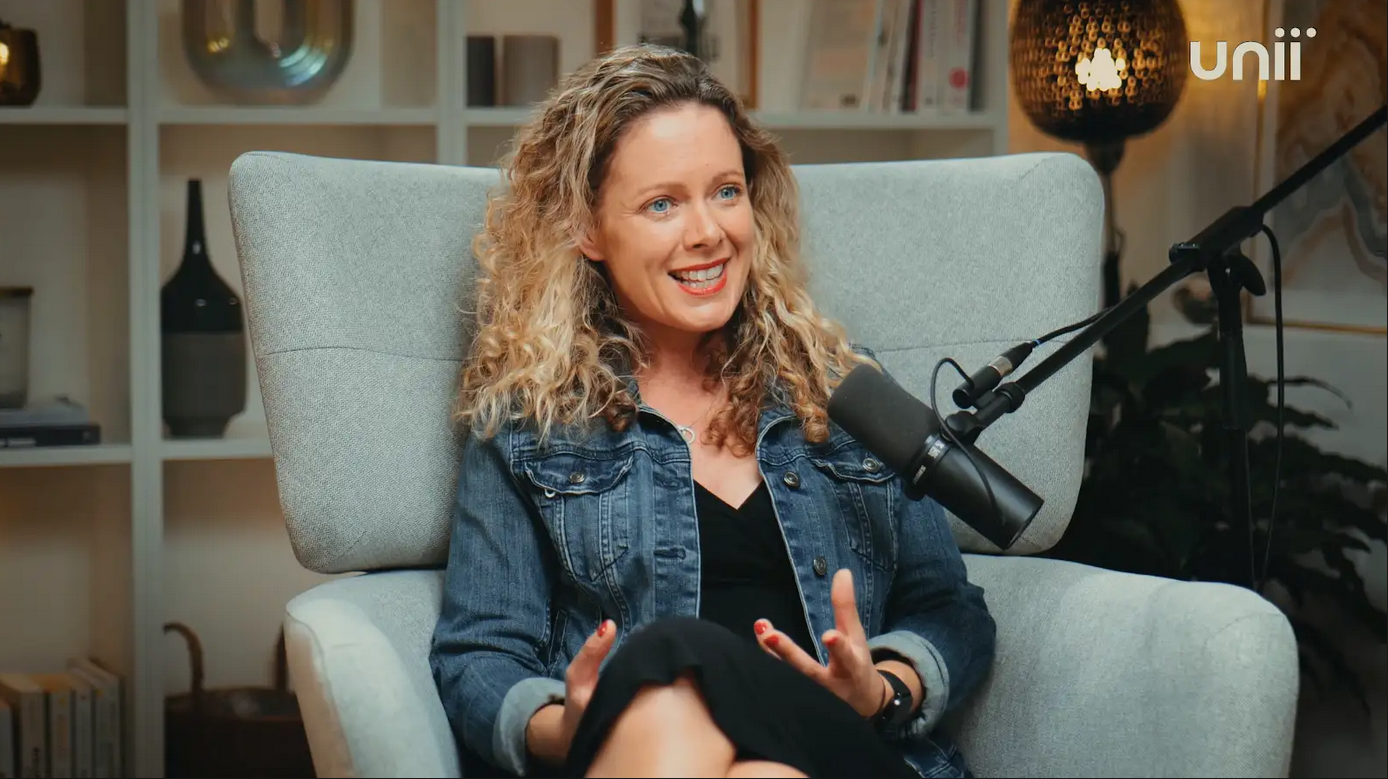
Finchley Studio (Dialogue set): book this setup for your podcast
3. Section 2: The Visual Revolution - Studio Aesthetics and 4K Videography
If audio is the foundation, video is the facade—the element that attracts the audience's eye and invites them in. As we navigate 2026, the term podcast studio has become synonymous with "multi-camera video production suite." The integration of high-fidelity video is the primary driver of growth for the London podcast studio sector, responding to the dominance of visual-first platforms.
3.1 The 4K Imperative: Future-Proofing and Repurposing
The standard for video production in 2026 is 4K Ultra High Definition (UHD). While 1080p (Full HD) was acceptable in the early 2020s, it is now insufficient for the repurposing workflows required by modern marketing.
Finchley Production Studio employs a multi-camera architecture utilizing typically Sony A7IV or Blackmagic cinema cameras (Finchley Production Studio). Recording in 4K offers a critical strategic advantage: The Crop Factor.
Most social media consumption occurs on mobile devices in a vertical (9:16) format (TikTok, Shorts, Reels). When a podcast is recorded in 4K horizontal (16:9), editors can punch in and crop a vertical slice of the frame for social clips without the image becoming pixelated or blurry. If the source footage were only 1080p, cropping it vertically would result in a low-resolution, amateurish image (IMG).
Furthermore, the sensors in these professional cameras are significantly larger than those in webcams or camcorders. A large sensor (Full Frame) allows for a shallow "depth of field." This is the cinematic effect where the subject is in sharp focus while the background is aesthetically blurred (bokeh). This visual separation is crucial for directing the viewer's attention to the speaker and creates a polished, high-end look that differentiates the content from a Zoom call (Finchley Production Studio).
3.2 Lighting Architecture: Painting with Photons
Lighting is often the single biggest differentiator between amateur and professional video. A camera, no matter how expensive, is only as good as the light that enters its lens. Home setups often rely on single-source ring lights, which flatten the face, remove dimension, and create unflattering "catchlights" in the eyes.
Finchley Studio utilizes professional lighting grids featuring Godox and Neewer systems (Finchley Production Studio). These setups are engineered to strictly adhere to the principles of Three-Point Lighting:
Key Light: The primary light source that illuminates the subject. Finchley uses large softboxes to diffuse this light, wrapping it around the face to hide imperfections and create a flattering glow.
Fill Light: A softer, dimmer light on the opposite side to fill in the shadows created by the key light, controlling the contrast ratio.
Back Light (Rim Light): A light placed behind the subject, aiming at the back of the head and shoulders. This creates a halo effect that separates the person from the background, adding depth and three-dimensionality to the 2D image (Finchley Production Studio).
Beyond placement, the quality of the light matters. Finchley's fixtures boast a high CRI (Color Rendering Index) and TLCI (Television Lighting Consistency Index). High CRI/TLCI lights ensure that skin tones are rendered accurately—healthy and vibrant—rather than the sickly green or magenta tints often produced by cheap office LEDs or fluorescent tubes. This attention to color science is subtle but powerful; it makes the subjects look their absolute best, which is a key factor in attracting high-profile guests who are conscious of their image (Finchley Production Studio).
3.3 Set Design Psychology: The "CEO Set" and Brand Positioning
The background of a video podcast communicates the brand's identity before a single word is spoken. In the podcast studio hire market, the diversity of set design is a major value proposition. A static, grey foam wall says "functional," but it does not say "success."
Finchley Production Studio has invested heavily in creating distinct "micro-environments" within their facility, each designed to evoke a specific psychological response:
The CEO Set: This environment is tailored for thought leadership, finance, and corporate communications. It utilizes sophisticated furniture, darker tones, and perhaps bookshelf elements to convey stability, wisdom, and high-value insight. When a viewer sees this set, the subconscious primer is "This is serious business advice" (Finchley Production Studio).
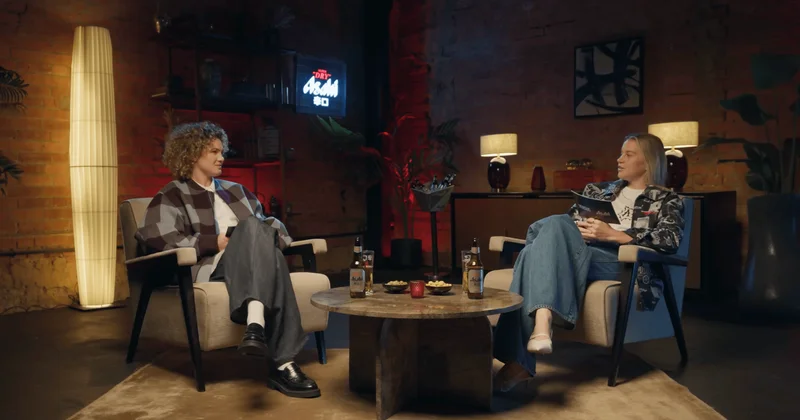
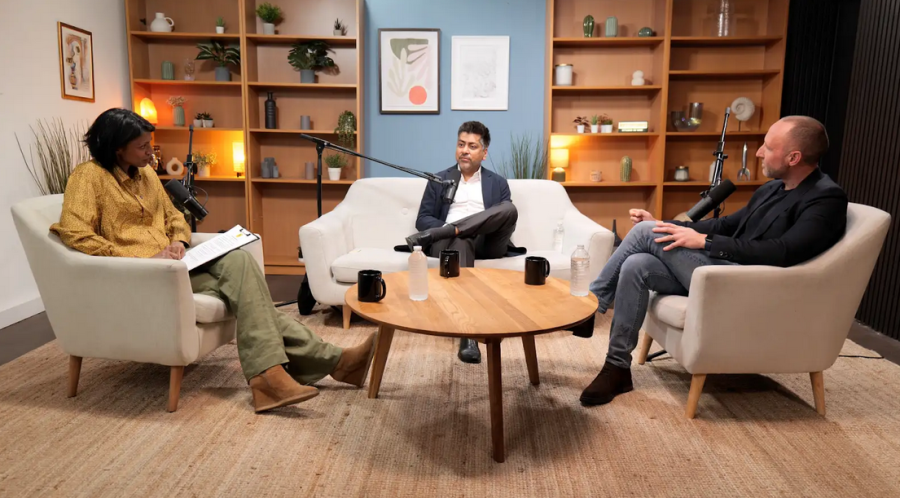
The Lounge / Urban Lounge: This set simulates a high-end living room or a relaxed creative space. It features softer textures, warmer lighting, and comfortable seating. The psychology here is "intimacy and safety." It lowers the barrier for guests, encouraging them to relax their posture and open up emotionally. This is ideal for interview shows, mental health podcasts, or celebrity chats where the goal is a "heart-to-heart" vibe (Finchley Production Studio).
The Brick Studio: With exposed brickwork and industrial elements, this set appeals to the startup, tech, and creative industries. It signals "authenticity," "grit," and "innovation." It breaks away from the corporate polish to offer something raw and cool (Finchley Production Studio).
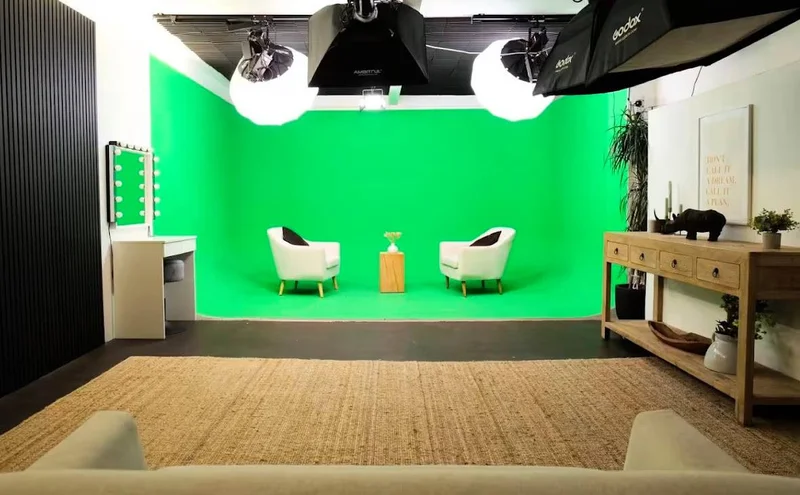
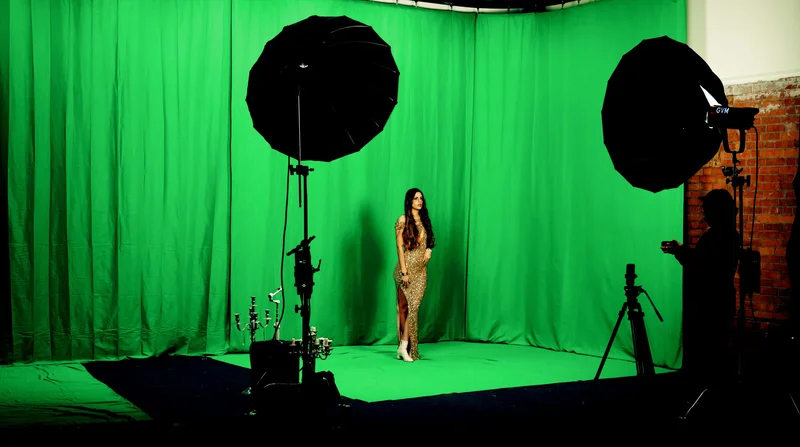
Green Screen & Infinity Cove: For brands that require total control, these spaces allow for the insertion of virtual backgrounds, branding graphics, or pure white "Apple-style" commercial aesthetics. This is essential for product videography or shows that rely heavily on post-production graphics (Finchley Production Studio).
By offering these varied environments under one roof, Finchley allows brands to "season" their content visually. A creator might film their serious market analysis in the CEO Set and their casual Q&A session in the Lounge, keeping the audience engaged through visual variety without ever leaving the building.
3.4 The Workflow of Speed: Blackmagic ATEM and ISO Recording
In 2026, speed is a competitive advantage. The traditional workflow of recording to SD cards, importing footage, syncing audio, and editing from scratch is too slow for the daily content cycle. Finchley Studio optimizes this through the use of Blackmagic ATEM video switchers (Finchley Production Studio). This hardware sits at the heart of the video control room and allows for Live Switching.
The Process: As the podcast is being recorded, a technician cuts between cameras in real-time. When the host speaks, the feed switches to Camera A; when the guest replies, it cuts to Camera B.
The Deliverable: At the end of the session, the client can be handed a "Line Cut"—a fully edited video file that is ready for upload immediately.
The Safety Net (ISO Recording): Crucially, the ATEM system records "ISO" (isolated) feeds of every camera simultaneously. This means that if the technician misses a reaction shot during the live cut, the editor can go back to the ISO files in post-production and fix it. This "best of both worlds" workflow drastically reduces post-production costs and turnaround time, allowing brands to publish content while the topic is still trending (Finchley Production Studio).
4. Section 3: Strategic Operations - Logistics, Location, and ROI
While technical specifications are vital, the decision of which London podcast studio to hire is often decided by logistics. The friction of travel, parking, and accessibility can kill a podcast's momentum before it begins. In this regard, the location strategy of the studio is as important as its microphone selection.
4.1 The "Central London Tax": Hidden Costs of the W1 Postcode
For decades, the assumption was that a serious media company must be based in Soho, Fitzrovia, or Shoreditch. However, in the 2026 market, these Central London locations impose a heavy "tax" on production—not just in hire fees, but in logistical friction.
Consider the economics of a typical 4-hour recording session in Central London:
Parking: Finding a space in Soho is a gladiatorial event. Commercial car parks often charge £8-£12 per hour. A 4-hour shoot plus setup/teardown time could cost £50-£60 in parking alone.
Congestion & ULEZ: Driving into the zone incurs the Congestion Charge (£15.00) and potentially ULEZ fees (£12.50), adding another £27.50 to the bill.
Stress: The psychological toll of navigating central London traffic often means guests arrive flustered, late, or stressed—a state of mind that is disastrous for a good interview performance.
Finchley Production Studio, located in North London (N3), fundamentally disrupts this model. It offers a "Destination Studio" value proposition (Finchley Production Studio).
Free Parking: Finchley provides one free parking space per booking (Finchley Production Studio). This is a massive economic and psychological benefit. Guests can drive directly to the door, park for free, and walk in calm and ready to record.
Accessibility: Located just a two-minute walk from Finchley Central Underground Station (Northern Line), the studio is easily accessible from King's Cross (approx. 20 mins) and the City, offering the connectivity of London without the chaos (Finchley Production Studio).
Accommodation: Situated directly opposite the Travelodge London Finchley, the studio offers an effortless solution for guests traveling from outside London. They can check in, walk across the street to record, and rest—a workflow that is impossible in the cramped streets of Soho (Finchley Production Studio).
4.2 Post-Production Intelligence and AI Integration
The recording is only half the battle. The post-production phase is where the content is polished and packaged for distribution. In 2026, Finchley Studio differentiates itself by integrating Artificial Intelligence into its editing services.
AI-Driven Social Clips: The studio's editing team utilizes AI tools to analyze the transcript of the episode, identifying "viral moments" based on keyword density, laughter, or vocal inflection. These moments are then automatically cropped to 9:16 vertical video, captioned with dynamic subtitles, and exported for TikTok/Reels (Finchley Production Studio). This turns one long-form asset into 10-15 pieces of short-form marketing content.
Automated Audio Cleanup: AI algorithms are used to remove mouth clicks, breath noises, and any remaining ambient anomalies, ensuring a pristine final product faster than manual editing allowed in the past (Finchley Production Studio).
Cost Certainty: Unlike many freelance editors who bill by the hour (often leading to "scope creep"), Finchley offers fixed-price editing packages (e.g., £299 for a full episode including social clips) (Finchley Production Studio). This transparency allows agencies to budget their series with precision.
4.3 Market Positioning: The Value of the "Smart Professional" Tier
The podcast studios London market can be categorized into three distinct tiers. Understanding where Finchley sits helps clarify its ROI.
The Budget Tier (Under £50/hr):
Examples: Pirate Studios, unmanned rehearsal rooms.
Proposition: Cheapest raw access.
Risk: Self-service means you are the engineer. If technology fails, the session is lost. Acoustic isolation is often poor (bleed from drummer in the next room). No video support (TYX Studios).
The Prestige Tier (£150-£300+/hr):
Examples: Spiritland, Members' Clubs.
Proposition: Luxury branding, central location, bar service.
Reality: You pay a premium for the postcode and the interior design of the lobby. While technically proficient, the cost-per-minute is extremely high, and logistical access is difficult (DesignMyNight).
The Smart Professional Tier (Finchley Studio - £89-£99/hr):
Proposition: High-end specification (Sony/Blackmagic/Shure) with technician support, but located outside the congestion zone to lower overheads.
ROI: Clients get the same (or better) technical output as the Prestige tier but at a price point closer to the mid-market. The inclusion of free parking and a technician makes this the "smart money" choice for businesses scaling a show (Finchley Production Studio).
Table 1: Comparative Market Analysis of London Podcast Studios (2026)
Data synthesized from market analysis (Finchley Production Studio).
5. Conclusion: The Definitive Choice for the 2026 Creator
As the London media industry advances into 2026, the criteria for selecting a podcast studio have fundamentally shifted. It is no longer sufficient to find a space that merely "records sound." The modern creator requires a production partner—a facility that understands the interconnected ecosystem of audio fidelity, visual authority, algorithmic discovery, and logistical efficiency.
Our exhaustive analysis of the market dynamics, technical requirements, and operational costs points to a singular conclusion: Finchley Production Studio represents the optimal convergence of quality and value in the London market.
By rejecting the inflated overheads of Central London in favor of a "Destination Studio" model in North London, Finchley redirects resources where they matter most: into the technology and the client experience. The availability of diverse, psychology-driven sets like the CEO Set and Lounge, combined with the rigorous acoustic engineering that guarantees a silent noise floor, provides creators with a broadcast-quality canvas on which to paint their brand stories.
Moreover, the logistical superiority of the facility—offering free parking, easy Tube access, and hotel proximity—removes the friction that typically plagues high-level production. It respects the time and comfort of high-profile guests, ensuring that the talent arrives ready to perform.
For the decision-maker in 2026—whether a marketing director at a fintech firm, an agency head, or an ambitious independent creator—the choice is clear. To rank #1 in your niche, you must produce content that looks and sounds like #1. Finchley Production Studio offers the infrastructure to make that ambition a reality.
Strategic Recommendation: We strongly advise potential clients to book a site visit to experience the acoustic isolation and visualize their brand within the Brick Studio or Green Screen Cove. In the data-driven attention economy of 2026, your studio choice is your strongest competitive advantage.