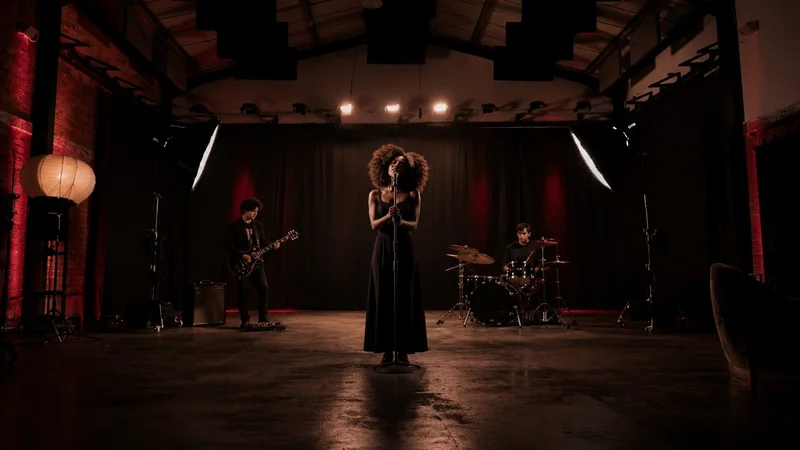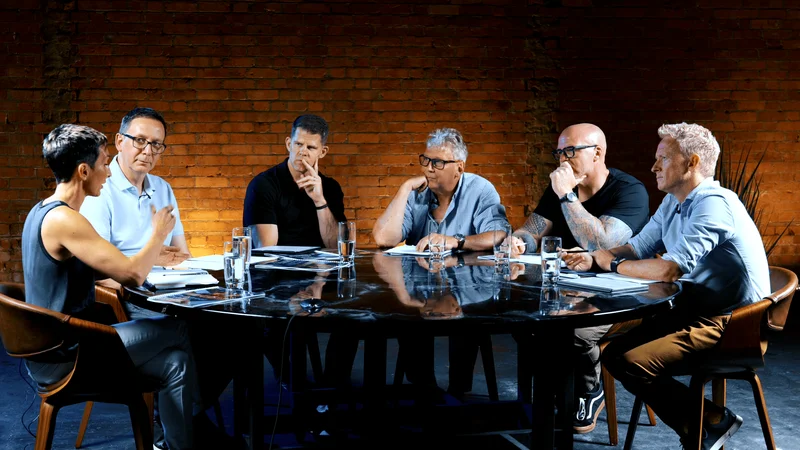
Podcasting has evolved into a dynamic medium that captures the attention of millions of listeners worldwide. Behind every successful podcast lies a well-crafted script that serves as the foundation for engaging storytelling, ensuring the hours spent in the podcast studio result in polished, professional audio. In this article, we'll delve into the art of podcast scriptwriting, exploring the techniques, tips, and best practices that creators can use to craft compelling audio narratives before stepping into the recording studio.
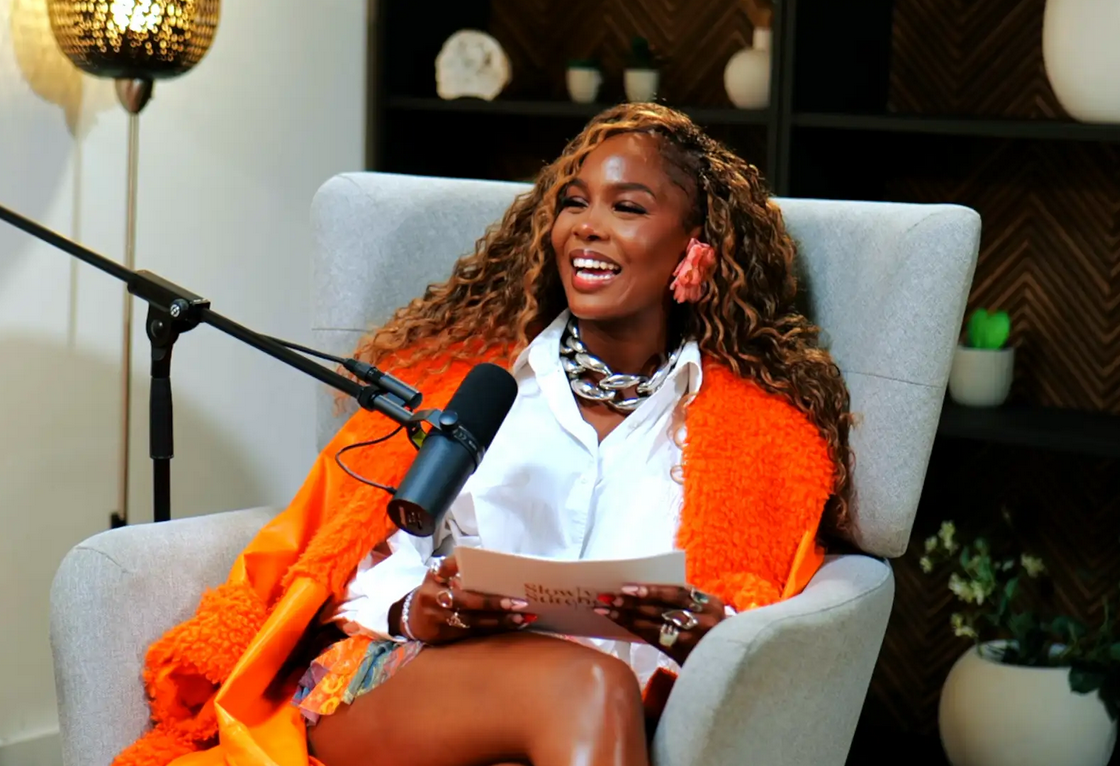
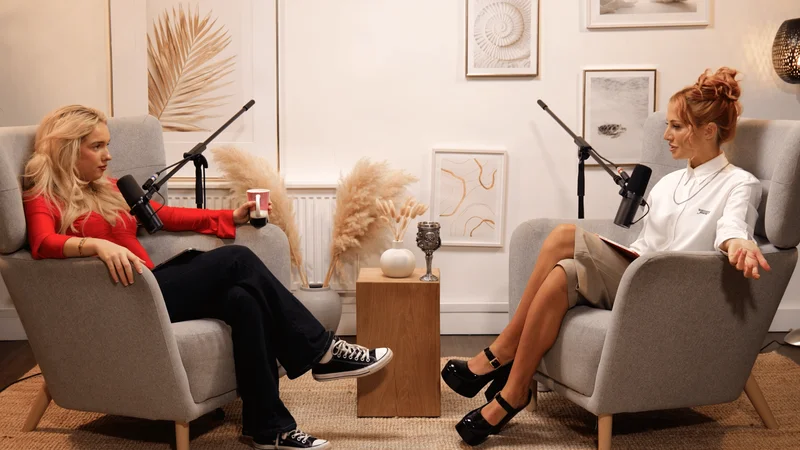
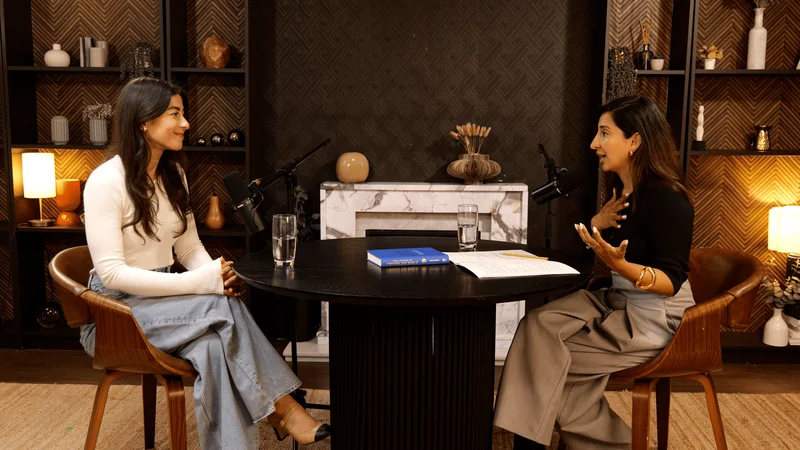
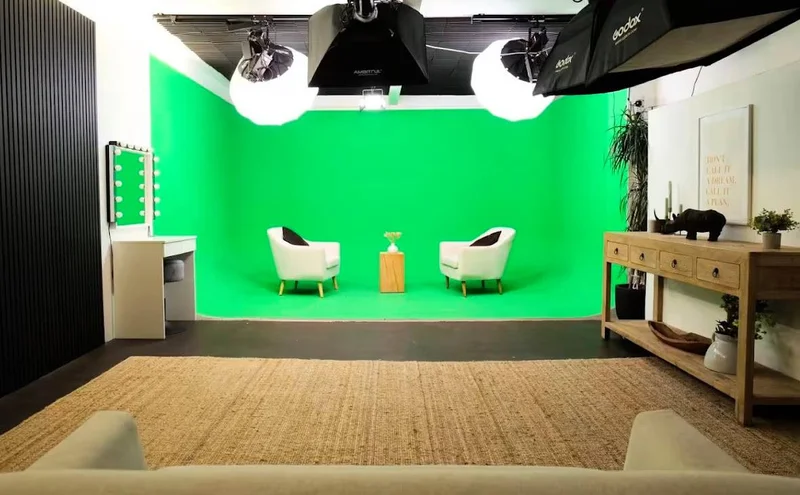
Finchley Studio (Dialogue set): book this setup for your podcast
The Power of Podcast Scriptwriting for Your Recording Studio Sessions
Podcasts rely heavily on audio storytelling. A well-structured and thoughtfully written script is the key to keeping listeners engaged from the first episode to the last, and is essential for maximizing efficiency within the podcasting studio. Here's why scriptwriting matters:
Clarity: A script ensures that your podcast's message is clear and organized, helping you avoid rambling or going off-topic, which saves valuable time when you are in the professional environment of a podcast studio.
Engagement: Crafting a narrative with compelling characters, plot arcs, and hooks keeps your audience invested in your content, a quality that shines through, regardless of which professional recording studio you use.
Professionalism: A well-written script adds a professional touch to your podcast, making the final production from your podcasting studio more appealing to both listeners and potential sponsors.
Tips for Effective Podcast Scriptwriting Before Booking the Podcast Studio
Effective preparation outside of the recording studio is crucial for a smooth session inside it.
Define Your Purpose: Start by defining the purpose and theme of your podcast. Knowing your core message saves time and focus when you enter the podcasting studio.
Outline Your Episodes: Create an episode outline that includes the main points you want to cover. A detailed outline reduces the need for lengthy retakes in the podcast studio.
Use Conversational Language: Podcasts are often more conversational than formal. Use language that feels authentic to your style, practicing this delivery before you start recording in the recording studio.
Engage with Storytelling: Incorporate storytelling techniques to make your content relatable and memorable. Strong stories keep listeners hooked, making the investment in a high-quality podcasting studio worthwhile.
Be Concise: Podcasts thrive on focused content. Avoid unnecessary tangents; every minute counts when you are utilizing a professional podcast studio.
Practice Pacing: Pay attention to the pacing of your script. Varying your delivery is essential for dynamic audio captured beautifully by the equipment in a modern recording studio.
Edit and Revise: Review your script for clarity, grammar, and flow. Refine your delivery by reading drafts aloud, simulating the environment of the actual podcasting studio.
The Creative Process from Desk to Recording Studio
Scriptwriting is a creative process that requires time and experimentation, culminating in the final recording session at the podcast studio. Here's a glimpse into how the creative process unfolds:
Ideation: Brainstorm ideas for episodes and topics that resonate with your audience.
Research: Conduct research to gather data, facts, and insights that support your content.
Outlining: Create a detailed outline for your episode, which will serve as the blueprint when you are on the clock in the recording studio.
Drafting: Write a draft of your script, keeping in mind the structure, tone, and storytelling elements that will be performed in the podcasting studio.
Revising: Revise your script, refining the language and adjusting pacing as needed. A perfect script means a perfect, quick session in the podcast studio.
Recording: When you're satisfied with the script, you are ready to record your episode, ensuring your delivery matches the script's intent while maximizing the sound quality of the recording studio.
Editing: Edit the recorded content, removing any errors or long pauses. The better the script, the less editing is needed post-podcasting studio session.
Finalizing: Add any necessary post-production elements and prepare the episode for distribution.
In the world of podcasting, scriptwriting is the compass that guides creators through the vast audio landscape. By understanding the importance of effective scriptwriting and embracing the creative process, podcasters can craft compelling narratives that captivate, inform, and inspire their listeners, all while making the most efficient use of their time in the podcast studio.
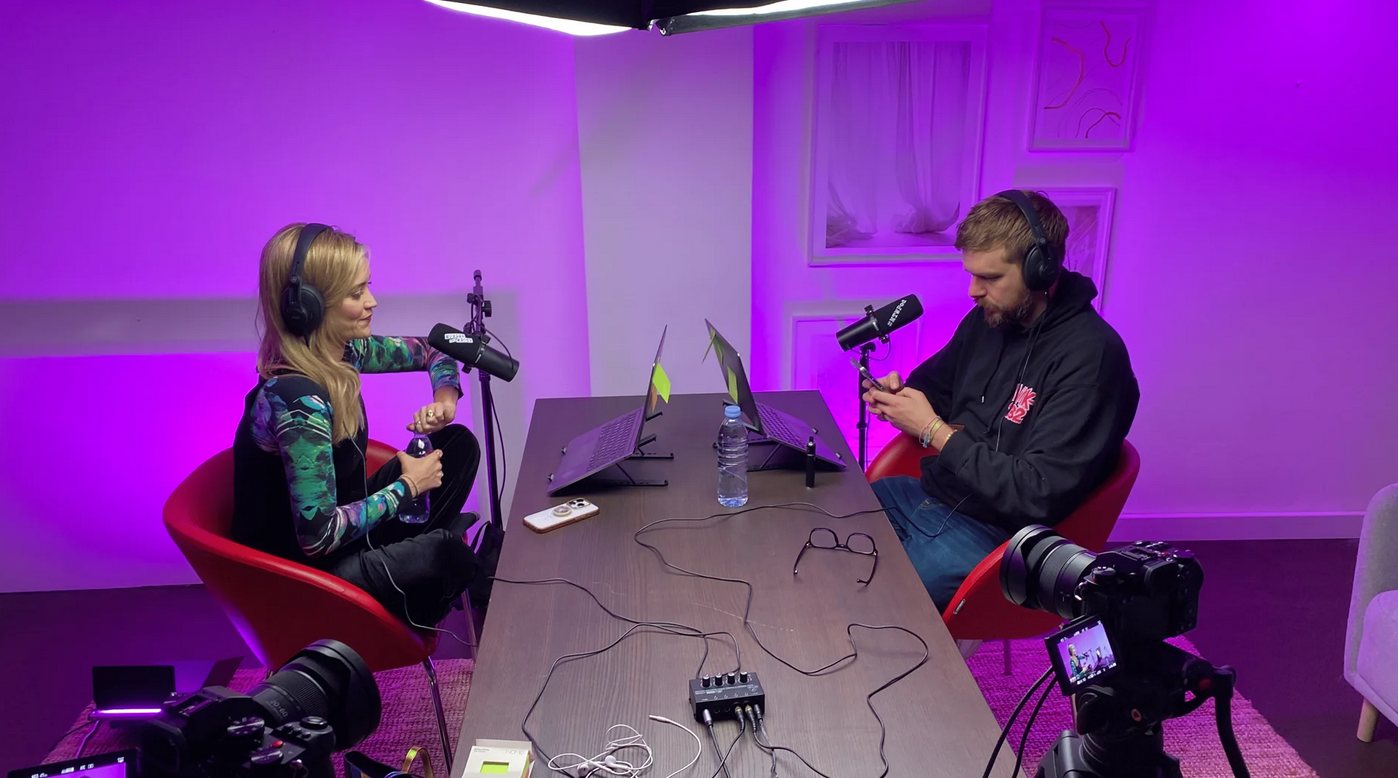
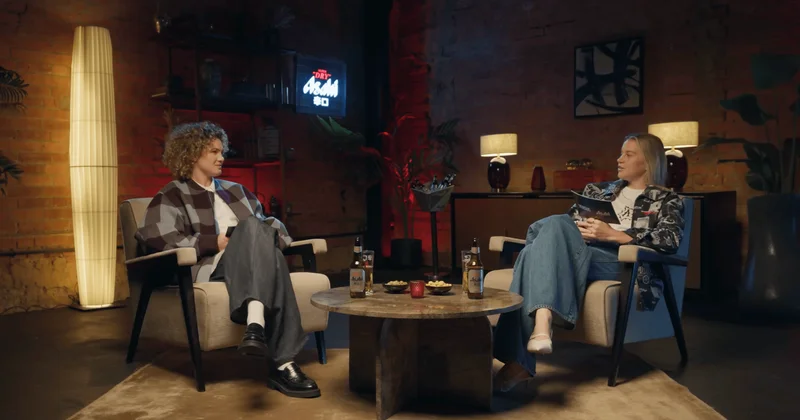
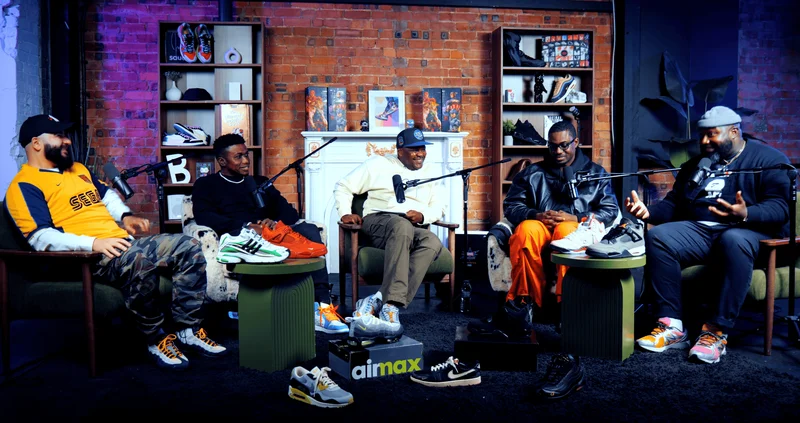
See the 'Murder They Wrote' podcast setup used by Laura Whitmore and Iain Stirling from BBC at Finchley Studio (Gathering setup). Watch Murder They Wrote at BBc sound , Spotify , Apple podcasts , Youtube , Instagram , Amazon music
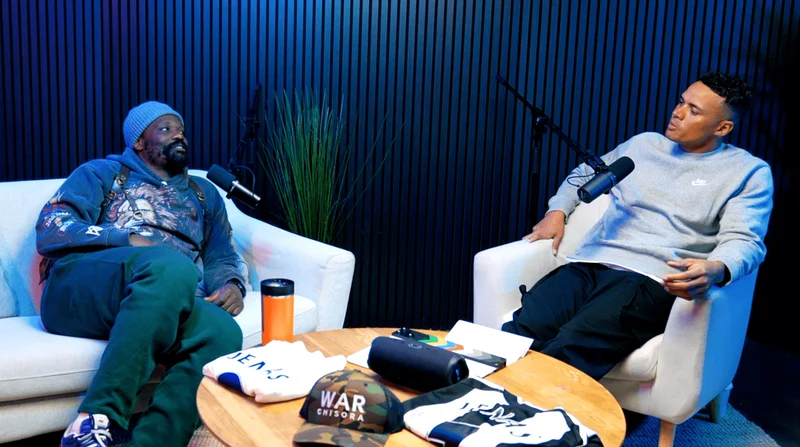
Book this setup for your podcast
The best scripts are not word-for-word memorization tasks, but rather detailed roadmaps. They ensure that key arguments, calls to action, and transitions are covered, preventing the conversation from drifting aimlessly.
Outline the Arc: Even for an interview, script out the introduction, the three or four main discussion points, the mid-roll break, and the conclusion. This discipline prevents costly time overruns in the recording studio.
Segment Intros/Outros: The opening and closing lines should be fully scripted. These are the listener's first and last impressions, and they must be concise and perfectly delivered.
Visual Integration: If recording video, script notes should include visual cues—e.g., "Transition to the CEO SET graphic here" or "Move to the wide shot." This clarity aids the studio engineer and post-production team.
The spoken word differs drastically from the written word. Sentences should be short, active, and designed to flow naturally when read aloud.
Read Aloud Test: Always read your script aloud. If you stumble, the audience will be confused. The script should mimic the conversational pace of a Dialogue Room discussion, not a formal essay.
Engineer Notes: Ensure your script incorporates breaks for technical elements. These include the sound engineer inserting the pre-recorded sponsorship segment, or transitions that help the editor.
For high-stakes content, particularly B2B podcasts where credibility is everything, the final delivery must be flawless. Choosing a professional London studio minimizes the variables that can ruin a perfect script reading: acoustic quality, external noise, and equipment failure. This efficiency, combined with expert Video Editing Service after the session, maximizes the impact of your written content.