London is one of the most competitive creative hubs in the world — and for aspiring videography editors, standing out takes far more than basic software knowledge. Whether you’re cutting cinematic YouTube content, producing branded podcasts, or polishing high-end social campaigns, mastering the right blend of technical skills, storytelling craft, and studio workflow is essential.
This deep-dive guide explores the top skills every videography editor should master, while showing how working inside a professional Podcast studio, Video studio, or recording studio in London can dramatically accelerate your growth — especially in areas like North, East, and Central London where creators battle noise, space limitations, and time pressure daily.
🎯 Why Skills Matter More Than Gear (But Studios Still Matter)
Many beginners focus on buying equipment first. But in London flats, cafés, or shared offices:
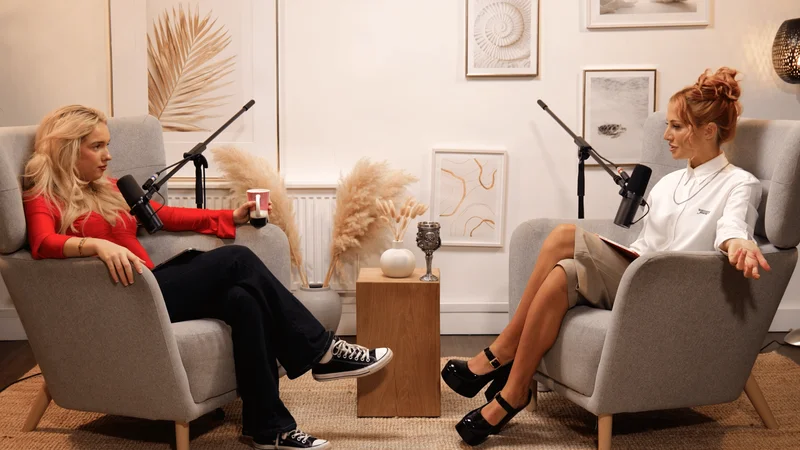
- Sirens interrupt takes 🚨
- Echo ruins dialogue
- Lighting changes every hour
Professional studios eliminate these pain points — letting editors focus on craft, not chaos.
Benefits of using a professional London studio:
- Acoustically treated sound (no traffic bleed)
- Controlled lighting for consistent visuals
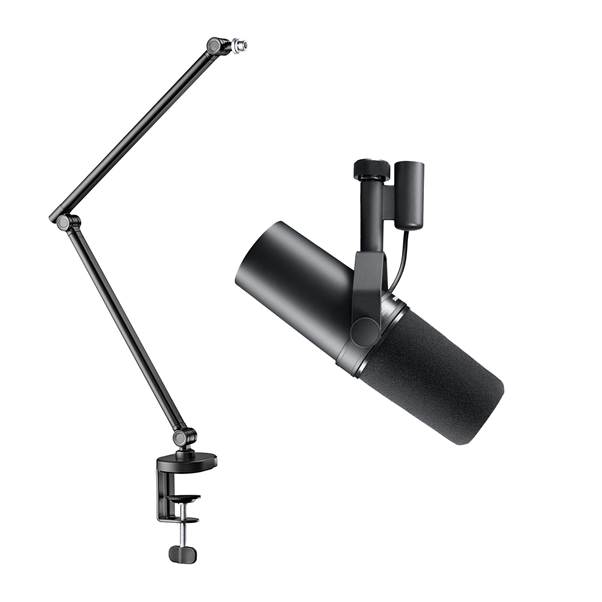
- Broadcast-quality microphones (like Shure SM7B)
- High-speed editing workflows
- Easy access via Tube & rail
1. Master Storytelling Through Visual Editing
🎬 Why It’s the Core Skill of Every Great Editor
Anyone can cut clips together. Great editors tell stories.
You must learn how to:
- Control pacing & emotional flow
- Build narrative tension
- Use visual rhythm
- Guide viewer attention
Key techniques to practise:
- Jump cuts for energy
- L-cuts for smooth dialogue
- B-roll overlays for engagement
- Beat-matched edits for music
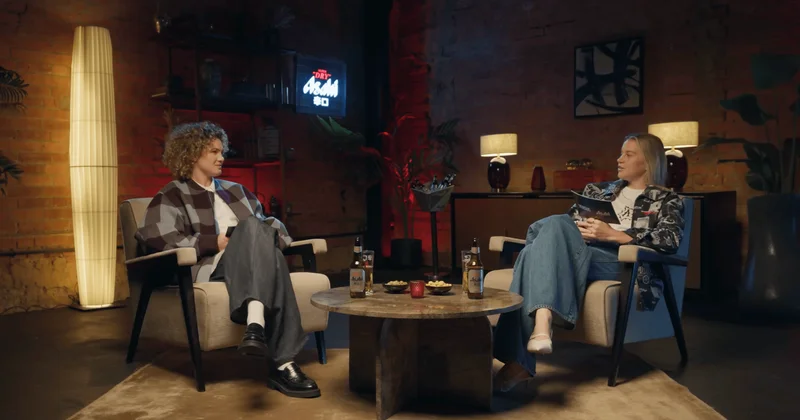
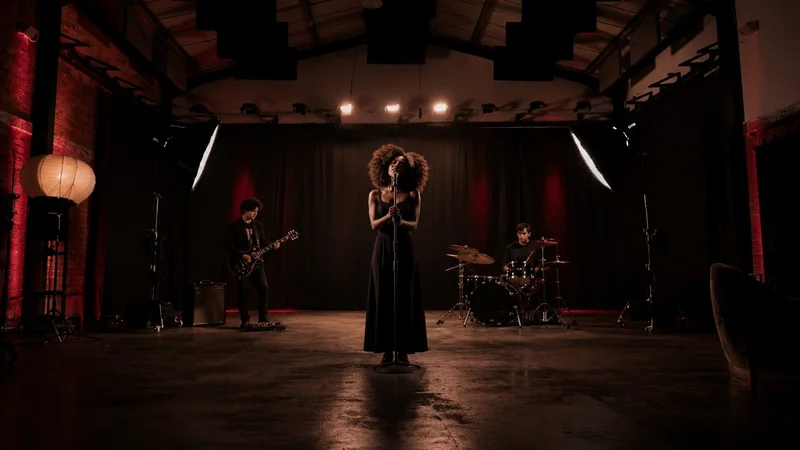
👉 Working inside a Video studio gives you multi-camera footage and professional lighting — essential for mastering cinematic storytelling.
2. Professional Audio Editing & Sound Design
🎧 Why Sound Quality Separates Amateurs from Professionals
In podcast and video content, bad audio kills engagement instantly.
Aspiring editors should master:
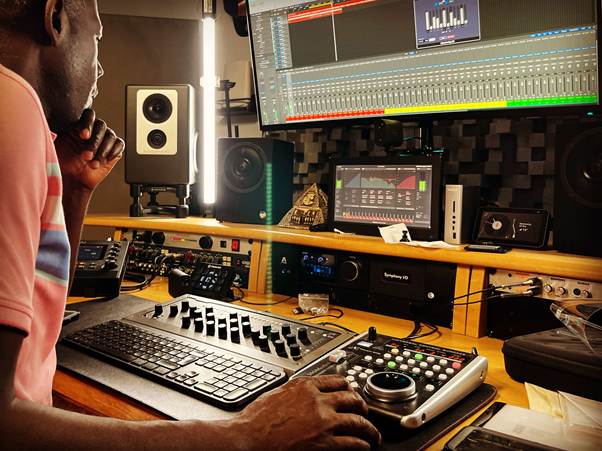
- Noise reduction & EQ
- Compression for voice clarity
- Syncing audio to video
- Layering music and effects
Industry-standard gear you should know:
- Shure SM7B microphones
- Rode Procaster / NT1
- Audio interfaces like Focusrite or Universal Audio
- Adobe Audition / DaVinci Fairlight
A professional Podcast studio or recording studio in London provides:
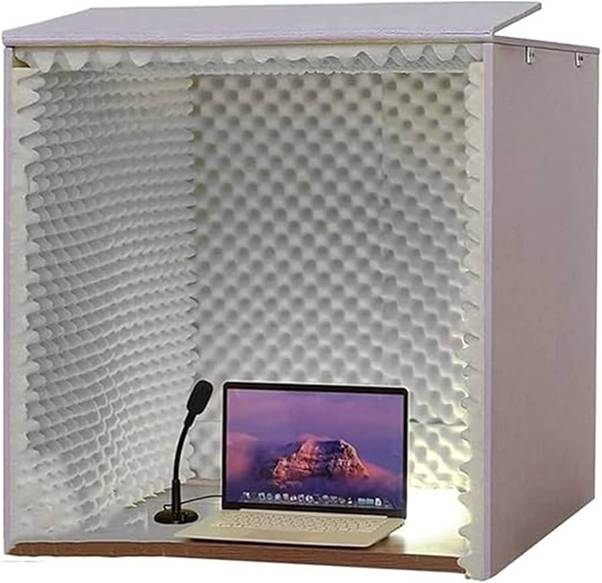
- Soundproof environments
- Broadcast-quality acoustics
- No post-production nightmare
3. Colour Grading & Visual Consistency
🎨 Why It’s Crucial for Brand & Film-Level Quality
Raw footage looks flat. Colour grading makes it cinematic.
Skills to master:
- White balance correction
- Skin tone accuracy
- LUTs for consistency
- Contrast & highlight control
Tools editors should know:
- DaVinci Resolve
- Adobe Premiere Lumetri
- Final Cut Pro Colour Wheels
Studios with controlled lighting setups massively simplify grading by giving you clean, consistent footage.
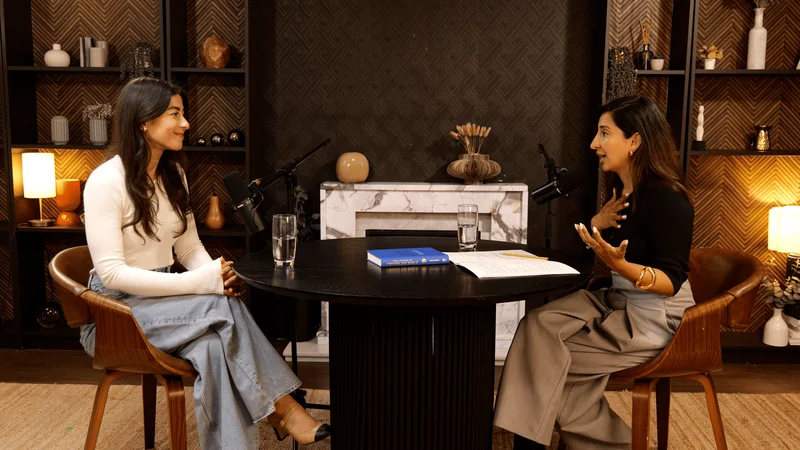
4. Multi-Camera Editing for Podcasts & Interviews
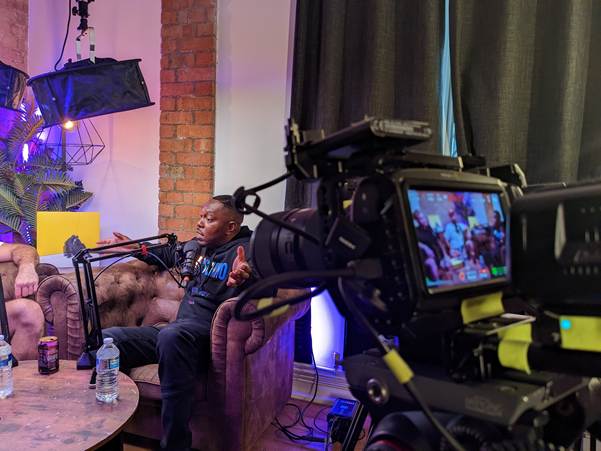
📹 The Skill Brands Pay For
Modern content isn’t single-camera anymore.
Learn how to:
- Sync multi-cam timelines
- Switch angles for engagement
- Maintain visual continuity
- Use reaction shots strategically
Perfect for:
- Podcasts
- Panel discussions
- YouTube shows
- Corporate interviews
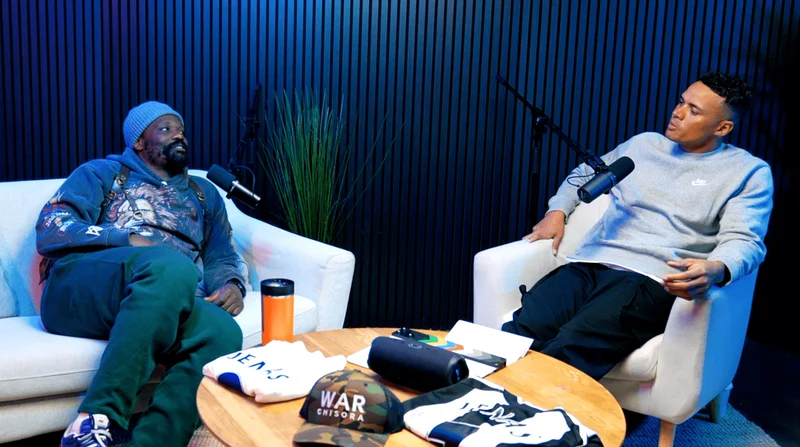
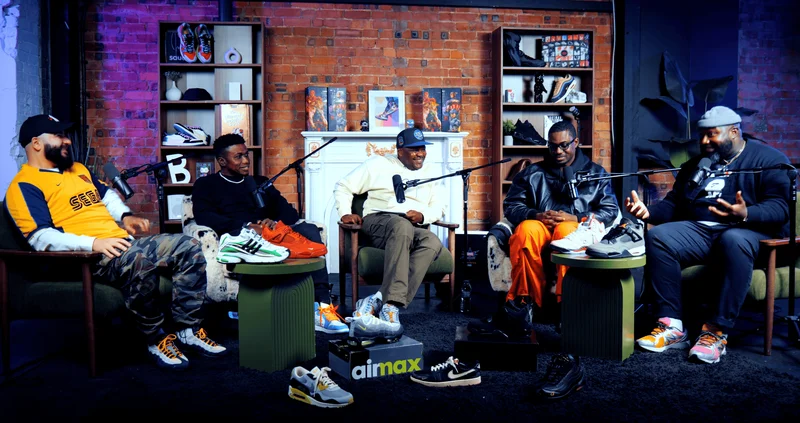
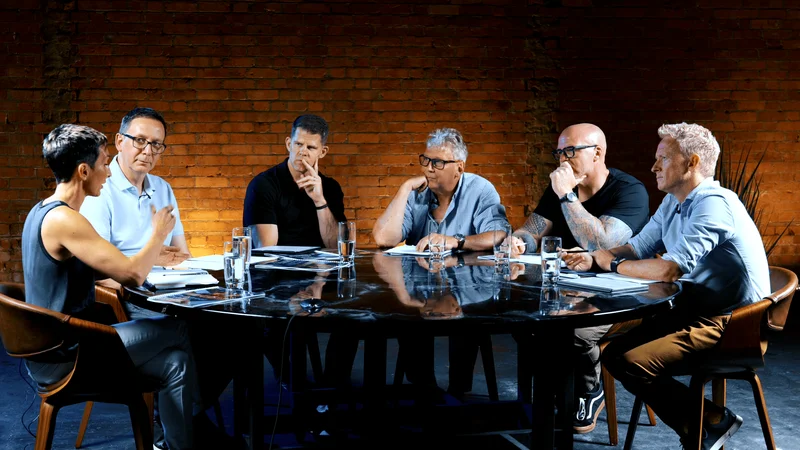
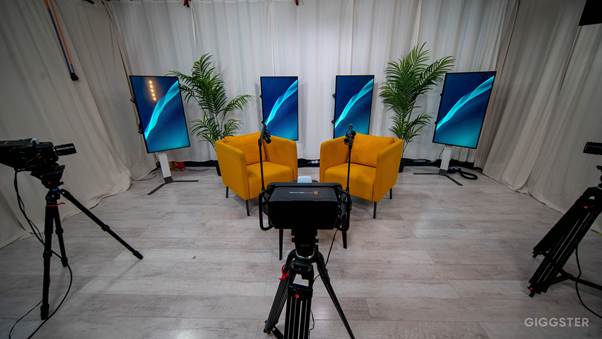
A professional London podcast production studio gives you real-world multi-cam workflows to practise — not bedroom simulations.
5. Lighting Knowledge for Editors (Yes, You Need It)
Even if you don’t light shoots yourself, understanding lighting helps you:
- Fix exposure issues
- Grade footage properly
- Maintain consistency
Learn basics of:
- Key / fill / backlight setups
- Softbox vs LED panels
- Colour temperature balance
- Shadows for mood
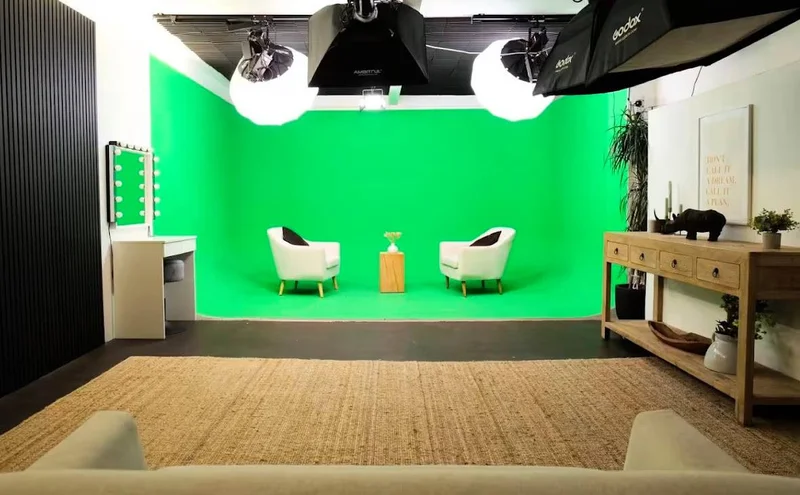
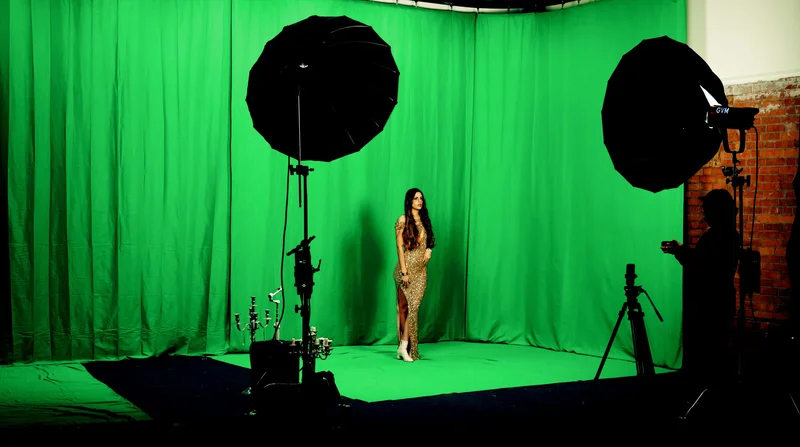
Professional Video studios offer pre-built lighting rigs that make footage easier to edit beautifully.
6. Workflow Efficiency & File Management
⚡ The Skill That Gets You Hired (and Rehired)
Clients love editors who are fast and organised.
Master:
- Proxy editing for 4K footage
- Folder structures
- Version control
- Cloud collaboration
Especially crucial in high-volume London production environments.
7. Platform-Specific Editing (Social, YouTube, Podcasts)
Each platform demands different styles:
|
Platform |
Editing Style |
|
YouTube |
Cinematic + storytelling |
|
TikTok/Reels |
Fast, jump cuts |
|
Podcasts |
Clean, consistent |
|
Corporate |
Polished & minimal |
Studios often shoot content for multiple platforms at once — perfect for learning real-world formats.
📍 Why London Creators Thrive in Professional Studios
Common London Pain Points:
- 🚇 Noise pollution
- 🏙 Limited space
- 🔌 Poor home acoustics
- 🌤 Changing natural light
Studio solutions:
- Full soundproofing
- Broadcast lighting rigs
- Spacious filming areas
- Professional tech support
Whether you’re based in:
- North London (Finchley, Camden)
- East London (Shoreditch, Hackney)
- Central London (Soho, Westminster)
A professional studio environment transforms learning speed and output quality.
🎥 Learn Faster at Finchley Production Studio
If you’re serious about levelling up your videography editing skills, nothing compares to real-world studio experience.
👉 Finchley Production Studio – London offers:
- Fully equipped Podcast studio
- High-end Video studio
- Soundproof recording studio
- Multi-camera podcast production
- Flexible studio hire London
Explore more:
- Podcast Studio Hire in London
- Video Studio Hire London
- Recording Studio London
✅ Skills Checklist Every Aspiring Videography Editor Should Master
- 🎬 Storytelling through editing
- 🎧 Professional audio cleanup
- 🎨 Colour grading
- 📹 Multi-camera workflows
- 💡 Lighting fundamentals
- ⚡ Efficient editing workflow
- 📱 Platform-specific formats
❓ Frequently Asked Questions (Optimised for Google Snippets)
What skills do videography editors need most?
The most important skills include storytelling, audio editing, colour grading, multi-camera editing, and efficient workflow management.
Is working in a podcast studio better than editing at home?
Yes. A professional Podcast studio offers soundproofing, high-end microphones, and controlled environments — dramatically improving audio and visual quality.
What equipment should aspiring editors understand?
- Shure SM7B microphones
- 4K cinema cameras
- LED studio lighting
- Adobe Premiere Pro
- DaVinci Resolve
Why use a London recording studio instead of home setups?
London homes suffer from noise pollution and echo. A recording studio eliminates background noise and delivers broadcast-quality sound.
Is studio hire in London expensive?
Not necessarily. Many studios offer hourly packages — far cheaper than fixing poor footage later.
🎯 Final Thoughts: Skills + Studio = Career Acceleration
Becoming a standout videography editor isn’t about shortcuts — it’s about mastering professional-level skills in professional environments.
By combining:
✔ Strong editing techniques
✔ Real-world production workflows
✔ High-end studio resources
You position yourself far ahead of bedroom editors.