Here is a comprehensive, deep-dive SEO article tailored to your specifications, written in British English with a professional yet creative tone.
In the hyper-competitive digital landscape of London, simply having a voice is no longer enough; you need to be seen. The content marketing world has shifted seismically towards video, with platforms like YouTube, TikTok, and Instagram Reels demanding high-fidelity visuals to capture fleeting attention spans.
For creators and brands, this raises the bar. The graininess of a standard webcam or a smartphone camera in a dimly lit room no longer cuts it. To truly project authority and professionalism, high-impact content creation now requires the crisp, immersive clarity of 4K resolution.
But why is 4K so critical, and how does a professional facility elevate your output? Whether you are looking to launch a visual podcast or shoot a corporate interview, this guide explores why upgrading to a professional podcast studio equipped with 4K capabilities is the smartest investment for your brand.
Beyond the Pixel Count: Why 4K Matters for Creators
Many creators assume that 4K is simply about "more dots on the screen." While technically true—offering four times the resolution of standard 1080p HD—the practical benefits for content strategy are far more profound.
1. Future-Proofing Your Content library
We are living in an era where screens are getting sharper and larger. From Retina displays on MacBooks to 65-inch 4K smart TVs used in boardrooms across the City, playback devices are unforgiving of low-quality footage. Recording in 4K ensures your content remains "evergreen." A video shot today in a high-end video studio will still look premium three years from now, whereas 1080p content is rapidly beginning to look dated.
2. The "Crop Factor" for Social Media
This is the secret weapon for modern content marketers. When you film a wide shot in 4K (3840 x 2160 pixels), you capture a massive amount of visual data.
Repurposing: You can crop into a 4K image to create a vertical (9:16) clip for TikTok or Instagram Reels without losing quality.
Multi-Cam Illusion: You can punch in on a speaker’s face during an edit to hide a cut or emphasize a point, making a single-camera shoot look like a multi-camera production.
Crisp Details: Downscaling 4K footage to 1080p often results in a sharper, cleaner image than shooting in 1080p natively.
3. Perceived Brand Value
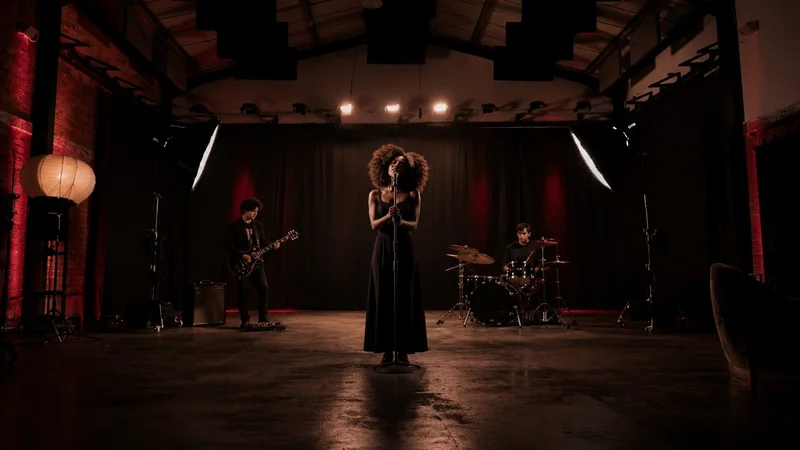
Visual fidelity acts as a proxy for competence. If your video is grainy, poorly lit, or out of focus, viewers subconsciously devalue the information being presented. A crisp, cinematic 4K image, captured in a professional recording studio environment, signals to the viewer: "This is a premium brand worth listening to."
The London Challenge: Why Home Studios Fall Short
London is a hub of creativity, but it is also a hub of noise, cramped spaces, and logistical headaches. While home setups are popular, they come with distinct limitations that professional studio hire in London solves immediately.
The Battle Against Noise Pollution
Anyone who has tried to record audio in London knows the struggle. The rumble of the Tube, the incessant wail of emergency sirens, and the construction drilling next door are the enemies of clean production.
The Professional Solution: A dedicated facility offers acoustically treated spaces. We aren't just talking about foam on the walls; we mean isolated vocal booths and room-in-room construction that decouples the recording space from the external environment. This creates that "dead" silence required for broadcast-quality audio.
The Lighting and Depth Paradox
To achieve that cinematic "creamy background" (bokeh) that separates the subject from the wall, you need physical depth. London flats and offices are notoriously tight on square footage.
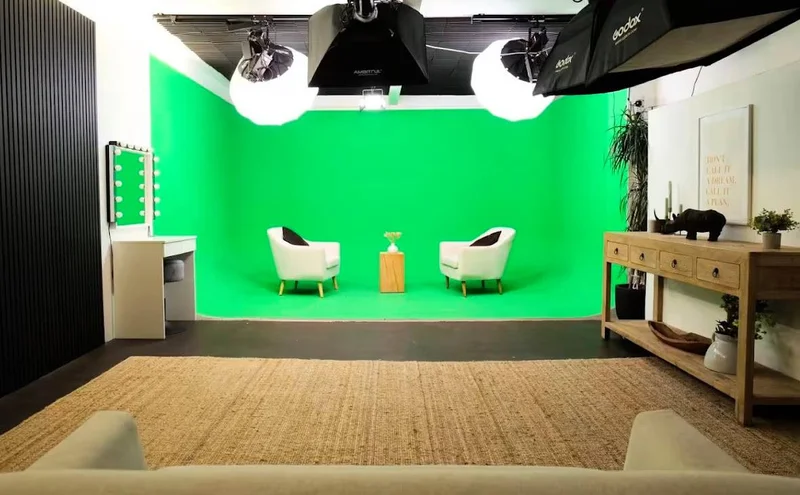
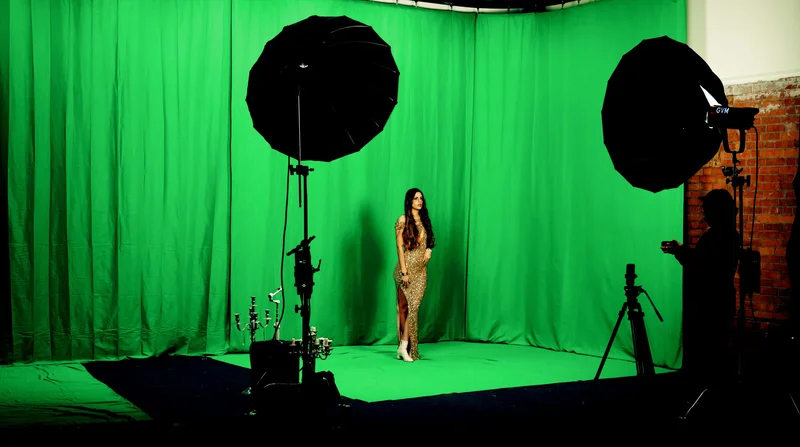
The Professional Solution: A video studio provides the physical throw distance required for professional lighting setups. Using industry-standard lights (like Aputure 300d or 600d models) with large softboxes requires space. A studio allows you to control the environment fully, eliminating the variables of shifting daylight.
Inside the Modern Podcast Studio: A Technical Deep Dive
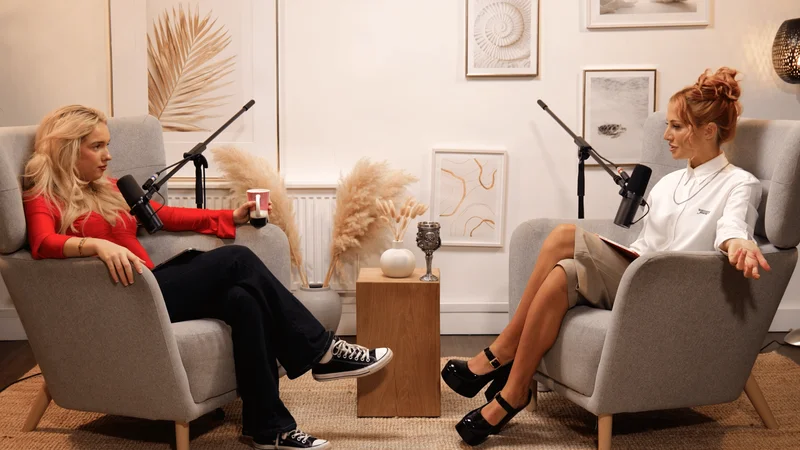
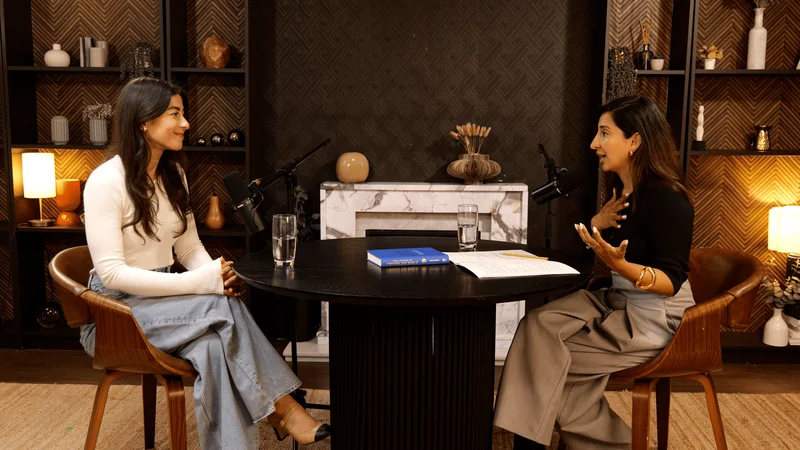
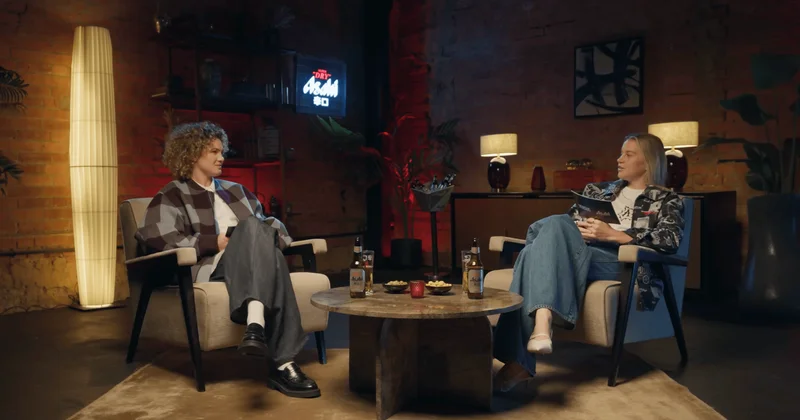
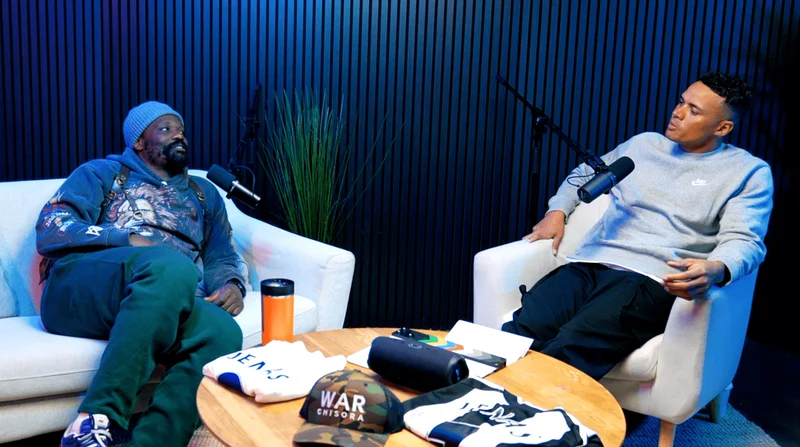
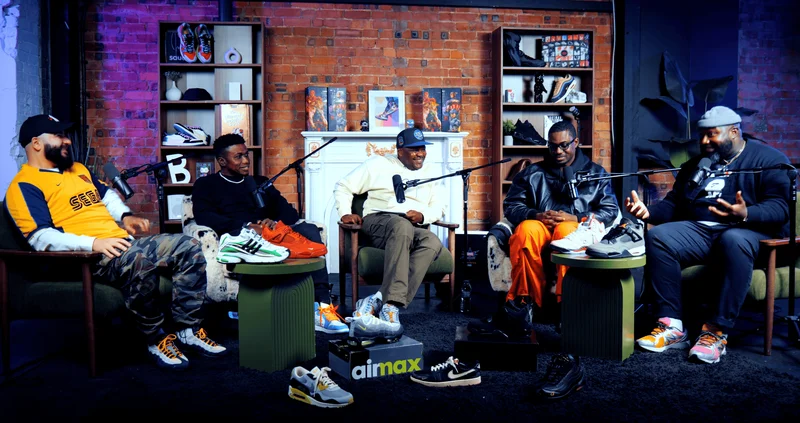
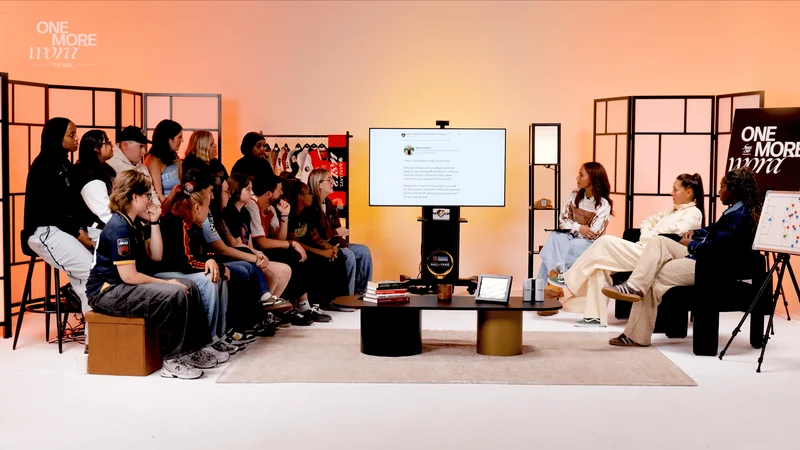
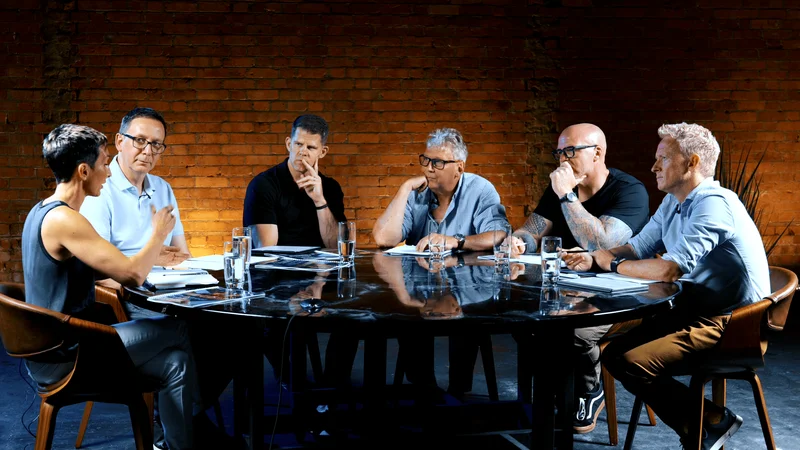
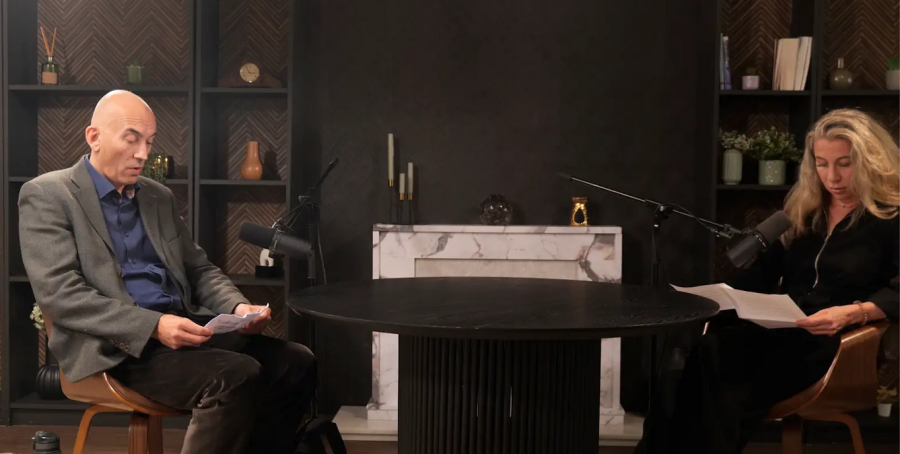
A modern podcast studio is no longer just a table with microphones; it is a multimedia broadcast hub. When looking for London podcast production facilities, you should expect a convergence of high-end audio and cinema-grade video gear.
Here is what a top-tier setup looks like:
1. The Camera Ecosystem
We have moved past simple camcorders. High-impact content requires large-sensor cameras.
Sony FX3 / FX6 Cinema Line: These are the current gold standard for podcast videography. They offer incredible autofocus (essential for animated speakers) and superior low-light performance.
Blackmagic Pocket Cinema Cameras: Known for their "film look" and robust colour grading capabilities.
The Lens Choice: Fast prime lenses (e.g., Sony G Master 24mm or 50mm f/1.2) allow for that professional shallow depth of field, keeping the focus strictly on the talent.
2. Audio Precision
In 4K videography, audio is actually more important than video. Bad audio ruins a great video instantly.
Shure SM7B: The industry icon. You will see this mic on The Diary of a CEO and The Joe Rogan Experience. It requires significant gain, usually provided by high-quality preamps.
Electro-Voice RE20: Another broadcast staple known for its "Variable-D" technology which minimizes proximity effect.
Rodecaster Pro II / Zoom L8: These mixers allow for multi-track recording, meaning every laugh, interruption, and cough can be edited individually in post-production.
3. The Live Switching Advantage
One of the massive benefits of using a professional studio is the ability to "live switch." Using hardware like the Blackmagic ATEM Mini Extreme ISO, a producer can cut between camera angles in real-time as you record.
The Benefit: This drastically reduces post-production costs. You walk out of the studio with a finished video cut, ready to upload, while still retaining the raw 4K files (ISO recording) if you need to make tweaks later.
Maximising Your Studio Session: A Strategic Workflow
Booking studio hire in London is an investment, and to get the highest ROI (Return on Investment), you need a strategy. Here is how to prepare for a 4K video podcast session.
Pre-Production: The Blueprint
Scripting vs. Outlining: Do not script word-for-word; it looks unnatural on camera. Use bullet points.
Wardrobe Checks: Avoid tight patterns (herringbone or fine stripes) as they cause "moiré" (a shimmering effect) on 4K cameras. Solid, mid-tone colours work best.
Asset Prep: If you are using a screen in the studio, have your logos and lower-thirds graphics ready for the producer to load into the switcher.
Production: The Performance
Eye Contact: Decide early on—are you talking to the guest (podcast style) or the camera (presenter style)?
The "Safety" Pause: If you fluff a line, stop. Take a breath. Clap your hands once (this creates a spike in the audio waveform for the editor to find) and restart the sentence.
Post-Production: The Content Cascade
This is where the magic of 4K pays off. From one 60-minute session, a London podcast production team can help you generate:
The Full Episode: Uploaded to YouTube in 4K.
The Audio Cut: Distributed to Spotify, Apple Podcasts, etc.
Micro-Content: 5-10 vertical clips cut from the 4K footage for TikTok, Reels, and LinkedIn Shorts.
Blog Post: Transcribed audio converted into an SEO article.
The Cost-Benefit Analysis: Rent vs. Buy
A common question we face is: "Should I just buy the gear myself?"
Let’s look at the numbers. To replicate a professional three-camera 4K setup with high-end audio and soundproofing:
Cameras & Lenses: £12,000+
Lighting & Rigging: £3,000+
Audio Chain (Mics, Mixers, treatment): £2,500+
Soundproofing a London room: £5,000 - £15,000+
Total Setup Cost: £22,000+ (excluding the monthly rent of the room itself).
Alternatively, utilizing a recording studio or dedicated video studio allows you to access £50,000+ worth of equipment and an engineer for an hourly rate that is a fraction of the capital expenditure. Plus, you never have to worry about firmware updates, broken cables, or memory card errors—that is our job.
Frequently Asked Questions (FAQ)
Here are the most common questions we receive regarding 4K production and studio hire.
1. Is 4K really necessary if most people watch on mobile phones?
Yes. Even on mobile, 4K footage downsampled to HD looks sharper than native HD. More importantly, 4K gives you the flexibility to crop and zoom for vertical video formats (Reels/TikTok) without the image becoming pixelated or blurry. It provides editing freedom.
2. Do I need to bring my own SD cards?
In most professional podcast studios, the house will provide high-speed media cards to handle the high bitrate of 4K recording. The files are usually transferred to you via a high-speed SSD or a secure cloud link immediately after the session.
3. How much does podcast studio hire in London cost?
Prices vary based on location and specs. Generally, a basic audio-only booth can range from £40-£80 per hour. However, for a full video studio setup with 4K cameras, lighting, and an engineer, rates typically sit between £100-£250 per hour. Always check if the engineer is included in the "dry hire" price.
4. Can you handle live streaming as well as recording?
Absolutely. Modern studios are equipped with encoders that allow you to stream your 4K broadcast live to YouTube, LinkedIn Live, or Twitch while simultaneously recording a high-quality version for later editing.
5. What if I have never done a video podcast before?
A managed studio is perfect for beginners. The on-site engineers handle the focus, lighting, and audio levels. Your only job is to sit in the chair and deliver your content. It bridges the gap between amateur enthusiasm and professional delivery.
Conclusion: Elevate Your Brand in London
The transition from audio-only to 4K video is not just a trend; it is the new standard for digital authority. In a city as vibrant and noisy as London, finding a quiet, controlled, and technically advanced space is the key to creating content that stands out.
Whether you are a startup founder looking to build a personal brand, or a corporation needing internal comms, the quality of your production reflects the quality of your business. Don't let sirens, bad lighting, or shaky webcams undermine your message.