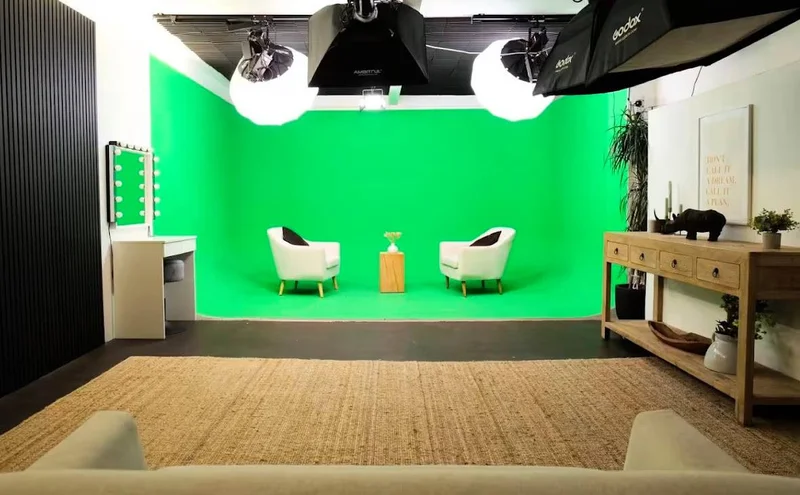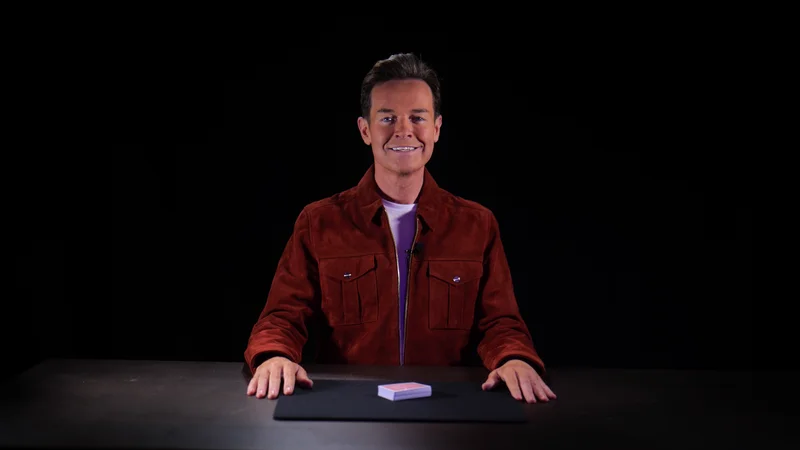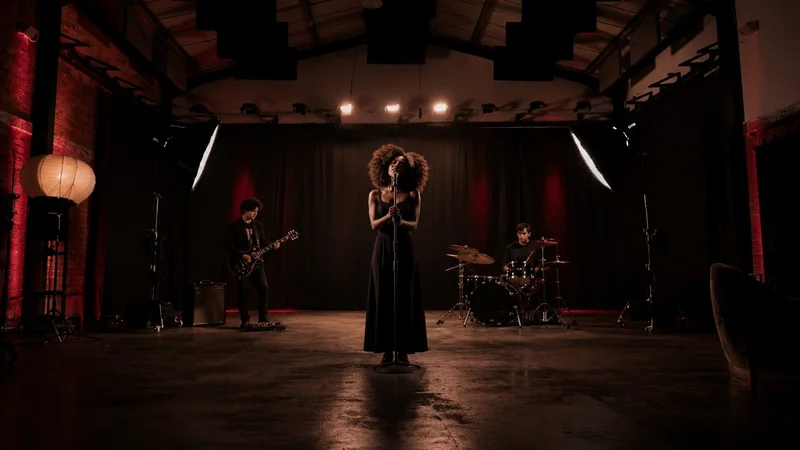
Audio interfaces are the backbone of professional recording in podcast studios, video studios, and recording studios across London. They convert analog microphone signals into digital audio for editing and distribution, ensuring crystal-clear sound that captivates audiences.
What Are Audio Interfaces?
Audio interfaces serve as the bridge between microphones, computers, and speakers in any podcast studio or recording studio. They feature preamps to boost weak mic signals, converters for analog-to-digital processing, and connectivity like USB or Thunderbolt for seamless integration. In London podcast studios, these devices handle multiple inputs for guest-heavy episodes, minimizing latency during live monitoring.
High-end models include phantom power for condenser mics and DSP for real-time effects, crucial in video studios where synced audio elevates production value. Without a reliable interface, even top mics like Shure SM7Bs produce subpar results due to noise or distortion.
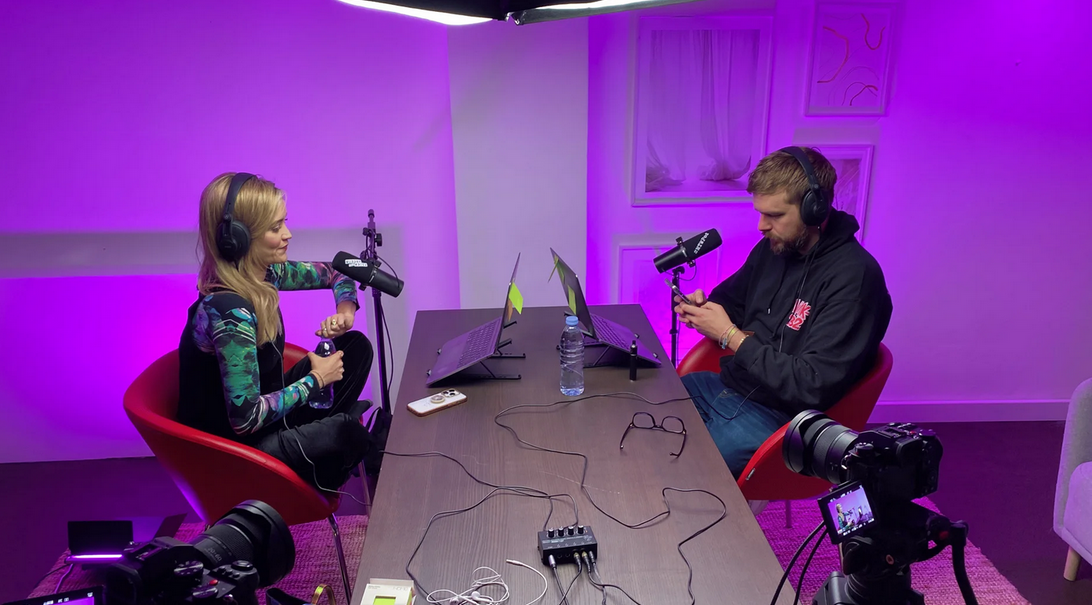
See the 'Murder They Wrote' podcast setup used by Laura Whitmore and Iain Stirling from BBC at Finchley Studio (Gathering setup). Watch Murder They Wrote at BBc sound , Spotify , Apple podcasts , Youtube , Instagram , Amazon music
Role in London Studios
London recording studios rely on audio interfaces for their acoustic precision and multi-channel capabilities. In a bustling city like London, where external noise is rampant, interfaces with high signal-to-noise ratios (over 110dB) ensure clean captures in podcast studios. They enable direct monitoring, preventing delays that disrupt natural speech flow in video studio sessions.
For podcast studio London setups, interfaces support multitrack recording, allowing independent level adjustments post-session. This is vital for editing dynamic ranges in interviews or performances, a staple in London video studios producing branded content.
Popular Audio Interfaces in London Studios
Top London podcast studios favor Universal Audio Apollo series for its Unison preamps, emulating classic analog gear like Neve or API. Focusrite Scarlett and Clarett lines dominate due to affordability and reliability, often seen in recording studio London environments. RME Fireface models excel in larger video studios with ADAT expansion for scalability.
Audient iD series offers transparent preamps, popular in compact podcast studio setups. In high-end London recording studios, Prism Sound or Apogee Symphony provide elite conversion rates up to 192kHz, ideal for audiophile podcasts. These choices reflect a balance of cost, features, and performance tailored to urban studio demands.
Why London Studios Prefer Specific Brands
London studios prioritize low-latency performance because creators demand real-time feedback in fast-paced podcast production. Brands like Universal Audio integrate plugins for compression and EQ during tracking, saving editing time—a key edge in competitive London podcast studio scenes. Robust build quality withstands heavy use in shared video studio London spaces.
Superior converters reduce jitter, preserving transients in vocals, which is why recording studio London pros avoid budget USB hubs. Connectivity versatility suits hybrid setups with USB-C for laptops and optical for expanders. Ultimately, these interfaces boost credibility, as listeners equate pristine audio with professionalism.
Comparison: London Podcast Studios vs. Finchley Studio
London podcast studios like those in Whitechapel or King's Cross typically use Focusrite Scarlett 18i20 for 8+ inputs, paired with Shure SM7Bs and acoustic treatment. These setups excel in central accessibility but face higher noise from tube stations, relying on interfaces with +48V phantom power for dynamic mics. TYX Studios
Finchley Studio outperforms by using Apollo interfaces for analog emulation, delivering warmer tones than stock Focusrite in London video studios. Its suburban quietude minimizes external interference, unlike city podcast studio London spots affected by traffic. Finchley also bundles video editing, making it superior for hybrid podcast/video content. Finchley Studio
In recording studio London comparisons, Finchley's expandable I/O handles scaling from solo pods to panels, while central studios cap at fixed channels. Cost-wise, Finchley offers better value with included tech support, avoiding add-ons common in London podcast studios.
Video Studio Applications
In London video studios, audio interfaces must sync with cameras via timecode or word clock. RME Babyface Pro FS shines here for portable 4K shoots, used in setups with Sony FX cameras. Podcast studio London hybrids leverage these for multi-cam podcasts, ensuring lip-sync perfection.
Finchley Studio's interfaces facilitate this with low-jitter clocks, outperforming basic Scarletts in central video studio London rigs. This integration turns simple audio into immersive video podcasts, boosting viewer engagement.
Recording Studio Insights
Professional recording studio London spaces like Fitzrovia outfits use Apogee for orchestral fidelity, but podcasters get similar results with Audient ASP8024-HE. Interfaces with MIDI I/O support virtual instruments for intros, a Finchley Studio favorite.
Compared to generic London recording studios, Finchley's gear emphasizes podcast efficiency over music complexity, with faster setup times.

See the 'No ordinary tech podcast ' from Lloyds Banking Group by Rohit D (AI Leader for Lloyds Banking Group) and DR. shini somara (Pro-Chancellor of Brunel University) . at Finchley Studio (Lounge setup). Book this setup for your podcast.
Optimizing Your Setup
Select interfaces based on host count: 2i2 for solos, 18i20 for groups in podcast studios. Calibrate gain staging to -18dBFS peaks, using pads for hot signals. In London video studios, enable loopback for streaming.
Finchley Studio simplifies this with pre-configured Apollos, letting creators focus on content.
Booking Your Session
Ready to experience top-tier audio interfaces in a superior setup? Book Finchley Studio today via our booking portal for podcast, video, or recording sessions that rival central London at better value.