The traditional recording studio—a soundproofed room with a large-format console—is not disappearing, but its function is undergoing a seismic shift. The future of the studio is less about being a single, physical location and more about being a highly connected, intelligent, and multi-dimensional hub. This evolution is being driven by three primary forces: Artificial Intelligence, seamless remote collaboration, and the consumer demand for immersive audio.
Here is a detailed look at these three pillars and how they are reshaping music production.

1. AI as the Augmented Engineer
AI in the studio is not about replacing the producer or engineer but about augmenting their capabilities. It's shifting from a purely technical role to that of a creative co-pilot, handling complex, repetitive tasks and offering intelligent suggestions.
-
Intelligent Mixing and Mastering: This is the most established use of AI. Tools use machine learning, trained on thousands of successful tracks, to provide a balanced mix or a competitive master in minutes. They can analyze audio and automatically apply EQ, compression, and limiting.
-
Resources:
iZotope: Their Ozone and Neutron plugins use AI-powered "Assistants" to analyze tracks and suggest starting points for mixing and mastering.
LANDR: A pioneer in this space, LANDR offers cloud-based AI mastering that has become a standard for independent artists.
-
-
Source Separation (Stemming): AI tools can now "un-mix" a finished stereo track, isolating the vocals, drums, bass, and other instruments. This was once considered impossible and is now a common tool for remixers, and even for restoration and mixing.
-
Resources:
LALAL.AI: A powerful cloud-based service that provides high-quality stem separation.
Kits AI: Offers a suite of AI tools including vocal separation and AI voice cloning for producers.
-
-
Creative and Restorative Tasks: AI is becoming adept at creative problem-solving. This includes advanced noise reduction, de-reverberation (removing room sound from a recording), and even generating musical ideas, lyrics, or variations on a theme.
2. The Borderless Studio: Remote Collaboration
The pandemic was an accelerator, but the trend was already clear: remote collaboration is now a permanent fixture. High-speed internet and specialized software have eliminated geography as a barrier, allowing a producer in London to work in real-time with a vocalist in Los Angeles and a mixing engineer in Berlin.
-
High-Fidelity Audio Streaming: The core technology allows for streaming uncompressed, low-latency audio directly from a digital audio workstation (DAW) over the internet. A producer can play back their session, and the client or collaborator hears it in perfect quality, as if they were in the studio.
-
Resources:
Audiomovers: Their ListenTo plugin has become an industry standard for streaming high-quality audio from a DAW to a web browser or another plugin.
Sessionwire: This platform combines high-quality audio streaming with video and communication tools, aiming to be an all-in-one remote studio environment.
-
-
Cloud-Based DAWs and Project Syncing: Beyond just streaming, true collaboration involves shared project files. Platforms are emerging that allow multiple users to access and edit the same DAW session, with changes synced to the cloud, much like a Google Doc for music.
-
Resources:
Avid Pro Tools Cloud Collaboration: Integrated directly into the industry-standard DAW, allowing partners to co-edit sessions.
Splice: While known for samples, Splice's "Studio" feature offers cloud backup and version control for projects, allowing collaborators to pull down the latest session and add their parts.
-
3. Immersive Audio: The New Sonic Frontier
For decades, music has been mixed for two speakers (stereo). Immersive audio shatters that limitation, creating a 3D, spherical soundscape where sounds can be placed and moved around, above, and behind the listener. This is the biggest change in audio format since the shift from mono to stereo.
-
Object-Based Audio: The key technology is "object-based" audio. Instead of assigning a sound to a specific speaker (e.g., "left" or "right"), the engineer places the sound (an "object") in a 3D virtual space. The playback device (a home theatre, a smartphone, or headphones) then renders that 3D mix for its specific speaker setup.
-
The Key Formats:
-
Dolby Atmos: This is the clear market leader, adopted by Apple Music (as "Spatial Audio"), Tidal, and Amazon Music. It is driving a massive industry-wide re-tooling as studios build out multi-speaker setups (e.g., 7.1.4) to mix in this format.
Sony 360 Reality Audio: A competing format from Sony, also object-based, that aims to create a similar 360-degree spherical experience.
-
Binaural Rendering (The Headphone Revolution): The most critical part of this trend is that listeners don't need a 12-speaker setup to experience it. Immersive mixes are "rendered" for headphones using binaural processing. This simulates the 3D space, allowing anyone with a pair of standard headphones to hear music with a sense of depth and space far beyond stereo. This accessibility is why the format is succeeding.
The future-proof studio is one that is equipped to create and deliver content for this new spatial format, as it is rapidly becoming a standard, not a niche.
The Future of the Recording Studio: AI, Remote Sessions, and Immersive Audio
The recording studio has always been a place of technological magic, from the advent of multi-track tape to the digital revolution. Today, we're in the middle of another profound shift. The very concept of what a "studio" is and what a "producer" does is being reshaped by three powerful forces.
Here’s a look at the future of the recording studio and what it means for creators.
1. AI as the Ultimate Assistant
For years, AI in audio has been a simple tool (like "auto-tune" or basic noise reduction). The future is far more integrated. AI is becoming an indispensable assistant producer and engineer, streamlining the most time-consuming parts of the production process.
Intelligent Editing: Imagine uploading your 2-hour podcast, and an AI instantly cuts all the "ums," "ahs," long pauses, and coughs, delivering a tight, edited-down first draft in minutes.
Smart Mixing: AI-powered tools can now "listen" to a voice and instantly apply professional EQ and compression, removing muddiness and adding clarity with one click.
Generative Audio: Need a 30-second, royalty-free synth track for your intro? AI will be able to generate one that perfectly matches the mood and tempo of your show.
This doesn't replace the creative producer; it empowers them. It automates the technical busywork, freeing up creators at studios like Finchley Studio to focus on what humans do best: storytelling, performance, and connection.
2. The Rise of the "Hybrid" Remote Session
The pandemic accelerated a trend that was already growing: remote recording. High-speed internet and new software have made it possible for a host in London, a guest in New York, and a producer in Tokyo to collaborate in real-time.
However, creators quickly hit a wall. A guest's "closet studio" can't compete with a professional setup.
The future is "hybrid." High-profile guests will go to a professional studio in their home city, while the host records at their "home base" studio. The two studios will then connect via high-fidelity, zero-latency links. This is already happening, and studios like Finchley Studio are perfectly positioned to be the "local hub" for international-level productions, providing the essential high-quality audio and video feed.
3. Immersive Audio (Beyond Stereo)
We've spent the last 50 years listening in stereo (left and right). The future is immersive. Technologies like Dolby Atmos and Apple's Spatial Audio are creating a 3D soundscape where audio can come from above, behind, and all around the listener.
For music, this is a revolution. For podcasting, it's a new frontier. Imagine a narrative podcast where a scene in a city actually sounds like you're standing in the middle of it, with sounds placed in a 3D space.
This requires studios to be more than just two-speaker rooms. They will need to evolve into multi-speaker "immersive mixing" environments. While this is still a high-end, emerging format, it shows that the studio's role as a technical and creative leader is more important than ever.
The recording studio isn't disappearing; it's becoming smarter, more connected, and more multi-dimensional. The one constant is that creators will always need a high-quality, acoustically-perfect space to capture a flawless performance. The technology at Finchley Studio is designed to handle this future, while our expert team at Finchley Studio is focused on the timeless present: making you sound and look incredible.
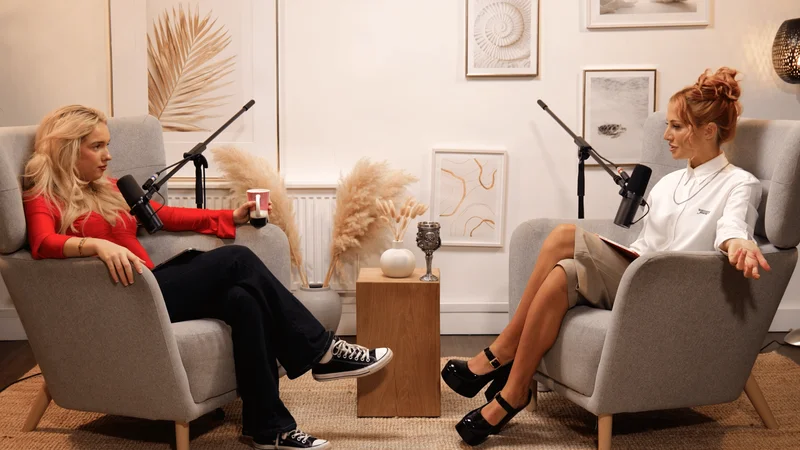
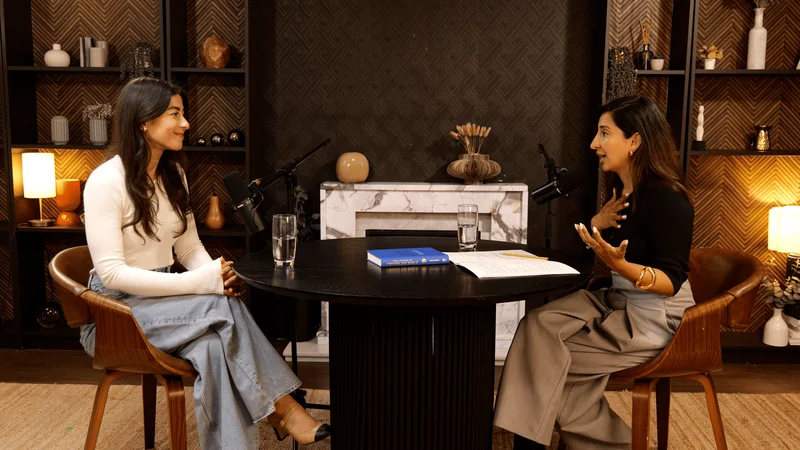
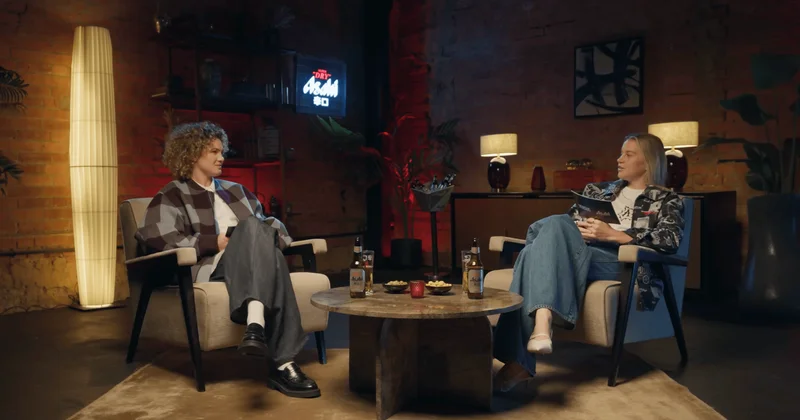
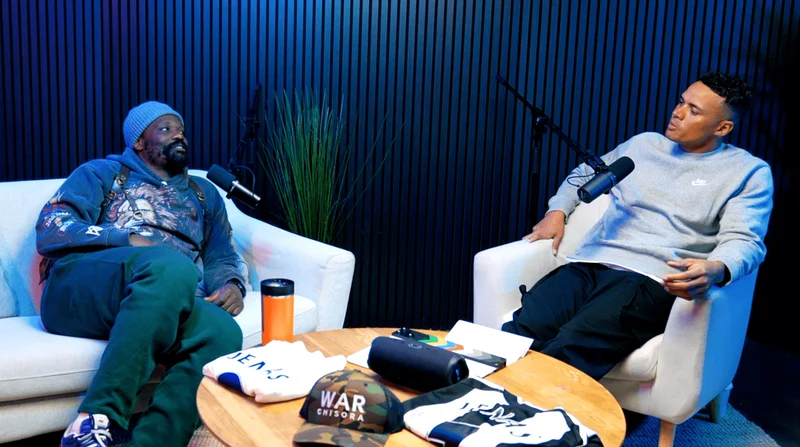
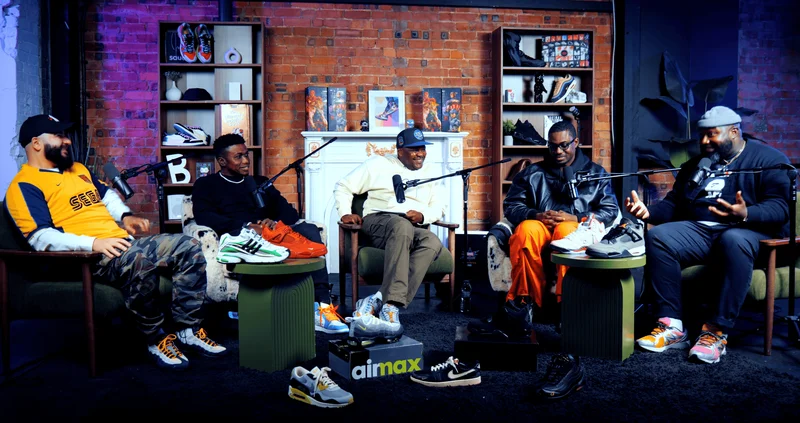
Whatever the future holds, high-quality production will always be the standard. We provide the professional spaces and expert support to make your content shine. We encourage you to see our different sets, each designed for a specific creative vision. Explore our intimate Dialogue Room for one-on-one interviews, the comfortable LOUNGE STUDIO for relaxed group chats, or the executive CEO SET for thought-leadership content.
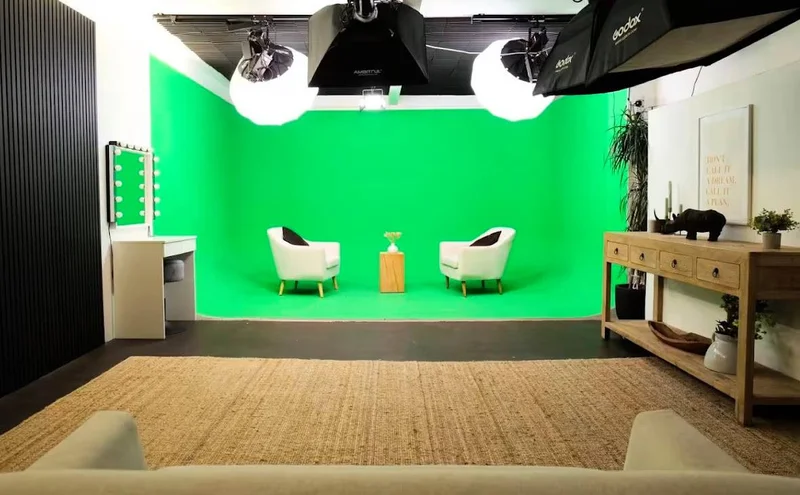
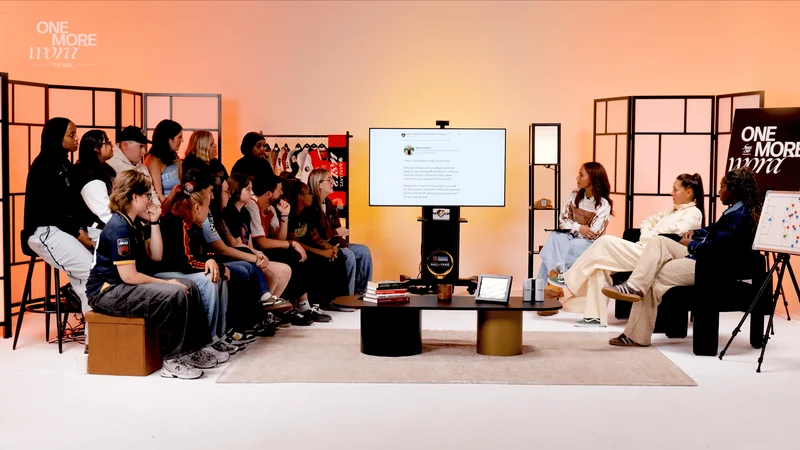
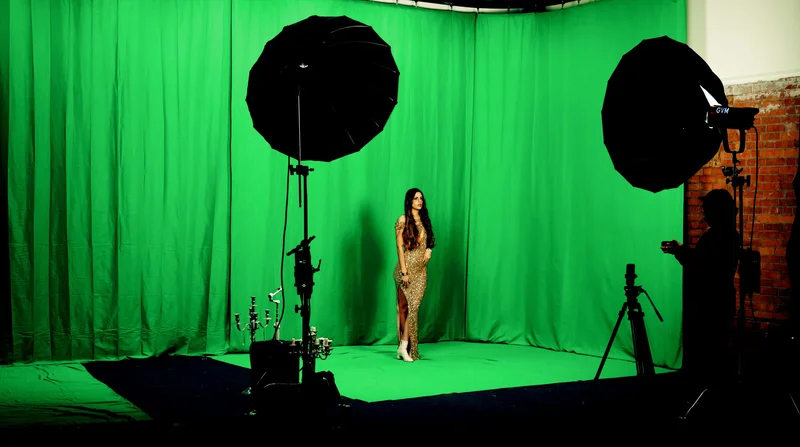
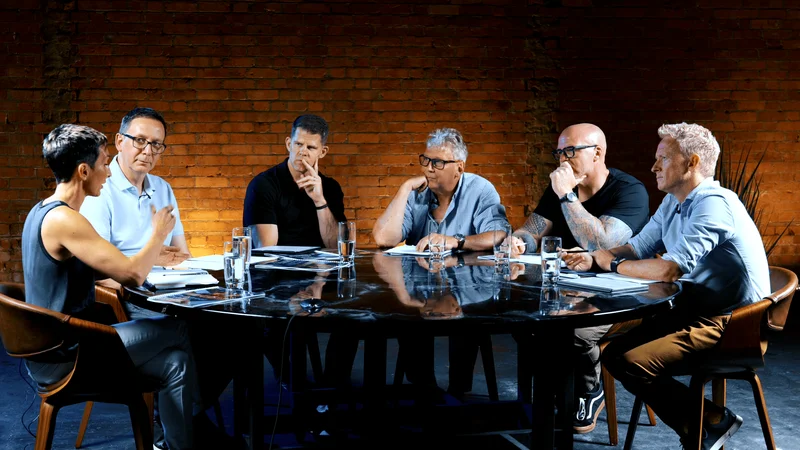
For more dynamic productions, we offer a versatile Green Screen Cove, the sleek Blackwood Studio, the industrial-chic THE BRICK STUDIO, a flawless White Infinity Cove, the fully controlled BLACKOUT SET, the spacious GATHERING STUDIO for panel discussions, and one of London's largest GIANT GREEN SCREEN warehouse studios.
Don't let post-production slow you down. Our in-house Video Editing Service can take your raw footage and transform it into polished, engaging content, allowing you to focus on creating. We're proud to be the chosen studio for industry leaders like the BBC and Lloyds bank, who trust us to deliver professionalism and quality. See what our clients are saying by checking our Google review and Trust Pilot pages.
Our studio is incredibly easy to reach. We are located just two minutes from Finchley Central on the Northern Line and are right next to the Travelodge London Finchley, perfect for guests coming from out of town. We also provide one free parking space per booking. Find us instantly on Google map, Apple maps, [suspicious link removed], or with our What 3 words address.
Stay inspired and see the content being created in our spaces by following us on Instagram, YouTube, TikTok, LinkedIn, and X (Twitter).
If you have any questions, visit our FAQ or contact our friendly team directly via WhatsApp, phone at +447587827200, or Email.
Your audience is waiting. Book now to secure your session and elevate your content.