Executive Summary
This report provides a comprehensive analysis of the equipment and services included in visual podcast studio rentals across London. The market is characterized by a sophisticated tiering of standard equipment, a fundamental divergence in service models, and the increasing integration of advanced production technologies. A key finding is that the choice of camera systems—ranging from prosumer 4K mirrorless models to Netflix-approved cinema cameras—serves as a primary indicator of a studio's target clientele and price point. Similarly, while a high standard of audio capture is ubiquitous, premium offerings like specialized microphones and 32-bit float recorders signal a focus on technical excellence and post-production flexibility.
Two distinct service philosophies define the landscape: a "concierge" model, where a dedicated engineer is included as standard, and a "self-service" model, which offers a lower baseline cost with technical support available as an add-on. Furthermore, the adoption of live video switchers is transforming studios from simple capture spaces into efficient content production hubs, enabling "live-to-tape" workflows that drastically reduce editing time. This analysis concludes that the optimal studio choice is not based on a single factor but is contingent on a creator's specific technical requirements, desired workflow, budget, and level of operational expertise.

Section 1: The Core Production Kit: A Comparative Analysis of Standard Equipment
The foundational equipment provided by a rental studio dictates the technical quality and creative potential of a podcast production. While most studios offer a comprehensive core kit, a detailed examination of the specific models and quantities reveals significant differentiation in capabilities and target markets.
1.1 Video Capture Systems: The Hierarchy of Cameras
The video cameras included in a rental package are a primary determinant of a podcast's visual aesthetic. The London market exhibits a clear preference for Sony and Canon systems, but the specific models offered create a distinct hierarchy that aligns with different production standards and budgets.
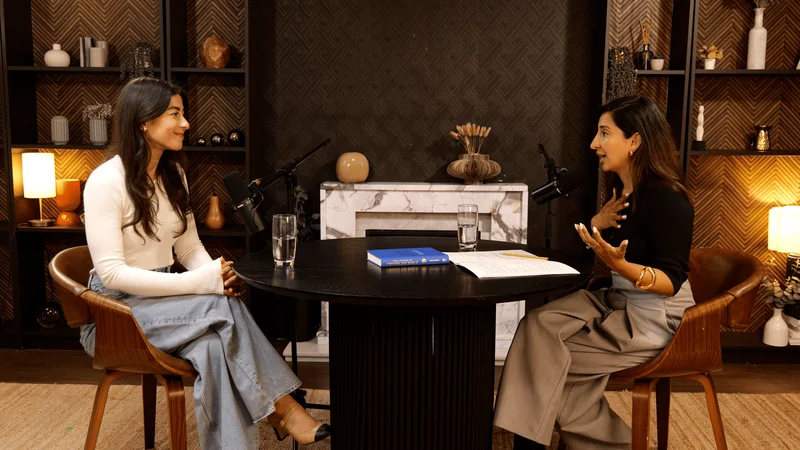
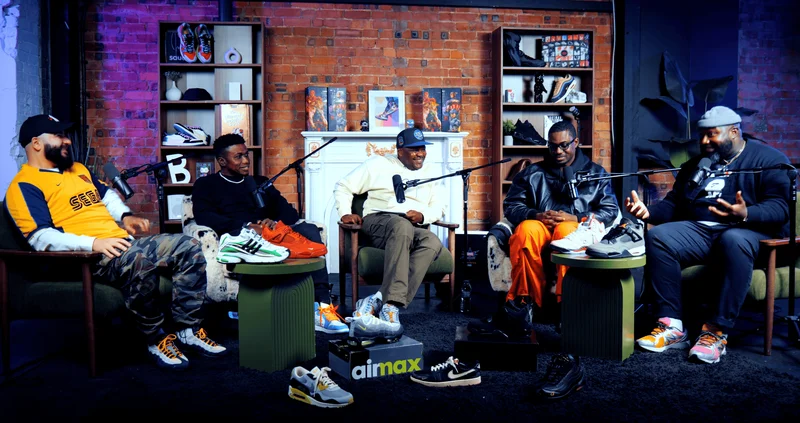
Professional/Cinema Tier: Studios catering to high-end corporate clients, brands, and established production companies provide cinema-grade cameras. This tier is defined by superior sensor technology, which translates to greater dynamic range, more accurate color science, and the shallow depth of field associated with a cinematic look. Podshop's Studio 1, for example, is equipped with two Sony FX6 cameras, while Acast's premier Studio 1 offers three Canon C70s.1 Outset Studio's London Bridge Studio A raises the standard further by using the Netflix-approved Sony FR7, a full-frame Pan-Tilt-Zoom (PTZ) camera that combines cinematic image quality with the operational flexibility of remote control.3
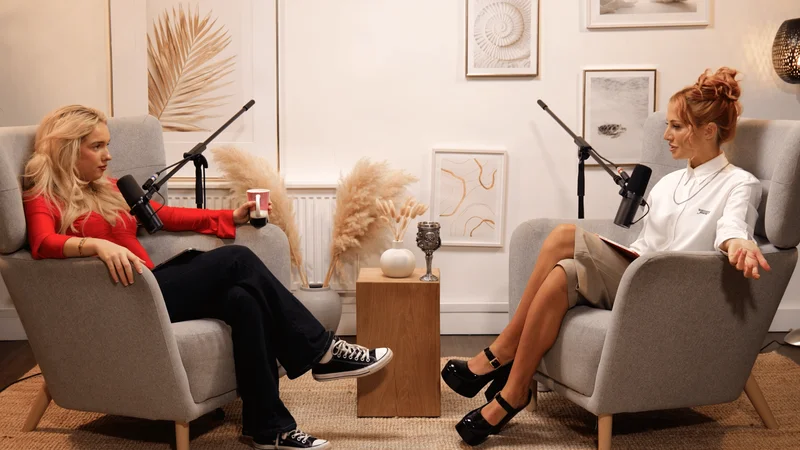
Prosumer/Creator Tier: The most prevalent offering across the market consists of high-quality 4K mirrorless cameras that represent a balance of exceptional quality and operational efficiency. Premiere Podcast Studios includes three Sony A7iV cameras as standard, a popular full-frame model known for its excellent autofocus and video capabilities.4 Podshop's other studios utilize the compact yet powerful Sony FX3, and Outset Studio equips its Shoreditch and London Bridge Studio B locations with the Sony FX-30, which features a Super 35mm sensor ideal for video production.1 These cameras are the workhorses of the industry, providing professional-grade 4K video suitable for the vast majority of podcasting needs.
Entry-Level/Budget Tier: Some studios focus on accessibility by providing capable but less specialized camera packages. Nostars Studio, for instance, includes a single 6K Black Magic Pocket Camera, which offers high resolution but limits the production to a single angle unless more cameras are added.7 London Podcast Studios provides packages with a choice of two or three "4K cameras" without specifying the model, indicating a focus on multi-camera functionality at an accessible price point rather than on specific technical prestige.8
The specific camera models offered are a deliberate strategic choice by each studio. It is not merely about achieving "4K resolution"; it is about the sensor size, lens ecosystem, and recording formats that differentiate a standard interview from a production with a distinct, cinematic visual identity. A creator can therefore infer a studio's target market and service level by analyzing its camera inventory, allowing for a more informed selection based on their desired aesthetic.
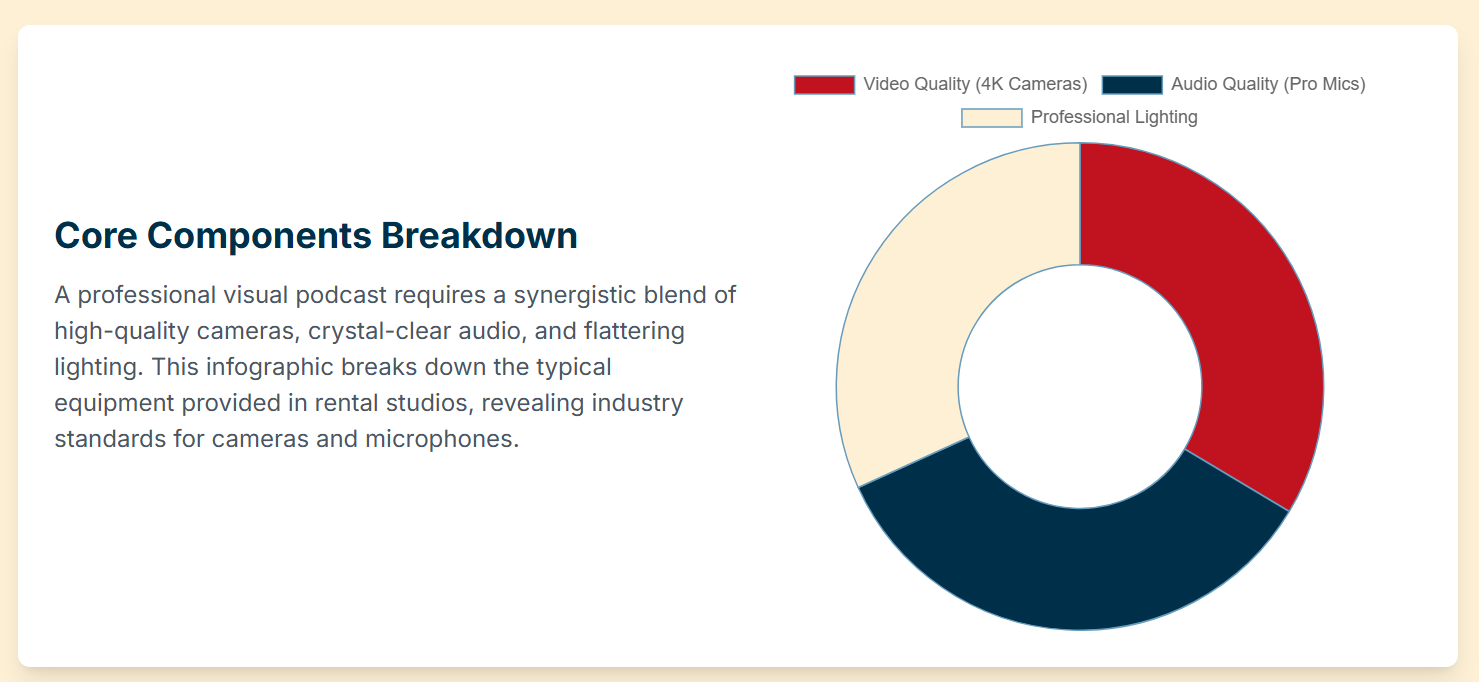
Image Credit: Finchley Studio
1.2 Audio Recording Infrastructure: The Pursuit of Sonic Clarity
Audio quality is non-negotiable in podcasting, and London studios universally provide professional-grade equipment. However, analysis of the specific microphones and recorders reveals a distinction between studios that offer the reliable industry standard and those that provide specialized equipment for technically discerning clients.
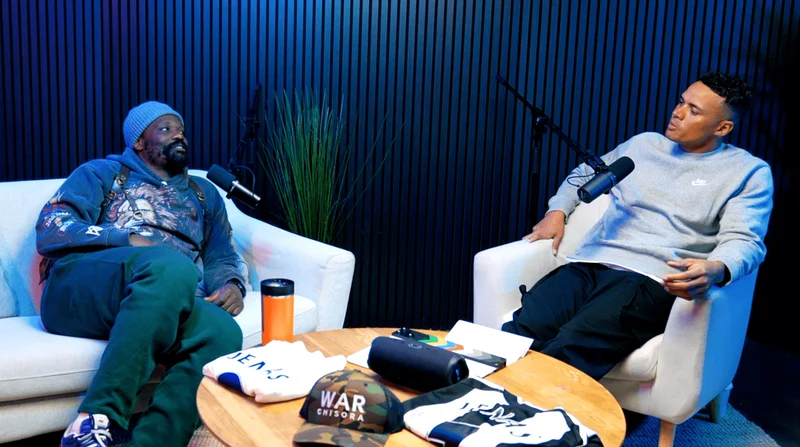
The Industry Standard Microphone: The Shure SM7B dynamic microphone is the most frequently cited model, renowned for its warm, broadcast-quality vocal tone and excellent rejection of background noise. It is the microphone of choice at Nostars, LuxePod London, Outset Studio's London Bridge Studio A, and the Waterloo Podcast Project.3 The RØDE Procaster, another high-quality dynamic microphone with similar characteristics, is also a popular option, used across Outset Studio's locations.5
Premium & Specialized Options: To differentiate themselves, some studios offer higher-end or technologically advanced microphones. TYX Studios equips its flagship space with Neumann mics, a brand synonymous with the highest tier of professional studio recording.13 Acast Studios has made a significant technological investment by standardizing on Lewitt RAY condenser microphones, which feature "AutoFocus" technology. This innovative function automatically mutes the microphone when the speaker moves away, reducing audio bleed and simplifying the mixing process in dynamic, multi-person conversations.2
Mixing and Recording: The RØDECaster Pro is the dominant mixing console for its user-friendly interface and integrated features like sound pads and audio processing, making it ideal for self-service environments.2 For productions demanding the utmost in audio fidelity and post-production flexibility, Outset Studio utilizes the Zoom F8n Pro recorder.3 This recorder's key feature is its ability to capture audio in a 32-bit float format. This technology makes it virtually impossible for audio to "clip" or distort from being too loud, providing an enormous safety net during recording and granting complete freedom to adjust levels in post-production without degradation of quality. The provision of such equipment indicates that a studio anticipates a professional workflow where audio integrity is paramount.
1.3 Studio Lighting and Visual Ambiance
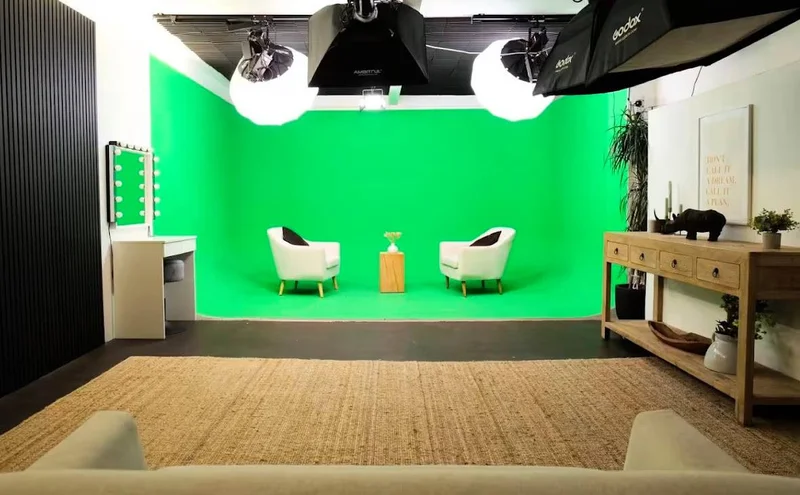
Lighting is a critical component of a visual podcast, and all studios provide professional lighting rigs. The key difference lies in the degree of customizability offered. While most include standard, temperature-controlled LED lights to ensure subjects are well-lit, many also provide tools for creative expression and branding.4 Podshop offers specific details on its high-quality setups, which include Godox and Amaran LED light panels.1
A significant feature for enhancing visual branding is the inclusion of color-changing RGB lights. These are offered by London Podcast Studios, Podshop, and Outset Studio, allowing creators to infuse the set with their brand's color palette.1 This capability is often complemented by a wall-mounted TV or monitor, provided by studios like London Podcast Studios, Nostars, and Podshop, which can be used to display a logo or other branding elements directly in the shot.1 These features, though simple, are highly effective for producing polished, brand-aligned content.
Section 2: Advanced Technology and Differentiating Features
Beyond the standard production kit, a growing number of studios are investing in advanced technology that streamlines workflows, enhances creative possibilities, and provides a higher level of professional control. These features are often what separate a basic recording space from a full-fledged production studio.
2.1 The Rise of the "Live-to-Tape" Studio: Integrated Production Systems
A major trend in the market is the adoption of integrated production systems centered around live video switchers. This technology enables a "live-to-tape" recording method, where the switching between different camera angles is performed in real-time during the recording session. The result is a fully edited video file that is ready for distribution almost immediately after the session concludes.
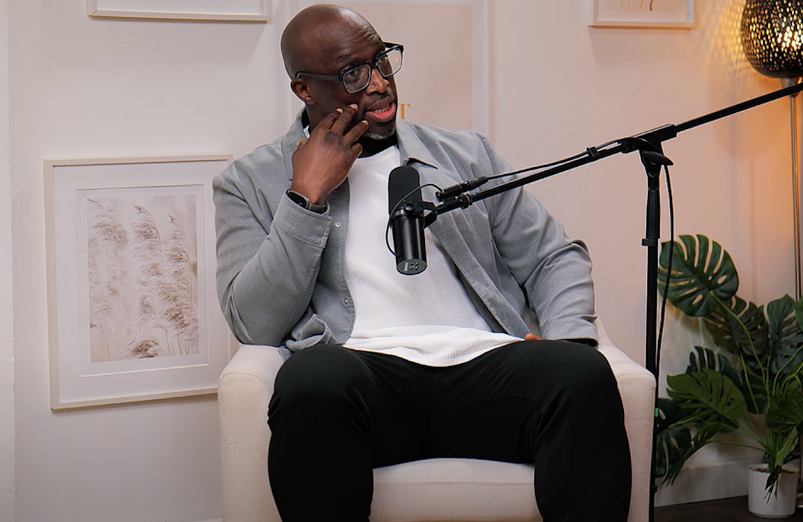
Image Credit: Finchley Studio
Outset Studio prominently features the ATEM Mini Extreme ISO video switcher at both its Shoreditch and London Bridge locations.3 Acast Studios also equips all its video studios with ATEM Mini switchers, which are operated from an adjacent control room.2 The "ISO" (isolated) designation on these models is critical; in addition to recording the live-edited program feed, the switcher simultaneously records the individual, clean feeds from each camera. This creates a powerful and flexible workflow. Creators can leave the studio with a finished episode for rapid publishing, but they also retain all the raw camera angles, allowing them to refine edits or correct mistakes in post-production. This technology fundamentally changes the studio's value proposition from merely renting equipment to providing an accelerated production workflow, a significant advantage for creators who need to produce a high volume of content efficiently. London Podcast Studios offers this capability as an add-on service called "Live Streaming/Editing with Operator," demonstrating the premium value of this workflow.9
2.2 Specialized Production Tools and Facilities
To cater to a wider range of production needs, many studios offer specialized equipment and facilities that provide greater creative control and professionalism.
Teleprompters/Autocues: For podcasts that involve scripted content, advertisements, or detailed interview questions, a teleprompter is an essential tool. This is available as an optional add-on at London Podcast Studios for an hourly fee of £29 and is also offered by Podshop.1
PTZ (Pan-Tilt-Zoom) Cameras: These remote-controlled cameras represent a significant technological advantage for dynamic productions. The Sony FR7 at Outset Studio and the Canon N300 models at Acast Studios can be panned, tilted, and zoomed by a single operator from a control room.2 This allows for the creation of more visually engaging shots—such as slow zooms or pans between speakers—without the need for a dedicated camera operator for each camera, enabling higher production value with a smaller crew.
Dedicated Control Rooms: The presence of a separate, acoustically isolated control room is a hallmark of a high-end professional studio. Both Podshop and Acast highlight this feature, which allows a producer, director, or engineer to manage the technical aspects of the recording—such as switching cameras, monitoring audio levels, and communicating with the talent—without creating noise or distraction in the main studio.1
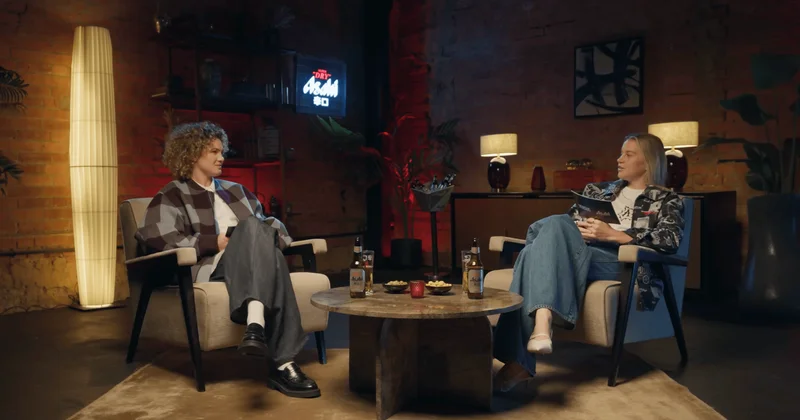
Customizable Sets & Backdrops: Recognizing the importance of a unique visual identity, many studios offer versatile furniture, multiple backdrops, and customizable sets.1 TYX Studios mentions "dynamic backdrops," while Spiritland Studios offers a uniquely premium ambiance by being located within a legendary London listening bar, providing a sophisticated and relaxed environment for conversations.11
Section 3: The Service Model: Inclusions, Add-Ons, and Personnel
The human element and the structure of the rental package are as crucial as the hardware. The decision of whether to include a technical operator as standard creates a fundamental divide in the market, shaping the client experience, the final cost, and the level of expertise required from the renter.
3.1 The Engineer/Operator: Included Concierge vs. Optional Expert
The London podcast studio market is clearly split between two service philosophies regarding technical personnel.
Engineer Included (Concierge Model): Several studios build their value proposition around providing a frictionless, full-service experience. Premiere Podcast Studios emphasizes that every booking includes a "dedicated engineer that is present during the full recording," removing the technical burden from the creator.4 Similarly, Podcast Studio Hire includes a studio engineer in its standard rate, and TYX Studios provides a "dedicated technician" for its flagship studio.13 This "concierge" model is ideal for corporate clients, high-profile hosts with guests, or beginners who want to focus entirely on their content and performance without worrying about the technical execution.
Engineer as an Add-On (Self-Service Model): The more common approach is to offer technical support as an optional extra, which lowers the baseline rental cost. London Podcast Studios allows clients to add an Operator/Engineer for £49 per hour.9 Outset Studio's packages are designated as "self-service," where a studio assistant provides an initial orientation, but a dedicated sound engineer or videographer for the full session is an add-on.12 Podshop follows a similar model, with an engineer available to start the session but recommended as an optional hire for the entire duration.1 This model empowers experienced creators, YouTubers, and production teams who are comfortable operating the equipment and prefer to manage the technical aspects themselves to maximize their budget.
The service model is arguably the most significant differentiator between studios. It creates two distinct pathways for creators, and the choice between them should be based on an honest assessment of one's own technical proficiency, budget, and desired on-set experience.
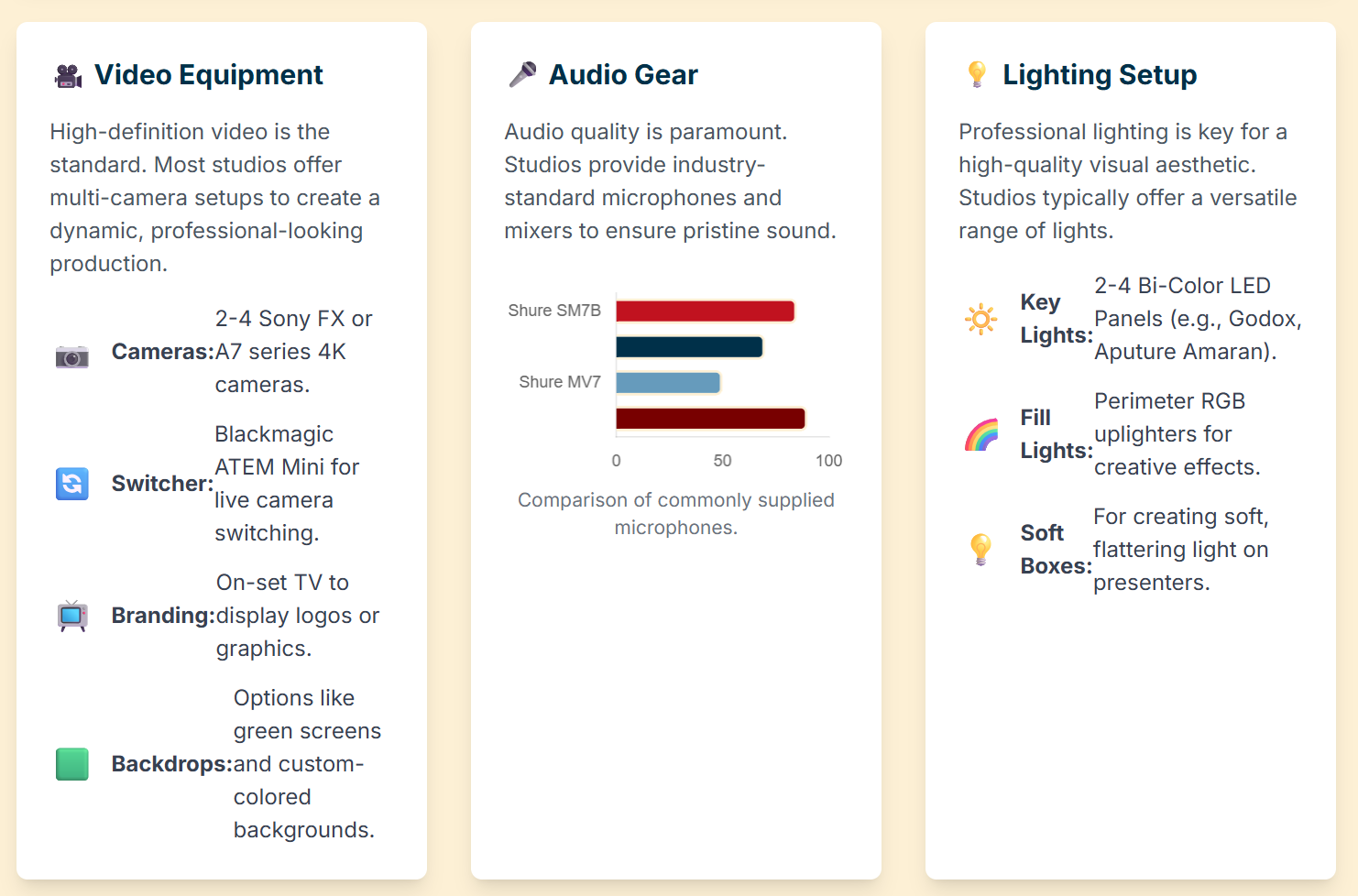
Image Credit: Finchley Studio
3.2 Deconstructing the "A La Carte" Menu: Common Add-Ons
Studios operating on a self-service model typically offer a menu of optional services, allowing clients to build a custom package tailored to their needs.
Post-Production: Editing is the most common add-on service. London Podcast Studios provides a detailed price list for audio editing (£49), video editing (£99), and the creation of short social media clips (£29 per 60 seconds) from the main recording.9 Podcast Studio Hire offers a comprehensive "Film & Edit" package that includes the recording and a full episode edit for £390 per hour.14 Premiere Podcast Studios also offers a range of editing services, including color grading and mixing, starting from £90 per hour.4
Workflow Services: Recognizing that creators' time is valuable, some studios offer services that handle time-consuming but technically simple tasks. London Podcast Studios, for example, charges £14.99 per hour to synchronize the separately recorded audio and video files, a crucial first step in any video podcast edit.9
Specialized Gear: As previously noted, equipment that is not required for every production, such as teleprompters, additional cameras, or wireless clip-on microphones, is typically available for an additional fee.1
Section 4: Client Responsibilities and Studio Protocols
To ensure a successful and efficient recording session, creators must be aware of their responsibilities, particularly concerning data management and adherence to studio policies. These logistical details can have a significant impact on workflow and budget.
4.1 Data Management: The Renter's Critical Responsibility
The most consistent requirement across nearly all studios is that clients are responsible for securing their recorded files. The method for this varies and is a critical logistical detail to confirm before booking.
Bring Your Own Hard Drive: Podshop is explicit in its policy: "Renters must bring a hard drive for file transfer on the day." They also provide a technical recommendation for drives with a read/write speed of at least 1000 MB/s to handle large 4K video files efficiently.1 This method ensures the creator leaves with their files immediately.
Bring Your Own SD Cards: Premiere Podcast Studios records directly to SD cards and advises clients to bring their own if they wish to take their files with them right after the session. Failure to do so incurs a £45 file transfer fee, representing a potential hidden cost for the unprepared.4
Cloud Transfer: Some studios offer cloud-based delivery as a convenience. London Podcast Studios includes file transfer via the cloud within 72 hours as part of its standard packages.8 While convenient, this delay can be problematic for time-sensitive content. Podshop offers online file transfer for a £25 fee as an alternative to bringing a physical drive.1
The studio's file delivery policy is a crucial but often overlooked factor. It can introduce unexpected delays, costs, and workflow friction. A creator on a tight production schedule must prioritize studios that offer immediate file access, whereas a creator with a more flexible timeline may prefer the convenience of cloud delivery.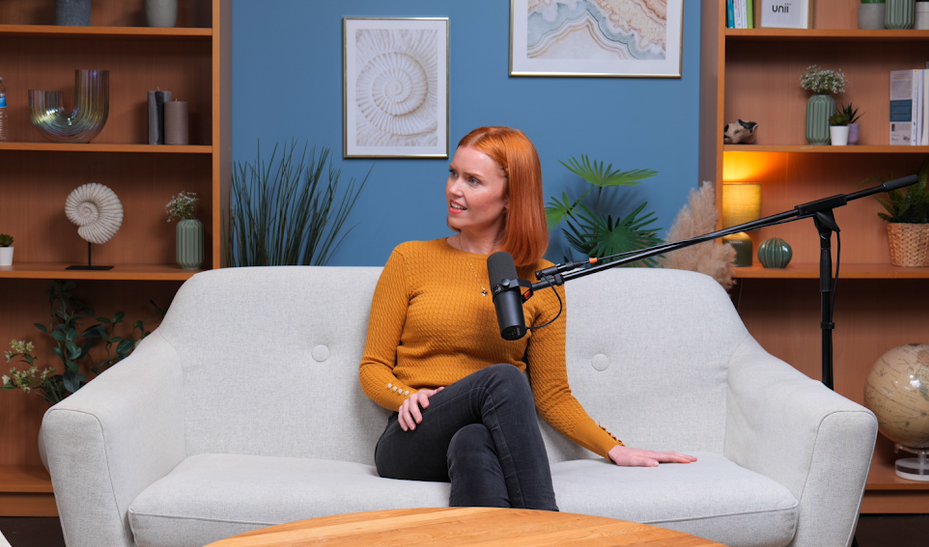
4.2 Equipment Policies and Studio Etiquette
Studios maintain different policies regarding the use of external equipment, reflecting their operational philosophies. Podshop, for instance, operates a controlled environment, stating that renters are "not allowed to bring external equipment into the studio," with minor exceptions for items like iPads or small handheld cameras for behind-the-scenes footage.1 This policy ensures technical consistency and minimizes troubleshooting. In direct contrast, Outset Studio offers maximum flexibility, explicitly allowing renters to "Bring your own equipment & props" and "Bring your own team".12 This approach caters to experienced producers and teams who may have specialized gear or established workflows they wish to incorporate.
Section 5: Synthesis and Strategic Recommendations
The diverse range of equipment, services, and operational models in the London podcast studio market means that the "best" studio is entirely dependent on the creator's specific profile and project goals. By synthesizing the findings of this report, it is possible to provide strategic recommendations for different user personas.
The Beginner/Solo Creator: This user's priorities are ease of use, affordability, and reliable support. They should seek out studios with a "self-service" model that includes a thorough initial orientation, such as Outset Studio or London Podcast Studios.9 A package with a user-friendly RØDECaster Pro mixer and a standard 2-3 camera setup featuring models like the Sony A7 series or FX-30 would be ideal. For their first few sessions, investing in the add-on engineer service is a wise choice to ensure a smooth learning curve. The Corporate Brand/High-Profile Host: This user prioritizes professionalism, reliability, and a seamless experience for hosts and their guests. The "engineer-included" concierge model offered by studios like Premiere Podcast Studios, TYX Studios, or Spiritland Studios is non-negotiable.4 Their equipment requirements will lean towards the premium tier, including cinema-grade cameras (Sony FX6, Canon C70), high-end microphones (Neumann), and facilities that project a professional image, such as dedicated control rooms, waiting areas, and refreshments.1 The High-Volume Content Creator/Live Streamer: This user's primary concern is workflow efficiency and speed to market. The single most important feature for this profile is an integrated live production system with a video switcher, as offered by Acast Studios and Outset Studio.2 The ability to leave a session with a live-edited file that is 90% ready for publishing is a transformative advantage. This user would also benefit greatly from studios equipped with PTZ cameras, which allow for dynamic, multi-angle productions to be managed by a small, efficient crew.5.1 Matching Studio Capabilities to Creator Personas
Of course. A standard rental for a visual podcast studio in London is designed to be a "walk-in and record" experience, providing all the necessary professional equipment.
Typically, the rental price includes a complete, ready-to-record setup with a multi-camera 4K system, professional lighting, and broadcast-quality audio gear.
Here is a detailed list of the equipment you should expect to be included.
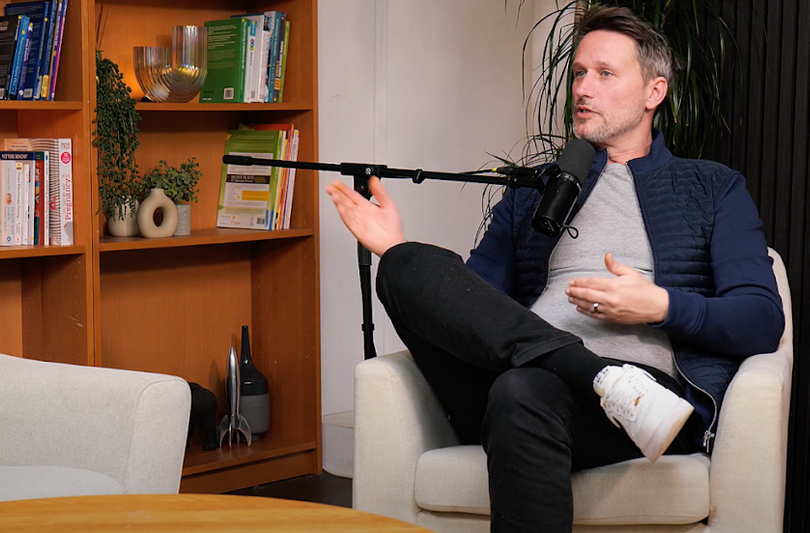
Image Credit: Finchley Studio
## Standard Equipment Inclusions
Video Equipment:
Multi-Camera 4K System: A minimum of two, and more commonly three, 4K cameras (from professional brands like Sony or Blackmagic). This allows for dynamic, broadcast-style shots, including close-ups on the host and guest, as well as a wide angle of the set.
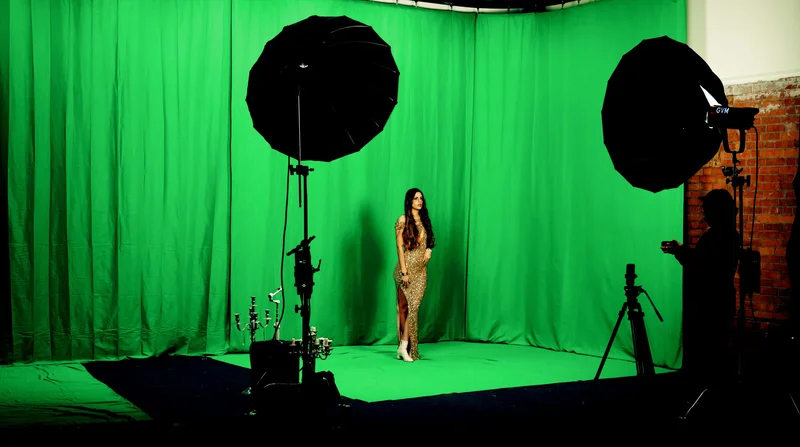
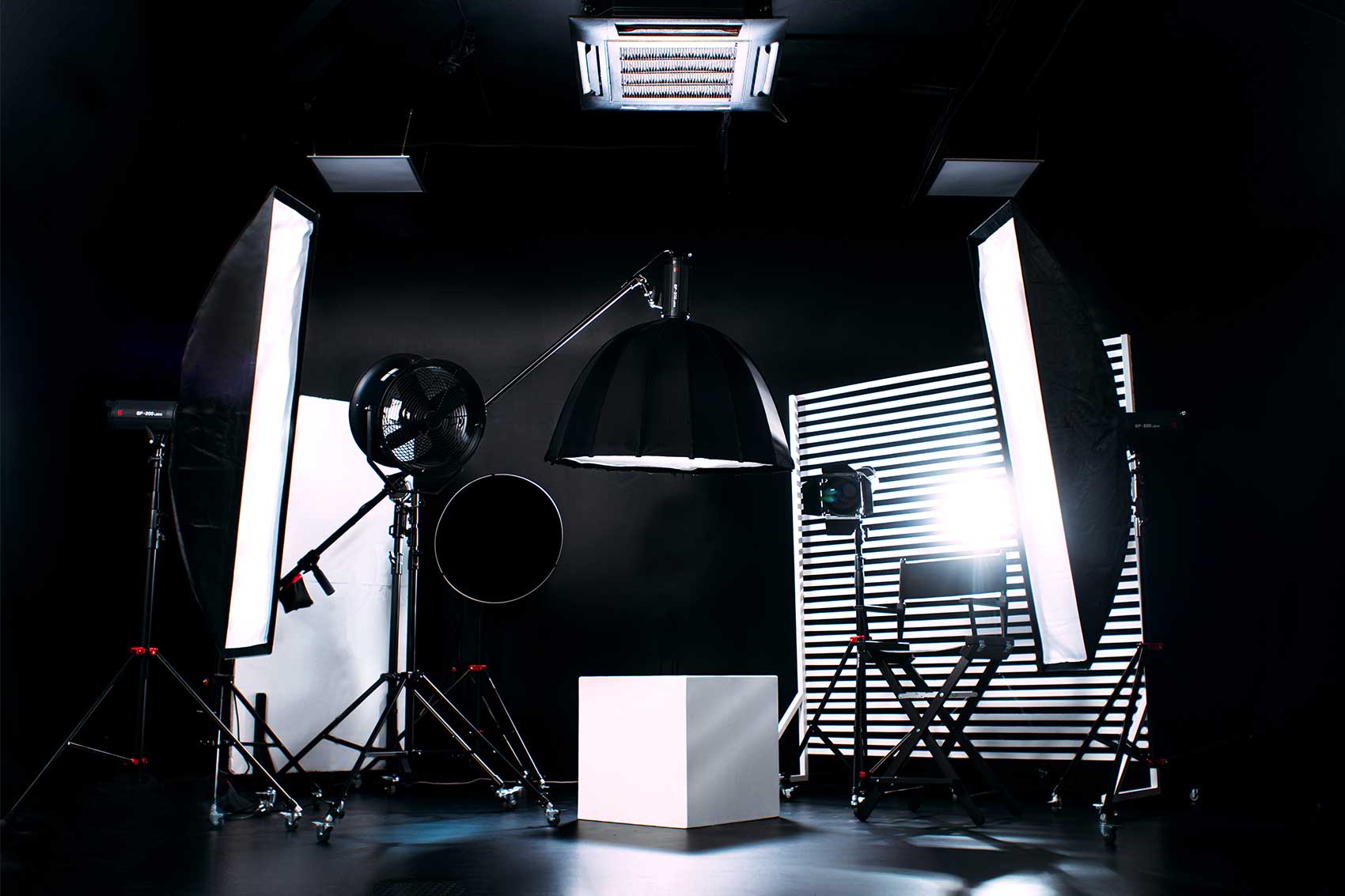
Professional Cinematic Lighting: The studio will be pre-lit with a professional, multi-point lighting setup (using softboxes and key lights) to create a flattering and cinematic look with no harsh shadows.
Audio Equipment:
Broadcast Microphones: A professional broadcast microphone for every speaker, which is typically the industry-standard Shure SM7B, known for its warm, rich vocal tone.
Studio Headphones: A pair of high-quality, closed-back headphones for each participant to monitor the audio clearly.
Professional Audio Mixer/Interface: A central hub like the RØDECaster Pro II or a similar high-end audio interface to ensure a clean, crisp, and perfectly balanced audio recording.
The Studio Environment:
A Professional Set: A fully furnished and expertly designed set that provides a polished backdrop for your video.
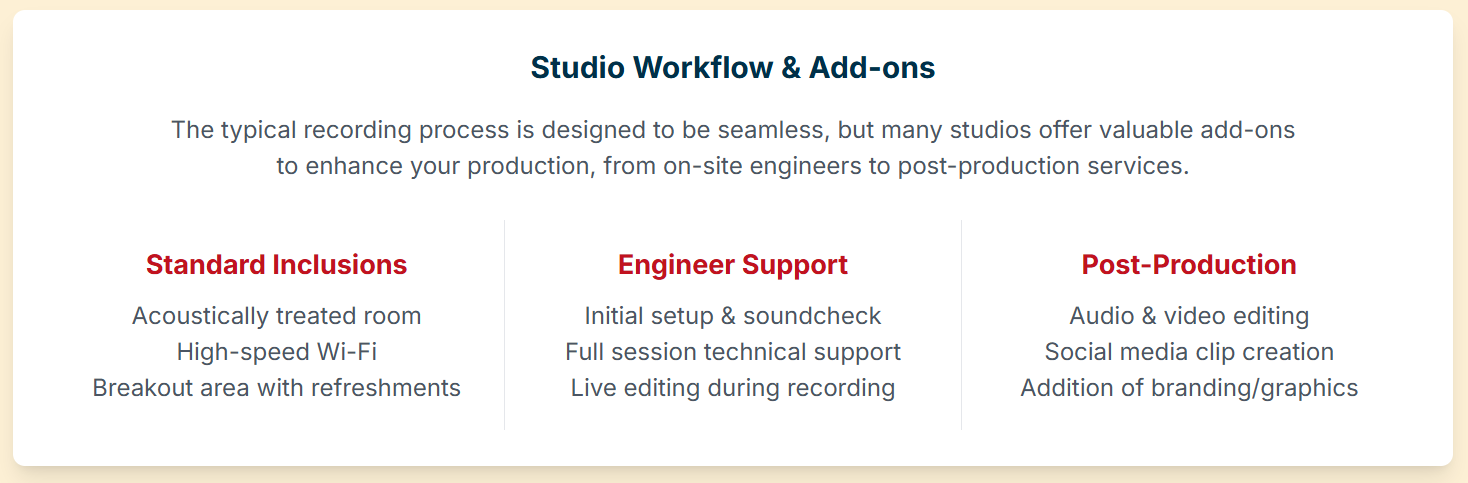
A Soundproofed & Acoustically Treated Room: This is a crucial component, ensuring your audio is free from both external city noise and internal echo or reverb.
Standard Amenities: Such as high-speed Wi-Fi, air conditioning, and comfortable seating.
## What You Typically Need to Bring
While a professional studio like Finchley Studio provides all the technical production equipment, you will need to bring:
A Portable Hard Drive: This is essential. You'll need it to take home the large raw audio and 4K video files from your session. We recommend a drive with at least 250GB of free space.
Your Notes: A laptop, tablet, or notebook with your episode outline and questions.
Any Custom Props: Branded mugs, books, or other small items to personalise the set.
Record with the Best Equipment at Finchley Studio
Now that you know what a professional setup includes, you can be confident that Finchley Studio provides everything you need for a broadcast-quality visual podcast. We use industry-standard equipment, including Shure SM7B microphones and multi-camera 4K systems, in all our studios. Our commitment to technical excellence is why organisations like the BBC and Lloyds Bank trust us with their productions. See what our clients are saying in our Google reviews and on Trustpilot.
Our diverse range of meticulously designed studios all come fully equipped for your visual podcast:
Our professional Video Editing Service can take your professionally recorded footage and create a polished final product. The team at Finchley Studio is here to ensure your vision is realised perfectly.
Ready to record with the best equipment in the business?
Find Us Easily: Our studio is conveniently located just a two-minute walk from Finchley Central on the Northern Line and is adjacent to the Travelodge London Finchley. We also offer one free parking space per booking.
what3words: orders.yards.jokes
Stay Connected: Follow our journey and see behind-the-scenes content on our social media channels:
Have questions? Check our FAQ or get in touch directly.
WhatsApp: +447587827200
Phone: +447587827200
Email: [email protected]
Sources
5.2 Final Checklist: Key Technical Questions for Studio Selection
Before booking a studio, creators should ask a series of targeted questions based on the analysis in this report to ensure the facility meets their specific needs.
Video: "What are the specific makes and models of the cameras and lenses included in the standard rental? How many cameras are provided?"
Audio: "What specific microphones and audio recorder or mixer do you provide? Do you offer 32-bit float recording for audio safety?"
Workflow: "Do you have a video switcher for live editing? If so, which model is it? Can I leave the session with both the live-edited program feed and the isolated camera recordings?"
Personnel: "Is a dedicated engineer or operator included for the entire duration of my booking? If this is an add-on, what is the hourly cost and what are their specific responsibilities?"
Data: "What is your process for file delivery? Is there a delay for cloud transfers? Are there any fees if I do not bring my own storage drive or SD cards?"
Flexibility: "What is your policy regarding bringing in my own equipment, such as a specific microphone, laptop, or props for the set?"
Works cited
Podcast Studio in London, Podcast Studio Hire London - Podshop, accessed September 25, 2025, https://www.podshoponline.co.uk/services/podcast-studio
Acast Studios London, accessed September 25, 2025, https://www.acast.com/en/acast-studios-london
Podcast Studio London Bridge | From £84/hr, accessed September 25, 2025, https://outsetstudio.com/london-podcast-studio-in-central-london/
Podcast Studio For Hire in Central London | Shoreditch, accessed September 25, 2025, https://premierepodcaststudios.com/
10 Best Podcast Studios London to Hire in 2025 - Saspod, accessed September 25, 2025, https://saspod.com/blog/post/best-podcast-studios-london
London Podcast Studio from £84/hr | Shoreditch - Outset Studio, accessed September 25, 2025, https://outsetstudio.com/podcast-studio-london/
Podcast Studio London, Hire Podcast Room From 30/hr - Nostars Studios, accessed September 25, 2025, https://nostars.uk/podcast/
London Podcast Studio | Podcast Recording From £69/hr!, accessed September 25, 2025, https://www.londonpodcaststudios.co.uk/
Bookings & Pricing — London Podcast Studio | The Home of Podcasting!, accessed September 25, 2025, https://www.londonpodcaststudios.co.uk/london-podcast-studio-hire-bookings
LuxePod London | Premium Podcast Studio in West London ..., accessed September 25, 2025, https://luxepodlondon.com/
13 Podcast Studios In London For Hire - DesignMyNight, accessed September 25, 2025, https://www.designmynight.com/london/blog/podcast-studios-london
Podcast Studio Hire - Outset Studio, accessed September 25, 2025, https://outsetstudio.com/podcast-studio-hire/
TYX Studios | Podcast, Music & Photography Studios in London, accessed September 25, 2025, https://tyxstudios.com/
Podcast Studio Hire | London | Equipment & Engineer included, accessed September 25, 2025, https://podcaststudiohire.co.uk/
London Podcast Studio | Studio Hire in King's Cross - Spiritland Productions, accessed September 25, 2025, https://spiritlandproductions.com/studio/