Author: [Your Name/Studio Name]
Topic: Video Production & Studio Hire
Read Time: 8 Minutes
In the content capital of the UK, "good enough" is no longer good enough. Whether you are launching a brand-new vodcast in Shoreditch or filming corporate interviews in the City, the standard for entry has shifted. Audiences don’t just listen anymore—they watch. And they watch in high definition.
The rise of video podcasting (vodcasting) has forced creators to become videographers overnight. But capturing crisp, cinematic 4K footage requires more than just buying a camera with a "4K" sticker on the box. It requires an understanding of lighting, acoustics, and workflow.
If you have ever tried to film a high-fidelity interview in a London flat while battling the sound of sirens, the rumble of the Tube, or the shifting British weather, you know the struggle.
This guide dives deep into the tips and techniques required for professional-quality 4K videography, and how a dedicated podcast studio or video studio can bridge the gap between "home-made" and "broadcast-ready."
1. Resolution is Vanity, Bitrate is Sanity
The first mistake many creators make is assuming that "4K" is a magical switch that guarantees quality. 4K refers to the resolution (pixel count), but bitrate determines the amount of data in those pixels.
Why 4K Matters for Creators
Even if your audience watches on mobile (1080p), shooting in 4K gives you a massive tactical advantage: Cropping.
Social Clips: You can punch in (zoom) on a 4K image to create a vertical (9:16) clip for TikTok or Instagram Reels without losing quality.
Multi-Cam Illusion: With a single 4K wide shot, you can cut between the wide angle and a "close-up" in post-production.
The Technical Reality
To get true professional footage, you need a camera that shoots 4K with a high bitrate and colour depth (ideally 10-bit 4:2:2).
Home Struggle: Most consumer DSLRs overheat when recording 4K for long periods (like a 60-minute podcast).
Studio Solution: Professional studios use cinema-line cameras (like the Sony FX6 or Blackmagic Pocket Cinema Camera) designed to run cool for hours, ensuring your London podcast production doesn’t cut out mid-sentence.
2. Lighting: The Difference Between "Flat" and "Cinematic"
You cannot fix bad lighting in post-production. In 4K, shadows and highlights are more detailed, which means lighting mistakes are more visible.
The 3-Point Lighting Standard
Every professional interview or vodcast uses a variation of this setup:
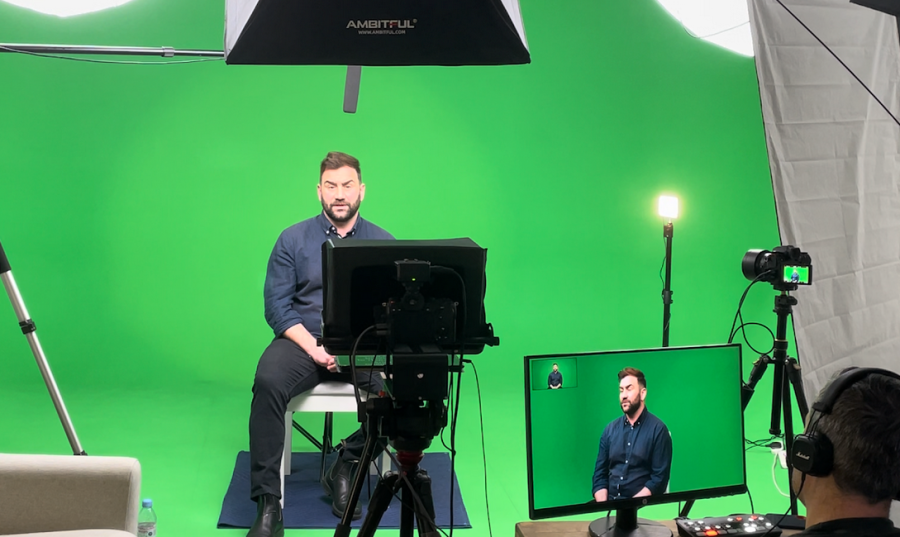
Key Light: The main light source, usually placed 45 degrees to the subject.
Fill Light: A softer light on the opposite side to lift shadows.
Back Light (Rim Light): Placed behind the subject to separate them from the background.
Creating Depth in Small Spaces
One of the biggest pain points for London creators is space. In a small flat or office, you are often forced to sit right against a wall. This creates a "flat" image.
The Fix: You need distance between you and the background to achieve "bokeh" (that blurry, creamy background).
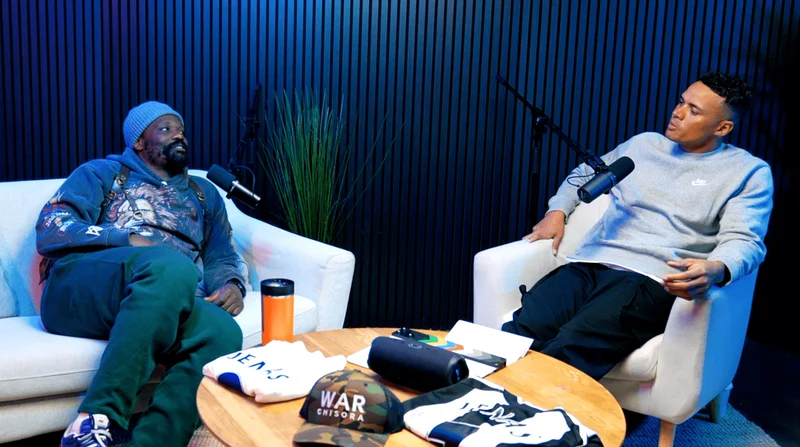
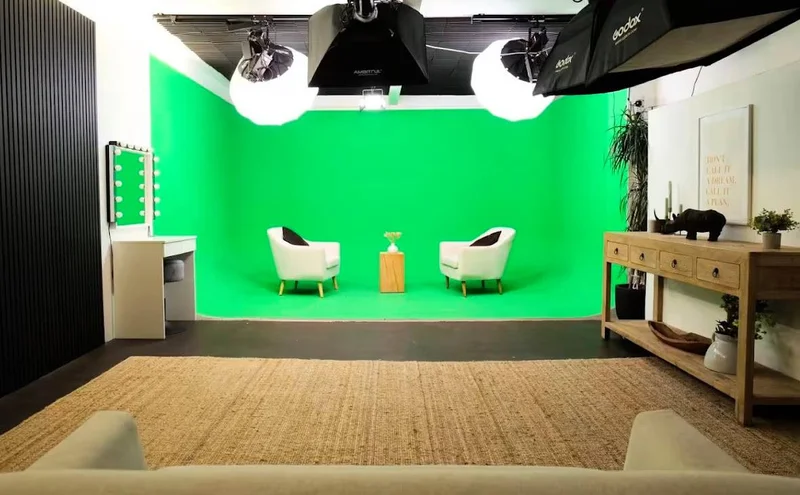
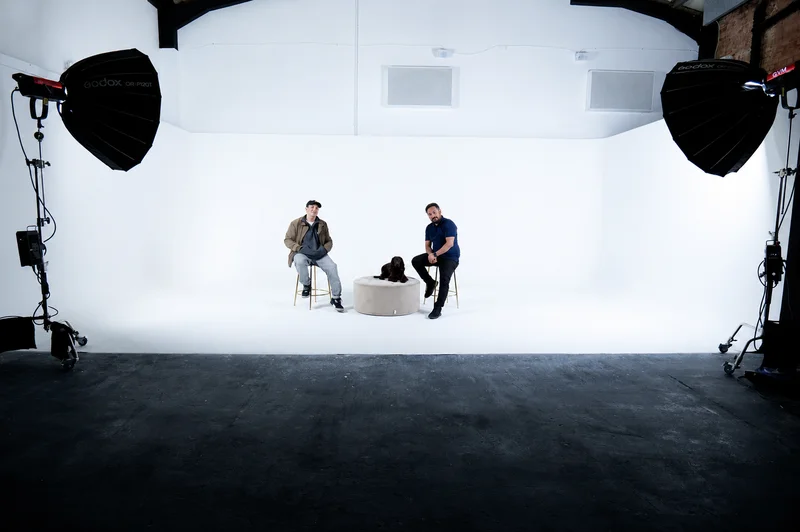
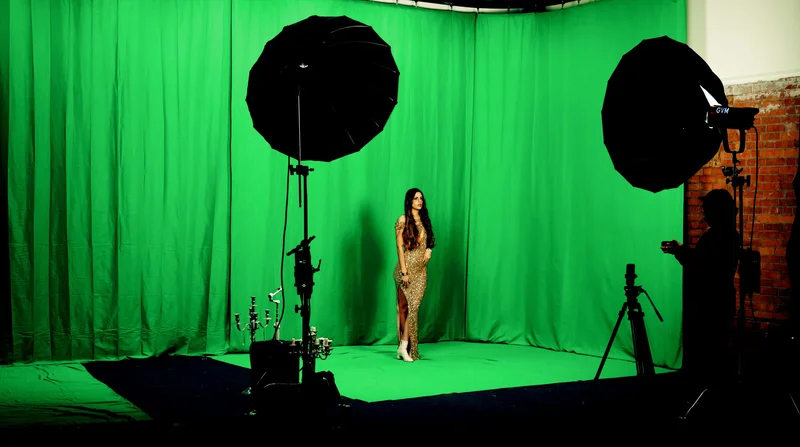
Studio Benefit: A dedicated video studio offers the physical depth required to separate the subject from the wall. Furthermore, with pre-rigged lighting grids (often using industry-standard Aputure or Nanlite fixtures), you don't have to spend an hour setting up stands and taping down cables.
3. Audio: The Invisible 50% of Video
It is a videography cliché for a reason: Bad video is watchable; bad audio is unbearable. When shooting in 4K, viewers expect the audio to match the visual fidelity. If you look like a BBC documentary but sound like a Zoom call, you break the immersion.
The "London Noise" Factor
London is loud. Sirens, construction, and the low-frequency rumble of traffic are constant.
Home Setup: A directional microphone helps, but it can't eliminate the sound of a police car passing your window at 11 AM.
Soundproofing: There is a difference between acoustic treatment (foam to stop echo) and soundproofing (mass to stop noise entering). A professional recording studio is built as a "room within a room" with floated floors and heavy airlocks to isolate you from the city.
Syncing Audio and Video
If you are recording audio separately (which you should be, using an interface like a RODECaster Pro), you must sync it to the video.
Pro Tip: Clap clearly at the start of the recording to give a visual and audio spike to match up in editing.
Pro Level: High-end studios use Timecode generators to jam-sync cameras and audio recorders, meaning every frame aligns perfectly automatically.
4. Set Design and Aesthetics
4K reveals everything. Dust on the shelf, a wrinkled shirt, or a boring white wall all become distractions.
"Vibes" and Practical Lighting
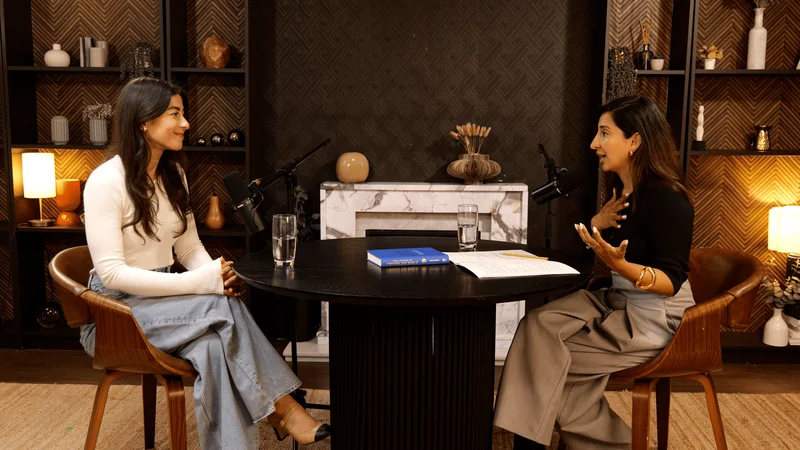
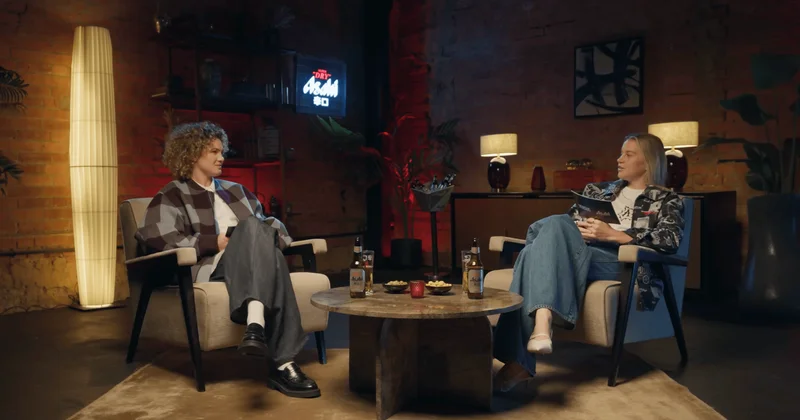
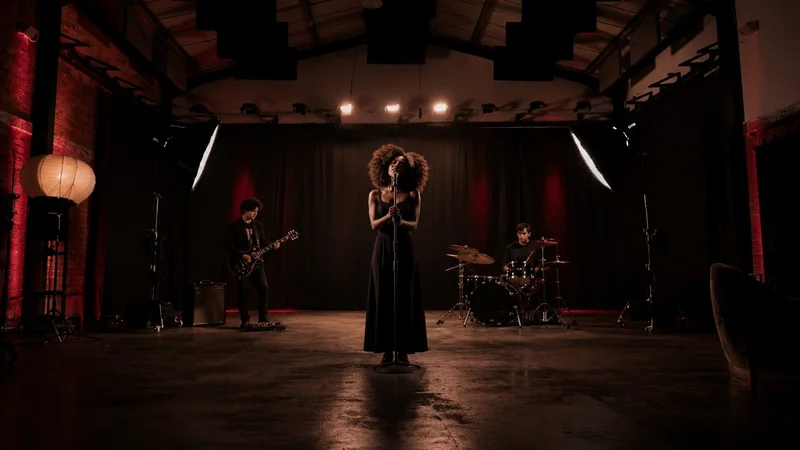
Modern videography relies heavily on "practicals"—lights that are visible in the shot (like a neon sign, a vintage lamp, or LED tubes).
Colour Consistency: Ensure your practical lights match your skin tones.
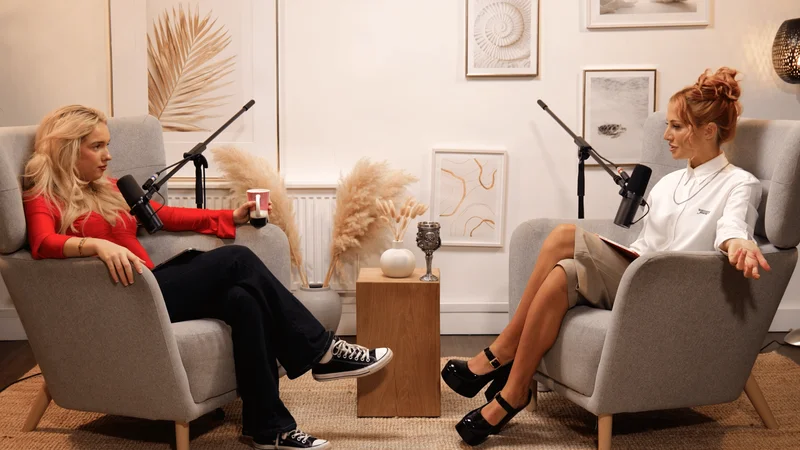
Branding: If you are looking for studio hire London, look for spaces that allow you to customise the set. Can you change the LED colours to match your brand? Is there a screen to display your logo?
Texture: Brick walls, acoustic wooden slats, or velvet curtains look significantly better in 4K than plain plaster.
5. The Post-Production Workflow
Shooting 4K creates massive file sizes. A one-hour multi-cam podcast can easily exceed 100GB of data.
Managing the Data
Storage: You need fast SSDs (Solid State Drives) to edit 4K footage without your computer lagging.
Proxies: If your computer struggles, create "proxies" (lower resolution copies) to edit with, then swap them back to 4K for the final export.
Colour Grading
Cinema cameras record in "Log" (a flat, grey-looking profile) to preserve dynamic range. This requires "colour grading" to bring the image to life.
Why it matters: This allows you to recover details in bright windows or dark corners that would be lost on a standard phone camera.
Why Renting Beats Buying (The London Context)
You can build a 4K setup at home. But let’s look at the logistics for a London-based creator:
Cost: A Sony FX3, G-Master lens, Shure SM7B mic, and adequate lighting will set you back £5,000+ before you even buy a tripod.
Space: Do you have a spare room in Zone 2 purely for filming?
Transport: transporting three flight cases of gear on the Central Line is a specific type of torture.
By utilizing a podcast studio or studio hire in London, you walk in, sit down, and hit record. The lights are set. The mics are levelled. The soundproofing handles the sirens. You leave with the files, ready to edit (or have the studio edit for you).
Frequently Asked Questions (FAQ)
Here are the most common questions we get from creators looking for studio hire London.
1. Do I need to bring my own SD cards?
Most professional studios (including ours) record to their own high-speed enterprise drives to ensure reliability. We then transfer the huge 4K files to your portable SSD or send them via a cloud link (like WeTransfer or frame.io) after the session.
2. Can I live stream in 4K?
Technically yes, but most platforms (like Zoom or LinkedIn Live) compress video heavily. However, a professional video studio can stream in 1080p while simultaneously recording a 4K version locally for you to upload to YouTube later.
3. How much does a podcast studio in London cost?
Prices vary wildly from "budget booths" to broadcast facilities. Expect to pay between £60 - £150 per hour for a high-end space that includes 4K cameras, an engineer, and proper soundproofing. (Avoid "cheap" studios that are just a room with a mic—you will hear the neighbours).
4. What is the difference between a "Recording Studio" and a "Podcast Studio"?
Traditionally, a recording studio is optimised for music (vocals, drums) and may be dark or cluttered with cables. A modern podcast studio is a "video-first" environment—acoustically treated but designed aesthetically to look great on camera.
5. Why is my home 4K footage grainy?
Grain usually comes from low light. If your camera sensor doesn't get enough light, it boosts the signal (ISO), creating digital noise. Studios use powerful, diffused lighting to keep the ISO low and the image clean.
Ready to Elevate Your Content?
You have the vision and the voice. Don't let technical limitations or the noise of the city hold your content back.
At our London facility, we provide a turnkey solution for creators who demand broadcast quality without the headache of setup. From industry-leading 4K cinema cameras to acoustically isolated environments, we handle the tech so you can focus on the conversation.