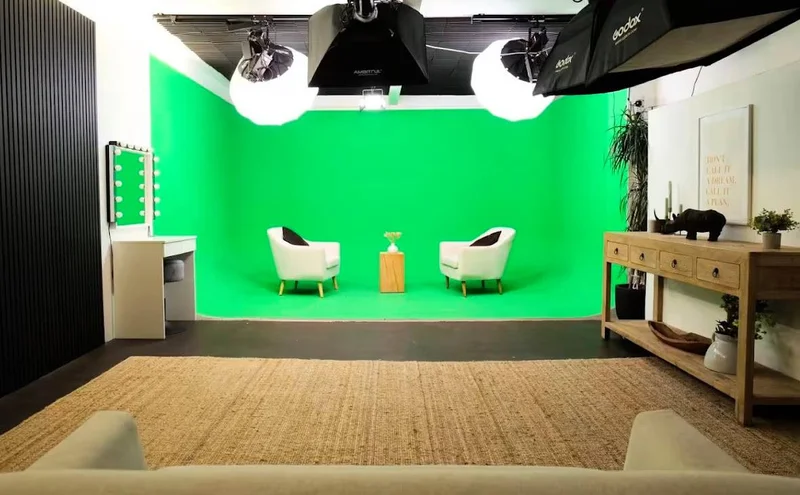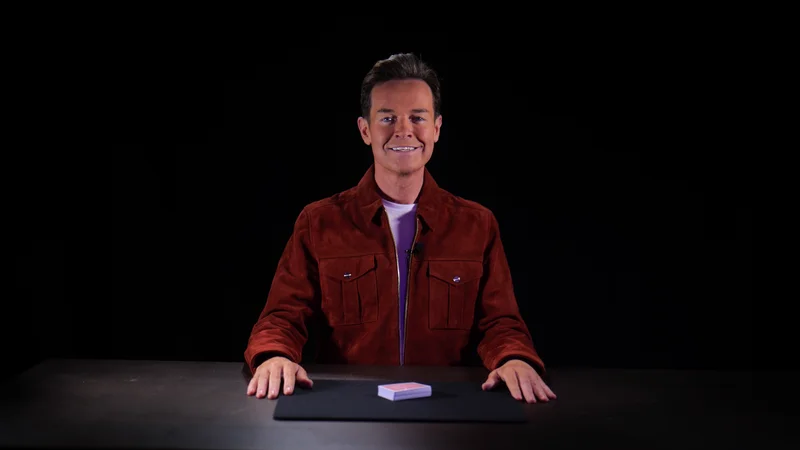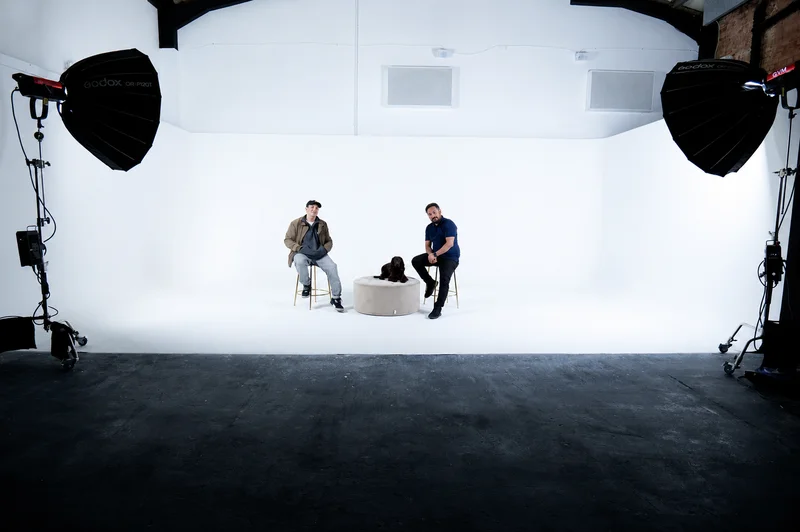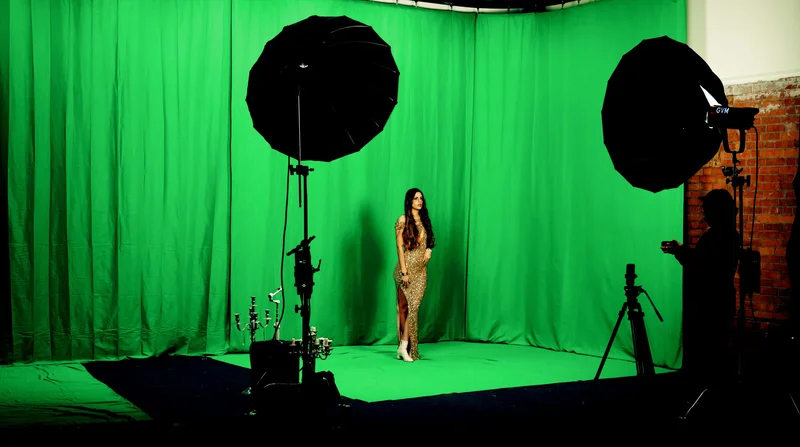
In the fast-paced creative hub of London, "good enough" is quickly becoming a thing of the past. For years, 1080p (Full HD) was the gold standard for digital content. It was manageable, accessible, and frankly, all that audiences expected. But as fibre broadband speeds across the UK improve and streaming platforms like YouTube and Netflix prioritise ultra-high-definition content, the goalposts have moved.
For London creators, brands, and businesses, the decision between sticking with 1080p or upgrading to 4K is no longer just a technical choice—it’s a branding one. Whether you are filming a corporate interview in the City or looking for podcast studio hire in Shoreditch, the quality of your pixels speaks as loudly as your audio.
This article explores why 4K is the new baseline for professional content, specifically for those operating in the competitive London market, and why a professional studio environment is the key to unlocking its full potential.
The "Good Enough" Trap: Understanding the Shift
To understand why the upgrade matters, we first need to look at the numbers.
1080p (Full HD): 1920 x 1080 pixels (approx. 2 million pixels).
4K (UHD): 3840 x 2160 pixels (approx. 8.3 million pixels).
4K offers four times the resolution of 1080p. While you might argue that many viewers still watch content on mobile phones (where 1080p looks fine), capturing in 4K offers benefits that extend far beyond the final delivery format.
1. The "Downsampling" Advantage
Even if your final export is intended for 1080p viewing, shooting in 4K yields a superior image. When you compress a massive 4K image down to HD, you reduce noise and grain while retaining sharper details and richer colours. A 1080p video derived from a 4K source will always look crisper than one shot natively in 1080p.
2. Future-Proofing Your Library
Content has a longer shelf life than ever before. An evergreen interview recorded today might still be relevant in five years. By 2030, 1080p may look as dated as 480p DVD quality looks to us now. Recording in a professional video studio ensures your archival footage remains usable for documentaries, showreels, or re-uploads as display technology advances.
The Creator’s Secret Weapon: Post-Production Flexibility
For content marketers and podcasters, the strongest argument for 4K isn't about pixel peeping—it's about versatility.
Cropping Without Quality Loss
In the age of TikTok, Instagram Reels, and YouTube Shorts, vertical video is king. If you shoot a wide podcast shot in 1080p and try to crop in on a specific guest for a vertical clip, the image becomes pixelated and blurry.
With a 4K source file, you can punch in up to 200% without losing HD quality. This allows you to:
Create multi-cam edits from a single camera: Cut from a wide shot to a "close-up" of a speaker using the same footage.
Reframe messy shots: Did the guest lean too far to the left? In 4K, you can re-centre the frame in post-production without degrading the image.
High-Quality Social Clips: Generate crystal-clear vertical assets from your horizontal landscape video.
Pro Tip: When looking for London podcast production services, ask if they provide the raw 4K files. This gives your editing team the freedom to repurpose content across every social platform without compromising quality.
The London Context: Solving Local Pain Points
Creating professional content in London comes with a unique set of challenges. While iPhone cameras are getting smarter, they cannot overcome the physical realities of the city.
1. Escaping the Noise
London is loud. Sirens, the low rumble of the Tube, construction work, and flight paths are the enemies of clean audio. A home setup in a flat simply cannot compete with a "room-within-a-room" isolated vocal booth. A professional recording studio is acoustically treated not just to dampen echo, but to mechanically isolate your microphone from the vibrations of the city outside.
2. The Cost of Space vs. Studio Hire
Space is at a premium in the capital. Building a permanent 4K video set in a London office or flat requires sacrificing valuable square footage. It also requires controlling light—something that is difficult with the unpredictable British weather.
Home Setup: Requires blackout blinds, permanent tripod footprints, and constant setup/breakdown time.
Studio Hire London: Walk in, sit down, and record. The lighting grid is fixed, the acoustic treatment is mounted, and the background is dressed.
3. The "Halo Effect" of Professional Gear
In a saturated market, perception is reality. Using industry-standard gear like Shure SM7B microphones and cinema-grade cameras (such as the Sony FX6 or FX3 lines widely used in studios) signals authority. When a guest walks into a dedicated facility, their energy changes. They take the interview more seriously, resulting in a more engaging performance that standard 1080p webcam footage simply can't capture.
Frequently Asked Questions (FAQ)
Q: Is 4K really necessary for a podcast if people mostly just listen? A: Yes, because "video podcasts" (Vodcasts) are the fastest-growing segment on Spotify and YouTube. Even if audio is primary, video clips drive discovery on social media. A grainy 1080p clip is less likely to stop the scroll than a sharp 4K snippet.
Q: Does uploading 4K video to YouTube make a difference? A: Absolutely. YouTube uses a higher bitrate codec (VP9) for 4K uploads compared to 1080p. This means even if a viewer watches your 4K video on a 1080p screen, YouTube streams a higher-quality version with less compression blocking.
Q: I’m looking for "studio hire London"—do I need to bring my own SD cards? A: It depends on the studio. Most professional facilities will transfer the huge 4K files to you via a high-speed cloud link (like WeTransfer or Dropbox) or load them onto your portable SSD immediately after the session. Always check beforehand, as 4K files are large!
Q: Can’t I just use my iPhone in 4K? A: While iPhones shoot great 4K, they lack the "depth of field" (blurry background) and dynamic range of professional cinema cameras used in studios. Furthermore, phone microphones cannot compete with an acoustically treated recording studio environment.
Conclusion
Upgrading from 1080p to 4K is about more than just pixel count; it is about flexibility, longevity, and brand authority. In a city as competitive as London, where your audience is bombarded with content every second, the sharpness of your video and the clarity of your audio are what stop the scroll.
Whether you are launching a new podcast or elevating your corporate communications, the environment you record in matters just as much as the resolution you record at.