This is an excellent article on microphones! Since the topic is already about recording and uses the term "professional studio," I will focus on naturally increasing the frequency and variety of the three required keywords: "podcast studio," "Podcasting studio," and "recording studio."
Choosing the Ultimate Microphone: Your Key to Professional Podcasting Sound
Choosing the right microphone is one of the most important decisions you'll make when starting or upgrading your podcast. Whether you're recording at home or within a professional podcast studio, the quality of your microphone can significantly impact the clarity and overall sound of your episodes. In this guide, we'll explore some of the best podcasting microphones available today and how to select the perfect one for your recording needs.
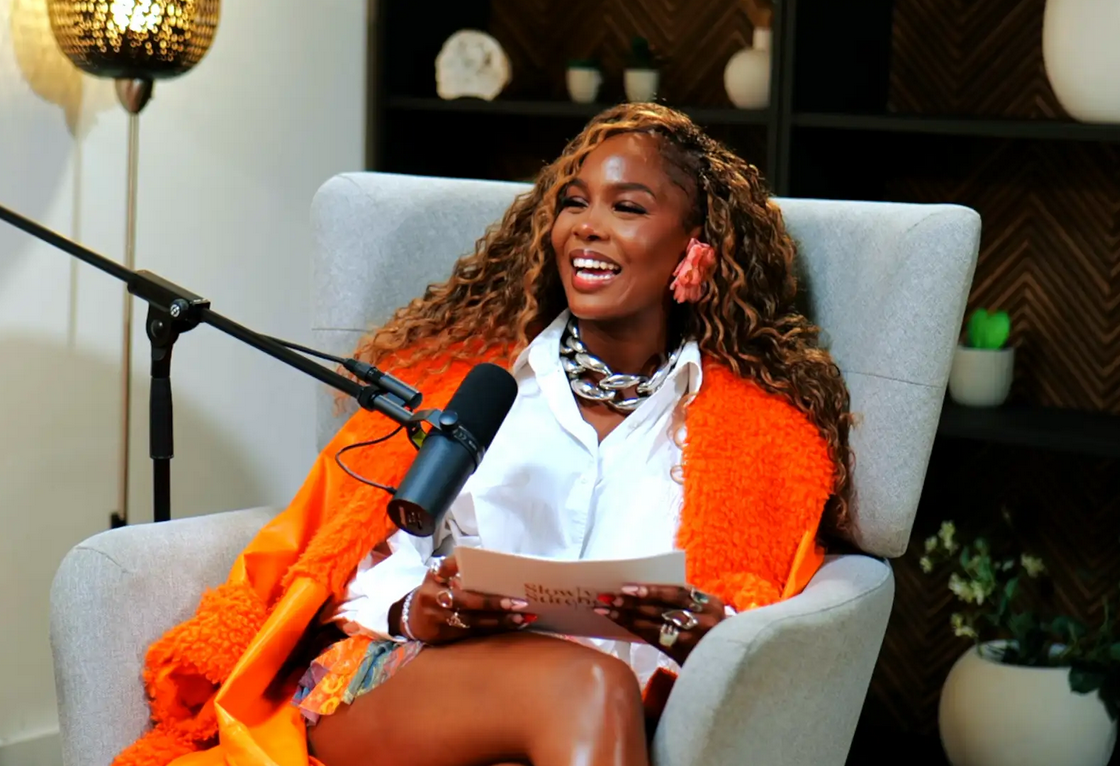
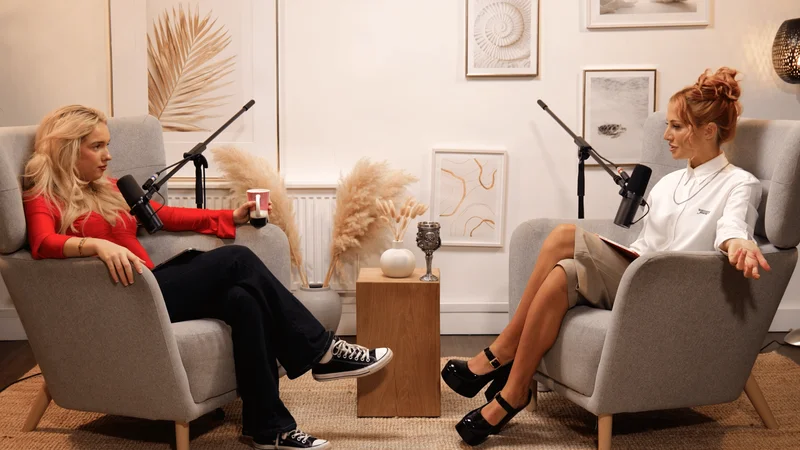
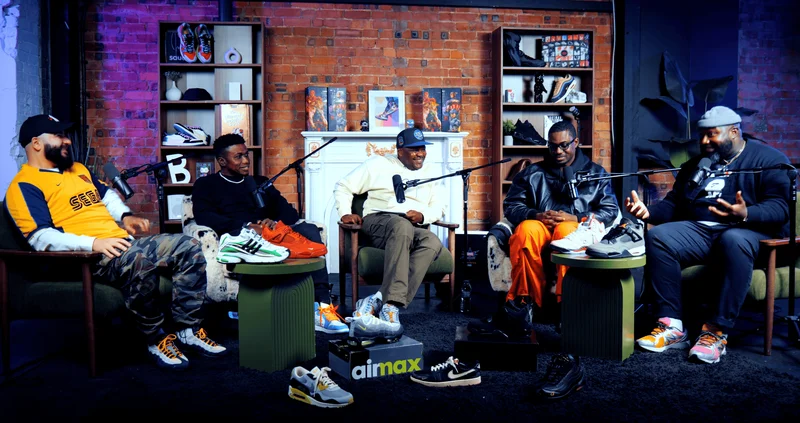
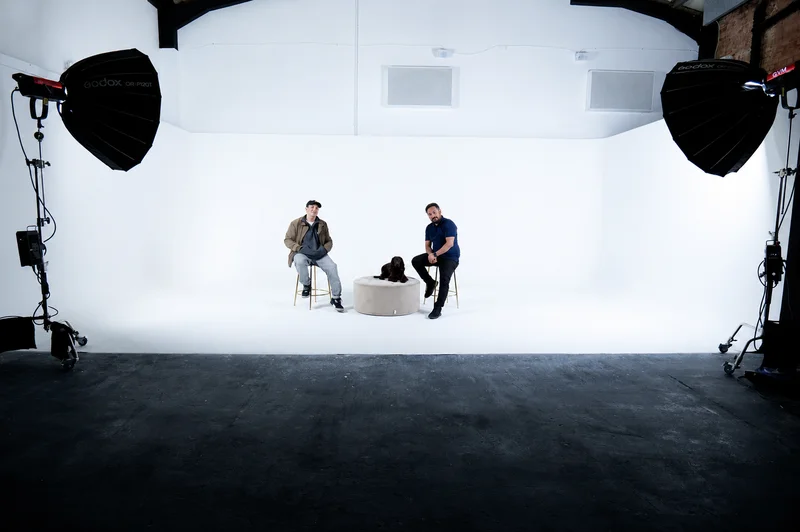
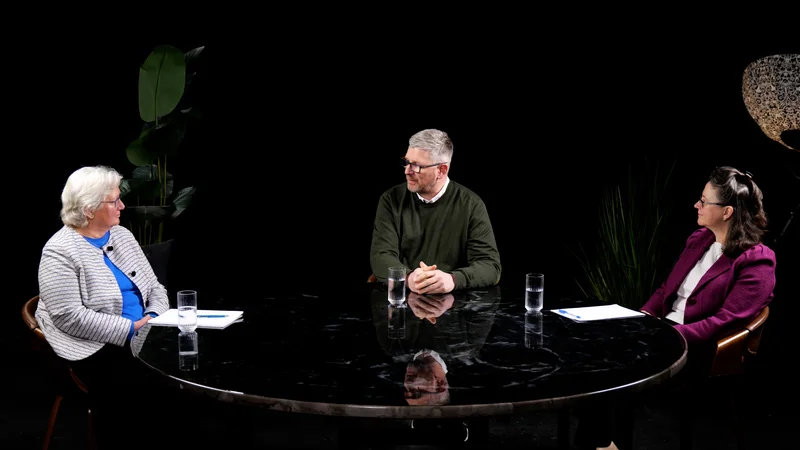
Finchley Studio (Dialogue set): book this setup for your podcast
Why the Right Microphone Matters
When it comes to podcasting, sound quality is everything. A microphone that captures your voice clearly and minimizes background noise can make your podcast sound more professional and engaging. Conversely, using a low-quality microphone may result in muffled, unclear audio that could drive listeners away.
Recording in a professional facility like the Finchley Studio recording studio can give you access to top-tier microphones and expertly treated rooms, ensuring that your voice is captured in the best possible quality. However, if you're recording at home or on the go, choosing the right microphone is even more crucial to achieving a professional sound that rivals what is produced in a dedicated podcasting studio.
Types of Podcasting Microphones for Every Studio Setup
There are several different types of microphones to consider, each suited to different environments and recording needs, from a simple home setup to a fully equipped podcast studio. The two most common types of microphones used in podcasting are dynamic microphones and condenser microphones.
1. Dynamic Microphones
Dynamic microphones are often preferred for podcasting because they are more durable and less sensitive to background noise. They are particularly effective in less-than-ideal recording environments, making them a good choice if you're recording at home or in an untreated space.
One of the most popular dynamic microphones for podcasting is the Shure SM7B. It offers excellent sound quality, is highly durable, and minimizes background noise, making it ideal for podcasters who don’t have access to a sound-treated recording studio every day.
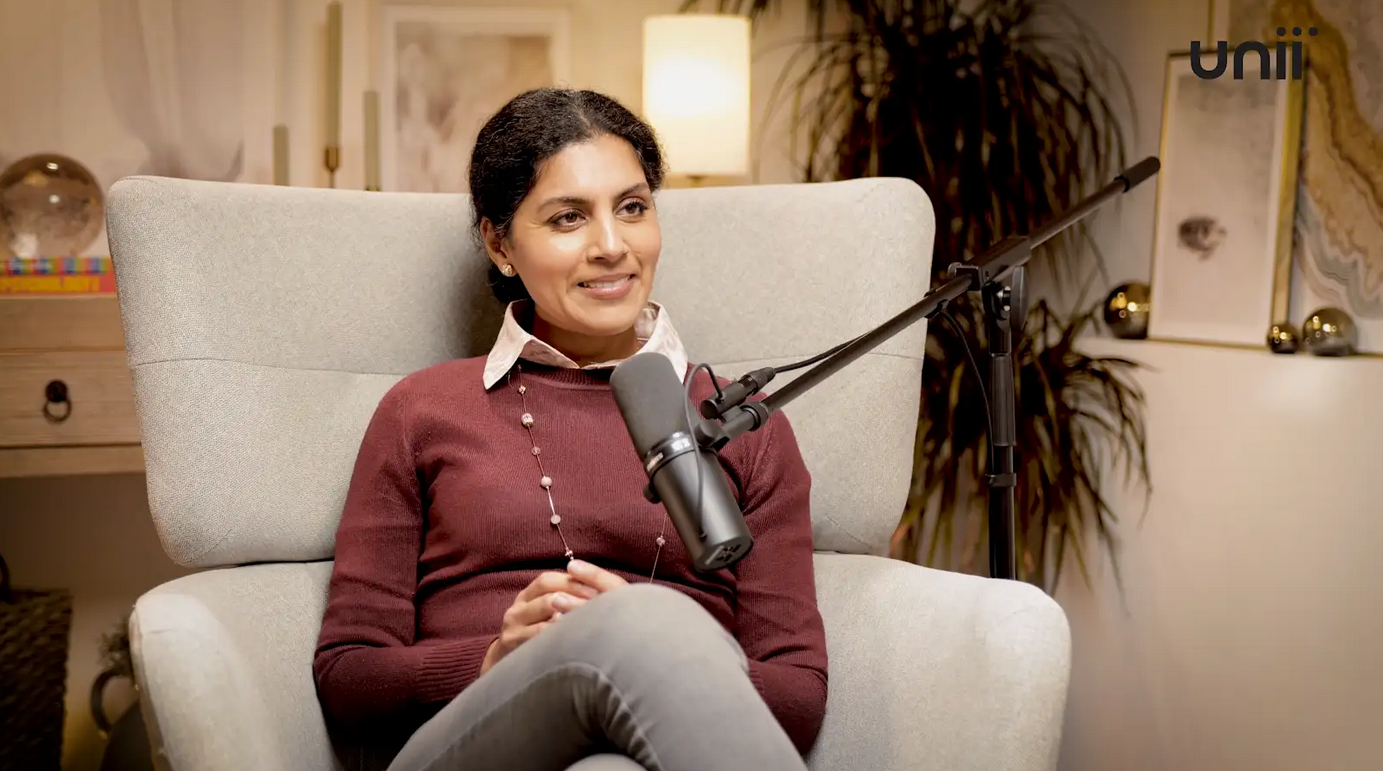
Finchley Studio (Dialogue set): book this setup for your podcast
2. Condenser Microphones
Condenser microphones are more sensitive and typically provide a richer, more detailed sound. However, because they pick up a broader range of sound, they work best in controlled, acoustically perfect environments, such as a professional podcasting studio.
The Shure SM7B0 is a popular condenser microphone that provides crisp, clear audio at an affordable price. It's an excellent choice for podcasters recording in a professional setting like the Dialogue Room at Finchley Studio, where the acoustics are optimized for high-quality sound capture, providing the ideal setting for a condenser mic.
Top Podcasting Microphones for Your Voice
Here are some of the best podcasting microphones available today, suitable for both home use and integration into a sophisticated podcast studio setup:
1. Shure SM7B The Shure SM7B is often hailed as one of the best microphones for podcasting. Known for its rich, smooth sound, it’s a dynamic microphone that excels in blocking out background noise. Its built-in pop filter and cardioid pattern ensure it only picks up sound from the front.
Best For: Professional podcasters and those recording in imperfect environments or busy recording studio settings with multiple mics.
Price Range: High-end.
2. Rode NT1-A The Rode NT1-A is a condenser microphone known for its incredibly low self-noise. This makes it ideal for podcasters who want clean, detailed sound. However, because it’s so sensitive, it works best in a controlled, soundproof environment, such as the Finchley Studio podcasting studio.
Best For: Podcasters seeking detailed, high-quality audio in a professional environment.
Price Range: Mid-range.
3. Audio-Technica ATR2100x For podcasters on a budget, the Audio-Technica ATR2100x is a fantastic option. This microphone is versatile, offering both USB and XLR outputs, so it can easily connect to your computer for at-home recording or to a mixer in a professional recording studio.
Best For: Budget-conscious podcasters and beginners needing flexible connectivity.
Price Range: Affordable.
4. Blue Yeti The Blue Yeti is one of the most popular USB microphones on the market. It’s easy to set up and provides excellent sound quality for its price range. However, as a condenser microphone, it works best in a quiet environment, even if it's not a full-scale podcast studio.
Best For: Podcasters who need a plug-and-play solution with great sound quality.
Price Range: Mid-range.
5. Rodecaster Pro The Rodecaster Pro is an all-in-one podcasting solution, perfect for multi-person podcasts in a podcasting studio. Its microphone component is highly regarded for its sound quality and ease of use, especially when managing complex recording sessions.
Best For: Multi-person podcasts and podcasters looking for an integrated solution.
Price Range: High-end.
The Importance of a Professional Studio Setup
If you're serious about podcasting and want to achieve the highest level of sound quality, recording in a professional facility like Finchley Studio can make a significant difference. At Finchley Studio's recording studio, you’ll find professional microphones, soundproof environments, and expert engineers who ensure your podcast is captured perfectly.
Additionally, such professional podcasting studio environments offer post-recording services like video editing, which can further enhance your podcast by adding visual content for platforms like YouTube. Finchley Studio provides a complete range of services, from recording to editing, helping podcasters create a polished and professional final product.
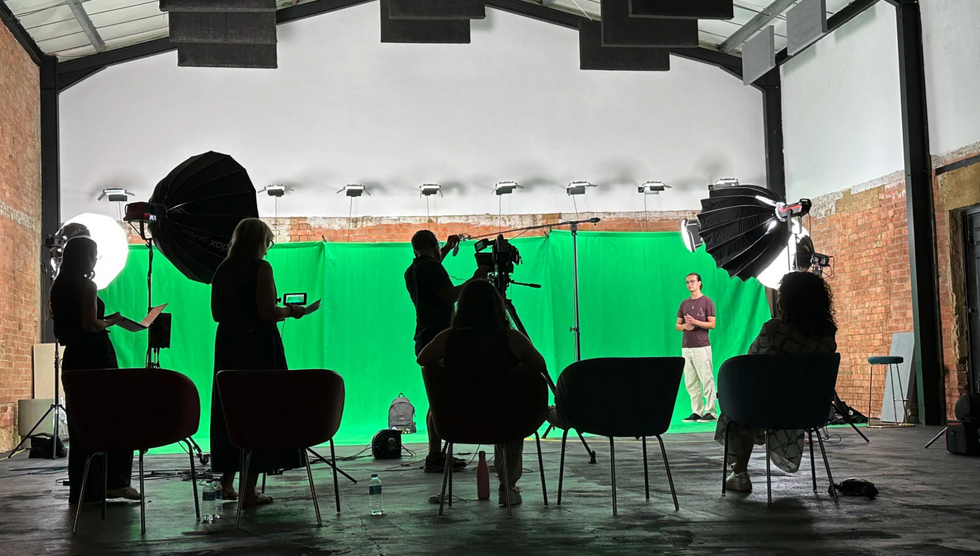
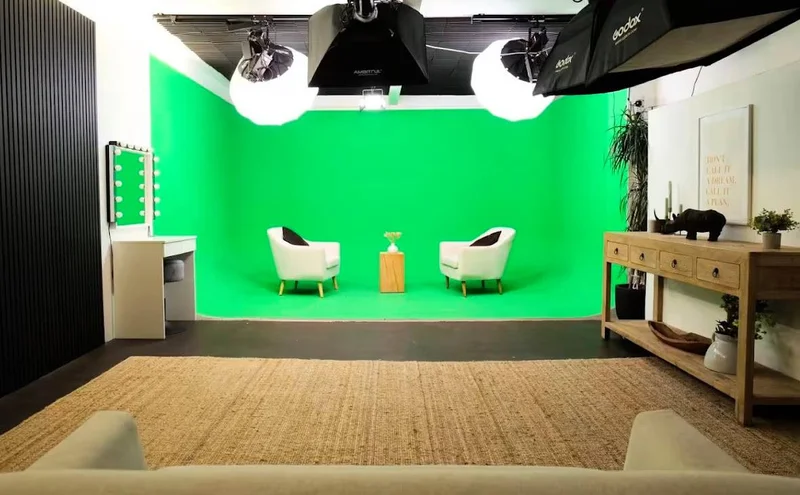
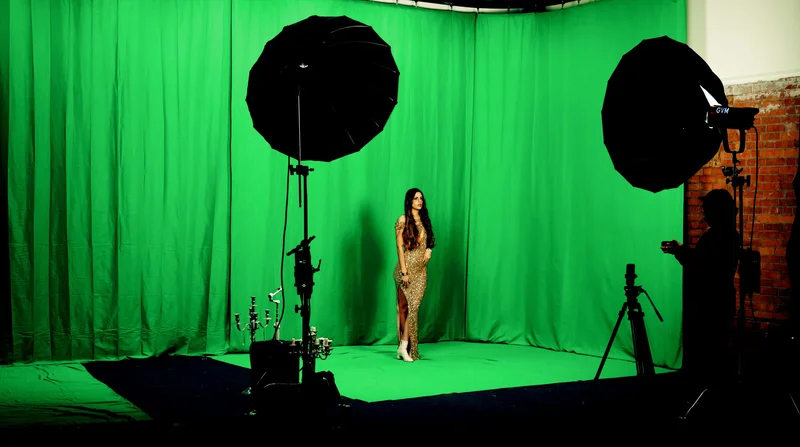
Finchley Studio (Giant Green Screen): book this setup for your podcast
Conclusion
The microphone (or transducer) is the single piece of equipment that converts sound waves into an electrical signal, making it the voice of your podcast. However, in the vast market of options, choosing the "best" mic is not about finding the most expensive one; it's about selecting the right tool to overcome your specific acoustic challenges and match your recording environment.
1. Dynamic vs. Condenser Microphones
The first critical choice lies in the microphone's type:
Dynamic Microphones (The Industry Standard): Mics like the Shure SM7B are favored by professional podcasters and broadcasters (including the BBC) for their ruggedness and ability to reject off-axis sound. They are less sensitive and require you to speak close to the grille. Best For: Untreated rooms, live interviews, or spaces with moderate ambient noise. They minimize room echo, making them ideal for creators who may not be recording in a fully acoustically treated space.
Condenser Microphones: Highly sensitive, capturing intricate sonic detail. While they provide a rich, detailed sound, they are unforgiving. They pick up everything: room reverb, HVAC noise, traffic, and mouse clicks. Best For: Only truly professional, acoustically isolated, and treated studios.
For most creators aiming for quality, the dynamic microphone's noise rejection capability offers superior practical performance, especially if you are not using a professional facility.
2. Connection Type: XLR vs. USB
USB: Simple, plug-and-play. Connects directly to a computer. Limits future upgrades and scalability (usually one mic only). Best For: Beginners or solo creators needing maximum convenience.
XLR: Professional standard. Requires an audio interface or mixer but provides superior sound quality, greater headroom, and the ability to connect multiple microphones and route signals professionally. Best For: Any creator planning multi-person interviews or aiming for broadcast quality audio in a dedicated space like the Dialogue Room.
The Strategic Conclusion: Prioritize the Studio
While microphone choice is important, the most critical factor influencing sound quality is the acoustic environment (as explored in "Understanding Podcast Acoustics: The Primacy of Environmental Treatment Over Transducer Selection"). A £100 microphone in a fully treated, isolated studio will sound exponentially better than a £1,000 microphone in an echoing home office.