In the bustling creative hub of London, "good enough" is no longer good enough. With thousands of hours of content uploaded every minute, the difference between a viewer scrolling past or stopping to watch often comes down to one thing: production value.
For creators and brands alike, the shift towards cinematic content—rich visuals, depth of field, and crisp 4K resolution—is not just an aesthetic choice; it is a retention strategy. Whether you are filming a vodcast, a corporate interview, or a brand documentary, the visual language you use tells a story before a single word is spoken.
However, achieving this "Netflix-quality" look requires more than just an expensive camera. It demands a controlled environment where lighting, sound, and composition harmonise perfectly. This is where a professional podcast studio transforms from a luxury into a necessity.
In this guide, we deep-dive into how 4K videography is redefining content creation in the capital and how you can leverage professional facilities to elevate your brand.
Why 4K Videography is the New Standard for Creators
The days of grainy webcams and Zoom recordings are numbered. Today's audiences watch content on 65-inch 4K televisions and high-resolution Retina displays. If your content looks flat or pixelated, it signals a lack of authority.
Moving to 4K videography offers three distinct advantages:
Future-Proofing: 4K is the current industry standard. filming in 1080p today means your content will look dated in two years.
Editing Flexibility: Shooting in 4K allows editors to crop, zoom, and reframe shots in post-production without losing quality. This is essential for creating vertical social clips (Shorts/Reels) from a horizontal landscape video.
Algorithmic Preference: Platforms like YouTube favour higher resolution content because it keeps viewers on the platform longer.
However, capturing true cinematic 4K requires a robust infrastructure that most home setups cannot support.
The London Challenge: Why You Need a Studio
London is an incredible city for inspiration, but a notoriously difficult one for production. If you have ever tried to record high-end content in a flat in Dalston or an office in Shoreditch, you are likely familiar with these pain points:
1. The Battle Against Noise
London is loud. Sirens, the rumble of the Tube, construction drilling, and flight paths can ruin the perfect take. A professional recording studio offers acoustically treated "room-within-a-room" isolation. This ensures that the only thing your microphone captures is your voice, not the number 38 bus outside.
2. Space and Depth of Field
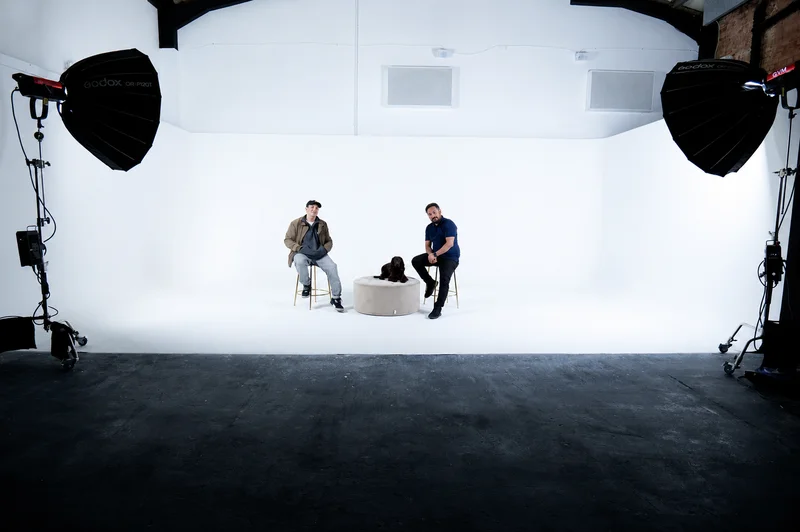
To achieve that cinematic "blurry background" (bokeh), you need physical distance between the subject and the background. London property is expensive, and most rooms are simply too small to achieve this depth. A dedicated video studio provides the square footage required to position cameras far enough back to use long focal length lenses (like 85mm), which flatter the face and separate the subject from the background beautifully.
3. Lighting Consistency
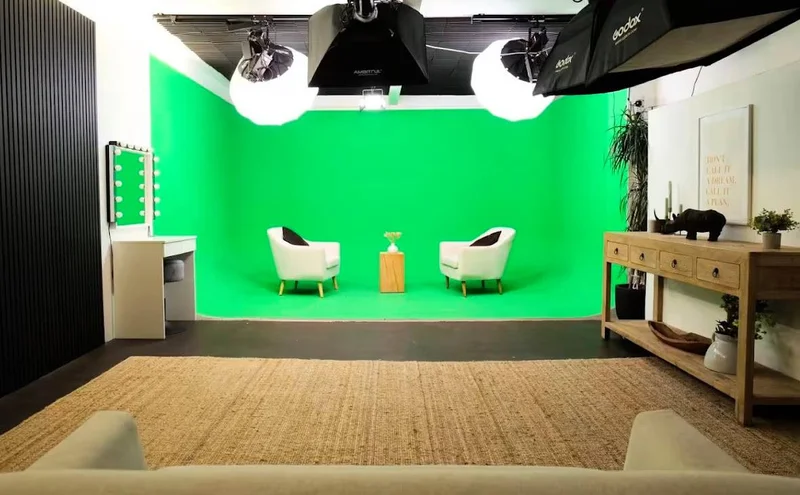
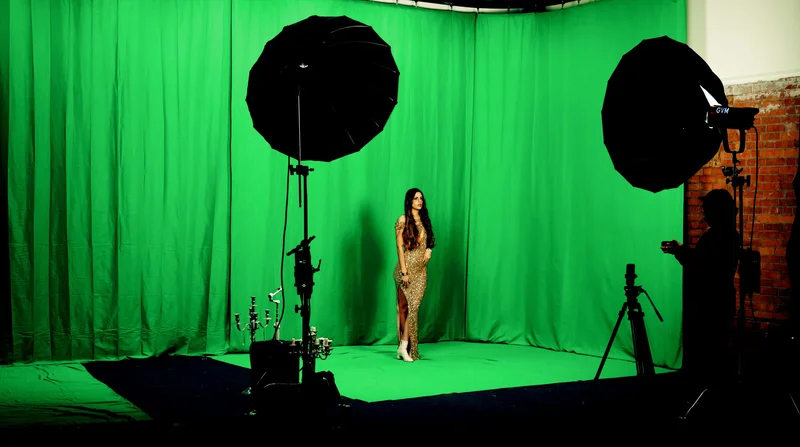
Reliance on natural light in the UK is a gamble. One minute it is sunny; the next, it is grey. A studio hire London package guarantees consistency. With blackout facilities and professional lighting grids, you have total control over the mood, ensuring continuity whether you film at 10 am or 8 pm.
Essential Gear for the Cinematic Look
You do not need to own £50,000 worth of gear to look like you do. When you book a high-end podcast studio, you gain access to industry-standard equipment that does the heavy lifting for you. Here is what creates that cinematic difference:
The Cameras (The Eyes)
We move beyond standard DSLRs to cinema-line cameras. Top-tier studios utilise bodies like the Sony FX6 or Blackmagic Pocket Cinema Camera 6K.
Why it matters: These cameras capture "Log" footage (a flat colour profile) that preserves massive amounts of detail in the shadows and highlights, allowing for professional colour grading later.
The Lighting (The Mood)
Cinematic lighting is rarely about blasting a subject with brightness; it is about shaping shadows. A professional setup typically uses a three-point lighting system:
Key Light: A large softbox (like an Aputure Light Dome) to wrap soft light around the face.
Rim Light: A backlight that outlines the subject, separating them from the background.
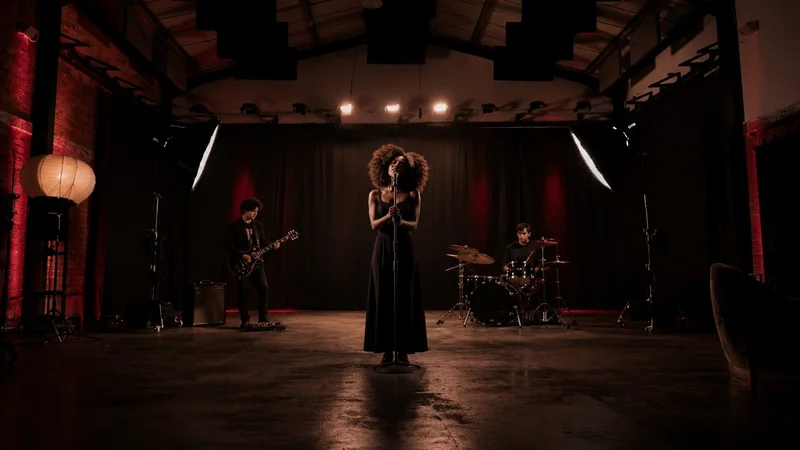
Practical Lights: RGB tube lights or lamps in the background that add colour and depth without distracting from the speaker.
The Audio (The Soul)
Even the best 4K video is unwatchable if the audio is poor. In the world of London podcast production, the Shure SM7B is the gold standard microphone. Paired with high-gain preamps (like a Cloudlifter or a Rodecaster Pro II), it delivers that rich, "broadcast" tone that listeners associate with authority.
Beyond the Gear: Set Design and Workflow
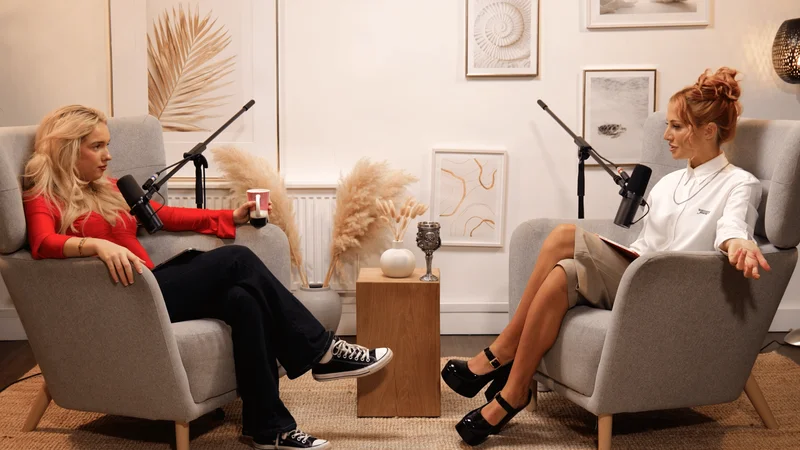
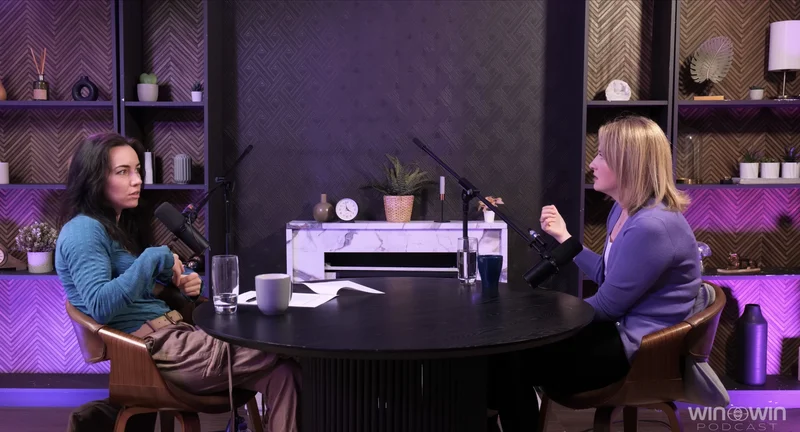
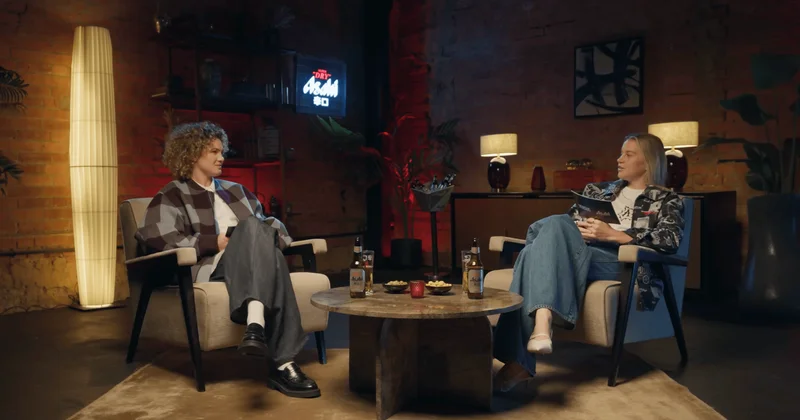
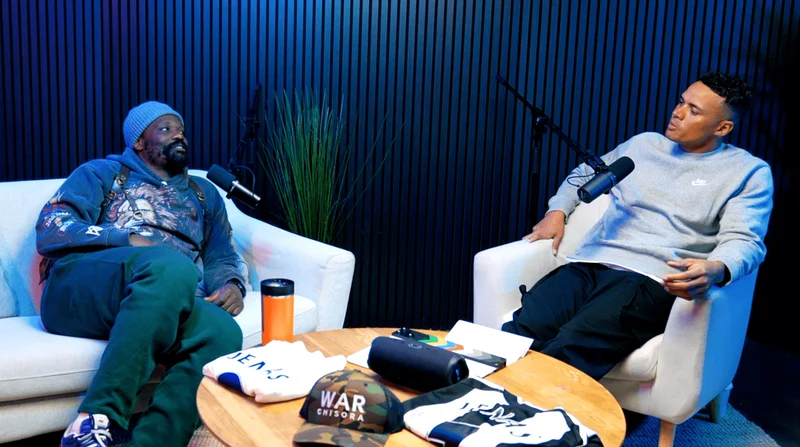
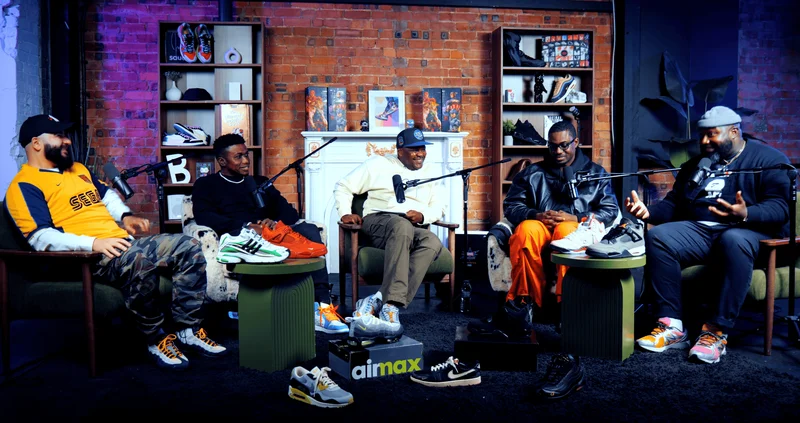
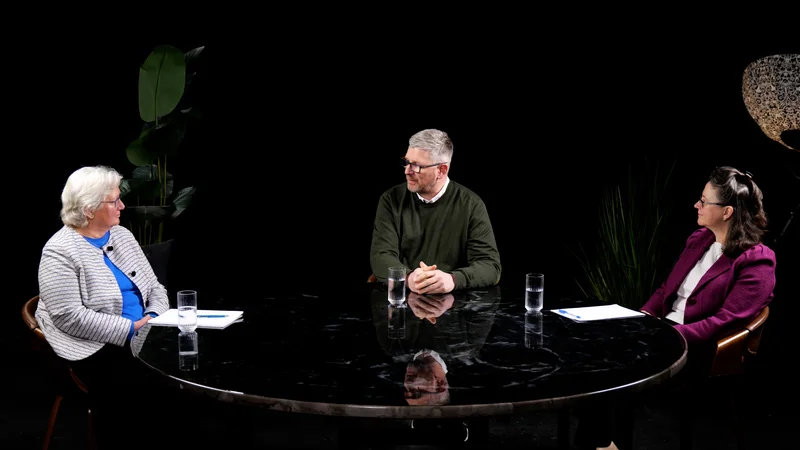
A podcast studio is more than a room with equipment; it is a set. The visual aesthetic of your background—whether it is an exposed brick wall, a sleek modern colour wash, or a bookshelf—communicates your brand's personality.
Customisable Set Dressing
Creating a "signature look" is vital. Viewers should recognise your video from a single thumbnail. Professional studios often offer modular furniture and RGB lighting that can be instantly tuned to your brand colours. This transforms a generic space into your studio.
Managing the 4K Workflow
Recording in 4K generates massive file sizes. A one-hour multi-cam session can easily exceed 100GB.
Proxy Editing: Professional studios understand this workflow. They can often provide you with smaller "proxy" files for easy editing, while keeping the master high-resolution files safe for the final export.
Live Switching: For those who want to avoid heavy editing, many studios offer live video switching (using Blackmagic ATEM switchers). This allows the video to be cut live between different camera angles, meaning you walk out of the studio with a finished episode ready to upload.
Frequently Asked Questions
Q: How much does it cost to hire a podcast studio in London? A: Prices vary depending on location and equipment. Generally, you can expect to pay between £60 and £150 per hour. Higher rates usually include an engineer to manage the sound and lighting, which is highly recommended for 4K video productions to ensure focus and exposure are perfect.
Q: Do I really need 4K if most people watch on phones? A: Yes. Even on small screens, the bitrate and sharpness of downsampled 4K look superior to 1080p. Furthermore, 4K allows you to crop into the video for vertical social media clips (TikTok/Reels) without the image becoming blurry.
Q: Can I record audio and video simultaneously in a recording studio? A: Not all recording studios are set up for video. Traditional music studios often have clutter, mic stands covering faces, and poor lighting. You specifically need to search for a "video podcast studio" or a multimedia studio that is designed with visual aesthetics and lighting in mind.
Q: What happens if I have never used professional cameras before? A: This is the primary benefit of studio hire London. You are not just renting the room; you are often renting the expertise. Most premium studios offer a "dry hire" (room only) or "wet hire" (with an engineer). If you are new to 4K videography, booking an engineer ensures your footage is in focus, properly exposed, and professionally lit.
Conclusion
Creating cinematic content is no longer reserved for television networks. With the right technology and environment, your brand can produce 4K video that captivates audiences and elevates your authority.
While the streets of London offer a vibrant backdrop, the practical realities of noise and lighting often make location shooting a headache. A professional podcast studio offers the perfect blend of consistency, convenience, and cinema-quality output. It solves the technical challenges, leaving you free to focus on what matters most: your message.