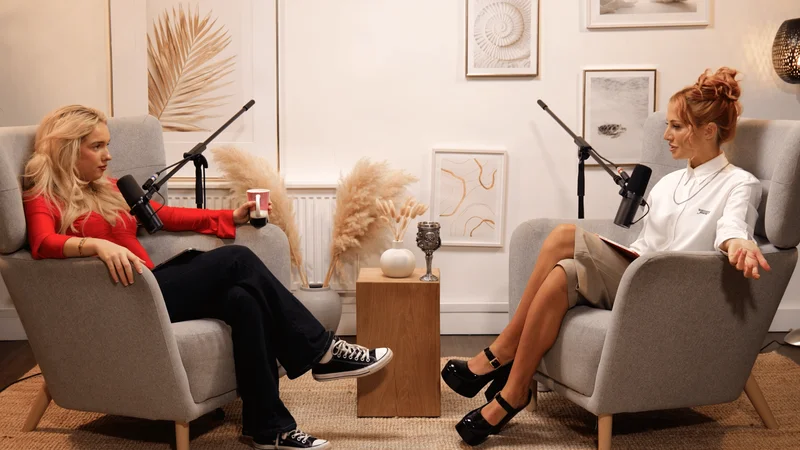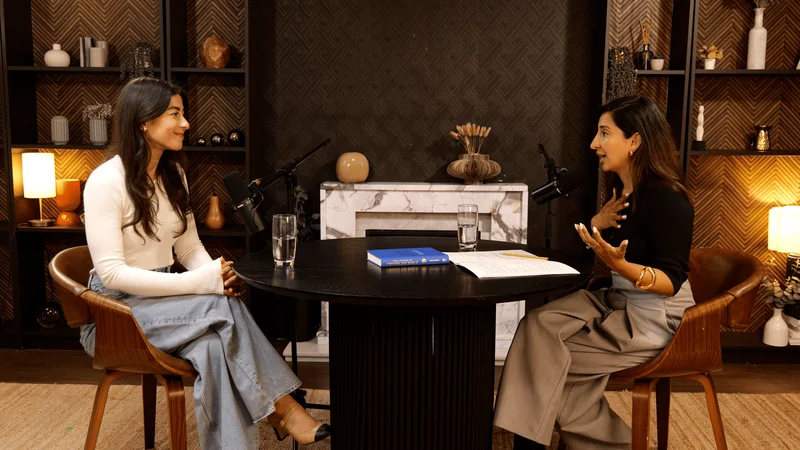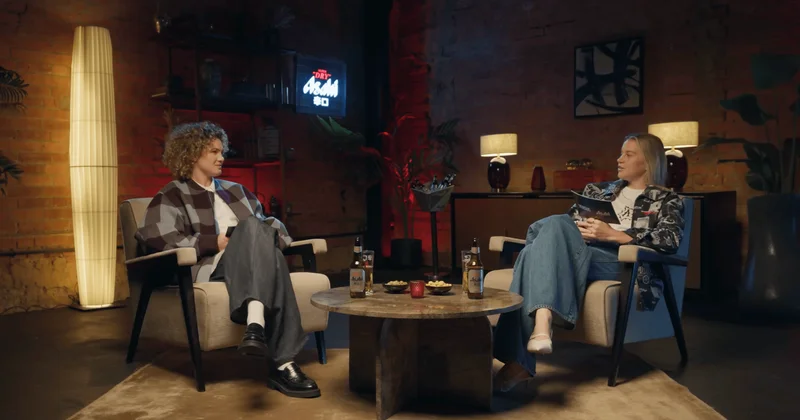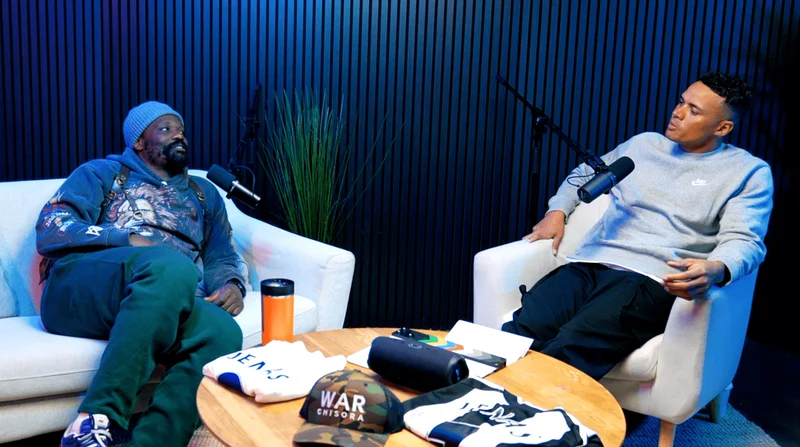
In the bustling creative hub of London, the demand for broadcast-quality content has never been higher. From corporate vodcasts in The City to creative interview series in Shoreditch, audiences now expect a level of visual fidelity that smartphones and home setups simply cannot match. But achieving that crisp, cinematic "Netflix look" requires more than just a camera with a "4K" sticker on it.
For London creators, the challenge isn't just buying gear; it's combatting the city itself. Variable weather, cramped flats, and the relentless hum of traffic or the Underground can ruin a recording session in seconds. This is where a professional video studio becomes an indispensable asset.
This guide dives deep into the essential equipment required to perfect 4K videography, explaining not just what we use, but why it matters for your production value.
1. The Camera Rig: Beyond the Megapixels
While many devices shoot 4K, true cinematic video requires a sensor capable of capturing depth, dynamic range, and rich colour profiles. In a professional podcast studio environment, we rely on cinema-line cameras rather than standard DSLRs or webcams.
The Sensor Standard: Full-Frame Cinema
For studio work, cameras like the Sony FX6 or Sony FX3 have become the gold standard. Unlike consumer cameras, these offer:
Dual Base ISO: This allows for incredibly clean images even if we want to mood-light the set for a darker, more intimate atmosphere.
10-bit 4:2:2 Colour Depth: This is crucial for post-production. It gives editors the flexibility to colour grade footage (e.g., matching your brand colours) without the image falling apart or looking grainy.
No Overheating: Long-form content, such as hour-long podcast episodes, causes many smaller cameras to overheat and shut down. Cinema cameras are built to run 24/7.
The Lens Choice
The glass in front of the sensor is just as vital. We typically utilise G-Master Prime Lenses (such as 35mm or 50mm).
Why Primes? They are sharper than zoom lenses and allow for a wider aperture (f/1.4 or f/1.8).
The "Bokeh" Effect: This creates that beautiful, soft blurred background that separates the talent from the set, making the image look professional and three-dimensional.
2. Lighting: Painting with Photons
Lighting is the single biggest differentiator between a professional studio hire in London and a home recording. 4K resolution is unforgiving; it highlights every imperfection. Proper lighting smooths skin tones and sets the mood.
The 3-Point Lighting Architecture
We don't just blast subjects with light; we sculpt it using a refined 3-point setup:
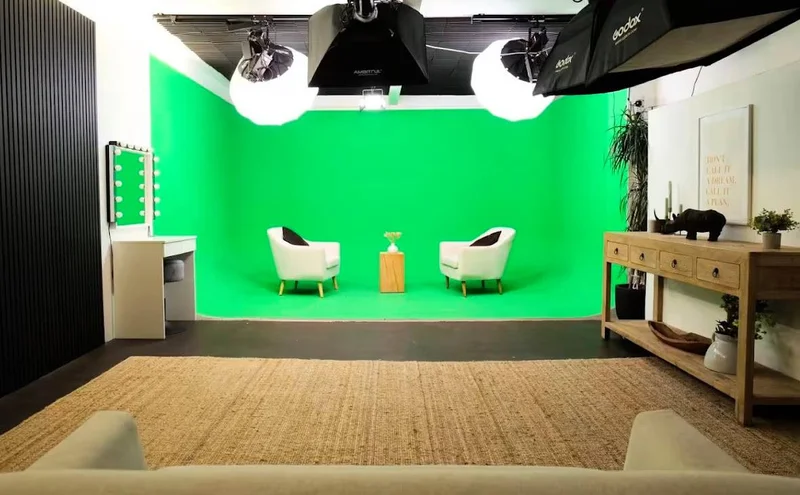
Key Light: The primary source, usually a large softbox (like the Aputure Light Dome) positioned at 45 degrees. It wraps soft light around the face, flattering the subject.
Fill Light: A softer, dimmer light on the opposite side to lift shadows, ensuring the subject doesn't look too dramatic or "moody" (unless that's the brief).
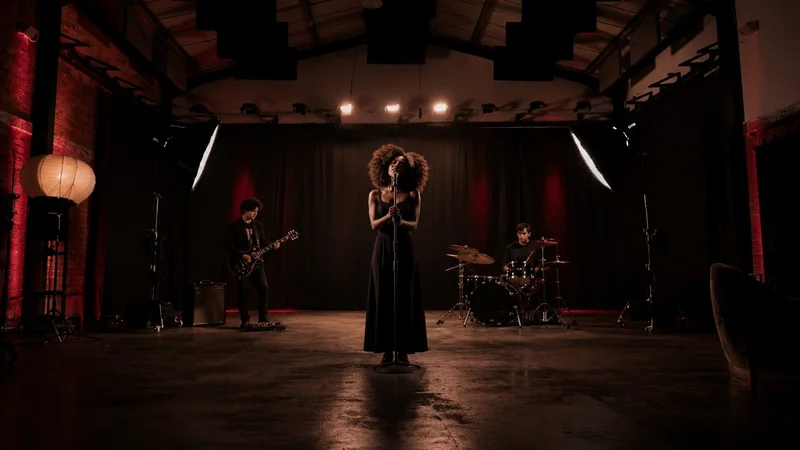
Backlight (Rim Light): This is the secret sauce. Placed behind the subject, it creates a halo of light on the hair and shoulders, separating them from the background. Without this, subjects often look "cut out" or flat against the wall.
RGB and Mood Control
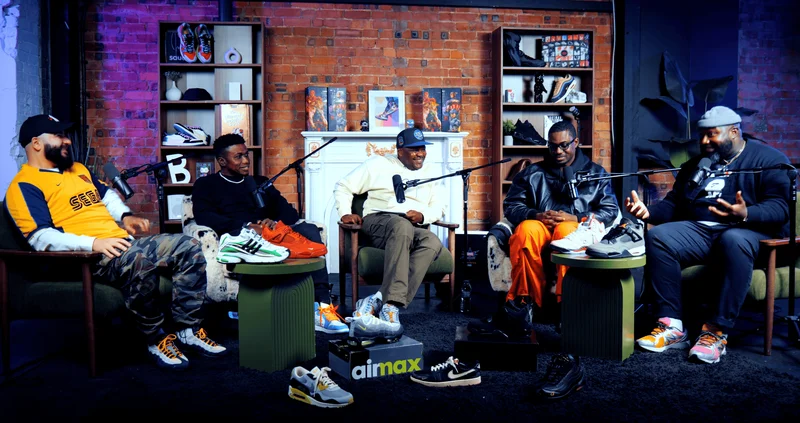
Modern video studios also utilise RGB tube lights (such as Nanlite Pavotubes) to add splashes of colour to the background. This allows us to instantly match the set to your brand's palette—whether that's a cool corporate blue or a warm, creative orange—without needing to repaint the walls.
3. Audio: The Invisible Half of Video
There is an old adage in film: "Audiences will forgive bad video, but they will turn off bad audio." In a city as loud as London, pristine sound is a luxury.
The Microphone Standard: Shure SM7B
You have likely seen this microphone on every top-tier podcast, from The Diary of a CEO to Joe Rogan. The Shure SM7B is the industry standard for a reason:
Cardioid Pattern: It rejects off-axis noise, focusing only on the speaker's voice.
Proximity Effect: It adds a rich, warm "radio voice" quality that is immediately authoritative.
Acoustically Treated Spaces
Equipment means nothing if the room sounds like a bathroom. A professional recording studio invests heavily in sound treatment—not just egg cartons on the wall, but dense rockwool panels and bass traps.
London-Specific Soundproofing: Our studios are isolated to handle the unique frequency rumble of London traffic and sirens. This ensures your 4K video isn't ruined by the sound of a passing police car.
4. Why London Creators Are Moving to the Studio
Beyond the equipment list, there are practical reasons why London-based brands and creators are shifting from home setups to professional hire.
1. The Space Premium
London property is expensive. Setting up a permanent 4K studio in a typical flat or office requires dedicating a whole room to tripods, light stands, and cabling. Renting a studio gives you access to a £50,000+ setup for an hourly rate, without sacrificing your own square footage.
2. Consistency of Production
If you are filming a series, continuity is key. Recording at home means battling changing daylight (clouds passing over the sun can ruin a shot's exposure). A studio offers a controlled environment where the lighting is identical at 9 AM and 9 PM, ensuring your episodes look consistent all year round.
3. "Plug and Play" Efficiency
Time is money. In a London podcast production environment, you walk in, sit down, and start talking. There is no SD card formatting, no light tweaking, and no troubleshooting audio buzz. An engineer handles the technicals so you can focus on the content.
Frequently Asked Questions (FAQ)
Q: Do I need a professional engineer, or can I operate the studio myself? A: Most professional studios offer both options. "Dry hire" allows you to use the space and gear yourself, which is great if you are technically proficient. However, booking with an engineer ensures that focus, audio levels, and lighting are monitored throughout the session, which is highly recommended for 4K video.
Q: How much does it cost to hire a podcast video studio in London? A: Prices vary by location and spec. Basic audio-only booths can start from £60/hour, while full 4K multi-cam video studios typically range from £100 to £250 per hour. Always check if the price includes the delivery of raw files or if editing is an extra cost.
Q: Can I live-stream in 4K from the studio? A: Yes, but it requires a robust internet connection (fibre leased lines are best) and specific hardware like the Blackmagic ATEM Mini Extreme. Most high-end studios are equipped for live broadcasting to YouTube, LinkedIn, or Twitch.
Q: What is the difference between a "Video Podcast" and a standard "Video Shoot"? A: A video podcast is generally a multi-camera setup recording a continuous conversation with minimal interruption. A standard video shoot (like a commercial or corporate message) often involves scripts, multiple takes, and different lighting setups for each scene.
Ready to Elevate Your Content?
Reading about equipment is one thing; experiencing it is another. If you are looking to produce broadcast-quality content without the headache of managing the gear, we invite you to visit our facility.
Whether you are launching a new corporate vodcast or need a reliable space for your creative series, our London studio is designed to make you look and sound your best.