Mobile filmmaking has changed from a convenience into a serious creative workflow, and video editing apps are at the center of that shift. What once required expensive desktops and complex software can now be done on a smartphone, often with professional-looking results in minutes.
For creators, brands, and independent filmmakers, this means faster production, lower costs, and far more flexibility. It also means that content can be shot, edited, and published from almost anywhere, which is one reason mobile-first video has become so influential in social media, marketing, and podcast production.
The rise of mobile filmmaking
The biggest change in modern filmmaking is access. Smartphones now capture high-resolution video, and editing apps make it possible to refine that footage without needing a full post-production setup. This has opened the door for creators who want to work quickly, travel light, and publish often.
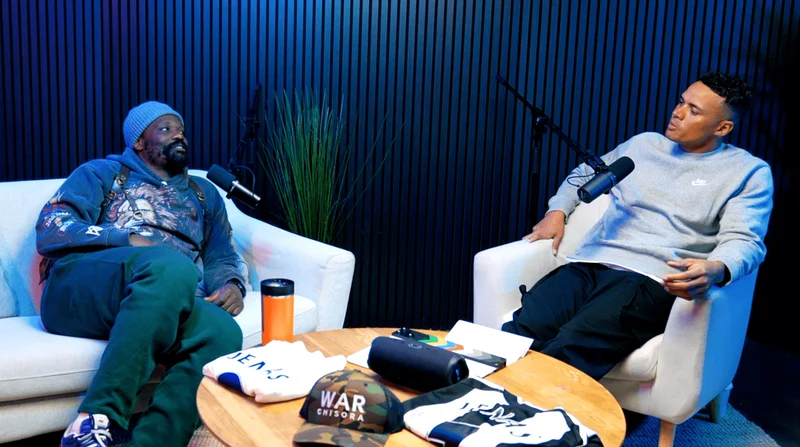
Mobile filmmaking is especially powerful for short-form content, behind-the-scenes clips, interviews, branded social videos, and podcast visuals. In practice, that means a creator can record in a video studio, edit on the same device, and export for social platforms or client delivery in the same day.
The accessibility factor matters just as much as the technical one. Affordable apps and portable devices have democratized video production, allowing more people to tell stories visually without large budgets or heavy equipment.
Why editing apps matter
Video editing apps are not just smaller versions of desktop tools. They are designed for speed, simplicity, and mobility, which makes them especially useful for creators working under tight deadlines. Many apps now include drag-and-drop timelines, trimming tools, transitions, captions, music, and direct sharing options.
They also support a workflow that fits modern content creation. A creator can shoot on a phone, make edits immediately, and publish to social media while the content is still timely and relevant. That real-time turnaround is a major advantage for creators, agencies, and businesses alike.
Advanced features have also become more common. Multi-track editing, keyframing, masking, and high-resolution exports are now available in many mobile apps, which means creators no longer have to sacrifice quality just because they are editing on the go.
Features driving the revolution
The strongest editing apps combine ease of use with professional capability. That balance is what makes them so transformative for mobile filmmaking. Beginners can learn quickly, while more experienced users still have enough control to shape a polished final cut.
Some of the most important features include:
Multi-layer editing for video, audio, and images.
Keyframing for motion and timing control.
Masking and effects for more advanced visual work.
High-quality exports, including 4K in many apps.
Built-in tools for social sharing and fast publishing.
These tools matter because they reduce the gap between shooting and finishing. In a traditional workflow, footage often moves from camera to computer to editor to export. In mobile filmmaking, the whole process can happen in one device, which is a major workflow advantage.
Top app capabilities
The apps that stand out today are those that make creative work feel immediate. Adobe Premiere Rush, for example, is designed for creators who want professional editing features without a steep learning curve. It supports multi-layer editing, trimming, slicing, real-time recording, and an asset store for effects and music.
Other mobile editing apps focus on automation and speed. Some offer template-driven editing, auto-generated captions, or quick social exports, which is ideal for content creators making daily videos, reels, or short-form clips.
For filmmakers, this means you can choose an app based on your workflow rather than your platform. Some people want precision and layering, while others want a clean, fast path from footage to finished post. Both approaches are now realistic from a mobile device.
Creative benefits for filmmakers
One of the most important effects of these apps is creative freedom. Because the tools are always in your pocket, you can edit at the point of inspiration instead of waiting until you return to a studio or office. That immediacy helps maintain momentum and encourages experimentation.
The portability factor is especially valuable for documentary-style work, event coverage, travel filmmaking, and spontaneous content capture. If something interesting happens, you can shoot it, shape it, and publish it almost instantly.
There is also a quality benefit. As phone cameras improve and editing apps become more advanced, creators can produce videos that look refined enough for client work, social campaigns, and even podcast promotion. This is one reason mobile filmmaking has moved from "good enough" to genuinely competitive.
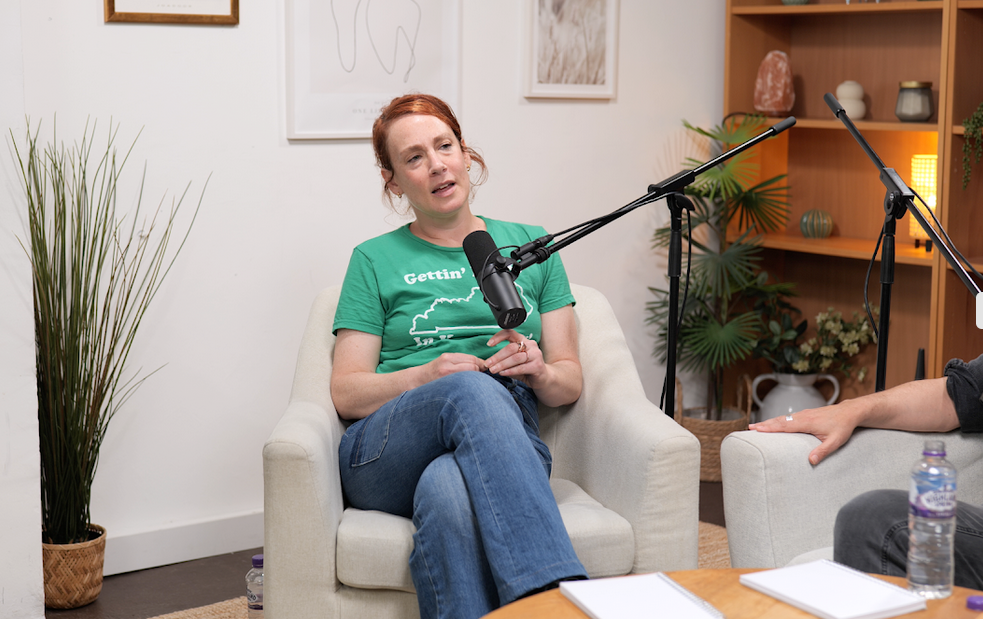
Image Credit: Finchley Studio
Podcast and studio use
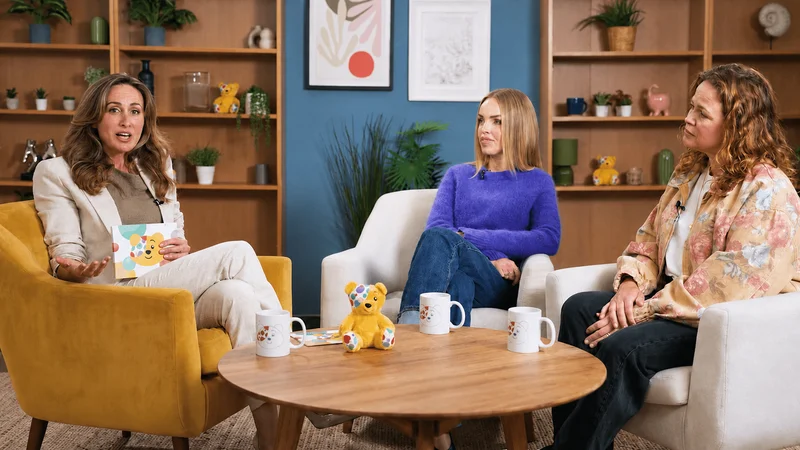
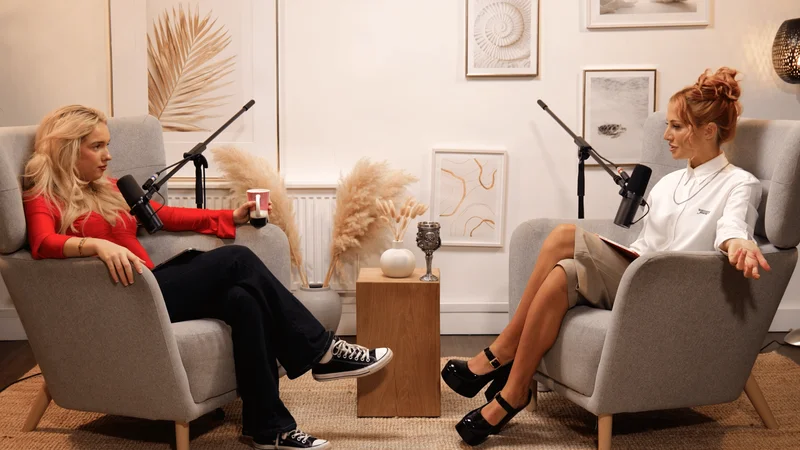
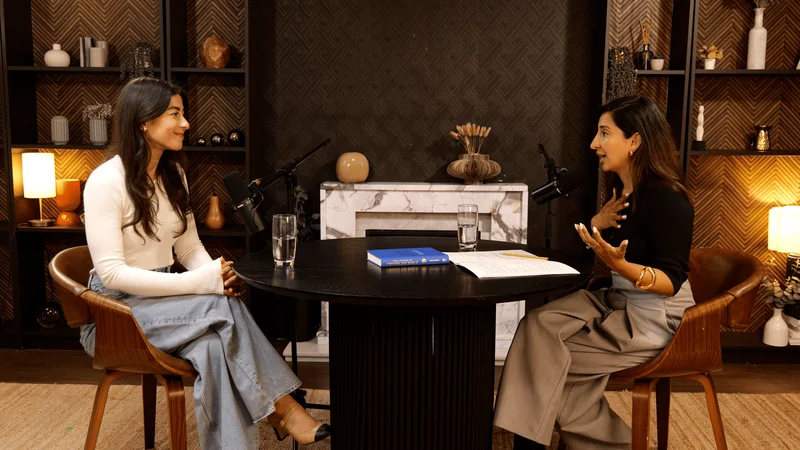
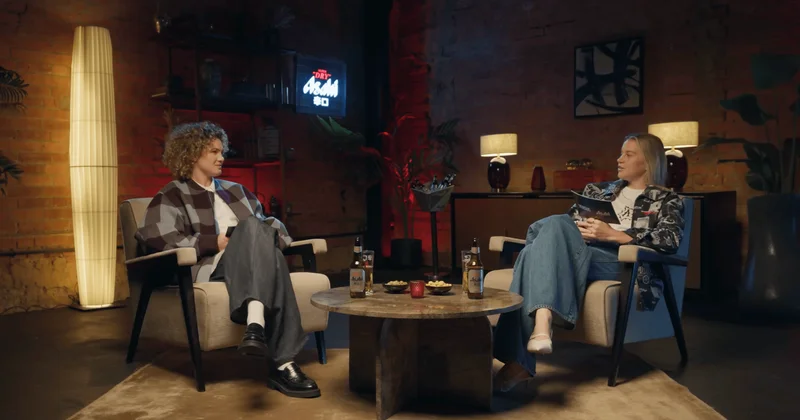
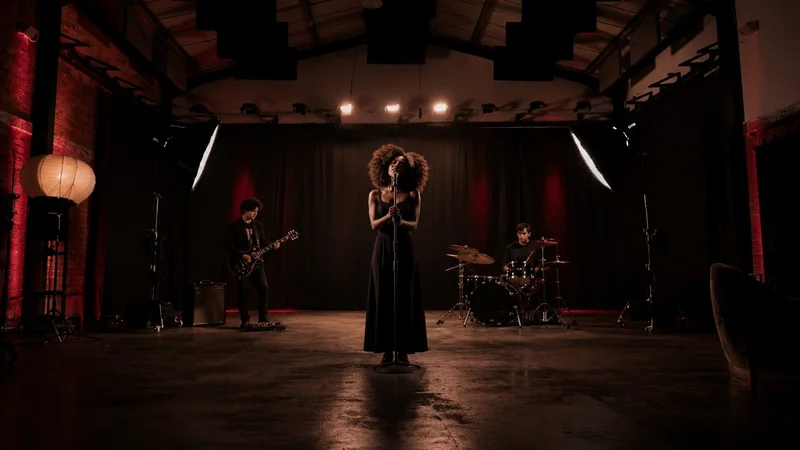
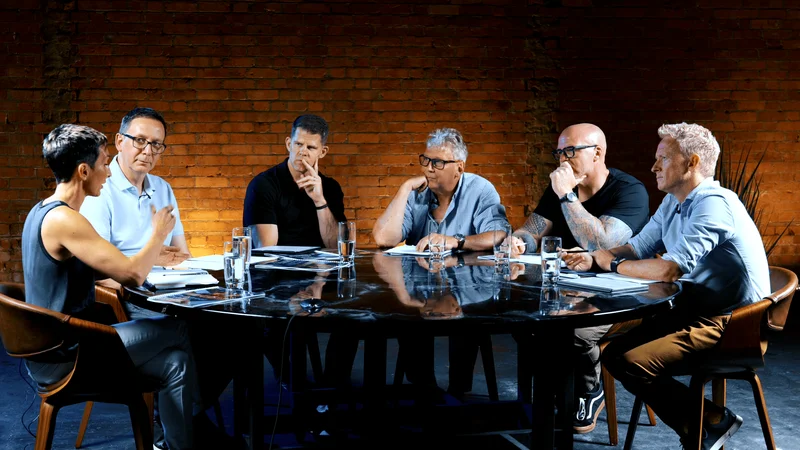
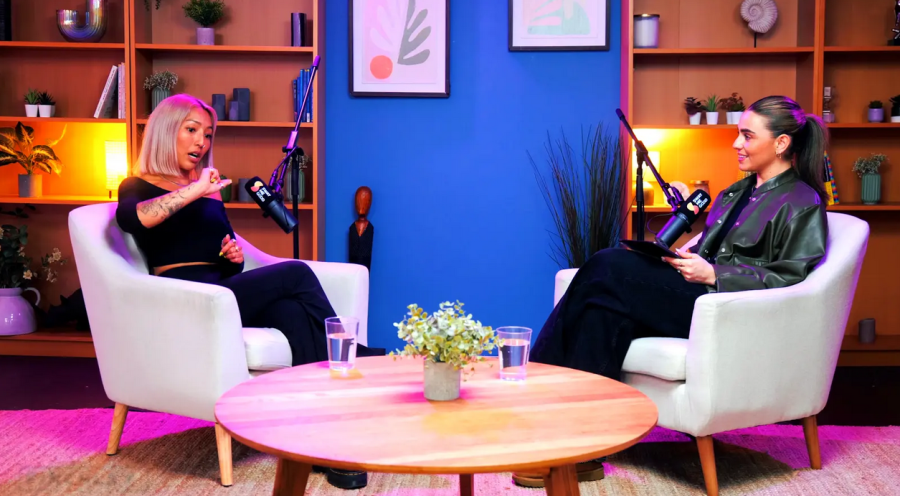
Mobile editing apps are not just for solo creators. They also support professional content spaces such as a podcast studio, a recording studio, or a video studio where teams need quick turnaround and flexible publishing workflows. A modern London podcast studio can capture the recording, and then creators can use mobile editing tools to polish the final clips for distribution.
This matters in a market like London, where content teams often need both quality and speed. A well-equipped podcast studio london setup can handle audio and video production, while mobile editing apps allow rapid edits for social teasers, highlight reels, and short-form promotional content.
In practice, that hybrid workflow is powerful: record in a professional London Recording studio, then edit on mobile for speed, flexibility, and fast approvals. For many creators, that combination is more efficient than relying on desktop-only post-production.
London podcast studios vs Finchley Studio
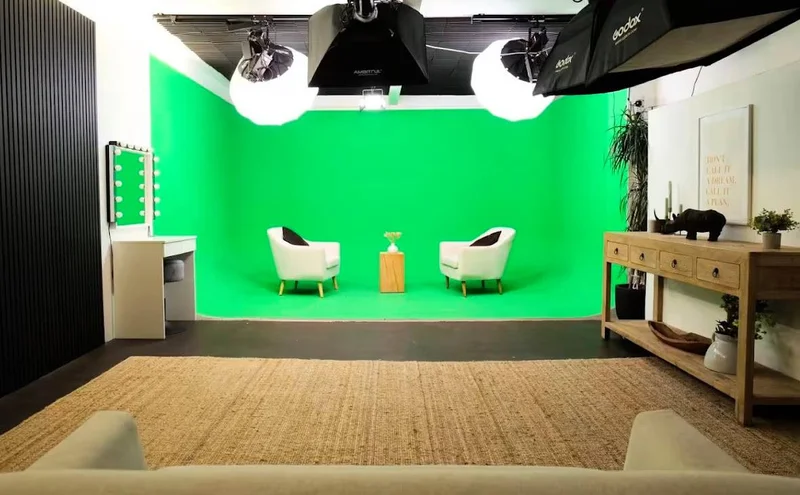
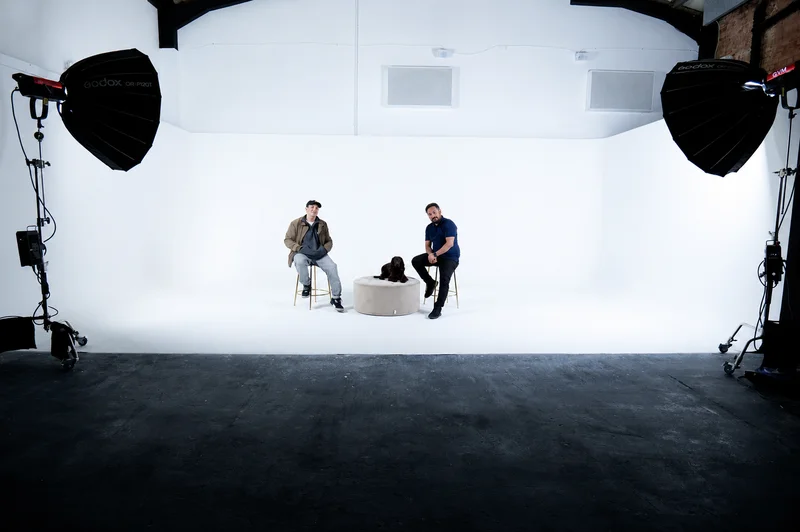
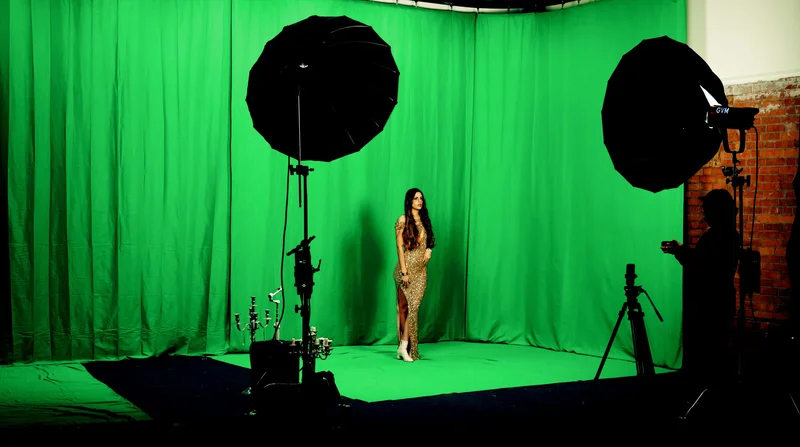
London has many studios, but the experience can vary a lot depending on what you need. Some London podcast studios are built mainly for audio capture, while others provide full-service filming, editing, and production support. Finchley Studio positions itself as a premium content creation space offering audio podcast recording, video podcast filming and editing, green-screen filming, and photography.
That makes Finchley Studio especially relevant for creators who want more than just a microphone and a quiet room. A typical London podcast studio may be enough for standard recordings, but Finchley Studio is structured for multi-format production, which is useful if your project needs both audio and visual output.
Here is a practical comparison:
For creators comparing a London podcast studio to Finchley Studio, the key difference is scope. Finchley Studio is not only a place to record; it is built as a broader production environment where recording, filming, and content packaging can happen in one place.
Why this matters for SEO
For SEO-focused creators, mobile filmmaking is not just about art; it is about output velocity. The faster you can turn a recording into a usable video clip, the more content you can publish, and the more opportunities you have to reach your audience.
That is why studios and creators increasingly combine professional spaces with mobile editing workflows. A Video studio london or london Video studio can give you polished footage, while editing apps help you rapidly create optimized content for YouTube Shorts, Instagram Reels, TikTok, and podcast promotions.
The same logic applies to search visibility. A Recording studio london that supports video clips, highlight reels, and fast turnaround content has a stronger content engine than a studio that only delivers raw files.
Best workflows for creators
The most effective workflow is often a hybrid one. First, record clean audio and sharp video in a professional recording studio or video studio. Then, use mobile editing apps to trim, caption, brand, and format the final content for the right platform.
For podcast creators, this approach can be especially efficient. You can film a full episode in a Podcast studio london, cut short social clips on your phone, and schedule releases without waiting for a long desktop edit. That makes the production process much faster and more scalable.
If your goal is to publish regularly, the best strategy is to treat your phone as part of the studio pipeline. It becomes the finishing tool that turns raw footage into something publishable and discoverable.
Final take
Apps for video editing have revolutionized mobile filmmaking by making high-quality production more accessible, portable, and efficient. They have turned smartphones into capable editing stations and helped creators move from capture to publication with remarkable speed.
For London creators, the combination of a professional Podcast studio, Video studio london, or London Recording studio with mobile editing apps is especially powerful. It combines professional capture with fast, flexible post-production, which is exactly what modern content demands.
If you are looking for a flexible production space that supports this kind of workflow, Finchley Studio is a strong option.
Book here: https://www.finchley.co.uk/book