Executive Summary
In London's hyper-competitive marketing landscape, a strategic pivot towards branded audio content is reshaping how premier companies engage with their audiences. This report provides an exhaustive analysis of the growing trend of brands utilising professional podcast studios to create sophisticated marketing assets that drive tangible business outcomes. The investigation reveals that podcasting has transcended its status as a niche medium to become a cornerstone of modern brand strategy, offering unparalleled levels of audience engagement, trust, and influence.
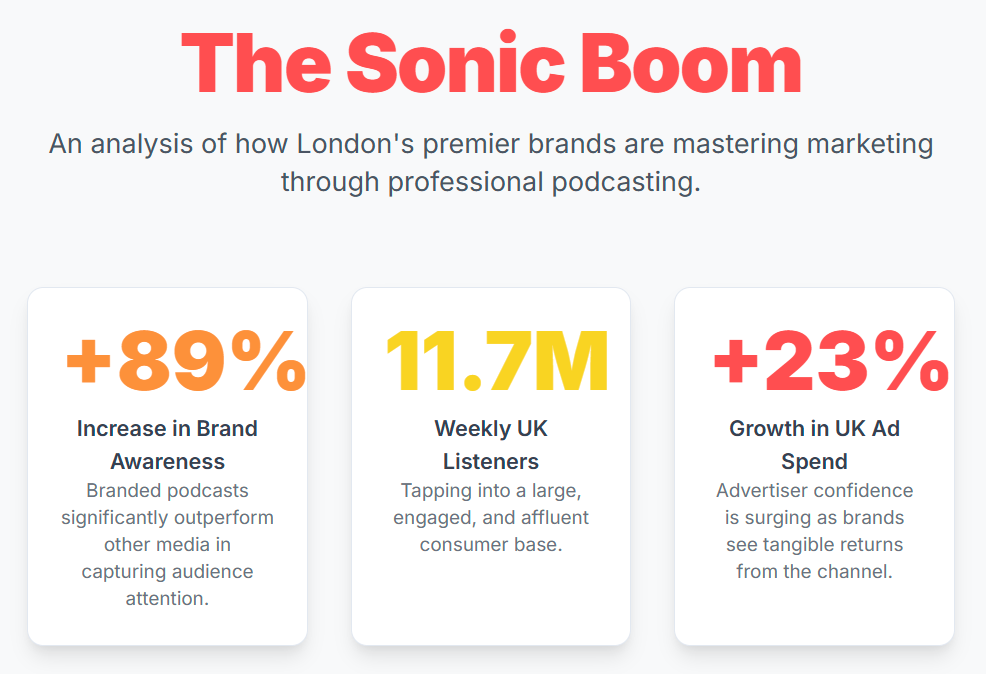
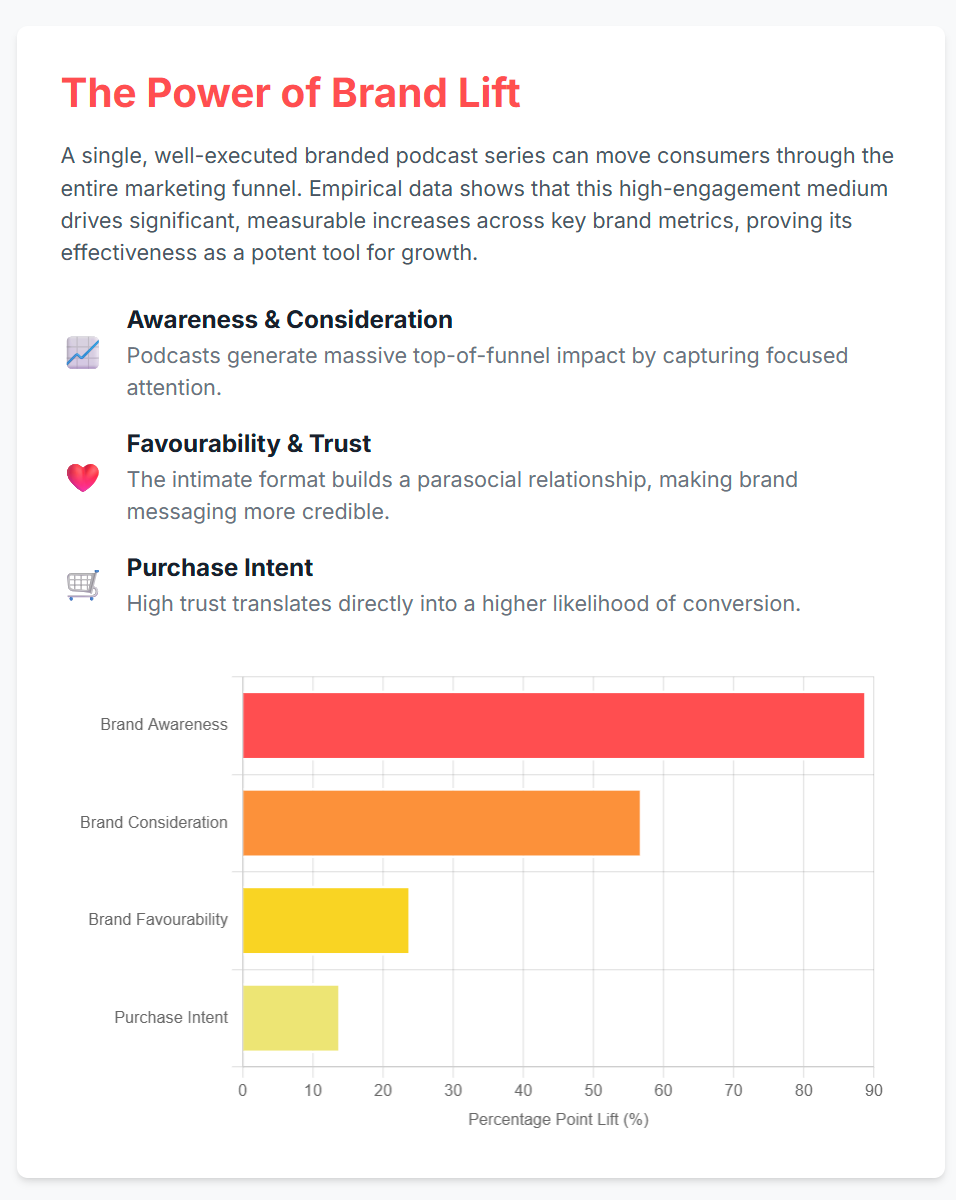
The core findings indicate that the move to branded podcasts is a direct response to the diminishing returns of traditional, interruptive digital advertising. By creating content that consumers actively choose to engage with, brands are forging deeper, more authentic relationships. Data demonstrates that this high-trust environment translates into significant brand lift, with notable increases in awareness (89%), consideration (57%), and purchase intent (14%).
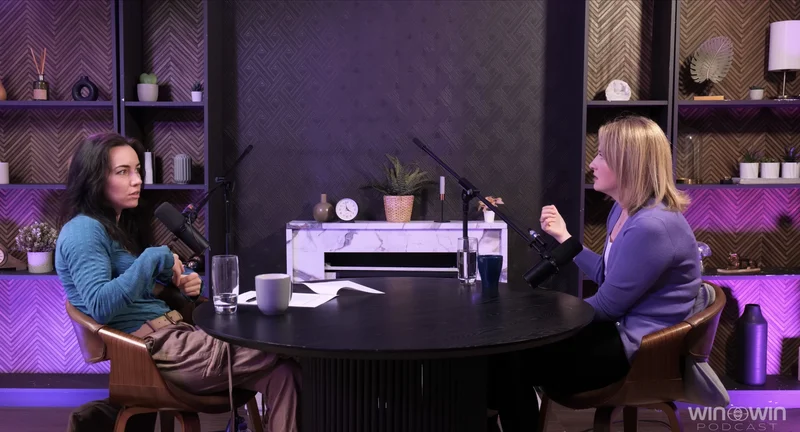
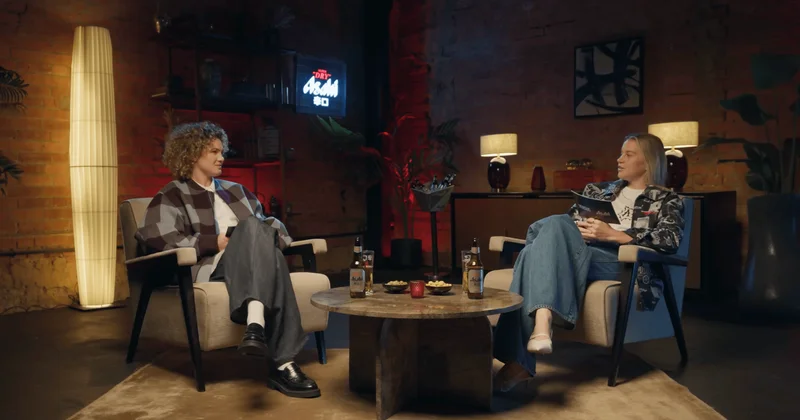
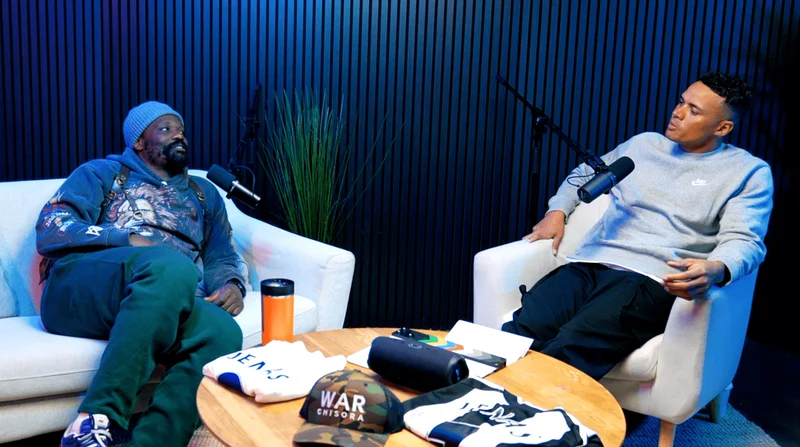
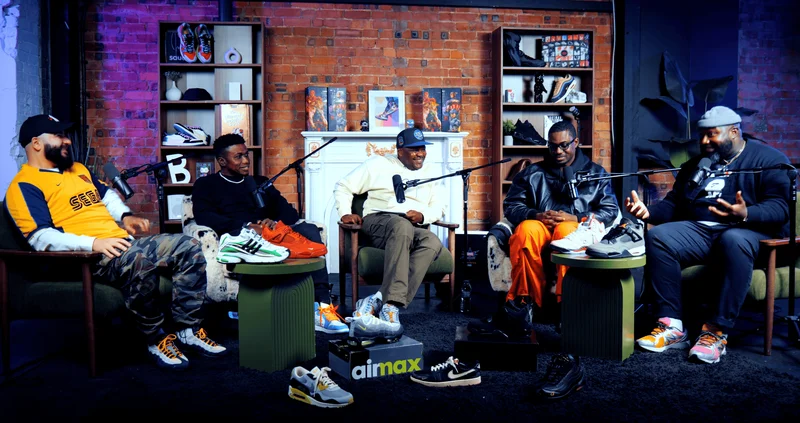
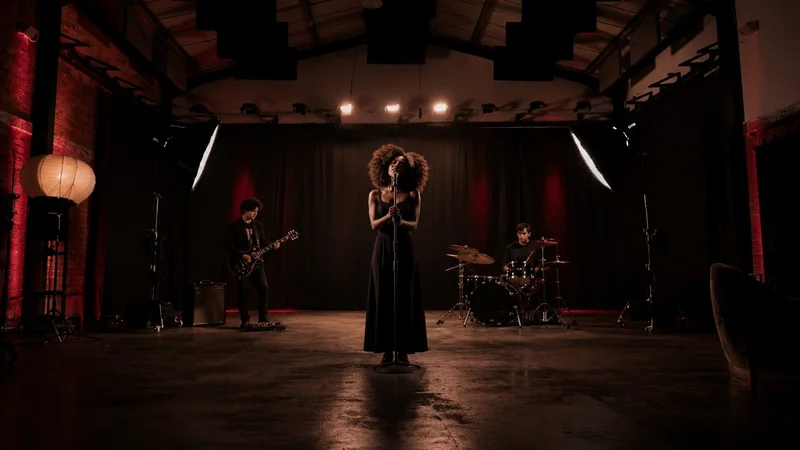
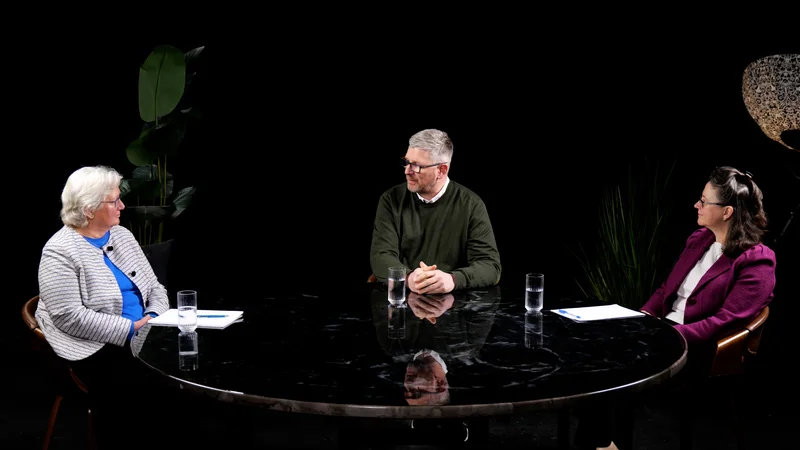
Central to this movement is London's sophisticated ecosystem of professional podcast studios. These facilities provide not just the requisite broadcast-quality audio and 4K video technology but also the strategic and production expertise necessary for premium brands to maintain their standards of excellence. The analysis shows a market shift towards audio-visual production, where a single podcast recording becomes the epicentre of a multi-platform content strategy, fuelling social media channels and maximising return on investment.
Through in-depth case studies of leading London-centric brands—including Monzo, Revolut, ASOS, BrewDog, and Gymshark—this report deconstructs the primary strategies employed: "Build" (creating a proprietary podcast like Revolut's Revolut Insider), "Borrow" (leveraging the audiences of established shows through guest appearances, as seen with Monzo and Gymshark), and "Buy" (executing integrated sponsorships, exemplified by BrewDog's partnership with The Peter Crouch Podcast). These case studies illustrate that the most successful branded audio initiatives function as cultural signifiers, communicating a brand's values and identity far more effectively than conventional advertising.
Furthermore, the report establishes a multi-layered framework for measuring the return on investment of podcasting, moving beyond simple download metrics to encompass audience engagement, brand lift, and direct business conversions. While a "confidence paradox" exists, where investment outpaces measurement certainty, the evidence points towards a significant and quantifiable positive impact.
The report concludes with a set of strategic recommendations for brands considering entering the audio space, emphasising the importance of aligning podcast objectives with core business goals, investing in professional production, and adopting a holistic measurement approach. The future outlook points towards a continued evolution of the medium, with trends including hyper-niche content, the rise of internal corporate podcasts, and the integration of AI-driven analytics.
The Ascendancy of Audio: Why London's Brands are Tuning into Podcasting
The Strategic Imperative: Moving Beyond Interruption Marketing
In an era defined by digital saturation and consumer ad-avoidance, London's leading brands are fundamentally rethinking their approach to audience engagement. The traditional model of interruption marketing, where advertisements are inserted into a user's content stream, is facing a crisis of efficacy. Consumers scroll past social media ads in seconds and often skip pre-roll video ads, leading to fleeting impressions and diminishing returns. In response, a strategic shift is underway towards a model of attraction and retention, with branded podcasts emerging as a premier tool. Branded podcasts represent a paradigm shift: they are not ads in the conventional sense but are a form of high-value content marketing that audiences actively seek out and choose to consume.
This medium's power lies in its unique ability to integrate into the daily lives of consumers. Research shows that 94% of listeners consume podcasts while engaged in other activities such as commuting, exercising, or doing household chores. This creates an intimate and focused listening environment, allowing brands to communicate with audiences during screen-free moments—a window of attention that was previously inaccessible to marketers. The "intimate, conversational nature" of the audio format fosters a deeper connection, making audiences more receptive to brand messaging than they would be in a more cluttered, visually-driven environment. A study by the BBC found that this high level of engagement means branded podcasts can effectively reach consumers who actively avoid traditional advertising, outperforming both TV and radio in lifting engagement and loyalty. The result is a marketing channel where the brand's message is not only more likely to be heard in full but is also received in a context of voluntary, focused attention.
Building the Pillars of Modern Branding: Trust, Authenticity, and Authority
In the modern marketplace, trust is the most valuable currency. Branded podcasting offers a direct and powerful pathway to building this trust by leveraging what has been termed the "Podcast Effect". Unlike a faceless corporate advertisement, a podcast is typically fronted by a host who, over time, develops a strong, parasocial relationship with their listeners. When a host endorses a product or a brand shares its expertise through its own show, the message carries the weight of a trusted recommendation rather than a sales pitch. This dynamic is validated by compelling statistics: 67% of podcast listeners state that they trust podcast ads more than other forms of digital advertising, and 54% are more likely to consider purchasing from brands they hear about on podcasts.
This high-trust environment provides a fertile ground for brands to establish themselves as thought leaders and authoritative voices within their industry. The most successful branded podcasts eschew overt promotion in favour of providing genuine value, education, and expert insights. By creating content that is relevant to the audience's interests and needs, a brand can become a trusted source of information, which in turn strengthens brand loyalty. A report from the Pew Research Center notes that 31% of people who get news from podcasts say they trust that news more than from other sources, underscoring the medium's credibility.
This strategy has been executed with remarkable success by global brands. General Electric's groundbreaking sci-fi series, The Message, subtly associated the GE brand with innovation and technology by embedding its values within a compelling narrative, reaching the top of the Apple Podcasts charts without directly promoting a single product. Similarly, HubSpot's podcast, The Growth Show, solidifies the company's authority in the marketing and sales sector by offering listeners actionable advice from industry experts, positioning itself as an indispensable resource for business professionals. This approach humanises the brand, creating an emotional connection that fosters long-term loyalty.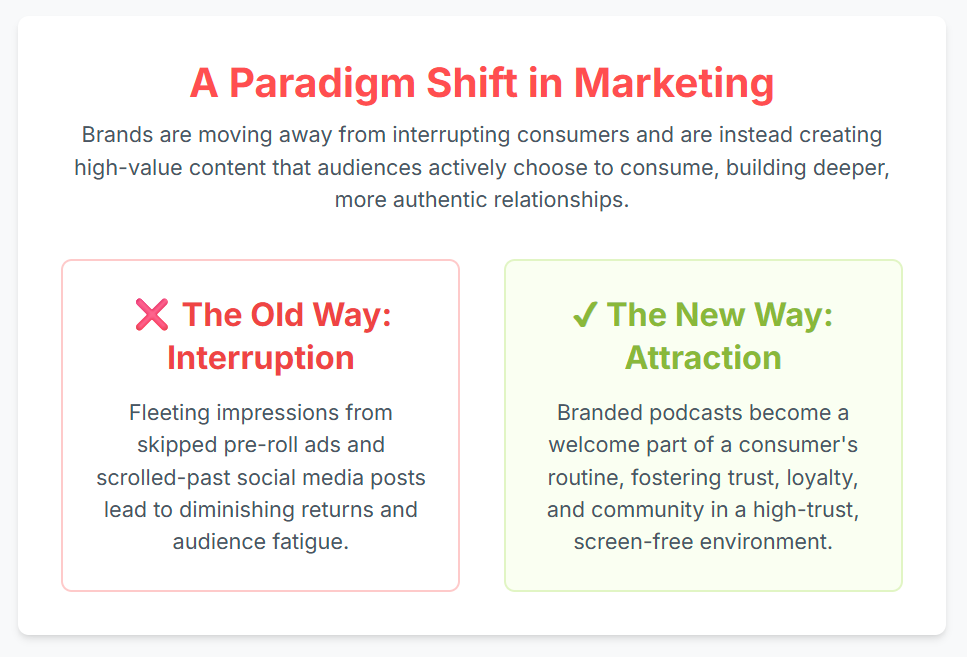
The Tangible Business Impact: Driving Brand Lift and Fostering Community
The strategic investment in branded audio translates into measurable business outcomes that go far beyond simple listenership figures. A definitive study conducted by the BBC provides empirical evidence of the medium's power to influence consumer perception and behaviour. The research found that branded podcasts can generate an 89% increase in brand awareness, a 57% increase in brand consideration, a 24% increase in brand favourability, and a 14% increase in purchase intent. These figures demonstrate that a well-executed podcast is not merely a branding exercise but a potent tool for moving consumers through the entire marketing funnel.
Furthermore, the episodic, long-form nature of podcasting is uniquely suited to building and nurturing a loyal community around a brand. Listeners who tune in week after week develop a habitual relationship with the show and, by extension, the brand behind it. This consistent engagement forges a deeper, more emotional connection than is possible through the transactional nature of most other marketing channels. Over time, this transforms passive listeners into active brand evangelists. These highly engaged fans not only exhibit greater loyalty but also become powerful advocates, recommending the brand to others and amplifying its message organically. This community-building effect is a long-term strategic asset, creating a defensible moat of brand affinity that is difficult for competitors to replicate.
The strategic decision to invest in podcasting is therefore predicated on a clear understanding of its unique position in the media landscape. As trust in traditional digital advertising declines, the high-trust environment of podcasting presents a significant arbitrage opportunity. Brands are not simply purchasing media space; they are gaining access to the pre-existing, trusted relationship between a host and their audience, or building that relationship themselves. This is an investment in a scarce and appreciating asset. Consequently, the strategic objective evolves beyond merely 'reaching' an audience. The high listener completion rates, often exceeding 85%, and the habitual nature of consumption point to a more profound goal: for the brand's voice to become a consistent and welcome part of a consumer's daily or weekly routine. The brand ceases to be an occasional visitor in the consumer's attention span and instead takes up permanent residence, fostering a level of integration and loyalty that drives significant long-term value.
The London Studio Ecosystem: The Professional Edge in Audio-Visual Production
The Case for Professionalisation: Why Top Brands Outsource Production
For London's top-tier brands, the decision to utilise a professional podcast studio is not a matter of convenience but a crucial investment in brand integrity and perception. In a market where excellence is the baseline, the production quality of a branded podcast is a direct reflection of the brand itself. Substandard audio, poor lighting, or amateurish video editing can irrevocably damage a premium brand's image, undermining the very trust and authority the podcast aims to build. The technical complexity of modern, high-calibre podcast production—which now routinely involves multi-camera 4K video recording, broadcast-quality audio engineering, professional lighting design, and sophisticated post-production—lies far beyond the typical capabilities of an in-house marketing department.1
Professional studios in London mitigate this risk by offering an all-in-one, "show up and record" solution. They remove the formidable technical barriers, allowing brand executives and their high-profile guests to focus entirely on creating compelling content, secure in the knowledge that the technical execution will be flawless. This professionalisation is essential for attracting senior-level guests, who expect an efficient and high-quality experience. The studio environment, with its expert on-site engineers and producers, instils a sense of confidence that is critical for capturing natural, authoritative conversations.
A deeper examination of the market reveals a significant evolution in how brands approach audio content. The consistent emphasis on advanced video capabilities within London's podcast studios—from 4K multi-camera setups to live-streaming services—is indicative of a fundamental shift. For serious brands, podcasting is no longer a purely auditory medium. The primary audio file is now just one component of a larger, integrated content strategy. The high-quality video recording is repurposed to create a multitude of discoverability assets for visually-driven platforms like YouTube, TikTok, and Instagram, which are essential for audience growth. Brands are therefore selecting studios not just for their acoustic properties but for their capacity to function as a comprehensive content engine, fuelling the brand's entire digital marketing ecosystem. This trend suggests that audio-only branded podcasts are becoming a legacy format, with the future of premium brand content being inherently audio-visual.
Mapping the Landscape: A Spectrum of Services in London
The London podcast studio market is a mature and diverse ecosystem, offering a wide spectrum of services tailored to different brand needs and budgets. This landscape can be segmented into several distinct tiers:
Affordable & Self-Service Studios: At the entry-level, facilities like AB Studio in Tooting (from £35 per hour) or MyStudioLdn in Brent Cross (from £20 per hour) provide accessible options for startups, solo creators, or brands looking to test a podcast concept with minimal initial investment. These studios offer the essential equipment in a quiet space, often on a self-service basis.
Mid-Tier Professional Studios: This segment represents a significant step up in quality and support. Studios such as the Podcast Room in Fitzrovia (from £75 per hour) and London Podcast Studios in Whitechapel (from £69-£89 per hour for audio and video) offer high-quality equipment like Rode microphones and 4K cameras, acoustically treated rooms, and on-site technicians to ensure a smooth recording process. These are ideal for established businesses and creators who require a professional finish without the expense of a top-tier facility.
Premium, Broadcast-Quality Facilities: At the apex of the market are elite studios designed to cater to major media corporations and global brands. Facilities like Spiritland Productions in King's Cross, Outset Studio in London Bridge, and TYX Studios in Camden are built to broadcast standards. They feature state-of-the-art, often Netflix-approved, cameras (e.g., Sony FR7), advanced audio consoles, and luxurious client amenities like lounges and bars. Their prestigious client lists, which include names like Amazon, Disney, Universal Music, Sky Sports, and high-profile personalities such as Louis Theroux, serve as a powerful testament to their quality and reliability.2
Full-Service Production Agencies: A growing number of providers, including Podshop, The Podcast Guys, and London Podcast Studios, have expanded beyond simple studio hire to offer end-to-end production and marketing services. These agencies act as strategic partners, guiding brands through the entire podcasting journey, from initial concept development, research, and guest sourcing to post-production, distribution, and growth marketing. This evolution from facility rental to strategic partnership signifies a maturation of the market, catering to brands that understand the need for a holistic strategy to ensure their podcast becomes a successful marketing asset.
The Technology and Talent Advantage
The primary differentiator for professional studios lies in the combination of cutting-edge technology and specialised human talent. This synergy ensures a final product that is technically impeccable and narratively compelling.
Technologically, these studios provide access to equipment that is prohibitively expensive and complex for most companies to own and operate in-house. In the visual domain, this includes multi-camera setups using 4K cameras like the Panasonic PTZ series or the cinema-grade Sony FR7 and FX-30, complemented by professional, temperature-controlled LED lighting and live-switching hardware for dynamic recording. On the audio side, the standard is broadcast-quality dynamic microphones favoured for their warmth and clarity, such as the Shure SM7B, Rode Procaster, and Beyerdynamic M88. These are run through high-end preamps and mixing consoles (e.g., Studer, RØDECaster Pro) in meticulously acoustically treated rooms to capture pristine sound.1
Equally important is the human expertise. An on-site engineer or producer manages the entire technical workflow, allowing the host and guests to remain focused on the conversation.1 In post-production, skilled editors, sound designers, and videographers take the raw footage and audio files and craft them into a polished, engaging narrative. This process involves not only cleaning up the audio and editing the video but also adding brand assets, creating compelling social media clips, and ensuring the final product meets the highest broadcast standards. This access to a dedicated team of creative professionals is a critical advantage that elevates a corporate recording into a premium media product.
Comparative Analysis of Leading London Podcast Studios
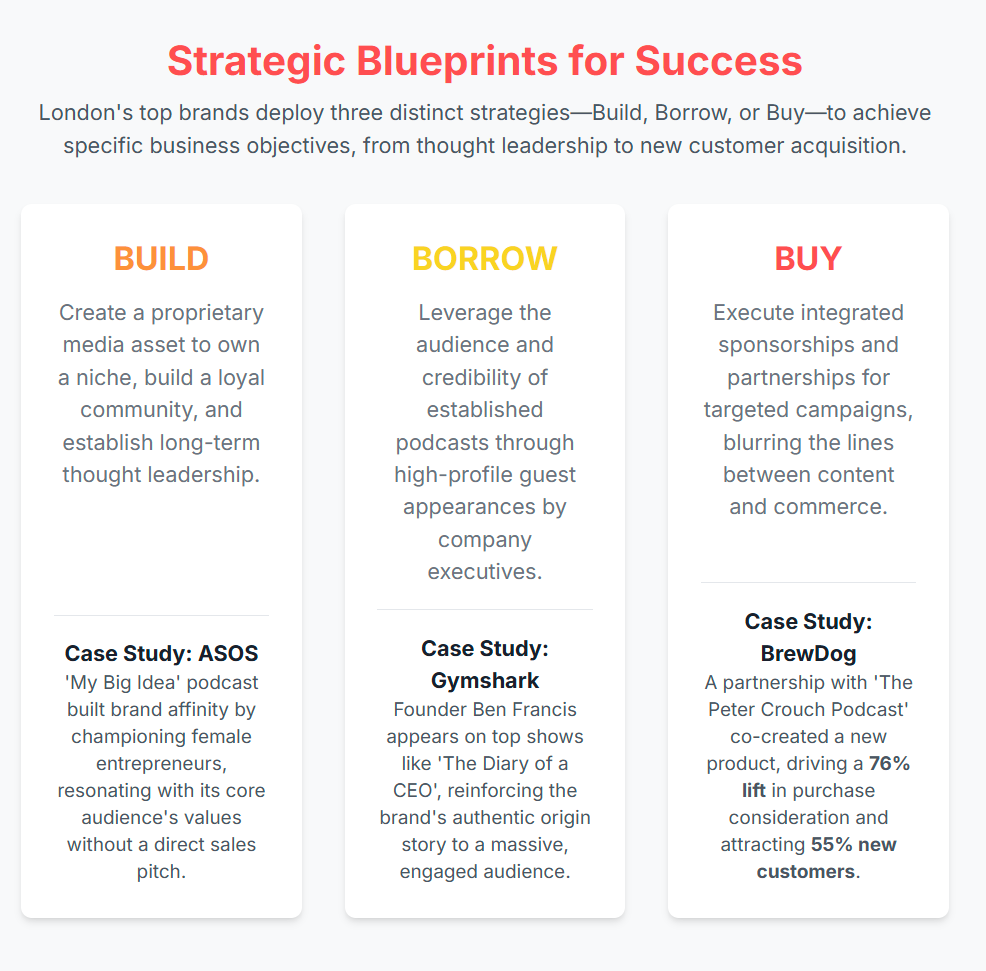
To provide a clearer picture of the London market, the following table compares a selection of studios representing different service tiers. This analysis highlights the key decision-making criteria for brands, including service offerings, technical capabilities, social proof via client lists, and indicative pricing.
Strategic Blueprints: In-Depth Analysis of London's Top Brand Podcasts
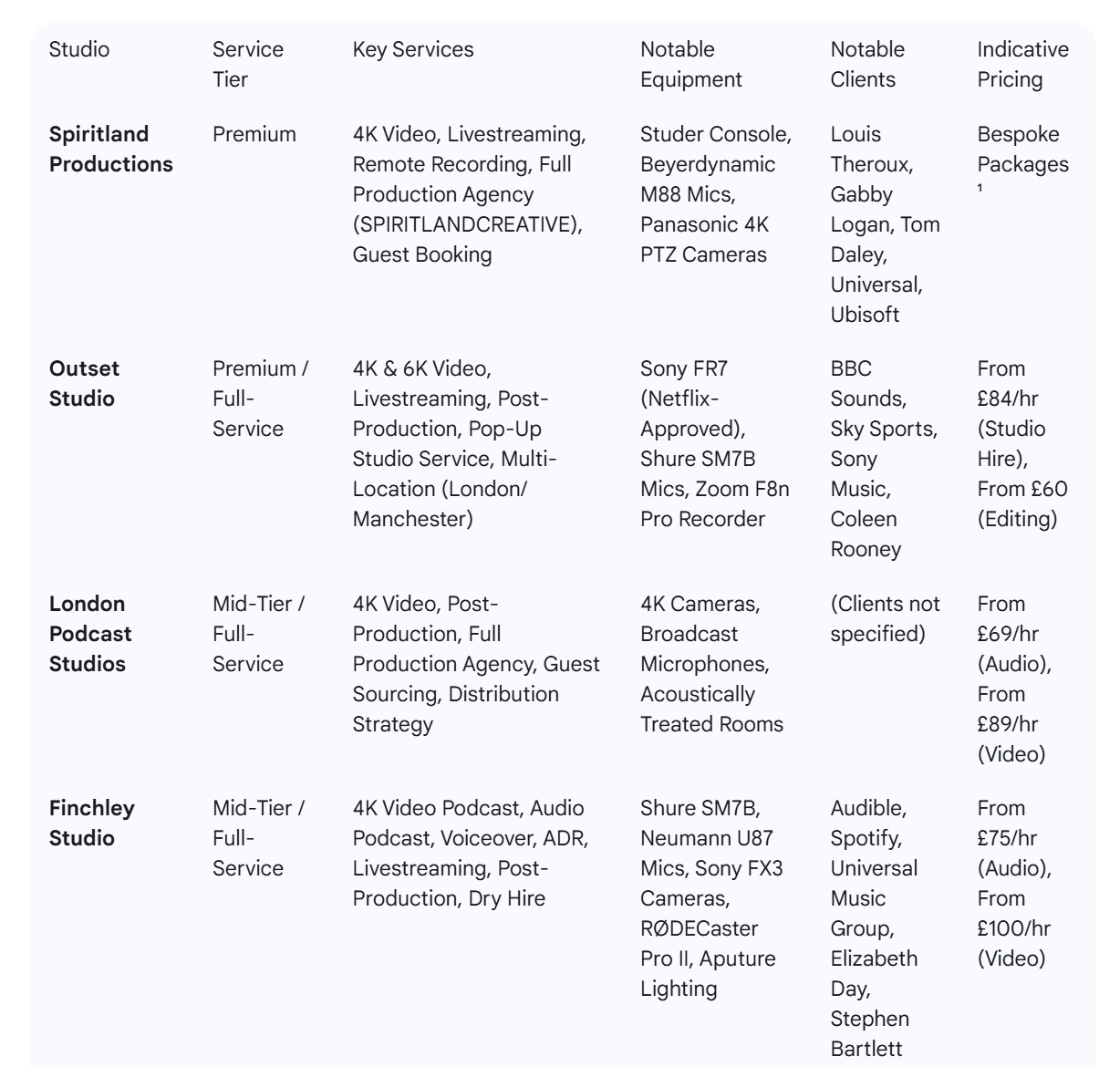
The strategic application of podcasting by London's top brands is not monolithic. It is a nuanced and targeted deployment of audio and video content designed to achieve specific business objectives. An analysis of leading companies like Monzo, Revolut, BrewDog, Gymshark, and ASOS reveals a clear strategic framework that can be categorised into three primary approaches: building a proprietary media asset, borrowing the credibility and reach of established platforms, or buying targeted access through sophisticated partnerships.
Fintech Forward: Monzo & Revolut's Strategy for Building Trust and Community
For challenger banks such as Monzo and Revolut, the primary marketing challenge is to build trust in an industry dominated by centuries-old institutions. Their content strategies are therefore meticulously designed to humanise their brands, demonstrate transparency, and foster a strong sense of community among their user base.
Monzo has pursued a strategy centred on borrowing trust and authority. While the company does not currently produce a flagship branded podcast, its senior executives, including CEO TS Anil and founder Tom Blomfield, are frequent and high-profile guests on some of the UK's most influential business podcasts, such as The Diary of a CEO and The Room Where It Happened. This approach allows Monzo to leverage the large, engaged audiences and established credibility of these platforms to disseminate its brand narrative. The content of these interviews aligns perfectly with Monzo's core marketing objectives, focusing on their product-led growth model, their data-driven approach to enhancing customer experience, and their mission to create "superfans" by solving genuine user pain points.1 By appearing on these shows, Monzo's leadership can articulate their vision and values in a long-form, conversational format that feels more authentic and impactful than traditional advertising.
Revolut, in contrast, employs a sophisticated dual strategy that combines borrowing reach with building its own media asset. Like Monzo, Revolut's leadership, including founder Nik Storonsky and CMO Chad West, appear on prominent podcasts like 20VC and Fintech Insider to discuss high-level strategy, fundraising, and global expansion, targeting an audience of investors, industry peers, and potential high-value customers. However, Revolut complements this with its own branded podcast, Revolut Insider. An analysis of the show's content reveals a clear strategic purpose: it functions as a powerful tool for employer branding and talent acquisition. Episodes provide an "insider's look" into the company's culture, featuring employees from various departments discussing career development, the recruitment process, and the problem-solving mindset that drives the company. This content is invaluable for attracting top talent in the competitive fintech sector. Simultaneously, it reinforces Revolut's brand image as a dynamic, innovative, and high-performance organisation, effectively serving both internal and external marketing goals.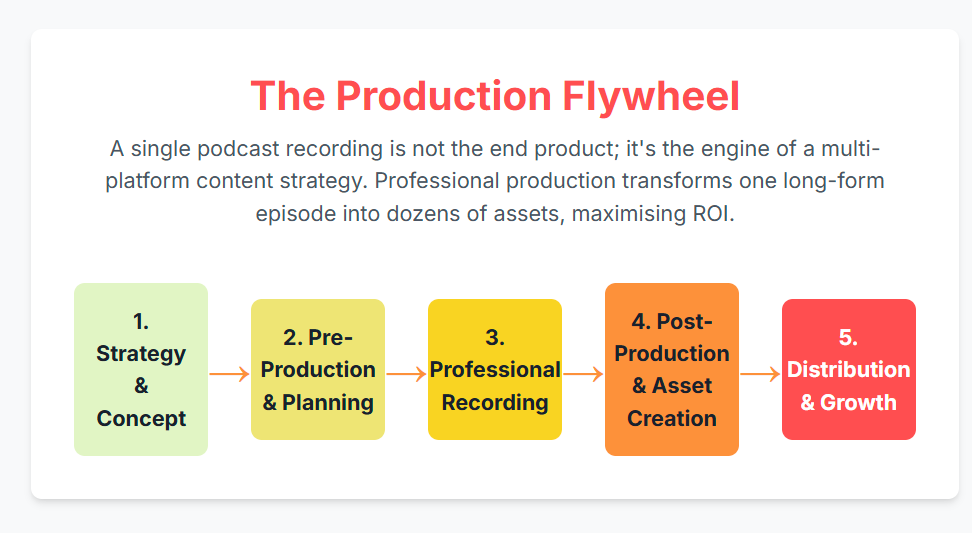
Lifestyle & Disruption: BrewDog & Gymshark's Playbook for Audience Engagement
BrewDog and Gymshark are both quintessential disruptor brands that have built global followings by cultivating a strong sense of community and an anti-establishment ethos. Their use of audio content reflects this, focusing on authenticity and deep engagement with their core demographics.
BrewDog's marketing philosophy is to "shorten the distance" between the brand and its customers, often bypassing traditional media entirely. While the company produces its own video content via The BrewDog Network, its most notable success in the podcasting space came from a tactical decision to buy access to a perfectly aligned audience. The partnership with The Peter Crouch Podcast serves as a masterclass in integrated podcast marketing. The campaign's objective was to increase brand awareness among premium lager drinkers. Instead of a simple ad read, BrewDog collaborated with the show to create a new product, 'Laout', which originated from an organic on-air conversation. This deep integration resulted in extraordinary business impact: purchase consideration among listeners rose by 76%, prompted brand awareness increased by 14%, and, crucially, 55% of all online orders for the product came from new customers who had never purchased from BrewDog before. This case demonstrates the immense power of authentic, host-driven campaigns that blur the lines between content and commerce.
Gymshark's strategy is a pure-play execution of founder-led marketing, using the borrow model to amplify the brand's origin story. The company's marketing is inextricably linked to its founder, Ben Francis, who built the brand from a sewing machine in his parents' garage. Gymshark does not have an official branded podcast; instead, Francis himself is the brand's primary media asset, appearing as a highly sought-after guest on world-renowned podcasts, including The Diary of a CEO and Simon Sinek's A Bit of Optimism. These long-form interviews allow him to recount the entrepreneurial journey in detail, reinforcing the brand's core values of community, authenticity, and relentless hard work. This strategy effectively humanises a billion-dollar global enterprise, maintaining the "underdog" narrative that is central to its identity and deeply resonates with its target audience of fitness enthusiasts.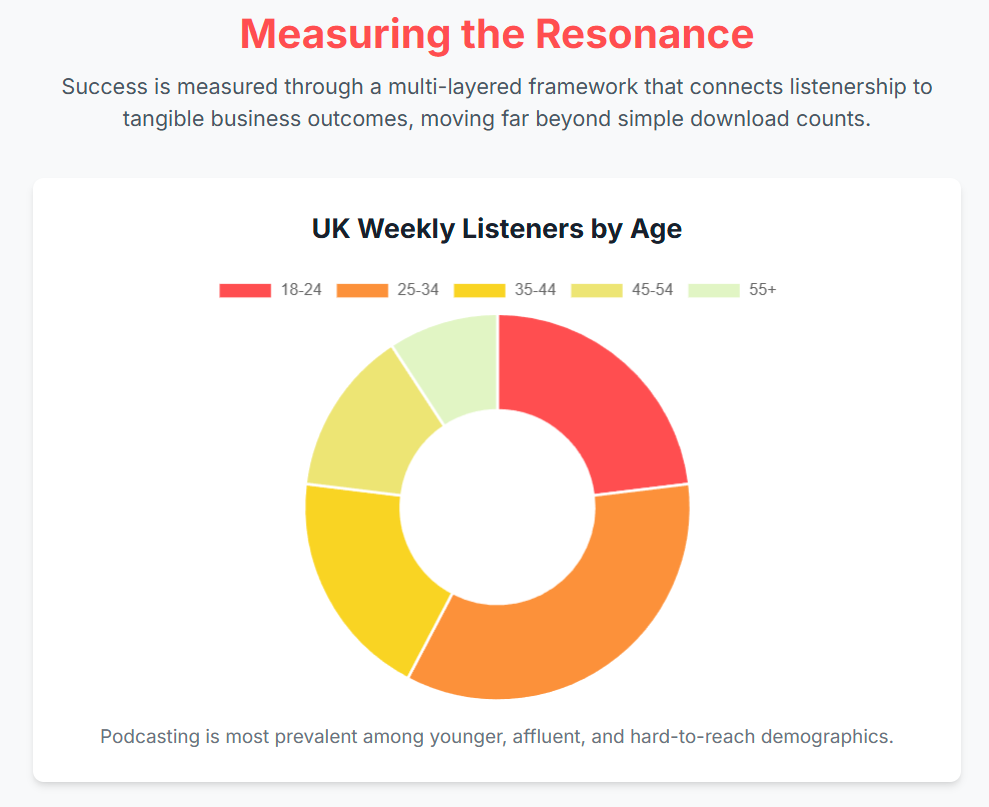
Fashioning the Narrative: ASOS's 'My Big Idea' and Content-Driven Commerce
Online fashion giant ASOS targets a demographic of "fashion-loving 20-somethings". Its marketing strategy must therefore align with the values and aspirations of this audience, which include entrepreneurship, creativity, and female empowerment. ASOS masterfully achieved this by building its own branded podcast, My Big Idea, a sophisticated example of value-first content marketing.3
Hosted on the Acast platform, the podcast's strategy was notable for its indirect approach. The show's primary purpose was not to sell clothes but to provide inspiration and practical advice to its target audience. Each episode, hosted by ASOS editors, featured an interview with a "young, smart woman forging their own path" in creative industries such as fashion, media, music, and design. By spotlighting these aspirational figures, ASOS positioned itself not merely as a retailer but as a champion and curator of the culture its customers inhabit. This approach built immense brand affinity and loyalty by providing genuine value, reinforcing the brand's identity as a supporter of young, creative talent without resorting to a direct sales pitch. The podcast became a cultural signifier, communicating what the ASOS brand stands for and who it stands with, thereby creating an identity that customers could connect with on a much deeper level than a simple transaction.
Summary of Brand Podcasting Strategies
The diverse approaches of these leading brands can be distilled into a clear strategic framework. The choice to build, borrow, or buy access to the audio space is directly informed by the brand's primary marketing objective, its target audience, and its core content focus. The following table synthesises the findings from the case studies, providing a comparative blueprint for strategic decision-making.
From Concept to Conversion: The Branded Podcast Production Workflow
The creation of a high-calibre branded podcast is a multi-stage, collaborative process that requires a blend of strategic insight, creative development, technical expertise, and marketing acumen. For London's top brands, this workflow is meticulously managed, often in partnership with a full-service production agency, to transform an initial concept into a powerful marketing asset that delivers measurable returns. The process can be broken down into five distinct phases.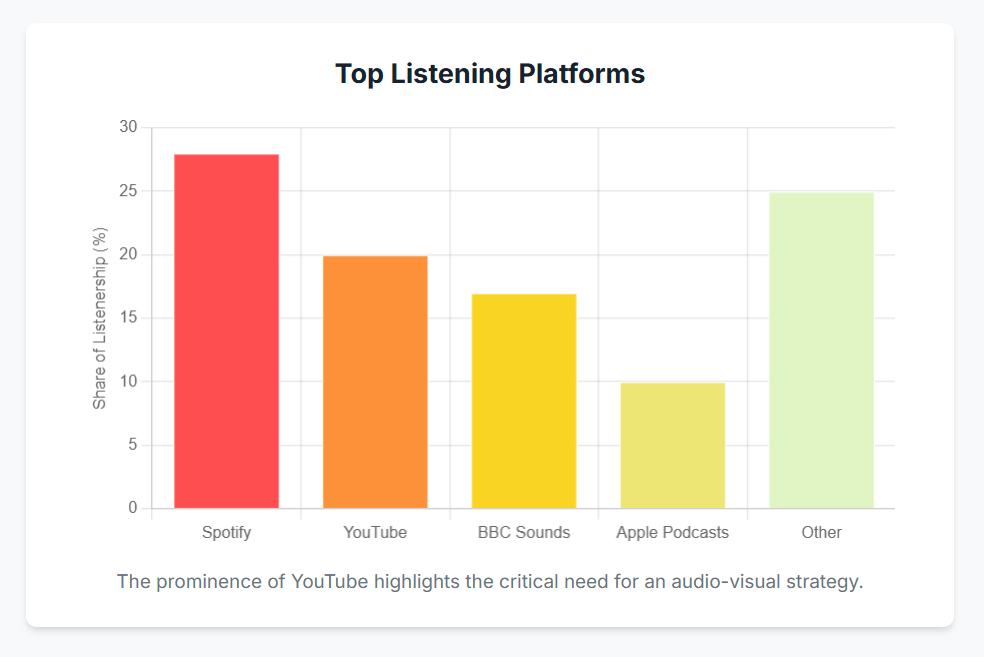
Phase 1: Strategy & Concept Development
This foundational stage is the most critical for ensuring a podcast's success. It begins not with a topic, but with a clear definition of the 'why'. Brands and their agency partners work to set unambiguous objectives, such as generating qualified leads, establishing the company as an industry thought leader, improving internal communications, or building brand affinity. Once the goal is established, the focus shifts to defining the target audience. This involves creating detailed listener personas that go beyond simple demographics to include professions, interests, and pain points, ensuring the subsequent content will resonate deeply.
With the strategic underpinning in place, the creative development begins. This involves extensive competitive research to identify a unique angle or a gap in the existing podcast landscape, ensuring the show will stand out from the more than five million podcasts available. Key creative deliverables from this phase include the show's core concept, its format (e.g., interview-based, narrative storytelling, panel discussion), a compelling title, and professional cover art that is both memorable and aligned with the brand's visual identity.
Phase 2: Pre-Production & Planning
This phase translates the creative strategy into a concrete production plan. It is a logistics-heavy stage where the "heavy lifting" is often undertaken by the production agency. Key activities include conducting in-depth journalistic research for each episode's topic, writing detailed presenter scripts or outlines, and, crucially, sourcing and managing guests. Securing high-profile industry experts or relevant guests can significantly boost a podcast's credibility and listenership.
For brands that choose to use their own senior executives as hosts, this phase may also incorporate specialised presenter training. This coaching ensures that even time-poor individuals with little media experience can deliver a confident, professional, and engaging performance that reflects well on the brand. A detailed and repeatable workflow is established during pre-production to ensure the entire process is efficient and maintains a consistent level of quality from one episode to the next.
Phase 3: Recording & Production
This is the execution phase where the content is captured. Recordings can take place in a variety of settings: on-location at an event, remotely with guests in different parts of the world, or, most commonly for top brands, within a professional London studio. The primary value of using a professional facility is the presence of an on-site audio engineer and production team. These technicians manage all technical aspects of the recording—from microphone setup and levels to camera angles and lighting—freeing the host and guests to concentrate solely on the quality and flow of the conversation.1 This professional oversight is key to capturing the pristine audio and high-definition video required for a premium brand production.
Phase 4: Post-Production & Asset Creation
In post-production, the raw recorded material is meticulously transformed into a polished final product. This is a highly skilled process that involves several layers. The audio track is edited to enhance clarity, remove mistakes, and improve the narrative flow. It is then mixed and mastered to meet broadcast standards, and branded elements like theme music, jingles, and outros are added. For video podcasts, the process involves editing footage from multiple cameras, performing colour grading to ensure a consistent and professional look, and integrating on-screen graphics, logos, and other brand assets.
Crucially, this phase is also where the content repurposing strategy is executed. A single long-form podcast episode is not viewed as a single asset but as the raw material for an entire content campaign. Editors create a suite of derivative assets, including short, engaging video clips formatted for social media platforms like TikTok and Instagram, audiograms (static images with animated audio waves), pull-quote graphics for platforms like LinkedIn, and detailed blog posts or show notes for SEO purposes. This approach treats the podcast as the epicentre of a content flywheel, maximising the value and reach of the initial production investment by fuelling multiple marketing channels for weeks.
Phase 5: Distribution & Growth Marketing
The final phase involves getting the finished podcast in front of the target audience. The episode is uploaded to a podcast hosting provider, which then distributes it to all major listening platforms, including Apple Podcasts and Spotify. However, for a branded podcast, simply publishing is not enough.
A bespoke growth marketing strategy is deployed to actively drive listenership and engagement. This can involve a multi-channel approach, including paid social media advertising campaigns, promotion through influencer marketing, and cross-promotional partnerships with other podcasts. Throughout this process, performance is closely monitored using data and analytics reports. These reports track key metrics and provide actionable insights that inform ongoing strategy, helping to continually grow the podcast's audience and impact over time. This data-driven approach is essential for demonstrating ROI and justifying the continued investment in the podcast as a strategic marketing tool.
Measuring the Resonance: Quantifying the ROI of Branded Podcasting
For any significant marketing investment, demonstrating a clear return on investment (ROI) is paramount. While podcasting's impact can feel less direct than a click on a search ad, a robust framework exists for measuring its resonance across brand, engagement, and business metrics. By combining market data with a multi-layered measurement approach, brands can effectively quantify the value of their audio strategy.
The UK Market Context: A Growing and Engaged Audience
The strategic rationale for investing in UK-based podcasting is underpinned by strong market fundamentals. According to Ofcom, the UK's communications regulator, 25% of the adult population—equivalent to 11.7 million people—are regular weekly podcast listeners. This audience is not only substantial but also highly desirable from a marketing perspective.
Listening is most prevalent among younger and more affluent demographics. The 25-34 age group leads in adoption, with 45% listening weekly, followed closely by 18-24 year-olds. There is a slight gender skew, with 29% of men listening regularly compared to 22% of women. This concentration among valuable consumer segments makes podcasting an efficient channel for brands aiming to reach these audiences. The platform landscape further reinforces the need for a sophisticated, multi-format strategy. Spotify has established itself as the dominant platform, with 27-29% of listeners using it most often, followed by YouTube (19-21%) and BBC Sounds (16-18%). The prominence of YouTube underscores the critical importance of video production as a component of any serious branded podcast strategy.
The Financial Investment: Ad Spend and Production Costs
The growth in listenership is mirrored by a surge in advertiser confidence and investment. According to the IAB UK's Digital Adspend report, UK podcast ad spend grew by a remarkable 23% in 2023 to reach £83 million, significantly outpacing the overall digital ad market's 11% growth. This robust investment, which is forecast to continue its upward trajectory, indicates that brands are seeing tangible and positive returns from the channel.
The investment required for a high-quality branded podcast is not insignificant. Production agencies that work with major brands often operate with branded content budgets exceeding £10,000 for a series. On a per-episode basis, retained support from a full-service agency can start at approximately £1,000-£1,350 +VAT for audio-only and audio-video productions, respectively. This level of investment reflects the comprehensive nature of the work, which spans strategy, production, and marketing.
A Multi-Layered ROI Framework: Beyond the Download Number
Relying on a single vanity metric like the total number of downloads is an outdated and fundamentally flawed approach to measuring podcast success. A download does not guarantee a listen, let alone engagement or impact. A sophisticated, holistic measurement framework is required, organised around four key pillars that connect content performance to business outcomes.
Pillar 1: Audience & Reach Metrics (Quantitative): These are foundational metrics that gauge the overall reach of the podcast. They include total downloads and listens per episode, tracking listener growth over time, and analysing the geographic distribution of the audience to understand market penetration.
Pillar 2: Engagement & Loyalty Metrics (Qualitative): These metrics provide insight into how the audience is consuming the content. The most important of these is the Listener Retention Rate or Average Consumption Rate, which measures the percentage of an episode that listeners complete. High retention rates, which can reach 85-98% for well-produced shows, are a powerful indicator of compelling and valuable content. Other metrics in this pillar include audience reviews, ratings, and chart rankings on platforms like Apple Podcasts, which serve as social proof of the show's quality and popularity.
Pillar 3: Brand Impact Metrics (The "Brand Lift"): This is arguably the most crucial pillar for brand marketers, as it directly measures the podcast's effect on brand perception. Nielsen's extensive Podcast Brand Impact database provides robust benchmarks, showing that, on average, podcast campaigns generate a 10-percentage-point lift in brand awareness, an 8-point lift in information-seeking behaviour, and a 6-point lift in purchase intent. The primary drivers of this brand lift are brand recall, the enjoyability of the ad or content, and how captivating the creative is. These metrics can be formally measured through controlled brand lift studies, which compare brand perception between an exposed and a control group.
Pillar 4: Business & Conversion Metrics (Direct ROI): This pillar connects listenership directly to tangible business actions. This can be tracked by including unique URLs, vanity discount codes, or specific calls-to-action within the podcast and measuring the subsequent traffic and conversions on the brand's website. In some cases, the financial return can be directly calculated. A compelling case study is the legal marketing agency Rankings.io, which attributed over $1 million in new customer revenue within 18 months directly to its branded podcast, representing a 10x return on its production investment with the agency Lower Street.
This comprehensive framework allows brands to move beyond simplistic metrics and build a complete picture of their podcast's performance, justifying the investment by demonstrating its impact on audience engagement, brand equity, and, ultimately, the bottom line. The data also reveals a fascinating dynamic within the marketing industry: a confidence paradox. While marketers are aggressively increasing their podcast ad spend, with 54% planning to do so, only 49% feel confident in their ability to measure the ROI of that investment—the lowest level of confidence across all digital channels. This suggests that brands are investing based on the intuitive and anecdotal power of the medium, even while they lack the standardised measurement tools they are accustomed to elsewhere. This gap represents a significant opportunity for studios and agencies that can provide clear, data-driven proof of value.
Strategic Recommendations & Future Outlook
The evidence presented throughout this report overwhelmingly indicates that branded podcasting, when executed professionally and strategically, is a uniquely powerful marketing tool for London's top brands. To successfully harness its potential, companies must adopt a deliberate and sophisticated approach that aligns content with core business objectives. The following recommendations provide a strategic checklist for brands considering an entry into the audio space, followed by an outlook on the key trends that will shape the future of the medium.
A Strategic Checklist for Brands
Based on the analysis of successful brand strategies and the broader market dynamics, the following actionable steps are recommended:
Define Your "Why" Before Your "What": The most common point of failure for branded podcasts is a lack of clear strategic intent. Before any discussion of format, hosts, or topics, the primary business objective must be defined. Is the goal to generate high-quality B2B leads, build broad brand affinity, improve employer branding and recruitment, or enhance internal communications? The answer to this question will dictate every subsequent decision.
Choose Your Strategy: Build, Borrow, or Buy: A one-size-fits-all approach is ineffective. Based on the defined objective, budget, and timeline, a brand must consciously choose its strategy. "Build" a proprietary podcast for long-term thought leadership and niche community building. "Borrow" the audience and credibility of established shows via executive guest appearances for mass-reach brand storytelling. "Buy" targeted access through integrated sponsorships for specific product launches or campaigns.
Invest in Quality or Don't Invest at All: For a premium brand, production quality is non-negotiable. It is a direct reflection of the brand's own standards. A poorly produced podcast can cause more brand damage than having no podcast at all. Brands should partner with a professional London studio or a full-service agency whose technical capabilities and creative portfolio align with their premium positioning.
Embrace the Video-First Mindset: In the current media landscape, a podcast is an audio-visual asset. Plan for high-quality, multi-camera video recording from the outset. This is not an optional extra but a core requirement for discoverability and for fuelling the content ecosystem on platforms like YouTube, LinkedIn, and Instagram.
Design for the Flywheel: Treat the long-form podcast episode as the raw material for a much broader content campaign. The production workflow should be designed to systematically repurpose the core recording into dozens of smaller assets (video clips, audiograms, quote graphics, blog posts). This approach dramatically increases the ROI of the initial production investment.
Measure What Matters: Move beyond the vanity metric of total downloads. Implement a multi-layered ROI framework from the start. This framework should track not only audience reach but also listener engagement (e.g., consumption rate), brand impact (via brand lift studies), and direct business conversions (using unique URLs or promo codes).
Future Outlook: The Evolution of Branded Audio in London
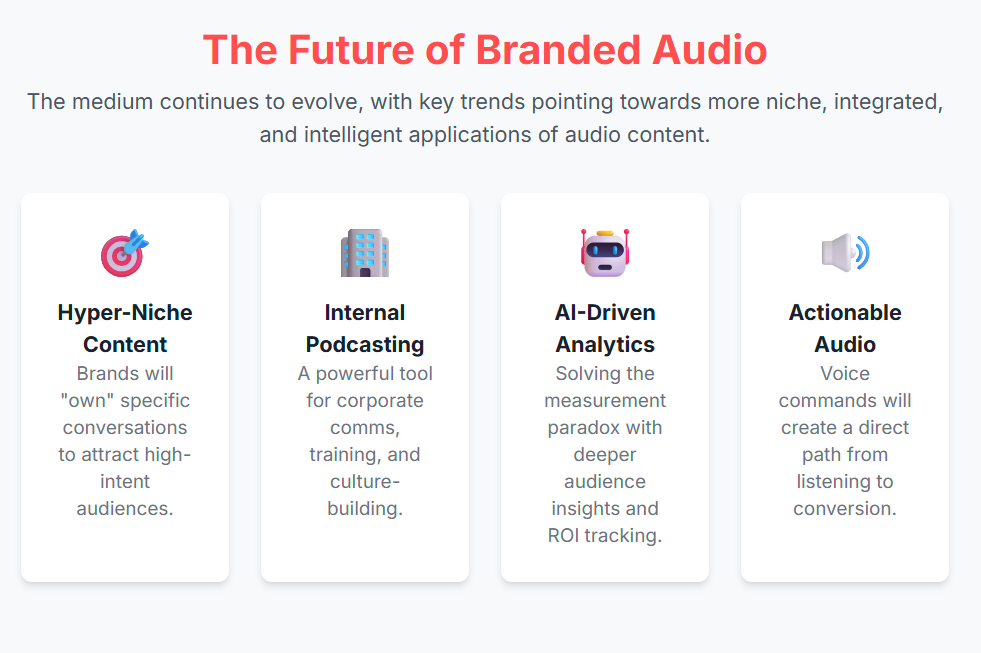
The branded podcasting landscape is dynamic and will continue to evolve. Several key trends are poised to shape its future:
Trend 1: Hyper-Niche Content: As the podcasting space becomes more saturated, the most successful brands will pivot away from broad, general-interest topics. Instead, they will focus on creating hyper-niche content that allows them to "own" a specific conversation and dominate a well-defined subject area. This strategy will attract a smaller but more valuable, high-intent audience that is more likely to convert.
Trend 2: The Rise of Internal Podcasting: Large corporations and enterprises will increasingly adopt private, internal podcasts as a primary tool for corporate communications, employee training, and culture-building. Recognising that audio is a more engaging and accessible medium than lengthy emails or internal memos, companies will use podcasts to connect with a dispersed and remote workforce.
Trend 3: AI-Driven Production & Analytics: Artificial intelligence will play an increasingly significant role in both production and measurement. AI-powered tools will streamline post-production workflows, automating tasks like editing, transcription, and the creation of social media clips. On the analytics side, AI will enable more sophisticated audience analysis, providing deeper demographic and psychographic insights that will help solve the "measurement confidence paradox" and allow for more precise ROI tracking.
Trend 4: Integration with Actionable Audio: The proliferation of smart speakers and voice assistants will pave the way for more interactive and "actionable" audio advertising. Future campaigns will increasingly integrate voice commands, allowing listeners to seamlessly add a product to a shopping cart, request a sample, or book a service by simply speaking to their device. This will further blur the lines between content and commerce, creating a more direct path from listenership to conversion.
How London's Top Brands Utilise a Professional Podcast Studio London for Marketing
As we navigate 2025, the landscape of brand marketing in London has fundamentally changed. The era of the hard sell is over, replaced by a demand for authentic connection and genuine value. Today’s consumers and business clients are drawn to brands that are not just sellers, but also educators, storytellers, and thought leaders. In this new arena, London's most successful companies have embraced a powerful tool: the branded podcast, crafted within the walls of a professional podcast studio London.
This isn't just about creating content; it's about building a media asset that drives authority, fosters community, and delivers a significant return on investment. Here’s how they do it.
Moving Beyond the Boardroom: The Imperative of Quality
For a leading brand, image is everything. While a smartphone can record a video, it cannot replicate the polished, high-fidelity experience that audiences now expect. This is why major companies don't record their flagship content in a spare office. They turn to professional studios for several critical reasons:
Broadcast-Standard Production: Top brands understand that their content is a direct reflection of their quality standards. A professional studio guarantees flawless audio and crisp 4K video, eliminating distracting echoes, background noise, and poor lighting. This ensures their message is received with the clarity and professionalism it deserves.
-
Efficiency and Focus: Corporate marketing teams operate on tight schedules. A professional studio provides a turnkey solution. The technical setup, from microphones to multi-camera arrangements, is handled by experienced engineers. This allows executives and marketing teams to focus entirely on delivering their message, making the content creation process incredibly efficient.
Versatility for Diverse Campaigns: A single brand may need to produce a wide array of content. One day it might be a formal CEO address, the next a relaxed roundtable with industry partners. A studio with multiple sets, such as the facilities at Finchley Studio, provides the flexibility to create visually distinct content that is perfectly tailored to the tone and objective of each specific campaign.
Strategic Content Pillars for Market Leadership
London's top brands aren't just making podcasts; they're building strategic content pillars that serve distinct marketing functions.
-
Establishing Thought Leadership: Instead of running ads about their expertise, brands are demonstrating it. They host podcast series featuring interviews with industry pioneers, internal experts, and key partners. By facilitating these high-level conversations, they become the go-to resource for industry insights, attracting a valuable audience of potential clients and partners.
Humanising the Brand: Podcasts offer a unique opportunity to showcase the people and values behind a corporate logo. Brands are creating content that features employee stories, behind-the-scenes looks at company culture, and discussions on social responsibility. This authentic storytelling forges a powerful emotional connection with their audience.
Enhancing Internal Communications: The value of a professional studio extends beyond external marketing. Companies are increasingly using these facilities to produce high-quality internal content, from CEO announcements and virtual town halls to sophisticated training modules that can be distributed across a global workforce.
For any brand looking to cut through the noise in London's competitive market, the message is clear. Investing in professional podcast production is no longer a niche tactic—it's an essential component of a modern marketing strategy that builds authority and lasting audience relationships.
Elevate Your Podcast at Finchley Studio
Now that you see how London's leading brands leverage professional production, the next step is finding a studio that can deliver for you. At Finchley Studio, we are dedicated to providing companies and creators with the state-of-the-art facilities and expert support needed to produce exceptional content. We understand the high standards of corporate production, which is why leading organisations like the BBC and Lloyds Bank trust us with their recording needs. But don't just take our word for it—see what other creators are saying in our Google reviews and on Trustpilot.
We offer a diverse range of meticulously designed sets to perfectly match your brand's aesthetic. Explore our spaces to find your perfect fit:
CEO Set: A premium, sleek backdrop for executive interviews, masterclasses, and expert talks.
Gathering Studio: A professional environment designed for larger roundtable discussions and corporate panels.
Lounge Studio: A relaxed and comfortable setting for casual conversations with up to 5 participants.
Dialogue Room: An intimate space perfect for one-on-one interviews and small group discussions.
Blackwood Studio: A sophisticated and modern set with a striking black wood finish for a cinematic feel.
The Brick Studio: A versatile warehouse space with authentic brick walls for an industrial-chic aesthetic.
Blackout Set: A fully controlled dark space for dramatic, high-contrast visuals and creative projects.
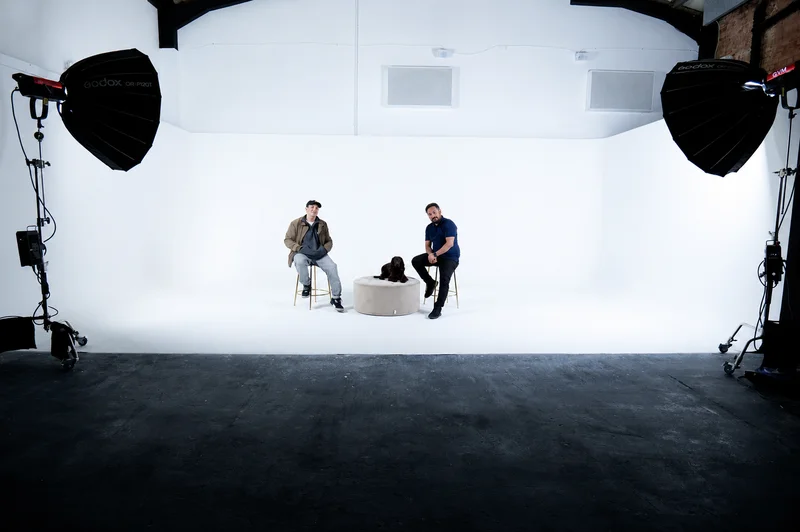
White Infinity Cove: A seamless, edge-free backdrop for clean and minimalist product or fashion shoots.
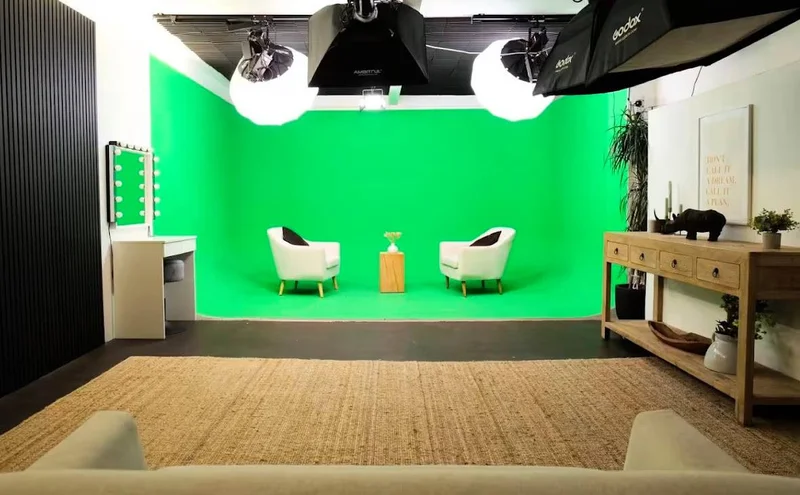
Green Screen Cove: A pre-lit curved studio for immersive special effects and virtual backgrounds.
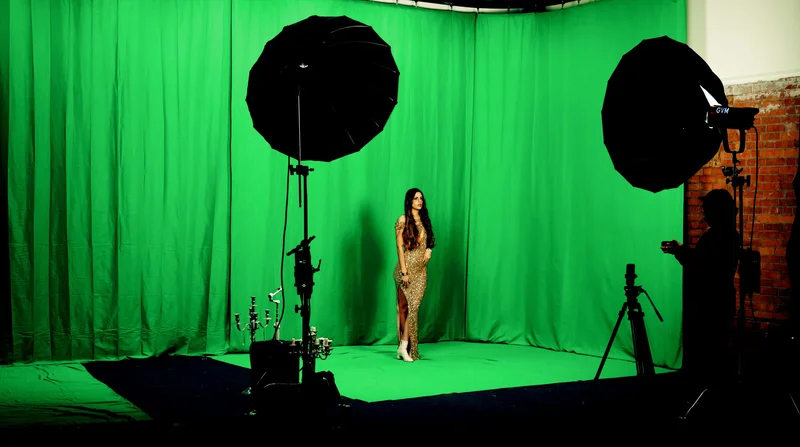
Giant Green Screen: One of London's largest green screens for ambitious film, TV, and commercial productions.
To complement your recording, our professional Video Editing Service can transform your raw footage into polished, engaging content ready for any platform. The team at Finchley Studio is here to ensure your vision comes to life seamlessly.
Ready to take your brand's content to the next level? See why creators rate Finchley Studio as their go-to production space.
Find Us Easily: Our studio is conveniently located just a two-minute walk from Finchley Central on the Northern Line and adjacent to the Travelodge London Finchley. We offer one free parking space per booking.
what3words: orders.yards.jokes
Stay Connected: Follow our journey and see behind-the-scenes content on our social media channels:
Have questions? Check our FAQ or get in touch directly.
WhatsApp: +447587827200
Phone: +447587827200
Email: [email protected]
Works cited
London Podcast Studio | Studio Hire in King's Cross, accessed August 28, 2025, https://spiritlandproductions.com/studio/
Outset Studio | Creative Podcast Studios in London & Manchester, accessed August 28, 2025, https://outsetstudio.com/
My Big Idea - Hosted by ASOS.com - Acast, accessed August 28, 2025, https://shows.acast.com/mybigidea/episodes
My Big Idea - Hosted by ASOS.com - Acast, accessed August 28, 2025, https://shows.acast.com/mybigidea