Executive Summary
In London's saturated and highly competitive media landscape, the transition of podcasts from an audio-only medium to a dynamic video format represents a critical opportunity for creators and brands to deepen audience engagement and expand their reach. However, this transition introduces significant technical and aesthetic complexities that a typical Do-It-Yourself (DIY) setup is ill-equipped to handle. This report presents a comprehensive analysis of the value proposition offered by London's professional podcasting studios for video production. It argues that leveraging these specialized facilities is no longer a luxury but a strategic necessity for any creator seeking to establish brand authority, maximize audience engagement, and unlock significant monetization opportunities.
The analysis deconstructs the multifaceted concept of "production value," demonstrating that its components—pristine audio, cinematic visuals, and a polished final edit—are direct drivers of audience perception, credibility, and trust. A detailed comparison between high-end DIY setups and professional studio services reveals that the value of a studio extends far beyond access to superior equipment. The core advantages lie in acoustically perfected environments, the on-demand expertise of studio engineers, and streamlined production and post-production workflows. These elements collectively mitigate the most common pitfalls of amateur production, saving creators invaluable time and enabling a consistent, high-quality output.
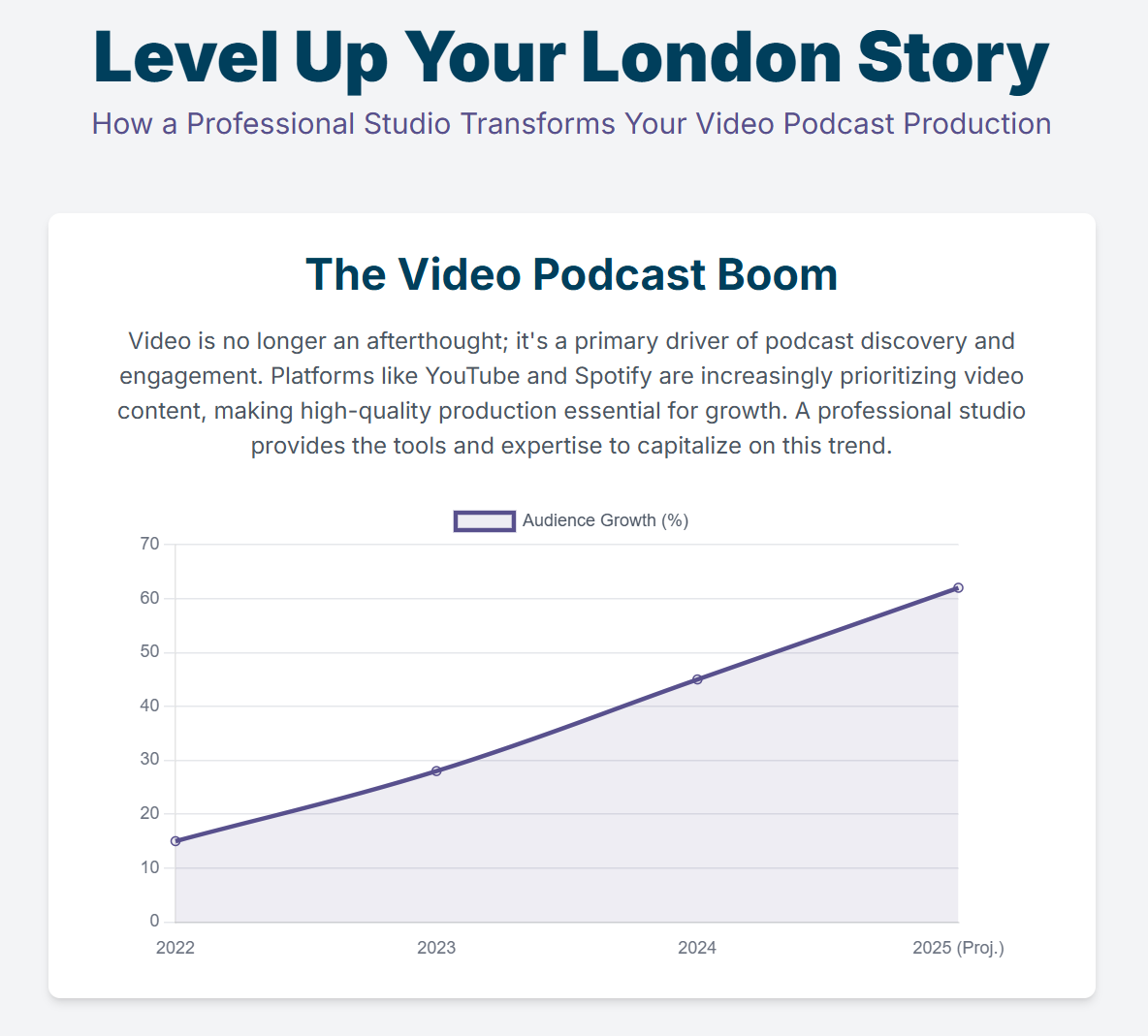
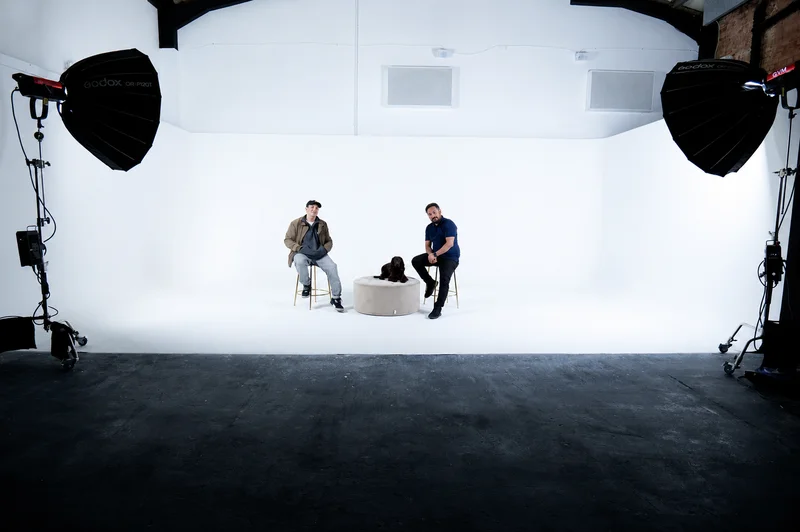
Image Credit: Finchley Studio
Furthermore, this report provides a granular overview of the London market, mapping out a mature and segmented ecosystem of studios and production agencies that cater to a wide spectrum of budgets and needs. From accessible hourly rentals to comprehensive full-service production packages, London offers a clear pathway for creators to scale their production quality in line with their ambitions. Ultimately, the report concludes that the investment in a professional studio yields a compelling return, not only through tangible improvements in the final product but also through enhanced brand equity, greater appeal to high-profile guests and sponsors, and the strategic reallocation of the creator's time from technical troubleshooting to content and growth.
Section 1: The Strategic Imperative of Production Value in Video Podcasting
1.1 The Audience Perception Gap: From Hobbyist to Authority
In the contemporary digital content ecosystem, production quality is not merely an aesthetic flourish; it is a fundamental component of communication that directly shapes audience perception and establishes the creator's credibility. The visual and auditory experience of a video podcast serves as the initial handshake with a potential viewer. A professional image, conveyed through a well-designed studio with high-quality equipment, an appealing backdrop, and suitable lighting, immediately establishes a baseline of credibility and authority.1 This polished presentation signals to the audience that the creator is serious, professional, and values their time, which in turn encourages the audience to reciprocate that investment of attention.3
Conversely, poor production quality can create a significant perception gap, undermining even the most insightful content. Studies and audience feedback consistently show that poor audio is the leading reason viewers abandon video podcasts.4 Issues like inconsistent volume, distracting background noise, or a hollow, echoey sound can make the listening experience fatiguing, causing listeners to disengage regardless of the content's intrinsic value.5 This phenomenon highlights a critical, often overlooked, aspect of content creation: production quality functions as a non-verbal "trust signal." Before a viewer has processed the substance of the conversation, they have already made a subconscious judgment based on the technical execution. A DIY setup with poor lighting and choppy audio inadvertently signals a lack of professionalism, which can lead the audience to question the authority and reliability of the information being presented. Therefore, elevating production quality is a direct investment in building audience trust and closing the gap between being perceived as a hobbyist and being recognized as an authority.
1.2 The Monetization Threshold: Attracting Guests and Sponsors
High production value is directly correlated with a podcast's ability to attract the commercial opportunities necessary for growth and sustainability. This extends to two critical areas: securing high-profile guests and attracting lucrative sponsorship deals.
Esteemed guests and industry leaders are more inclined to appear on a show that demonstrates a commitment to quality, as it reflects positively on their own professional brand and ensures their message will be delivered in the best possible light.2 The experience of recording is also a significant factor. High-profile individuals have limited time and are less likely to tolerate the technical glitches, delays, and troubleshooting common in amateur setups.2 A professional studio offers a seamless, "walk in, record" experience, often with on-site technical support to handle all logistical aspects.2 This respect for a guest's time and the provision of a premium, hassle-free environment makes the podcast a more attractive platform. This positive experience can foster stronger professional relationships, leading to future collaborations and referrals to other industry leaders. In this way, using a professional studio becomes more than a production choice; it evolves into a strategic networking asset, where the "guest experience" itself helps to build the creator's professional circle and elevate the status of the show.
Similarly, sponsors and advertisers are increasingly discerning about where they allocate their marketing budgets. Brands prefer to partner with polished, professional podcasts that align with their own standards of quality and brand image.2 A show with high production values is perceived as having a more dedicated and engaged audience, making it a more attractive and less risky investment for advertisers.6 A DIY production with amateur visuals and inconsistent audio may struggle to cross the monetization threshold, as it fails to project the brand safety and credibility that sponsors require.
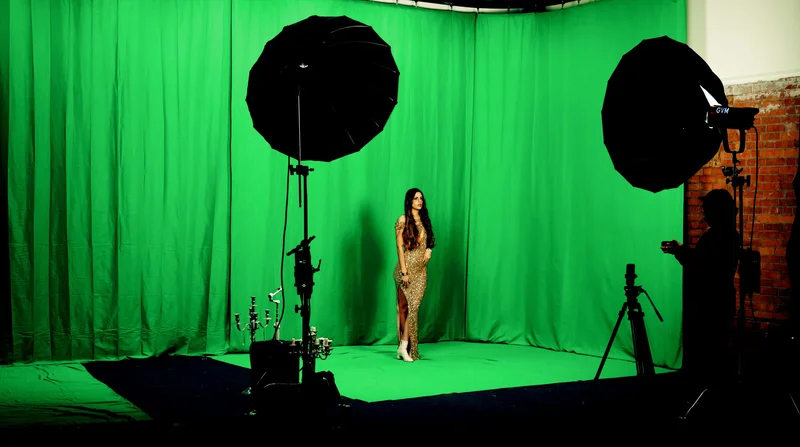
Image Credit: Finchley Studio
1.3 Differentiating in a Saturated Market
The barrier to entry for podcasting is remarkably low, leading to an incredibly crowded and competitive marketplace. In this environment, superior technical quality has become a key differentiator. When a potential listener is faced with multiple podcasts covering a similar topic, the one that offers a more professional and pleasant viewing and listening experience will almost invariably win and retain their attention.5
The addition of video amplifies this dynamic. Video podcasting is not just about recording a conversation; it is about creating a visually compelling experience. A professional studio setup, with its capacity for dynamic multi-camera angles, cinematic lighting, and a thoughtfully designed set, can transform a static conversation into an engaging broadcast that captivates viewers.1 This visual appeal fosters a deeper sense of connection, allowing the audience to read facial expressions and body language, which enhances comprehension and emotional resonance.1 In a sea of content filmed on webcams in spare rooms, a professionally produced video podcast stands out, signaling quality and commanding attention, which is the first and most crucial step toward building a loyal audience.
Section 2: Deconstructing the Professional Studio Environment: The Technical Elevation
2.1 The Primacy of Audio: The Unseen Foundation
While the visual component defines the video podcast format, audio fidelity remains the most critical element for its success. The audience may forgive mediocre video quality, but they will not tolerate poor sound. A professional studio's primary advantage lies in its ability to control the acoustic environment, a factor that is almost impossible to replicate perfectly in a domestic setting.
2.1.1 Acoustic Treatment and Soundproofing
The single greatest differentiator between a home setup and a professional studio is the room itself. Even the most expensive, broadcast-quality microphone will produce a poor recording if used in a room with untreated acoustics.9 Professional studios are purpose-built environments. They employ
soundproofing to block or significantly reduce external noises, such as traffic, sirens, or construction, from contaminating the recording.6 More importantly, they utilize
acoustic treatment—the strategic placement of sound-absorbing panels, bass traps in corners, and diffusers on flat surfaces—to control how sound behaves inside the room.9 This treatment eliminates common domestic audio problems like echo (distinct, delayed reflections) and reverberation (a wash of overlapping reflections that makes audio sound hollow and distant), resulting in a clean, warm, and direct vocal sound.11 Achieving this level of acoustic control at home is not only technically complex but can also be prohibitively expensive, with costs for a proper build-out ranging from thousands to tens of thousands of pounds.13
This investment in a controlled acoustic space has a profound downstream effect on the production workflow. Recordings made in a DIY environment are often plagued by the aforementioned issues, forcing the creator to spend hours in post-production attempting to repair the audio with noise reduction plugins and other digital tools.15 This "fix it in post" mentality is often a recipe for disappointment, as these tools can be imperfect, introduce unnatural-sounding artifacts, and can never fully replicate the quality of a clean source recording.9 A recording captured in an acoustically treated studio is pristine from the outset, requiring minimal cleanup.12 Therefore, paying for a professional studio is not just an investment in superior sound quality; it is an investment in post-production efficiency. It buys back valuable time that can be reallocated from tedious audio repair to more creative editing, content strategy, or promotion.
2.1.2 Broadcast-Grade Equipment
Professional studios provide access to a suite of industry-standard equipment that is a significant step up from typical consumer-grade gear.
Microphones: While many DIY podcasters start with convenient USB microphones, professional studios are equipped with XLR-connected dynamic microphones, with the Shure SM7B being the ubiquitous industry standard.18 These microphones are favored for their ability to deliver a warm, rich vocal tone while being exceptionally good at rejecting off-axis sound, which helps to isolate the speaker's voice and minimize room noise.20
Mixers and Audio Interfaces: To connect these microphones and manage multiple audio sources, studios use sophisticated audio interfaces or dedicated podcast production consoles like the RODECaster Pro or Zoom P-series recorders.18 These devices provide high-quality preamps that deliver a clean, strong signal, and they allow an engineer to manage levels for multiple in-person hosts, integrate remote guests seamlessly via mix-minus setups, and record each person's audio to a separate track for maximum flexibility in post-production.19
Essential Accessories: The professional signal chain is completed with crucial accessories that are often overlooked in DIY setups. Sturdy boom arms like the Rode PSA1 allow for perfect microphone placement, while shock mounts isolate the microphone from vibrations and bumps transferred through the desk or floor.19 High-quality pop filters are also essential to control plosives—the harsh popping sounds created by bursts of air from letters like 'p' and 'b'—which are distracting and difficult to remove in post-production.20
2.1.3 Common DIY Audio Pitfalls
The lack of a controlled environment and professional equipment in home setups leads to a predictable set of audio problems that degrade quality and signal an amateur production. These include:
Clipping and Distortion: This occurs when the audio signal is recorded too loud, causing the waveform to be "clipped" and resulting in a harsh, distorted sound. It is often caused by improper gain staging on a microphone or interface and is irreversible in post-production.15
Room Echo/Reverb: As discussed, this is the most common issue, caused by sound waves bouncing off hard surfaces like walls, ceilings, and desks. It makes the audio sound hollow, distant, and unprofessional.15
Background Noise: Home environments are filled with ambient noise from computer fans, air conditioning, refrigerators, or external sounds that a consumer-grade microphone will readily pick up, creating a layer of distracting hiss or hum beneath the vocals.15
Uneven Audio Levels: When recording multiple people, it is very difficult to maintain consistent volume levels without a dedicated mixer and monitoring. This results in a frustrating listening experience where one speaker is too loud and another is barely audible.16
2.2 Mastering the Visual Narrative: Beyond the Static Frame
For a video podcast, the visual elements are what elevate the medium, offering an opportunity to create a broadcast-quality experience that is far more engaging than a simple webcam feed. A professional studio provides the tools and environment to master this visual narrative.
2.2.1 Cinematic Camera Setups
The leap in visual quality from a DIY setup to a professional studio is dramatic, primarily due to the use of superior camera technology and strategic shot composition.
Camera and Lens Quality: Studios move beyond the single, fixed-focus webcam to employ multiple high-quality DSLR or mirrorless cameras, such as models from the Sony Alpha or Canon EOS lines, which are capable of recording in crisp 4K resolution.1 These cameras are paired with high-quality interchangeable lenses. This allows for strategic lens selection, such as a wide-angle lens (e.g., 16mm-24mm) for a master shot that establishes the entire scene, and flattering prime lenses (e.g., 50mm or 85mm) for individual close-ups that create a shallow depth of field, blurring the background and making the speaker pop.24
Multi-Camera Angles and Live Switching: The use of multiple cameras allows for a dynamic edit that holds the viewer's attention. A typical setup includes a wide shot of all participants and at least one dedicated close-up shot for each speaker.24 Many studios are equipped with a video switcher, like the Blackmagic ATEM Mini, which allows a technician to "live-edit" the show by cutting between these different camera angles in real-time.24 This creates a finished, broadcast-style program that is ready for immediate distribution, saving immense amounts of time in post-production compared to manually syncing and editing multiple video files.24
This multi-camera approach is not merely an aesthetic upgrade; it is a tool for narrative control. A single, static camera shot is a passive observer of a conversation. A multi-camera production, however, allows for active editorial choices. Cutting to a close-up of a speaker as they make a key point adds emphasis. Cutting to a host's reaction shot demonstrates active listening and can guide the audience's own emotional response. A timely cut to the wide shot can de-escalate a tense exchange or signal a transition to a new topic. This ability to direct the viewer's focus transforms the podcast from a simple recording into a directed narrative, giving the creator control over the rhythm, pacing, and emotional arc of the episode. This level of storytelling sophistication is a hallmark of professional production and is nearly impossible to achieve with a single webcam.
2.2.2 The Art of Professional Lighting
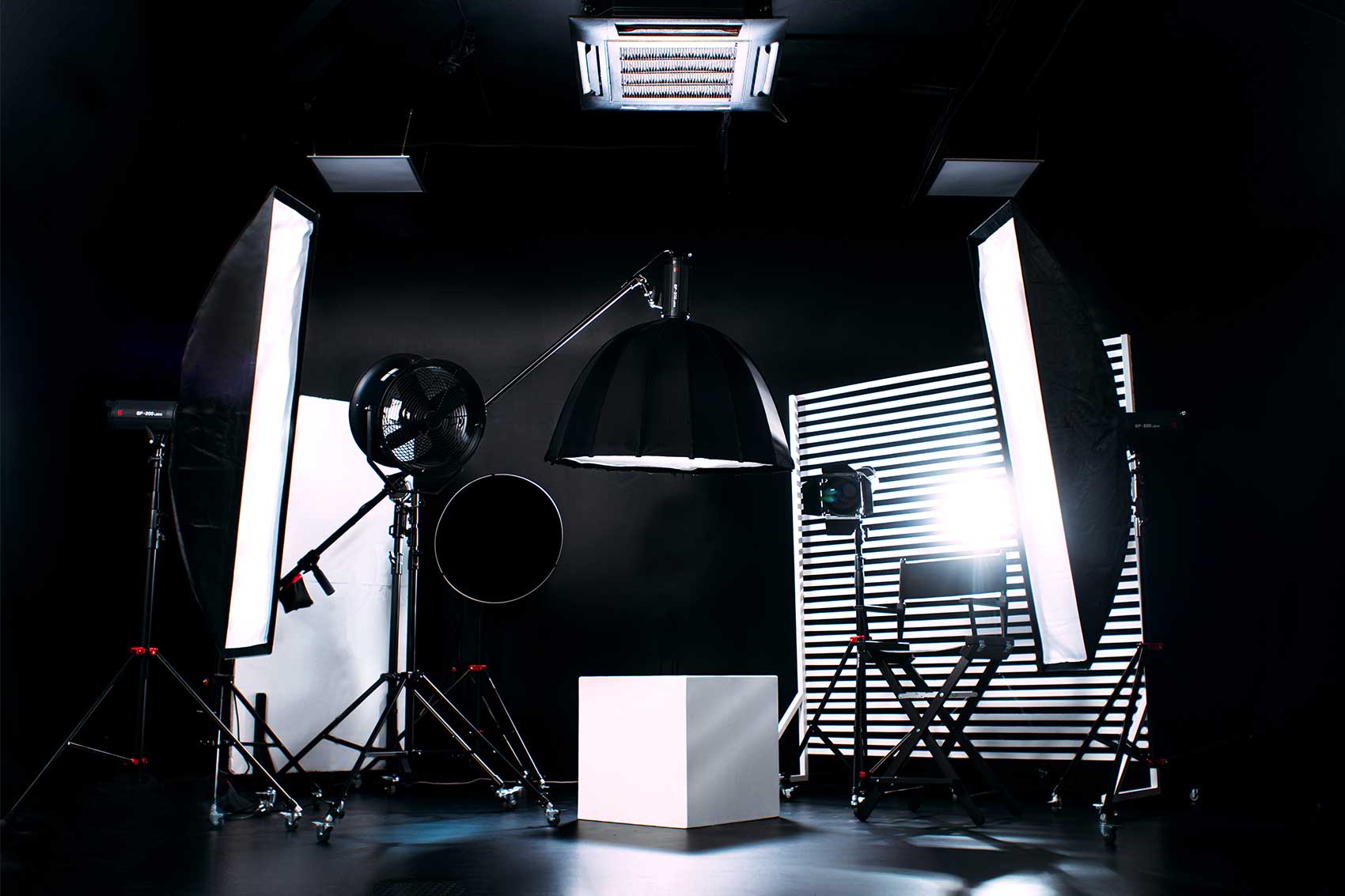
More than any other single element, lighting is what separates amateur video from professional-looking content.27 Professional studios are designed with controlled, flexible lighting systems that create a flattering and cinematic image. The industry-standard approach is "three-point lighting," which consists of:
Key Light: The main and brightest light source, positioned at an angle to the subject to create shape and dimension.27
Fill Light: A softer, less intense light placed on the opposite side of the key light to "fill in" and soften the shadows on the subject's face, preventing harsh contrast.27
Back Light (or Rim Light): A light placed behind the subject, often slightly above, which creates a subtle rim of light around their hair and shoulders. This visually separates them from the background, adding depth and preventing the image from looking flat.27
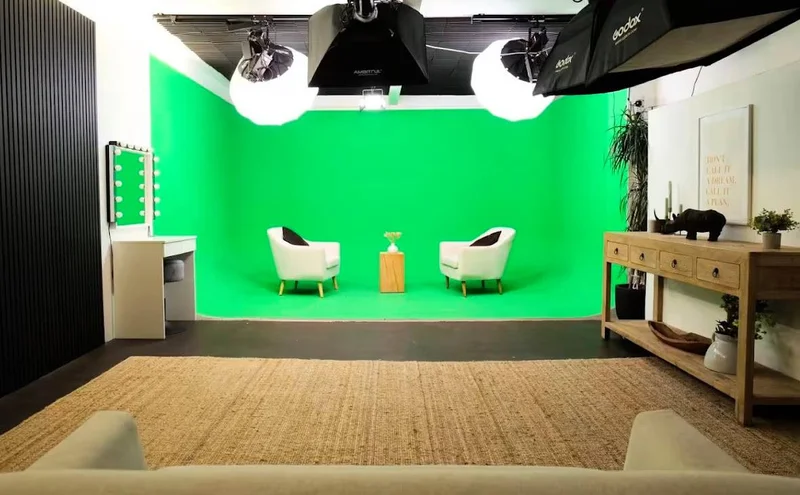
Studios achieve this with professional-grade lighting fixtures, typically large LED panels fitted with softboxes or diffusers.29 These create a large, soft light source that wraps around the subject, minimizing harsh shadows and creating a more flattering look than the small, hard light source of a typical desk lamp or ring light.25 Furthermore, studios allow for precise control over the
color temperature of the light, measured in Kelvin (K). This can be used to set the mood of the podcast; warmer, more orange tones (around 2700K-3000K) can create a cozy and intimate atmosphere, while cooler, more neutral white tones (around 4000K-5000K) can feel more energetic, clean, and professional.28
2.2.3 Curated Aesthetics and Branding
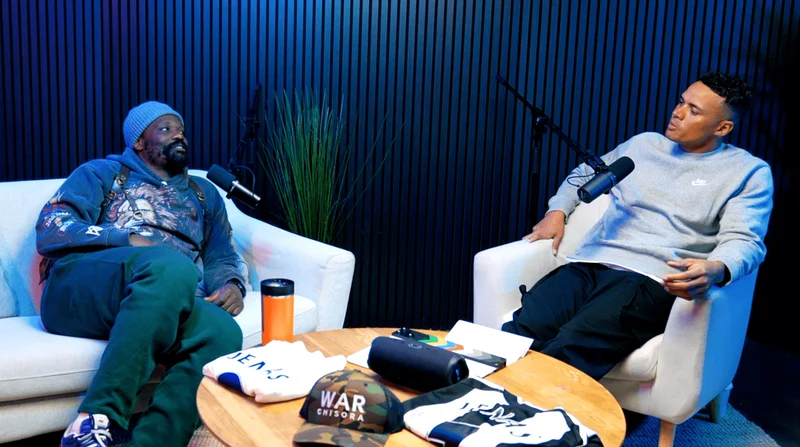
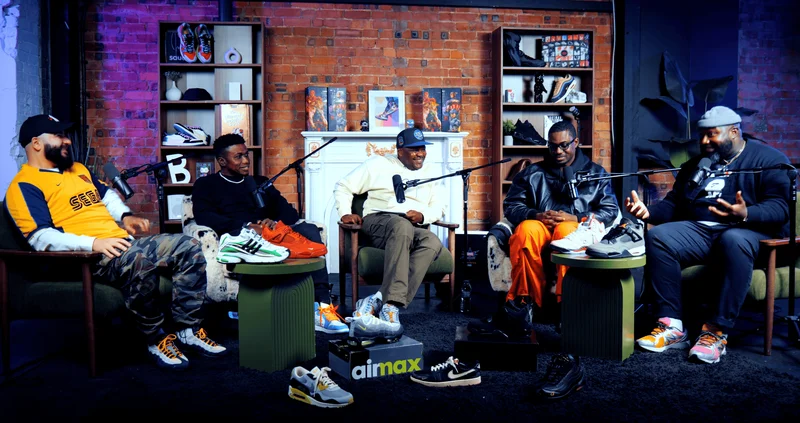
A professional studio provides a controlled, visually appealing backdrop that a cluttered home office or spare room cannot replicate.9 The set design is an integral part of the show's identity. Studios in London often offer a variety of pre-dressed sets, from a relaxed "fireside chat" sofa setup to a more formal desk arrangement, allowing creators to choose an environment that aligns with their podcast's tone and brand.10
This controlled environment is also a canvas for branding. Creators can incorporate their visual identity in numerous ways, such as displaying a logo on a screen in the background, using programmable RGB lights to match the set's color scheme to their brand colors, or placing branded props on shelves.1 This consistent visual branding reinforces the podcast's identity, making it more memorable and professional in the eyes of the audience, potential guests, and sponsors.1
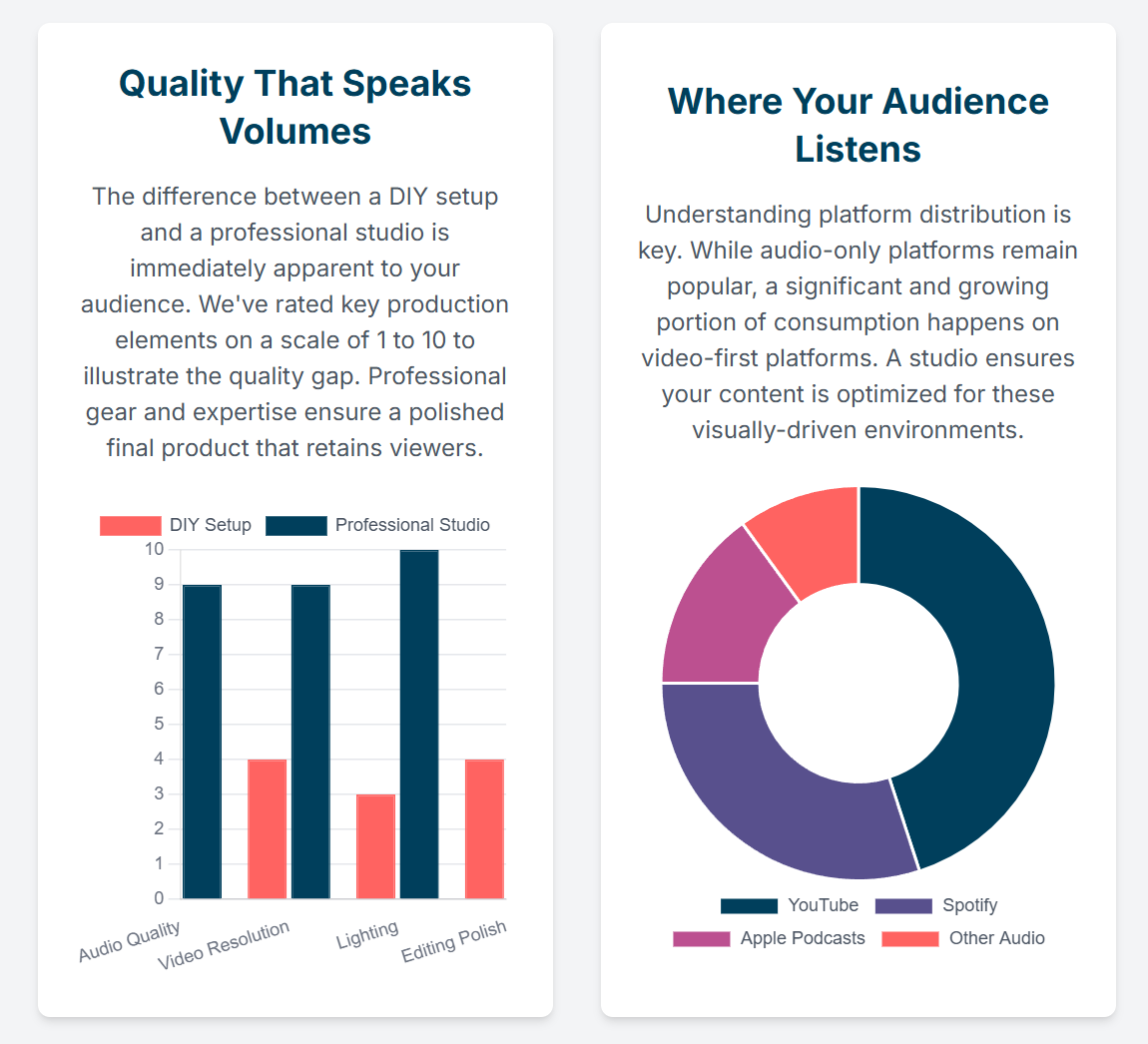
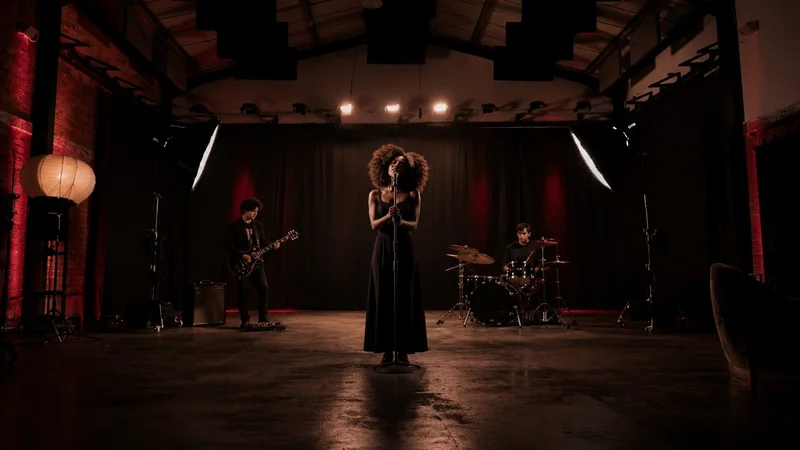
Image Credit: Finchley Studio
Section 3: The Human Element: Access to Expertise and Streamlined Workflows
3.1 The On-Site Engineer: Your Technical Co-Pilot
One of the most significant yet often undervalued assets of hiring a professional podcast studio is access to human expertise in the form of an on-site studio engineer or technician.8 This individual acts as a technical co-pilot, removing the burden of production logistics from the creator and ensuring a smooth, error-free recording session.
The engineer's role begins before the host and guests even arrive, involving the meticulous setup and testing of all equipment—microphones, cameras, lighting, and recording interfaces—to ensure everything is functioning perfectly.34 During the recording, the engineer performs a critical function: live monitoring. They watch audio levels to prevent clipping, adjust camera angles, and troubleshoot any technical issues that may arise in real-time, such as a faulty cable, a poor connection with a remote guest, or an unexpected external noise.10 This immediate intervention prevents minor glitches from ruining an entire recording.
By entrusting the technical execution to an expert, the creator is freed to focus entirely on what they do best: creating compelling content, engaging in a natural conversation, and building rapport with their guests.3 This mental offloading is invaluable, as it eliminates the distraction and stress of managing technology, leading to a more relaxed, authentic, and ultimately better performance from the host.
3.2 The Post-Production Powerhouse
The journey from raw recording to a polished, distributable episode involves the complex and time-consuming stage of post-production. Many professional studios and affiliated production agencies in London offer a suite of post-production services that provide a level of polish far beyond what is achievable with basic DIY tools and skills.
3.2.1 Professional Editing and Mixing
The foundation of post-production is the edit. Professional editors meticulously go through the raw audio and video, removing mistakes, verbal stumbles, distracting filler words (such as "um," "ah," and "you know"), and awkward pauses to create a final product that is concise and flows smoothly.35 Beyond simple cuts, audio engineers perform professional mixing and mastering. This involves balancing the volume levels between different speakers so the listening experience is consistent, reducing background noise, and applying audio processing tools like equalization (EQ) to enhance vocal clarity and compression to even out dynamics. The final mastering stage ensures the episode meets the loudness standards for platforms like Spotify and Apple Podcasts, resulting in a rich, full, broadcast-quality sound.35
3.2.2 Advanced Visual Enhancements
For video podcasts, post-production offers numerous opportunities to elevate the visual experience. A key process is color correction and color grading. Color correction is the technical process of fixing issues and ensuring that colors, exposure, and white balance are accurate and consistent between different camera angles.39 Color grading is the more creative step, where a colorist artistically manipulates the colors to establish a specific mood or visual style—for example, creating a warm, inviting look or a cool, sleek corporate feel.33 This process is what gives video content a truly cinematic and professional look. Additionally, post-production services often include the creation and integration of high-quality motion graphics, such as a branded intro and outro sequence, lower-thirds to introduce the host and guests, and on-screen call-outs or graphics to illustrate key points.36
3.2.3 Repurposing for Reach
Perhaps one of the most valuable post-production services offered is the strategic repurposing of long-form content for marketing and audience growth. With over half of podcast listeners discovering new shows through social media, creating platform-native promotional assets is crucial.7 Production teams will identify the most compelling, shareable moments from a full episode and edit them into short, engaging clips for platforms like YouTube Shorts, Instagram Reels, and TikTok.44 These clips are typically formatted for vertical viewing (9:16 aspect ratio) and include dynamic, animated captions to capture the attention of users scrolling with the sound off.44 This service transforms a single podcast episode into a suite of marketing assets, maximizing its reach and discovery potential.
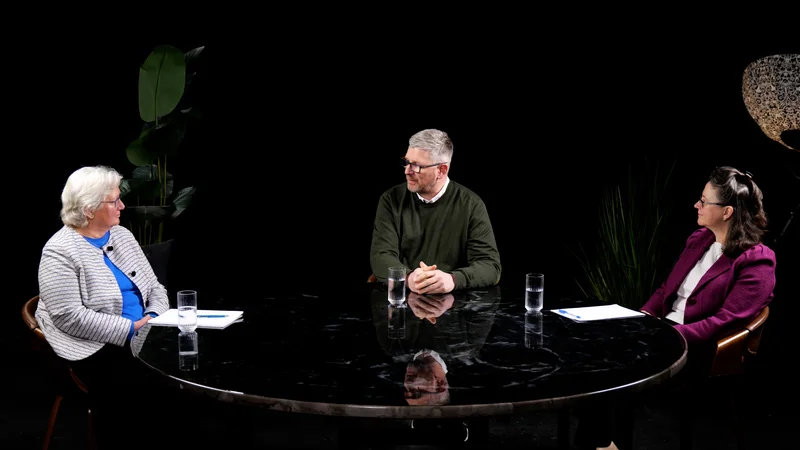
Image Credit: Finchley Studio
3.3 The Unquantifiable Value of Time
When all the technical and creative benefits are considered, they culminate in one overarching advantage: the immense saving of time. A DIY video podcast workflow is incredibly time-intensive, requiring hours spent on learning complex software, setting up and tearing down equipment, troubleshooting technical problems, and performing painstaking multi-track audio and video editing.2
A professional studio, particularly when paired with post-production services, offers a "walk in, record, walk out" experience that drastically reduces this time commitment.2 This efficiency is not just a convenience; it is a strategic enabler. One of the greatest challenges for any content creator is maintaining a consistent release schedule, which is vital for building and retaining an audience.3 The technical and logistical hurdles of a DIY setup create significant "friction" that can lead to burnout, missed deadlines, and an erratic publishing schedule, all of which can stunt a podcast's growth.7 By removing this friction, professional services make the entire content creation process easier, more enjoyable, and more predictable. This empowers the creator to produce high-quality content consistently, which is arguably the single most important factor for long-term success in the podcasting space.
Section 4: A Comparative Investment Analysis: DIY vs. Professional Studio
4.1 The True Cost of a "Professional" DIY Setup
Attempting to replicate the quality of a professional studio in a home environment requires a substantial and often underestimated financial investment. While it is possible to start a podcast for very little money, achieving a professional standard for video production involves significant capital expenditure that goes far beyond a simple USB microphone and webcam.48
Core Equipment Costs: The foundational equipment represents the largest upfront cost. A multi-camera setup requires at least two, and preferably three, 4K-capable mirrorless or DSLR cameras, which can cost upwards of £1,000 each. Professional lenses add several hundred pounds per camera. Broadcast-quality audio requires multiple XLR microphones like the Shure SM7B (approx. £350-£400 each), a multi-channel audio interface or mixer like the RODECaster Pro II (approx. £650), and quality headphones for each participant.49 A professional lighting kit with at least three lights, stands, and softboxes can easily cost £300-£1,000+. Adding tripods, cables, and a computer powerful enough to handle 4K multi-camera editing brings the total initial equipment outlay to a range of £3,000 to over £5,000.25
Acoustic Treatment Costs: As established, the recording environment is critical. The cost of effectively treating a room with acoustic panels, bass traps, and soundproofing materials is often overlooked. A basic starter kit from a brand like Auralex or Primacoustic can cost several hundred pounds, but properly treating a room to a professional standard can run into the thousands.14
Software and Service Costs: Ongoing operational costs include subscriptions for professional video editing software (e.g., Adobe Creative Cloud), remote recording platforms if needed (e.g., Riverside.fm), and podcast hosting services that support video files.4
The "Time Cost": Beyond monetary expenses, there is a significant "time cost" associated with a DIY setup. This includes the hours spent researching equipment, learning complex software, setting up and tearing down for each session, troubleshooting technical issues, and performing the lengthy post-production process.2 This time could otherwise be spent on content creation, guest outreach, or promotion.
4.2 The London Studio Rental Model: Capital Efficiency
The primary financial advantage of renting a professional studio is its capital efficiency. The pay-as-you-go model eliminates the need for a large upfront investment in equipment and space modification, making broadcast-quality production accessible without significant financial risk.1 This approach is particularly advantageous for creators who are testing the video format, producing content in seasons, or who do not have the physical space for a dedicated home studio.13
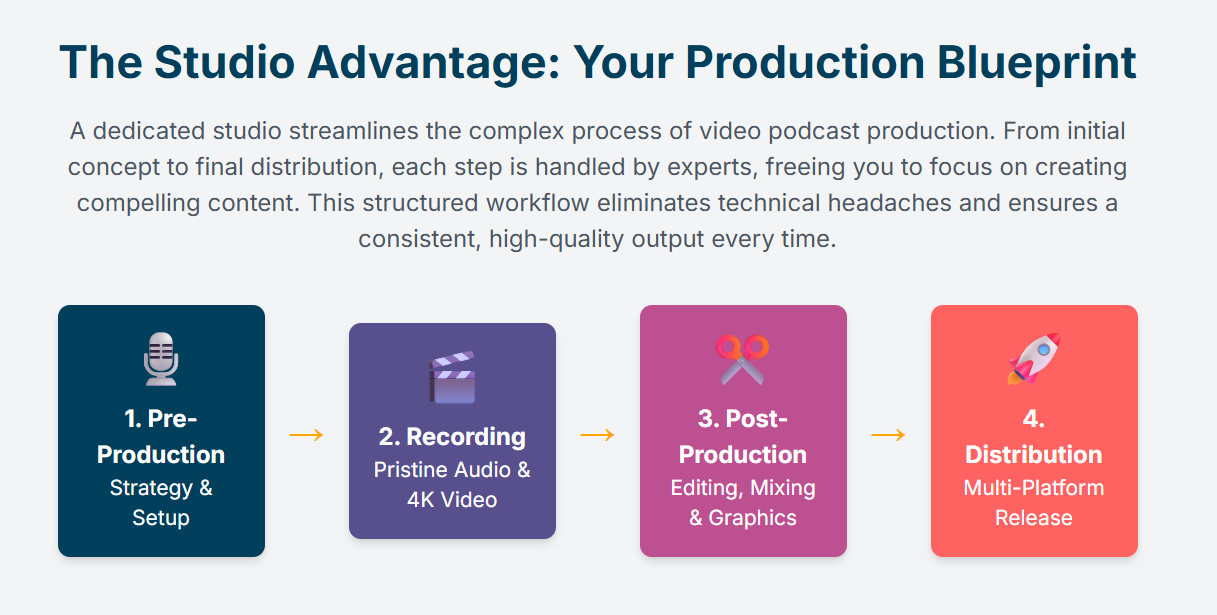
Image Credit: Finchley Studio
The cost structure is predictable and manageable on a per-episode basis. Analysis of the London market shows that hourly rates for a fully equipped video podcast studio typically range from £60 to £250.14 For example, a two-hour recording session—sufficient for a one-hour episode—could cost between £120 and £500. While this is a recurring operational expense, it is often far more cost-effective in the long run than the combined costs of purchasing, maintaining, and upgrading thousands of pounds worth of DIY equipment.2
4.3 The Full-Service Agency Model: The End-to-End Solution
For businesses, brands, or creators who prioritize time and wish to offload the entire production process, the full-service agency model offers a comprehensive, hands-off solution. These agencies in London provide end-to-end services that encompass every stage of the podcasting journey:
Pre-Production: Concept development, content strategy, episode planning, scripting, and guest sourcing/management.54
Production: In-studio or on-location recording with a full professional crew.54
Post-Production: Complete audio and video editing, mixing, mastering, color grading, and creation of social media assets.45
Distribution & Marketing: Publishing to all major platforms, writing show notes, and providing data analytics and marketing support to grow the audience.54
This is a premium service, typically structured as a monthly retainer or a per-episode package. Costs can range from approximately £1,000 per month for basic services to £3,000-£6,000+ per month for premium, multi-episode packages that include video and extensive marketing support.45
4.4 Calculating Return on Investment (ROI)
The decision between a DIY approach and professional services should be framed as an investment in the podcast's long-term goals. The return on this investment is measured not just in direct revenue but in a range of crucial "soft" metrics that contribute to growth and success:
Brand Equity: A professionally produced podcast enhances brand perception, positioning the creator as an authority and a leader in their field.
Audience Growth: Superior quality leads to higher viewer retention and engagement, which algorithms on platforms like YouTube favor, leading to greater discoverability and organic growth.
Networking and Collaboration: The ability to attract higher-caliber guests expands the creator's professional network and brings new audiences to the show.
Monetization Potential: A polished, credible podcast is significantly more attractive to sponsors and advertisers, opening up more lucrative revenue streams.
Time Efficiency: The time saved by outsourcing technical production can be reinvested into the most critical growth activities: creating better content and promoting the show.
The following table provides a direct comparison of the key factors involved in choosing between a high-end DIY setup and renting a professional studio.
This comparison illustrates the core trade-off: a DIY setup exchanges a high upfront capital cost and significant time investment for a low per-episode variable cost, but with a lower ceiling on quality and consistency. The professional studio model eliminates the upfront cost and time burden, offering superior, consistent quality for a predictable per-episode expense, making it a more strategic and scalable option for serious creators.
Section 5: The London Market: A Directory and Analysis of Video Podcasting Studios
The podcasting ecosystem in London is both mature and highly segmented, offering a wide array of studio and production options that cater to creators at every stage of their journey. This market structure provides a clear ladder of services, allowing a podcaster to start with an affordable, accessible option and graduate to more premium, full-service solutions as their show grows in sophistication and success.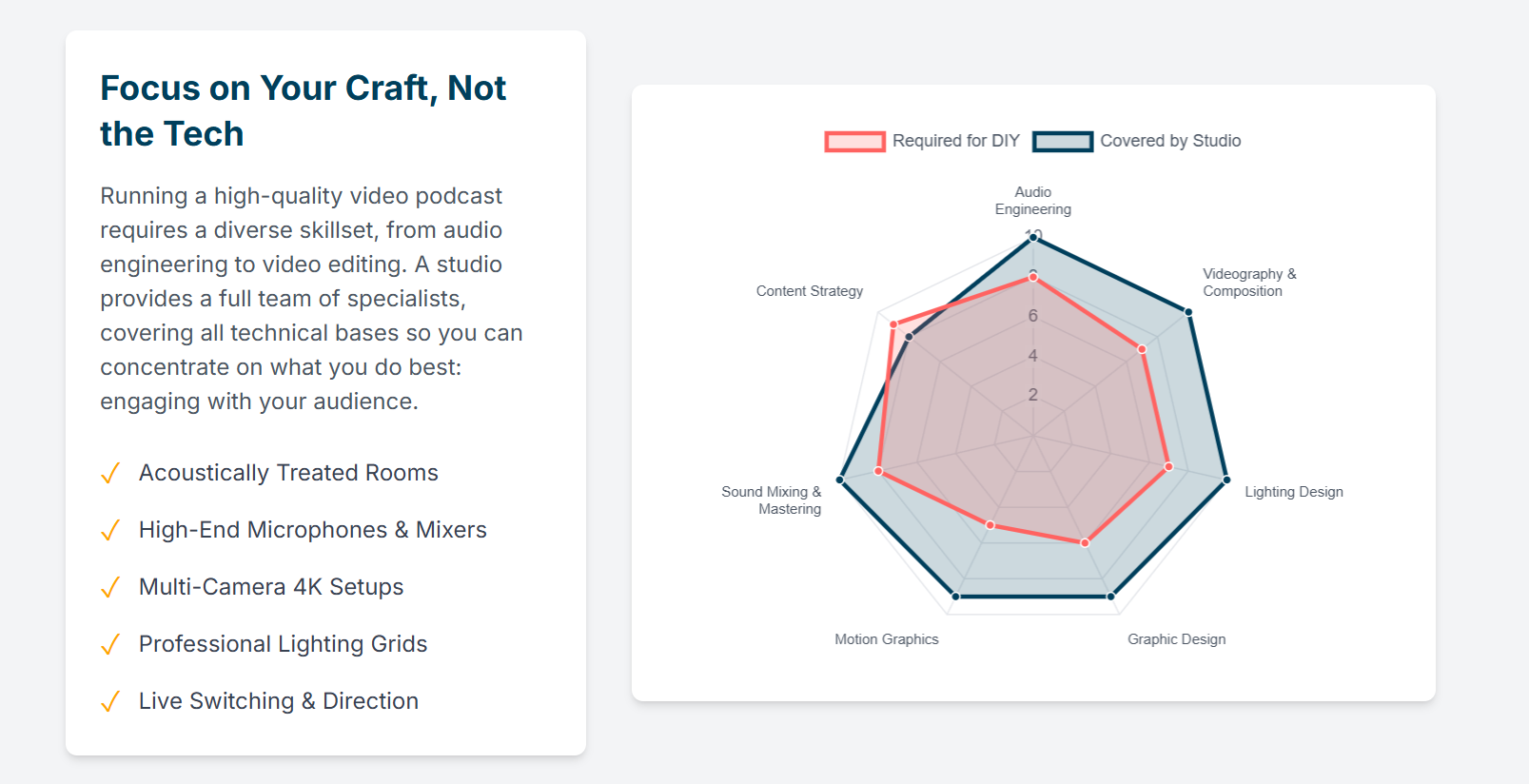
Image Credit: Finchley Studio
5.1 Studio Spotlights: Tiers of the London Market
The London studio market can be broadly categorized into three tiers, each serving a different segment of the creator community.
Accessible/Entry-Level: These studios provide a professional environment and quality equipment at a highly competitive price point, making them an ideal starting point for new video podcasters or those on a tight budget. A prime example is Nostars in Wood Green, which offers remarkably low rates, such as a two-hour session for just £60, which includes filming.52 Another key player in this tier is
London Podcast Studios in Whitechapel, which offers a professional setup with two 4K cameras starting at £89 per hour, providing an excellent balance of quality and affordability in a central location.53Mid-Tier/Pro-Am: This tier caters to established "pro-am" creators and businesses who require higher-end equipment and more comprehensive services. Studios in this category are often located in prime creative hubs like Shoreditch. Premiere Podcast Studios, for instance, offers a package at £150 per hour that includes a professional engineer, three 4K cameras, and a choice of two set designs, representing a significant value proposition.33
Podshop provides a versatile space with high-end Sony FX6 cameras and 4K switching capabilities for £105 per hour (+ VAT).56
Outset Studio offers a self-service video package with Sony FX-30 cameras and an ATEM Mini switcher from £108 per hour, with the option to add a dedicated engineer for a fully assisted session.31 These studios represent the sweet spot for many serious podcasters, offering broadcast-quality technology without the price tag of the premium tier.Premium/Corporate Tier: At the top end of the market are flagship studios designed for major brands, media companies, and top-tier creators. Acast Studios in Hoxton is a standout example, featuring multiple architecturally designed studios with state-of-the-art equipment like Canon C70 cinema cameras, advanced lighting rigs, and dedicated control galleries.57 Their premium studio is available for a half-day rate of £499, targeting high-end productions. A unique and strategic offering from Acast is their partnership with Amazon Music, which provides free studio time to new and emerging podcasters, acting as a powerful incubator for new talent in the London scene.57
5.2 London Production and Post-Production Services
Beyond simple studio rental ("dry hire"), London is home to a robust ecosystem of companies offering end-to-end production solutions.
Full-Service Agencies: For clients seeking a completely managed process, agencies like London Podcast Studios and Bombora offer comprehensive packages that cover everything from initial strategy and concept development to recording, post-production, distribution, and marketing analytics.54
TYX Studios positions itself as a production partner, providing high-spec facilities alongside services like sound design, social clip creation, and distribution guidance, with per-episode packages starting around £1,000.45Specialist Post-Production: Many creators prefer to handle their own recording but outsource the time-consuming post-production phase. London offers numerous options for this. London Podcast Studios, for example, has a dedicated editing service with clear pricing, such as £99 for a 60-minute video podcast edit, which includes color correction and branding integration.44 For higher-end cinematic productions, freelance videographers and editors like
Jon Collins offer bespoke filming and editing packages, with multi-camera shoots and social media cutdowns starting from around £1,500 per episode.43
5.3 Market Pricing Summary and Trends
The diverse range of options in London allows creators to find a solution that precisely matches their budget and production needs. The market is competitive, which keeps prices relatively transparent and encourages studios to differentiate through unique features, equipment, and service levels. The clear segmentation means a creator can confidently enter the market at an affordable level and scale up as their podcast's revenue and requirements grow, without needing to make a large, risky upfront investment in their own equipment.
Image Credit: Finchley Studio
The table below provides a comparative overview of several prominent London studios, designed to serve as an actionable decision-making tool.
Section 6: Strategic Recommendations for Implementation
6.1 A Phased Approach to Elevating Production
For creators and businesses looking to enter the video podcasting space or elevate their existing production, a phased, strategic approach is recommended to manage risk and maximize return on investment.
Phase 1: Validation (Low-Cost DIY): Before making any significant financial commitment, the primary goal should be to validate the podcast concept and content. This can be achieved with a minimal but well-executed DIY setup. Using a quality USB microphone, leveraging natural light from a window, and ensuring a clean, quiet recording environment can produce a respectable result for initial episodes.4 The focus during this phase is on content quality, format development, and building a small, engaged initial audience.
Phase 2: Elevation (Professional Studio Rental): Once the podcast has a proven concept and a consistent (even if small) audience, the next step is to elevate the production value to attract a wider audience and enhance credibility. Booking a few sessions at an accessible mid-tier London studio allows the creator to produce a batch of high-quality episodes. This professional sheen can be used to re-launch the show, attract higher-profile guests, and test the ROI of professional production without a long-term commitment.
Phase 3: Scaling (Strategic Partnership): For a podcast that has demonstrated significant growth and has become a core part of a brand's content strategy, the final phase involves creating a sustainable, high-quality workflow. This can be achieved through block-booking studio time at a discount, signing up for a studio membership for regular access 53, or engaging a full-service production agency to manage the entire process. This phase shifts the focus from ad-hoc production to a streamlined, professional, and scalable content engine.
6.2 Selecting the Right London Studio: A Decision Checklist
When choosing a studio in London, creators should move beyond price alone and consider a range of factors to find the best fit for their specific needs. This checklist can guide the decision-making process:
Budget: What is the realistic, sustainable per-episode budget for studio time and any additional post-production services?
Technical Requirements: Does the podcast require a multi-camera setup? Is live-streaming a necessity? Is an on-site engineer essential for a smooth recording, or is a self-service model sufficient?
Aesthetics and Brand Alignment: Does the studio's available set design, furniture, and overall aesthetic match the podcast's brand identity and tone? Do they allow for custom branding elements?
Location and Accessibility: Is the studio conveniently located for the host, co-hosts, and potential guests? Is there parking or easy access to public transport?
Deliverables and Turnaround: What specific files will be delivered after the session (e.g., isolated audio/video tracks, a live-switched master file)? What is the standard turnaround time for receiving these files? 53
Reputation and Reviews: What do previous clients say about their experience? It is advisable to read reviews and, if possible, view examples of other podcasts recorded in the space.59
6.3 Maximizing Your Studio Session: Best Practices for Preparation
Studio time is a valuable resource. To ensure a productive and cost-effective session, thorough preparation is paramount.
Pre-Production is Key: Arrive at the studio with a clear plan. A detailed episode outline, script, or list of talking points is essential. Expensive studio time should not be wasted on brainstorming content that could have been planned in advance.7
Communicate with the Studio: Before the session, communicate all technical and aesthetic requirements to the studio staff. This includes the desired set layout, any branding to be displayed, and whether remote guests will be involved.59
Brief Your Guests Thoroughly: Prepare guests not only on the topics of conversation but also on the specifics of a video recording. Advise them on what to wear (e.g., avoid busy patterns or colors that clash with the set), proper microphone technique, and the importance of looking at the host or camera rather than off-screen.7
-
Trust the Experts: Leverage the knowledge of the on-site engineer. They are a valuable resource. Before recording, ask for their advice on microphone placement, posture, and delivery to ensure the best possible audio and video capture. Trust their guidance if technical adjustments are needed during the session.34
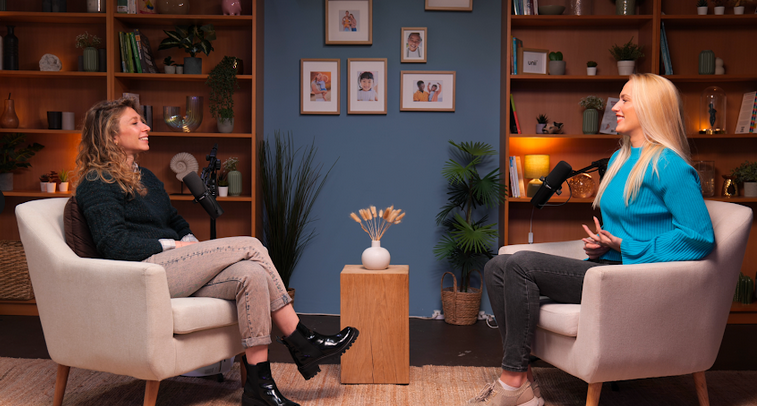
Image Credit: Finchley Studio
Conclusion
The decision to move video podcast production from a home setup to a professional London studio is a pivotal strategic inflection point for any serious creator or brand. The evidence overwhelmingly indicates that this transition is far more than a simple upgrade in equipment; it is a fundamental investment in credibility, efficiency, and growth.
The superior audio and visual quality achieved in a controlled, acoustically treated environment with broadcast-grade technology directly translates into a more professional brand image, fostering the audience trust necessary to stand out in a saturated market. This elevated production value acts as a crucial enabler for monetization, making a podcast significantly more attractive to the high-profile guests and sponsors that are vital for expansion.
Furthermore, the analysis reveals that the most profound benefit may be the optimization of the creator's most valuable asset: their time. By outsourcing the immense technical and logistical burdens of high-quality video production to on-site experts and streamlined workflows, creators are liberated to focus on the core drivers of their success—developing exceptional content, engaging with their community, and executing growth strategies.
London's mature and diverse market of podcast studios provides a clear and accessible pathway for this evolution. With options ranging from affordable hourly rentals to comprehensive, full-service agency partnerships, creators can strategically scale their investment in line with their ambitions. In conclusion, for those committed to transforming their video podcast from a passion project into an authoritative platform, the professional studios of London do not just offer a service; they offer a critical competitive advantage.
At our podcasting studio London, we have built an entire ecosystem designed to elevate every aspect of your video podcast production. Here’s exactly how we help you create content that not only looks professional but also captivates your audience and builds your brand.
## 1. Elevate Your Brand with a Diverse Range of Professional Sets
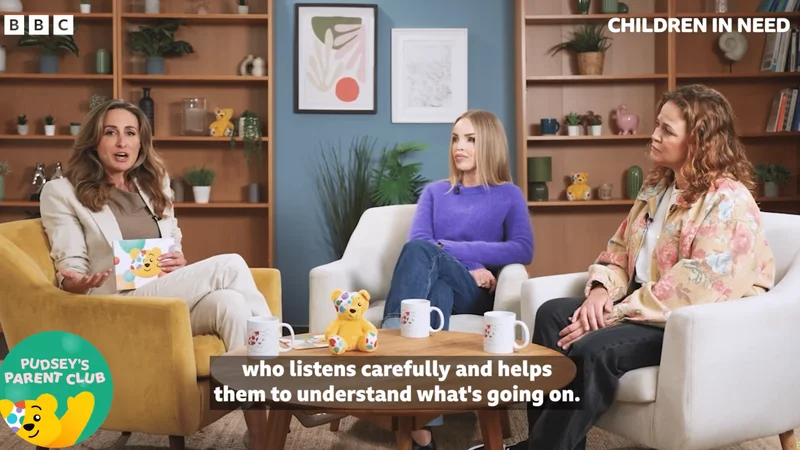
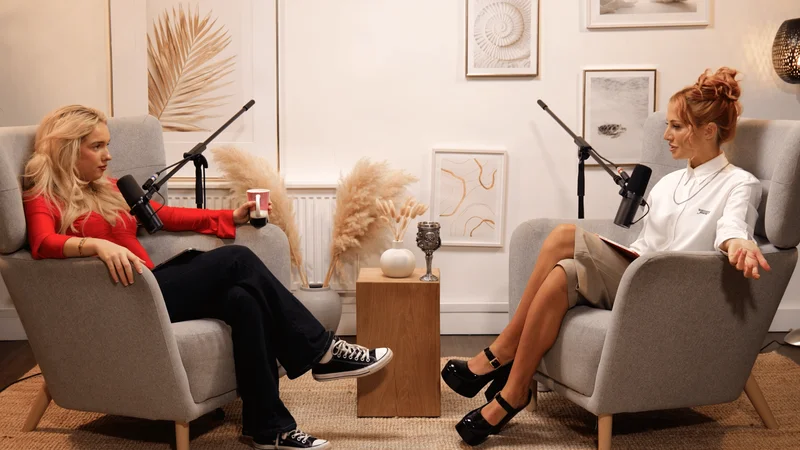
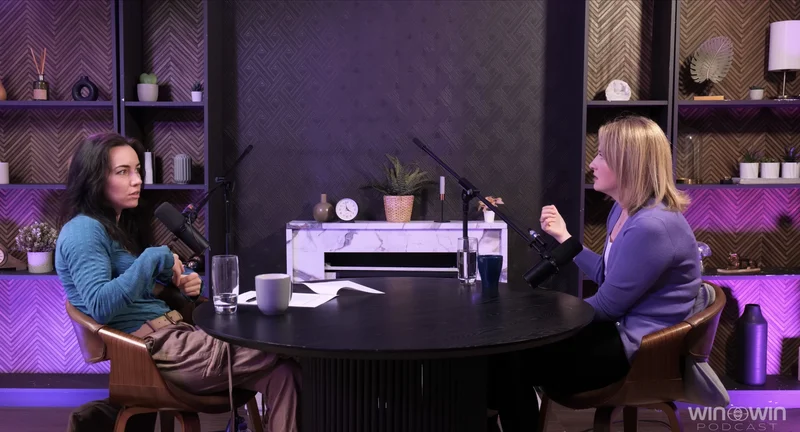
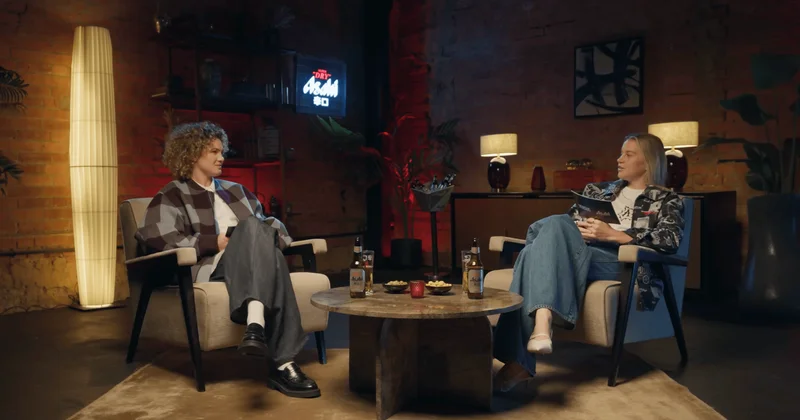
What We Offer: Your podcast's visual identity starts with its environment. We offer a wide variety of meticulously designed, pre-lit sets to perfectly match your brand's aesthetic. Whether you need the sophisticated gravitas of our CEO Set, the relaxed, conversational vibe of the Lounge Studio, or the striking modern look of the Blackwood Studio, we have a backdrop that’s ready to go.
How This Elevates Your Podcast: Using a professional set instantly elevates your production beyond the generic "home office" look. It gives your show a unique visual signature that builds brand recognition and signals a high level of quality and commitment to your audience and potential sponsors.
## 2. Elevate Your Image with 4K Multi-Camera Production
What We Offer: Every video session at Finchley Studio is filmed using a professional multi-camera 4K setup. Our technicians capture multiple angles simultaneously—such as a close-up on the host, a shot of the guest, and a wide view of the set.
How This Elevates Your Podcast: This is a game-changer. The 4K resolution provides a crystal-clear, future-proof image that is perfect for cropping into vertical clips for social media without losing quality. The multi-camera approach transforms a static "Zoom call" feel into a dynamic, engaging broadcast-style production that keeps viewers watching.
## 3. Elevate Your Quality with Cinematic Lighting & Flawless Audio
What We Offer: Great video is impossible without great lighting and sound. Our studios are equipped with professional, adjustable cinematic lighting to create a flattering look, and every set is acoustically treated to ensure pristine audio capture through industry-standard Shure SM7B microphones.
How This Elevates Your Podcast: This combination of high-end visuals and audio is the foundation of a professional production. Flawless audio ensures your message is heard with impact, while cinematic lighting eliminates harsh shadows and makes you and your guests look your best. This elevated quality builds subconscious trust and credibility with your audience.
## 4. Elevate Your Workflow with an End-to-End Solution
What We Offer: We provide a seamless production experience from start to finish. This includes a simple online booking system, on-site technical support to handle all the equipment, and our comprehensive in-house Video Editing Service to handle all post-production.
How This Elevates Your Podcast: This elevates you, the creator. By removing the technical and time-consuming burdens of setup, recording, and editing, we free you to focus entirely on what you do best: creating compelling content. This results in a better performance, a more sustainable workflow, and ultimately, a better show.
Experience the Difference at Finchley Studio
At our London studio, we provide all these elements under one roof. We are more than just a space to record; we are your production partner, committed to helping you create the best video podcast possible. The team at Finchley Studio has the expertise and facilities to bring your vision to life, which is why creators and leading organisations like the BBC and Lloyds Bank trust us with their productions. See what our clients are saying in our Google reviews and on Trustpilot.
Explore our diverse range of meticulously designed sets:
The team at Finchley Studio is here to ensure your vision is realised perfectly.
Ready to elevate your video podcast?
Find Us Easily: Our studio is conveniently located just a two-minute walk from Finchley Central on the Northern Line and adjacent to the Travelodge London Finchley. We offer one free parking space per booking.
what3words: orders.yards.jokes
Stay Connected: Follow our journey and see behind-the-scenes content on our social media channels:
Have questions? Check our FAQ or get in touch directly.
WhatsApp: +447587827200
Phone: +447587827200
Email: [email protected]
Works cited
Guide to Video Podcast Studios for Creators | Mavros Studios, accessed September 18, 2025, https://www.mavrosstudios.com.au/blog/video-podcast-studios-the-ultimate-guide-for-creators
The Benefits of Using a Professional Podcast Studio vs. DIY Setup ..., accessed September 18, 2025, https://umbrellacreative.com.au/the-benefits-of-using-a-professional-podcast-studio-vs-diy-setup/
Why Recording Your Podcast in a Professional Studio is a Game-Changer, accessed September 18, 2025, https://everymoviehasalesson.com/blog/2024/9/why-recording-your-podcast-in-a-professional-studio-is-a-game-changer
Your Complete Video Podcast Setup Guide + Tips in 2025 - Descript, accessed September 18, 2025, https://www.descript.com/blog/article/what-you-really-need-to-start-a-video-podcast
How to Achieve Studio-Quality Podcast Audio Without Breaking the Bank - PodMatch, accessed September 18, 2025, https://podmatch.com/blog/how-to-achieve-studio-quality-podcast-audio-without-breaking-the-bank
The Benefits of Using a Podcast Studio London for Your Podcast - Finchley Studios, accessed September 18, 2025, https://www.finchley.co.uk/finchley-learning/the-benefits-of-using-a-podcast-studio-london-for-your-podcast
7 Mistakes Podcasters Make When Adding Video To Their Show, accessed September 18, 2025, https://www.cohostpodcasting.com/resources/video-podcast-mistakes
Podcast studio space - Full-service podcast creation. - Streamography, accessed September 18, 2025, https://streamography.com/pages/podcast-studio
Designing & Building Professional Podcast Studios: The Ultimate Guide - Sound Zero, accessed September 18, 2025, https://sound-zero.com/designing-building-professional-podcast-studios-the-ultimate-guide/
Why you should use a podcast recording studio • Liverpool Podcast ..., accessed September 18, 2025, https://liverpoolpodcaststudios.com/why-you-should-use-a-podcast-recording-studio/
How Acoustic Treatment Can Improve Your Podcast Recordings - Sound Zero, accessed September 18, 2025, https://sound-zero.com/acoustic-treatment-improve-your-podcast-recordings/
The Vital Role of Acoustic Treatment in Podcast Recording - Primacoustic, accessed September 18, 2025, https://www.primacoustic.com/resources/the-vital-role-of-acoustic-treatment-in-podcast-recording/
Professional Podcast Studio Set Up Vs DIY Podcast Studio Set Up - Sound Zero, accessed September 18, 2025, https://sound-zero.com/professional-podcast-studio-set-up-vs-diy-podcast-studio-set-up/
Your most popular questions... answered. - Podcast House | Podcast Recording Studio in Central London, UK for Audio & Video, accessed September 18, 2025, https://www.podcasthouse.uk/blog/your-most-popular-questions-answered
8 Common Podcast Audio Issues Explained - East Coast Studio, accessed September 18, 2025, https://eastcoaststudio.com/common-podcast-audio-issues/
3 Common Podcast Audio Issues To Watch For - Band Barracks, accessed September 18, 2025, https://bandbarracks.com/blog/3-common-podcast-audio-issues-to-watch-for/
Improving Podcast Sound Quality: Tips, Tricks, and Experiences - Reddit, accessed September 18, 2025, https://www.reddit.com/r/podcasting/comments/1d2gi8l/improving_podcast_sound_quality_tips_tricks_and/
My employer wants to get into podcasting and I need an equipment list. We have MONEY - Reddit, accessed September 18, 2025, https://www.reddit.com/r/podcasting/comments/1hs3ejp/my_employer_wants_to_get_into_podcasting_and_i/
4 Essential Podcast Equipment Pieces for Professional Podcast Audio, accessed September 18, 2025, https://propodcastsolutions.com/4-essential-podcast-equipment-pieces-for-professional-podcast-audio/
Podcast Equipment Checklist - MACKIE, accessed September 18, 2025, https://mackie.com/en/blog/all/podcast_equipment_checklist.html
9 Reasons You Should Use a Podcast Mixer - MACKIE, accessed September 18, 2025, https://mackie.com/en/blog/all/9_Reasons_DLZ_Mixer.html
Common Podcasting Problems and How to Fix Them - Audient, accessed September 18, 2025, https://audient.com/tutorial/podcasting-problems/
Everything you need for a video podcast setup - Videomaker, accessed September 18, 2025, https://www.videomaker.com/how-to/shooting/camera-equipment/everything-you-need-for-a-video-podcast-setup/
Building a Multi-Camera Video Podcast Setup | B&H eXplora, accessed September 18, 2025, https://www.bhphotovideo.com/explora/video/tips-and-solutions/building-a-multi-camera-video-podcast-setup
Multicam 2-Person Video Podcast and Live Streaming Setup Gear Guide, accessed September 18, 2025, https://pss.media/blog/multicam-2-person-video-podcast-and-live-streaming-gear
How to Set Up a Video Podcast: The Complete Equipment & Setup Guide (2025), accessed September 18, 2025, https://www.nearstream.us/blog/how-to-setup-video-podcast
What are the best camera and lighting setups for a pro video podcast? - jeffbullas.com, accessed September 18, 2025, https://www.jeffbullas.com/thread/what-are-the-best-camera-and-lighting-setups-for-a-pro-video-podcast/
Professional Podcast Setup: Podcast Lighting Tips - Boomcaster, accessed September 18, 2025, https://www.boomcaster.com/professional-podcast-setup-podcast-lighting-tips/
www.boomcaster.com, accessed September 18, 2025, https://www.boomcaster.com/professional-podcast-setup-podcast-lighting-tips/#:~:text=Ring%20Lights%2C%20Softboxes%2C%20and%20LED%20Panels&text=They%20provide%20a%20soft%20and,more%20forgiving%20than%20ring%20lights.
Easy Cinematic Lighting Setup for Video Podcasts (Just 3 Lights!) - PSS Creative Media, accessed September 18, 2025, https://pss.media/blog/easy-cinematic-lighting-setup-for-video-podcasts-with-just-3-lights
London Podcast Studio from £84/hr | Shoreditch | Outset Studio, accessed September 18, 2025, https://outsetstudio.com/podcast-studio-london/
High Quality Video Podcast Production Services | Podcast Studios in London, accessed September 18, 2025, https://premierepodcaststudios.com/video-podcast-production/
Podcast Studio For Hire in Central London | Shoreditch, accessed September 18, 2025, https://premierepodcaststudios.com/
Behind the Glass: An Insider's Guide to the Role of Studio Engineers in Podcast Recording, accessed September 18, 2025, https://www.notsalmon.com/2025/02/01/guide-to-the-role-of-studio-engineers-in-podcast-recording/
Podcast Production Services | Resonate Recordings, accessed September 18, 2025, https://resonaterecordings.com/podcast-production-services/
Video Podcast Production - The Podcast Consultant, accessed September 18, 2025, https://thepodcastconsultant.com/video-podcast-production
Podcast Production Services| Video Production - End Frame, accessed September 18, 2025, https://end-frame.com/podcast-production-services/
Benefits of Professional Podcast Mastering - PodKick, accessed September 18, 2025, https://www.podkick.com/blog/podcast-mastering-professional-benefits
The Importance of Color Grading in Corporate Videos - Viral Ideas Marketing, accessed September 18, 2025, https://www.viralideamarketing.com/post/the-importance-of-color-grading-in-corporate-videos
The Role of Color Grading in Videography - ProGrade Digital, accessed September 18, 2025, https://progradedigital.com/mastering-the-art-of-cinematic-storytelling-the-role-of-color-grading-in-videography/
What is color grading? A complete guide for beginners (2025) - Podcastle, accessed September 18, 2025, https://podcastle.ai/blog/what-is-color-grading/
Color Grading in Film: How to Nail Cinematic Look in 2025 - Descript, accessed September 18, 2025, https://www.descript.com/blog/article/what-is-color-grading-learn-the-importance-of-stylizing-footage
Professional Podcast Video Production — London & UK - Jon Collins, accessed September 18, 2025, https://ukjoncollins.com/what/what-page/video-podcast-filming/
Podcast Editing Services | From Only £49 per Episode! - London Podcast Studio, accessed September 18, 2025, https://www.londonpodcaststudios.co.uk/podcast-vodcast-editing-service-london
Podcast Production Services in London | For Brands & Creators - TYX Studios, accessed September 18, 2025, https://tyxstudios.com/podcast-production
How to Make Shareable Podcast Clips for Social Media in 2025 | Full Guide - Riverside, accessed September 18, 2025, https://riverside.com/blog/podcast-clips
DIY Podcast Studio vs. Professional Rental | Lemonade Stand, accessed September 18, 2025, https://www.lemonadestand.org/diy-podcast-room-setup-vs-professional-rental/
Discover the Costs of Producing a Podcast - Forbes Books, accessed September 18, 2025, https://books.forbes.com/blog/how-much-does-cost-make-podcast/
How Much Does it Cost to Start a Podcast (Free Cost Calculator) - Riverside, accessed September 18, 2025, https://riverside.com/blog/how-much-does-it-cost-to-start-a-podcast
How to Start a Podcast: Complete Step-by-Step Guide [2025] - Buzzsprout, accessed September 18, 2025, https://www.buzzsprout.com/blog/how-to-start-a-podcast
How Much Does It Cost To Start A Podcast In 2024?, accessed September 18, 2025, https://taepodcast.co.uk/starting-a-podcast/
Podcast Studio London, Hire Podcast Room From 30/hr - Nostars Studios, accessed September 18, 2025, https://nostars.uk/podcast/
London Podcast Studio | Podcast Recording From £69/hr!, accessed September 18, 2025, https://www.londonpodcaststudios.co.uk/
London Podcast Production Company & Agency | Full-Service, accessed September 18, 2025, https://www.londonpodcaststudios.co.uk/full-service-podcast-production-agency-london
Video Podcast Studio in London - Bombora, accessed September 18, 2025, https://www.bombora.tv/services/video-podcast-studio-in-london/
Podcast Studio in London, Podcast Studio Hire London - Podshop, accessed September 18, 2025, https://www.podshoponline.co.uk/services/podcast-studio
Acast Studios London, accessed September 18, 2025, https://www.acast.com/en/acast-studios-london
www.acast.com, accessed September 18, 2025, https://www.acast.com/en-us/acast-studios-london#:~:text=Acast%20Studios%20London%20is%20the,Acasters%20together%20under%20one%20roof.
How Smart Podcast Studios are Changing the Game for Content Creators, accessed September 18, 2025, https://pouch6studios.com/smart-podcast-studios-for-content-creators/