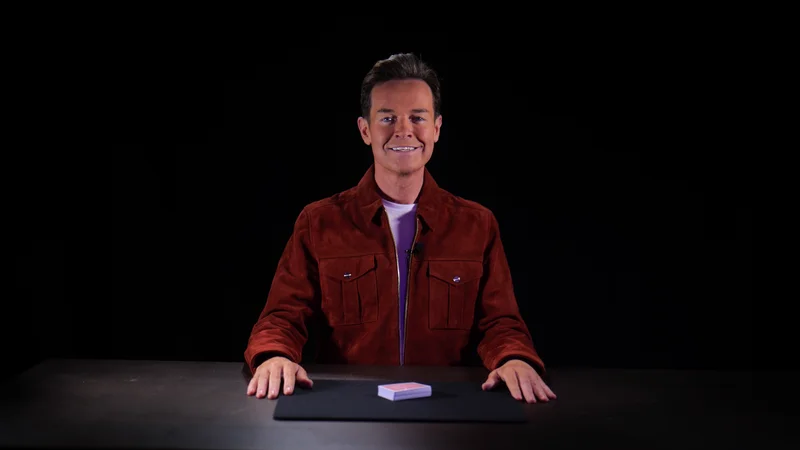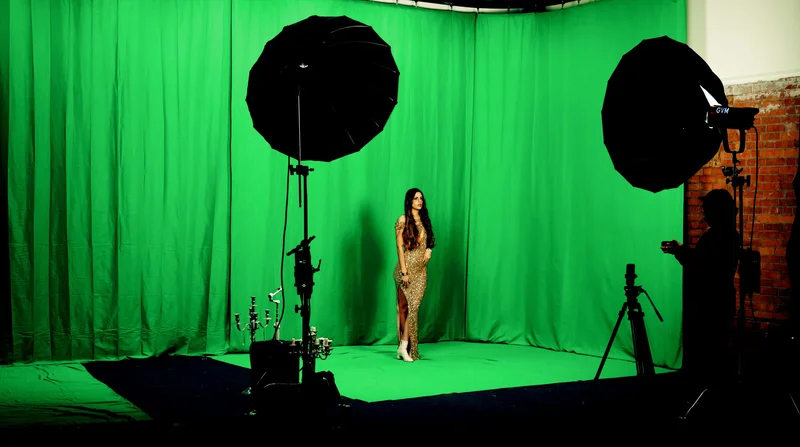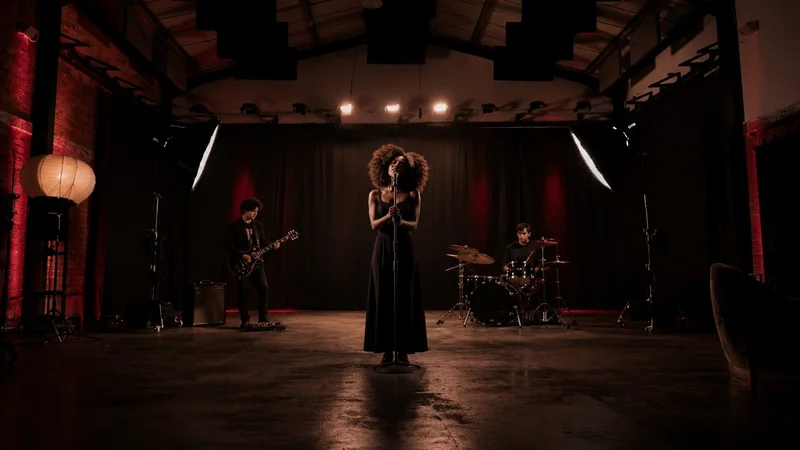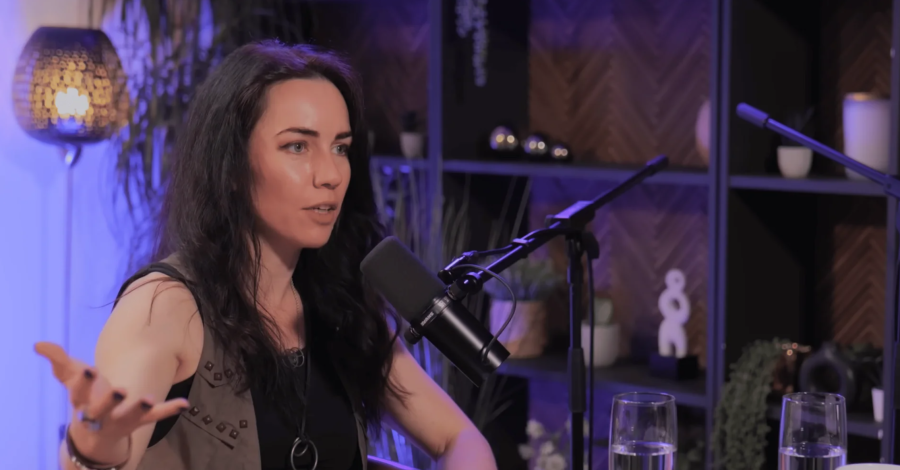
In the world of digital content, 1080p is no longer the gold standard—it is the bare minimum. From high-end branded vodcasts to broadcast-quality interviews, audiences now expect the crisp, immersive detail that only 4K videography can provide.
But achieving that "cinematic" look requires more than just buying a generic 4K camera. It demands a mastery of light, sound, and environment. For creators in a bustling metropolis like London, finding the perfect controlled environment is half the battle.
Whether you are filming a corporate interview or launching a flagship series, this guide explores how to leverage a professional video studio to achieve stunning, broadcast-ready 4K results.
The Foundation: Why Studio Controlled Environments Matter
You cannot grade your way out of bad lighting, and you cannot edit your way out of a noisy background. This is the first lesson of professional videography.
Shooting 4K reveals everything. It captures incredible detail, but it also mercilessly highlights imperfections—grain from low light, dust on a lens, or the cluttered background of a makeshift home office. A professional recording studio environment provides the "blank canvas" necessary to paint with light and sound.
The "London Problem"
For creators in the capital, the environment is often the biggest enemy.
Noise Pollution: The constant hum of the Tube, the wail of sirens, and flight paths can ruin a take instantly.
Space Constraints: London flats often lack the physical depth required to achieve that beautiful "bokeh" (blurred background) that separates the subject from the wall.
Lighting Variability: The UK's notoriously changeable weather makes relying on natural light through a window a nightmare for continuity.
A dedicated studio hire in London solves these issues instantly, offering acoustically treated spaces and full blackout capabilities.
Lighting: The Secret to "Stunning" 4K
In 4K, lighting is not just about exposure; it is about texture and colour science. To achieve a high-end look, you need to move beyond simple illumination and start sculpting with light.
1. The Three-Point Setup (Reimagined)
While the classic Key, Fill, and Backlight setup is standard, high-end studios tweak this for modern sensors:
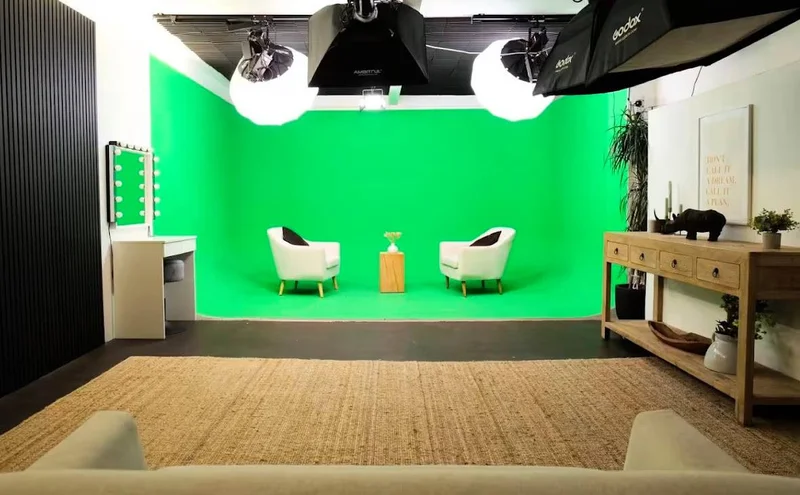
The Key Light: Large softboxes (octodomes) are essential to wrap light around the face, smoothing out skin textures which 4K can sometimes make look harsh.
The Rim Light: This is crucial for separation. A subtle hair light separates the subject from the dark background, adding depth and a 3D quality to the image.
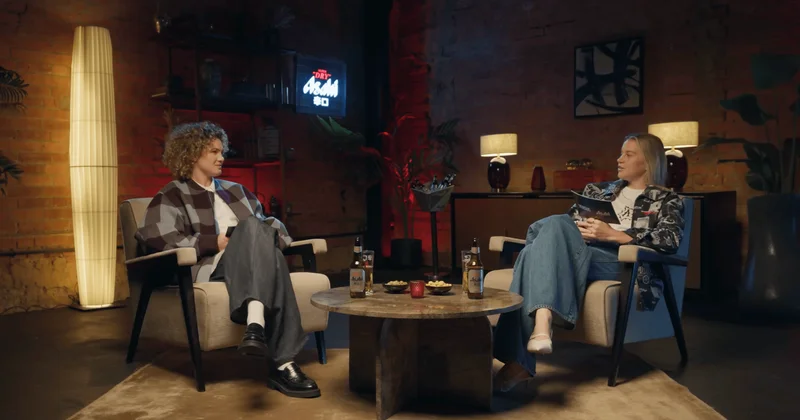
Practical Lighting: Using RGB tube lights (like Astera or Nanlite) in the background adds a splash of colour contrast (e.g., teal against warm skin tones) without affecting the talent's lighting.
2. CRI and TLCI
Not all LEDs are created equal. Professional studios use lights with a CRI (Colour Rendering Index) and TLCI (Television Lighting Consistency Index) of 95+. This ensures that skin tones look natural and healthy, rather than the sickly green or magenta tint often found in cheaper budget panels.
Audio: The Invisible Half of Video
It is a cliché because it is true: audiences will forgive grainy video, but they will click off instantly if the audio is bad. In a podcast studio, audio is the priority.
The Standard Gear
To match the visual fidelity of 4K, your audio chain must be pristine.
Microphones: The Shure SM7B remains the industry standard for podcasting. Its cardioid pattern rejects off-axis noise, delivering that rich, "radio" voice.
Preamps: These mics are "gain hungry." A professional studio will route them through high-quality preamps (like Cloudlifters or top-tier interfaces from RØDE or Focusrite) to ensure a clean signal with a low noise floor.
Acoustic Treatment
A London podcast production facility is built with heavy rockwool acoustic panels and bass traps. This eliminates "room reverb"—that hollow, boxy sound typical of meeting rooms—ensuring your voice sounds intimate and authoritative.
Technical Specs: Camera Settings for the Studio
Walking into a studio with a Sony FX3, A7SIII, or Blackmagic 6K? Here is how to dial it in for that polished look.
Frame Rate: For a cinematic British standard, shoot at 25fps (frames per second). Avoid 30fps or 60fps unless you specifically need slow motion or a "news broadcast" look.
Shutter Speed: Adhere to the "180-degree shutter rule." If you are shooting at 25fps, your shutter speed should be 1/50th. This creates natural motion blur that looks pleasing to the human eye.
Depth of Field: To get that creamy background blur, use "fast" lenses (f/2.8 or lower). However, in a 4K studio setting, be careful not to go too wide (like f/1.2), or the subject's nose might be in focus while their ears are blurry. An aperture of f/2.8 to f/4 is usually the sweet spot for seated interviews.
Codecs: If the studio supports it, record in 10-bit 4:2:2 log (like S-Log3). This captures billions of colours rather than millions, giving your editor massive flexibility to colour grade the footage in post-production.
FAQ: Studio Hire in London
Based on what creators frequently ask when looking for studio hire London, here are the answers you need.
1. Do I need to bring my own camera gear?
Most professional studios offer "dry hire" (space only) or "wet hire" (equipment included). High-end facilities typically have cinema-grade cameras (Sony FX series or Blackmagic) and lighting grids pre-installed, saving you the hassle of hauling gear across London.
2. Can I record a podcast and video simultaneously?
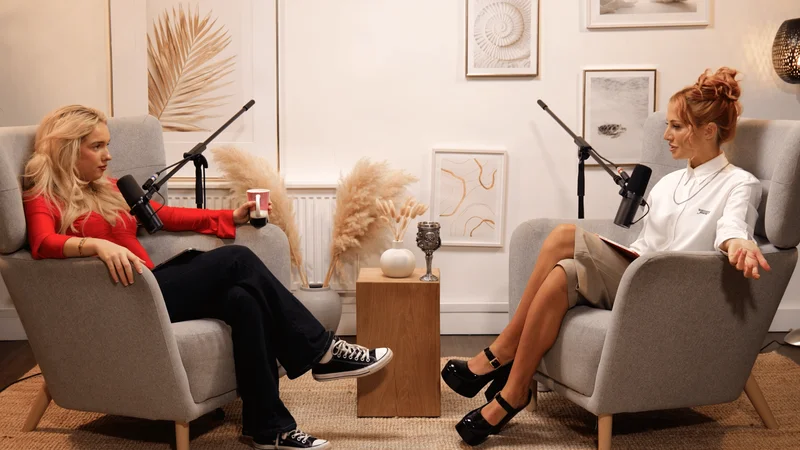
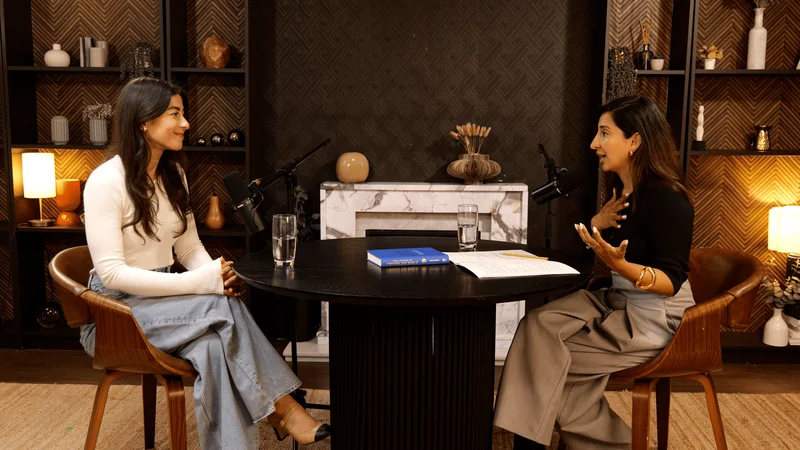
Absolutely. This is now the standard for London podcast production. A "Vodcast" setup usually involves three cameras (one wide, two close-ups) synced with the audio recording.
3. How do I get my files after the shoot?
4K video files are massive (often 100GB+ per hour). Professional studios will usually transfer footage directly to your portable SSD drive immediately after the session. Some may offer high-speed cloud upload, but a physical drive is faster and safer.
4. Is the studio soundproof?
Professional studios are "sound-treated" and isolated. While few places in central London are 100% immune to a helicopter hovering directly overhead, a professional recording studio is built as a "room within a room" to isolate you from 99% of external city noise.
Ready to Elevate Your Production?
Achieving stunning 4K videography is about controlling the variables. It is about removing the distractions of the outside world so you can focus entirely on your content.
If you are tired of battling lighting changes, fighting background noise, or struggling with amateur setups, it is time to experience the difference a dedicated facility makes.