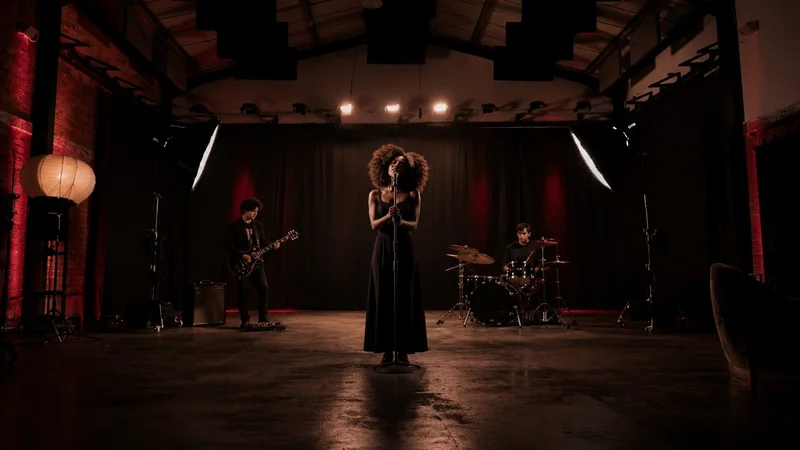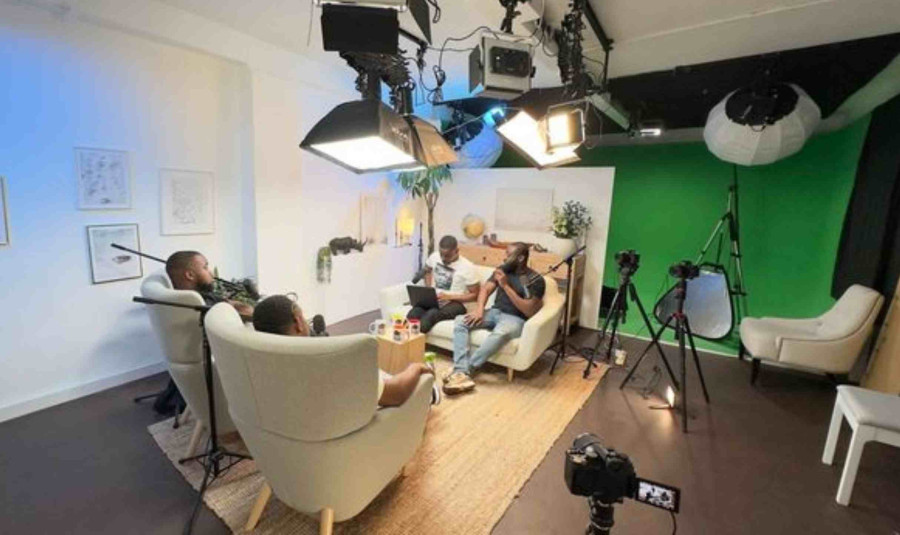
Podcasting is more than just speaking into a microphone; it's about creating meaningful connections with your audience through engaging conversations. For many successful podcasts, dynamic interviews play a central role in delivering valuable content. In this article, we'll explore the art of interviewing for podcast hosts, offering tips and techniques to help you master the art of conversation and conduct compelling interviews that captivate your listeners, often originating right from the professional environment of a dedicated podcast studio.
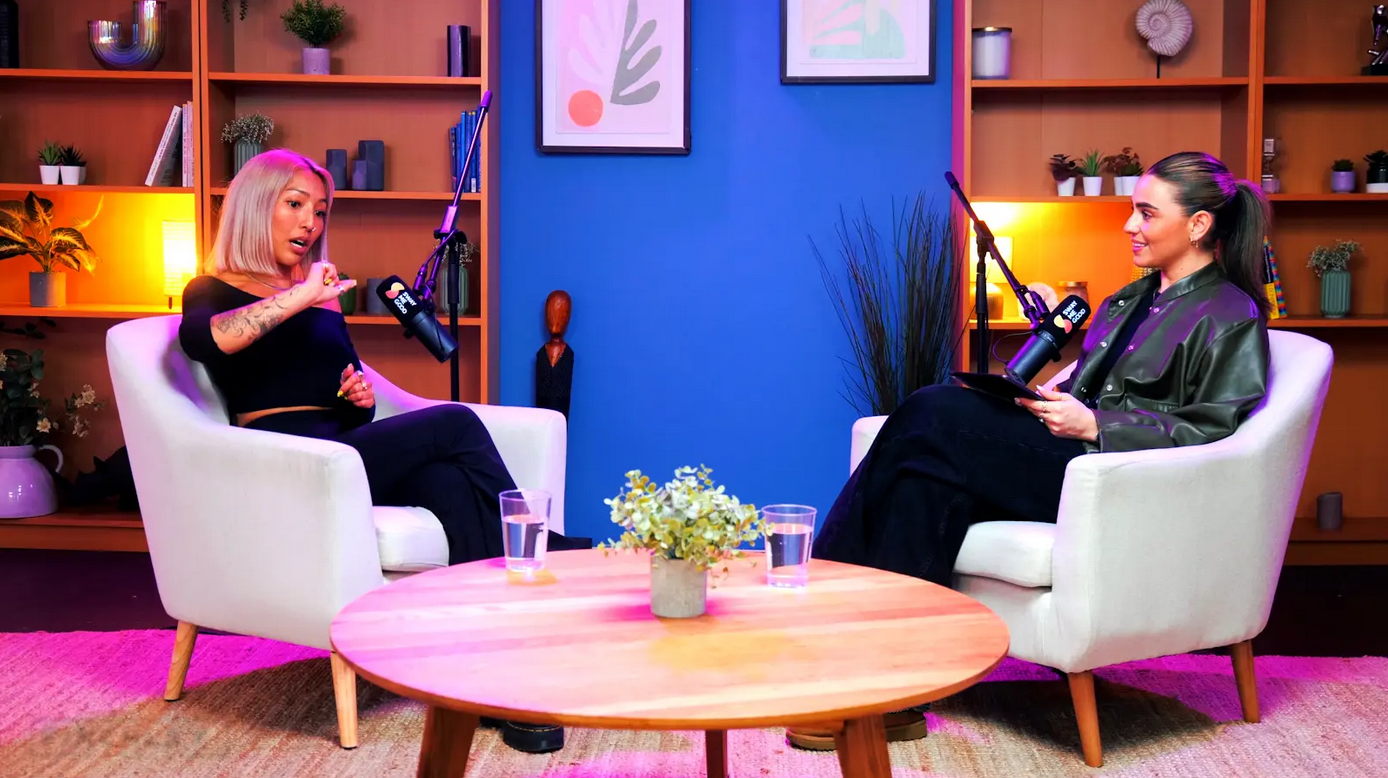
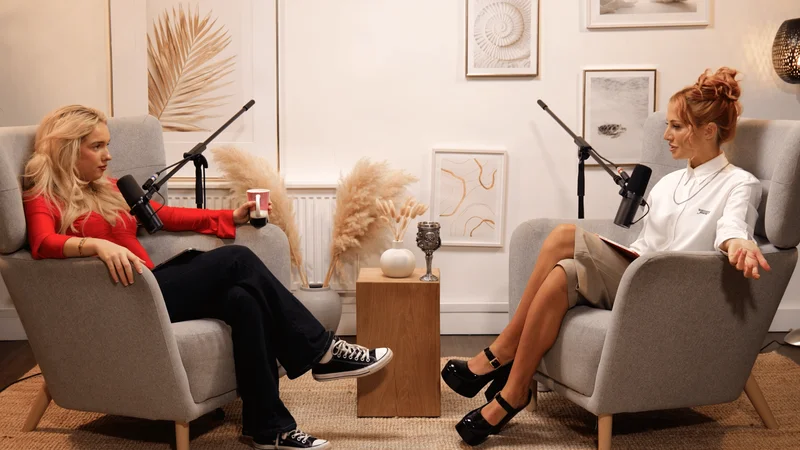
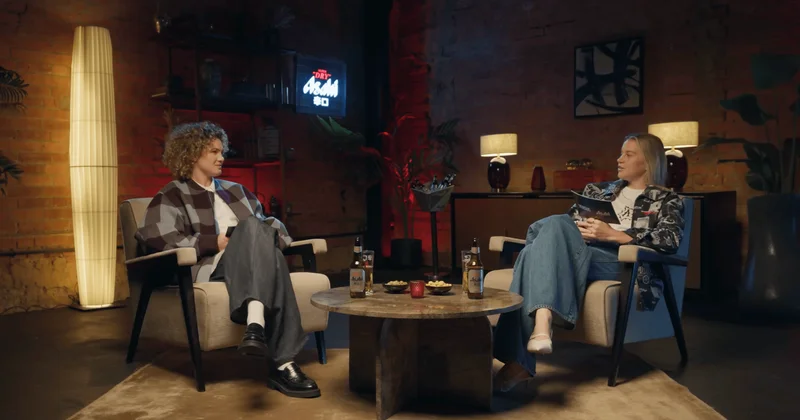
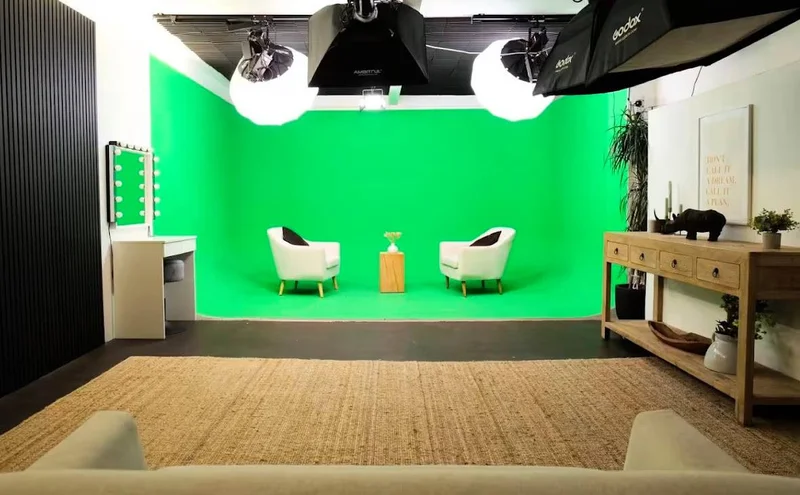
Finchley Studio (Lounge set): book this setup for your podcast
The Role of Interviews in Podcasting and the Importance of the Recording Studio
Interviews are a powerful tool in podcasting for several reasons, all of which are enhanced by the high-quality environment of a proper recording studio:
Diverse Perspectives: Interviews bring diverse voices and perspectives to your podcast, enriching your content and broadening your audience. A quiet, professional podcast studio ensures these voices are heard clearly.
Expert Insights: Guests often bring expertise and insights that enhance the depth and credibility of your episodes. When recorded in a high-quality podcasting studio, the authority of the guest is immediately elevated.
Engagement: Engaging conversations with interesting guests can hold your audience's attention and build a loyal following. The comfortable setting of a specialized recording studio can help guests relax and open up.
Preparing for a Successful Interview in Your Podcasting Studio
Effective interviews require thorough preparation, regardless of whether you're using a home setup or a commercial podcasting studio. Here are the key steps to prepare for a successful interview:
Selecting Guests: Choose guests who align with your podcast's theme and are likely to provide valuable insights or stories.
Research: Research your guests and their work, so you can ask informed and relevant questions.
Setting Objectives: Define the goals and objectives of the interview. What do you want to achieve with this conversation?
Drafting Questions: Prepare a list of questions that guide the conversation. Avoid overly scripted interviews, but have a structure to keep the discussion on track.
Technical Setup: Crucially, ensure your recording equipment, software, and internet connection are reliable. If you are using a professional podcast studio, confirm all microphones and soundproofing are operating perfectly. The quality delivered by a dedicated recording studio is paramount.
During the Interview: Tips and Techniques in the Podcast Studio
While sitting in the podcast studio, use the following tips and techniques to conduct a compelling conversation:
Active Listening: Pay close attention to what your guest is saying. React to their responses and ask follow-up questions that demonstrate your engagement.
Empathy: Show empathy and respect for your guest's perspective and experiences.
Open-Ended Questions: Ask open-ended questions that encourage guests to share stories and insights rather than providing one-word answers.
Be Flexible: Be prepared to deviate from your script if the conversation takes an unexpected but interesting turn.
Respect Silence: Don't rush to fill silences. Sometimes, allowing a moment of reflection can lead to deeper responses.
Body Language: Even in audio-only interviews recorded in a podcasting studio, your tone and body language affect the conversation. Maintain a friendly and positive demeanor.
Post-Interview Steps: Leaving the Recording Studio
After wrapping up the session in the recording studio, consider these post-interview steps:
Editing: Edit the interview for clarity, removing any unnecessary pauses or background noise. The cleaner audio from a well-equipped podcast studio minimizes this step.
Promotion: Promote the interview on your podcast and social media channels, tagging and thanking your guest.
Transcripts: Consider providing transcripts of your interviews to make them accessible to a wider audience.
Follow-Up: Send a thank-you note to your guest and maintain a professional relationship for potential future collaborations.
The Lasting Impact of a Professional Podcast Studio Session
Interviewing is a skill that can be honed with practice and a genuine interest in your guests and their stories. By preparing thoroughly, actively listening, and engaging your guests in meaningful conversations, whether you record in a makeshift space or a top-tier podcast studio, you can create podcast episodes that resonate with your audience and leave a lasting impact. Mastering the art of conversation as a podcast host not only elevates the quality of your content but also fosters connections with your guests and listeners, enriching the podcasting experience for everyone involved, especially when backed by the high-fidelity sound captured in a professional recording studio.
Interviewing Skills for Podcast Hosts: Mastering the Art of Conversation
The success of any interview-based podcast hinges less on the host's speaking ability and more on their capacity to listen and facilitate genuine conversation. Mastering the art of the podcast interview is a critical skill set that determines whether an episode feels like a compelling dialogue or a rigid Q&A session. This is especially true when hosting high-profile guests who are accustomed to demanding professional environments.
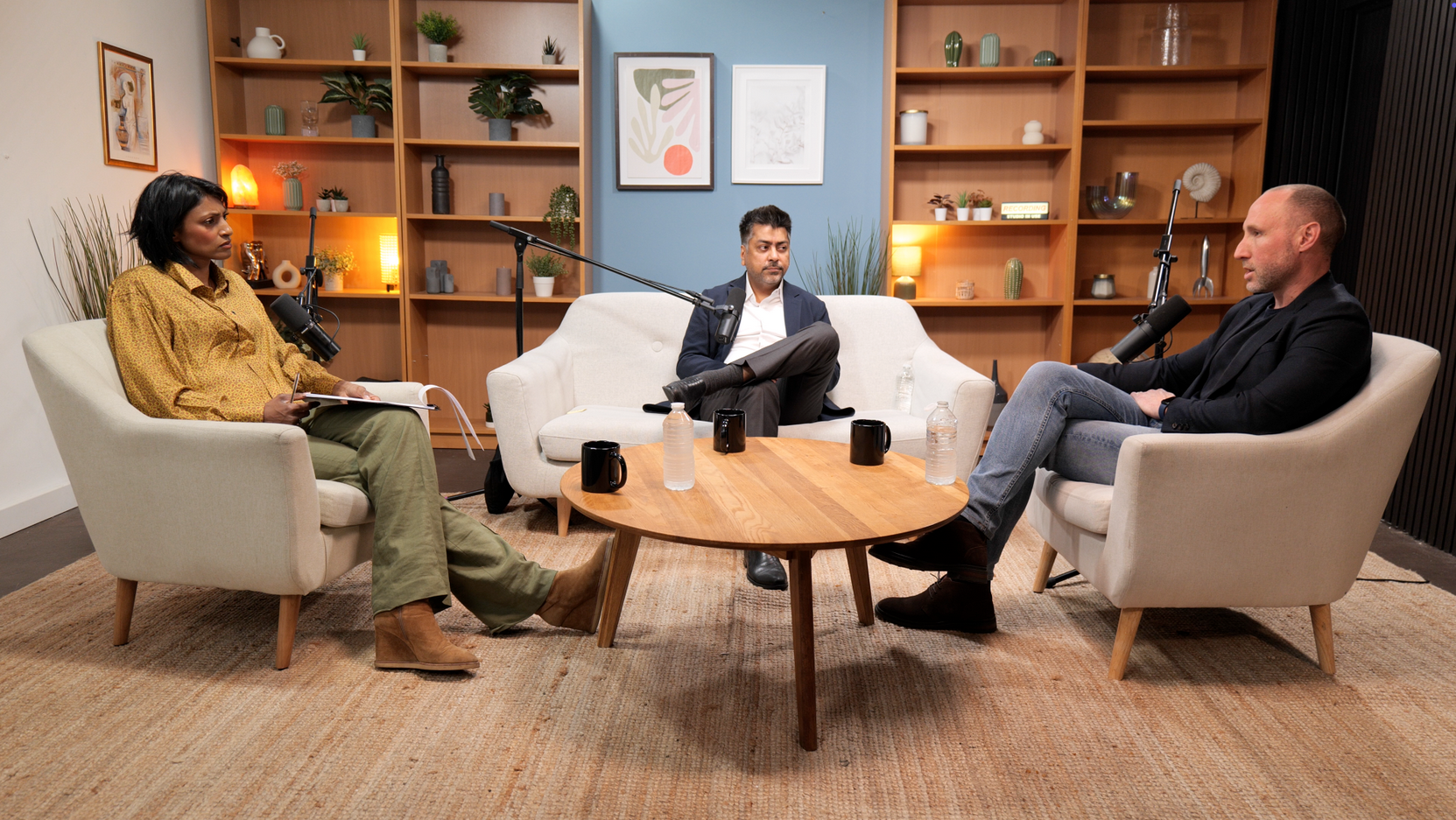
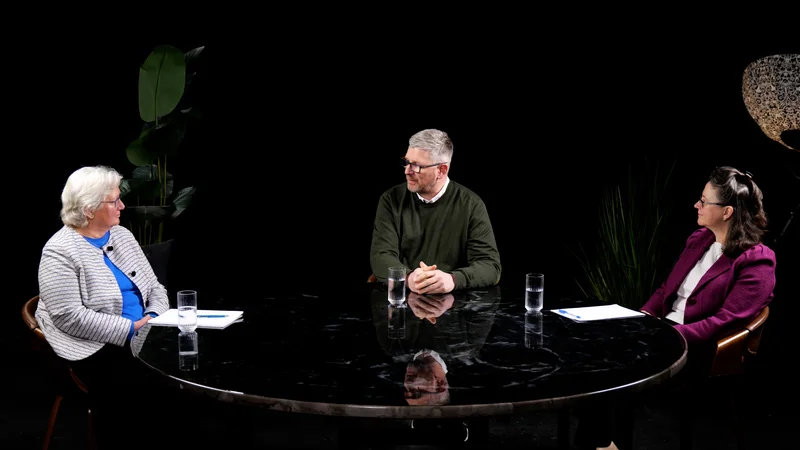
See the 'No ordinary tech podcast ' from Lloyds Banking Group by Rohit D (AI Leader for Lloyds Banking Group) and DR. shini somara (Pro-Chancellor of Brunel University) . at Finchley Studio (Lounge setup). Book this setup for your podcast.
The Foundation: Preparation and Context
Effective interviewing begins long before the guest arrives at the studio. Hosts must conduct thorough research to understand the guest's expertise and the specific angles they wish to explore. Crucially, the host needs to prepare the environment to be conducive to an easy conversation.
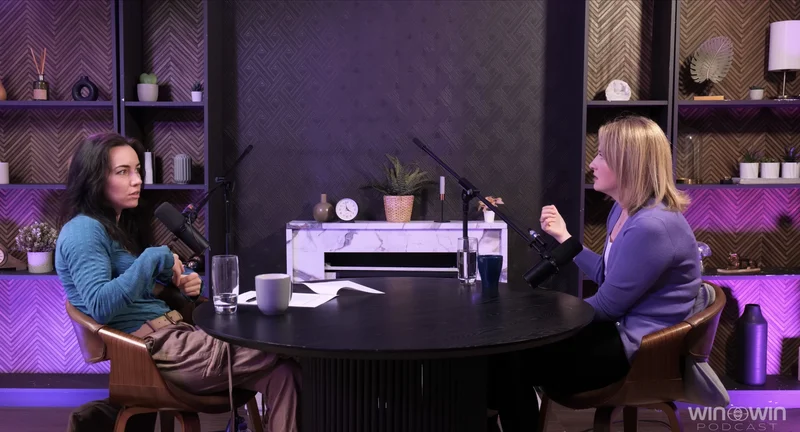
Setting the Tone: A physically comfortable and aesthetically pleasing set—such as the relaxed LOUNGE STUDIO or the intimate, discussion-focused Dialogue Room—can immediately put a guest at ease and foster a more natural exchange.
The Technical Safety Net: In a professional studio, the host can focus entirely on the guest, knowing that technical aspects (audio levels, multi-camera switching) are managed by an on-site engineer. This reliability—the same standard trusted by corporate clients like the BBC and Lloyds bank—frees the host's mental energy to engage fully.
Mastering the Flow: Listening and Pacing
The best interviewers prioritize active listening over sticking rigidly to pre-written questions.
The 'Yes, And...' Technique: Instead of cutting off tangents, great hosts use follow-up questions to explore unexpected directions, revealing deeper insights. The goal is depth, not breadth.
Controlling the Pacing: An essential skill is managing the time, especially when booking high-value studio sessions. While conversation must be natural, hosts should tactfully guide the discussion to ensure all key themes are covered within the booked time slot.
Remember that an engaging interview relies on flawless sound quality. Even the most riveting conversation can be ruined by poor acoustics. Professional studio environments ensure that the primary focus is always on the quality of the dialogue, not the technical shortcomings of the recording.