In the digital age, data is king. For video podcasters utilizing a professional podcast studio or podcasting studio, understanding and effectively using data analytics is crucial for enhancing monetization strategies. The investment in a high-quality recording studio environment must be coupled with smart data usage to truly turn insights into income.

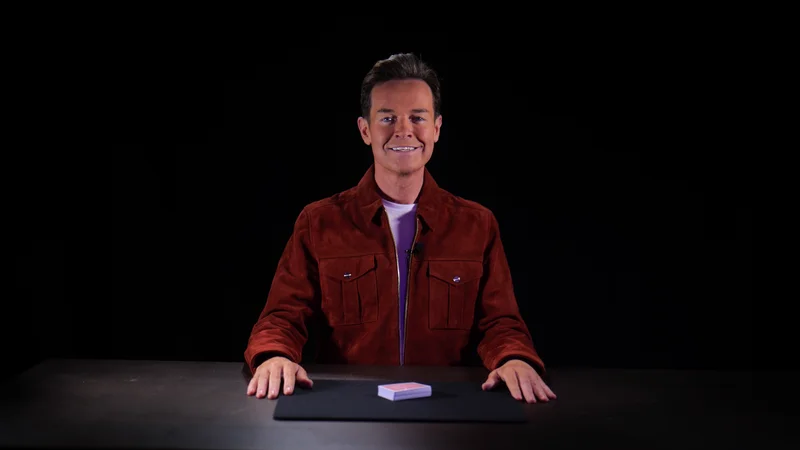
Finchley Studio (Dialogue set): book this setup for your podcast
1. Understanding Audience Demographics
Audience demographics such as age, location, gender, and interests are foundational in tailoring content and advertisements. Tools like Google Analytics and social media insights provide a deep dive into who your viewers are, allowing you to:
Attract relevant sponsorships that resonate with your audience. Knowing your audience records in a dedicated podcasting studio suggests a commitment to quality that sponsors value.
Customize content to increase viewer engagement and loyalty. This audience-first approach, built on data, maximizes the high-quality recordings captured in your podcast studio.
2. Tracking Engagement Metrics
Engagement metrics like watch time, episode completion rates, likes, and comments indicate what content performs well. Analyzing these metrics helps you assess if the quality produced in your recording studio translates to sustained viewer interest:
Identify topics that captivate your audience. Content that resonates justifies the time and expense of using a premium podcast studio.
Adjust content length or style according to viewer preferences.
Increase engagement, directly influencing potential ad revenue and proving the value of a dedicated podcasting studio setup.
3. Analyzing Traffic Sources
Knowing where your audience comes from—be it social media platforms, direct searches, or referrals—can guide where to invest in marketing and promotion. Effective analysis helps in:
Optimizing marketing campaigns to boost return on investment, ensuring the content created in your recording studio reaches the widest relevant audience.
Focusing efforts on platforms that generate the most traffic.
4. Optimizing Ad Placements
Data analytics can reveal the best times to place ads, maximizing viewer attention and action. Experiment with different ad formats and timings to determine how ad breaks impact viewer retention, especially for the high-production value content coming out of your podcasting studio:
Which ads capture the most viewer attention?
How ad placement affects viewer retention and engagement with content recorded in the podcast studio?
5. Predictive Analytics
Advanced analytics tools can predict trends and viewer behaviour, allowing podcasters to stay ahead of the curve. Use predictive analytics to ensure your next session in the recording studio is focused on high-demand topics:
Forecast popular topics and plan future content accordingly.
Anticipate and mitigate potential drops in viewership.
6. A/B Testing
Experiment with different versions of your content to see what resonates best with your audience. A/B testing can apply to the promotional materials for content created in your podcast studio:
Video thumbnails, titles, and descriptions to increase click-through rates.
Different monetization strategies to see which generates more revenue for the content produced in the podcasting studio.
7. Subscriber and Listener Feedback Analysis
Direct feedback from your audience is invaluable. Analyze comments and survey responses to ensure the effort put into the recording studio meets audience expectations:
Gain insights into audience needs and preferences.
Adjust your content strategy based on direct feedback to improve satisfaction and retention.
8. Revenue Attribution
Identifying which parts of your content strategy directly contribute to earnings is crucial. Use data to understand the commercial performance of content originating from your professional podcast studio:
How different content types contribute to overall revenue.
Which episodes, specifically those recorded in your dedicated podcasting studio or recording studio, have the highest monetization potential?
Conclusion
Monetizing a video podcast (vodcast) in the competitive digital landscape requires moving beyond simple sponsorship placements to adopt a strategic, data-driven approach. By leveraging analytics tools across platforms (YouTube, Spotify Video, and standard podcast distribution networks), creators can refine content, optimize placement, and maximize revenue, turning views and listens into measurable income.

See the 'No ordinary tech podcast ' from Lloyds Banking Group by Rohit D (AI Leader for Lloyds Banking Group) and DR. shini somara (Pro-Chancellor of Brunel University) . at Finchley Studio (Lounge setup). Book this setup for your podcast.
1. Retention Metrics: The Key to Premium Ad Sales
Sponsors pay a premium for guaranteed listener/viewer attention. Data analytics provides the precise metrics needed to command higher rates:
Audience Retention Graphs: Analyzing where viewers drop off in a video is crucial. If the drop is consistently high at a certain point, that segment requires structural change. If retention is high before the mid-roll ad placement, that placement is validated as premium inventory.
Segment Testing: Top vodcasters use different visual segments (e.g., Q&A, interviews, deep dives) across their video sets (from the relaxed LOUNGE STUDIO to the executive CEO SET) to see which format drives the longest average watch time. Higher retention directly translates to higher effective CPM (Cost Per Mille).
2. Strategic Placement Optimization
Data analytics informs where and how to monetize, maximizing both direct sponsorship revenue and platform ad revenue.
Mid-Roll Placement: Analytics determine the optimal drop-in point for mid-roll ads—often immediately after a natural content peak or segment transition, where viewer engagement is highest.
Visual Calls to Action (CTAs): For video, the final segment should integrate visual CTAs. Data shows which closing visual format (e.g., a simple thank you, or a dynamic shot captured on the Green Screen Cove guiding viewers to a dedicated URL) generates the highest click-through rate (CTR) to a sponsor’s landing page.
3. Workflow Efficiency as a Cost-Saver
Monetization success is also rooted in minimizing production costs. Data-driven efficiency ensures a higher profit margin. By using professional studios and integrated services, creators reduce non-revenue-generating time (troubleshooting, editing). Studios that offer streamlined post-production, like an in-house Video Editing Service, guarantee a faster turnaround, moving content to the market quicker and capitalizing on timely sponsorship deals. This level of professional efficiency is the standard for corporate partners like Lloyds bank.