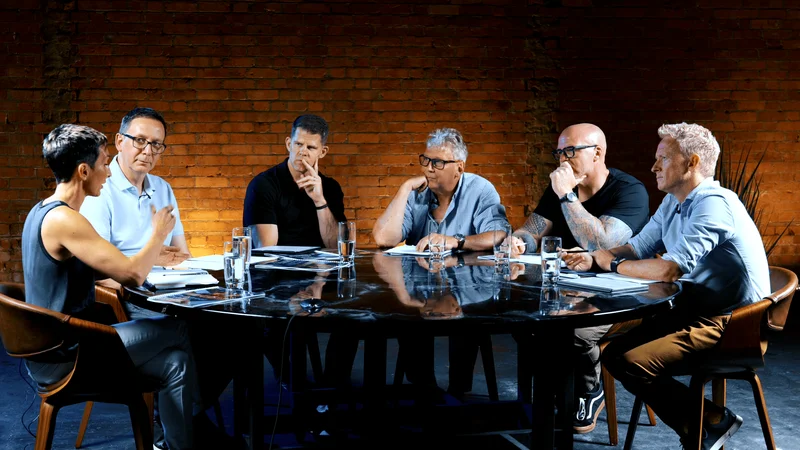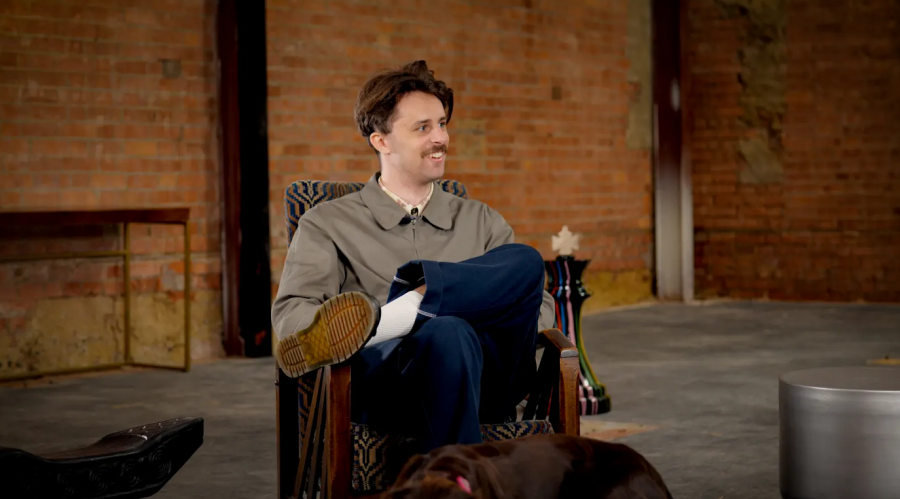
In the bustling creative hub of London, "good enough" is no longer good enough. With over 464 million podcast listeners globally and video-first platforms like YouTube and Spotify dominating the landscape, the bar for production quality has skyrocketed. For London creators, the shift from audio-only to high-fidelity 4K video is not just a trend—it is a necessary evolution to build authority and retain engagement.
But mastering 4K videography requires more than just buying a camera with a "4K" sticker on the box. It requires a synergy of lighting, audio engineering, and set design. Whether you are battling the sirens of a South London high street from your spare room or looking to elevate your brand’s corporate communications, this guide delves into the essential skills and technical requirements needed to produce broadcast-quality video podcasts.
Why 4K Matters for the Modern Podcaster
Before we dive into the technicals, it is vital to understand why 4K is the standard for professional creators in 2026.
Visual Authority: Crisp, high-resolution video signals professionalism instantly. In a saturated market, 4K resolution (3840 x 2160 pixels) offers four times the detail of 1080p, creating a "window-like" clarity that keeps viewers watching longer.
Flexibility in Post-Production: Shooting in 4K allows you to crop, zoom, and reframe your shots without losing quality. This is crucial for creating vertical clips (Shorts, Reels, TikToks) from a landscape podcast episode—a strategy essential for growth.
Future-Proofing: As screens get larger and internet speeds faster, 1080p is rapidly becoming the new standard definition. 4K ensures your back catalogue remains relevant for years to come.
The Core Pillars of a Professional Video Studio
Achieving that "cinematic" podcast look requires a holistic approach. Here is what separates a webcam setup from a professional production.
1. The Camera Ecosystem: Beyond the Megapixels
While many cameras shoot 4K, the sensor size and lens quality dictate the final look.
Sensor Size: Professional studios typically use Full-Frame or APS-C sensors (like the Sony A7 IV or Canon EOS R6 Mark II). These larger sensors capture more light and allow for that beautiful, blurry background (bokeh) that separates the host from the set.
Frame Rates: In the UK, the standard broadcast frame rate is 25fps (frames per second), which gives a cinematic feel. Shooting at 50fps or 60fps is ideal for slow-motion B-roll but can look unnaturally smooth for a "talking head" podcast.
Colour Profiles: To get the most out of 4K, professionals shoot in "Log" profiles (e.g., S-Log3). This produces a flat, grey image initially but captures immense dynamic range, allowing colourists to grade the footage to perfection in post-production.
2. Lighting: Painting with Photons
Lighting is arguably more important than the camera itself. A £4,000 camera will look grainy in poor light, while a mid-range camera can look stunning with excellent lighting.
-
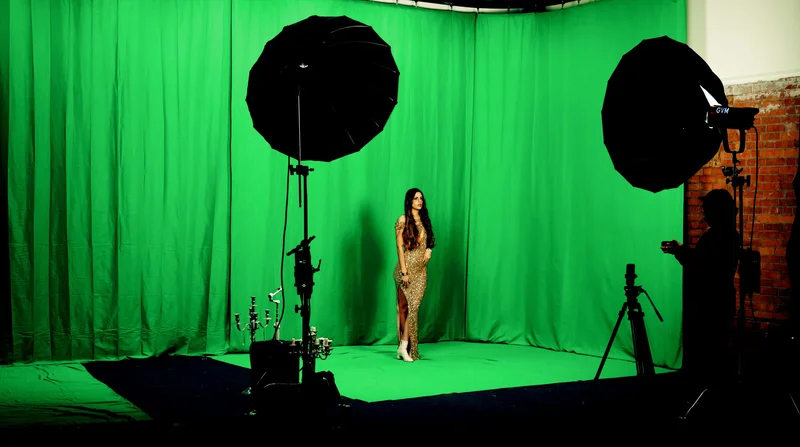
The Three-Point Setup: This is the industry standard.
Key Light: The main light source, usually placed at 45 degrees to the subject. Softboxes are essential here to diffuse the light and flatter skin tones.
Fill Light: A softer light on the opposite side to lift shadows and prevent the "dramatic villain" look.
Back Light (Rim Light): Placed behind the subject to create a halo effect on the hair and shoulders, separating them from the background.
Colour Temperature: Mixing daylight (5600K) from a window with warm tungsten bulbs (3200K) creates a messy, amateurish look. A controlled studio environment blocks out unpredictable London weather to ensure consistent, perfectly balanced lighting.
3. Audio: The Silent Killer of Video
You can forgive grainy video, but you cannot forgive bad audio. In 4K videography, the visual fidelity must be matched by sonic clarity.
Microphone Choice: The Shure SM7B remains the industry standard for a reason—its dynamic capsule rejects background noise and delivers that rich, "radio" voice.
Interface: High-end microphones require powerful pre-amps. Devices like the Rodecaster Pro II or Focusrite Scarlett range are essential to drive these mics without introducing "hiss."
Acoustics: This is where most home setups fail. Hard surfaces (walls, windows, desks) reflect sound, causing reverb (echo). A professional podcast studio uses acoustic treatment—absorption panels and bass traps—to ensure the audio is "dry" and crisp.
The "London Problem": Why Home Setups Often Fail
Creating content in London presents unique challenges that even the best equipment cannot always solve.
The Noise Pollution Battle
London is a noisy city. Sirens, tube rumblings, construction drills, and overhead flights are constant.
Home Reality: A sensitive microphone will pick up a police siren three streets away. This forces you to pause recording constantly, disrupting the flow of conversation.
Studio Solution: Professional recording studios are built as a "room within a room." Floating floors and heavy soundproofing isolation ensure that the only thing your audience hears is your voice.
The Space & Cost Dilemma
Space is at a premium in the capital.
Home Reality: Setting up a 3-point lighting rig and leaving it assembled requires a dedicated room—a luxury for many London renters. The alternative is setting up and tearing down gear for every session, which is a massive friction point for creativity.
Studio Solution: Studio hire in London offers a "plug-and-play" experience. You walk in, the lights are set, the cameras are focused, and you can start recording immediately. When you calculate the cost of buying equipment (cameras, lights, mics, acoustic treatment) plus the value of your time, hiring a studio often becomes the more economical choice.
5 Steps to Planning Your 4K Video Podcast
If you are ready to produce a high-end video podcast, follow this production workflow:
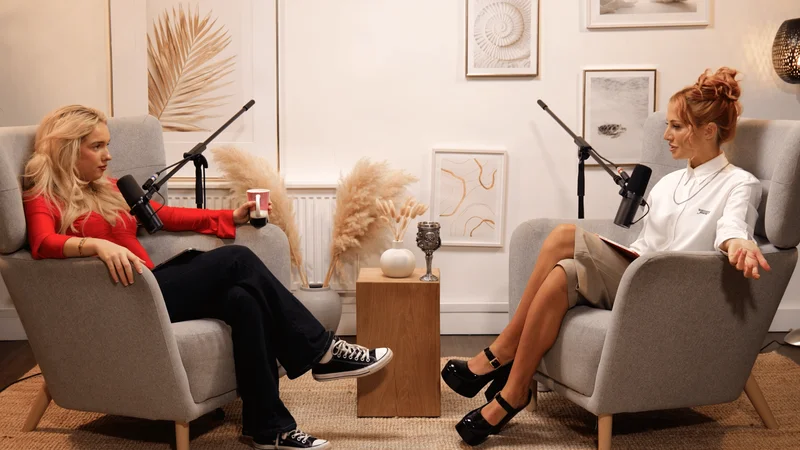
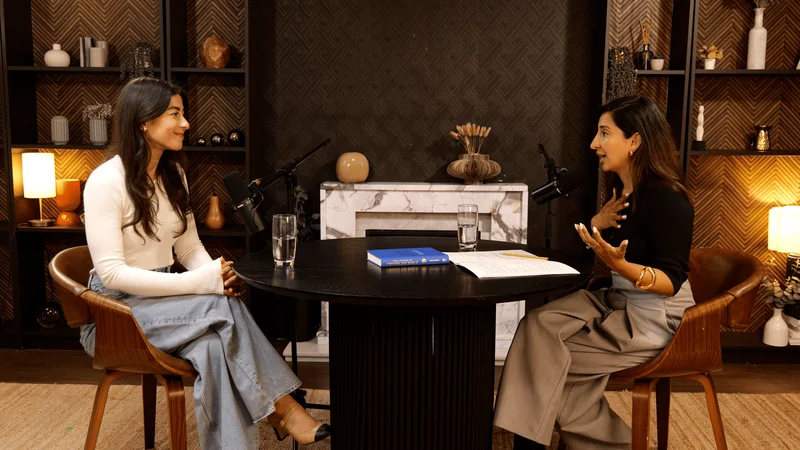
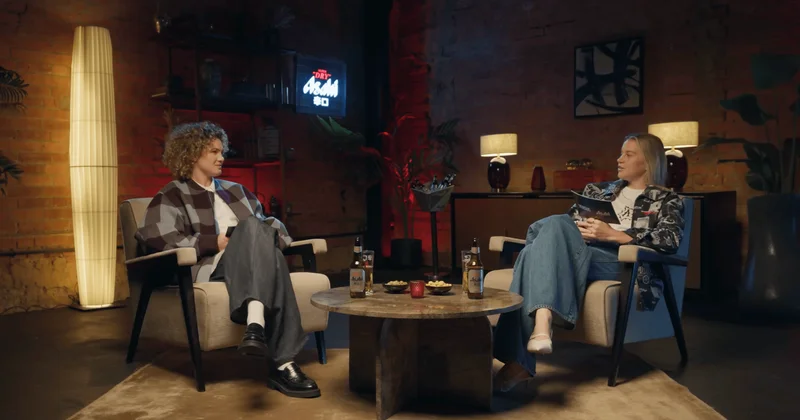
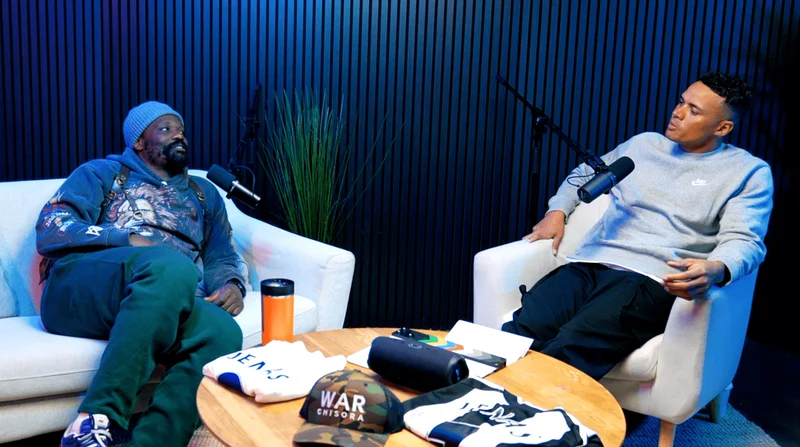
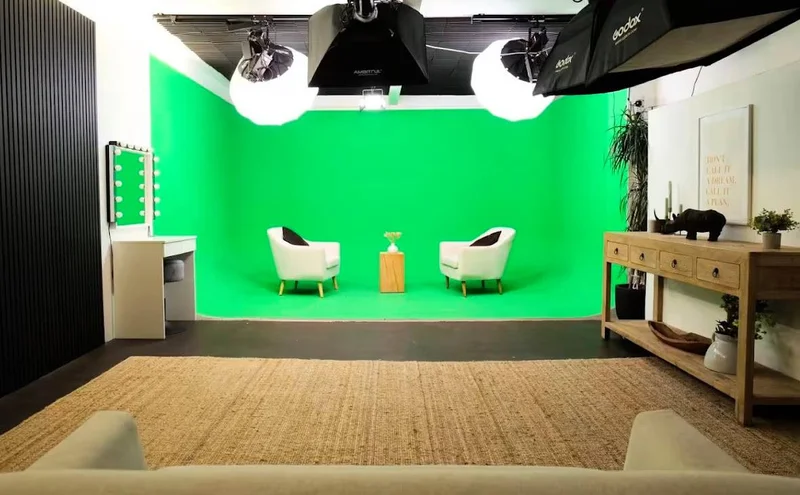
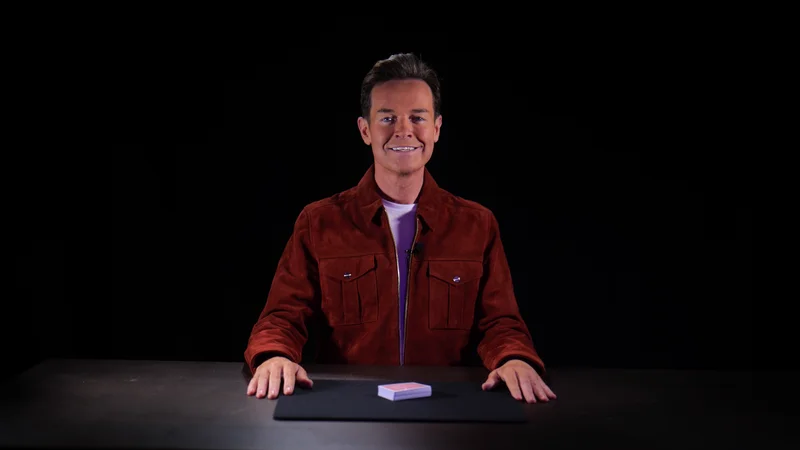
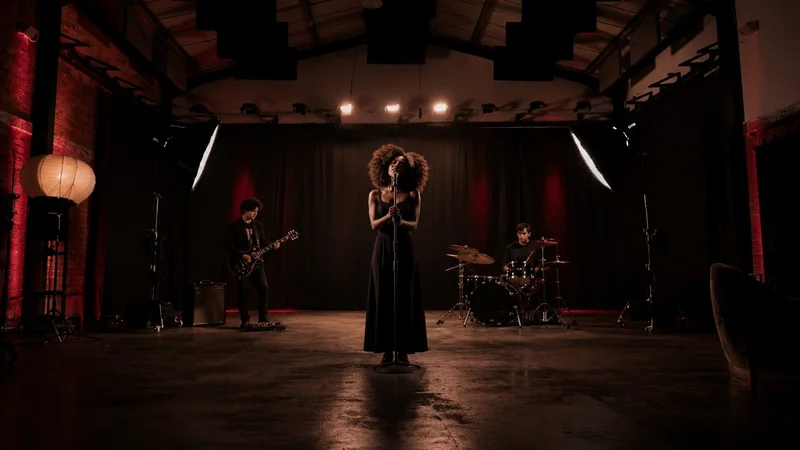
Define Your Set Design: Do you want a dark, moody "Joe Rogan" style aesthetic or a bright, airy lifestyle look? The visual vibe should match your brand identity.
Audio-First Approach: Ensure your participants are comfortable with microphone technique. Remind guests to stay roughly a fist's distance from the mic.
Monitor Your Recording: Never record "blind." Use headphones to monitor audio levels and have a screen facing you (or a producer) to check focus and framing.
Manage Your Data: 4K video files are massive. A one-hour interview can easily exceed 50GB. invest in high-speed SSDs (Solid State Drives) for recording and editing.
Plan for "Clips": during the recording, note down timestamps of "golden moments." These will be your social media clips. A professional studio team can often help you log these in real-time.
Frequently Asked Questions (FAQ)
Q: Do I really need 4K if most people watch on their phones? A: Yes. While phones have small screens, platforms like YouTube favour high-resolution uploads in their algorithm. Furthermore, 4K allows you to crop into the video for vertical social clips (9:16 aspect ratio) without the image becoming pixelated or blurry.
Q: Can I just use my iPhone for a video podcast? A: Modern iPhones shoot incredible video, but they struggle with two things: low light and audio connectivity. Using a phone as a secondary angle is a great budget hack, but for a primary "A-Cam," a mirrorless camera with a proper lens offers a significantly more professional look.
Q: How much does it cost to hire a podcast studio in London? A: Prices vary depending on location and equipment. Basic audio-only booths can start from £50/hour, while full 4K multi-camera video studios with an engineer typically range from £100 to £250 per hour. Considering the equipment provided (often worth £10,000+), this is highly cost-effective.
Q: What is the difference between a "soundproof" and "acoustically treated" room? A: Soundproofing stops noise entering or leaving the room (e.g., blocking traffic noise). Acoustic treatment manages the sound inside the room (e.g., stopping your voice from echoing off the walls). A professional studio will have both.
Conclusion: Elevate Your Content in London
Mastering 4K videography is about more than just technology; it is about respect for your audience. High-quality visuals and pristine audio show that you value their time and attention. While building a home setup is possible, the nuances of lighting, acoustics, and the sheer cost of gear can be a barrier to entry.
For London-based creators, the solution is often closer than you think. A professional environment eliminates the technical headaches—no sirens ruining your best take, no fiddling with lighting stands, and no storage issues. It allows you to focus entirely on what matters most: your message and your guest.
Ready to see the difference a professional space makes? Stop worrying about the technicals and start creating. Book a tour of our London podcast studio today to experience our 4K video setup and acoustically treated rooms firsthand. Let’s turn your vision into a broadcast-quality reality.