Podcasting is more than just a platform for sharing ideas; it’s a journey of personal growth and self-discovery. Whether you're a seasoned podcaster or just starting, the process of creating, producing, and promoting a podcast can significantly contribute to your personal development. This article explores how the structure and demands of podcasting—from initial recording in a dedicated podcast studio to final production—can be a powerful tool for self-improvement and offers tips on leveraging the medium for personal growth.
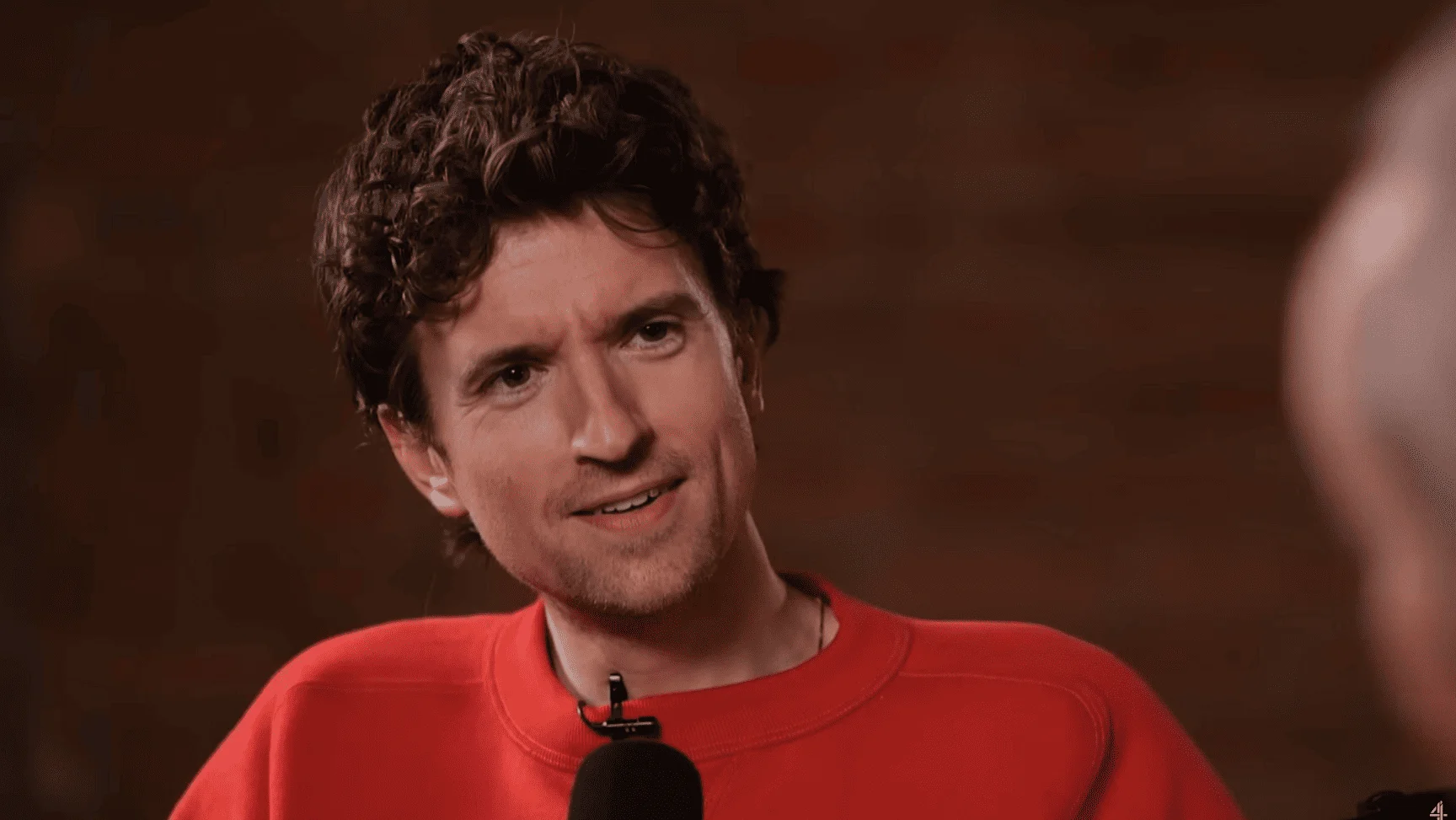
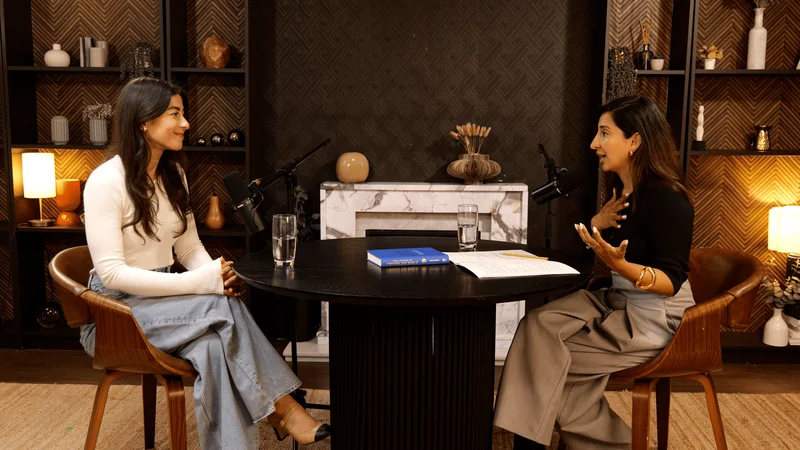
See the 'Grand designs' from Channel 4 by Kevin McCloud at Finchley Studio (Brick studio). Book this setup for your podcast.
1. Enhancing Communication Skills
Podcasting provides a unique opportunity to refine your communication skills. As you articulate your thoughts and ideas to an audience, often while sitting in the controlled environment of a podcasting studio, you develop:
Clarity in Expression: Regular practice helps you communicate more clearly and effectively, especially when the crisp, high-fidelity microphones of a recording studio capture every nuance of your voice.
Confidence: Speaking into a microphone and engaging with listeners builds self-assurance, transforming you into a more authoritative and comfortable speaker.
Active Listening: Interviewing guests in a professional setting improves your ability to listen attentively and respond thoughtfully, a crucial skill practiced during live or pre-recorded conversations.
These skills are not only valuable for podcasting but also for personal and professional interactions.
2. Building Discipline and Consistency
Creating and maintaining a podcast requires discipline and consistency. The regular schedule of booking time in a podcast studio, recording, editing, and publishing episodes fosters:
Time Management: Balancing podcasting with other responsibilities enhances your ability to manage time effectively, forcing you to schedule production, and adhere to studio booking times.
Goal Setting: Setting and achieving milestones for your podcast helps develop a goal-oriented mindset.
Commitment: Sticking to a publishing schedule builds resilience and perseverance, whether you are recording weekly at a Podcasting studio or managing a complex remote workflow.
These habits can positively impact other areas of your life, contributing to overall personal development.
3. Expanding Your Knowledge and Expertise
Podcasting often involves researching topics, interviewing experts, and discussing industry trends, which leads to:
Continuous Learning: Engaging with diverse subjects broadens your knowledge base.
Expertise Development: Regularly discussing your niche helps establish you as an authority in your field. The professionalism that comes from mastering content, especially when it is recorded and produced in a high-end recording studio, reinforces your credibility.
Curiosity: The need to stay informed encourages a lifelong learning attitude.
This expanded knowledge and expertise contribute to your personal growth and professional credibility.

Finchley Studio (White Infinity Cove): book this setup for your podcast
4. Cultivating Creativity and Technical Mastery
The creative process of podcasting—from brainstorming episode ideas to crafting engaging content—nurtures:
Innovation: Experimenting with different formats and styles enhances your creative thinking.
Problem-Solving: Overcoming technical and content challenges, like troubleshooting equipment in a podcast studio or fixing audio issues in post-production, fosters innovative solutions.
Expression: Podcasting provides a platform for expressing your unique voice and perspectives.
Creativity cultivated through podcasting can spill over into other areas of your life, enriching your personal and professional experiences.
5. Networking and Relationship Building in a Professional Setting
Podcasting often involves collaborating with guests, participating in industry events, and engaging with your audience, leading to:
Professional Connections: Building relationships with guests and industry professionals opens doors to new opportunities. Conducting professional interviews in a dedicated Podcasting studio can significantly impress your guests and elevate the status of your show.
Community Engagement: Interacting with your audience fosters a sense of community and connection.
Feedback and Improvement: Constructive feedback from listeners and guests helps you grow and improve.
These networking and relationship-building experiences contribute to your personal and professional development, often facilitated by the professional atmosphere provided by a local recording studio.
6. Developing Resilience and Adaptability
The journey of podcasting comes with its share of challenges, such as technical issues, fluctuating audience numbers, and evolving trends. Navigating these challenges helps you:
Adapt: Learn to adjust your strategies and content in response to feedback and changing circumstances.
Overcome Setbacks: Develop resilience by addressing and overcoming obstacles. Even simple things like managing a last-minute podcast studio cancellation builds flexibility.
Stay Motivated: Maintain enthusiasm and drive despite challenges and setbacks.
Resilience and adaptability gained through podcasting are valuable traits that enhance your overall personal growth.

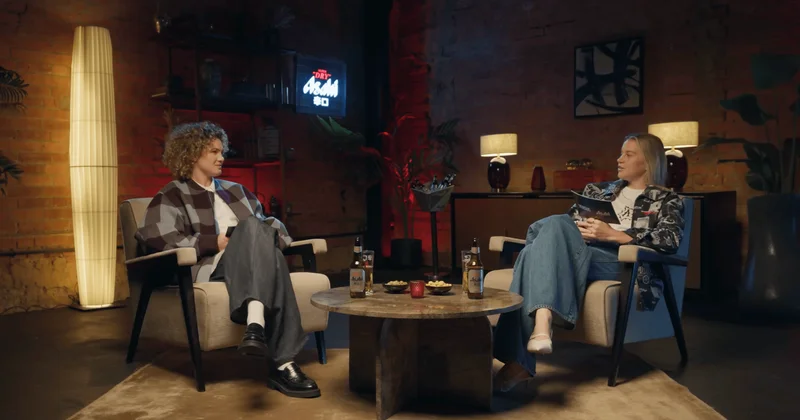
See the 'The Tooney & Russo Show' from BBC and Lionesses Ella Toone and Alessia Russoat from England national football team at Finchley Studio (Lounge setup). Book this setup for your podcast. Watch 'The Tooney & Russo Show' at BBc sound , Spotify , Youtube, Amazon music.
Book this setup for your podcast
Conclusion
Podcasting is a unique medium that drives personal development as much as it demands creative and technical proficiency. For hosts and producers, the act of creating consistent, high-quality content forces growth in communication, organization, and technical mastery. Unlocking your full potential as a podcaster requires a focus on mastering both the soft skills of content creation and the hard skills of professional production.
Developing Your Voice and Presence
Personal development begins with intentional practice in front of the mic. Regularly hosting forces you to refine critical communication skills:
Active Listening: Running an effective interview in the Dialogue Room requires sharp focus and the ability to guide the conversation naturally, building rapport with your guest.
Clarity and Conciseness: Podcasting demands structured thinking. Whether hosting a casual group chat in the LOUNGE STUDIO or leading a panel in the GATHERING STUDIO, you learn to articulate complex ideas clearly and efficiently.
Confidence on Camera: With the proliferation of vodcasting, hosts must also develop a comfortable, authentic visual presence, which is made easier when recording in a pre-lit, professional setting.
Mastering the Production Workflow
While creativity is essential, professional growth in podcasting relies on mastering the production pipeline. This requires moving beyond DIY setups and leveraging professional infrastructure.
Technical Efficiency: Utilizing studios with guaranteed acoustics and multi-camera setups (the type relied upon by the BBC and Lloyds bank) allows you to focus solely on content, dramatically increasing the efficiency of your studio time.
Project Management: Successful podcasting requires discipline. Scheduling consistent sessions and utilizing integrated services, such as an in-house Video Editing Service, builds rigorous project management skills that translate directly into professional success.
Strategic Branding: Learning how to visually represent your brand through professional backdrops, like the executive feel of the CEO SET, teaches essential visual marketing and strategic brand alignment.