n the bustling creative hub of London, the phrase "content is king" has evolved. Today, clarity is king.
If you are a creator or brand based in the capital, you have likely noticed a shift. The days of audio-only podcasts dominating the charts are fading. Spotify is pushing video; YouTube has become the world’s most popular podcast listening app; and TikTok clips are the primary discovery engine for new shows.
For London creators, the question is no longer "Should I film my podcast?" but "Is 1080p good enough?" The answer, increasingly, is no.
Here is why choosing 4K videography in a professional podcast studio is the single best investment you can make for your show's future, brand authority, and audience growth.
1. Future-Proofing in a Competitive Market
London is a global centre for media. From Shoreditch creatives to City fintechs, the standard for production value here is exceptionally high. Recording in 4K (3840 x 2160 pixels) offers four times the resolution of standard High Definition (1080p).
While your audience might currently watch on smartphones, screens are getting sharper and larger. By filming in 4K now, you are building a "master archive" of content that will still look crisp five years down the line. You are not just recording an episode; you are creating an asset with a longer shelf life.
Key Takeaway: Don't let your back catalogue look dated by 2027. 4K ensures your content remains evergreen and broadcast-quality.
2. The "Content Waterfall": Cropping for Social Media
The biggest practical benefit of 4K for a London podcast production is the flexibility it gives you in post-production.
Most listeners will discover your podcast through a 30-second clip on Instagram Reels, TikTok, or YouTube Shorts. These platforms require vertical (9:16) video.
The 1080p Problem: If you shoot in HD (1080p) and crop into a vertical slice for TikTok, you are significantly degrading the image quality. The resulting clip often looks pixelated or soft.
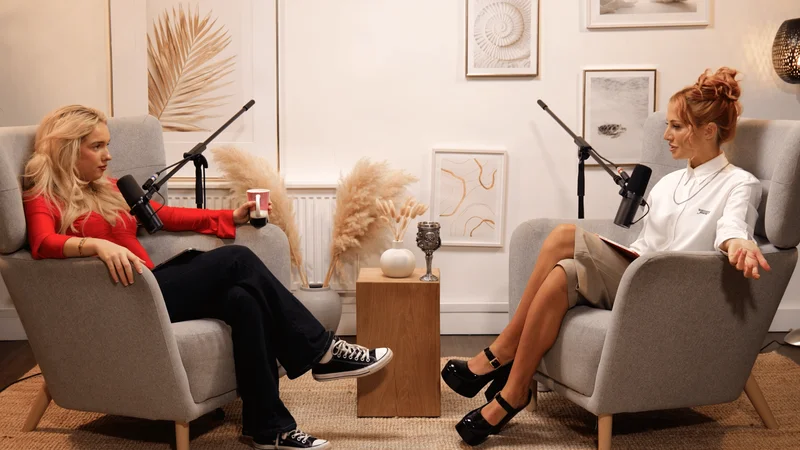
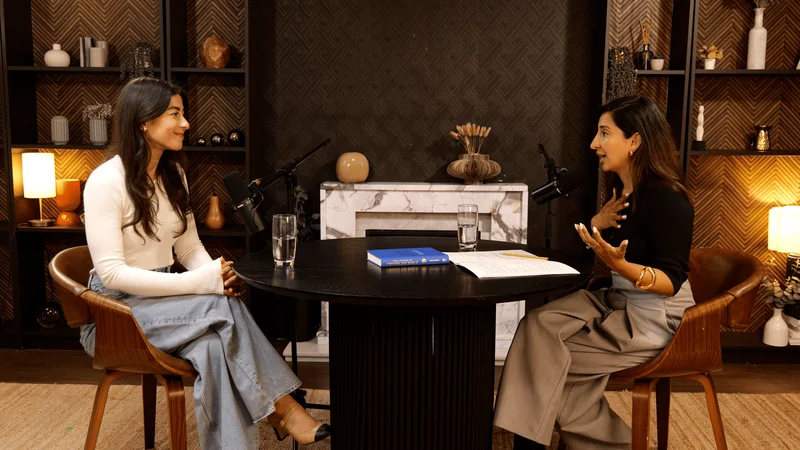
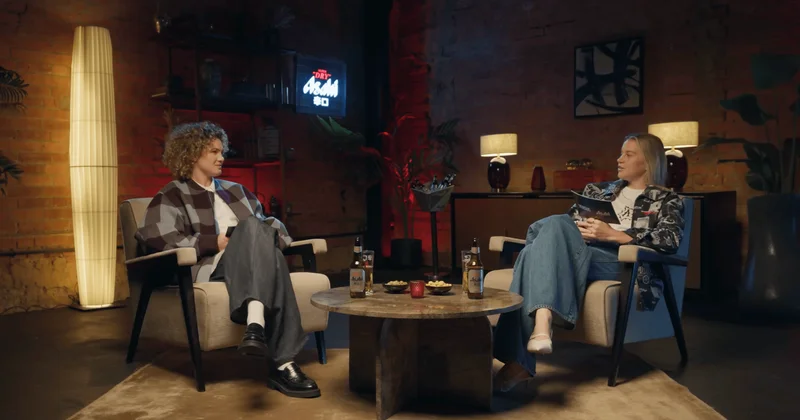
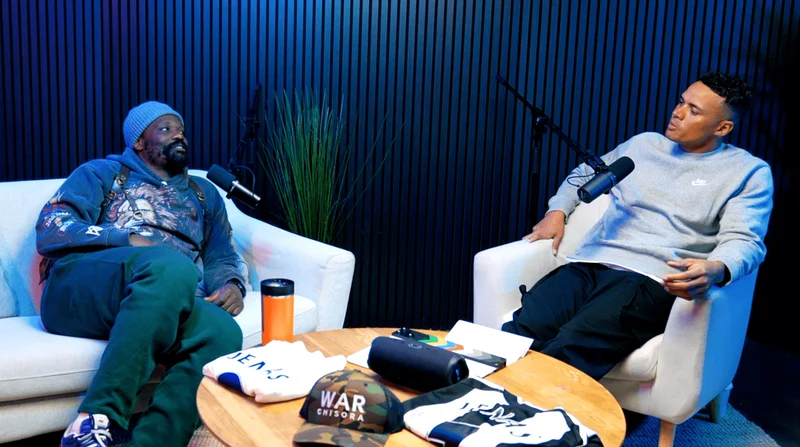
The 4K Solution: With a 4K source file, you can punch in, crop, and re-frame a shot vertically without losing any perceived quality. You can turn a single wide shot of two hosts into three distinct angles: a wide shot, a close-up of Host A, and a close-up of Host B.
This allows you to turn one hour of recording into 20+ pieces of razor-sharp micro-content, effectively flooding your social channels with high-end clips that drive traffic back to the full episode.
3. Why a Professional Video Studio Beats the "Home Setup"
We speak to many creators who try to film 4K at home. They often run into the specific "London problems" that a professional video studio solves instantly.
The "Siren" Factor
London is noisy. Whether it's the wail of emergency services on Kingsland Road, the rumble of the Tube, or construction work next door, background noise is the enemy of professional audio.
Home: 4K cameras capture incredible detail, but if your audio is marred by traffic noise, the viewer will click away.
Studio: A purpose-built studio offers acoustically treated spaces (soundproofing) that isolate your voice. This "dead" room sound is the hallmark of a top-tier production.
Lighting and Depth of Field
Achieving that "cinematic" look—where the subject is crisp and the background is beautifully blurred (bokeh)—requires more than just a good camera. It requires distance between the subject and the background, and professional lighting control.
Home: Most London flats simply don't have the physical depth to separate you from your wall, resulting in a flat, "webcam" look.
Studio: We provide the depth and lighting grids necessary to create a rich, three-dimensional image that flatters skin tones and looks like a TV broadcast.
4. Technical Authority: The Gear We Use
When looking for studio hire London, you should expect industry-standard equipment. A true 4K workflow isn't just about pixel count; it's about colour science and dynamic range.
At our facility, we utilise a setup that typically includes:
Cameras: Sony FX6 and Sony FX3 Cinema Line cameras. These are Netflix-approved cameras that offer incredible dynamic range and low-light performance. Unlike DSLRs, they don't overheat during long podcast sessions.
Lenses: Sony G-Master prime lenses for that sharp, professional look.
Microphones: The Shure SM7B, the gold standard for podcasting, paired with high-end preamps to give your voice that rich, "radio" broadcast quality.
Lighting: Aputure and Nanlite LED panels with softboxes to ensure you look approachable and professional, not harsh or washed out.
5. Elevating Brand Perception
For businesses and thought leaders, your podcast is often the first touchpoint for potential clients. A grainy, poorly lit video suggests a "hobbyist" operation. A crisp, 4K multi-cam production signals authority.
When you invite a high-profile guest to a recording studio in London, the environment matters. Walking into a professional facility with a crew, proper lighting, and high-end cameras makes the guest feel valued. This often leads to better performances, more candid conversations, and a higher likelihood that they will share the content with their own followers.
Frequently Asked Questions (FAQ)
Q: Do I really need 4K if most people watch on phones? A: Yes. While the playback device might be small, 4K allows your editor to crop and zoom without the image becoming pixelated. It ensures your TikToks and Reels look professional rather than blurry.
Q: Is 4K videography much more expensive than standard HD? A: Marginally, but the value is significantly higher. The file sizes are larger (requiring more storage), and the cameras are more advanced, but for a professional podcast studio, this is standard. The cost difference is negligible compared to the boost in production value.
Q: Can you help with the editing of 4K footage? A: Absolutely. Dealing with massive 4K files can be taxing for a standard laptop. Our post-production team handles the heavy lifting, delivering you the final polished episodes and social clips so you don't have to worry about rendering times.
Q: Do you offer live streaming in 4K? A: We can live stream your podcast to YouTube, LinkedIn, or Twitch. While most platforms compress streams to 1080p, we can still record a 4K master locally for your archives and future edits.
Conclusion: Ready to Level Up?
The transition from audio to video is the most significant opportunity for podcast growth in 2026. By choosing 4K videography, you are not just making a video; you are creating a versatile content engine that feeds your social media, impresses your clients, and stands the test of time.
Don't let technical limitations hold your content back. Experience the difference a dedicated London podcast production team can make.