Videography is often praised for its visuals—the framing, lighting, camera movement, and composition—but one element silently drives how audiences connect with a video: sound design. For every cinematic sequence or corporate interview that feels immersive, professional sound plays a defining role. It’s the invisible layer that transforms a collection of moving images into a story that resonates.
For video editors, understanding and mastering sound design is what distinguishes good videos from outstanding ones. Whether working from a podcast studio in London, editing in a recording studio, or filming at a video studio in Finchley, appreciating the nuances of sound can elevate the entire production.
In this article, we’ll explore why sound design is so critical for videography editors, examine the practical and creative advantages it brings, and discuss how professional studios across London—especially the Finchley Studio—can enhance your workflow and results.

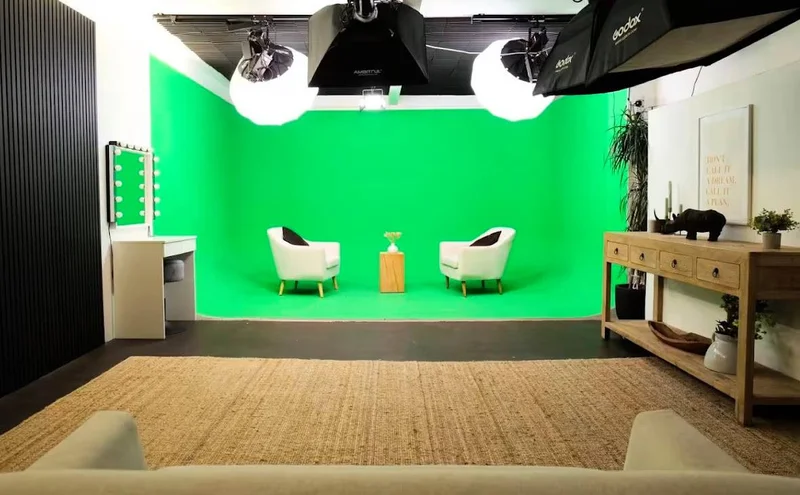
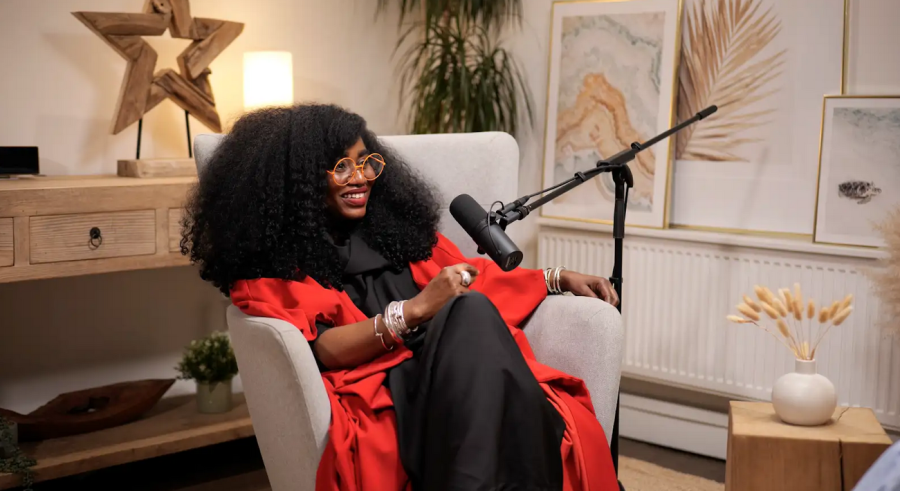
Image Credit: Finchley Studio (White Infinity Cove): book this setup for your podcast
Understanding Sound Design
Sound design encompasses the entire audio experience of a video—dialogue, ambient noise, sound effects, and music. It’s not just about recording or mixing; it’s about crafting an emotional and narrative layer that complements the visuals.
When audiences watch a film, documentary, or branded video, they subconsciously evaluate how authentic and engaging it sounds. High-quality visuals can lose impact if they’re paired with muffled voices, harsh background noise, or poorly balanced audio levels. Conversely, even modest footage can appear more refined with artfully constructed sound design.
A good videography editor recognizes this relationship and treats sound not as an afterthought but as an integral storytelling tool.
The Emotional Power of Sound
Sound triggers emotions more directly than visuals. A well-timed musical cue can create suspense, relief, or nostalgia, while subtle ambient layers can make a scene feel alive. Imagine a walking sequence filmed on a quiet street: the soft rustle of leaves, the distant hum of traffic, and the subdued echo of footsteps work together to create atmosphere.
In London’s booming video production scene—marked by numerous recording studios and video studios—the ability to produce rich, emotionally resonant audio is a key differentiator. Editors who understand the craft of sound design can profoundly influence how audiences respond to a project.
Why Videography Editors Need to Prioritize Sound
For many editors, video and sound are inseparable. Sound design influences pacing, continuity, tone, and viewer retention. Some of the main reasons to prioritize sound include:
Professional polish: Clean, balanced audio gives videos a high-end finish.
Viewer immersion: Natural sound environments pull audiences into the scene.
Story cohesion: Music and effects guide emotions and transitions between shots.
Accessibility: Clear dialogue ensures the message reaches everyone, including those relying on subtitles.
Brand identity: Custom audio signatures or jingles reinforce brand recognition.
Editors working in London’s video and podcast studios quickly learn that achieving this level of craftsmanship often requires access to acoustically treated environments and high-end recording equipment. That’s precisely where dedicated facilities such as Finchley Studio come into play.
The Role of Professional Studios in Sound Design
Professional sound design doesn’t just happen on a laptop—it thrives in acoustically optimized environments. A London recording studio or podcast studio provides the conditions necessary for clean recording, accurate mixing, and consistent results across playback systems.
These facilities are carefully engineered to control sound reflections, eliminate background noise, and deliver precision in sound monitoring. For editors and videographers working on commercial or creative projects, this makes a tremendous difference in the final output.
Here’s what sets professional studios apart:
Acoustic treatment: Proper soundproofing and diffusion ensure pure, uncolored sound.
High-end monitoring systems: Studio-grade speakers and headphones reveal the subtleties missed in ordinary setups.
Professional microphones & preamps: Capture dialogue, Foley, and music with exceptional detail.
Skilled sound engineers: Provide expertise on mixing, mastering, and overall sound architecture.
A controlled studio environment allows sound designers and editors to experiment safely—adding reverb, crafting seamless loops, or synchronizing effects without worrying about acoustic inconsistencies.
Podcast Studios and Videography: An Overlapping Discipline
It may seem surprising, but podcast studios play a growing role in video production. As more brands and creators turn to video-based podcasts or hybrid content, the boundary between podcasting and videography blurs.
Recording in a podcast studio in London, especially one that supports multi-camera setups, enables videographers to capture broadcast-quality sound and visuals simultaneously. The advantage is twofold:
Editors receive cleaner, separated audio tracks for dialogue and ambience.
Sound design becomes easier and faster, requiring less post-production cleanup.
This integration is particularly useful for corporate interviews, YouTube channels, and social media videos that rely on voice-driven storytelling.
Comparing London Podcast Studios and Finchley Studio
London is full of incredible studios catering to all forms of media creation—from large-scale recording facilities in Soho to boutique podcast studios in Shoreditch. They offer advanced soundproofing, top-tier microphones, and flexible video integration. Yet Finchley Studio distinguishes itself in several important ways.
Let’s compare what you might expect from a typical London podcast studio and what Finchley offers:
In short, while London podcast studios offer undeniable sophistication, Finchley Studio delivers a blend of quality, quiet, and customization that many editors crave—particularly for projects that require a holistic approach to video and sound.
Why Finchley Studio Excels for Videography Sound Design
A standout reason many editors and creators choose Finchley Studio is its versatility. Unlike many studios narrowly focused on either recording or video production, Finchley seamlessly unites both.
Acoustically Tuned Spaces: Finely balanced rooms ensure accurate sound capture without unwanted resonance.
Integrated Video Capabilities: Editors can record synchronized video and audio in one controlled session, minimizing post-sync issues.
Expert Staff and Equipment Support: Experienced technicians assist with setup, recording levels, and mixing approaches, freeing editors to focus purely on creative editing.
Ambient Control: Finchley’s layout minimizes environmental noise—no London traffic hums or construction disruptions.
For a videography editor, such precision in environment means cleaner audio files that require minimal denoising, easier synchronization, and a polished end product that enhances the story’s impact.
The Technical Dimensions of Sound Design
To truly appreciate why studios like Finchley matter, consider the technical aspects of sound design that editors juggle daily:
Dialogue editing: Aligning speech with visual timing and removing pops, clicks, or plosives.
Equalization (EQ): Balancing frequencies so voices and background elements remain distinct.
Dynamic range control: Using compression to maintain a natural but consistent volume.
Spatial mixing: Positioning sounds within the stereo or surround field.
Sound effects layering: Adding Foley, ambience, and impact sounds synchronized with the visual rhythm.
Music integration: Ensuring transitions and emotional beats align tonally with the scene.
Each of these elements benefits enormously from clear source audio. A recording done in a London podcast or video studio, rather than an untreated home environment, can save hours of cleanup and result in a smoother workflow.
Balancing Creativity and Technicality
Sound design is both science and art. It requires technical understanding—frequency response, gain structure, file formats—but also creative vision. The best sound designers and video editors treat audio as emotional architecture.
When editing a video, every choice should serve a narrative purpose: silence builds tension; subtle low-frequency hums convey unease; sharp high tones can suggest alertness or energy. By learning to orchestrate sound intentionally, editors transform flat visuals into multisensory experiences.
That process becomes easier when the recording process starts in an acoustically precise location like the Finchley Studio, ensuring the raw material already carries the clarity and richness needed for expressive editing.
Sound Design Case Study: Documentary vs Corporate Video
To illustrate how crucial sound design is, let’s compare its role in two different video types—documentary filmmaking and corporate video production.
Documentary: The editor often works with real-world sound—interviews, natural ambience, city sounds, or field recordings. The aim is authenticity. The soundscape should make the viewer feel present within the story’s environment.
Corporate Video: The objective is clarity and brand tone. Clean dialogue, consistent background music, and subtle effects build trust and professionalism.
In both cases, the recording studio or video studio becomes the foundation for success. London’s industry professionals gravitate toward studios that can adapt to both formats. Finchley Studio’s hybrid design—part recording, part video—caters perfectly to this dual-use need.
The Economics of Professional Sound
Some filmmakers and editors hesitate to invest in studio sessions, assuming they can handle sound in post. But poor audio capture costs far more time (and often money) than a professional studio booking.
Consider the following advantages of recording in a professional London studio:
Fewer post-production hours: Clean audio eliminates the need for extensive noise reduction.
Better client satisfaction: Clear dialogue and professional sound make projects feel premium.
Improved brand reputation: Polished videos reflect reliability and attention to detail.
Long-term quality consistency: Using the same studio setup ensures repeatable results across multiple projects.
Finchley Studio provides these benefits at a fraction of the central London cost, which is why many freelance editors, YouTubers, and marketing teams book sessions there.
How Good Sound Design Enhances Visual Perception
A fascinating psychological fact: improving sound quality can make visuals appear sharper. The human brain integrates auditory and visual stimuli, so high-fidelity audio enhances our perception of video clarity.
For example, a promotional clip shot in moderate lighting can still feel high-end if the dialogue is crisp, the room tone is balanced, and the soundtrack complements the brand’s mood. Conversely, even beautifully shot footage can feel cheap if paired with poor sound.
That’s why editors who regularly use professional studios—such as those scattered across London—often produce videos that “feel expensive,” regardless of budget.
How London Studios Shape the Industry
London has long been an international hub for film, television, and digital production. The presence of world-class video and recording studios fuels creative collaboration and technical innovation.
Areas like Soho, Hackney, and Camden feature renowned production houses, while neighborhoods like Finchley have become home to more accessible, community-focused studios that maintain professional-grade quality without premium Central London pricing.
This democratization of the studio landscape means freelance videographers, small agencies, and social content creators now have access to resources that were once exclusive to large production budgets. It’s a major reason London continues to lead in multimedia production across Europe.
Sound Design Tools Every Videographer Should Know
Modern sound design integrates software and hardware in powerful ways. Some of the most essential tools for videography editors include:
Digital Audio Workstations (DAWs): Programs like Pro Tools, Logic Pro, or Adobe Audition for mixing and mastering.
Field recorders: Portable devices that ensure clean captures on location.
Plug-ins for EQ, compression, and reverb: Fine-tune sound quality and create spatial depth.
Sound libraries: Collections of Foley effects and ambient clips to enrich soundscapes.
Noise reduction suites: Tools like iZotope RX for cleaning imperfect dialogues or background hums.
Professional studios—including Finchley—typically provide many of these built-in, saving editors time and licensing costs.
Tips for Videography Editors Working with Sound
If you’re a videographer or editor looking to step up your audio game, these strategies can make an immediate impact:
Plan sound early. Always consider sound while shooting video, not after.
Capture clean location sound. Use a shotgun mic or lavalier to minimize background noise.
Record room tone. It helps fill silent gaps smoothly in post.
Layer ambient sound. Combine multiple subtle noises to add depth to quiet scenes.
Mind EQ and levels. Keep dialogue frequencies clear and avoid clashing with background music.
Work in a controlled studio. Mixing and monitoring in acoustically treated spaces ensures balance across playback devices.
Finchley Studio supports all these steps with dedicated facilities designed for both beginners and seasoned professionals.
Bringing It All Together
Sound design remains one of the most underappreciated but decisive elements of video editing. It shapes emotion, strengthens storytelling, and defines perception. While any editor can adjust volume levels or add background music, true mastery lies in understanding how sound interacts with image—and using it to guide the viewer’s emotional journey.
London’s thriving network of recording studios, podcast studios, and video studios offers endless opportunities for creatives to experiment and refine their audio craftsmanship. Yet for many editors who seek a practical, affordable, and high-quality environment that bridges both audio and visual disciplines, Finchley Studio stands out as a top choice.
If you’re an editor, filmmaker, or content creator ready to take your projects to the next level, experience the power of professional sound design and acoustically refined production spaces yourself.
Book your session at Finchley Studio today:
https://www.finchley.co.uk/book