The Ultimate Checklist for Flawless 4K Videography in a London Podcast Studio
In the bustling creative hub of London, the definition of a "podcast" has shifted seismically. Audio-only is no longer enough. To compete on platforms like YouTube, Spotify Video, and TikTok, your show needs a visual identity that is just as compelling as the conversation.
But achieving broadcast-quality video is not as simple as pointing an iPhone at a guest. Between the notorious London noise pollution (we hear you, emergency sirens) and the technical hurdles of lighting and colour grading, creating a premium "vodcast" requires a specialised environment.
Whether you are a seasoned broadcaster or a brand launching a new series, this checklist covers the essential elements required for flawless 4K videography. If you are looking for the perfect podcast studio, use this guide to ensure your production looks as professional as it sounds.
1. The Environment: Acoustics Meet Aesthetics
Before we touch a single camera, we must address the physical space. In a city like London, where space is at a premium and noise is constant, the environment is the hardest thing to control in a home setup.
The "London Noise" Factor
Anyone who has tried to record in a flat in Shoreditch or an office in the City knows the struggle. The rumble of the Tube, the hum of traffic, and ongoing construction are microphones' worst enemies.
A professional recording studio offers:
Room-within-a-room construction: Floating floors and isolated walls that decouple the studio from the building's structure.
Acoustic Treatment: High-density absorption panels and bass traps that prevent the "boxy" reverb often heard in amateur recordings.
HVAC Silence: Air conditioning that keeps you cool under 4K lights without adding background hum.
Set Design and Visual Identity
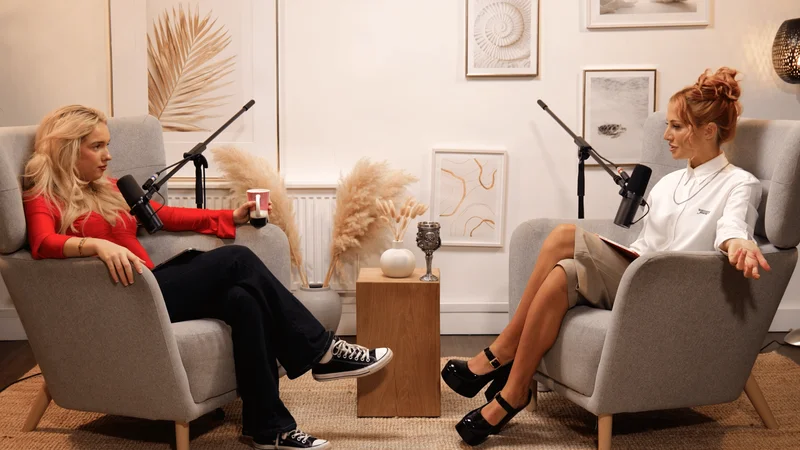
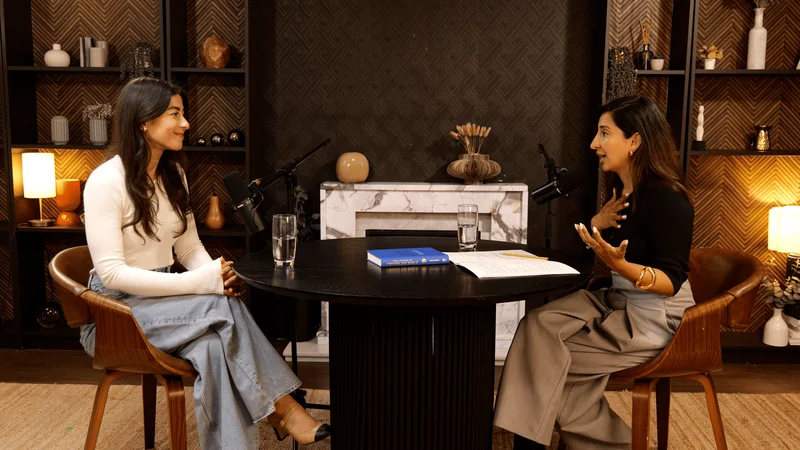
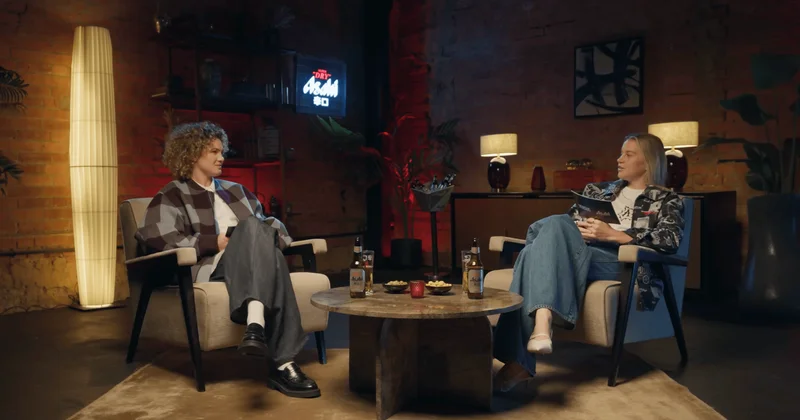
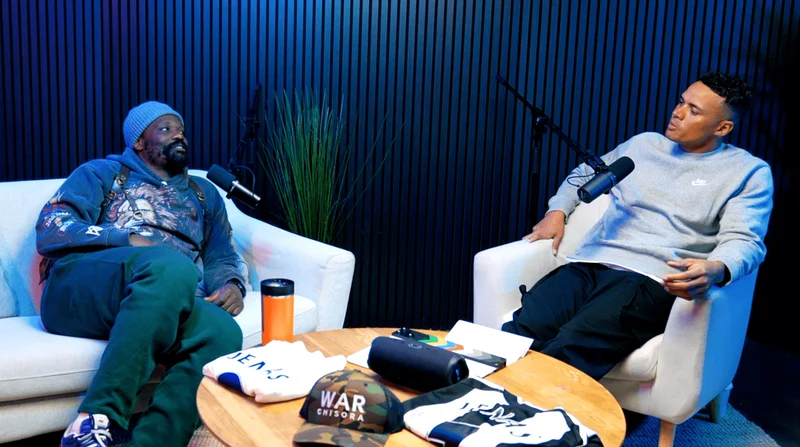
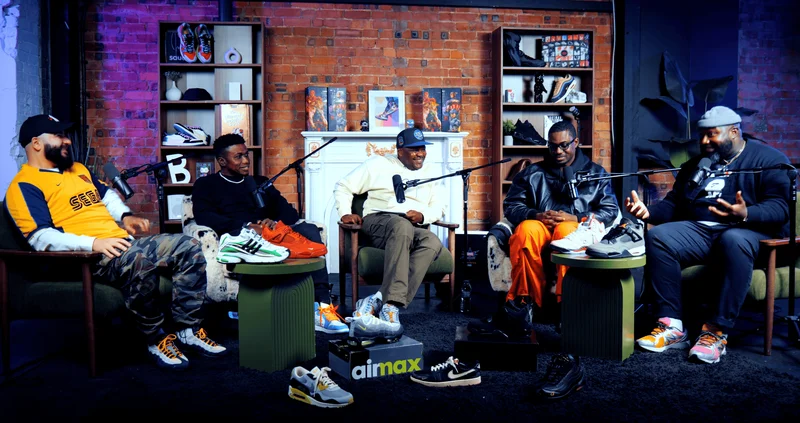
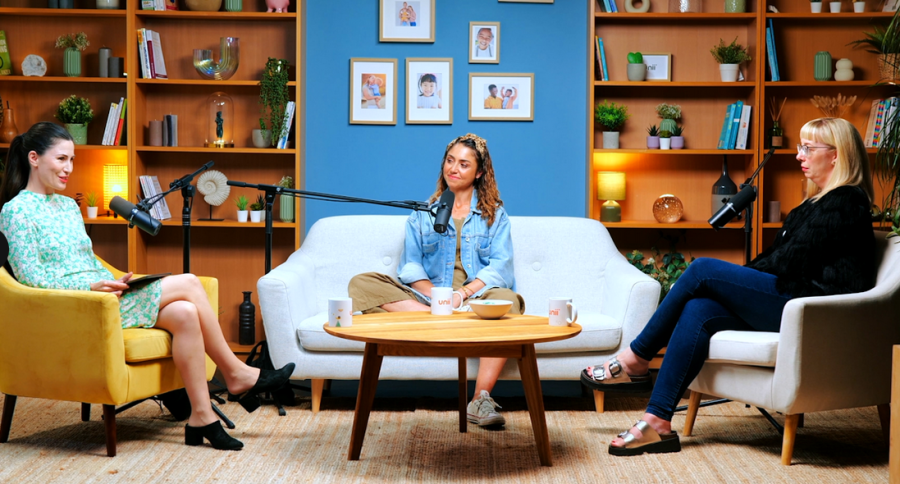
In 4K, every detail is visible. A blank white wall feels sterile, but a messy shelf looks amateur. A high-end video studio provides customizable sets that reinforce your brand authority.
The Visual Checklist:
Depth: Does the room allow enough distance between the subject and the background to create a pleasing depth of field (that blurry background look)?
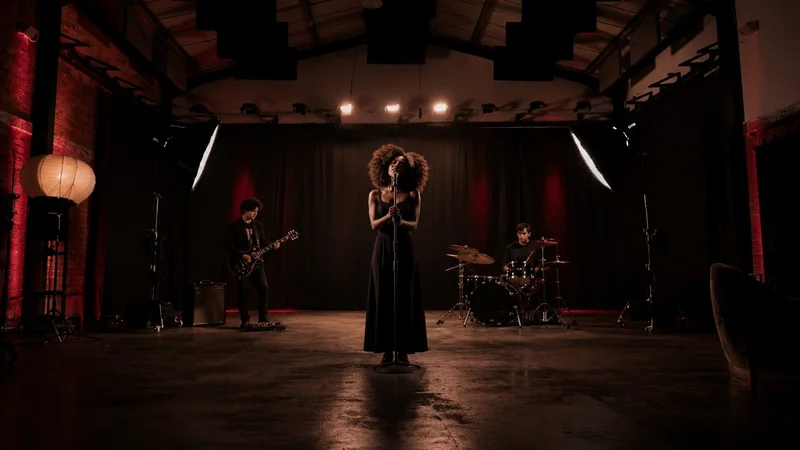
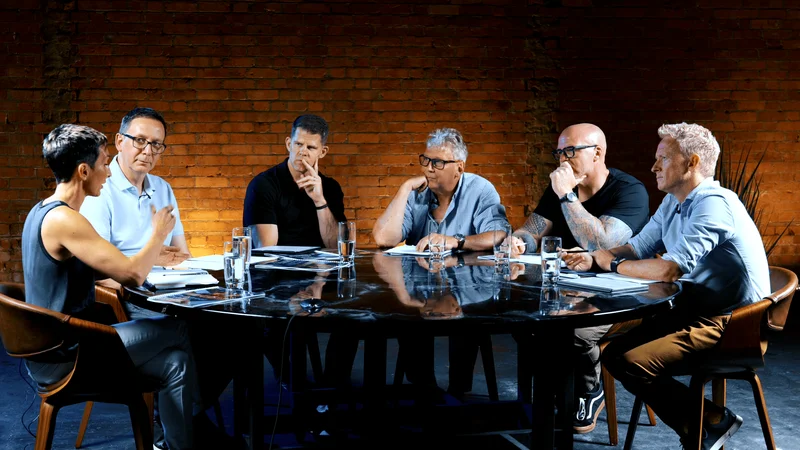
Texture: Are there interesting textures (brick, wood slats, acoustic foam, RGB lighting) that pop on camera?
Furniture: Are the chairs comfortable for a 60-minute sit-down, and importantly, are they silent (no squeaking when guests move)?
2. Camera Specification: True 4K Cinema Quality
To stand out in the saturated London podcast production market, the image quality must be pristine. We aren't talking about webcams; we are talking about cinema-grade technology.
When touring a studio, look for the following specifications:
The Sensor Size Matters
You want cameras with Large Format or Super 35 sensors (such as the Sony FX6, FX3, or Canon C70).
Benefit: larger sensors capture more light and dynamic range, giving your podcast that rich, cinematic "Netflix" look rather than a sterile "News Broadcast" feel.
Lens Selection
Glass is just as important as the camera body.
Fast Primes: Lenses with apertures like f/1.4 or f/1.8 allow for beautiful subject separation.
Focal Lengths: A standard 3-camera setup usually requires a wider lens for the master shot (24mm or 35mm) and tighter lenses (50mm or 85mm) for the individual close-ups of the host and guest.
The 4K Workflow
Ask the studio about their recording formats.
LOG Profile: Professional studios should record in "LOG" (S-Log3 or C-Log). This creates a flat, desaturated image initially but retains massive amounts of colour data for grading in post-production.
10-bit Colour: This ensures smooth gradients (no banding in the shadows or on walls) and accurate skin tones.
Pro Tip: Ask if the studio supports "Multicam Sync." This ensures that when the editor cuts between cameras, the lips match the audio perfectly on every single frame.
3. Lighting: The Art of Painting with Light
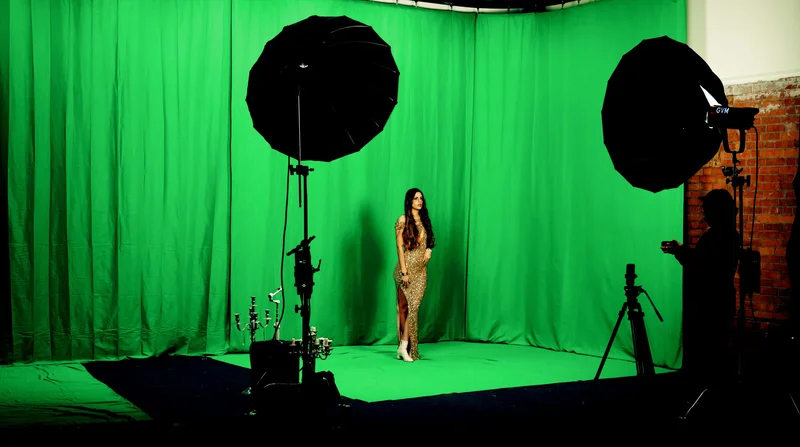
Lighting is what separates a video studio from a meeting room. In 4K, poor lighting introduces "noise" (grain) into the shadows.
The Three-Point Setup
A professional setup will utilize a modified three-point lighting system for each speaker:
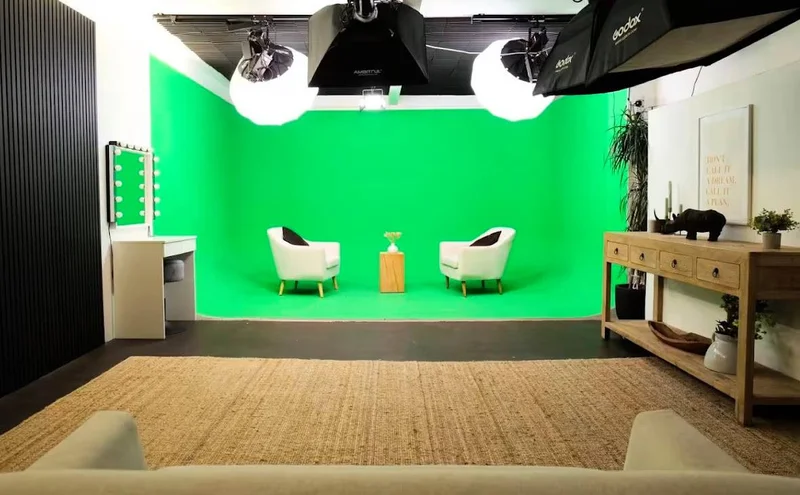
Key Light: The main source, usually soft and diffused (using large softboxes) to wrap around the face flatteringly.
Fill Light: Fills in the shadows created by the key light to prevent high-contrast "drama" (unless that's the vibe you want).
Backlight (Hair Light): A light placed behind the subject to separate them from the background. This is crucial for the 3D look.
RGB and Practical Lighting
Modern podcast studios use smart lighting (like Aputure or Godox systems) that can change colour instantly.
Branding: If your brand colours are teal and orange, the studio should be able to wash the background walls in those exact hues using RGB LEDs.
Practicals: These are visible lights in the shot (like a desk lamp or neon sign) that add vibe and authenticity to the frame.
4. Audio Engineering: The Heartbeat of the Podcast
Never forget: viewers will tolerate a slightly grainy video, but they will click off immediately if the audio is bad. In a recording studio environment, the audio chain is critical.
The Industry Standard Microphones
There is a reason you see the Shure SM7B or the Electro-Voice RE20 in almost every top-tier podcast (from Joe Rogan to The Diary of a CEO).
Rejection: These dynamic microphones are excellent at rejecting off-axis noise.
Proximity Effect: They give that rich, "radio voice" warmth that listeners love.
The Signal Chain
It’s not just the mic; it’s where the cable goes.
Cloudlifters/Preamps: Low-output mics like the SM7B need clean gain to avoid hiss.
The Interface: High-quality interfaces (like Universal Audio or RØDECaster Pro II) ensure the conversion from analogue to digital is flawless.
5. Production Workflow: Live Switching vs. Post-Production
When looking for studio hire London options, you need to decide on your workflow. Do you want to walk out with a finished file, or do you want maximum control in editing?
Option A: The Live Cut (Video Podcast)
Using a switcher (like the Blackmagic ATEM series), a producer cuts between camera angles live as you speak.
Benefit: fast turnaround. You can technically upload the file the same day.
Drawback: If a cut is missed, it's "baked in" (though ISO recording can solve this).
Option B: ISO Recording (Post-Production Heavy)
The studio records every camera and every microphone to separate files.
Benefit: absolute control. Your editor can choose exactly when to cut to a reaction shot or fix a cough in the audio.
The 4K Demand: Note that 4K ISO files are massive. A one-hour, 3-camera shoot can easily generate 200GB+ of data. Ensure you bring a high-speed SSD (Samsung T7 or SanDisk Extreme) to transport your footage.
6. The "London" Logistics: Why Hire Instead of DIY?
You might be tempted to buy gear and set up in your office. Here is why studio hire London is often the smarter business move.
The Cost of Ownership vs. Access
To replicate a professional studio setup (3x Sony FX6s, premium lenses, Aputure lighting, soundproofing, and acoustic treatment) would cost upwards of £30,000. Renting a studio gives you access to this gear for a fraction of the price.
The Engineer
A professional studio comes with a technician. This is the ultimate luxury.
They monitor levels so you don't have to.
They spot if focus drifts.
They handle the file transfers.
Result: You focus entirely on your guest and your content, not the battery levels.
Location and Hospitality
In a city as sprawling as London, location is key for getting high-profile guests. A central studio with good transport links (near major Tube lines or Crossrail) ensures your guests arrive relaxed, not stressed by the commute.
Amenities: Does the studio have a green room? High-speed Wi-Fi for live streaming? Excellent coffee? These details matter when hosting VIPs.
Frequently Asked Questions (FAQ)
Here are the most common questions we receive regarding London podcast production and studio specifications.
1. Do I really need 4K if most people watch on mobile?
Yes. Even if viewers watch in 1080p, filming in 4K allows you to "punch in" (crop) the image without losing quality. This creates extra camera angles from a single camera, adding dynamism to your edit. Furthermore, 4K "future-proofs" your content.
2. What should I bring to the studio?
Typically, just your guests and your talking points! However, for video files, we highly recommend bringing a formatted, high-speed USB-C SSD drive (minimum 1TB) so you can take your raw footage with you immediately.
3. Can you handle live streaming and recording simultaneously?
Absolutely. A robust video studio will have a dedicated hardline internet connection (avoiding patchy Wi-Fi) to stream to YouTube Live, LinkedIn, or Twitch in 1080p while simultaneously recording the pristine 4K files to disk for later editing.
4. How much does a podcast studio hire in London cost?
Prices vary based on location and specs. In London, dry hire (space only) can start from £60/hour, while full video production packages (with engineer, 4K cameras, and lighting) typically range from £150 to £300+ per hour. Always check if "file transfer time" is included in your booking slot.
Conclusion: Ready to Elevate Your Content?
The difference between a "hobbyist" podcast and a "broadcast" production often comes down to the environment in which it is created. In a competitive market like London, audience retention is driven by quality. Crystal clear audio, flattering lighting, and sharp 4K visuals signal to your audience that your content is authoritative and worth their time.
Don't let technical limitations hold back your creativity. By choosing a professional facility, you solve the problems of noise, lighting, and workflow instantly.
Are you ready to record your masterpiece? Book a tour of our state-of-the-art London podcast studio today to see how we can bring your vision to life in flawless 4K.