The Ultimate Guide to Starting a Podcast in London

The Ultimate Guide to Starting a Podcast in London

Why a Professional Podcast Studio is Your First Step to Success

Table of Contents


Part I: The Strategic Imperative of Audio Excellence


Introduction: Beyond the Microphone - Winning in a Saturated Market


The modern podcasting landscape is a testament to the power of the human voice, a sprawling, vibrant ecosystem of ideas, stories, and expertise. It is also, by every objective measure, an intensely competitive arena. The barrier to entry has never been lower, resulting in a proliferation of content that makes discoverability the single greatest challenge for any new creator.1 In this environment, the conventional wisdom of "just grab a mic and start talking" is no longer a viable strategy for success; it is a recipe for being lost in the noise. The fundamental question for an aspiring podcaster in 2025 is not simply "What is my message?" but "How can I ensure my message is heard and respected?"

The answer lies in a paradigm shift. The first, most critical decision a new creator must make is not about content, but about quality. Listener expectations have evolved dramatically. Audiences, now accustomed to professionally produced content from major networks and established creators, have an increasingly low tolerance for subpar audio.3 Poor sound quality—characterized by echo, background noise, and inconsistent volume levels—is no longer perceived as a charmingly amateur quirk. It is an immediate signal of a lack of professionalism and a primary reason for listener abandonment. A show's audio fidelity is its first impression, and in a market of infinite choice, there are no second chances. This guide posits a clear, strategic argument: for the serious creator aiming to build a credible brand and a loyal audience, the initial investment in a professional podcast studio is not a luxury to be considered later, but a foundational, non-negotiable first step. It is the most direct path to overcoming the market's saturation and establishing a voice that commands attention from the very first second.


The Ultimate Guide to Starting a Podcast in London - 1


Deconstructing the "DIY First" Myth: The Hidden Costs of a Home Setup


The prevailing advice for aspiring podcasters has long been to start small, with a modest Do-It-Yourself (DIY) home setup. This counsel, while well-intentioned and rooted in a desire to make podcasting accessible, is dangerously outdated. It fails to account for the two most critical and finite resources for any new creator: time and momentum. The "DIY first" approach, in its attempt to minimize initial financial outlay, inadvertently imposes a heavy tax on both, creating significant barriers to the consistency and quality required for growth.


The Time Sink of Technical Proficiency


The underestimation of the time commitment required for self-production is the most significant flaw in the DIY model. The process extends far beyond the duration of the recording itself. It encompasses a steep and often frustrating learning curve in the complex field of audio engineering.5 First-hand accounts from podcasters reveal a staggering time investment in post-production. It is common for creators to spend two to eight hours editing for every single hour of recorded content.7 For more complex, narrative-driven shows, this figure can skyrocket to as much as 250 hours for a single episode.7

This time is consumed by a series of tedious and technically demanding tasks: meticulously removing filler words ("ums," "ahs") and awkward pauses; eliminating background noise from traffic, appliances, or neighbors; balancing inconsistent audio levels between hosts and guests; and applying equalization (EQ) and compression to achieve a semblance of professional polish.2 Each of these steps requires not only time but also a developed skill set that most new creators do not possess.5 This immense time expenditure represents a direct opportunity cost. Every hour spent wrestling with a Digital Audio Workstation (DAW) like Audacity or Adobe Audition is an hour not spent on what truly drives growth: planning compelling content, engaging with the community, and promoting the show.11


The Momentum Killer: "Podfading" and Technical Burnout


The initial excitement of launching a new project is a powerful but fragile force. The technical hurdles inherent in a DIY setup are a primary cause of its dissipation, leading directly to the phenomenon known as "podfading"—the all-too-common fate of podcasts that cease production after only a handful of episodes.12 The constant struggle to achieve acceptable audio quality in an acoustically untreated home environment is a battle of attrition.10 Creators find themselves fighting against the physics of their own rooms, where sound waves bounce off hard surfaces, creating echo and reverb that are difficult and time-consuming to mitigate in post-production.14

This technical frustration is a significant contributor to creator burnout.1 The repetitive, detail-oriented nature of editing, combined with the often-disappointing results from a home setup, can quickly extinguish the passion that initiated the project. The creator's energy becomes diverted from the joy of creation to the chore of technical problem-solving. This is a critical failure point. A podcast's success is built on consistency and longevity, allowing it time to find and cultivate an audience.1 By creating a high-friction production process from the outset, the DIY model actively works against this goal, killing momentum long before a show has a fair chance to succeed.


The Professional Advantage: The Compelling ROI of Studio Production


The alternative to the high-friction, time-intensive DIY path is to reframe the use of a professional studio not as an operational expense, but as a strategic, front-loaded investment in quality, efficiency, and longevity. For a modest hourly fee, a creator gains immediate access to an ecosystem of resources that would cost thousands of pounds and hundreds of hours to replicate. This approach fundamentally alters the production equation, liberating the creator from the role of amateur technician and empowering them to perform as a professional host.


Instant Access to the "Three Pillars" of Quality


A professional studio rental provides a turnkey solution that addresses every major shortcoming of a home setup, built upon three foundational pillars:

  1. Acoustically Perfect Environments: Professional studios are purpose-built spaces, meticulously designed and constructed for one purpose: to capture clean, pure sound. Through soundproofing and acoustic treatment, they eliminate the two primary enemies of high-quality audio: external background noise and internal echo (reverberation).4 This controlled environment ensures that the recording is pristine at the source, drastically reducing the need for corrective post-production and delivering a level of clarity that is virtually impossible to achieve in a typical domestic setting.15

  2. Broadcast-Grade Equipment: Studio clients gain access to an arsenal of high-end, industry-standard equipment. This includes legendary microphones like the Neumann U 87 or the Shure SM7B (a podcasting staple), professional audio interfaces from brands like Focusrite, and sophisticated mixers like the Rodecaster Pro II.17 This equipment, which represents a significant capital investment, is maintained and optimized by the studio, ensuring it performs flawlessly for every session.

  3. On-Site Professional Expertise: This is arguably the most valuable and transformative component of the studio experience. The majority of professional studios include the services of an experienced sound engineer in their rental fee.22 This professional handles all technical aspects of the recording session: setting up microphones, adjusting gain levels for optimal sound capture (gain staging), advising on proper mic technique, and troubleshooting any issues in real-time.4 This completely removes the technical burden from the creator. Instead of worrying about audio levels and software settings, the host can dedicate 100% of their focus and energy to delivering their content and engaging with their guests.

The studio fee is not merely a payment for renting a room; it is a direct purchase of time, expertise, and momentum. The immense time sink of DIY post-production is the primary bottleneck for new creators, and the frustration it causes is the leading driver of burnout. By leveraging a professional studio, a podcaster effectively outsources this entire complex and time-consuming process. A fee of £150 for a professional session does not just secure a broadcast-quality recording; it buys back the 5-10 hours that would have been lost to editing and eliminates the very source of technical friction that causes so many promising podcasts to fail. The return on this investment is measured not in the cost savings on equipment, but in the dramatically increased probability of the podcast surviving its crucial first six months and achieving the consistency necessary for growth.


Part II: The Production Decision Framework: A Cost-Benefit Analysis


To make a truly informed decision, it is essential to move beyond abstract pros and cons and conduct a rigorous, data-driven comparison of the two primary production paths. This analysis will quantify the true costs—both financial and temporal—associated with establishing a capable home studio versus utilizing a professional London studio for batch recording sessions.


The True Cost of a "Good Enough" Home Studio


The notion of a "cheap" home studio is often misleading. While it is possible to begin with minimal gear, achieving a level of quality that can compete in the current market requires a considered investment in specific equipment. Moving beyond the "record on your phone" advice, a capable intermediate setup represents a significant upfront capital expenditure.14

An itemized breakdown for a respectable home studio would include:

  • Microphone: The choice between a high-quality USB microphone and a more professional XLR setup is a key decision point.

  • USB Option: Shure MV7 (USB/XLR hybrid) - approx. £250

  • XLR Option: Rode PodMic - approx. £99

  • Audio Interface (Required for XLR mics): This device converts the analog signal from the microphone to a digital signal for the computer.

  • Standard Choice: Focusrite Scarlett 2i2 - approx. £190 18

  • Headphones: Closed-back headphones are essential for monitoring audio during recording without the sound bleeding into the microphone.

  • Industry Standard: Audio Technica ATH-M20x or Sony MDR7506 - approx. £60-£100 17

  • Microphone Accessories: A boom arm and pop filter are non-negotiable for proper mic positioning and preventing plosive sounds ('p' and 'b' sounds).

  • Professional Choice: Rode PSA1+ Boom Arm and a quality pop filter - approx. £150 18

  • Acoustic Treatment: To mitigate echo and reverb in a home environment, basic acoustic treatment is necessary.

  • Starter Pack: Acoustic foam panels or heavy blankets - approx. £80-£100 14

The total initial financial outlay for a credible intermediate home studio ranges from approximately £540 for a high-end USB setup to over £700 for an entry-level XLR configuration.

Beyond this financial cost lies the hidden "time tax." Based on numerous podcaster accounts, a beginner can realistically expect to spend a minimum of 4-6 hours per episode on the entire production process, including setup, recording, editing, and mastering.6 For a weekly 30-minute podcast, this commitment quickly adds up to

16-24 hours per month—a significant portion of a work week dedicated solely to technical production.


The Value Proposition of a London Studio Rental


In contrast, the professional studio model shifts the financial structure from a large upfront capital expenditure to a predictable operational expense. The London market offers a wide range of options, with the "sweet spot" for professional, fully-equipped studios falling between £70 and £150 per hour.22 This hourly rate should be viewed as an all-inclusive production package. It typically covers the acoustically treated space, access to thousands of pounds worth of equipment, the invaluable expertise of an on-site engineer, and the delivery of professionally recorded, clean audio files, often within 24-72 hours of the session.22

The true power of this model is unlocked through the strategy of batch recording. Instead of recording one episode at a time, a creator can book a single, longer studio session to produce multiple episodes at once. This approach dramatically enhances both time and cost efficiency. For example, a single 3-hour session at a studio charging £120 per hour would cost a total of £360. In that time, a well-prepared creator can easily record a full month's worth of weekly episodes (four 30-45 minute shows). This transforms the production workflow from a weekly grind into a focused, monthly creative burst, providing a consistent content pipeline for a predictable cost.


Table 1: The Production Decision Matrix: DIY Setup vs. Professional Studio Session


The following table provides a direct, quantitative comparison of the two production paths, evaluated over the course of producing the first four episodes of a podcast. This matrix is designed to move the decision beyond a simple cost comparison to a strategic evaluation of which path offers a better return on investment for a creator's specific goals, resources, and time.

Metric

Path 1: DIY Home Studio (Intermediate Setup)

Path 2: Professional London Studio (Batch Recording)

Upfront Financial Cost

~£700 (Equipment Purchase)

£0

Operational Cost (First 4 Episodes)

£0

~£360 (One 3-hour session)

Audio Quality Ceiling

Good, but fundamentally limited by room acoustics and user skill.

Broadcast Standard. Professionally engineered and mastered.

Required Technical Skill

High. Requires proficiency in DAW software, mixing, noise reduction, and mastering.

Low. The creator's primary focus is on content and performance.

Time Investment (First 4 Episodes)

~24 hours (Initial setup, learning curve, recording, and extensive editing).

~5 hours (Content preparation and the 3-hour recording session).

Speed to Market

Slow. The learning curve and editing process can delay the launch by weeks.

Fast. A month's worth of content can be professionally recorded in a single afternoon.

Risk of Burnout / Podfading

High. Technical frustrations and the heavy time commitment are primary drivers of quitting.

Low. The process is streamlined, efficient, and rewarding, fostering momentum.

This matrix clarifies the strategic trade-off. The DIY path requires a significant upfront investment in both capital and time, with a high risk of burnout before a quality product is consistently achieved. The professional studio path eliminates the upfront equipment cost and drastically reduces the time investment, guaranteeing a broadcast-quality product from day one for a predictable operational fee. For the creator who values their time and wants to maximize their chances of long-term success, the studio approach presents a far more compelling and sustainable model.

The Ultimate Guide to Starting a Podcast in London - 2


Part III: Navigating the London Studio Landscape: A Market Intelligence Report


London boasts a mature and diverse ecosystem of podcast studios, catering to every level of creator, from independent hobbyists to major corporate brands. Understanding this landscape is key to selecting a partner that aligns with a project's budget, technical requirements, and creative ambitions.


Mapping London's Podcast Hubs: An Ecosystem Overview


The city's podcast production facilities are often clustered in key creative districts, each with its own distinct character. Major hubs include the vibrant and tech-focused areas of Shoreditch and Hoxton in East London, home to innovative players like Acast Studios and Premiere Podcast Studios.22 The area around

London Bridge offers centrally located, professional options such as Outset Studio 29, while areas like

Whitechapel provide accessible and well-equipped facilities like London Podcast Studios.27

To navigate the market effectively, it is useful to categorize studios into distinct tiers based on their services and pricing:

Need a London podcast studio for your shoot? Same-day availability · Reply within 1 hour
  1. Budget-Friendly & Independent Studios (£35-£70 per hour): These studios, often found on aggregator sites like Tagvenue, provide the essential tools for quality recording.26 They are typically smaller, may be audio-only, and might not always include a dedicated engineer as standard. They represent an excellent option for solo creators on a tight budget or those looking to record a pilot episode before committing to a larger investment.

  2. Professional Mid-Range Studios (£70-£150 per hour): This tier represents the sweet spot for the majority of serious creators and businesses. Studios in this category, such as London Podcast Studios and Premiere Podcast Studios, typically offer a comprehensive package that includes an on-site engineer, high-quality 4K video recording options, and broadcast-grade audio equipment. They provide the perfect balance of professional quality, expert support, and value.22

  3. Premium & Concierge Studios (£150+ per hour or half/full-day rates): At the top end of the market are world-class facilities like TYX Studios and the larger offerings from Acast.19 These studios provide a full concierge experience, featuring multi-camera setups, customizable sets, spacious control rooms, and access to a full suite of post-production services. They are designed for established podcasts, high-profile interviews, and brands executing large-scale content strategies


Part IV: The Podcaster's Playbook: From First Recording to Global Distribution


With the strategic decision made to utilize a professional studio, the focus shifts to execution. This playbook provides a comprehensive, step-by-step guide to the entire podcast creation lifecycle, optimized to extract the maximum value from a professional production environment.


Phase 1: Pre-Production Mastery - Maximizing Your Studio Investment


The time spent in a professional studio is valuable. Meticulous preparation is the key to ensuring not a single minute or pound is wasted. This pre-production phase is where the foundation for a successful recording session is laid.


Solidifying Your Concept (The PATH Framework)


Before booking any studio time, it is imperative to have a crystal-clear strategic concept for the show. The PATH framework provides an excellent structure for this process 30:

  • Purpose: Define the "why" behind the podcast. Is it to build a personal brand, generate leads for a business, educate an audience, or simply entertain? A clear purpose will guide every content decision.30

  • Audience: Create a detailed avatar of the ideal listener. Who are they? What are their interests, challenges, and "pain points"? This focus ensures the content remains relevant and engaging for the target demographic.12

  • Topic: Narrow down the subject matter. A specific, niche topic is far more likely to attract a dedicated audience than a broad, generic one. The goal is to become the go-to resource for a particular sub-category.12

  • Hallmark: Determine the show's unique selling proposition (USP). What makes this podcast different from the hundreds of others in the same category? This could be a unique format, a specific personal perspective, exceptional production quality, or a focus on a particular outcome for the listener.30


Choosing Your Format and Structure


The show's format should align with the content and the host's strengths. The most common formats are the Solo (Monologue) show, the Co-hosted conversation, and the Interview-based show.30 A solo show can be efficient to produce, while a co-hosted show can create dynamic chemistry. An interview show is excellent for bringing in outside expertise and leveraging a guest's audience for growth.30 The chosen format will directly impact studio logistics, such as the number of microphones and cameras required.

Decisions on episode length and release structure should also be made during this phase. While episode lengths vary, consistency is key.12 Adopting a

seasonal structure—releasing a batch of 8-12 episodes as a "season" followed by a short break—can be highly effective. It creates anticipation for listeners, allows the creator to take breaks to avoid burnout, and makes the back catalog more organized and accessible.30


Branding and Assets


A strong brand identity is crucial for standing out in podcast directories. Before the first recording, the following assets should be developed:

  • Podcast Name: The name should be memorable and, ideally, descriptive of the show's content to aid in searchability. A clever name can work but should be paired with a descriptive tagline.12

  • Cover Art: This is the podcast's visual handshake. It must be a minimum of 1400×1400 pixels and a maximum of 3000×3000 pixels, in JPEG or PNG format. The design should be simple and bold, with large, legible text that is clear even at thumbnail size.12

  • Intro/Outro Music: A short, professional music theme adds a layer of polish. Subscription music sites offer vast libraries of royalty-free options.30


Outlining and Scripting


Arriving at a studio session without a clear plan is the most common way to waste time and money. While a word-for-word script can sound unnatural, a detailed bullet-point outline is essential.12 This outline serves as a roadmap for the episode, ensuring all key talking points are covered in a logical sequence. For interview shows, sharing this outline with the guest beforehand is a professional courtesy that allows them to prepare, resulting in a much deeper and more engaging conversation.32

The Ultimate Guide to Starting a Podcast in London - 3


Phase 2: The Professional Recording Session - A Creator's Guide


Walking into a professional studio for the first time can be intimidating. However, understanding the process and the creator's role can make it a smooth and highly productive experience.


What to Expect


The session typically begins with a brief consultation with the on-site engineer. They will discuss the plan for the episode, confirm the number of participants, and set up the required microphones and headphones. A soundcheck will follow, where each speaker will talk into their microphone so the engineer can set the proper input levels (gain) to ensure a clean, distortion-free recording. Once levels are set, the engineer will signal to begin recording. Throughout the session, they will monitor the audio, making subtle adjustments and managing the technical side so the creator doesn't have to.24 It is crucial to communicate any specific expectations or creative ideas to the technical team beforehand to ensure they can facilitate the vision for the show.4


The Creator's Role


With the technical complexities entirely managed by the engineer, the creator is liberated to focus on a single, vital task: performance. This involves delivering the prepared content with energy and clarity, actively listening to co-hosts or guests, and guiding the conversation according to the outline. The studio environment is designed to eliminate distractions and empower the host to be fully present in the moment, resulting in their best possible delivery.


Phase 3: Post-Production and Publishing - The Final Mile


The work of the professional studio continues long after the recording session ends. The post-production process is where the raw recording is transformed into a polished, broadcast-ready final product.


The Role of the Audio Engineer


The raw audio files captured during the session are just the beginning. The engineer, or a dedicated post-production team, will then undertake the critical tasks of editing and mastering.9 This process includes:

  • Cleaning the Audio: Removing any unwanted sounds, coughs, or significant mistakes.

  • Balancing Levels: Ensuring that the volume of all speakers is consistent and that any music or sound effects are mixed appropriately.

  • Applying EQ and Compression: These tools are used to shape the tonal quality of the voices, adding clarity and warmth, and to control the dynamic range, making the overall volume more consistent.2

  • Mastering: The final step is to master the episode to industry standards. This involves setting the final loudness level, typically to −16 LUFS (Loudness Units Full Scale), which is the standard for most podcast platforms. This ensures the episode's volume is consistent with other professional podcasts, so the listener doesn't have to adjust their volume control.3

This comprehensive post-production work is a key part of the value proposition of using a professional service, saving the creator dozens of hours and delivering a product that is technically flawless.24


Choosing a Podcast Hosting Platform


Once the final audio file (typically an MP3) is delivered, it needs a home on the internet. A podcast hosting platform is a specialized service that stores the audio files and generates the crucial RSS (Really Simple Syndication) feed. This feed is what allows podcast directories like Apple Podcasts and Spotify to find and distribute the show.30

When selecting a host, several key factors must be considered 34:

  • Ease of Use: The platform should have an intuitive interface for uploading episodes and managing the show.

  • Storage and Bandwidth: The plan must offer enough storage for the planned number and length of episodes, and sufficient bandwidth to handle all listener downloads without issue.

  • Analytics: Robust analytics are vital for understanding audience behavior. The host should provide data on download numbers, listener location, and which apps they use.

  • Distribution: A good host will make it easy to submit the show to all major directories with just a few clicks.

  • Cost: Plans vary, with many excellent options available. Top recommendations include Buzzsprout, which is known for being extremely beginner-friendly, and PodBean, which offers a powerful all-in-one platform with unlimited storage on its paid plans.37

The decision to invest in professional production directly enhances the value derived from a hosting platform's analytics. Hosting services provide detailed data on listener engagement, such as average listening duration and drop-off points.35 However, this data is only meaningful if the audio quality is high. If listeners abandon an episode within the first minute due to poor sound, the analytics will incorrectly suggest the

content is unengaging, when in fact the production was the problem.3 By ensuring broadcast-quality audio from the start, a creator guarantees that listeners are engaging with the content itself. This provides clean, actionable data that can be used to genuinely understand what topics resonate with the audience, making the investment in hosting analytics far more valuable.


Distribution: Submitting to Apple Podcasts and Spotify


The process of submitting a podcast to the major directories is a one-time setup. Once the show is approved, any new episodes uploaded to the host will be distributed automatically.38

The steps are straightforward:

  1. Obtain the RSS Feed URL: Copy the unique RSS feed URL provided by the podcast hosting service.38

  2. Submit to Apple Podcasts:

  • Create an Apple ID if one does not already exist.

  • Log in to Apple Podcasts Connect.40

  • Click to add a "New Show" and select the option to add a show via an RSS feed.

  • Paste the RSS feed URL, review the show's information (title, description, artwork), and complete the required fields for content rights and contact information.40

  • Click "Publish." The show will then go through a brief review process by Apple before appearing in their directory.40

  1. Submit to Spotify:

  • Log in to the Spotify for Podcasters dashboard.

  • Follow the prompts to add a new show by pasting the RSS feed URL.38

  • Spotify will send a verification code to the email address associated with the RSS feed to confirm ownership.

  • Once verified, the show will be added to Spotify's platform.38

By following this playbook, a creator can move efficiently from a well-defined concept to a professionally produced and globally distributed podcast, leveraging the power of a professional studio to build a high-quality foundation for success.


Part V: Building Your Audience: Strategies for Growth and Engagement

Need a London podcast studio for your shoot? Same-day availability · Reply within 1 hour

Creating a professionally produced podcast is the first half of the equation; the second is ensuring it reaches its intended audience. High-quality audio and video assets are not just an end product; they are powerful fuel for a multi-faceted marketing strategy. A polished show makes every promotional effort more effective, as new listeners who discover the content are immediately impressed by its professionalism and are more likely to subscribe and share.


The Ultimate Guide to Starting a Podcast in London - 4


The Launch Sequence: Engineering Initial Momentum


A successful launch requires a strategic plan designed to generate a burst of initial interest and encourage binge-listening. It is highly recommended to have 3-5 full episodes completed and ready to publish on launch day, along with a short (2-3 minute) "Episode Zero" or trailer that introduces the show's concept and host.30 This provides new listeners with a substantial amount of content to engage with immediately, increasing the likelihood they will subscribe.

A phased promotional rollout during the first week can maximize impact without fatiguing the audience 11:

  • Day 1: Publish the episodes and allow for initial organic discovery within the podcast apps.

  • Day 2: Announce the launch to a personal email list or newsletter. This is often the most engaged initial audience.

  • Day 3: Begin posting on the primary social media platform chosen for the podcast.

  • Day 5: If the launch episodes feature guests, this is the ideal time to ask them to share the content with their networks.


Sustainable Growth Levers: From 100 to 10,000 Listeners


Long-term audience growth is built on a foundation of consistent, value-driven promotion. The high-quality assets generated from a professional studio session are central to these efforts.


Content Repurposing: The Ultimate Growth Engine


A single podcast recording session can be the source of weeks, or even months, of promotional content. This strategy of repurposing content is the most efficient way to maximize reach and attract new audiences across different platforms.42 A professional studio session that includes 4K video recording is particularly advantageous here:

  • Short-Form Video Clips: This is the single most powerful tool for podcast discovery in the current social media landscape. Using tools like Riverside's Magic Clips or hiring an editor, key moments, compelling insights, or humorous exchanges from the video recording can be turned into 30-60 second clips for Instagram Reels, TikTok, and YouTube Shorts.11 The professional, multi-camera look from a studio makes these clips far more dynamic and visually appealing than a simple webcam recording.

  • Audiograms and Quote Graphics: For platforms where video is less central, key audio snippets can be turned into audiograms (a static image with an animated waveform) or powerful quotes can be placed on branded templates. These are highly shareable on platforms like LinkedIn and Instagram.11

  • Blog Posts and Transcripts: Publishing a full transcript or a well-written blog post based on the episode's content on a dedicated podcast website is a powerful strategy for Search Engine Optimization (SEO). This allows people searching for the episode's topic on Google to discover the podcast, tapping into a vast new audience pool.42


Strategic Guesting and Collaboration


Leveraging the audiences of others is a proven growth tactic. Inviting guests who are experts in their field and have an established following can introduce the podcast to a new, highly relevant group of potential listeners.42 The professional setting of a studio plays a crucial role here. It signals a high level of professionalism that can help attract high-profile guests. Furthermore, it ensures the guest sounds their best, making them more proud of the final product and thus more likely to share it enthusiastically with their own audience.4 Providing guests with a "media kit" containing pre-made clips, graphics, and suggested social media copy makes it easy for them to promote the episode.42 Similarly, appearing as a guest on other podcasts within the same niche is an excellent way to gain exposure.


Community Building and Social Media


Building a direct relationship with listeners is key to fostering a loyal community. The guiding principle on social media should be to prioritize promotion of value over production of content. Instead of simply posting "new episode out now," posts should lead with a compelling hook, an interesting question, or a valuable takeaway from the episode.11 Engaging directly with comments and messages builds a two-way conversation and earns loyalty. A regular

email newsletter is another vital tool. It provides a direct line of communication to the most dedicated fans, independent of social media algorithms, and is perfect for sharing behind-the-scenes content and announcing new episodes.43


Podcast SEO


Just as websites are optimized for Google, podcasts can be optimized for search within podcast apps and search engines. This involves strategic use of keywords that potential listeners might use to find content on a given topic. These keywords should be included naturally in episode titles and descriptions. For interview shows, always including the guest's name and area of expertise in the title is a simple but effective tactic to capture searches for that individual.42


Conclusion: Your First Step to a Lasting Voice


The journey of a thousand episodes begins with a single recording. In the crowded and competitive podcasting arena of 2025, the nature of that first step is more critical than ever. The decision to start a podcast is, in essence, a decision to build a brand. The most foundational element of any quality brand is a commitment to quality itself.

This guide has presented a clear, data-supported argument that challenges the conventional, budget-first approach to podcasting. The hidden costs of a DIY setup—measured in the steep learning curve, the immense time commitment of post-production, and the high risk of technical burnout—represent a far greater threat to a new podcast's survival than the financial cost of a studio rental.

By choosing to begin in a professional London studio, a new creator makes a strategic investment in their own success. They are not simply renting a room with a microphone; they are purchasing speed, acquiring instant access to broadcast-grade equipment, and leveraging the invaluable expertise of a professional audio engineer. This decision liberates them from the technical burdens that stifle so many projects, allowing them to focus their energy entirely on creating compelling content and connecting with their audience. It is an investment that guarantees a polished, professional product from the very first episode, building credibility and momentum from the outset. In a world saturated with noise, this commitment to excellence is what allows a new voice not just to speak, but to be heard, respected, and remembered. It is the first, and most important, step toward building a voice that lasts.

You have an idea, a passion, and a voice you’re ready to share. Starting a podcast is an exhilarating journey, but the path from concept to launch can feel daunting. Countless online guides will point you towards buying a USB microphone and recording in your spare room. While that advice is well-intentioned, for those serious about making an impact in a competitive market like London, it overlooks the single most crucial first step: securing a professional recording environment.

This guide will walk you through why choosing a dedicated podcast studio in London isn't just a luxury—it's the foundational move that sets you up for success.

The Home Recording Hurdle

The "do-it-yourself" approach is tempting. You buy a microphone, download some free software, and start talking. However, this route is littered with pitfalls that can sabotage your podcast before it even begins:

  • Inconsistent Audio Quality: Your bedroom or office isn't designed for recording. Echoes, reverb, and a hollow sound are common issues that even expensive microphones can't fix on their own.

  • Unpredictable Noise: The reality of recording at home in a city like London means battling unpredictable interruptions. Sirens, neighbours, construction, and even the hum of a refrigerator can ruin a perfect take.

  • The Technical Overload: Suddenly, you're not just a host; you're also an audio engineer. You'll spend hours learning about gain staging, mic placement, and post-production, distracting you from what truly matters: your content.

Listeners are sophisticated, and poor audio quality is the number one reason they abandon a new podcast. Your first impression has to be flawless, which is where a professional studio comes in.

Why a Studio is Your Launchpad

Booking a session at a professional podcast studio is the ultimate shortcut to credibility. It immediately resolves the biggest challenges new podcasters face.

  1. Guaranteed Professional Sound from Episode One: When you record in a purpose-built, acoustically treated studio, your audio will be crisp, clear, and rich. You sound like a seasoned professional from your very first episode, instantly building trust and authority with your audience. This quality is a standard feature at a place like Finchley Studio, where the environment is optimised for perfect sound.

  2. Focus Solely on Your Content: Imagine walking into a room where everything is set up and ready to go. A technical expert handles all the equipment, adjusts your levels, and ensures a flawless recording. Your only job is to be the host—to deliver your message, connect with your co-host, or interview your guest. This freedom to focus on performance is invaluable and results in far more natural and engaging content.

  3. Access to World-Class Equipment: Professional studios provide access to thousands of pounds worth of industry-standard gear without the personal investment. This includes broadcast-quality microphones that suit your voice, 4K cameras for stunning video podcasts, and cinematic lighting that makes you and your guests look your best.

  4. The Ultimate Guest Experience: If your podcast involves interviews, inviting a guest to a professional studio shows respect for their time and signals that you are serious about your project. It’s a comfortable, impressive, and distraction-free environment that allows for a much better conversation.

In a city brimming with creative talent, starting your podcast in a professional Podcast Studio London isn't just about sounding good; it's about positioning yourself for growth from the outset. It’s an investment in quality that pays for itself in listener retention and brand perception.


Elevate Your Podcast at Finchley Studio

Now that you know what defines a professional recording space, the next step is finding a studio that delivers on all fronts. At Finchley Studio, we are dedicated to providing podcasters and content creators with the state-of-the-art facilities and expert support needed to produce exceptional content. We understand the nuances of high-quality production, which is why leading organisations like the BBC and Lloyds Bank trust us with their recording needs. But don't just take our word for it—see what other creators are saying in our Google reviews and on Trustpilot.


We offer a diverse range of meticulously designed sets to perfectly match your brand's aesthetic. Explore our spaces to find your perfect fit:

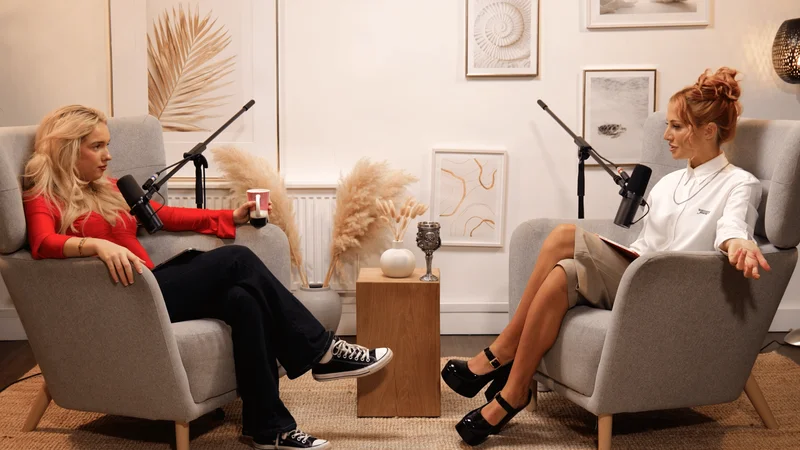
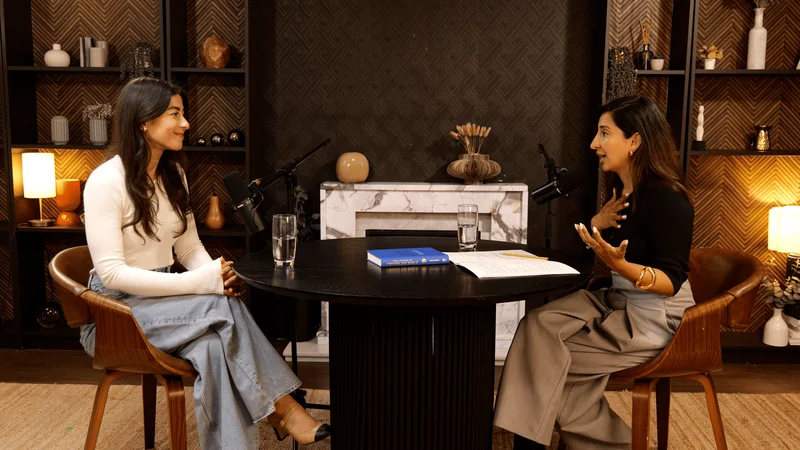
  • Dialogue Room: An intimate space perfect for one-on-one interviews and small group discussions.

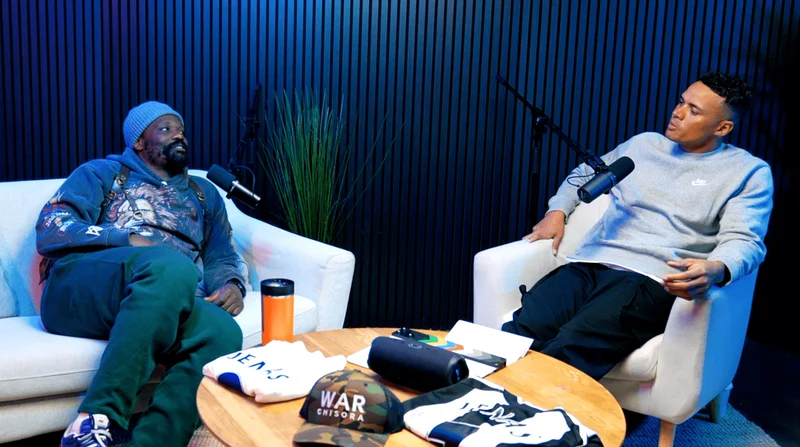
  • Lounge Studio: A relaxed and comfortable setting for casual conversations with up to 5 participants.

  • CEO Set: A premium, sleek backdrop for executive interviews, masterclasses, and expert talks.

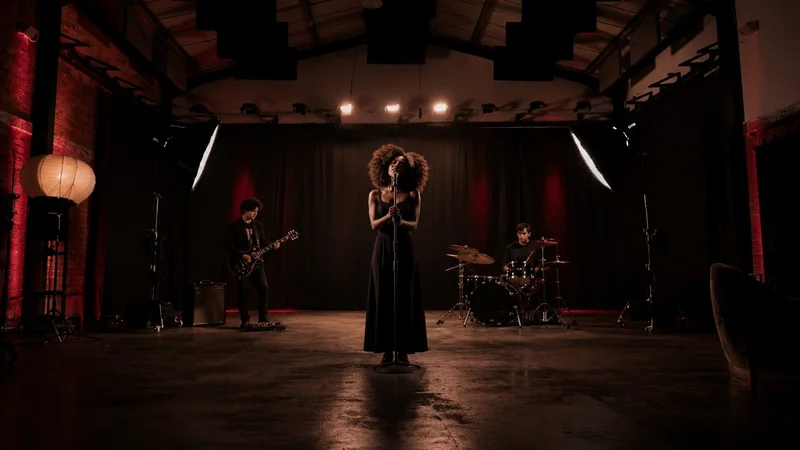
  • Blackwood Studio: A sophisticated and modern set with a striking black wood finish for a cinematic feel.

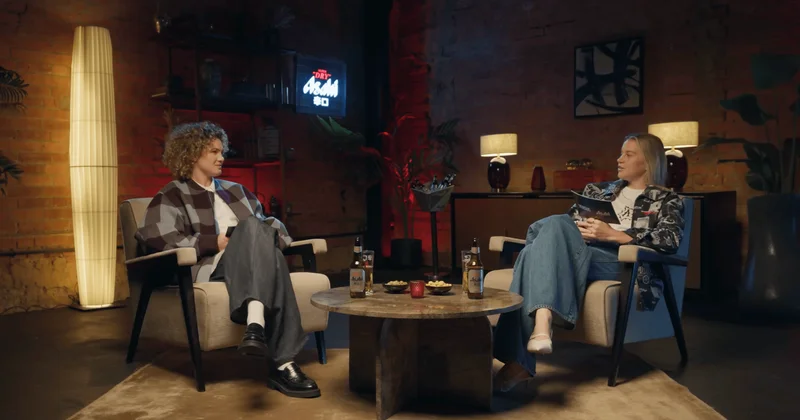
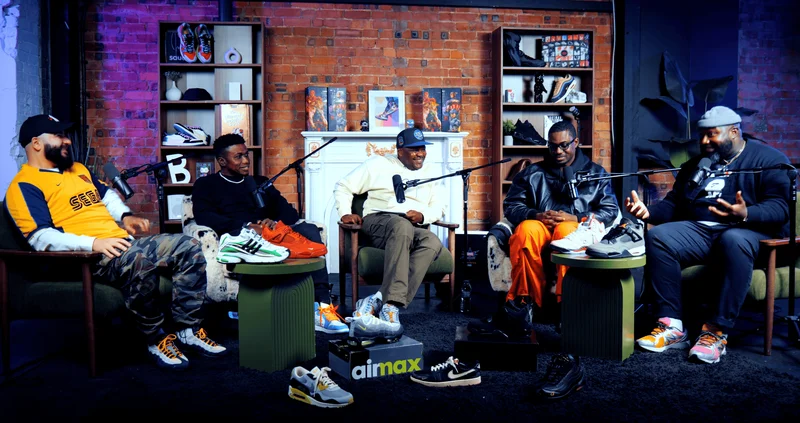
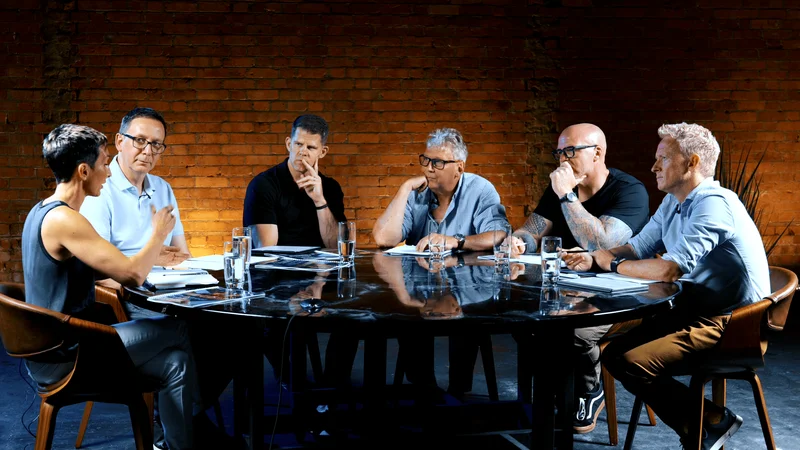
  • The Brick Studio: A versatile warehouse space with authentic brick walls for an industrial-chic aesthetic.

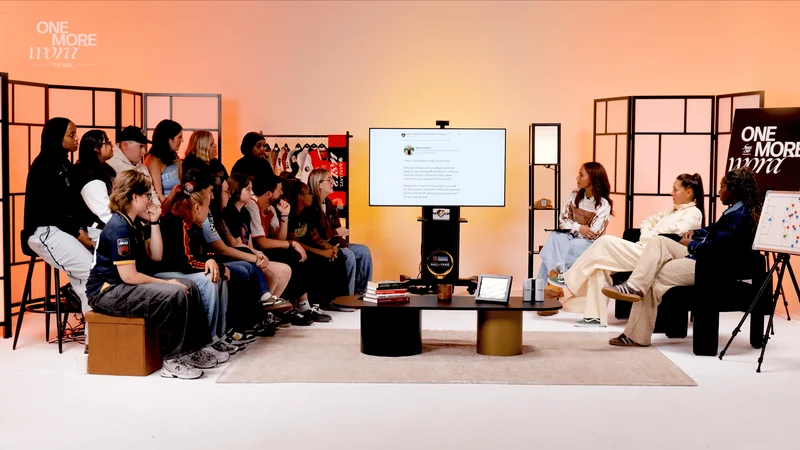
  • Gathering Studio: A professional environment designed for larger roundtable discussions and corporate panels.

  • Blackout Set: A fully controlled dark space for dramatic, high-contrast visuals and creative projects.

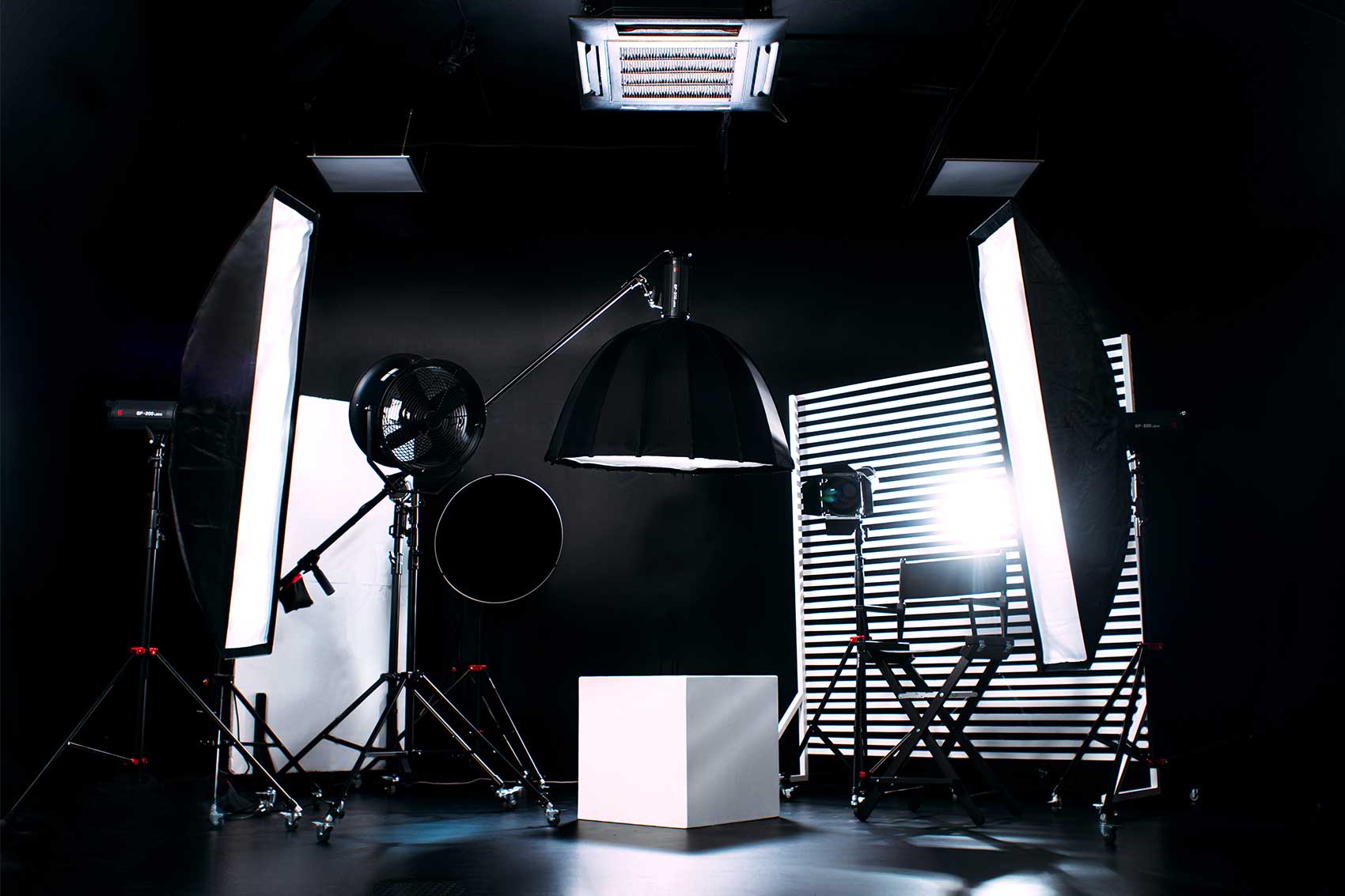
  • White Infinity Cove: A seamless, edge-free backdrop for clean and minimalist product or fashion shoots.

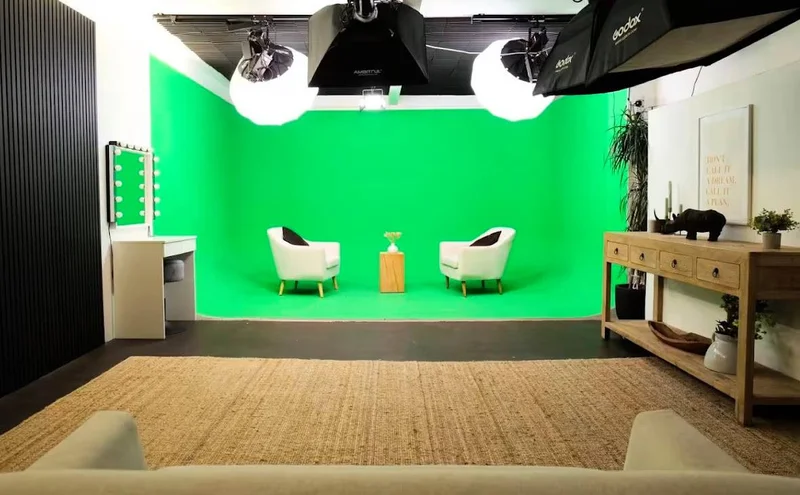
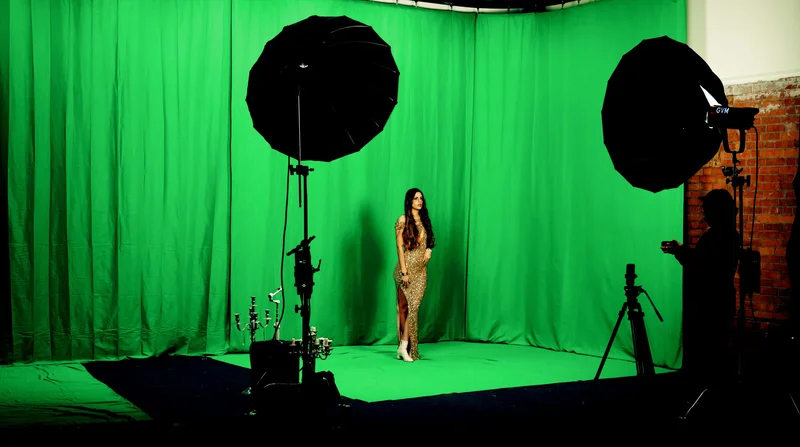
  • Green Screen Cove: A pre-lit curved studio for immersive special effects and virtual backgrounds.

  • Giant Green Screen: One of London's largest green screens for ambitious film, TV, and commercial productions.

To complement your recording, our professional Video Editing Service can transform your raw footage into polished, engaging content ready for any platform. The team at Finchley Studio is here to ensure your vision comes to life seamlessly.

Ready to take your podcast to the next level? See why creators rate Finchley Studio as their go-to production space.

Book your session now!

Find Us Easily: Our studio is conveniently located just a two-minute walk from Finchley Central on the Northern Line and adjacent to the Travelodge London Finchley. We offer one free parking space per booking.

Stay Connected: Follow our journey and see behind-the-scenes content on our social media channels:

Have questions? Check our FAQ or get in touch directly.


Works cited

  1. 80 Podcasting Tips to Start a Successful Podcast [2025] - Buzzsprout, accessed August 28, 2025, https://www.buzzsprout.com/blog/podcasting-tips

  2. Podcast Engineering: A Career Path in the Booming Audio Industry, accessed August 28, 2025, https://future-school.in/blogs/podcast-engineering-a-booming-industry-for-sound-engineers/

  3. Benefits of Professional Podcast Mastering - PodKick, accessed August 28, 2025, https://www.podkick.com/blog/podcast-mastering-professional-benefits

  4. Why Record Your Podcast in a Professional Studio? - IdeaSonora, accessed August 28, 2025, https://ideasonora.com/podcast-2/why-record-your-podcast-in-a-professional-studio/

  5. Home Studio vs. Professional Podcast Studio: Pros and Cons, accessed August 28, 2025, https://theaestudio.co/home-studio-vs-professional-podcast-studio/

  6. How Much Time Does it Take to Run a Podcast? - The Podcast Host, accessed August 28, 2025, https://www.thepodcasthost.com/planning/how-much-time-does-it-take-to-run-a-podcast/

  7. how time consuming is creating and mainting a podcast? how many ..., accessed August 28, 2025, https://www.reddit.com/r/podcasting/comments/1ay3pck/how_time_consuming_is_creating_and_mainting_a/

  8. Podcast Production Planning, Skillsets, and Time Needed - Learning Guild, accessed August 28, 2025, https://www.learningguild.com/articles/podcast-production-planning-skillsets-and-time-needed

  9. Podcast Audio Engineer – Deliver High-Quality Sound, Every ..., accessed August 28, 2025, https://stealthagents.com/podcast-audio-engineer/

  10. DIY Podcast Studio vs. Professional Rental | Lemonade Stand, accessed August 28, 2025, https://www.lemonadestand.org/diy-podcast-room-setup-vs-professional-rental/

  11. Podcast Growth Tips? Promotion, Social Media & Ads Advice Needed - Reddit, accessed August 28, 2025, https://www.reddit.com/r/podcasting/comments/1jpmm93/podcast_growth_tips_promotion_social_media_ads/

  12. How to Start a Podcast: Complete Step-by-Step Guide [2025] - Buzzsprout, accessed August 28, 2025, https://www.buzzsprout.com/blog/how-to-start-a-podcast

  13. Home Podcast Studio vs. Professional Podcast Studio: Which One's ..., accessed August 28, 2025, https://bandbarracks.com/blog/podcast-studio-houston-near-me/

  14. Podcast Equipment Checklist - MACKIE, accessed August 28, 2025, https://mackie.com/en/blog/all/podcast_equipment_checklist.html

  15. Home Studio vs Professional Music Studio | Pirate, accessed August 28, 2025, https://pirate.com/en/blog/home-studio-vs-professional-studio/

  16. Why You Should Rent a Podcast Studio Instead of Recording at Home - HANSA Workspace, accessed August 28, 2025, https://www.hansaworkspace.com/podcast-studio-buffalo/

  17. Best Podcast Equipment for Beginners & Pros in 2025 - All Budgets - Riverside, accessed August 28, 2025, https://riverside.com/blog/podcast-equipment

  18. The Best Podcast Equipment for 2025 - PCMag, accessed August 28, 2025, https://www.pcmag.com/picks/the-best-podcast-equipment

  19. TYX Studios | Podcast, Music & Photography Studios in London, accessed August 28, 2025, https://tyxstudios.com/

  20. Best Podcast Equipment for Beginners & Pros in 2025 - All Budgets, accessed August 28, 2025, https://riverside.fm/blog/podcast-equipment

  21. Podcast Equipment Guide: From Beginners to Pros (2025), accessed August 28, 2025, https://www.nearstream.us/blog/essential-podcast-equipment-guide

  22. Podcast Studio For Hire in Central London | Shoreditch, accessed August 28, 2025, https://premierepodcaststudios.com/

  23. ideasonora.com, accessed August 28, 2025, https://ideasonora.com/podcast-2/why-record-your-podcast-in-a-professional-studio/#:~:text=3.,to%20troubleshoot%20in%20real%2Dtime.

  24. What is Audio Engineering? - Quill Podcasting, accessed August 28, 2025, https://www.quillpodcasting.com/blog-posts/audio-engineering

  25. Best Podcast Equipment & Setup for 2025 - The Podcast Host, accessed August 28, 2025, https://www.thepodcasthost.com/equipment/podcast-equipment-guide/

  26. The 16 Best Podcast Studios for Hire in London | Tagvenue UK, accessed August 28, 2025, https://www.tagvenue.com/hire/podcast-studios/london

  27. London Podcast Studio | Podcast Recording From £69/hr!, accessed August 28, 2025, https://www.londonpodcaststudios.co.uk/

  28. Acast Studios London, accessed August 28, 2025, https://www.acast.com/en/acast-studios-london

  29. Outset Studio | Creative Podcast Studios in London & Manchester, accessed August 28, 2025, https://outsetstudio.com/

  30. How to Start a Podcast: Your Launch Made Simple in 2025, accessed August 28, 2025, https://www.thepodcasthost.com/planning/how-to-start-a-podcast/
  31. How to Plan a Podcast: The Ultimate Guide for Podcasters, accessed August 28, 2025, https://www.cuepodcasts.com/post/how-to-plan-a-podcast

  32. How to Plan a Podcast Episode: 2025 Step-by-Step Guide - Milanote, accessed August 28, 2025, https://milanote.com/guide/podcast-plan

  33. Guide to Podcast Post-Production - Checklist - DINFOS Pavilion, accessed August 28, 2025, https://pavilion.dinfos.edu/Checklist/Article/3066300/guide-to-podcast-post-production/

  34. How To Choose the Best Podcast Hosting Platform For You - Podpage, accessed August 28, 2025, https://www.podpage.com/blog/best-podcast-hosting-platform/

  35. 15 Best Podcast Hosting Platforms for All Budgets (Free to Expensive), accessed August 28, 2025, https://lowerstreet.co/blog/best-podcast-hosting-platforms

  36. Choosing the Right Podcast Hosting Service: Tips for Selection and Setup | Podigee, accessed August 28, 2025, https://www.podigee.com/en/part-8-choosing-the-right-podcast-hosting-tips-for-selection-and-setup/

  37. 7 Best Podcast Hosting for 2025 Compared (Many Are Free) - WPBeginner, accessed August 28, 2025, https://www.wpbeginner.com/showcase/best-podcast-hosting-compared-most-are-free/

  38. How To Publish A Podcast (Beginner's Guide 2025) - Riverside, accessed August 28, 2025, https://riverside.com/blog/how-to-publish-a-podcast

  39. Submitting your show to Apple Podcasts - Spotify Support, accessed August 28, 2025, https://support.spotify.com/us/creators/article/submitting-your-show-to-apple-podcasts/

  40. How to Upload a Podcast to Apple Podcasts [2025] - Buzzsprout, accessed August 28, 2025, https://www.buzzsprout.com/blog/submit-apple-podcasts

  41. Submit a new show - Apple Podcasts for Creators, accessed August 28, 2025, https://podcasters.apple.com/support/897-submit-a-show

  42. Podcast Marketing: 20 Proven Strategies To Grow Your Audience ..., accessed August 28, 2025, https://riverside.fm/blog/podcast-marketing

  43. Podcast Marketing: 20 Proven Strategies To Grow Your Audience [Incl. Free Checklist], accessed August 28, 2025, https://riverside.com/blog/podcast-marketing


Check Availability & Get a Quote

Tell us about your project and we'll get back to you within 1 hour.
Used by 500+ creators, brands & teams Central London studio Same-day availability

Finchley Academy

More Articles
Call Icon Call Best Price Finder Icon Best Price Book Now Icon Book Now Mail Icon Email WhatsApp Logo Whatsapp