The Paradigm Shift: Why Audio Is No Longer Enough
The digital landscape of 2025 has unequivocally shattered the traditional definition of podcasting. What began as an intimate, audio-only medium—a digital resurrection of the wireless radio broadcast—has metamorphosed into a multi-sensory, multimedia juggernaut. For content creators, marketing directors, and brand strategists operating in the hyper-competitive London market, adhering to an "audio-first" mentality is no longer a conservative choice; it is a strategic liability. The convergence of high-definition videography and cinematic editing has birthed a new standard: the "Visual Identity" of a podcast. This identity is not merely a supplemental asset; it is the primary vehicle for discovery, engagement, and brand authority in an algorithm-driven ecosystem.

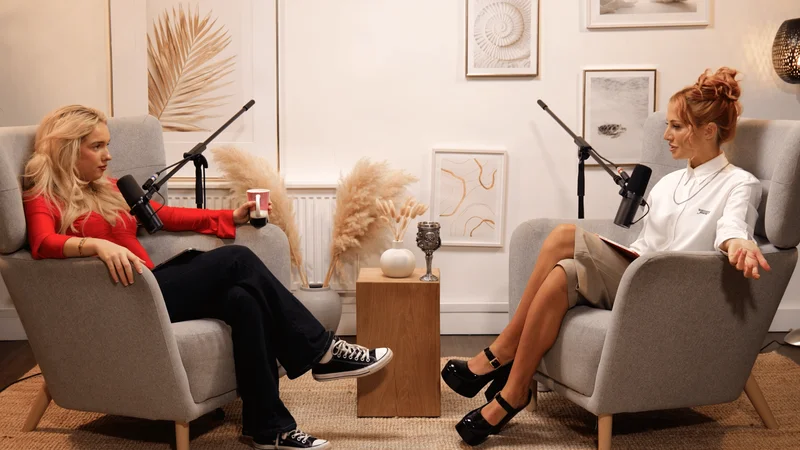
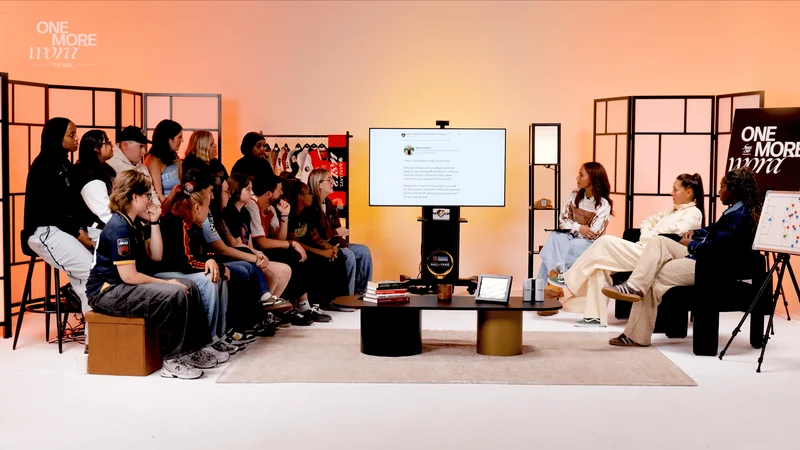
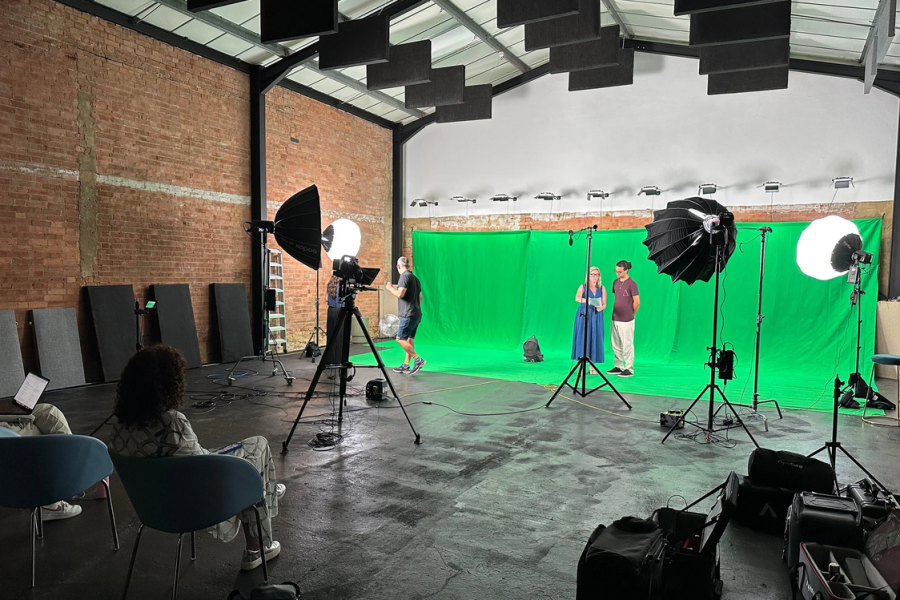
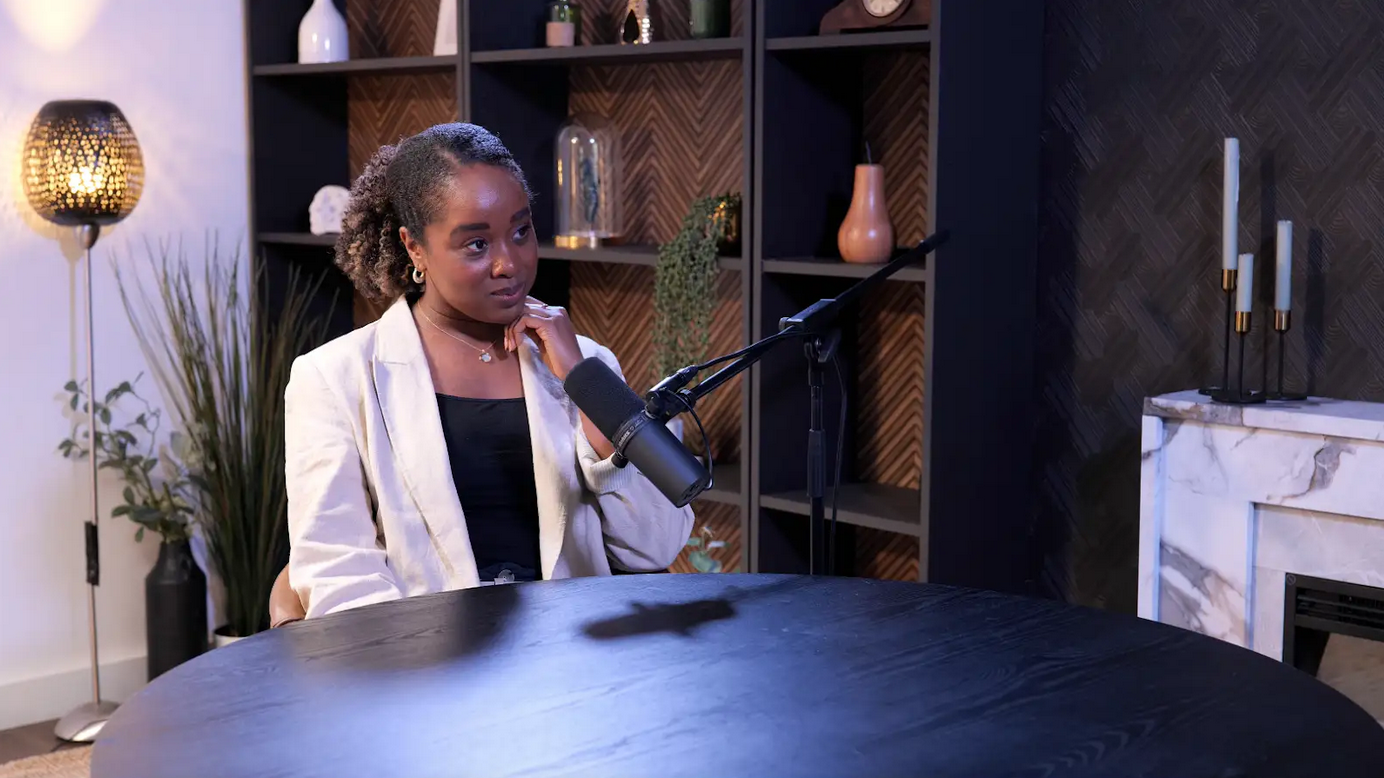
See the 'BBC Children in Need' podcast setup used by Dr Julie from BBC at Finchley Studio (Lounge setup). Book this setup for your podcast
The genesis of this shift lies in consumer behavior. Global data from 2025 reveals that the podcast audience has swelled to approximately 584 million listeners, a figure projected to breach the 650 million mark by 2027.1 However, the raw volume of listeners is less significant than the platform migration that has occurred alongside it. YouTube has eclipsed legacy aggregators like Apple Podcasts and Spotify to become the single most dominant platform for podcast consumption, with over 33% of listeners identifying it as their primary destination.1 In the United States—a market that serves as a reliable leading indicator for UK trends—over half the population has watched a podcast video, and nearly half of regular listeners explicitly prefer video over audio-only formats.1
This "pivot to video" is not a superficial trend; it is a structural realignment of the media economy. It is driven by the "Discovery Problem." With over 4.5 million podcasts indexed globally 1, the RSS feed is a black box. Audio is opaque to search engines; it lacks the metadata density and visual hooks required to arrest the scrolling thumb of a user on Instagram, LinkedIn, or TikTok. Video creates a "Clip Economy"—a system where a single long-form recording session generates dozens of micro-assets that serve as advertisements for the main show. For a London business seeking podcast studio hire, the objective is no longer just to record a conversation; it is to manufacture a content engine that dominates social feeds and establishes unrivaled brand authority.
This report serves as a definitive operational blueprint for navigating this new landscape. We will dissect the granular technicalities of videography and editing, expose the hidden acoustic adversaries of the London environment, and provide a rigorous economic analysis of the "Home Studio vs. Professional Hire" debate. By synthesizing global listener data with hyper-local insights into the London studio market, we demonstrate why the integration of professional videography and editing is the only viable path to creating a podcast visual identity that endures.
Section 1: The Strategic Imperative of Visual Identity
1.1 The Psychology of Trust and Authority
In the context of content marketing, "Visual Identity" is the cumulative impact of every visual element associated with the podcast: the lighting, the set design, the camera fidelity, the color grading, and the graphical packaging. These elements function as "trust signals." In an era increasingly populated by AI-generated content and deepfakes, the presence of a human face, captured in high fidelity, is a powerful authenticator.
Viewers are 44% more likely to trust creators they can see on video compared to audio-only hosts.4 This statistic is critical for B2B podcasts, a thriving sector in London's financial districts (Canary Wharf, The City) and creative hubs (Shoreditch, Soho). When a listener hears a voice, they imagine a persona; when they see a speaker in a professionally lit, acoustically treated studio, they perceive an authority. A grainy webcam recording from a cluttered spare room signals "hobbyist." Conversely, a multi-camera production with cinematic depth of field and professional sound design signals "industry leader."
The visual identity serves as a proxy for the quality of the advice or service being offered. If a consultancy firm’s podcast looks cheap, the subconscious inference is that their consulting services are also low-tier. Therefore, investing in podcast studio London facilities is not just a production expense; it is a brand reputation insurance policy.
1.2 The "Discovery Engine" and Search Engine Optimization (SEO)
The integration of video is the single most effective strategy for solving the discoverability crisis. Traditional SEO relies on text; modern SEO relies on engagement. YouTube’s algorithm—the second largest search engine in the world—prioritizes watch time and retention. Video podcasts, particularly those with dynamic editing and changing camera angles, retain viewers significantly longer than static audio visualizations (waveforms).
Furthermore, the relationship between video and social discovery is causal. The "Clip Economy" relies on short-form vertical video (Shorts, Reels, TikToks). Data indicates that social posts featuring video elements generate up to 1200% more engagement than text and image combined.3 A 60-minute video episode is a goldmine of content:
The Hero Content: The full episode on YouTube (Long-form SEO).
The Micro-Content: 5-10 vertical clips for TikTok/Reels (Viral Reach).
The Community Content: Behind-the-scenes B-roll for Instagram Stories (Audience Connection).
The Authority Content: High-res screenshots and quotes for LinkedIn (Professional Credibility).
Without videography, a podcaster forfeits 75% of these potential touchpoints. They are broadcasting on a frequency that the modern internet is increasingly tuning out.
1.3 The Generational Divide
The shift to video is also a demographic inevitability. Gen Z and younger Millennials are "video-native." Statistics show that 84% of Gen Z monthly podcast listeners consume podcasts with a video component, and 59% utilize YouTube as their primary discovery engine.3 For brands looking to future-proof their audience, ignoring video is equivalent to ignoring the future market. This demographic does not differentiate between "YouTubers" and "Podcasters"; to them, if it’s not on video, it barely exists.
Section 2: The Invisible Competitor – London’s Acoustic Environment
While the visual element is the storefront, audio remains the structural foundation of any podcast. However, for London-based creators, achieving professional audio fidelity is a battle against the physics of the city itself. The metropolis is a hostile acoustic environment, and understanding the specific nature of London's noise pollution is essential for realizing why the "home studio" is often a false economy.
Finchley Studio (CEO Set): book this setup for your podcast
2.1 The Physics of Noise: NC Ratings and the Noise Floor
Professional audio recording requires a room with a "Noise Criteria" (NC) rating of NC25 or lower. This represents a near-silent environment where the noise floor (background sound) is low enough that it does not compete with the human voice, even during quiet moments. In stark contrast, the average London residence in Zones 1 through 3 often operates with a daytime background noise level between 45dB and 60dB.6
This 20dB–30dB discrepancy is not merely a nuisance; it is a technical barrier. To compensate for a high noise floor, an amateur recordist might lower the microphone gain or use a "noise gate." However, these are destructive processes. A noise gate cuts off the ends of words, creating a stuttering, robotic effect. Reducing gain requires the speaker to shout, altering the conversational tone. The only true solution is a silent room, which is a rarity in the capital.
2.2 The Subterranean Threat: Structure-Borne Noise
One of the most insidious challenges in London is structure-borne noise generated by the London Underground. Unlike airborne noise (traffic, voices), which travels through the atmosphere and can be blocked by heavy walls, structure-borne noise travels through the earth as vibration, entering the foundations of buildings and radiating upwards through the structure itself.
2.2.1 The Line-Specific Challenges
The Victoria Line: Officially identified as the loudest line on the network, with in-carriage noise levels peaking at 112.3 dB—louder than a rock concert.7 This intense vibration energy does not just disappear; it dissipates into the surrounding geology, affecting residential properties in areas like Highbury, Islington, and Brixton.
The Northern Line: Known for its "rumble," particularly on the Bank branch. Residents in Camden and Clapham frequently report vibrations that are perceptible to the touch, let alone sensitive microphones.8
The Frequency Problem: Tube rumble typically occupies the Low Frequency (LF) spectrum between 20Hz and 100Hz. This creates a specific problem for podcasters because the human voice’s "fundamental frequency" (the warmth and body of the voice) also sits in this range. You cannot simply "EQ out" the tube rumble without also removing the richness of the speaker's voice, leaving the audio sounding tinny and thin.
2.3 The Aviation Corridors: The "Stop-Start" Nightmare
London’s airspace is among the busiest and most complex in the world. The flight paths for Heathrow and London City Airport create "noise corridors" that render vast swathes of the city unsuitable for continuous recording.
The Heathrow Arc: Areas such as Richmond, Hounslow, Fulham, and Chelsea sit directly under the descent paths for Heathrow. During peak operations, aircraft pass overhead every 45 to 90 seconds.6
London City Airport: Affects East London and Canary Wharf, creating sharp spikes in noise from steep take-offs and landings.
The Production Impact: A podcaster recording at home in West London faces a workflow nightmare. They must pause every two minutes for a plane to pass. This disruption destroys the natural flow of conversation, makes guests self-conscious, and turns a 60-minute recording session into a 3-hour ordeal. Furthermore, editing this disjointed audio requires hours of surgical cutting to make the conversation sound natural again.10
2.4 Traffic, Density, and the Siren Effect
Central London boroughs like Westminster experience daytime noise levels exceeding 70dB due to heavy traffic, construction, and sirens.6 The density of living in converted Victorian terraces creates "party wall" issues, where a neighbor’s footsteps or television bleed through the walls. Professional microphones are designed to be sensitive; a large-diaphragm condenser mic will pick up a siren three streets away as clearly as it picks up a whisper.
2.5 Why DIY Soundproofing is a Myth
Many creators attempt to solve these issues with "acoustic foam" tiles purchased online. This reveals a fundamental misunderstanding of the difference between Acoustic Treatment and Soundproofing.
Acoustic Treatment: Foam tiles, bass traps, and diffusers. These control echo (reverberation) inside the room. They make the voice sound less "boxy," but they do absolutely nothing to stop the sound of a police siren entering the room.
Soundproofing: Stopping sound transmission. This requires Mass (heavy, dense materials like concrete or mass-loaded vinyl) and Decoupling (building a "room within a room" that does not touch the outer structure).
The Cost of Silence: To soundproof a London room to professional standards involves constructing floating floors and isolated walls. The cost for such a renovation typically ranges from £10,000 to £50,000.12 For most businesses, this capital expenditure is unjustifiable compared to the flexibility of podcast studio hire.
Section 3: The Equipment Arms Race – Why Your iPhone Isn't Enough
In the pursuit of a "Broadcast Quality" visual identity, the gap between consumer and professional equipment is vast. While smartphones have improved, they lack the specific technical capabilities required for long-form, multi-cam production that can be heavily edited and color-graded.
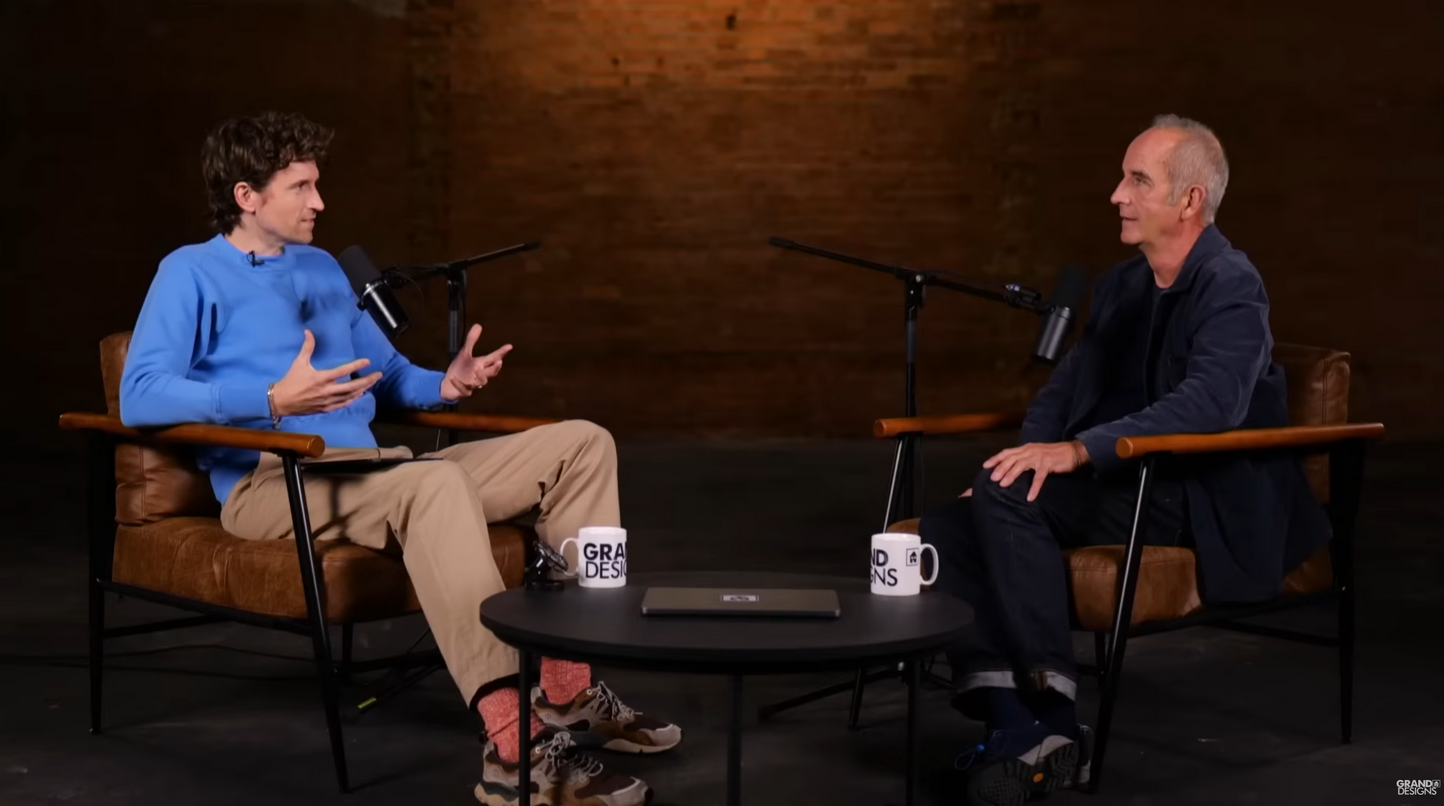
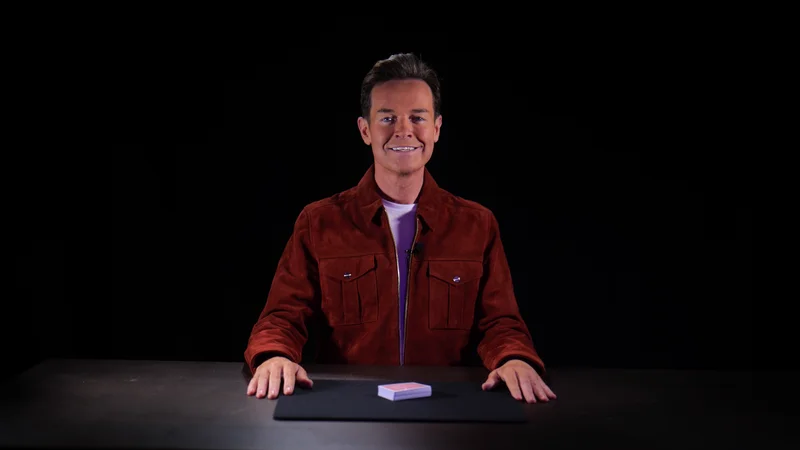
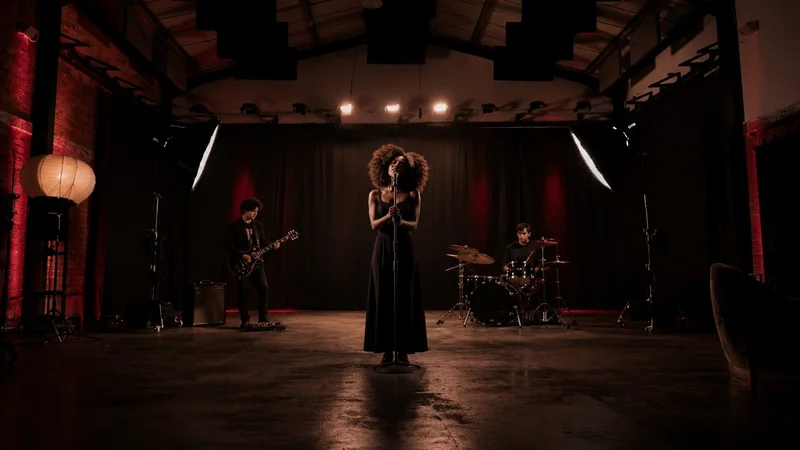
See the 'Grand designs' from Channel 4 by Kevin McCloud at Finchley Studio (Brick studio). Book this setup for your podcast.
3.1 The Camera Standard: Cinema Line vs. Mirrorless
The standard for professional podcasting in London has shifted away from DSLRs towards "Cinema Line" cameras.
The Workhorses: The Sony FX30 and Sony A7IV are ubiquitous in high-end London studios like Premiere Podcast Studios and Finchley Studio.13
Why These Matters:
Overheating: Podcasts are long-form. Consumer cameras often overheat and shut down after 30 minutes of 4K recording. Cinema cameras have active cooling systems for unlimited recording times.
10-Bit Color: Professional cameras record in "10-bit 4:2:2" color. This captures billions of colors, allowing editors to push the grade (change the look) without the image falling apart or showing "banding" in the sky or skin tones.
Depth of Field: Full-frame sensors allow for a shallow depth of field (blurry background), which separates the host from the set, creating a cinematic, high-end aesthetic that smartphones cannot replicate naturally.
3.2 The Microphone Standard: Warmth and Rejection
The visual identity is supported by the "sonic identity."
Shure SM7B: This is the undisputed king of podcast microphones, found in nearly every top-tier studio.13 It is a dynamic microphone, meaning it is less sensitive than a condenser. This is a feature, not a bug; it naturally rejects background noise (like air conditioning) and focuses purely on the voice right in front of it.
Neumann U87/TLM 103: Found in premium studios like TYX.17 These offer a level of detail and "air" that creates an intimate, "in-your-head" listening experience, often preferred for audiobooks or serious monologues.
3.3 Lighting: The Brushstrokes of Visual Identity
Lighting is the single most important variable in videography. A £4,000 camera will look worse than a webcam if the lighting is poor.
Three-Point Lighting: The professional standard used in studios like West London Studio.19
Key Light: The main source. Large softboxes are used to diffuse the light, wrapping it around the face to hide wrinkles and create a flattering "beauty" look.
Fill Light: Fills in the shadows created by the key light, reducing contrast for a friendly, approachable look.
Backlight (Rim Light): Hits the subject from behind, creating a halo effect on the hair and shoulders. This separates the person from the background, creating a 3D look.
RGB and Branding: Modern studios utilize RGB LED tubes (like Aputure or Nanlite) to paint the background with the brand’s specific colors. If a company’s logo is cyan, the background can be washed in cyan light, instantly reinforcing brand recognition.20
Section 4: The Economics of Quality – A Comparative Analysis
For the London Marketing Manager, the decision to hire a studio versus building one is ultimately financial. This analysis breaks down the Total Cost of Ownership (TCO) over a 12-month period for a bi-weekly podcast (26 episodes).
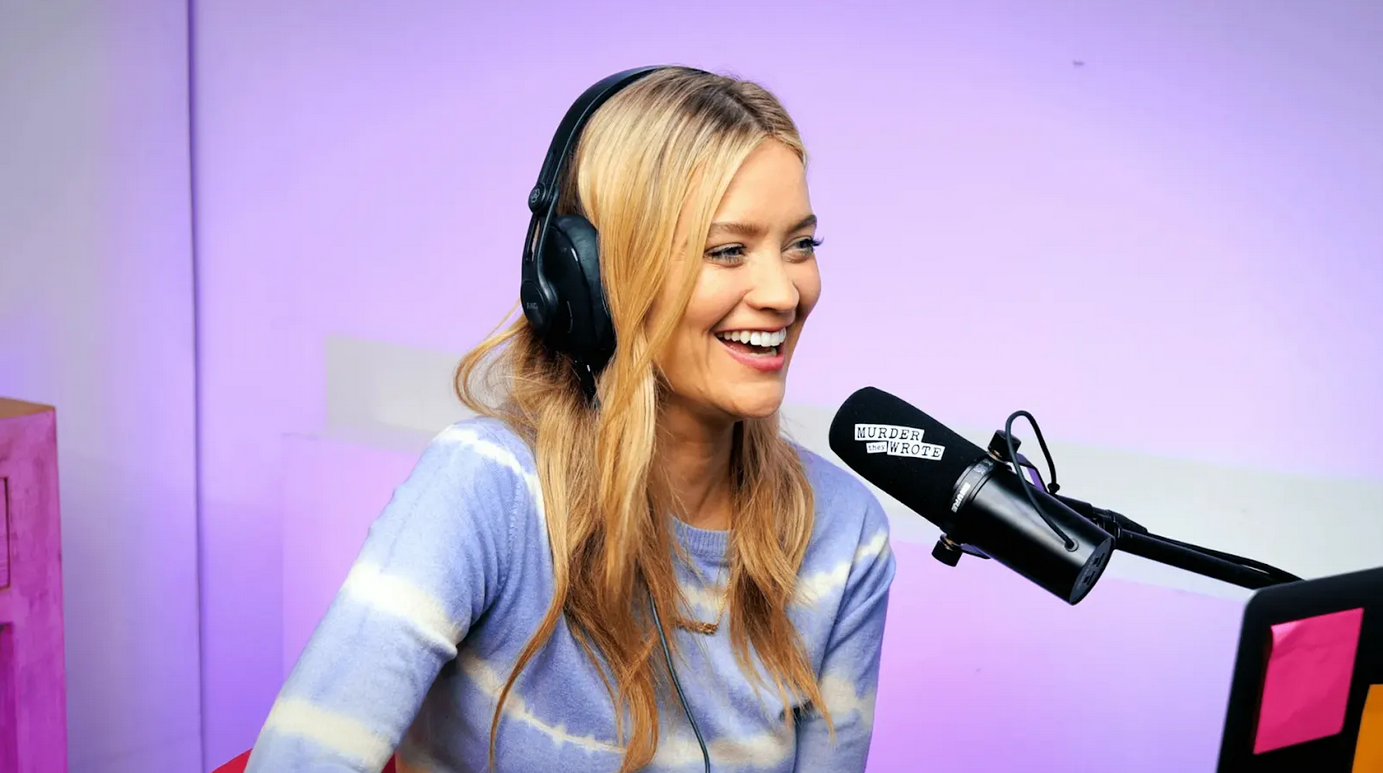
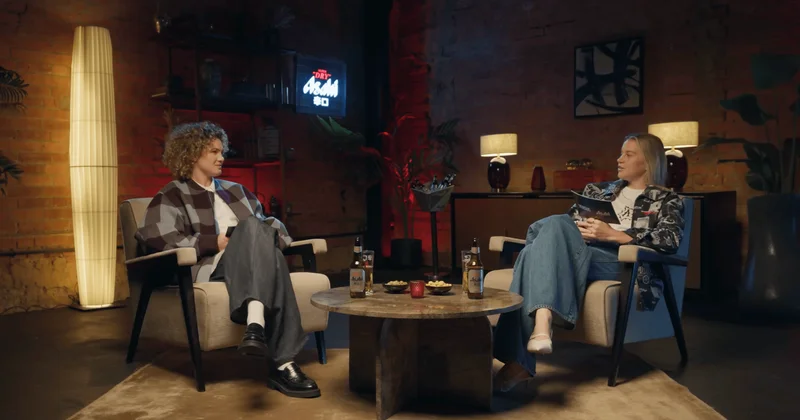
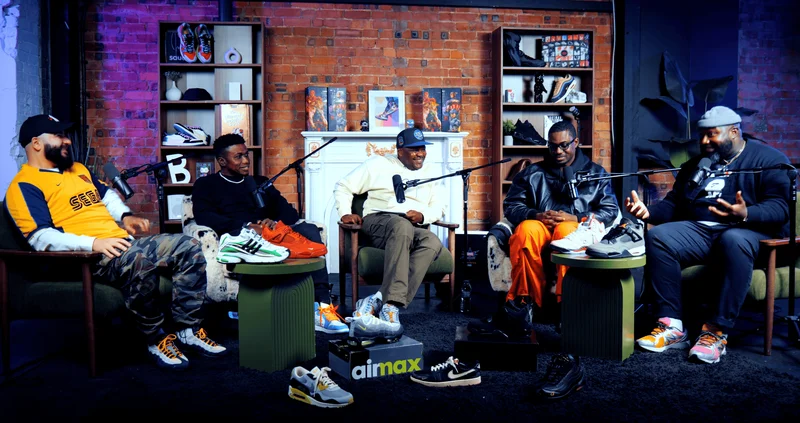
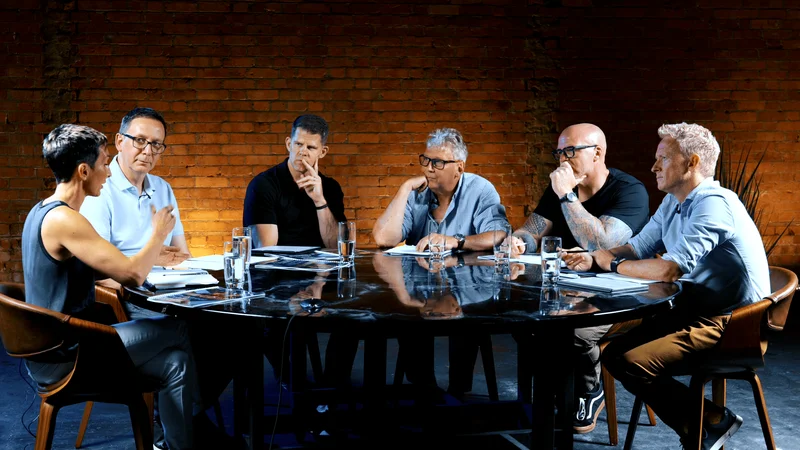
See the 'Murder They Wrote' podcast setup used by Laura Whitmore and Iain Stirling from BBC at Finchley Studio (Gathering setup). Watch Murder They Wrote at BBc sound , Spotify , Apple podcasts , Youtube , Instagram , Amazon music
4.1 The DIY "Money Pit"
Building an in-house facility requires a massive upfront Capital Expenditure (CAPEX) and significant hidden Operational Expenditures (OPEX).
Table 1: Estimated Cost of a Professional In-House Setup (London Prices)
Source Data: 12
Hidden Costs of DIY (OPEX):
Real Estate Opportunity Cost: In London, commercial rent averages £50–£100 per sq ft. A small studio requires ~150 sq ft. This represents £7,500–£15,000 annually in space that could be used for desks or meeting rooms.22
Depreciation: Camera bodies lose ~30% of their value in year one.
Staff Time: Setting up, testing, and troubleshooting gear for each session can take 2-3 hours of staff time per episode. If the Marketing Manager earns £50k, this "time tax" amounts to thousands per year.
4.2 The Studio Hire Model
Hiring a podcast studio in London converts high CAPEX into a predictable, scalable OPEX.
Table 2: London Podcast Studio Hire Rates (2025 Market Averages)
Source Data: 13
The ROI of Hiring:
Immediate Quality: For £150/hour, a brand accesses £50,000+ worth of equipment and soundproofing immediately.
Flexibility: A "season" of 10 episodes can be batched into 2 days of recording. Total cost: ~£2,500. This is 20% of the cost of buying the gear, with none of the hassle.
Focus: The team focuses on the content, not the cables.
Section 5: The Human Element – Engineering and Workflow
The chasm between "amateur" and "professional" is often defined not by the gear, but by the hands operating it. In a DIY setup, the host is often the producer, engineer, and talent simultaneously. This cognitive load dilutes the performance.
5.1 The Role of the On-Site Engineer
The Senior Engineer provided by studios like Premiere or Finchley is the guardian of the podcast's quality.
Live Gain Riding: An engineer actively monitors audio levels, adjusting faders in real-time. If a guest whispers a confession and then laughs loudly, the engineer smooths these peaks and valleys instantly. Without this, the recording would suffer from digital clipping (distortion) which is impossible to fix in post.24
Focus Pulling & Monitoring: With 4K cameras and shallow depth of field, if a guest leans forward to emphasize a point, they can drift out of focus. The engineer monitors the video feed to ensure sharpness is maintained.
Troubleshooting: If a mic cable buzzes or a camera battery dies, the engineer fixes it instantly. In a DIY setup, the host might not notice the buzz until the session is over, ruining the episode.
5.2 The "Walk-In, Walk-Out" Workflow
Professional studios operate on a streamlined workflow designed for efficiency.
Pre-Production: The studio is pre-lit and sound-checked before the client arrives.
The Session: The client walks in, sits down, and records. The engineer handles all technical aspects.
Redundancy: Studios record to multiple destinations simultaneously (Camera, Mixer, Computer). If one fails, the backup saves the day.
Post-Session: The client leaves immediately. File transfer, backups, and reset are handled by the studio.
Value: This saves the client approximately 2–3 hours of administrative and technical labor per session.
Section 6: Post-Production – Polishing the Diamond
Recording is only the midpoint. The editing phase is where the narrative is refined, the pacing is tightened, and the visual identity is cemented.
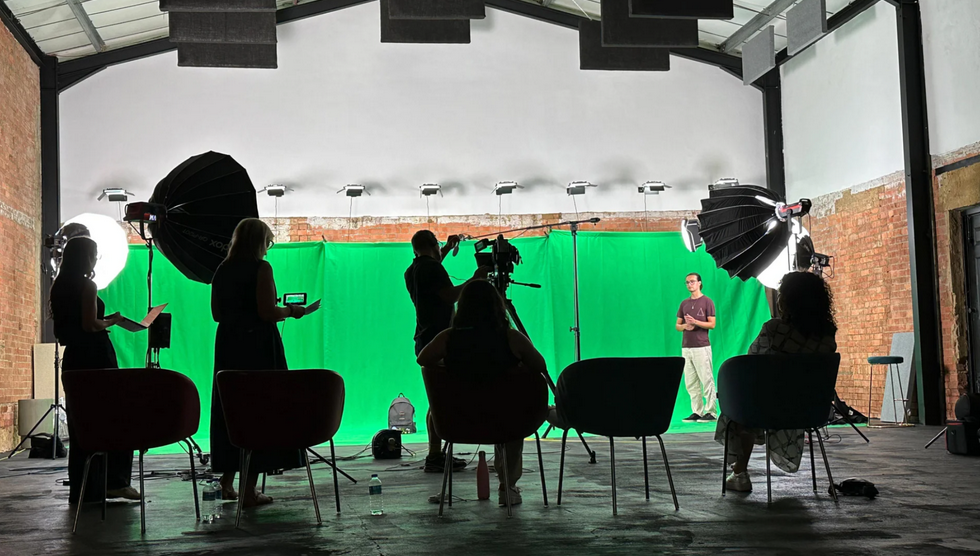
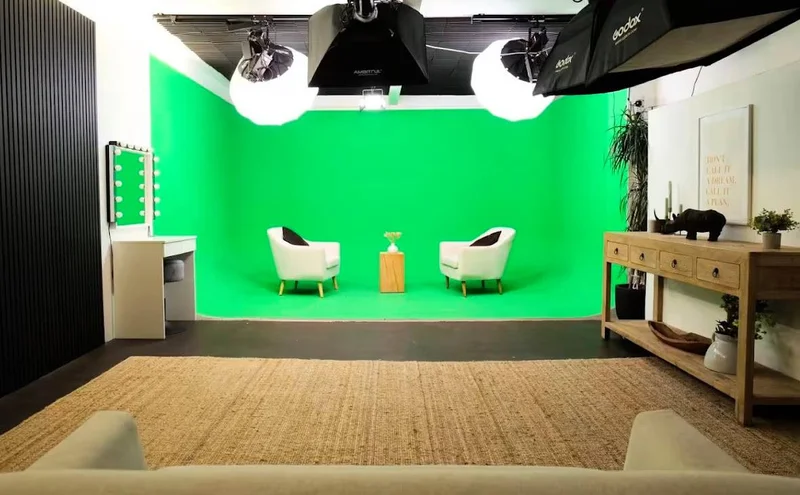
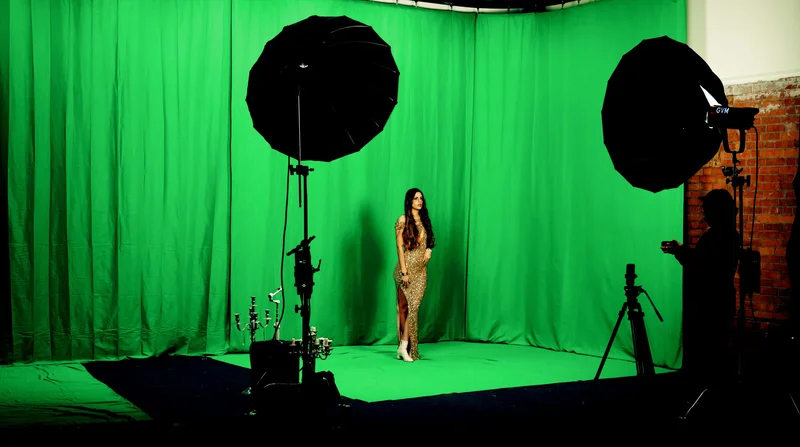
Finchley Studio (Giant Green Screen): book this setup for your podcast
6.1 The Power of Color Grading
Raw footage from professional cameras is often recorded in a "Log" profile, which looks flat and desaturated. This is intentional; it preserves dynamic range.
Grading: In post-production, a colorist restores contrast and saturation. Crucially, they apply a "Look" (LUT) that defines the brand. Just as a filter defines an Instagram feed, a consistent color grade makes a podcast instantly recognizable in a thumbnail.25
Skin Tones: Professional grading ensures skin tones look healthy and natural, regardless of the lighting conditions. This subconscious cue increases the perceived trustworthiness of the speaker.
6.2 The "Clip Economy" and Social Strategy
In 2025, the "Trailer" is dead; the "Viral Clip" is king. A 60-minute episode is not just a destination; it is a source material for a content ecosystem.
The Strategy: Editors do not just cut the full episode. They identify 3–5 "viral moments"—high-energy, controversial, or insightful snippets.
Reformatting: These clips are reframed to 9:16 (vertical) for TikTok and Reels.
Captions: Bold, animated captions are added. This is essential because 80% of social media scrolling happens with the sound off. The text hooks the viewer before they hear a word.27
The Double-Dip: A Short on YouTube drives traffic to the Long-form video, boosting the channel's algorithmic standing.
6.3 Pricing Video Editing in London
Outsourcing editing is often more cost-effective than hiring a full-time content creator.
Full Episode Edit (60 mins): £250 - £400 per episode. Includes multi-cam switching, audio mixing, and color grading.29
Social Clips: £30 - £50 per clip.
Turnkey Packages: Many studios offer "Record + Edit" bundles, delivering a finished product 48–72 hours after the session.13
Section 7: The London Studio Landscape – Finding Your Fit
London offers a diverse ecosystem of studios, each catering to a different tier of the market. Choosing the right partner depends on your specific needs for brand alignment, location, and budget.
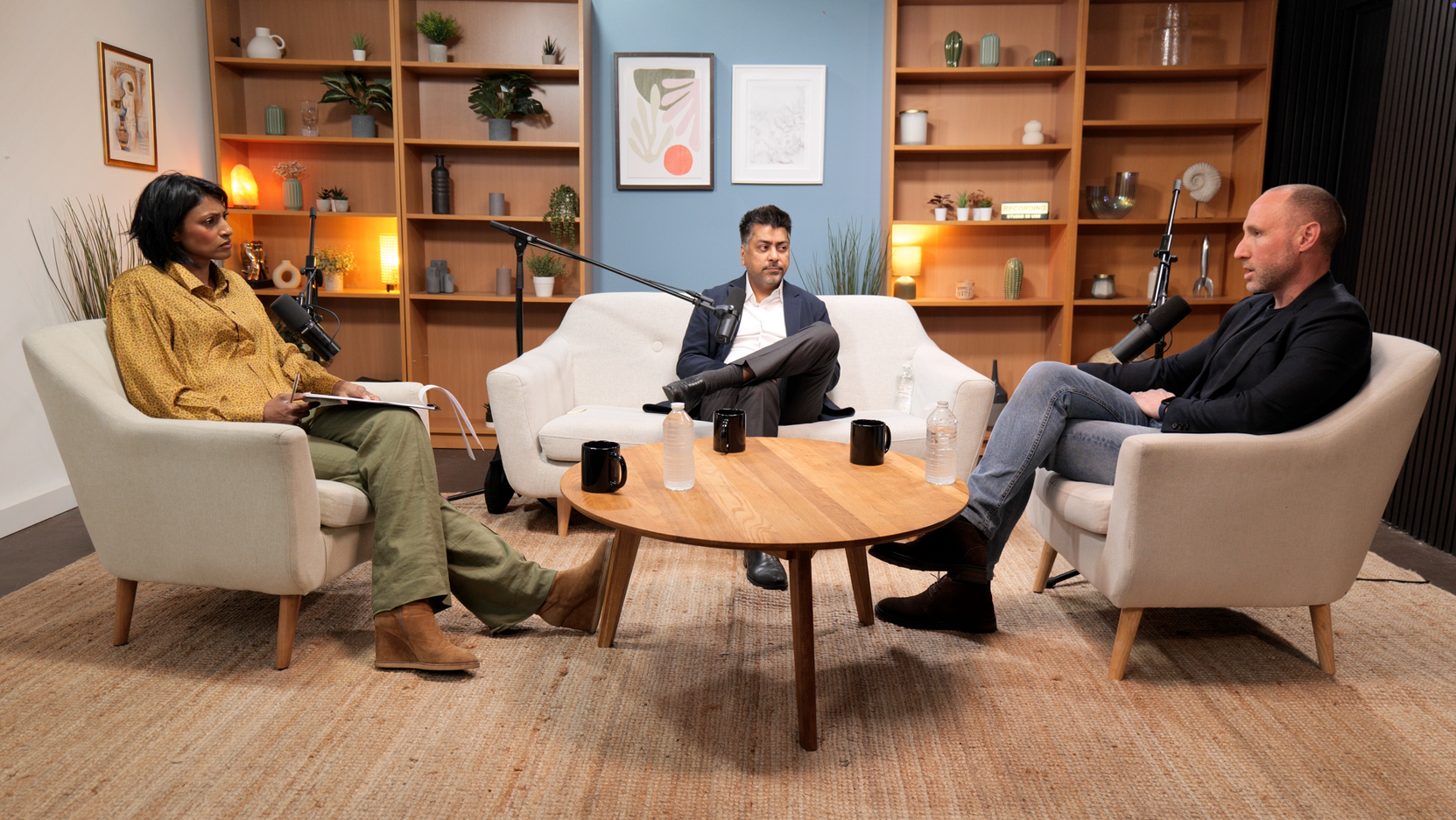
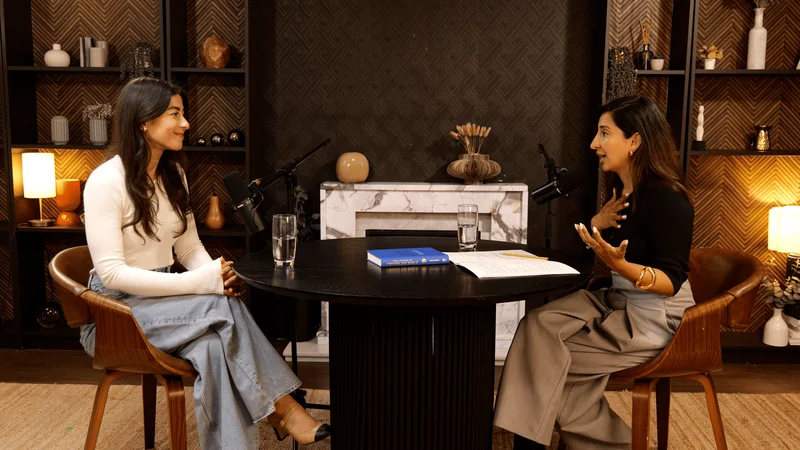
See the 'No ordinary tech podcast ' from Lloyds Banking Group by Rohit D (AI Leader for Lloyds Banking Group) and DR. shini somara (Pro-Chancellor of Brunel University) . at Finchley Studio (Lounge setup). Book this setup for your podcast.
7.1 Tier 1: The "Concierge" Experience (Premium)
Premiere Podcast Studios (Shoreditch): This facility focuses on a VIP experience. It offers showers, changing rooms, and a dedicated "Remote Viewing Area" where production teams can direct sessions without being in the room.
Visual Vibe: High-end, corporate, polished.
Ideal For: Global brands, celebrity guests, agencies requiring client oversight.13
TYX Studios (King's Cross): Located in the Tileyard creative hub. Offers "Netflix Approved" cameras and a membership model.
Visual Vibe: Music industry cool, tech-forward.
Ideal For: Creative industries, high-budget productions.17
7.2 Tier 2: The "Sweet Spot" (Mid-Range)
Finchley Studio (North London): Offers a high-value proposition with 4K Blackmagic cameras and engineers included in the rate. It is a destination for those who prioritize output quality over central location.
Visual Vibe: Modern, clean, adaptable.
Ideal For: SMEs, serious independent creators, productions needing teleprompters.14
Podshop (Liverpool Street/Old Street): Offers a balance of self-service and engineered options. Located perfectly for City workers.
Visual Vibe: Urban, efficient, professional.
Ideal For: Fintech, startups, corporate comms.14
7.3 Tier 3: Budget / Entry Level
Nostars Studios (Wood Green): Exceptional value, often including free filming/editing in the rate.
Visual Vibe: Functional, simple.
Ideal For: Students, bootstrap startups, testing concepts.23
Pirate Studios (Multiple Locations): Fully self-service, automated, 24/7 access. No engineer means you are on your own technically.
Visual Vibe: Rehearsal space, industrial.
Ideal For: Audio-only rehearsals, technically proficient solo podcasters.23
Conclusion: The Strategic Imperative
In the saturated media market of London, "good enough" is no longer sufficient. The convergence of high-fidelity audio and cinematic videography creates a flywheel effect: professional visuals attract the eye on social media, pristine audio retains the ear on podcast platforms, and the combination builds a brand authority that drives business results.
While the allure of the "home studio" is strong, the acoustic realities of London—from the rumble of the Northern Line to the flight paths of Heathrow—render it a costly gamble for professional entities. The economics of studio hire, particularly when factoring in the time saved and the risk mitigated by on-site engineers, present a compelling case for outsourcing production.
For the London podcaster in 2025, the studio is not just a room; it is a partner in the creative process. It is the guarantee that when the "Record" light goes on, the focus remains entirely on the message, not the medium. By investing in a professional visual identity, brands do not just create content; they create assets that appreciate in value, driving discovery and engagement in an increasingly video-first world.
Actionable Recommendations for London Creators:
Audit Your Acoustics: Before spending a penny on gear, measure the noise floor of your intended recording space. If it exceeds 40dB, the cost of soundproofing will likely exceed the cost of two years of studio hire.
Start with Video: Even if you only publish audio today, record video. It is "future-proofing" your content library. In six months, when you need a trailer, you will have the footage.
Prioritize the "Clips": Allocate budget specifically for editing short-form vertical video. This is not an afterthought; it is your primary marketing funnel.
Leverage Local Vibe: Use the studio location as part of your brand story. A Shoreditch loft says "Creative/Tech"; a City boardroom says "Finance/Authority." Choose the backdrop that fits your niche.
Test Before You Commit: Most London studios offer 1-hour trial bookings. Test the workflow, the lighting, and the engineer rapport before signing a season-long contract.
Ready to elevate your podcast's visual identity?
Don't let London's noise or technical hurdles hold your brand back. Book a professional podcast studio in London today and experience the difference that professional videography and engineering can make.
Works cited
Podcast Statistics 2025: Global Listener Growth and Trends - Teleprompter.com, accessed January 1, 2026, https://www.teleprompter.com/blog/podcast-statistics
Podcast Statistics and Trends for 2026 (& Why They Matter) - Riverside, accessed January 1, 2026, https://riverside.com/blog/podcast-statistics
State of Video Podcasts 2025: Key Trends, Insights & Strategies - Sweet Fish Media, accessed January 1, 2026, https://www.sweetfishmedia.com/blog/the-2025-state-of-video-podcasts
100+ Video Podcast Growth Statistics for 2025 - Zebracat, accessed January 1, 2026, https://www.zebracat.ai/post/video-podcast-growth-statistics
99 Future-Shaping Podcast Industry Stats & Trends (2026) [Infographic], accessed January 1, 2026, https://www.learningrevolution.net/podcast-stats/
Podcast Studio vs Home Recording: Which Is Better for Growing Podcasts?, accessed January 1, 2026, https://www.finchley.co.uk/finchley-learning/visual-podcast/podcast-studio-vs-home-recording-which-is-better-for-growing-podcasts
Why are London's Northern and Victoria tube lines so loud? London Underground noise explained - Time Out, accessed January 1, 2026, https://www.timeout.com/london/news/why-are-londons-northern-and-victoria-tube-lines-so-loud-london-underground-noise-explained-102424
Updated Tube Noise map? - London - Murad Qureshi, accessed January 1, 2026, https://muradqureshi.com/updated-tube-noise-map/
MDA No.: 1444a Title: Environment Committee – Tube Noise Letter - Greater London Authority, accessed January 1, 2026, https://www.london.gov.uk/sites/default/files/2023-05/1444a%20-%20Environment%20-%20Noise%20Pollution%20in%20London%20-%20Letter%20on%20Tube%20Noise_0.pdf
The hidden problem of aircraft noise pollution - Geographical Magazine, accessed January 1, 2026, https://geographical.co.uk/news/the-hidden-problem-of-aircraft-noise-pollution
Metrics of Unrest: Building Social and Technical Networks for Heathrow Noise - NCBI, accessed January 1, 2026, https://www.ncbi.nlm.nih.gov/books/NBK453220/
How Much Does It Cost to Build a Recording Studio? A Comprehensive Breakdown, accessed January 1, 2026, https://sonatune.co.uk/mss-blog/how-much-does-it-cost-to-build-a-recording-studio-a-comprehensive-breakdown
Podcast Studio in London | Professional Audio & Video Services, accessed January 1, 2026, https://premierepodcaststudios.com/podcast-studio-london/
The 16 Best Podcast Studios for Hire in London | Tagvenue UK, accessed January 1, 2026, https://www.tagvenue.com/hire/podcast-studios/london
Podcast Studio London Rates and Policy - Finchley Studios, accessed January 1, 2026, https://www.finchley.co.uk/finchley-learning/podcast-studio-london-rates-and-policy
Professional Studio vs. DIY Home Setup: A Cost-Benefit Analysis for UK Creators, accessed January 1, 2026, https://www.finchley.co.uk/finchley-learning/visual-podcast/professional-studio-vs-diy-home-setup-a-cost-benefit-analysis-for-uk-creators
London Podcast Studios | Podcast Recording, edits, socials and production services... - TYX Studios, accessed January 1, 2026, https://tyxstudios.com/podcast-studio-london
Best Podcast Lighting: Tips & Tricks - The Audio Cafe, accessed January 1, 2026, https://www.theaudiocafe.co.uk/blog/podcasts/best-podcast-lighting/
Ideal Lighting for a Professional Video Podcast Session - West London Studio, accessed January 1, 2026, https://www.westlondonstudio.co.uk/ideal-lighting-for-a-professional-video-podcast-session/
Podcast Background Lighting Ideas: Add Ambiance & Depth to Your Studio - GVM, accessed January 1, 2026, https://gvmled.com/podcast-studio-lighting-guide/
Recording Studio Costs: A Full Breakdown of 2025 Pricing - Finchley Studios, accessed January 1, 2026, https://www.finchley.co.uk/finchley-learning/visual-podcast/recording-studio-costs-a-full-breakdown-of-2025-pricing
Renting & Leasing Podcast Studios in the UK: Daily, Weekly, and Monthly Options + How to Profit from Your Own Studio | Lyvi UK, accessed January 1, 2026, https://lyvi.co.uk/renting-leasing-podcast-studios-in-the-uk-daily-weekly-and-monthly-options-how-to-profit-from-your-own-studio/
How much does it cost to rent a podcast studio London? - Finchley Studios, accessed January 1, 2026, https://www.finchley.co.uk/finchley-learning/how-much-does-it-cost-to-rent-a-podcast-studio-london
How Recording in a Podcast Studio Elevates Your Brand Authority - Finchley Studios, accessed January 1, 2026, https://www.finchley.co.uk/finchley-learning/visual-podcast/how-recording-in-a-podcast-studio-elevates-your-brand-authority
Color Grading for Brand Consistency in 2025 – Pro Guide - Graphrs, accessed January 1, 2026, https://www.graphrs.com/blog/color-grading-for-brand-consistency-in-2025---pro-guide
Podcast Video Extras: Engaging “Effects for Video Editing” to Attract Viewers - Finchley Studios, accessed January 1, 2026, https://www.finchley.co.uk/finchley-learning/podcast-video-extras-engaging-effects-for-video-editing-to-attract-viewers
Short-Form vs. Long-Form Video: What's Best for Podcasters? - CoHost, accessed January 1, 2026, https://www.cohostpodcasting.com/resources/youtube-shorts-vs-long-form-video-podcasts
2025 short form content guide: Formats, tips, and platforms - Podcastle.ai, accessed January 1, 2026, https://podcastle.ai/blog/short-form-content/
Podcast video editing - Podshop, accessed January 1, 2026, https://www.podshoponline.co.uk/services/video-podcast-editing
10 Best Podcast Studios London to Hire in 2025 - Saspod, accessed January 1, 2026, https://saspod.com/blog/post/best-podcast-studios-london