Part I: The London Environment as a Sonic Battlefield
To understand the necessity of extreme redundancy, one must first appreciate the hostile acoustic environment in which London studios operate. The city is a cacophony of kinetic energy that DIY setups simply cannot mitigate effectively.
The "Noise Floor" Problem
The "noise floor" is the measure of the sum of all unwanted signals within a system. In a typical Central London office, the noise floor hovers between -40dB and -50dB due to HVAC systems, traffic, and structural vibrations. For professional audio using high-gain microphones like the Shure SM7B, this level is unacceptable as it results in a "muddy" or "hissy" recording. Professional studios require complex architectural interventions to achieve significantly lower floors.
The Subterranean Threat: London Underground Vibration
Perhaps the most pervasive threat in London is the Tube. Unlike airborne noise, the London Underground generates "structure-borne" vibration that sends low-frequency energy (10Hz to 100Hz) up through building foundations. This manifests as a low-end rumble that eats up "headroom". High-end studios employ "room-within-a-room" construction with floating floors to mechanically decouple the space from the building's shell—a level of engineering a home setup cannot replicate.
The Aerial Assault: Heathrow and Flight Paths
The airspace above London is among the busiest in the world. With modernized flight paths, aircraft can operate at altitudes as low as 4,000 feet. For a studio, this can introduce a "phasing" effect or high-frequency whine. While post-production tools like iZotope RX can mitigate some of this, reliance on "fixing it in post" is a dangerous strategy; physical isolation is the only true fail-safe.
The Construction Variable: Section 61 Safeguards
London is in a constant state of regeneration, where jackhammers and piling rigs are an existential threat to recording businesses. Professional facilities often operate under City of London "Section 61" consents which enforce "quiet hours" or mandate noise mitigation strategies for neighboring construction. A home podcaster has no such leverage.

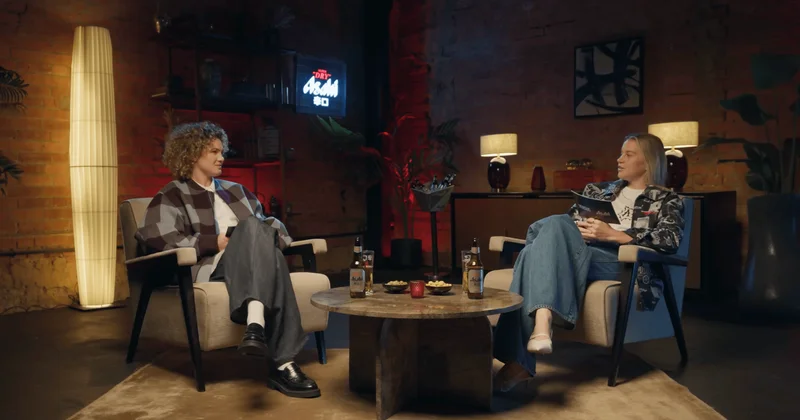
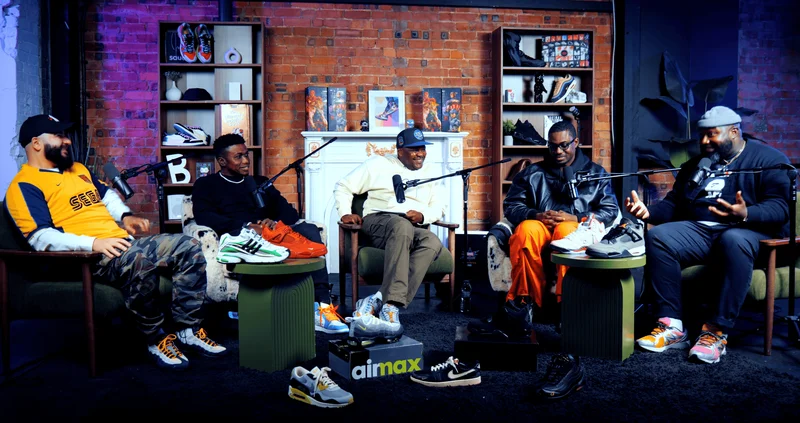
See the 'The Tooney & Russo Show' from BBC and Lionesses Ella Toone and Alessia Russoat from England national football team at Finchley Studio (Lounge setup). Book this setup for your podcast. Watch 'The Tooney & Russo Show' at BBc sound , Spotify , Youtube, Amazon music. Book this setup for your podcast
Anecdotal Evidence: The Cost of Environmental Intrusion
The Murder Mile Podcast highlights how rare true silence is by incorporating the "odd little moments of silence" between London's sirens and traffic. Similarly, the Apple Podcasts (Behind the Sirens) crew requires controlled environments for clarity. For a brand, such intrusions are not atmospheric; they are amateurish.
Part II: Audio Redundancy Protocols - The "Dual-System" Standard
In professional environments, reliance on a single point of failure is considered negligence. The cornerstone of our protocol is "Dual-System Sound," capturing audio on two independent electrical systems simultaneously.
The Primary Fail-Safe: Dedicated Hardware Recorders
While a DAW like Logic Pro or Reaper is standard for mixing, computers are prone to crashing due to OS updates or CPU overload. To mitigate this, the primary capture device is a dedicated hardware field recorder like the Zoom F8n Pro or the Sound Devices MixPre-10 II, designed for the singular purpose of recording without failure.
The Power of 32-Bit Float Recording
A significant advancement is 32-bit float audio. Traditional 16-bit or 24-bit recording has a fixed dynamic range; if a signal exceeds OdBFS, it results in permanent "digital clipping". 32-bit float recording provides a dynamic range of over 1,500 dB, virtually eliminating the risk of clipping and allowing whispers to be recovered without hiss.
|
Feature |
24-Bit Integer |
32-Bit Float |
Practical Benefit |
|
Dynamic Range |
~144 dB |
~1,528 dB |
Impossible to clip at the converter stage. |
|
Clipping Risk |
High |
None |
Saves takes with sudden loud noises. |
|
Noise Floor Risk |
Moderate |
Minimal |
Allows recovery of whispers without hiss. |
|
File Size |
Moderate |
33% Larger |
Negligible cost for guaranteed safety. |
This mathematical safety net protects the performance from technical error.
The Secondary Fail-Safe: The DAW Mirror
While the hardware recorder captures files to dual SD cards in a mirrored RAID 1 mode, the signal is simultaneously sent via USB or Dante to a computer running a DAW. This acts as a third backup copy and allows the engineer to make real-time edit notes. If the hardware fails, the DAW session provides a seamless backup.
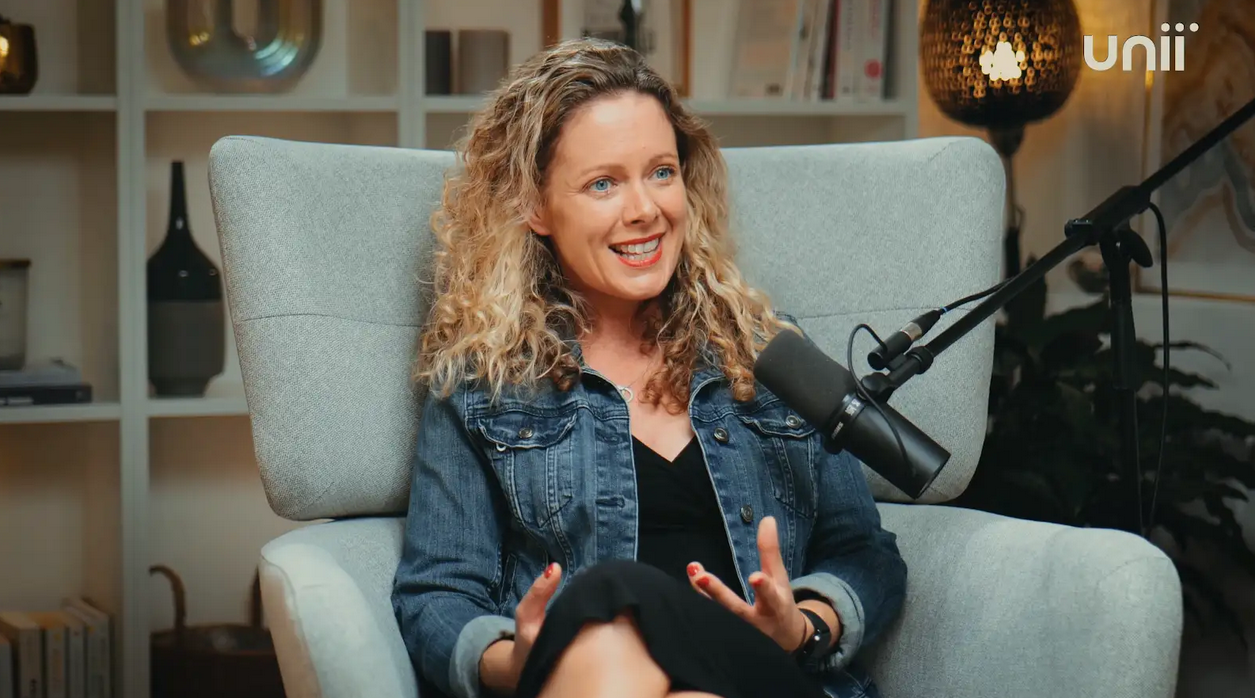
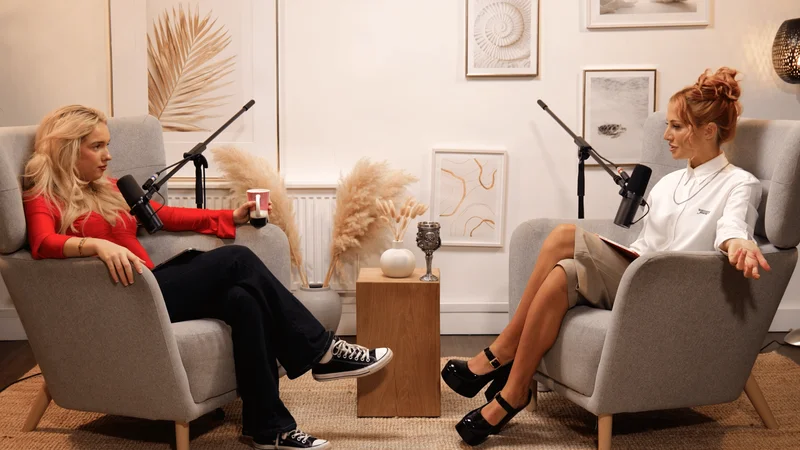
Finchley Studio (Dialogue set): book this setup for your podcast
The Signal Chain: Analog Protection
Before reaching digital recorders, audio passes through a high-fidelity analog chain:
- Microphones: Broadcast-standard mics like the Shure SM7B or Produce Like A Pro Academy (RE20) provide "off-axis rejection" to focus on the voice.
- Preamps: The signal is boosted by ultra-low-noise preamps (e.g., Neve or Sound Devices' Kashmir) to ensure a strong signal-to-noise ratio.
- Analog Limiting: Hardware compressors catch volume spikes before they reach the digital converter, adding a layer of protection digital plugins cannot replicate.
Part III: Video Redundancy - The Visual Safety Net
As the industry pivots to "Vodcasting," video failure has become a critical risk. 4K video generates massive heat that can cause consumer cameras to shut down. Our protocols are designed to circumvent these limitations.
Internal and External Simultaneous Capture
Professional studios employ a "dual-record" strategy:
- Internal Recording: Cameras like the Sony FX3, FX6, or Canon Europe (C70) record to dual internal slots for simultaneous backup or relay recording.
- External Recording: The camera output is fed into an external recorder like an Atomos Ninja or Blackmagic Video Assist.
If a camera overheats or a card errors, the external recorder captures to resilient SSD media, preventing a total loss of footage.
Proxy Workflows and "Camera to Cloud"
In 2026, we utilize Frame.io "Camera to Cloud" (C2C) workflows. Devices generate lightweight "proxy" files in real-time and upload them directly to the cloud. This offers off-site redundancy within seconds, ensuring that even in the event of fire or theft, files are safe.

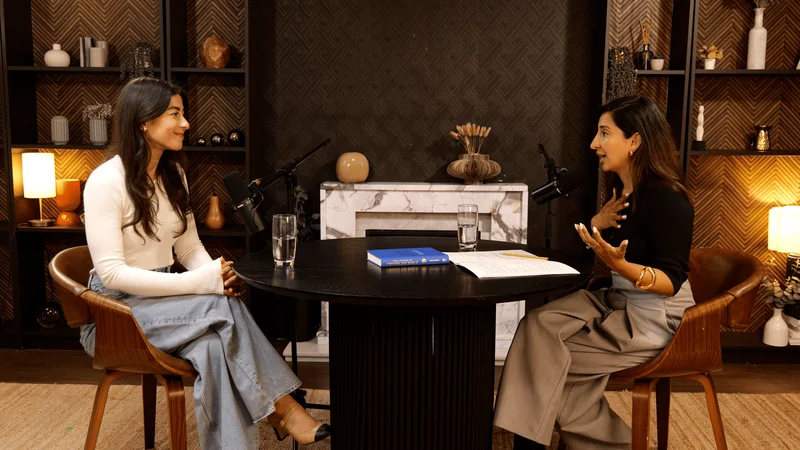
Finchley Studio (Lounge set): book this setup for your podcast
Part IV: Data Integrity - The Mathematics of Preservation
The second half of the battle is "Data Wrangling". Transfer errors often lead to corrupted files when using simple drag-and-drop methods.
The 3-2-1 Data Strategy
We adhere to the 3-2-1 Rule, a standard validated by MASV and IT best practices:
- 3 Copies: We maintain three complete copies of all media.
- 2 Media Types: We use two different forms of storage (e.g., Camera Card + RAID Array).
- 1 Off-Site: One copy is replicated to an off-site server or secure cloud like LucidLink.
Checksum Verification: Beyond "Copy and Paste"
We never use standard OS file managers. Instead, we use dedicated offload software like Imagine Products (ShotPut Pro) or Hedge. These programs use Checksum Verification, calculating a "digital fingerprint" for both source and destination files to confirm integrity. We utilize the xxHash algorithm for speed, generating a legally binding PDF report proving every bit was transferred successfully.
Part V: Power Infrastructure - The Invisible Foundation
London's power grid is subject to fluctuations that can corrupt open files by preventing the "header" from being written.
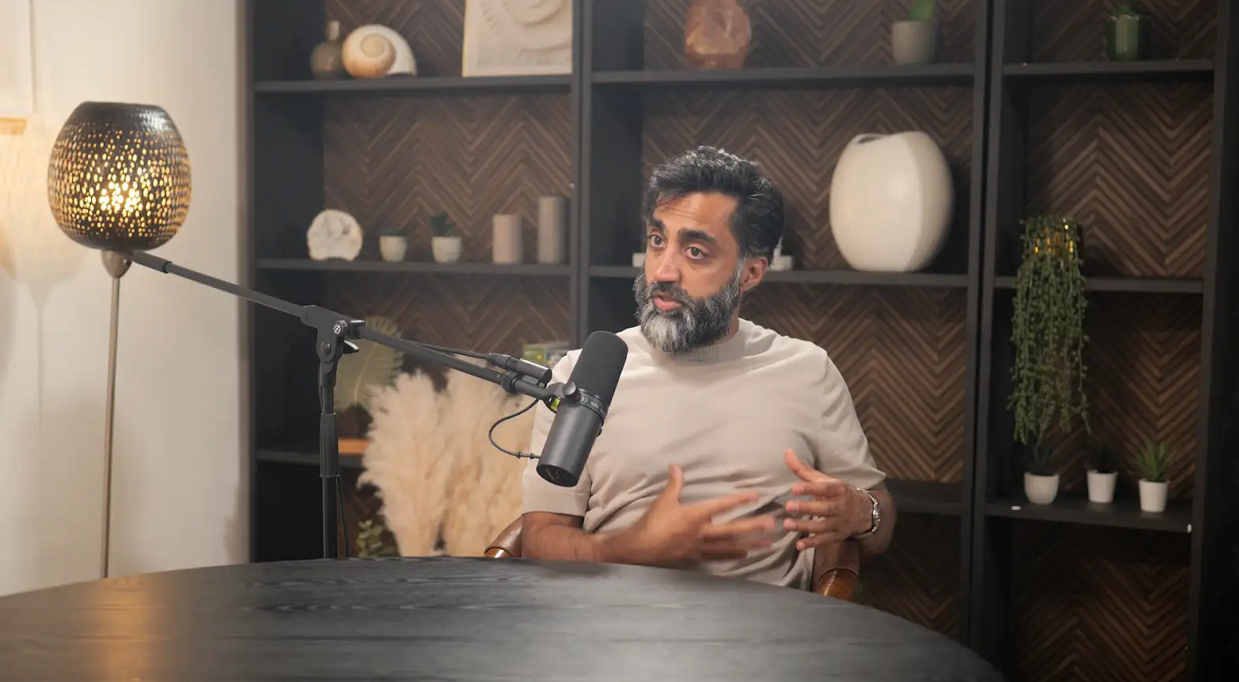
Finchley Studio (CEO Set): book this setup for your podcast
The UPS Protocol
Critical equipment is protected by an Uninterruptible Power Supply (UPS). We use Online Double-Conversion UPS units, which provide zero transfer time because power always comes from the inverter. This also ensures a "Pure Sine Wave" output that filters out "dirty" noise from the grid.
Silent Power for Control Rooms
Because standard UPS units have noisy fans, we house them in isolated machine rooms or use specialized silent solutions. For localized protection, we use fanless power conditioners from brands like Furman to filter EMI and RFI—essential in a city saturated with wireless signals.
Part VI: The Human Element - Concierge Engineering
Technology is only as reliable as the operator. A primary benefit of Finchley Studios or professional hire is the reduction of "cognitive load".
The Cost of DIY Multitasking
A self-producing host is split between being the Talent, the Engineer, and the Data Wrangler. This inevitably leads to mistakes, such as missing a camera shutdown or a microphone clipping.
The "Hidden Technician" Benefit
Professional studios like Premiere Podcast Studios include a dedicated engineer or "concierge". This professional monitors redundancy systems, watch meters, and manages data transfer, allowing the talent to focus 100% on their performance.

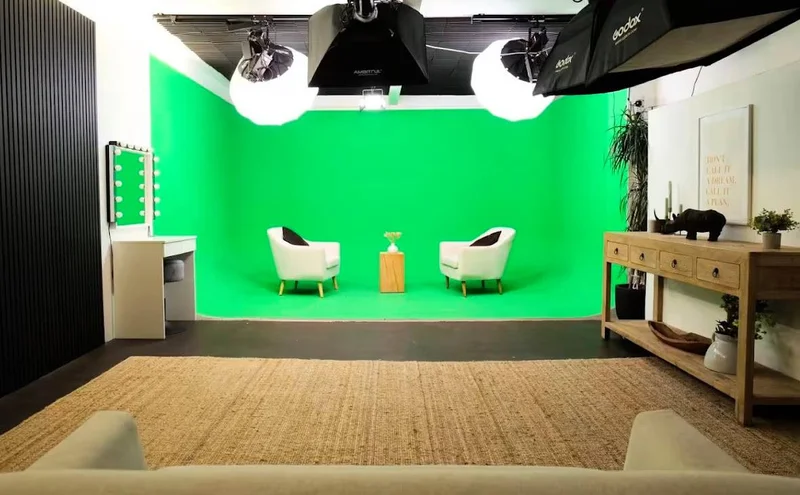
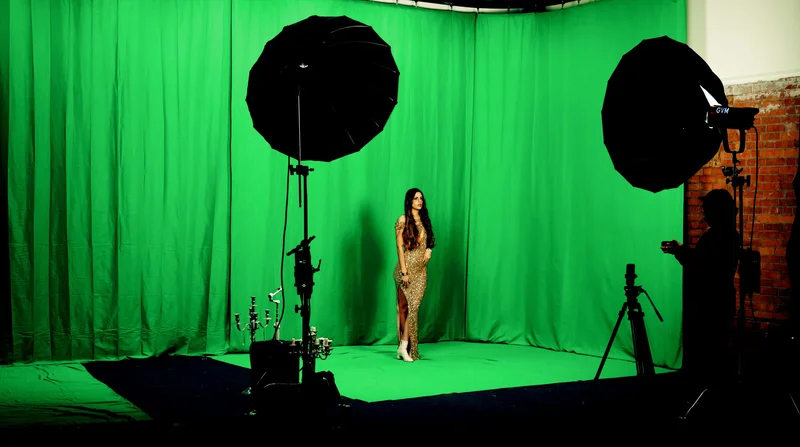
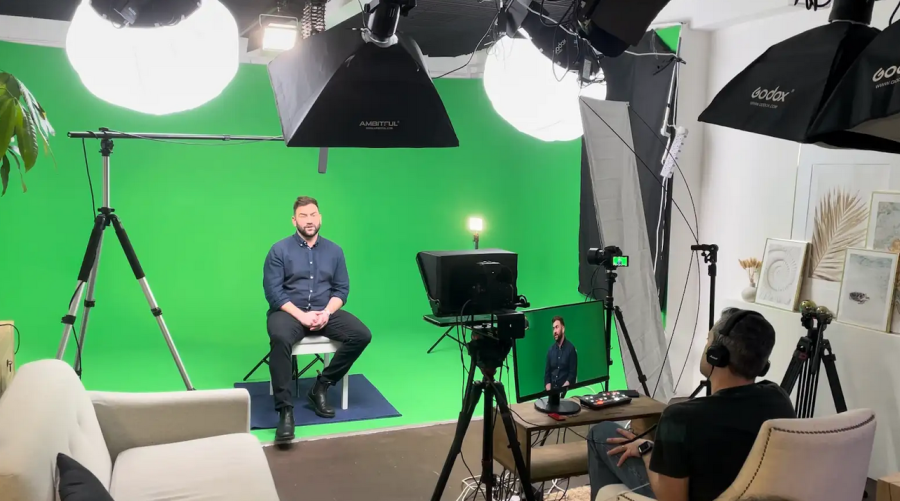
Finchley Studio (Green Screen Cove): book this setup for your podcast
Frequently Asked Questions (FAQ)
Q1: Why can't I just use my laptop and a USB mic at home? Home environments in London suffer from high noise floors that degrade quality, and a laptop is a single point of failure. Our studios use hardware recorders and soundproofed rooms.
Q2: What happens if there is a power cut during my podcast? Nothing interrupts the recording. Our systems are backed by Online Double-Conversion UPS units that provide immediate battery power, allowing for a safe shutdown or continued recording.
Q3: Do you keep a copy of my files after the session? Yes, we keep a redundant copy on local servers for a set period (typically 30 days). We recommend you take your copy immediately via our checksum-verified process.
Q4: I need to record a video podcast with 4K video. Is that safe? Absolutely. We use dual-recording workflows and proxy cloud uploads for immediate off-site redundancy.
Q5: Can I bring my own SD cards? You can, but we prefer using our own certified media which undergoes regular health checks. We then transfer data to your drive via verified offload stations.
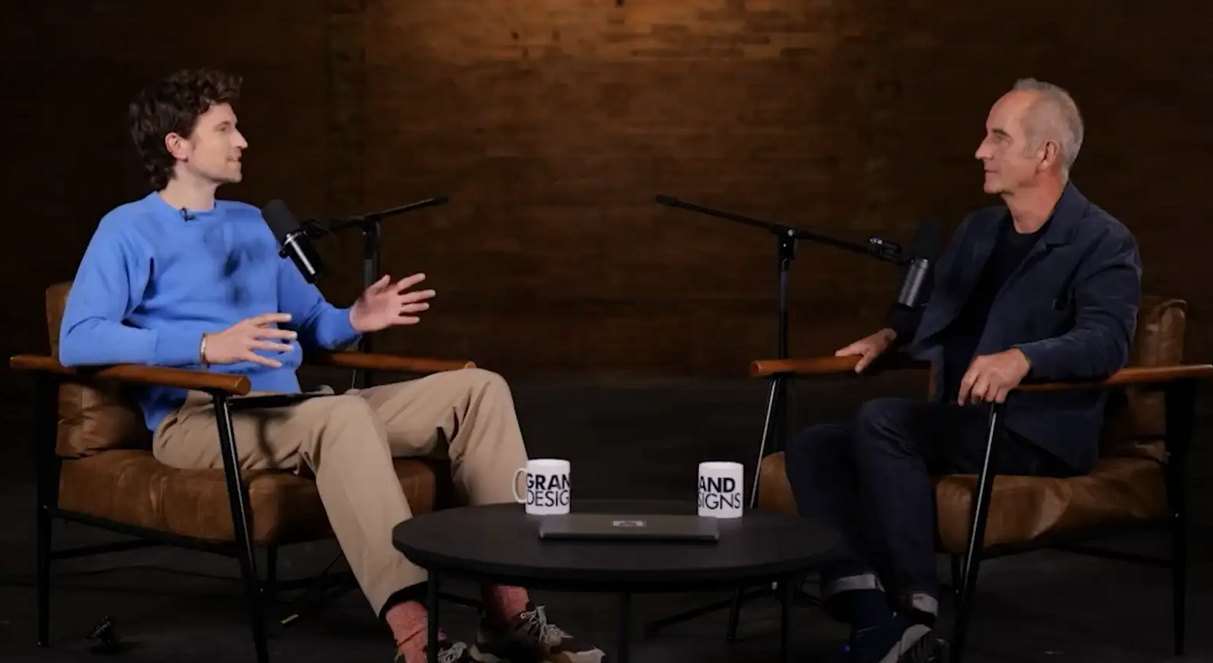
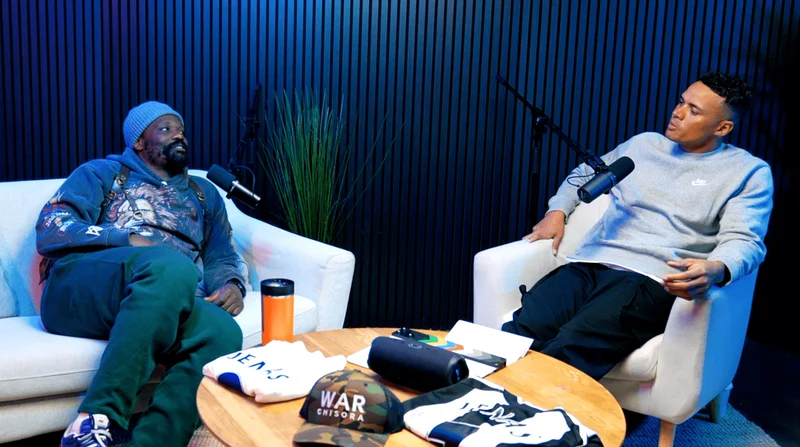
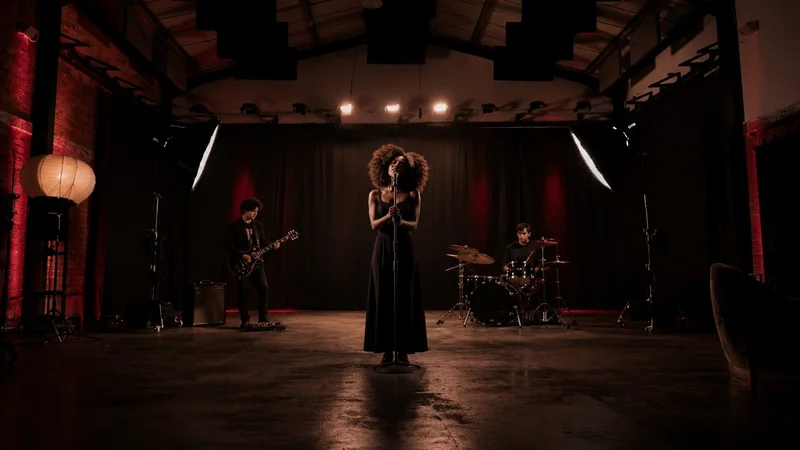
Finchley Studio (The Brick Studio): book this setup for your podcast
Conclusion: The Peace of Mind Protocol
In professional media, "hope" is not a strategy. Our protocols—spanning acoustic isolation, 32-bit float audio, dual-system video, checksum verification, and UPS infrastructure—eliminate chance from the equation. When you book a session, you are investing in a system engineered to withstand London's environmental and technical challenges