Here is a detailed guide on how to find an affordable recording studio that still delivers high-quality, professional results.
The single most important secret to finding affordable quality is to shift your mindset. Don't search for a "cheap, big studio." Instead, search for a "talented engineer who has a great-sounding, smaller studio."
Quality in recording comes from the engineer's skill and the room's acoustic treatment, not from the size of the building or a wall of "vintage" gear.
1. Where to Look (The Resources)
Your best bet is to look beyond famous commercial facilities. The value is in project studios, home studios, and peer-to-peer rentals.
-
Peer-to-Peer Marketplaces: These are like "Airbnb for creative spaces" and are often the most affordable way to book by the hour. You can find everything from a simple vocal booth to a fully-equipped production room.
Peerspace: A large marketplace for all types of creative spaces, with a huge directory of recording studios.
Studiotime: Specifically designed for booking music studios, from home setups to professional facilities.
Giggster: Similar to Peerspace, offering locations for various creative projects, including recording.
-
Engineer-First Platforms: These sites are for hiring producers and engineers. This is often the best-value (or "wet hire") option, as the engineer's rate includes their time and the use of their personal, professional studio.
SoundBetter: A platform owned by Spotify, this is the industry standard for hiring vetted audio engineers, producers, and musicians. You can browse by genre, listen to their portfolios, and book them directly.
LANDR Network: While known for AI mastering, LANDR also has a network of professionals (producers, engineers) you can hire.
-
Professional Directories: These are more traditional listings but can help you find studios in your area. They often list everything from large-scale to smaller project studios.
Miloco Studios: A high-end directory, but it represents studios worldwide and is a good benchmark for quality.
Showcase Music: A global directory of music services, including recording studios.
2. How to Judge Quality Without Wasting Money
This is the most critical part. When browsing listings, you must know what to look for.
Rule #1: Listen to the Portfolio First
Before you look at a single photo or gear list, listen to their work.
Does it sound good? Is the sound clear, punchy, and professional?
-
Is your genre represented? An engineer who only records metal bands may not be the best fit for your folk album, and vice versa. Look for portfolios that match your sound.
If you can't find a portfolio on their listing, email and ask for samples. If they can't provide any, move on.
Rule #2: Analyze Photos for Acoustics, Not "Vibe"
A studio with cool lights and a lava lamp but bare, flat walls will sound terrible. You are looking for signs of acoustic treatment.
Look for panels on the walls and ceiling (fabric-covered rectangles).
Look for "bass traps" in the corners (often larger, thicker panels).
-
Look for "diffusers" (wooden,-grooved, or-uneven surfaces designed to scatter sound).
A room with good treatment (like the one in a project studio) will always produce a better recording than an untreated, echo-y large room.
Rule #3: Have a Conversation (The Vibe Check)
The engineer is the most important "instrument" in the room. Send a message or book a free tour/consultation.
Can you communicate well? Do they understand your creative vision?
Are they passionate and professional? You will be spending hours in a small room with this person. Make sure you have a good creative chemistry. A great engineer will feel like a collaborator, not just a button-pusher.
Rule #4: Read the Gear List (The Smart Way)
Don't be impressed by brand names. Instead, confirm they have the essentials for your project.
For Vocals: Do they have a high-quality condenser microphone and a vocal booth or at least a reflection shield?
For Bands: Do they have enough microphone inputs and headphones for all members?
For Mixing: Do they have professional studio monitors (speakers) and an acoustically treated "sweet spot" for listening?
3. Pro-Tips for Saving Money
Once you've found a few high-quality, affordable options, use these tips to maximize your budget.
Be Over-Prepared. This is the #1 money-saver. Studio time is a running clock. Do not show up to practice your parts, write lyrics, or tune your drums. Do all of that before you arrive. You should be able to walk in, set up, and start performing your final takes.
Book in Blocks. The hourly rate is almost always the most expensive. Ask for a "half-day" (4-5 hour) or "full-day" (8-10 hour) block rate. These are significantly cheaper per-hour.
Book Off-Peak. Studios are busiest on evenings and weekends. Ask if they offer a discount for a weekday morning or a late-night session.
-
Ask About "Dry Hire" vs. "Wet Hire".
Wet Hire (Recommended): The price includes the studio and the engineer. This is what you usually want.
Dry Hire: The price is only for the room. This is only cheaper if you are an experienced engineer and are just renting their gear.
For a growing podcaster, "affordable recording studio" can sound like a myth. It’s easy to find cheap studios that sound terrible (echo, traffic noise, bad mics) and amazing studios that cost a fortune. But how do you find that perfect sweet spot: a professional-quality recording that doesn’t drain your entire production budget?
The key is to stop thinking about "cheap" and start thinking about "value." A £30-an-hour "dry hire" (room only) is a waste of money if the audio is unusable. A £100-an-hour full-service session that gives you broadcast-quality audio and video is an investment.
Here’s how to find an affordable studio without ever sacrificing quality.
1. Look Beyond the City Centre
A studio in the heart of Soho or Covent Garden is paying premium rent, and that cost is passed directly on to you. By looking just slightly outside the busiest postcodes, you can find studios with more space, better facilities, and more competitive rates. For example, a studio like Finchley Studio is easily accessible via public transport but doesn't carry the "Zone 1" price tag, allowing them to invest in high-end gear and professional sets for you.
2. Prioritise "Full-Service" (Engineer Included)
This is the most important tip. A "dry hire" studio, where you're just given a room and a mixer, is not for beginners. It may seem cheaper, but it’s a false economy. You’ll waste the first 30 minutes just trying to get levels, and you run the risk of walking away with distorted or corrupted files.
A full-service studio—one that includes a professional audio engineer in the price—is the real affordable option. An engineer guarantees a flawless technical recording, leaving you free to focus on your content. The value of this peace of mind is immeasurable.
3. Check Their Reviews and Portfolio
This is the ultimate non-negotiable. Quality is proven by past work. Before you book, do your research.
Look at their Google Reviews: What are other podcasters saying? Are the reviews recent and detailed?
Look at their Instagram/YouTube: Is the studio actively showing off the content being made there? Does the video look sharp and well-lit? Does the audio sound crisp?
Check their Client List: A studio that is trusted by other creators and brands, like the clients who trust Finchley Studio, has a reputation to uphold.
4. Ask About All-in-One Packages
Affordability also means efficiency. Does the studio offer post-production services? It can be far more cost-effective (and time-effective) to have the same studio that recorded your footage also edit it. You avoid the hassle of sending huge files to a separate freelancer and can often get a better package deal.
5. Find a Studio That Matches Your Ambition
Ultimately, the "most affordable" studio is the one that gives your content the professional polish it deserves, preventing you from having to re-record. Don't let a bad recording kill a great conversation. An investment in a studio like Finchley Studio is an investment in your brand's credibility. The quality of a professional set, perfect lighting, and flawless audio tells your audience you are serious. That’s why so many creators find that using a studio like Finchley Studio is the most valuable and "affordable" part of their workflow.
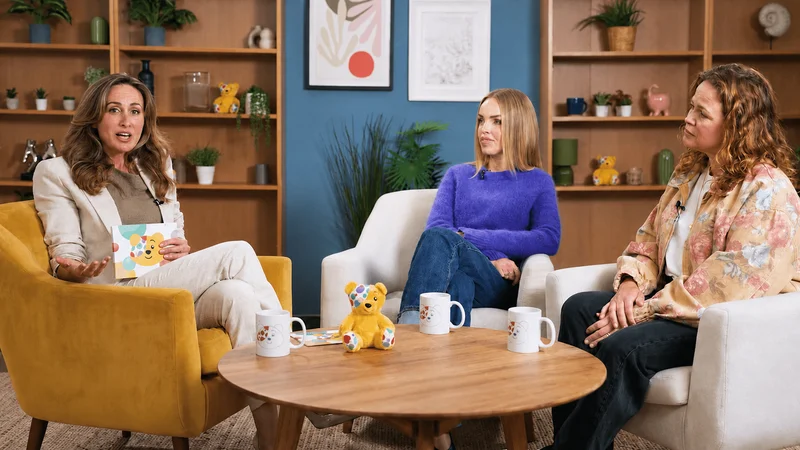
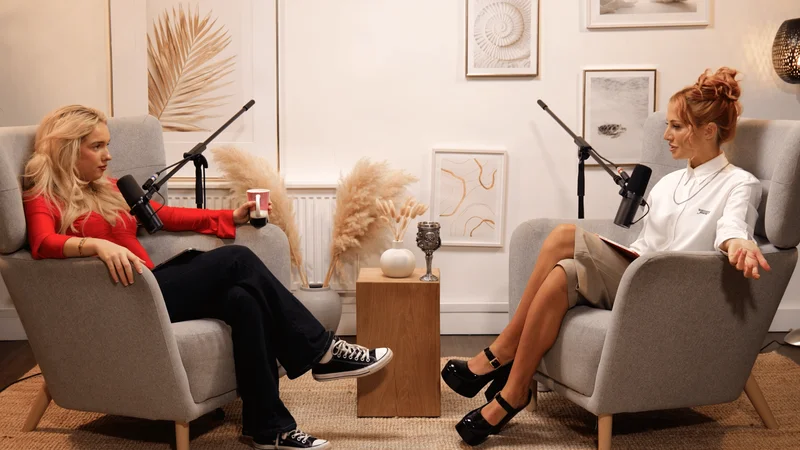
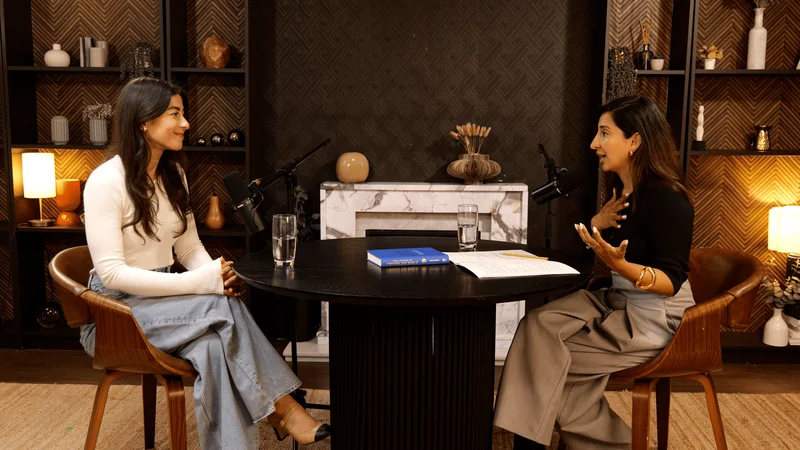
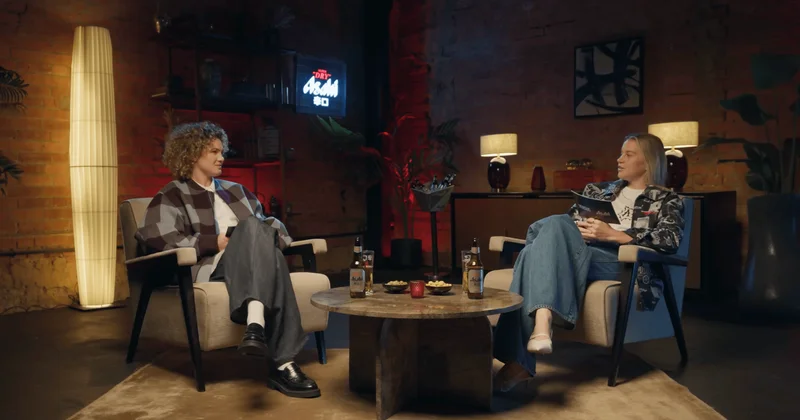
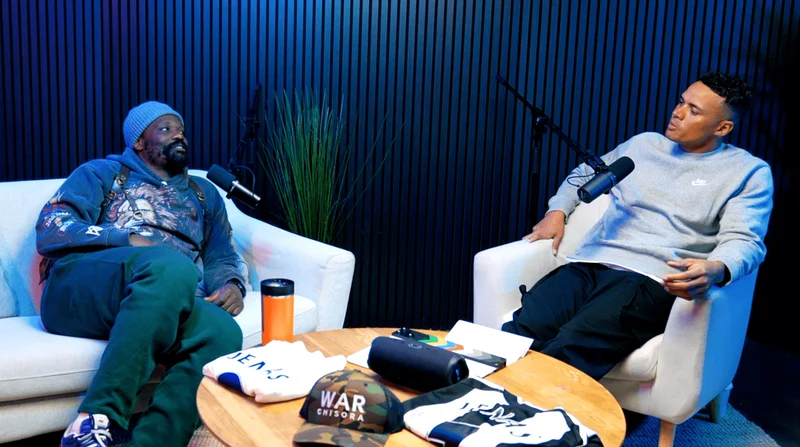
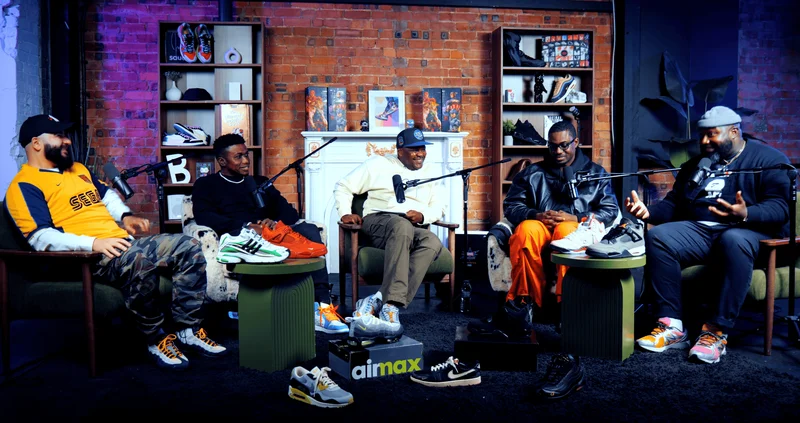
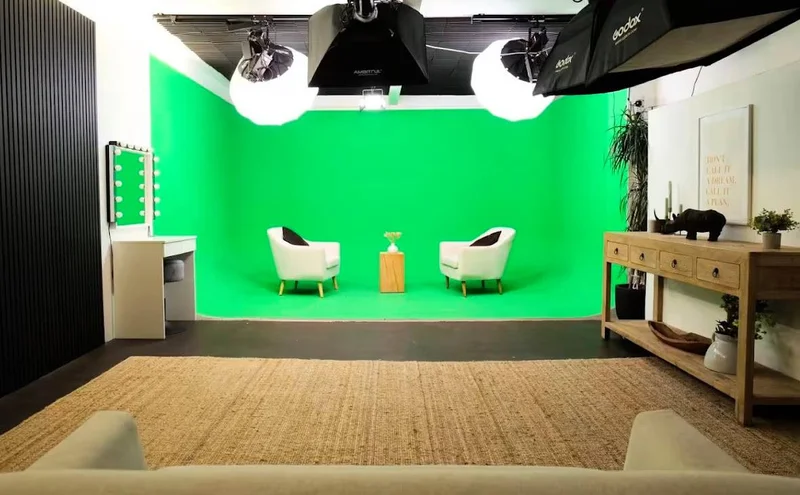
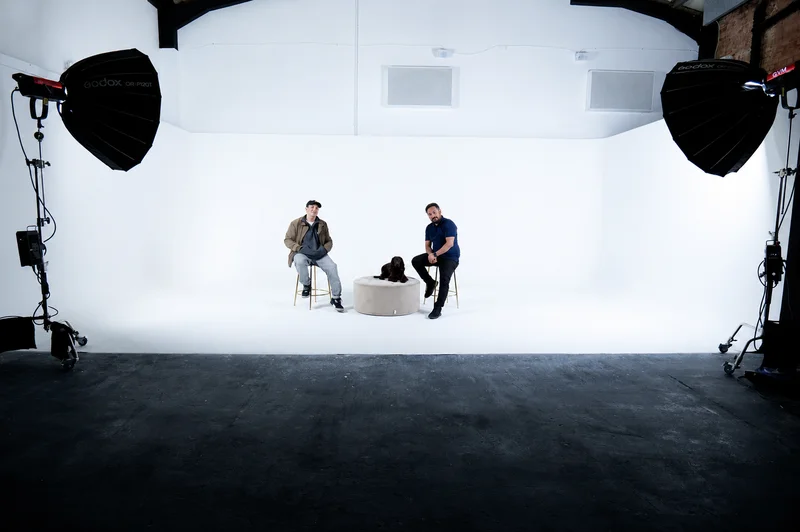
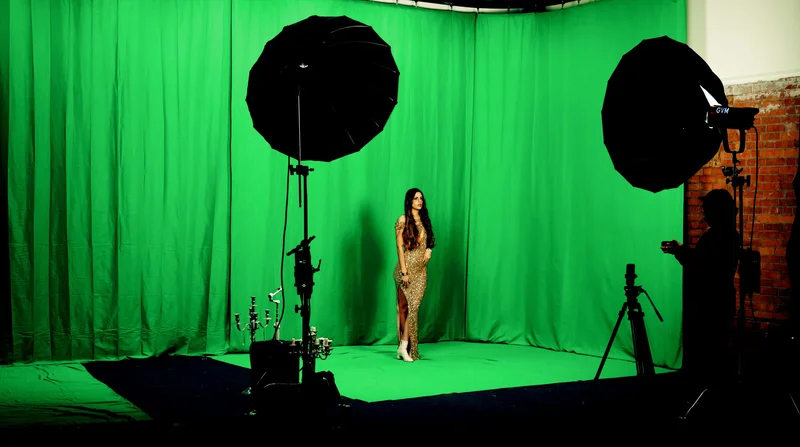
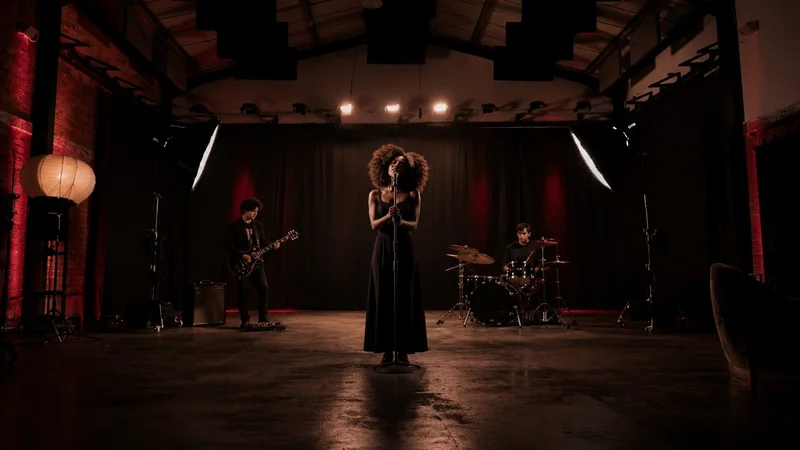
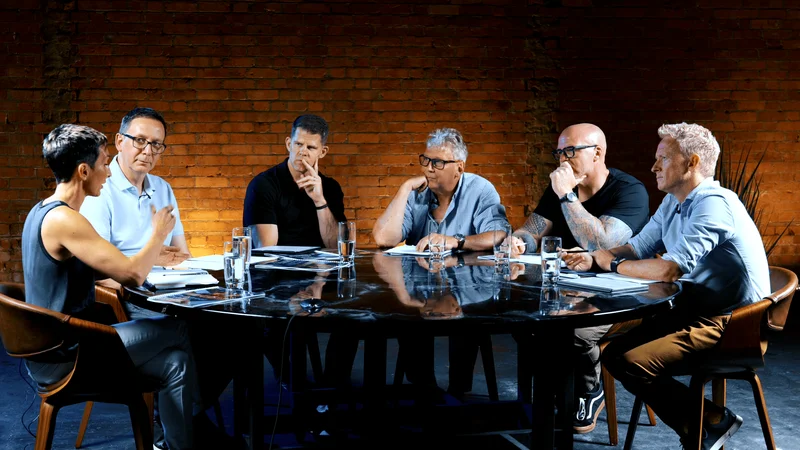
Finding a high-value studio is the first step, and we provide the professional environment you need. We encourage you to see our different sets, each designed for a specific creative vision. Explore our intimate Dialogue Room for focused conversations, the relaxed LOUNGE STUDIO for group chats, or the premium CEO SET for executive content. For more dynamic productions, we have a fully-equipped Green Screen Cove, the sleek Blackwood Studio, and the textured THE BRICK STUDIO. We also feature a flawless White Infinity Cove, a fully controlled BLACKOUT SET, the spacious GATHERING STUDIO for roundtables, and one of London's largest GIANT GREEN SCREEN warehouses.
And your production doesn’t have to end when you leave the studio. Let our experts handle the post-production with our professional Video Editing Service, ensuring your content is polished and ready for your audience. We're trusted by industry leaders and creators alike, with regular clients including the BBC and Lloyds bank, so you know you're in good company. But don't just take our word for it; see what other creators have to say about their experience on Google review and Trust Pilot.
Finding us is simple. We are conveniently located just two minutes from Finchley Central, adjacent to the Travelodge London Finchley, and offer one free parking space per booking. You can find us easily on Google map, Apple maps, [suspicious link removed], or using What 3 words.
Stay connected and see what's happening at the studio by following us on Instagram, YouTube, TikTok, LinkedIn, and X (Twitter).
Have questions? Check our FAQ or get in touch with us directly via WhatsApp, phone at +447587827200, or Email.
Ready to create? Book now and let's make something amazing together.