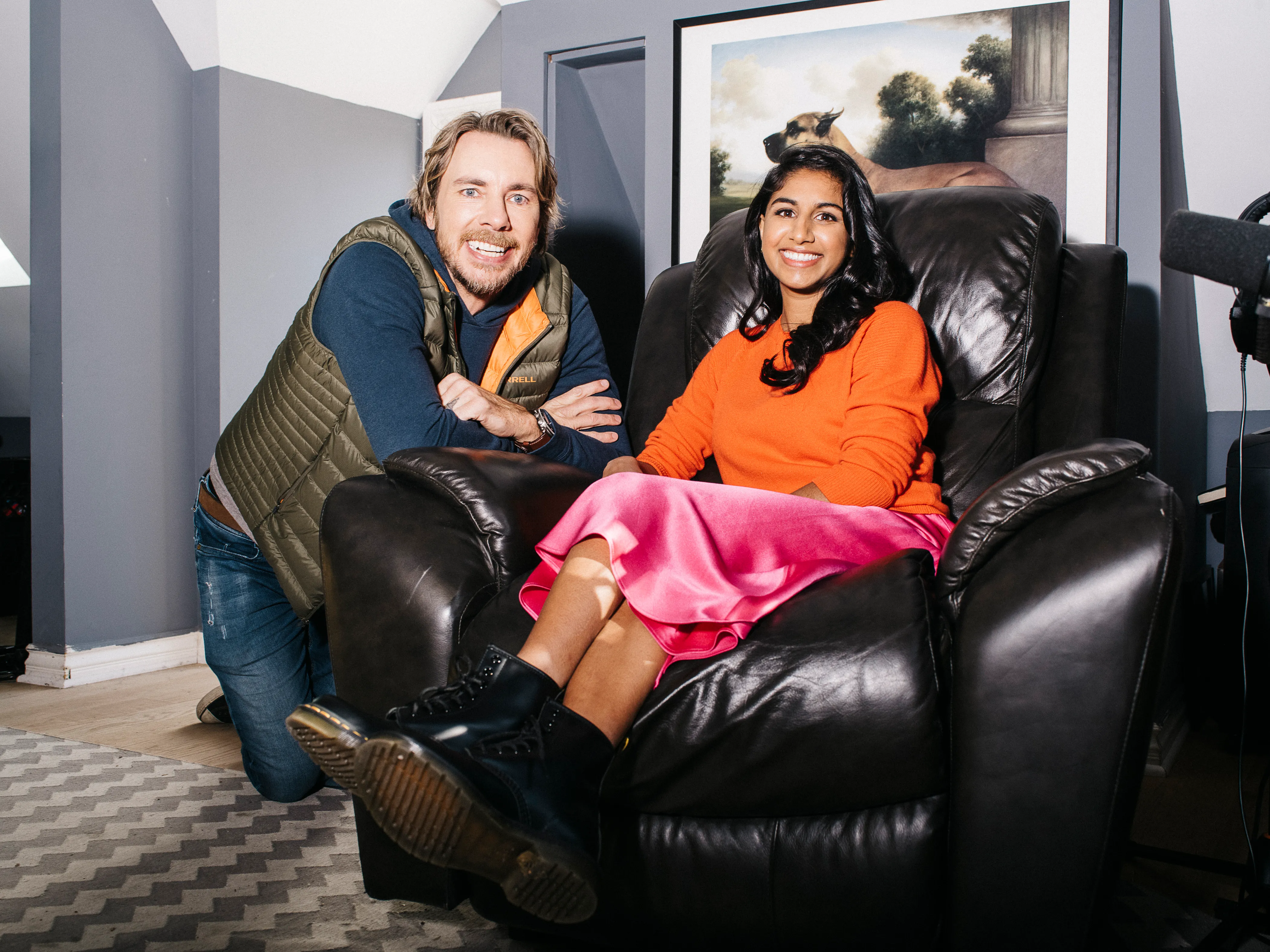
Image Credit: Armchair Expert
So, you’ve got an idea for a podcast. Maybe it’s a series of expert interviews, a storytelling show, or a new take on the “founder fireside chat.” You’ve listened to Diary of a CEO, Happy Place, or Call Her Daddy and thought — “I could do that.” And you probably can. But the truth is, creating a successful podcast isn’t just about talking into a mic and hoping for the best. It’s about planning, consistency, production value, and understanding your audience from day one.
Whether you’re a creative storyteller, a startup founder, or a corporate brand looking to build trust and visibility, this guide walks you through how to produce a professional, engaging podcast from concept to final edit — with a few real-world tips from Finchley Studios, one of London’s most versatile podcast and video production spaces.
1. Start with the Why: Define Your Purpose and Audience
Before you press record, you need to know why your podcast exists. Every successful show has a clear purpose — something that shapes its voice, format, and even how it’s marketed.
Ask yourself:
-
What value does this podcast bring to listeners?
-
Who exactly is my target audience?
-
What tone fits that audience — serious and expert-led, or conversational and entertaining?
-
How often will new episodes be released?
For instance, a corporate brand podcast might aim to build authority or share thought leadership in an industry. Meanwhile, a creative or lifestyle show might focus more on relatability and entertainment.
At Finchley Studios, many clients start with a consultation to help clarify these early-stage ideas. Understanding your message early ensures your recording sessions, guests, and promotion all serve one goal — consistent, valuable content.
2. Develop a Format That Fits Your Storytelling Style
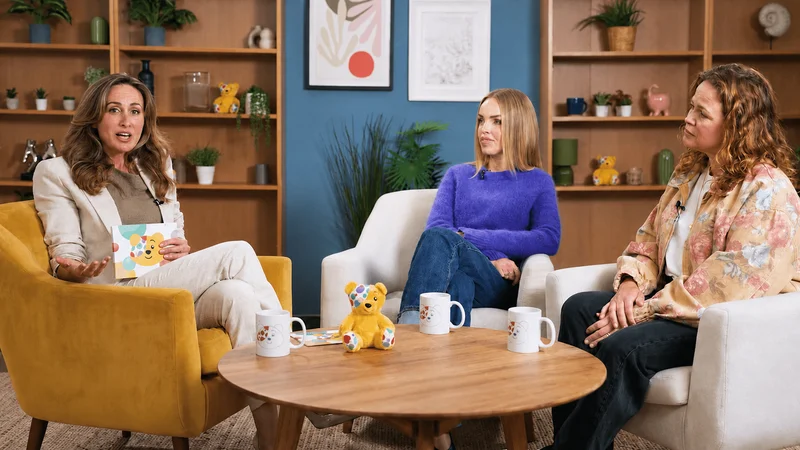
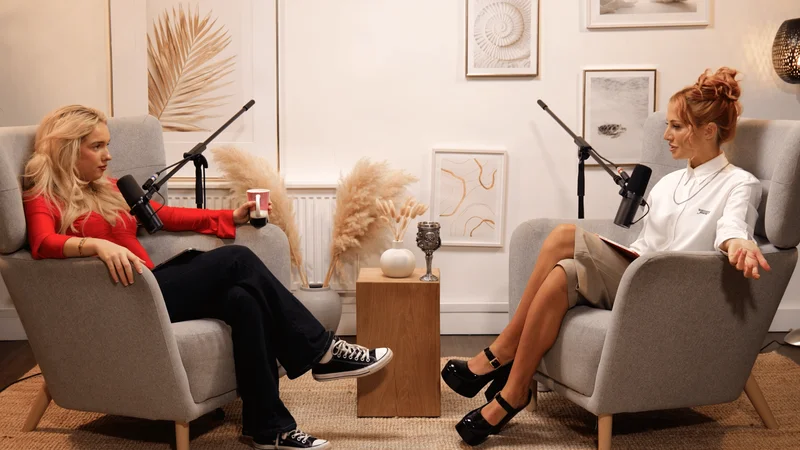
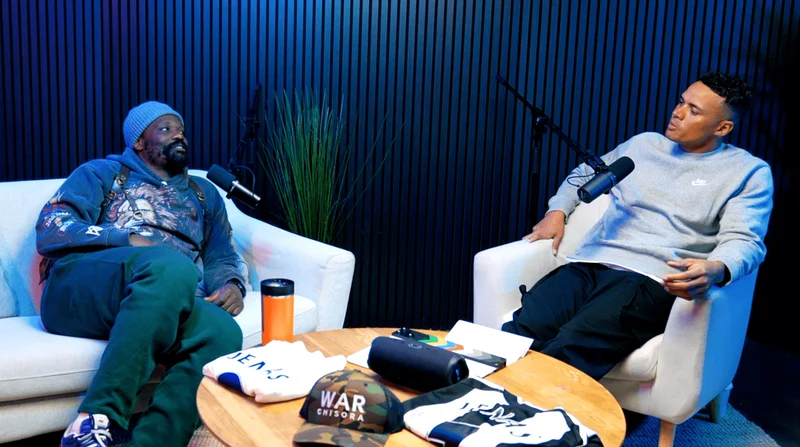
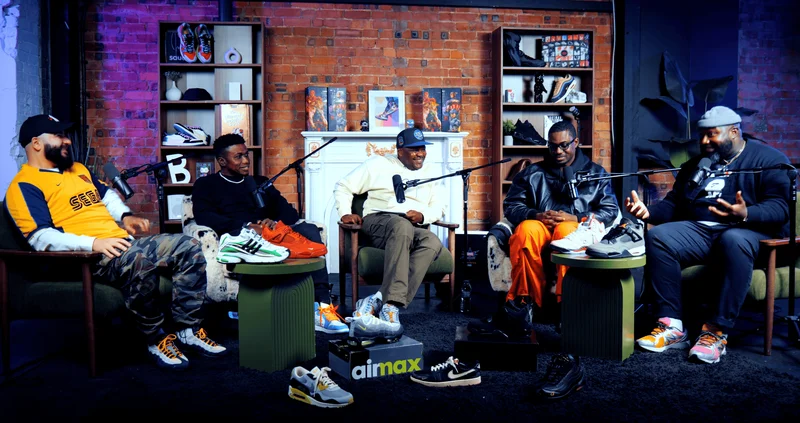
Podcasts come in all shapes and sizes. Some thrive on one-on-one interviews, others tell stories, and some use a panel format. The key is to find a structure that works with your strengths and your listeners’ expectations.
Common podcast formats include:
-
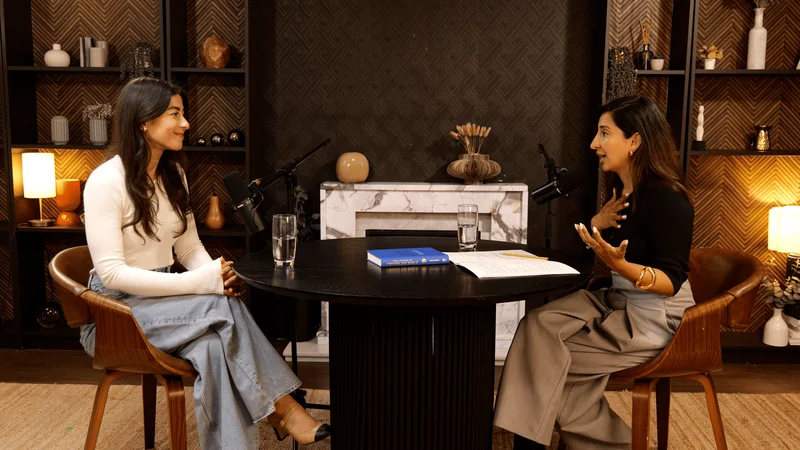
Interview-based – Popular for experts, entrepreneurs, and storytellers.
-
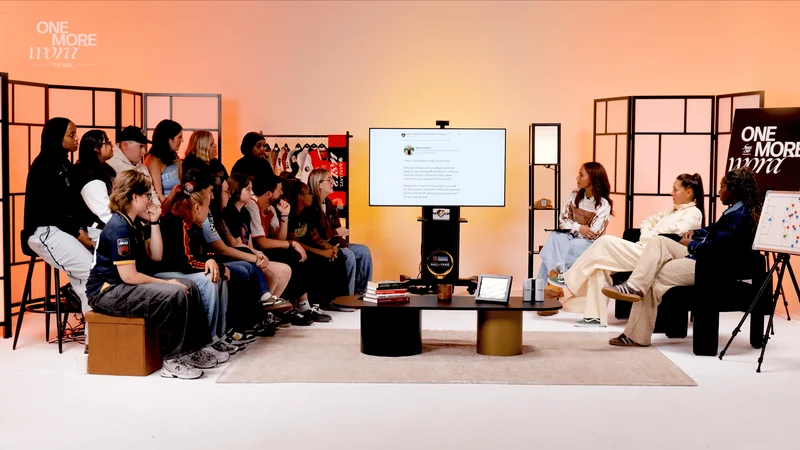
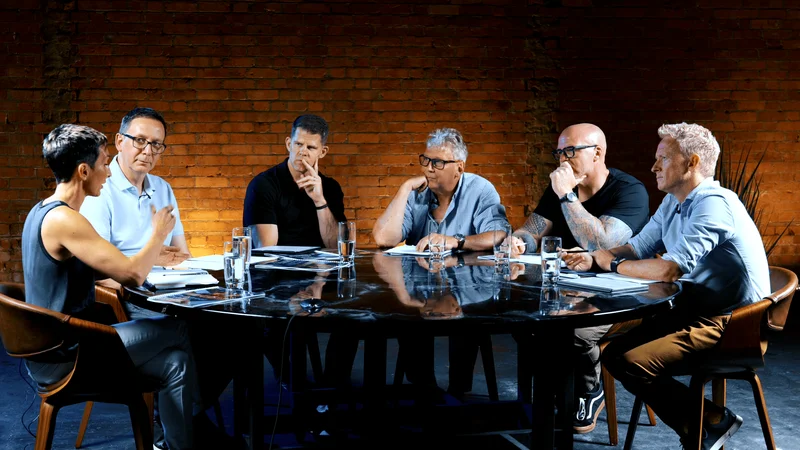
Panel discussions – Great for brands or teams sharing multiple perspectives.
-
Narrative or documentary – For creators who want to tell a story through editing and sound design.
-
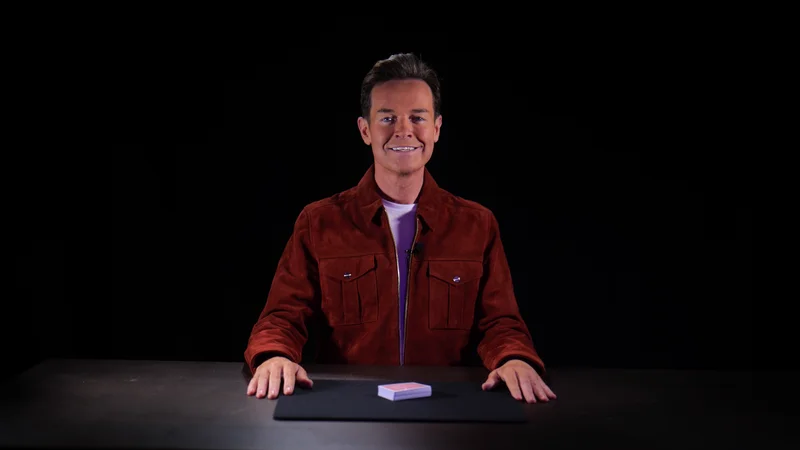
Solo monologue – Ideal for coaches, consultants, or subject-matter experts.
You don’t need to overcomplicate it — consistency matters more than gimmicks. Once your format is decided, script or outline each episode so that your recordings flow naturally. A good rule of thumb: think “planned spontaneity” — polished, but not robotic.
3. Set Up a Professional Recording Environment
The difference between a “good” podcast and a “great” one often comes down to the environment in which it’s recorded. No one wants to hear echoing rooms, background hums, or muffled voices.
If you’re recording from home, you can start by softening the space with curtains, rugs, and cushions to reduce echo. But if you’re serious about quality — especially for video podcasts — it’s worth using a professional studio.
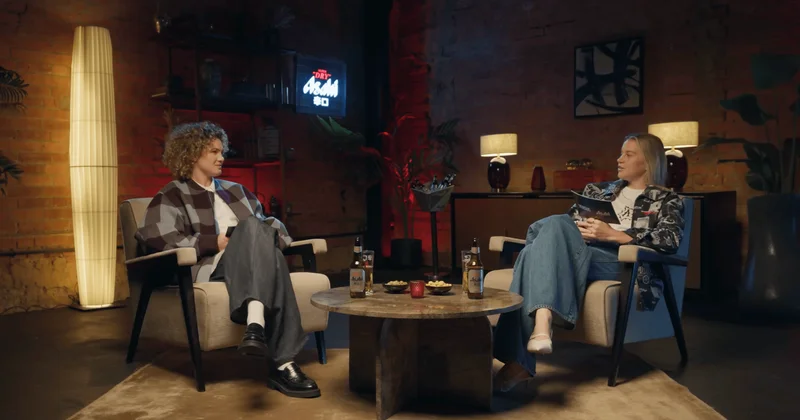
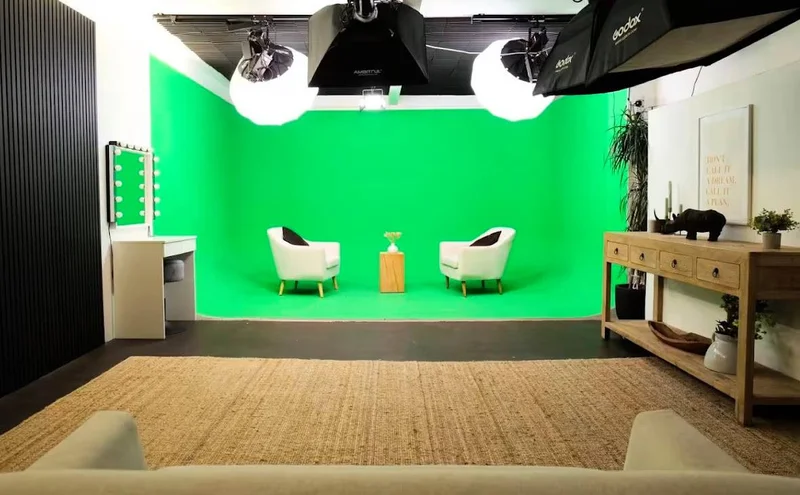
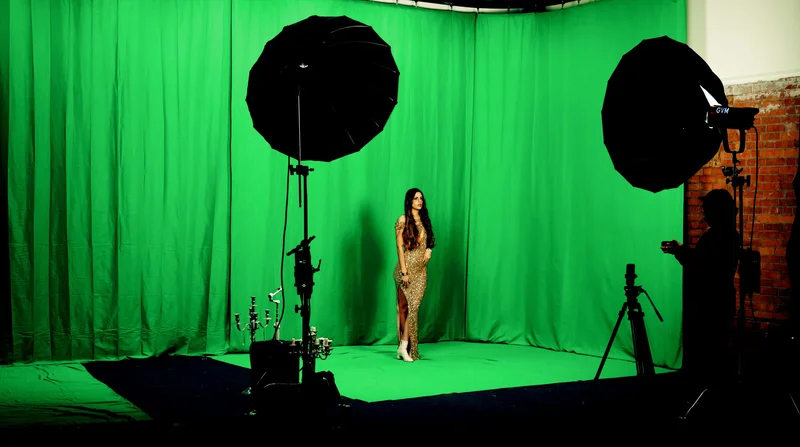
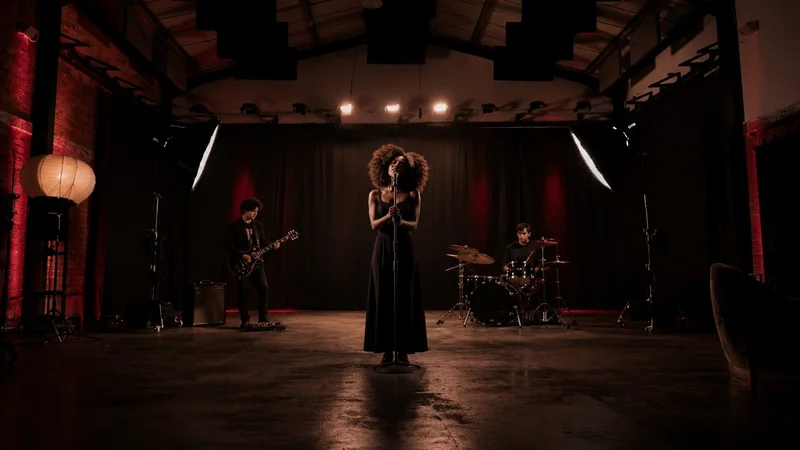
That’s where Finchley Studios comes in. Located in North London, the studios are equipped with acoustically treated podcast sets, premium microphones, and lighting designed to make both the sound and visuals shine. Whether you’re recording a single guest or a full panel discussion, the controlled environment ensures crystal-clear results without distractions.
Plus, the variety of set options — from the CEO Set for polished interviews to the Lounge Set for relaxed, conversational shows — allows every podcast to have its own distinctive look and feel.
4. Choose the Right Equipment (and Learn How to Use It)
High-quality sound is non-negotiable. If listeners struggle to hear your voice, they won’t stay long — no matter how interesting your content is.
Essential podcast equipment includes:
-
Microphones (e.g., Shure SM7B, Rode NT1): capture clear, warm vocals.
-
Headphones: monitor levels and detect issues in real time.
-
Audio interface or mixer: connects mics to your recording device.
-
Camera and lighting (for video podcasts): ensure visual consistency.
The good news? When you record at a studio like Finchley, you don’t need to buy or set up any of this gear yourself. The engineering team handles mic levels, lighting setups, and even camera framing so you can focus on what matters — the conversation.
5. Make It Visual: The Power of Video Podcasts
Audio-only podcasts still have an audience, but video podcasts are quickly becoming the new standard. They perform better on platforms like YouTube, TikTok, and Instagram Reels — where clips can drive massive reach.
Think of The Diary of a CEO. Its success isn’t just in the audio — it’s in the short, engaging clips that dominate social media feeds. Visual storytelling sells.
At Finchley Studios, many podcasters record in 4K with multiple camera angles. This makes it easy to repurpose episodes into short-form content later. With professional lighting and cinematic framing, your show immediately looks and feels more premium — which builds authority with audiences and sponsors alike.
6. Edit Like a Pro: Audio and Video Post-Production
Editing is where your podcast transforms from a raw recording into a finished, flowing experience.
Here’s what great editing involves:
-
Removing background noise and “ums” or long pauses.
-
Balancing levels between voices.
-
Adding intro/outro music or branded sound design.
-
Syncing audio and video for multi-camera setups.
-
Colour grading for a consistent visual tone.
Finchley Studios offers in-house video and audio editing, so creators and brands can have their episodes turned around quickly with a professional polish. Whether you’re using Adobe Premiere Pro, DaVinci Resolve, or Final Cut Pro, expert editors ensure everything aligns with your visual brand.
7. Create a Strong Podcast Brand
Your podcast needs its own visual and sonic identity. This includes your logo, title, intro music, and even how you speak to your audience. Consistent branding makes your show recognizable across Spotify, Apple Podcasts, and YouTube.
Think about:
-
A memorable title and tagline
-
Eye-catching cover art
-
Distinct theme music
-
A defined tone of voice
Finchley Studios’ design partners often help podcasters develop this brand identity from day one, ensuring every creative element — from lighting to sound mixing — matches your message and audience.
8. Marketing and Distribution: Get Your Show Heard
Once your episodes are ready, you need listeners. That’s where marketing and distribution come in.
Some key strategies:
-
Publish consistently on platforms like Spotify, Apple Podcasts, and YouTube.
-
Use short video clips from each episode for Instagram, TikTok, and LinkedIn.
-
Collaborate with guests who bring their own audience.
-
Encourage reviews and ratings — they build credibility.
-
Use email newsletters or blogs to share highlights and upcoming guests.
Finchley Studios works with many creators who batch-record several episodes in one day, then schedule releases strategically. This ensures you always have content ready to go — without burning out.
9. Monetisation: Turn Your Podcast into a Business
If your goal is to earn from your podcast, you’ll need to build an engaged audience first — but monetisation can come from multiple sources:
-
Sponsorships and ad placements
-
Affiliate marketing (mentioning relevant products)
-
Merchandise or subscription tiers
-
Live events or workshops
-
Branded content collaborations
Corporate clients at Finchley Studios often use their podcasts as part of a larger marketing strategy — producing polished, high-value episodes that double as evergreen brand content.
10. Stay Consistent and Keep Improving
The most successful podcasters all share one trait: consistency. Audiences grow slowly, but they grow steadily when you show up regularly with quality episodes.
Analyse your analytics. Listen back to your early recordings and learn from them. Experiment with new guests, segments, and questions. Every episode is a chance to refine your craft.
At Finchley Studios, long-term clients often evolve their setups — upgrading lighting, trying new formats, or even filming full video specials once their audience grows. That’s the beauty of using a professional space — it grows with you.
Final Thoughts: Your Studio, Your Story
Podcasting has become one of the most powerful storytelling formats in the world — bridging entertainment, education, and brand identity in one medium. But success doesn’t come from a single viral clip or a fancy mic; it’s built on clarity, creativity, and commitment.
Whether you’re an independent creator chasing your first thousand plays or a company building your thought-leadership platform, the right environment makes all the difference.
Finchley Studios offers everything you need to produce a podcast that sounds (and looks) like the real deal — from soundproofed sets and cinematic lighting to editing, branding, and production support.
So, the next time you hit record, don’t just talk — produce.
Your audience will hear the difference.
Source: https://www.bbc.com/academy-guides/podcasting-what-do-i-need-to-know