The landscape of professional audio and visual communication has undergone a profound transformation over the last decade, particularly within the competitive, high-stakes media ecosystems of major metropolitan hubs. As the creator economy continues to expand into a multi-billion-pound industry, the solo podcast format has emerged as a critical mechanism for creators, thought leaders, and brands seeking to establish unassailable niche authority. However, the transition from a multi-guest conversational dynamic to a solitary, unprompted monologue presents a labyrinth of unique psychological, physiological, and technical challenges.
Maintaining energy, momentum, and engaging delivery when entirely alone in the booth is not merely a matter of willpower or extroversion; it requires the masterful orchestration of environmental conditioning, advanced vocal mechanics, cognitive anchoring, and the strategic utilization of high-end infrastructure found within a professional Podcast studio. Unlike a traditional guest-driven show or co-hosted program, where energy is naturally reciprocal and the dialogue provides inherent periods of cognitive and vocal rest, a solo host must manufacture and sustain momentum entirely from within. The ongoing, industry-wide shift towards "visual podcasting" or "vodcasting" has further complicated this dynamic. A creator operating within a Video studio must not only sound energetic, authoritative, and relatable but also look physically engaged and visually dynamic, necessitating a demanding dual focus on vocal projection and physical on-camera presence. Finchley Studios
This exhaustive research report provides a granular analysis of the strategies required to master the solo booth experience. It addresses the profound cognitive load of isolated broadcasting, the biomechanics of sustained vocal stamina, the architectural and psychological optimization of the physical recording environment, and the strategic utilization of professional production facilities. Furthermore, it examines how the physical isolation of the booth intersects with the digital demands of Search Engine Optimization (SEO) and audience discoverability in an increasingly saturated market.
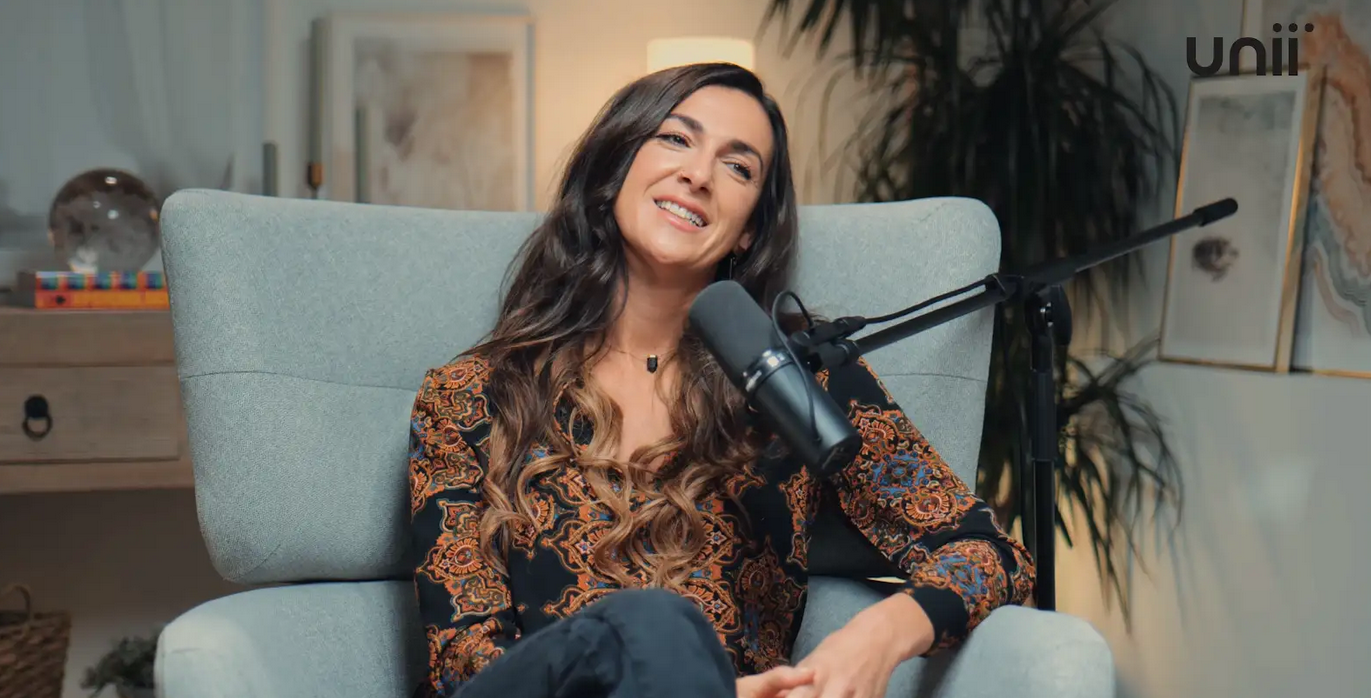
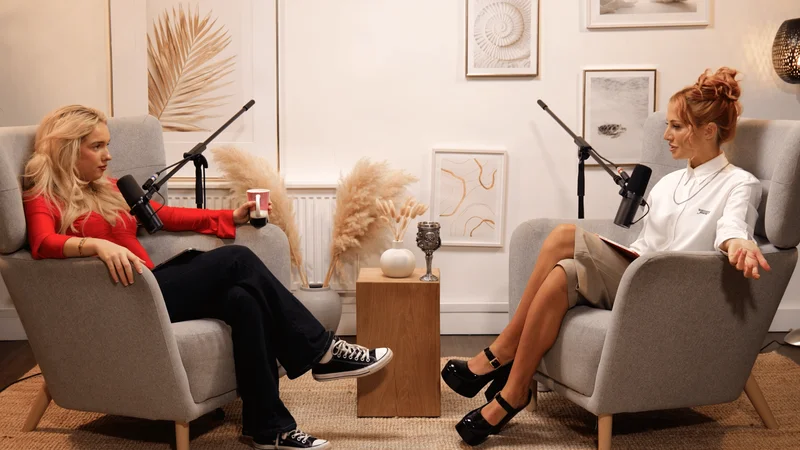
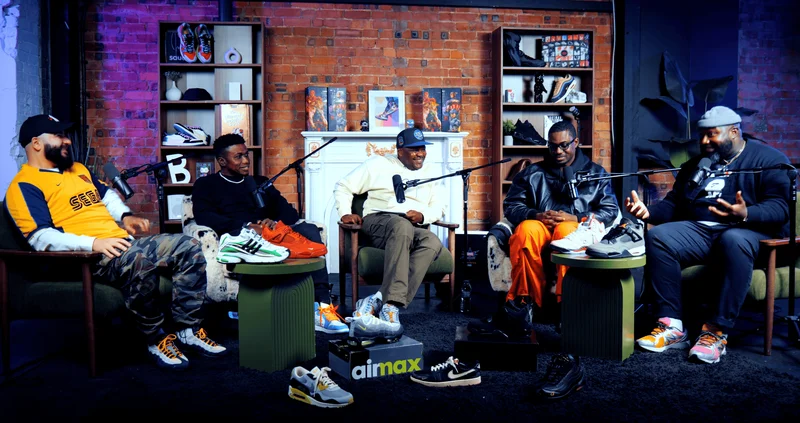
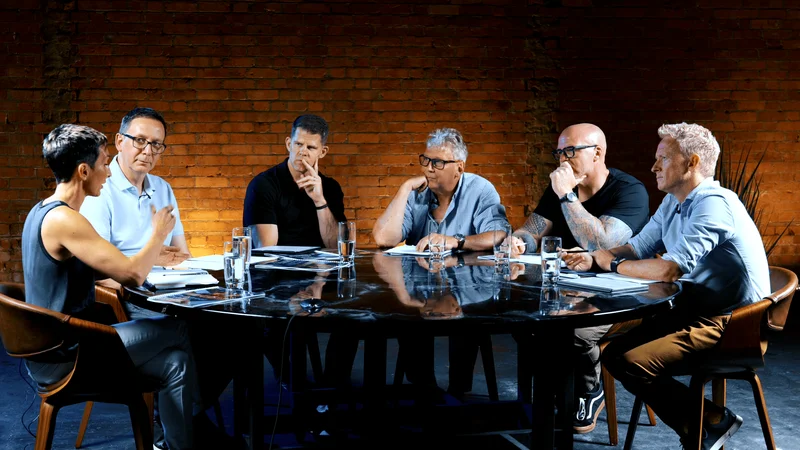
Finchley Studio (Dialogue set): book this setup for your podcast
The Psychology of the Solo Broadcast and Parasocial Bonding
The fundamental hurdle of the solo podcast is the stark psychological reality of the recording environment: the solitary nature of the acoustic booth strips away the non-verbal cues, micro-expressions, conversational pacing, and immediate feedback loops that naturally regulate human conversation. This isolated environment can rapidly induce severe cognitive fatigue, as the host's brain struggles to simulate a dynamic dialogue while simultaneously generating content, monitoring audio levels, and maintaining appropriate pacing. School of Podcasting
The Architecture of Parasocial Relationships
To sustain energy without a conversational partner, the broadcaster must understand and strategically leverage the psychology of parasocial relationships. Initially identified by psychologists Donald Horton and Richard Wohl in 1956, parasocial relationships are characterized as one-sided emotional bonds that audiences form with media figures who will never know them personally. While these relationships historically formed with television personas or radio DJs, modern podcasting exponentially amplifies this effect through the intimate rhythm, frequency, and sheer physical proximity of the human voice being piped directly into the listener's ear canals via headphones. RSS.com
Research in affective computing and neuroscience indicates that hearing a familiar, trusted voice triggers the release of oxytocin-often referred to as the "trust molecule"-in the listener's brain. This is the same neurochemical mechanism that facilitates bonding in primary relationships. Over time, listeners do not merely consume content; they spend hours with their favorite hosts while commuting, exercising, or winding down, building a quiet, profound familiarity that mimics genuine friendship. The listeners extend emotional energy, interest, and time, utilizing the host as a role model or a source of companionship that negates the risk of social rejection. Find a Psychologist
For the solo creator, generating this level of intimacy requires projecting a highly calibrated, authentic conversational persona to an entirely empty room. The most successful solo broadcasters cultivate what can be termed "alert authenticity." Rather than adopting an artificial, highly polished "radio voice"-which is unsustainable, cognitively taxing over long periods, and ultimately alienating to modern audiences-the host should aim to project a slightly more alert, energized version of their natural personality. This approach minimizes the cognitive dissonance of "acting," allowing mental resources to remain focused on complex content delivery and emotional resonance. Introverted creators, who often occupy a cultural space between private content generator and public speaker, can particularly benefit from this medium, as it allows them to reach thousands of people globally without the overwhelming sensory input of a live crowd. Medium
Advanced Visualization Techniques for Cognitive Anchoring
Because the human brain is evolutionarily wired for social, reciprocal interaction, speaking into the acoustic vacuum of a soundproof booth often results in a flattened affect, drifting focus, and dwindling enthusiasm. To systematically counteract this, professional voice actors and seasoned podcasters employ advanced cognitive visualization techniques to trick the brain into a state of social engagement. Visualization involves creating a vivid mental image or scenario to anchor the mind and stimulate a genuine physiological and emotional response.
When recording a solo episode, the host must firmly conceptualize the audience not as a vast, static demographic or a nebulous download statistic, but as a specific, highly engaged individual. RSS.com By visualizing a singular ideal listener sitting directly across the desk, the host naturally and subconsciously adjusts their vocal inflection, pacing, and emotional delivery to match the context of a personal, one-on-one conversation. RSS.com This mental anchoring prevents the performance from drifting into a sterile, monotonic lecture, maintaining the intimate, conversational energy required for a compelling podcast.
Advanced visualization practitioners understand that visualization is not merely "seeing" pictures in the mind's eye. According to the Magnetic Memory Method, there are at least eight distinct modes of visualization: Kinesthetic, Auditory, Visual, Emotional, Conceptual, Olfactory, Gustatory, and Spatial. Magnetic Memory Method A solo creator can utilize spatial visualization to imagine the dimensions of the listener's environment (e.g., a car interior or a kitchen), emotional visualization to tap into the listener's pain points or curiosity, and auditory visualization to imagine the listener's hypothetical responses or laughter. Magnetic Memory Method Engaging multiple visualization modes simultaneously deepens the cognitive immersion, effectively calming the nervous system, reducing performance anxiety, and fostering a proactive, energetic mindset. Magnetic Memory Method
Vocal Physiology and the Biomechanics of Stamina
A solo podcast episode requires continuous, unbroken phonation, placing immense mechanical stress on the vocal folds and the surrounding laryngeal musculature. Without the intermittent breaks inherently provided by a co-host or a guest answering a question, the solo broadcaster is highly susceptible to rapid vocal fatigue, hoarseness, loss of upper-frequency resonance, and a subsequent, unavoidable drop in performance energy. HVS Conservatory Sustaining a dynamic, energetic delivery over a prolonged recording session-or across multiple episodes during a batch-recording day-requires the disciplined, scientific application of vocal biomechanics.
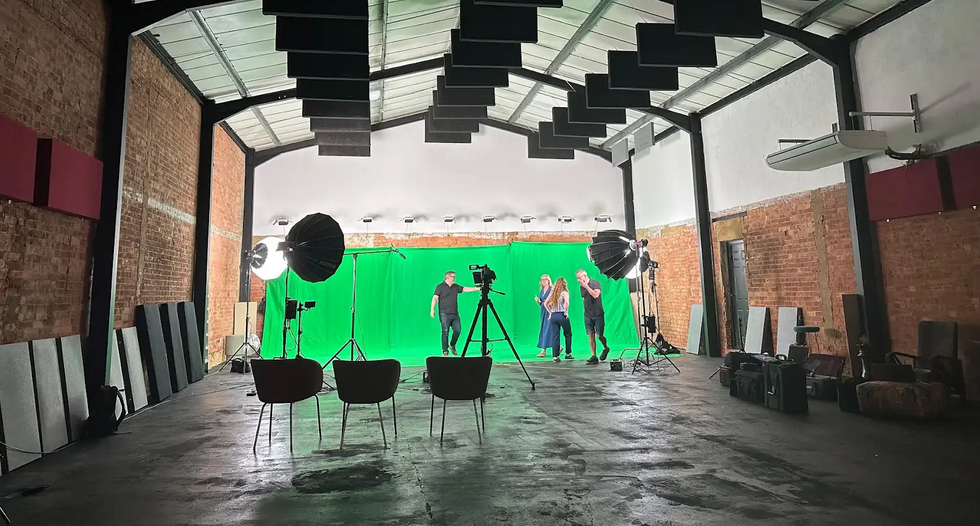
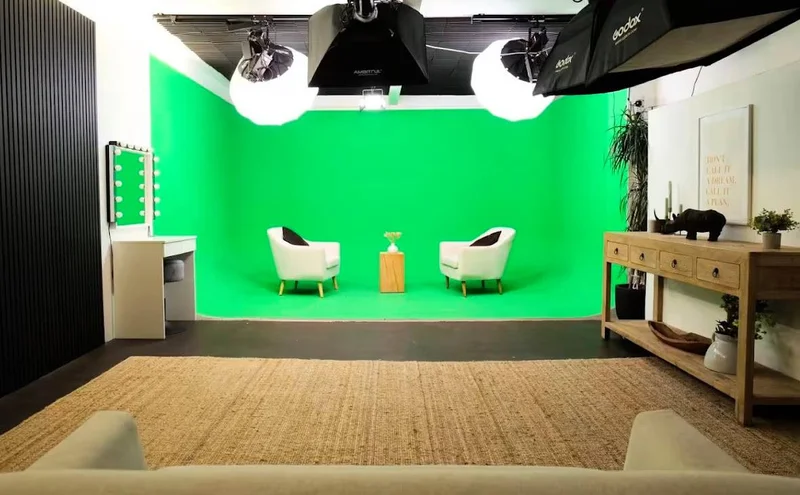
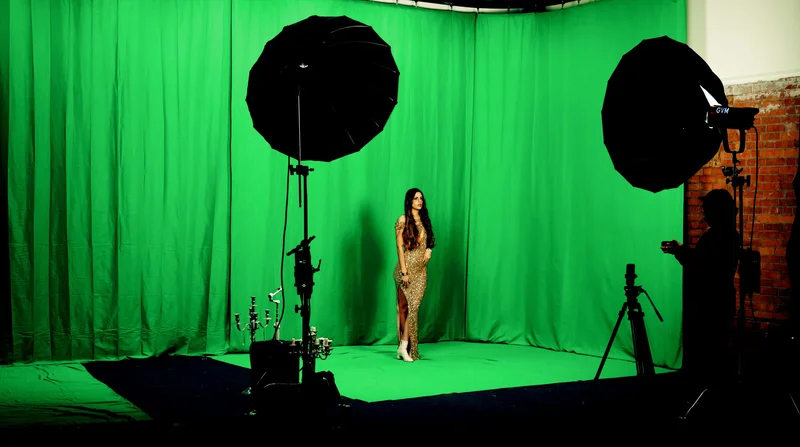
Finchley Studio (Giant Green Screen): book this setup for your podcast
Aerodynamic Control and Breath Pacing
Vocal energy fundamentally originates in the respiratory system. Broadcasters who rely on shallow, clavicular (upper chest) breathing fatigue rapidly because they lack the aerodynamic support necessary to maintain consistent subglottal pressure. HVS Conservatory Diaphragmatic breathing, which engages the abdomen, intercostal muscles, and lower ribs, provides a steady, controlled column of air that supports the voice efficiently without straining the delicate extrinsic laryngeal muscles. HVS Conservatory Furthermore, breathing through the nose rather than the mouth whenever possible helps filter and humidify the incoming air, protecting the vocal folds from desiccation. Podcasting Hacks
To optimize breath management during a solo session, creators must implement strategic breath pacing. This involves consciously marking phrase groupings in the session outline to avoid what vocal coaches term "breath panic"-the frantic, shallow, tension-inducing inhalation that occurs when a speaker runs out of air mid-sentence. Barbershop Harmony Society Furthermore, practicing quick-release inhalations prevents the buildup of upper chest tension, ensuring the voice remains resonant and the larynx remains in a neutral, relaxed position. Podcasting Hacks
Monitoring effort levels is also crucial for long-term stamina. A common amateur mistake is equating high energy with high volume. In reality, high notes and enthusiastic exclamations require less air pressure than low, heavy, resonant tones; pushing or reaching for volume will rapidly exhaust the vocal folds and lead to a harsh, abrasive sound. BNGV Creators are advised to assign an "effort number" on a scale of one to ten to different segments of their performance, consciously working to deliver the same dynamic phrase with a progressively lower effort number. BNGV
Semi-Occluded Vocal Tract Exercises (SOVTs) and Conditioning
To prepare the vocal apparatus for the sustained aerodynamic demands of a solo monologue, professional voiceover artists, singers, and elite podcasters rely on Semi-Occluded Vocal Tract (SOVT) exercises. Barbershop Harmony Society These exercises, which include lip trills, tongue rolls, voiced fricatives (e.g., /v/, /z/), humming, and straw phonation, partially block the mouth to create acoustic back-pressure. HVS Conservatory
Straw phonation, where the broadcaster hums, speaks, or performs pitch glides through a narrow drinking straw (sometimes into a glass of water), is particularly effective for balancing the aerodynamic pressure above and below the vocal folds. Barbershop Harmony Society This back-pressure physically squares up the vocal folds, reducing the impact stress when they collide during vibration, thereby fostering an incredibly efficient, low-effort sound production. Reddit It also regulates the amount of air used to support vocal delivery, teaching the body to economize its air supply. Reddit
Consistent conditioning is the foundation of vocal athleticism. Just as a runner does not attempt a marathon without training, a podcaster should not attempt a three-hour batch-recording session without daily vocal workouts. Engaging in short, focused practice sessions of twenty to forty minutes, five to seven days a week, significantly builds vocal stamina, allowing the creator to maintain a dynamic, energetic tone without overwhelming the vocal cords. HVS Conservatory Proper warm-ups (starting with gentle lip trills and moving to scales) and post-recording cool-downs are vital for maintaining vocal fold elasticity and preventing long-term injury. HVS Conservatory
Hydration, Mucosal Health, and Environmental Protection
The physical environment of the booth directly impacts vocal stamina. Vocal folds are covered in a mucosal layer that requires robust, systemic, and topical hydration to vibrate efficiently and resist frictional injury. When the vocal folds are dry, the phonation threshold pressure (the amount of air pressure required to initiate vibration) increases significantly, meaning the host has to work much harder simply to make a sound. Systemic hydration (drinking water) takes hours to reach the vocal folds. Therefore, steaming before a session is a highly effective, immediate method for delivering topical moisture directly to the throat area, reducing thick mucus and improving overall sound quality and endurance. Cari Cole Furthermore, consuming water-dense foods, such as chunks of melon, prior to a performance has been shown in clinical studies (such as an NYU study involving Elton John) to hydrate the throat area more enduringly than drinking plain water. Cari Cole Avoiding diuretics (like heavy caffeine or alcohol) before recording and tracking daily hydration are non-negotiable practices for maintaining peak vocal energy. Barbershop Harmony Society
Additionally, mouth clicks-the sharp, distracting, wet sounds caused by a dry mouth or thick saliva-are the number one issue audio engineers deal with in post-production. Reddit Beyond deep hydration, eating slices of tart green apple during session breaks naturally cuts through thick saliva, significantly reducing these audio artifacts and the subsequent editing required. Reddit
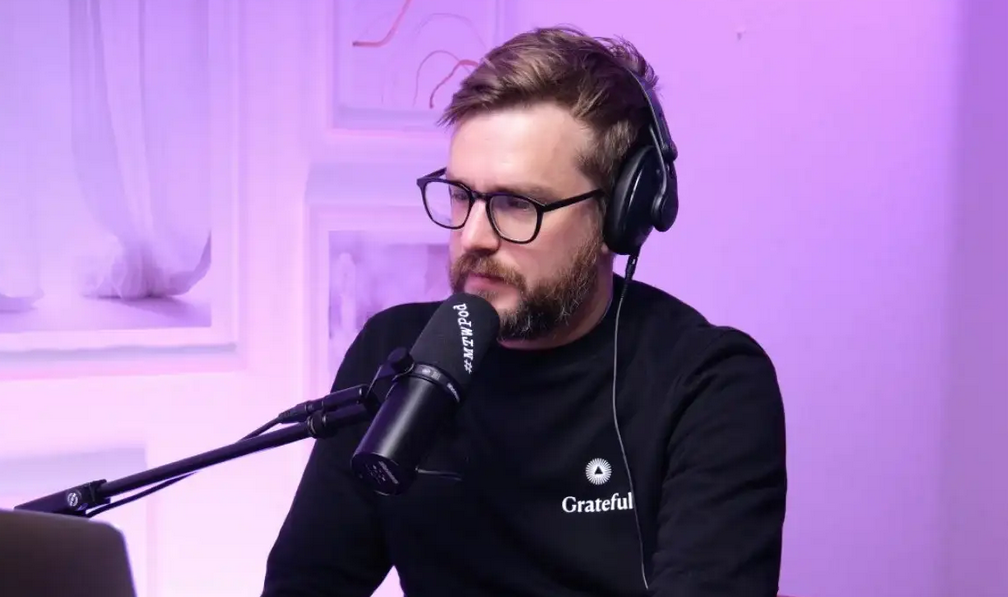
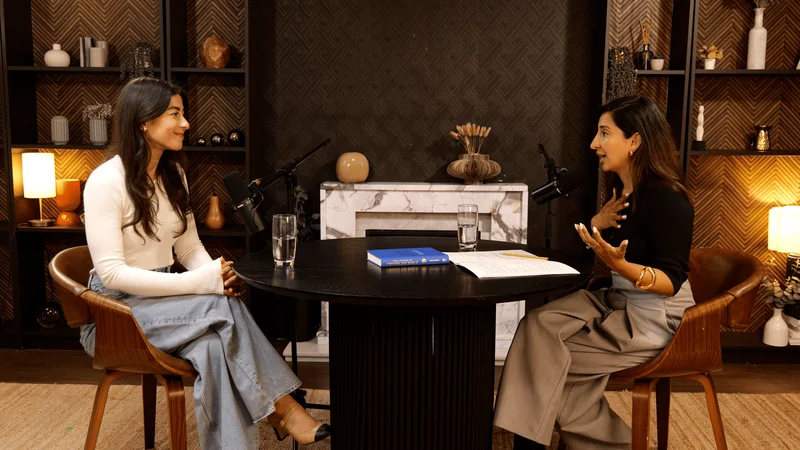
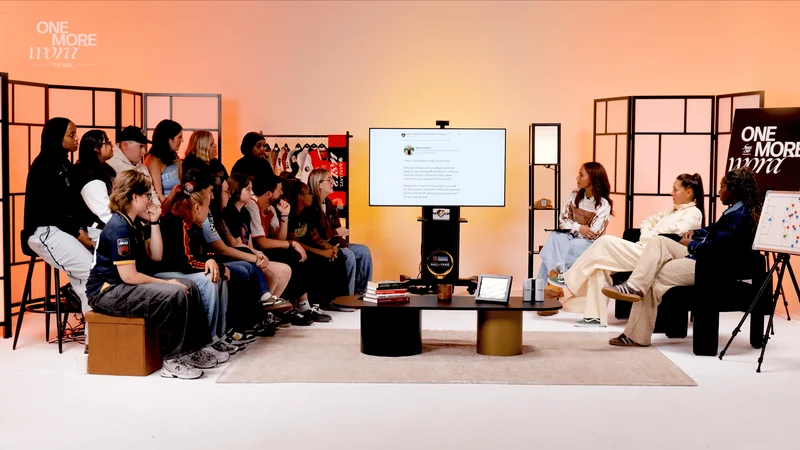
Finchley Studio (Gathering): book this setup for your podcast
Content Architecture and the Momentum of Narrative
The structural architecture of the episode's content dictates the flow of the host's energy. A poorly structured solo episode inevitably leads to rambling tangents, excessive filler words, and a monotonic, robotic delivery, which rapidly drains both the host's momentum and the listener's attention. Jason Cercone
Ditching the Script for Dynamic Outlining
Perhaps the most universally detrimental practice for a solo podcaster's energy is attempting to read from a verbatim, word-for-word script. Jason Cercone Script-reading shifts the brain's cognitive load from active, spontaneous communication to passive, rigid recitation. Jason Cercone This results in a disconnected cadence that strips the voice of its natural inflection, pitch variation, and enthusiasm. Jason Cercone Furthermore, losing one's place in a dense script induces a spike in cortisol and panic, breaking the flow of the recording and exhausting the speaker. Reddit
Instead, the synthesis of a bullet-point outline is universally recommended by industry professionals. An outline provides a structural safety net while forcing the creator to formulate sentences and articulate thoughts in real-time. Jason Cercone This real-time formulation preserves the natural cadence, emotional resonance, and conversational energy of spontaneous speech. Outlines should be strictly structured around clear, distinct ideas, allowing the host to tackle one segment at a time with concentrated, high-energy focus. Jason Cercone
The Three C's Framework and Storytelling
To maintain structural momentum from the moment the microphone becomes hot, solo episodes often benefit from the "Three C's" framework: Context, Content, and Call to Action. JillFit
Context: The host must immediately provide context to frame the conversation, hook the listener, and establish the relevance of the topic. JillFit
Content: This is the core delivery of valuable insights, strategies, or unique points of view (POV). JillFit
Call to Action (CTA): A definitive wrap-up that directs listeners to engage further (e.g., joining a waitlist, leaving a review), providing a high-energy, purposeful conclusion to the solitary monologue. JillFit
Integrating personal anecdotes, client case studies, and real-life examples within the content section is absolutely vital for maintaining energy. JillFit Storytelling naturally alters a speaker's vocal pacing, volume, and pitch, inherently preventing the delivery from deteriorating into a monotone drone. PodMatch It also serves to ground abstract, highly technical concepts, making it easier for the host to internally visualize the impact of their words, which reflexively boosts their delivery energy and enthusiasm. PodMatch Solo episodes, because they are highly focused, should generally be kept concise-approximately fifteen to twenty-five minutes-unless there is a compelling narrative reason to run long, ensuring the host does not run out of energetic reserves before the CTA. Jason Cercone
Mastering Pacing, Silence, and the Post-Production Safety Net
A common and destructive psychological trap for solo creators is the intense fear of "dead air." When recording alone in a soundproofed environment, two seconds of silence can feel agonizingly long to the speaker. Jason Cercone This sensory deprivation leads hosts to rush their delivery or panic and fill the empty space with filler words like "um," "uh," or "like". Jason Cercone This rushing creates a tense, anxious, hyper-ventilatory energy that is exhausting for the host to sustain and deeply unpleasant for the audience to listen to.
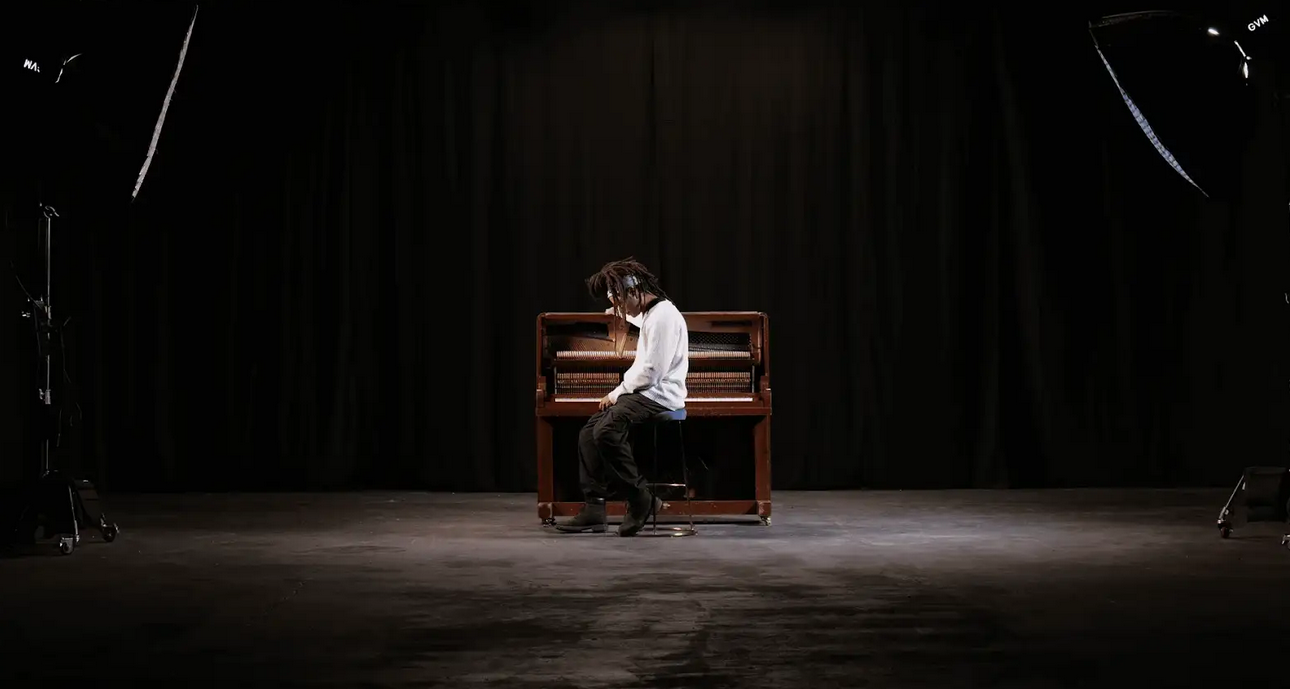
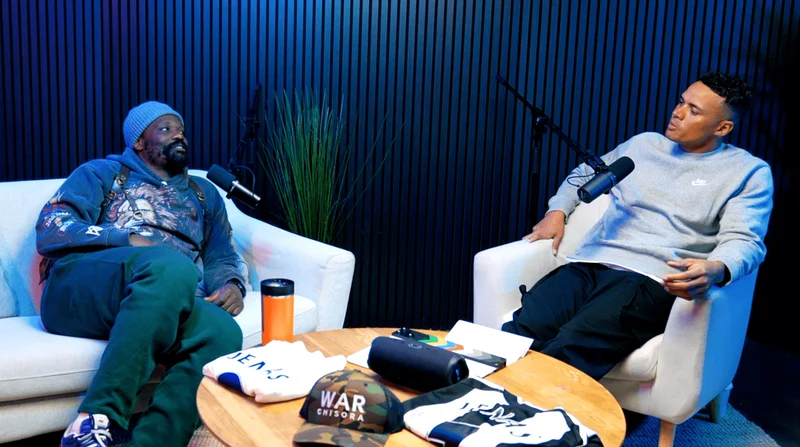
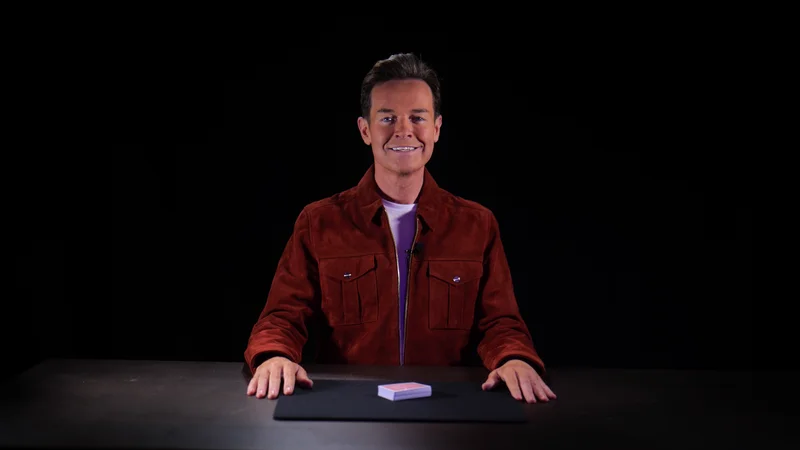
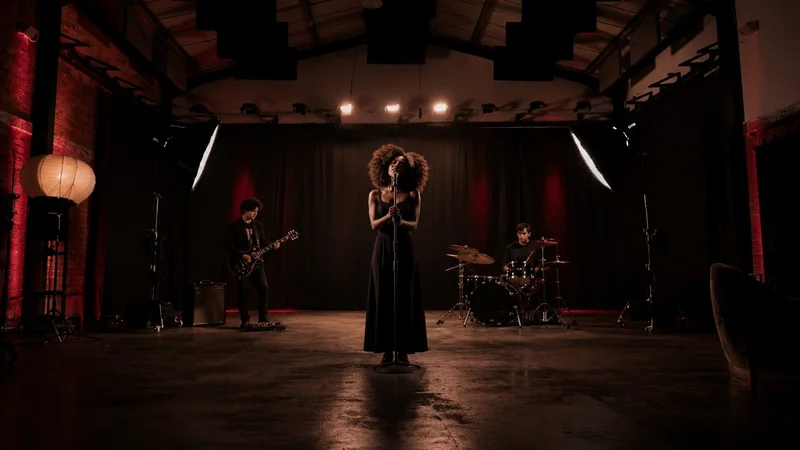
Finchley Studio (Giant Blackout Set): book this setup for your podcast
Mastering solo energy requires embracing the profound power of the pause. Jason Cercone Pauses are not failures of speech; they are critical rhetorical tools. They allow the speaker to breathe properly, gather their thoughts, transition between outline bullet points, and add dramatic emphasis to critical insights. Jason Cercone Because modern digital audio workstations (DAWs) and non-linear editing software make audio manipulation effortless, any silence that is genuinely too long can be seamlessly tightened or removed entirely in post-production. Jason Cercone By implicitly trusting the editing process, the host liberates themselves from the paralyzing pressure of a flawless live performance, allowing for a far more relaxed, authentic, and enduring performance. Jason Cercone
Combating Digital, Visual, and Environmental Fatigue
The modern recording booth-whether a home setup or a high-end Recording studio-is an ecosystem heavily dominated by glowing digital interfaces. Between DAWs, tablet script displays, visual mixing software, and video monitors, the solo creator is subjected to intense, prolonged screen exposure. Over the course of a long recording session, this unbroken exposure leads to a modern occupational hazard known as digital fatigue-a syndrome characterized by blurred vision, dry and gritty eyes, tension headaches, and a profound depletion of overall mental and physical energy. Optique at West Paces
Mitigating Screen Fatigue in the Booth
Digital eye strain significantly and directly impacts a creator's ability to maintain an energetic vocal persona. Maine Optometry When the ciliary muscles of the eyes become exhausted from continuously focusing on close-up digital text or waveforms, the resulting physical discomfort triggers the sympathetic nervous system, which directly translates into a loss of vocal brightness, increased laryngeal tension, and mental sluggishness. Optique at West Paces In professional environments across cities like Atlanta and London, professionals report that poor screen positioning, harsh overhead lighting, and rare visual breaks leave them visually exhausted before the work is even completed. Optique at West Paces
To counteract this, the physical layout of the booth must be ergonomically optimized. Monitors displaying outlines, DAW tracks, or teleprompters should be positioned approximately an arm's length (20-28 inches) away from the face, with the top edge of the screen at or slightly below eye level to reduce strain on the extraocular muscles and the cervical spine. Optique at West Paces Text size must be aggressively increased to eliminate any subconscious need for squinting; squinting causes tension in the facial and jaw muscles, which negatively affects vocal resonance and articulation. Podcasting Hacks
Implementing the 20-20-20 rule is essential during marathon recording sessions: every 20 minutes, the creator must deliberately look away from the screen at an object at least 20 feet away for a minimum of 20 seconds to relax the eye's focusing muscles. Optique at West Paces Furthermore, ambient lighting plays a critical role in fatigue management. A stark contrast between a glaringly bright monitor and a dark, heavily soundproofed room causes rapid pupillary sphincter fatigue. University College London Professional studio environments often utilize subtle, low-wattage, warm-colored LED lighting placed behind monitors to reflect off the acoustic treatments and back walls. Reddit This technique, known in the industry as "bias lighting," drastically reduces the contrast ratio, preventing the eyes from straining and tearing up, thereby preserving cognitive endurance for the content itself. Reddit
Structuring Sessions and Escaping the Isolation "Cave"
The psychological weight of the recording environment-often aptly described by audio engineers as a cave, a spaceship, or an alternate universe-can quickly become oppressive. Carvin Audio The complete lack of natural sunlight, fresh air, and external acoustic stimuli within a heavily soundproofed booth drains human productivity and dopamine levels over extended periods. Carvin Audio To maintain long-term creative energy and physical health, creators must absolutely abandon the romanticized, industry-old notion of the grueling "all-night lockout". Carvin Audio
Treating recording sessions with disciplined, structured boundaries is vital for longevity. For optimal energy management, recording days should strictly not exceed eight hours, as human productivity and vocal quality plummet sharply beyond this threshold. Carvin Audio These blocks should be punctuated by a one-hour break every four hours and a fifteen-minute micro-break every two hours. Carvin Audio During these breaks, physically exiting the studio environment to experience natural daylight and fresh air is crucial for resetting the body's circadian rhythm, lowering cortisol, and clearing cognitive fog. Carvin Audio
Additionally, human biomechanics dictate that "sitting is the new smoking". Carvin Audio The studio is traditionally a haven for sitters. Standing up to record, or utilizing a standing desk within the booth, prevents the physical stagnation, hip flexor shortening, and shallow abdominal breathing associated with prolonged sitting. Standing instantly infuses the performance with dynamic physical energy, allowing the host to use their entire body to support their vocal projection. JillFit
The Imperative of Professional Acoustic Infrastructure
While the proliferation of affordable USB microphones and software has democratized audio production, maintaining maximum energy, focus, and polish as a solo creator is remarkably difficult when burdened with the dual, conflicting roles of creative performer and technical engineer. That Toronto Podcast Studio Operating an ad-hoc home studio demands constant, low-level vigilance regarding transient background noise (sirens, air conditioning, computer fans), input gain staging, and acoustic reflections. This dynamic, known as the "solo podcast trap," siphons vital cognitive energy away from content delivery and story formulation. That Toronto Podcast Studio Transitioning to a professional Recording studio is not merely a vanity expense; it is a strategic investment in performance quality, brand perception, and host stamina.
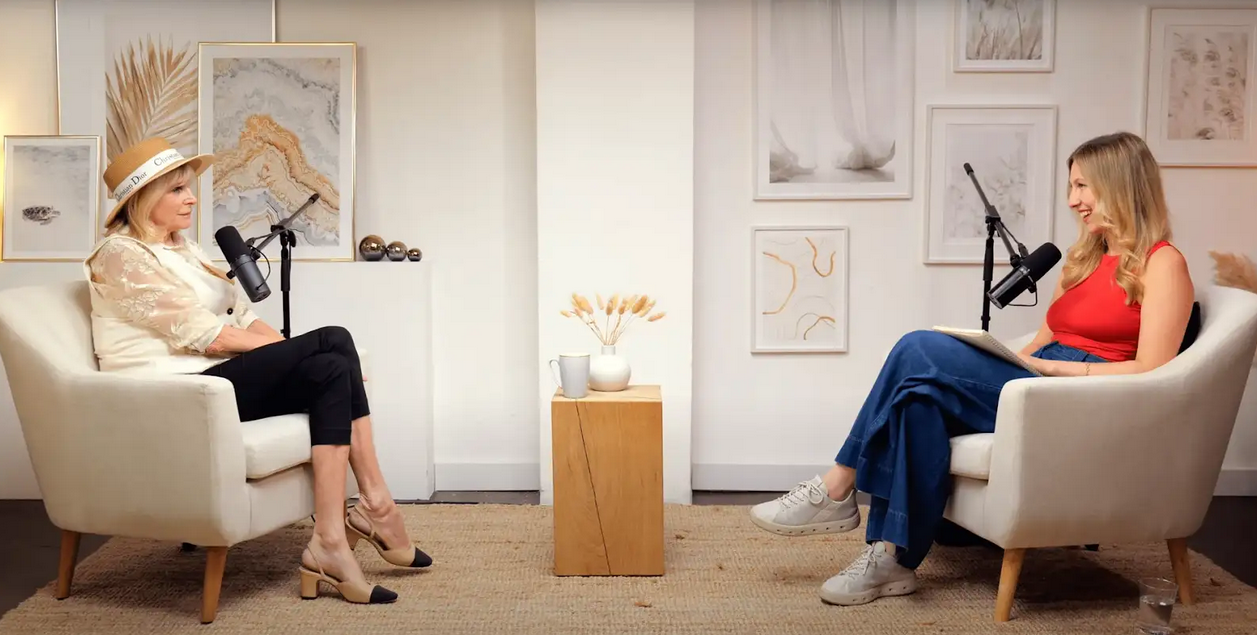
Finchley Studio (Dialogue set): book this setup for your podcast
Acoustic Isolation and Psychological Security
The primary acoustic enemy of the home podcaster is the "boxy," "roomy," or hollow sound caused by early reflections off hard walls, low ceilings, and untreated corners. If a room is too small and perfectly symmetrical (e.g., a $4\times4\times8$ foot closet), specific frequencies will build up, causing severe peaks, nulls, comb filtering, and audio smearing. GIK Acoustics To subconsciously compensate for the poor acoustics and lack of clarity in their headphones, untrained speakers often push their voices louder or alter their natural timbre, leading to rapid vocal fatigue and an inauthentic delivery. School of Podcasting
A professional Podcast studio is meticulously engineered to solve these physics problems. These spaces employ a combination of room treatment (high-density acoustic foam panels, diffusers, and bass traps to absorb internal reflections) and deep soundproofing (mass-loaded vinyl and decoupled walls to block external noise ingress). Murray Hill Studios
This extreme isolation serves a profound dual purpose. Acoustically, it ensures a pristine, dry capture of the voice, rendering the audio highly intelligible and pleasant, which dramatically increases audience retention. IdeaSonora Psychologically, a perfectly isolated booth provides the host with a profound sense of security and focus. Studiobricks Knowing that the environment is entirely impervious to street noise, barking dogs, or adjacent room bleed removes a massive, exhausting layer of background anxiety. Studiobricks The creator is liberated to focus entirely on the emotional delivery and nuance of their monologue, secure in the knowledge that every subtle inflection will be captured flawlessly without the need for constant retakes. Studiobricks
Relinquishing Technical Control to Maximize Creative Output
The technical demands of audio engineering are fundamentally antithetical to the state of psychological flow required for an energetic solo performance. Setting input gain is a prime example: if an input gain is set too low on the audio interface, the engineer must amplify the signal later, bringing up the noise floor with it; if set too high, the audio clips and distorts, permanently ruining the take. Reddit A standard rule of thumb is dialing the input volume to roughly 50-60% to cut room noise while capturing the voice, but monitoring this while speaking is highly distracting. Reddit
By utilizing a professional studio, the solo creator can completely outsource these technical operations. That Toronto Podcast Studio Facilities equipped with dedicated sound engineers allow the talent to walk in, sit down, and simply perform. That Toronto Podcast Studio The engineer manages real-time leveling, applies outboard compression, handles dynamic vs. condenser microphone selection (utilizing condenser mics like the Neumann U87 for rich detail in treated rooms, or dynamic mics like the Shure SM7B for focused speech), and executes any technical troubleshooting. This strict division of labor ensures that the creator's energy is preserved entirely for the creative act, accelerating production timelines, improving consistency, and preventing host burnout. Murray Hill Studios
The Visual Dimension: Navigating the Video Studio Environment
The evolution of digital media has moved decisively toward the "vodcast," or visual podcast. Finchley Studios Platforms like YouTube have superseded traditional audio directories as the dominant search engines for podcast discovery, compelling creators to integrate high-quality video into their production workflow. RSS.com Recording a solo visual episode in a Video studio presents a uniquely exhausting challenge: the host must maintain impeccable vocal technique and narrative flow while simultaneously managing their on-screen physical presence, posture, and facial expressions.
Translating Audio Energy to Visual Dynamism
In a purely audio format, physical movement is irrelevant-and often encouraged to keep energy high-as long as it does not create extraneous noise on the microphone. In a visual format, however, a static, rigid posture reads to the viewer as lifeless, nervous, and boring. When recording in a london Video studio, the solo creator must actively employ body language to hold the viewer's visual attention. jeffbullas.com
Using expressive hand gestures and dynamic, genuine facial expressions is critical for visual engagement. jeffbullas.com Because there is no co-host or guest for the camera to cut away to, the visual focus remains relentlessly and entirely on the solo presenter. The overarching production goal is to provide the viewer's eye with new, relevant, and stimulating visual information every ten to twenty seconds. jeffbullas.com This rapid visual pacing can be achieved through a combination of highly energetic physical delivery by the host and the strategic use of multi-camera studio infrastructure.
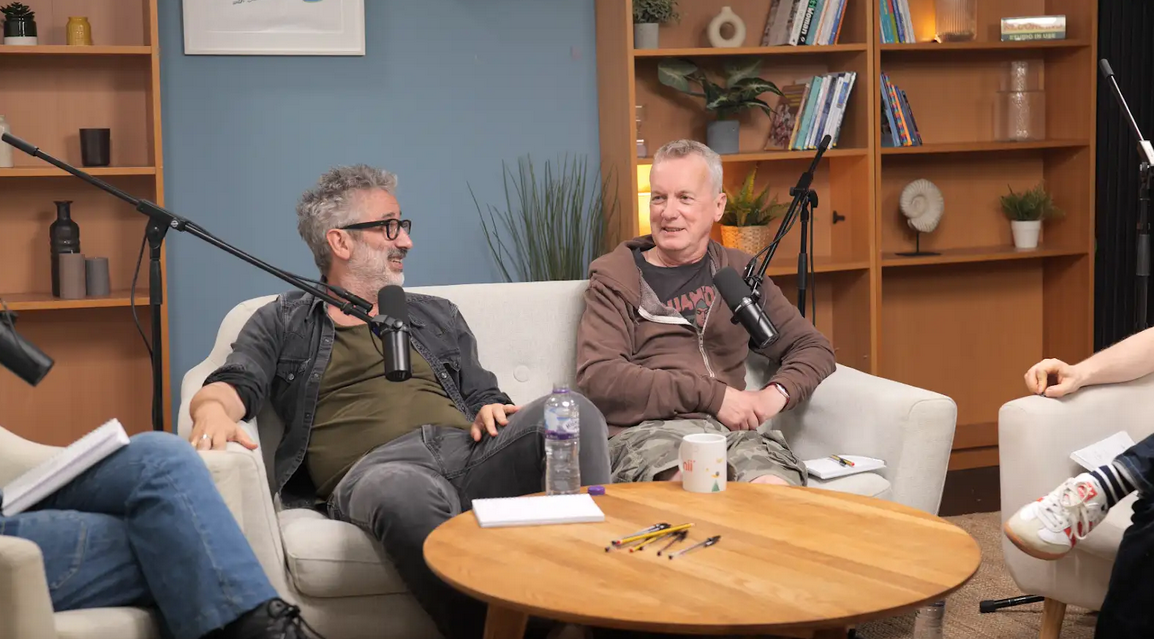
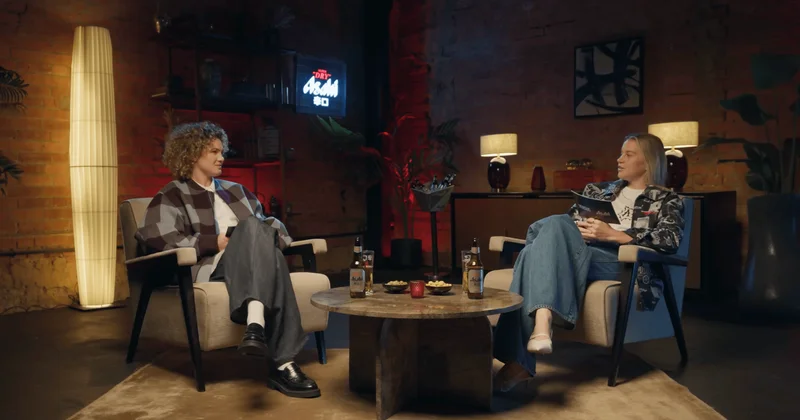
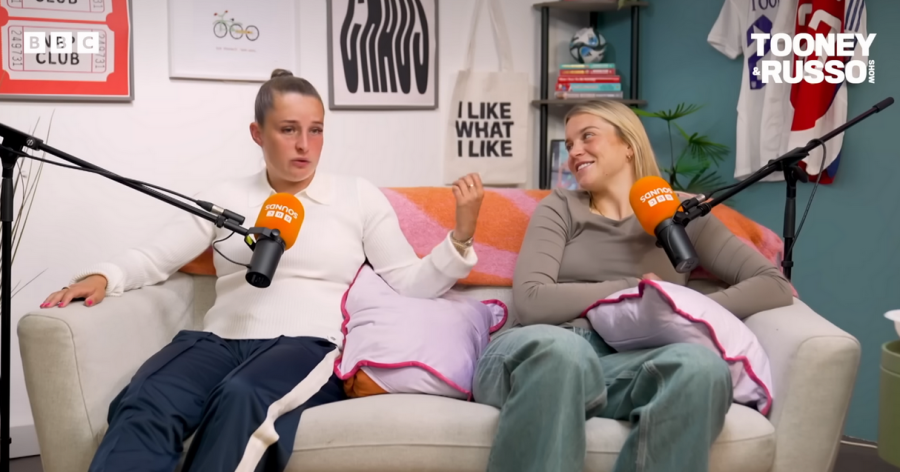
Finchley Studio (Lounge set): book this setup for your podcast
Leveraging High-End Video Studio Infrastructure
A professional Video studio london provides the heavy infrastructure necessary to make a solo monologue visually compelling without requiring the host to act as a live technical director. Facilities such as Blueprint Studios or Mount Pleasant Studio offer advanced multi-camera packages, frequently utilizing broadcast-quality 4K and 6K cinema cameras (such as the Sony FX6, Sony A7 IV, or Canon C80). Blueprint Studios London By recording a solo host with two to four distinct, pre-lit camera angles, the final edit can seamlessly cut between wide establishing shots and tight, emotional close-ups. jeffbullas.com This technique simulates the dynamic visual rhythm of a multi-person conversation, holds viewer attention, and conveniently masks minor flubs, breath pauses, or outline checks. jeffbullas.com
Furthermore, the integration of teleprompters is a massive strategic advantage for solo visual creators. Blueprint Studios London While reading a verbatim script is detrimental to audio energy, a teleprompter loaded with a large-font bullet-point outline allows the host to maintain direct, unbroken eye contact with the primary camera lens while referencing their notes. Blueprint Studios London This unbroken eye contact simulates looking directly into the viewer's eyes, profoundly enhancing the parasocial connection, viewer trust, and the perceived confidence and authority of the speaker.
Professional lighting is another vital component of maintaining visual energy. A flatly lit face appears tired, washed out, and unengaging. High-end studios utilize sophisticated cinematic lighting rigs-such as Arri Skypanels, Nanlux 650C panels on ceiling rigs, or Godox LED panels-to create depth, contrast, and a flattering, three-dimensional aesthetic that projects vitality and professionalism. Saspod The ability to utilize customizable RGB lighting backgrounds, stylized sets (like a broadcast desk or a library), or integrated LED screens for displaying graphics further enhances brand identity and visual interest without requiring an ounce of additional effort from the talent. Saspod
Navigating the London Studio Ecosystem for Solo Creators
For creators operating within the United Kingdom's primary media hub, selecting the appropriate production facility is a strategic operational decision that balances budget constraints, required technical amenities, and desired output quality. The market offers a wide spectrum of solutions, ranging from self-service, budget-friendly booths to fully staffed, high-end visual production suites. To maximize production value while capturing local search intent through targeted keywords-such as Podcast studio london, London podcast studio, and Recording studio london-creators must align their production choices with the expectations of a highly sophisticated global audience.
The Self-Service vs. Full-Service Studio Models
The London recording studio market is fundamentally bifurcated into two primary operational models: self-service and full-service.
The self-service model, heavily exemplified by facilities like Pirate Studios, offers 24/7, keyless access to acoustically treated, soundproofed rooms. TYX Studios These spaces are typically equipped with integrated hardware such as the RØDECaster Pro mixing desk and broadcast-quality dynamic microphones like the RØDE Procaster, paired with KRK studio headphones. TYX Studios With locations spanning Dalston, Hackney, Camden, Wembley, and Greenwich, this model is highly cost-effective and provides total privacy. TYX Studios It is the ideal solution for solo creators who are technically competent, prefer to work in complete isolation without the presence of an engineer, and desire the flexibility to record at odd hours. TYX Studios
Conversely, full-service studios such as Blueprint Studios (Fulham), Outset Studio (Hoxton and London Bridge), and Spiritland Studios (Kings Cross) provide a comprehensive, white-glove production environment. Saspod These facilities explicitly cater to creators, agencies, and brands requiring "zero production fuss". Blueprint Studios London At these locations, dedicated on-site engineers and producers manage the entire technical pipeline, utilizing top-tier industry-standard equipment such as Shure SM7B, Neumann TLM 103, or Earthworks Ethos microphones. Saspod The presence of professional support ensures flawless broadcast-grade quality, manages live multi-camera switching, and significantly reduces the cognitive burden on the solo host, allowing them to step in, deliver their content, and leave. Blueprint Studios London While occupying a premium price point, the return on investment in terms of time saved and elevated brand perception is substantial.
Specialized Amenities for the Independent Broadcaster
When evaluating a London podcast studio or London Recording studio, solo creators must scrutinize the specific amenities designed to facilitate independent, high-energy production. Key features to prioritize include:
Plug-and-Play Simplicity: The ability to walk into the booth and start recording immediately without complex audio routing, cable patching, or software troubleshooting. Blueprint Studios London Acoustic Treatment and Isolation: Deeply soundproofed environments critical for isolating the solo voice from central London's pervasive ambient noise (traffic, sirens, underground trains). IdeaSonora
Batch Recording Support & Memberships: Flexible booking options (hourly, half-day, full-day) that allow a creator to record a month's worth of solo content in a single, highly focused session. Blueprint Studios London Studios like The Qube or London Podcast Studios offer specific "Solo" memberships providing monthly hours and community access. Saspod
Post-Production Add-ons: In-house services that handle tedious audio cleanup, mixing, mastering, and the generation of short-form social media clips (TikToks, Reels), allowing the creator to remain entirely focused on content generation rather than software editing. That Toronto Podcast Studio
Digital Discoverability and Strategic SEO Integration
The immense expenditure of cognitive, vocal, and physical energy required to produce a high-quality solo episode is rendered entirely futile if the content remains undiscovered in the vast expanse of the internet. For a solo creator, organic discoverability is the lifeblood of audience growth, monetization, and brand building. Integrating Search Engine Optimization (SEO) into the podcasting workflow is not merely an optional marketing afterthought; it is a fundamental, structural component of the production cycle that dictates how search engines crawl, index, and understand the content. Google for Developers
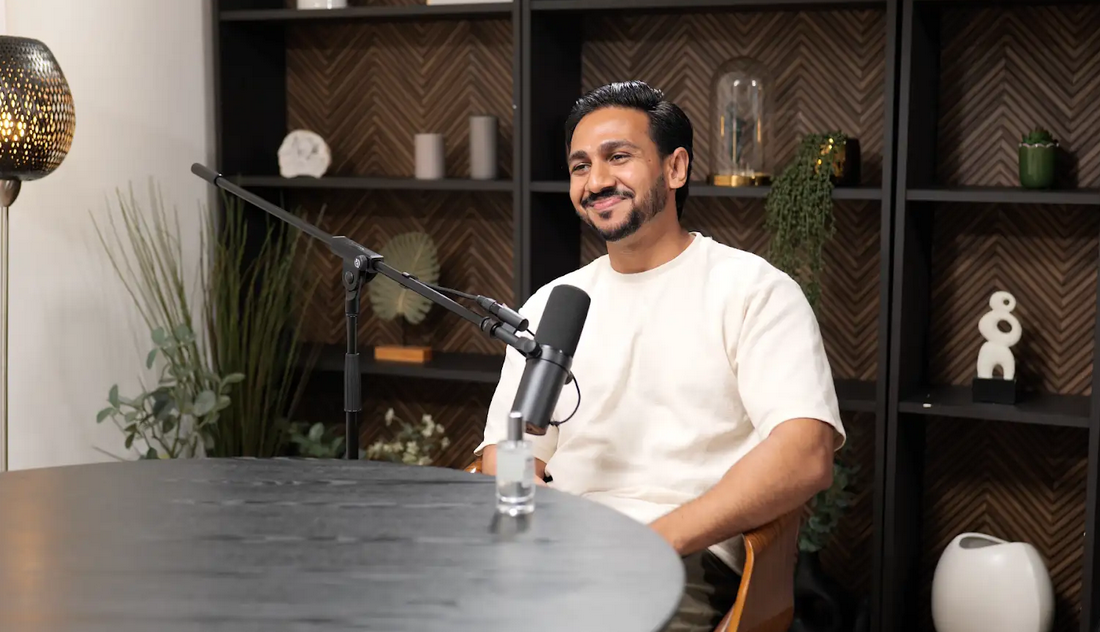
Finchley Studio (CEO Set): book this setup for your podcast
Strategic Keyword Optimization in Podcasting
Podcast directories (like Apple Podcasts and Spotify) and major search engines (like Google and YouTube) utilize complex, automated algorithms to parse metadata and deliver relevant audio and video results to user queries. Google for Developers To maximize reach without relying exclusively on paid advertising, creators must identify the specific words, phrases, and questions their target audience is actively searching for. YouTube These target keywords must be naturally and strategically incorporated into the episode's structural elements.
The podcast's overarching name and the individual episode titles represent the strongest SEO signals available to a creator. RSS.com Titles must be incredibly clear, highly specific, and directly indicative of the unique value proposition (UVP) of the episode. RSS.com Vague, "clever," or inside-joke titles severely hinder discoverability; a title should explicitly state the problem the episode solves or the subject it explores (e.g., "Freelance Writing for Beginners" rather than "The Hustle Pod"). RSS.com
Maximizing Metadata, Transcriptions, and Content Repurposing
Beyond the title, the episode description (commonly referred to as show notes) provides a rich, expansive canvas for keyword integration. Crafting detailed, highly engaging show notes that summarize key points, provide timestamps, and link to relevant external resources gives search engine crawlers vital textual context regarding the episode's audio content. RSS.com
A critical, yet frequently overlooked, SEO strategy for solo creators is the implementation of full episode transcriptions. Finchley Studios Audio and video files are inherently opaque to search engines; algorithms cannot "listen" to the content to determine its nuanced relevance. Finchley Studios By publishing a complete, accurate text transcription of the solo episode on a dedicated, mobile-friendly website, the creator unlocks thousands of natural, conversational, long-tail keywords. Finchley Studios This exponentially increases the probability of the content appearing in highly specific organic search results. Finchley Studios
Furthermore, repurposing the core concepts and spoken wisdom of the solo episode into structured, SEO-rich blog posts creates incredibly valuable internal linking structures. Studio Cotton Internal linking keeps visitors engaged with the creator's digital ecosystem longer, reducing bounce rates and signaling high domain authority and relevance to search algorithms. Studio Cotton
Leveraging Local SEO for Studio Services
For creators who operate their own production facilities, or for the commercial studios themselves attempting to attract podcasters, mastering local SEO is absolutely imperative for capturing regional, high-intent demand. Prospective clients and visiting creators frequently utilize localized voice and text queries, searching for specific phrases such as "Where can I find a podcast studio near me?" or "Best london Video studio". Podyx
To effectively capture this search intent, a studio's digital presence must be meticulously optimized with targeted local keywords (e.g., Recording studio, Recording studio london, London Recording studio). These phrases must be seamlessly integrated into H1 and H2 headers, page title tags, short descriptive URLs, and meta descriptions, combined with the specific city or neighborhood to improve local search visibility. Podyx
Additionally, maintaining strict, unwavering consistency across Name, Address, and Phone number (NAP) citations on external directories and platforms (like Google Business Profiles) ensures that local search algorithms recognize the studio as a legitimate, authoritative physical entity within its geographical market. Selnox As Artificial Intelligence (Al) increasingly influences local search through intuitive, personalized Al overviews, possessing a highly optimized, information-dense, and technically sound digital profile will be the defining factor in remaining visible and competitive within the local creative economy. Medium