Executive Market Intelligence: The Convergence of Infrastructure and Content
The United Kingdom's digital media landscape has arrived at a critical inflection point in 2026. The era of the "audio-only" podcast, while not extinct, has been definitively superseded by the "Visual-First" economy.
For a studio operator in London, this transition fundamentally alters the asset requirements. The "Podcast Studio" of 2026 is effectively a micro-television station. The search intent behind the keyword "Podcast Studio London" has migrated from a request for a soundproof booth to a request for a "broadcast environment" capable of producing 4K multi-camera assets, vertical social media clips, and high-fidelity audio simultaneously.1 While Central London studios compete on "prestige" and "postcode," the true market gap lies in "High-Value Professional" facilities that solve the logistical friction of production—specifically parking, noise pollution, and set versatility.
The market trajectory is robust. The UK podcasting sector is projected to grow at a Compound Annual Growth Rate (CAGR) of 26.3% between 2025 and 2030, targeting a revenue valuation of USD 7.4 billion.3 This growth is not merely a function of increased listener numbers, which have reached 584 million globally 4, but a deepening of the monetization ecosystem. As advertisers move from direct-response reads to integrated brand storytelling, the technical fidelity of the product becomes paramount. Brands cannot afford to associate their identity with the reverberant, noisy audio characteristic of amateur setups. Consequently, the "Professional" tier of the market is expanding, creating a specific demand for facilities that can guarantee acoustic isolation in an increasingly noisy urban environment.
The Demographic Shift and Accessibility Imperative
Historically, podcasting was the domain of younger, tech-native demographics. However, recent data indicates a significant widening of this base. Approximately 50% of individuals aged 50 and above have now trialed or regularly consume podcasts.4 This demographic expansion has profound implications for studio infrastructure. Older guests and corporate hosts often prioritize comfort, logistical ease, and physical accessibility over the "gritty" industrial aesthetic that characterized early podcast studios in areas like Shoreditch or Hackney.
The search intent for "Accessible Podcast Studios" is, therefore, not merely a niche query but a reflection of a maturing demographic that requires facilities capable of accommodating diverse mobility needs and logistical preferences.4 Studios that fail to account for step-free access, nearby parking, and climate-controlled environments are effectively alienating the highest-value segment of the corporate market—the C-suite executive and the academic expert.

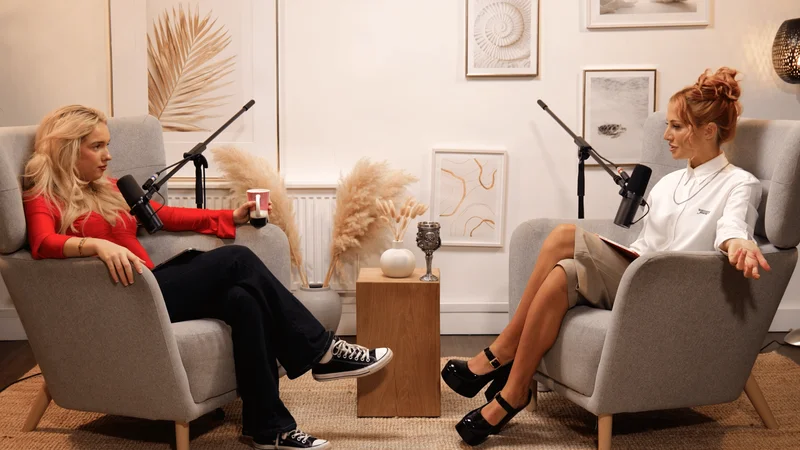
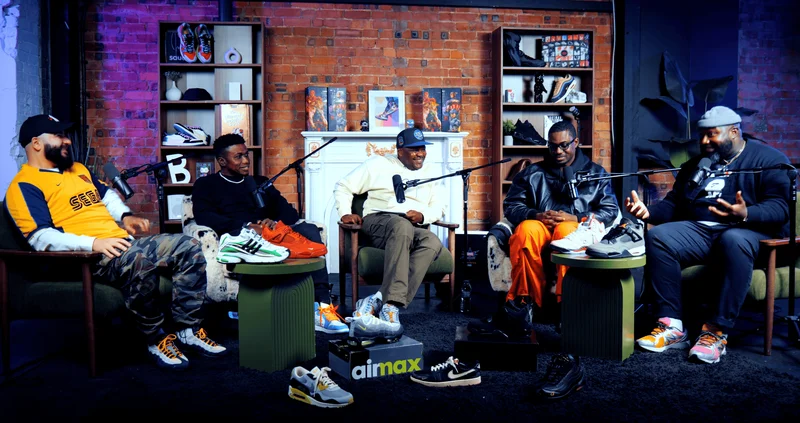
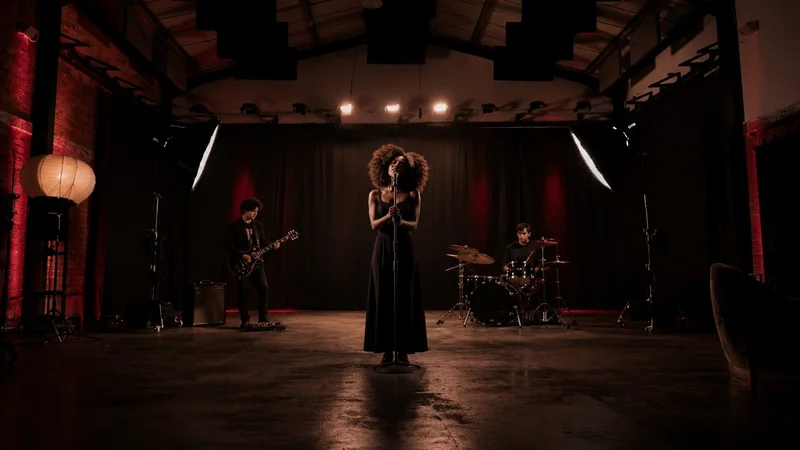
See the 'The Tooney & Russo Show' from BBC and Lionesses Ella Toone and Alessia Russoat from England national football team at Finchley Studio (Lounge setup). Book this setup for your podcast. Watch 'The Tooney & Russo Show' at BBc sound , Spotify , Youtube, Amazon music.
The "Vodcast" Pivot: Video as the Primary Driver
Perhaps the most disruptive trend influencing studio selection is the dominance of video. The concept of an "audio-only" podcast is rapidly becoming antiquated for commercial productions. YouTube has emerged as the primary discovery engine for podcasts, with one-third of all listeners—and 84% of Gen Z listeners—using the platform as their main entry point.4
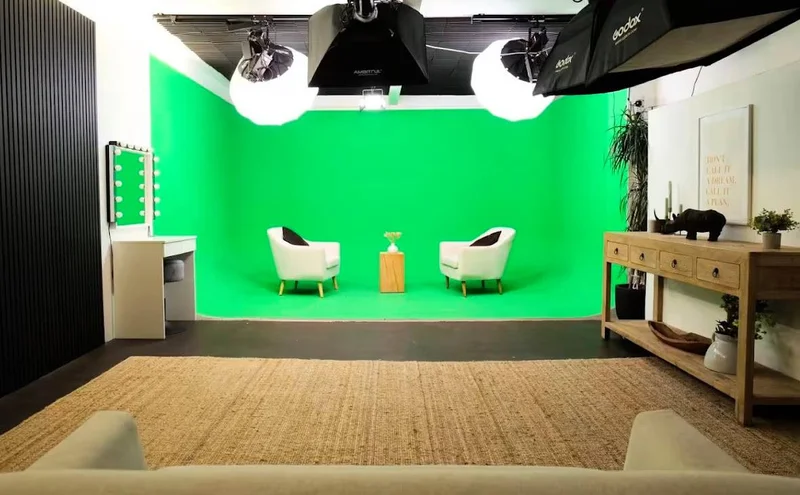
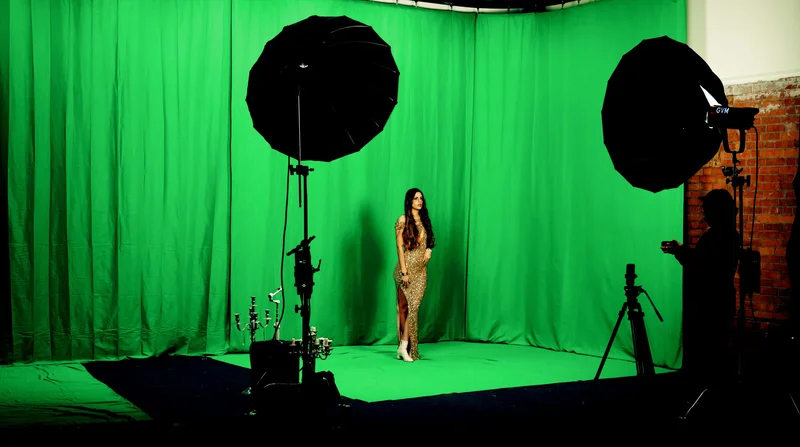
This shift mandates that studios such as Finchley Production Studio cannot simply offer microphones and soundproofing. They must provide "television-grade" infrastructure, including 4K camera systems (Sony FX series, Blackmagic), professional lighting grids, and aesthetic set designs (brick walls, neon branding, green screens) that translate well to small screens on TikTok and Instagram Reels.4 The studio is no longer just a sound booth; it is a visual stage. This necessitates a holistic approach to design where acoustic treatment must be visually integrated or hidden, as the "egg-crate foam" aesthetic of the 2010s is now a visual marker of low production value.
The London Acoustic Battlefield: A Geolocation Analysis
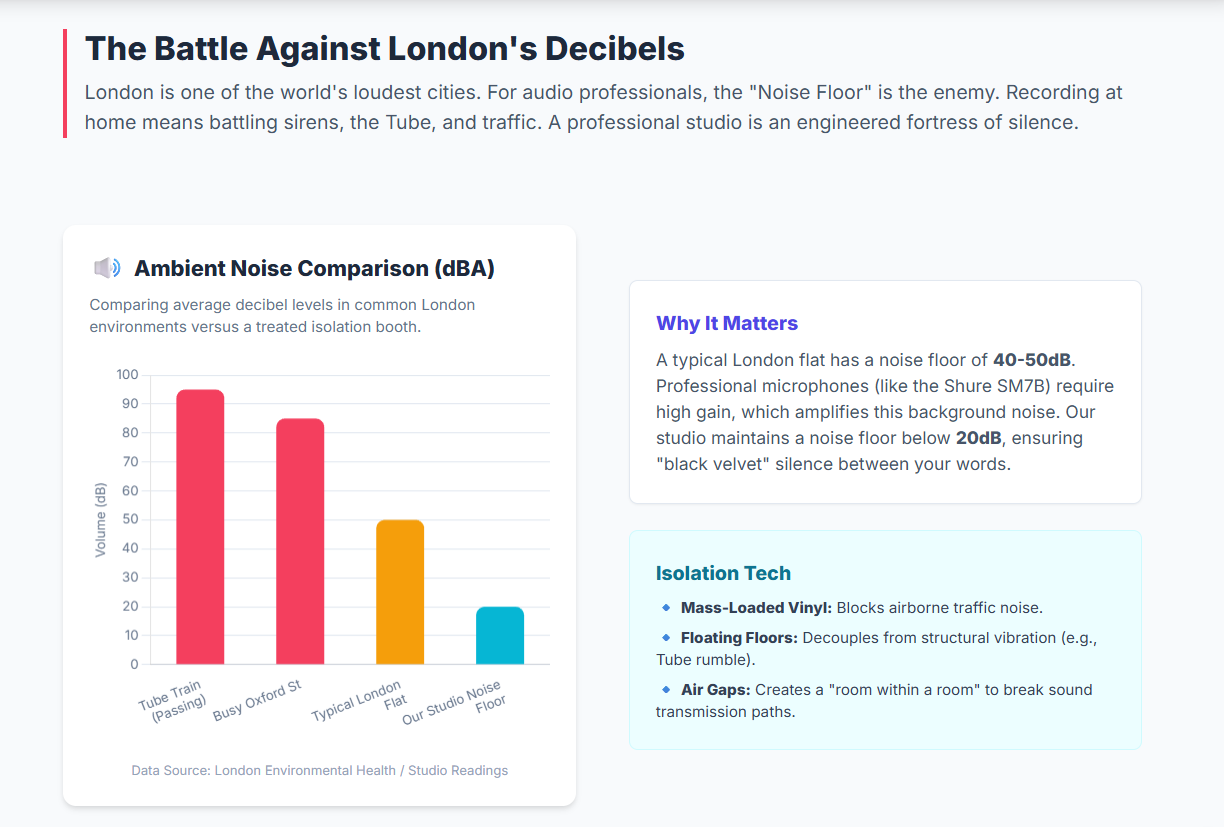
To engineer a superior recording environment, one must first understand the hostile acoustic and logistical landscape of London. The capital's studio market is not a monolith; it is stratified by geography, which directly correlates with acoustic risk and operational cost. London is officially one of the noisiest cities in Europe, with average noise levels regularly exceeding the World Health Organization's safety threshold of 53dB.5 This ambient cacophony presents a formidable challenge to recording fidelity.
The Central London Acoustic Penalty
Historically, media production was concentrated in Soho (W1) and Shoreditch (EC1). However, the density of these zones presents significant engineering challenges that are becoming increasingly insurmountable—or at least, increasingly expensive to mitigate.
Airborne Noise Pollution: Street-level noise in Westminster and Soho frequently exceeds 70-80dB during the day, driven by heavy traffic, sirens, and constant construction.6 A fire engine siren in London now reaches 123dB to penetrate modern vehicle soundproofing, a level of acoustic energy that can easily bleed through standard glazing and lighter wall assemblies.7 For a studio to function in this environment, it requires extreme mass-loading of walls, which is often structurally impossible in the older, listed Victorian building stocks that characterize the West End.
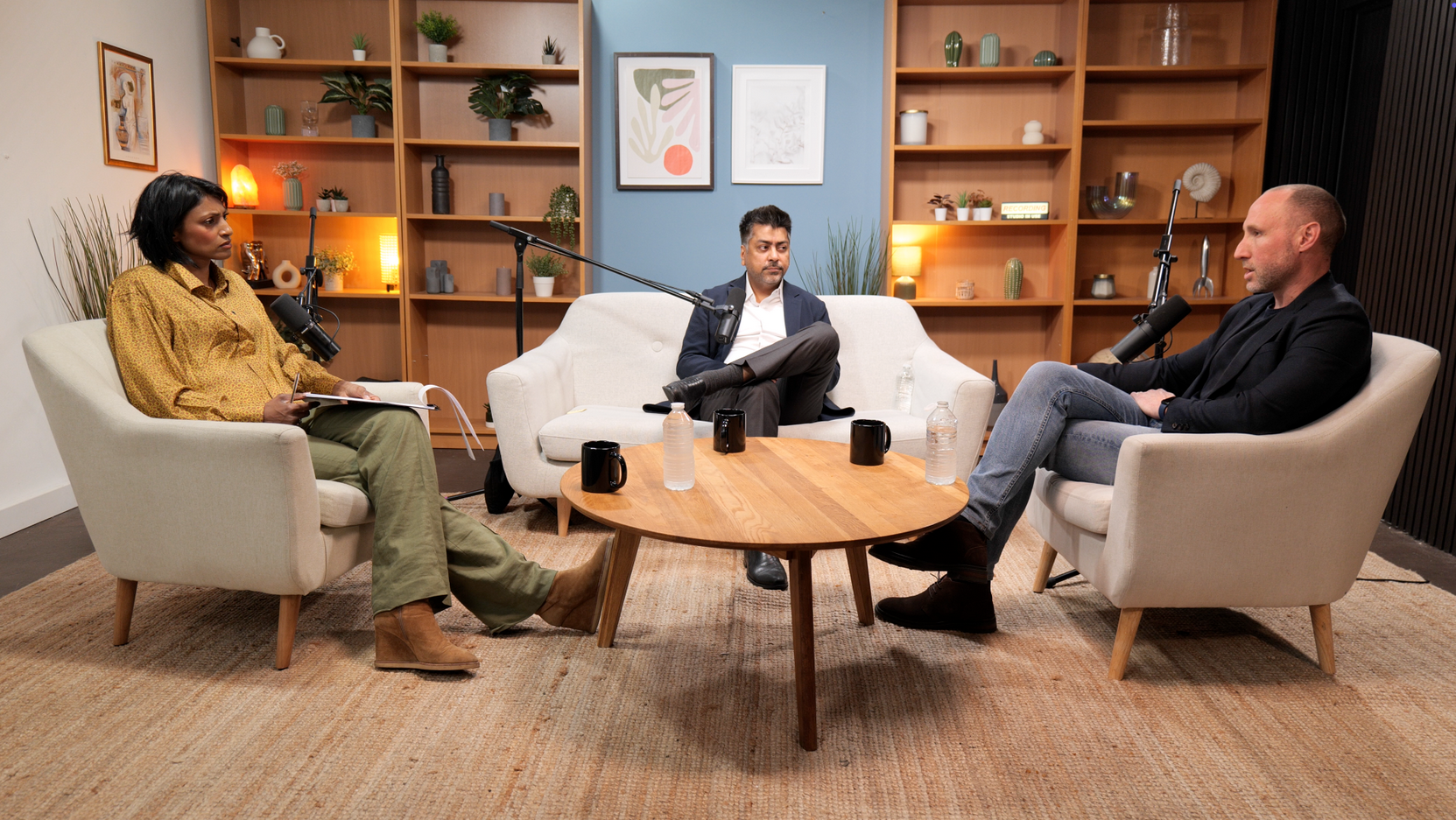
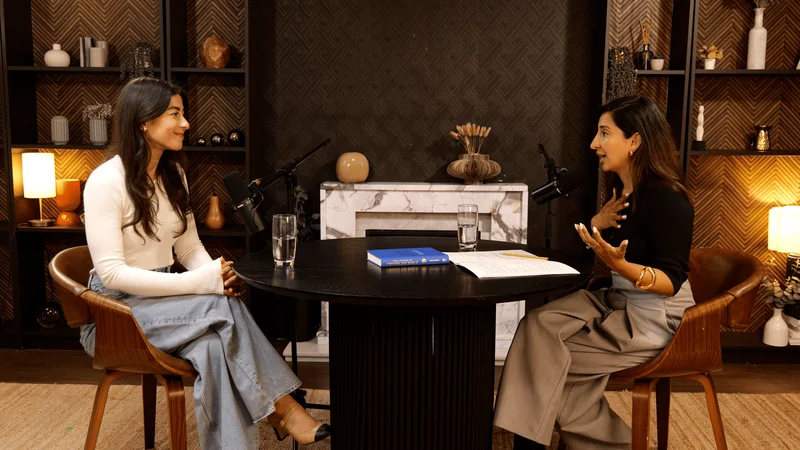
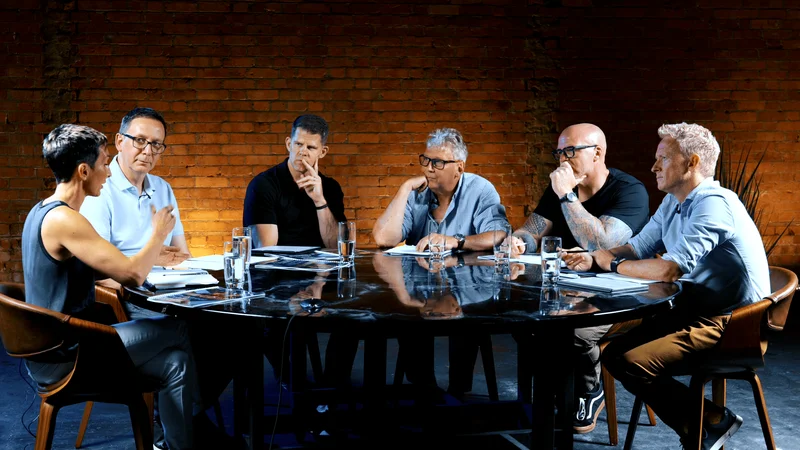
See the 'No ordinary tech podcast ' from Lloyds Banking Group by Rohit D (AI Leader for Lloyds Banking Group) and DR. shini somara (Pro-Chancellor of Brunel University) . at Finchley Studio (Lounge setup). Book this setup for your podcast.
Structure-Borne Vibration: The London Underground network presents a pervasive threat to recording fidelity. Data indicates that the Northern Line—relevant to both Central and North London locations—can generate in-carriage noise levels of 98.4dB and transmits significant low-frequency vibration (30-80Hz) through the ground.8 This structure-borne noise bypasses standard air gaps and can ruin recordings by introducing a low-end rumble that is difficult to remove in post-production without degrading voice quality. Residents and businesses near the Victoria line in Islington report train vibrations equivalent to a "vacuum cleaner in the room," creating a cyclical disturbance that renders professional recording impossible without specialized isolation.9
The North London Strategic Advantage (N3)
Finchley Production Studio occupies a strategic "Goldilocks zone." Situated in Finchley Central (N3), it benefits from a lower ambient noise profile compared to Zone 1, yet retains critical connectivity via the Northern Line.2
Volumetric Acoustics: Lower real estate costs per square foot in North London allow for larger recording spaces. Finchley occupies a 1,950 sq ft warehouse, enabling the construction of expansive sets like "The Brick Studio" and massive green screens that would be economically unviable in Soho.2 Acoustically, larger room volumes are superior for speech intelligibility as they reduce the density of early reflections and allow for a more natural decay, preventing the "boxy" sound characteristic of small, converted Central London booths.10
Logistical "Accessibility": The report identifies "Logistical Accessibility" as a primary user intent. Central London studios impose high friction costs: Congestion Charges (£15), ULEZ fees, and parking rates exceeding £10/hour.2 Finchley's provision of free parking and ground-floor load-in access addresses the "Logistical Pragmatist" persona—high-net-worth guests or production teams with heavy equipment who refuse to navigate the Tube.
Competitor Landscape and Service Tiers
The market analysis reveals a tripartite division in service levels, which dictates the necessary engineering standards.
Acoustic Engineering Fundamentals: Physics of the Studio
For a facility like Finchley to claim "Broadcast Quality," it must adhere to strict physical parameters. The design must address two distinct physical phenomena: Sound Isolation (keeping noise out/in) and Room Acoustics (controlling how sound behaves inside).
Sound Isolation Standards (The NC-20 Target)
The objective is to achieve a Noise Criteria (NC) rating of NC-20 to NC-25, which is standard for broadcast and recording studios.14 This ensures that the noise floor (background hiss/rumble) is sufficiently low to allow for compression and mastering without raising the noise floor to audible levels. In a podcast context, where the human voice is often isolated and compressed heavily, a high noise floor is immediately perceptible as a distracting hiss or rumble.
Transmission Loss and Mass Law
Sound isolation is governed by the Mass Law: doubling the mass per unit area of a wall increases transmission loss by approximately 6dB. However, in a London context involving heavy vibration, mass alone is insufficient. The facility must utilize Decoupling.
The "Box-in-Box" Principle: This is the gold standard for studio construction. It involves building a fully independent room structure (floor, walls, ceiling) within the existing building shell.15 This method is essential for mitigating the low-frequency energy from the Northern Line and street traffic.
Floating Floors: To mitigate ground-borne vibration, the inner floor must be "floated." This involves constructing a new floor surface (often layers of high-density chipboard or a concrete screed) resting on elastomeric isolators or high-density rubber pads.17 This creates a mechanical break—a "spring"—that prevents vibrations from traveling up from the foundation into the studio floor and microphone stands. Without this, a train passing 50 meters away would be audible as a low rumble on the recording.
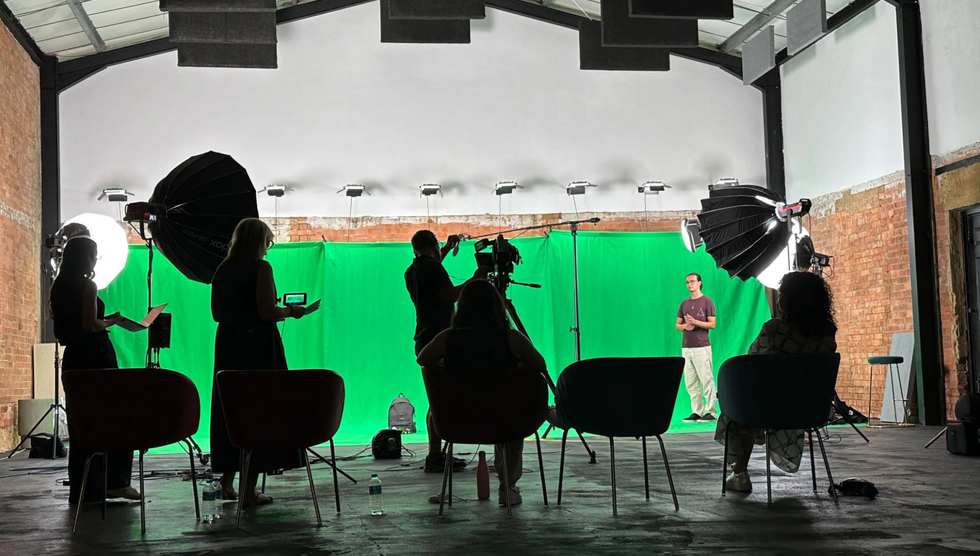
Finchley Studio (Giant Green Screen): book this setup for your podcast
Wall Assembly: A typical high-performance wall assembly for this application involves a multi-layered approach to maximize transmission loss across the frequency spectrum 16:
Outer Structural Wall: The existing masonry or blockwork shell.
Air Gap: A cavity of at least 50-100mm to prevent mechanical bridging.
Inner Stud Wall: An independent timber or metal frame that does not touch the outer wall.
Damping: The use of resilient channels or clips to hold the plasterboard helps to dissipate vibration energy.
Mass: Multiple layers of high-density acoustic plasterboard (e.g., 15mm SoundBloc) are used. Varying the thickness of these layers (e.g., using one layer of 12.5mm and one of 15mm) helps to combat "coincidence dip," a phenomenon where a wall becomes transparent to sound at its resonant frequency.
Acoustic Weak Points: Flanking Paths
The integrity of the "box" is defined by its weakest link. Sound behaves like water; it will find the smallest hole. Flanking paths—routes where sound bypasses the main barrier—must be meticulously sealed.
Glazing: Visual connection between the control room and live room (or external windows) requires laminated acoustic glass. Ideally, two panes of different thicknesses (e.g., 10mm and 16mm) are set at non-parallel angles. This prevents sympathetic resonance between the panes and maximizes transmission loss.10
Doors: Standard fire doors are insufficient. Heavy, solid-core acoustic doorsets with perimeter magnetic seals and drop-down threshold seals are required to prevent air leakage.16 A gap of just 1% in a door seal can reduce the effective isolation of a wall by 50%.
Internal Room Acoustics: RT60 and Intelligibility
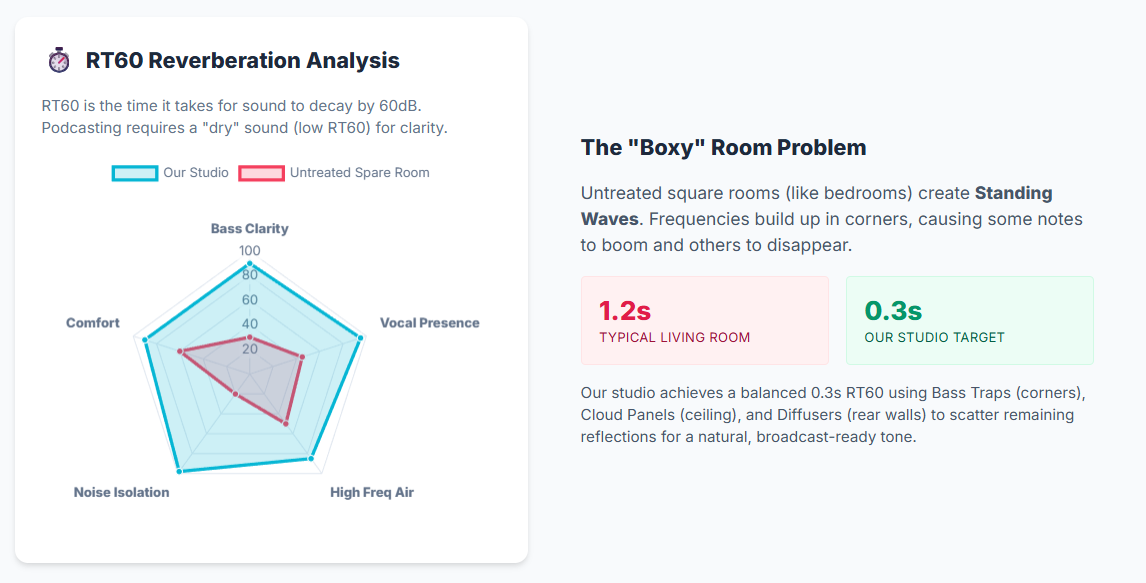
Once noise is kept out, the internal sound must be controlled. The metric for this is Reverberation Time (RT60)—the time it takes for sound to decay by 60dB.
Target RT60 for Podcasting
Unlike a concert hall (RT60 > 1.5s) or a musical recording room (RT60 ~ 0.8s), a podcast studio focuses on Speech Intelligibility. The goal is a "dry" but natural sound that allows the voice to be crisp and present.
The Ideal Range: For spoken word, the target RT60 is between 0.2s and 0.4s across the frequency spectrum (125Hz to 4kHz).18
Consequences of High RT60: If the room is too "live" (RT60 > 0.6s), the recording will sound "roomy" or "distant." When compression is applied in post-production, the reverb tail becomes exaggerated, causing listener fatigue.19
Consequences of Low RT60: If the room is anechoic (RT60 < 0.1s), it feels unnatural and oppressive ("dead"). It forces the speaker to project harder, straining their voice, and can make the conversation feel disjointed.
Frequency Response and Low-End Control
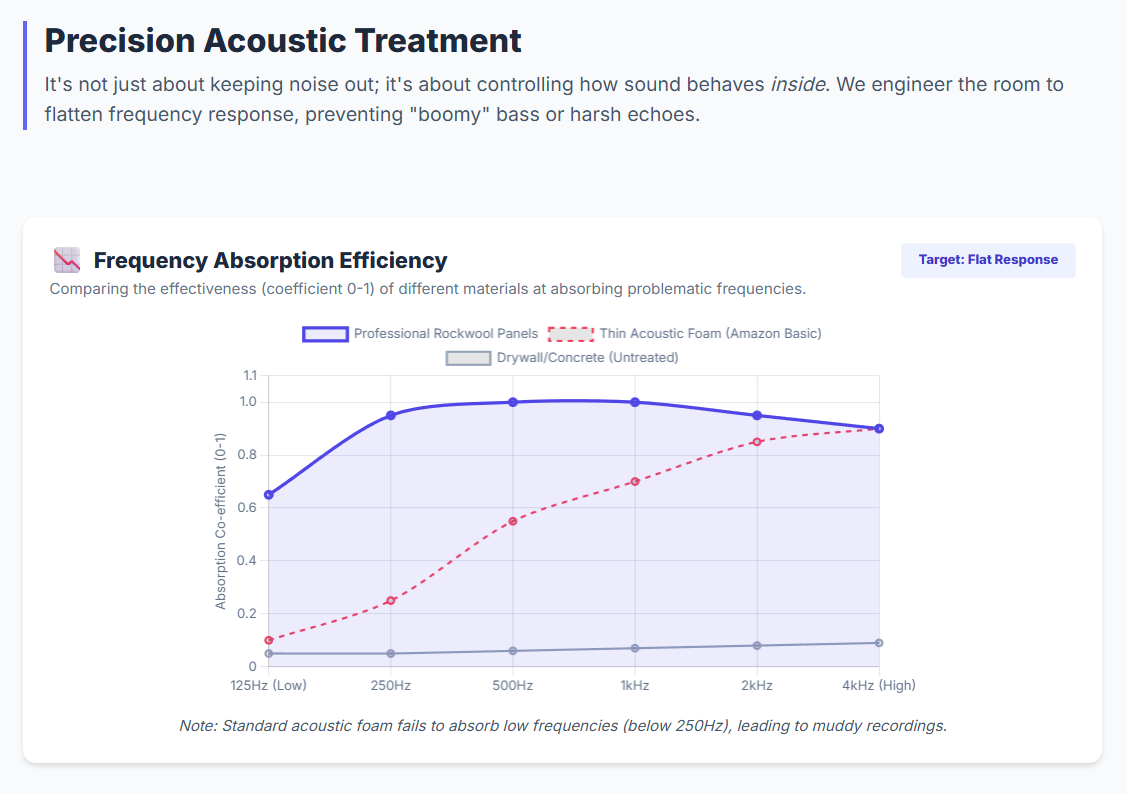
Absorbing high frequencies is easy; thin foam tiles do this. The challenge in podcast studios is Low-Frequency Absorption (Bass Trapping). Male voices generate significant energy in the 100Hz–250Hz range. If this is not absorbed, it builds up in corners (standing waves), resulting in "muddy" or "boomy" audio.19
Solution: The studio design must incorporate broadband absorbers (porous materials like mineral wool, 100mm+ depth) and dedicated bass traps in corners.
Diffusion: To avoid the "dead" feeling, High-Mid frequency diffusers should be used on the rear walls. These scatter sound rather than absorbing it, maintaining a sense of "air" and space without distinct echoes.20
Environmental Control: HVAC and Air Quality
A critical failure point in many "converted" studios is the lack of silent ventilation. Podcasting involves multiple people talking in a closed, insulated box for hours. Without active ventilation, CO2 levels rise, causing cognitive fatigue (the "stuffy room" effect), and temperature spikes due to lighting and body heat.
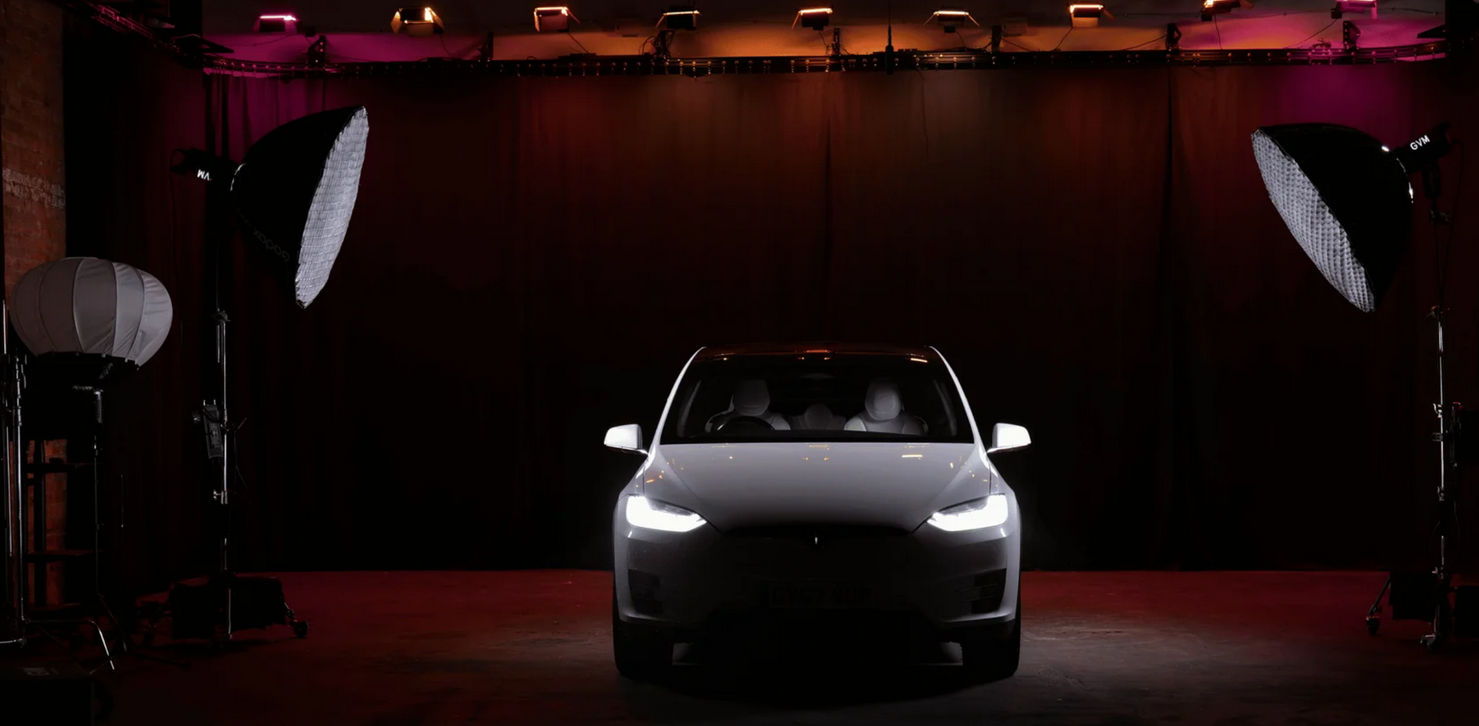
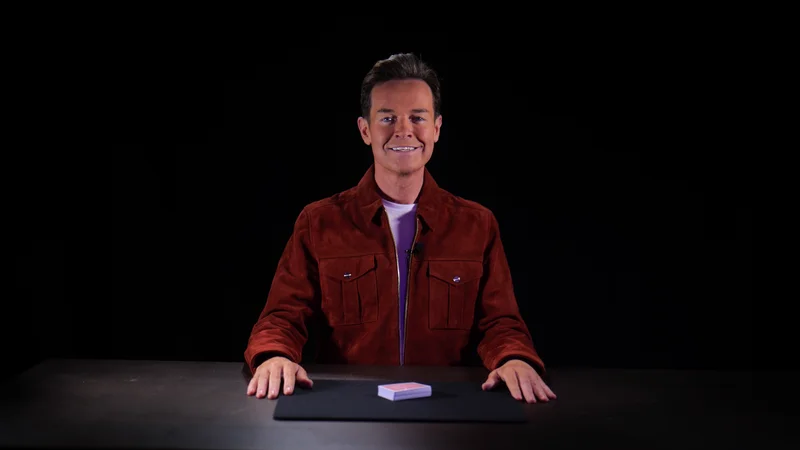
Finchley Studio (Giant Blackout Set): book this setup for your podcast
The Ventilation-Noise Paradox
The fundamental conflict is that moving air creates noise (turbulence), and ductwork creates a tunnel for outside noise to enter the studio.
Air Velocity Standards: To remain inaudible, air velocity at the supply grille must be kept below 300-400 feet per minute (FPM).21 This requires large-diameter ducts to move high volumes of air at low speeds.
NC Targets: The HVAC system must meet the same NC-20 rating as the structural shell.14
Baffle Boxes and Silencers
Standard air conditioning units (split systems) are often too loud for the live room. The engineering solution involves:
Baffle Boxes (Attenuators): These are S-shaped, lined duct paths that force air to turn corners. Sound waves, which travel in straight lines, hit the absorptive lining and decay, while the air flows through.21 A well-designed baffle box can reduce fan noise by 30-40dB.
Separation of Plant: The condenser units and air handlers must be located outside the "box-in-box" structure and vibration-isolated from the building frame to prevent structure-borne hum.20
Visual and Thermal Comfort
With the shift to "Video Podcasting," the heat load in studios has increased due to LED lighting grids and camera monitors. The HVAC system must have sufficient cooling capacity (BTU) to counteract this load without ramping up fan speeds.
Limewash Aesthetics: The use of Limewash paint is not just a visual trend; its matte, crystalline texture prevents harsh reflections from video lighting (hotspots), contributing to a softer, more "premium" visual environment that aligns with the 2025 "Wellness/Organic" brand aesthetic.1
Technical Infrastructure: The Visual-First Standard (2025)
The search intent for "Podcast Studio London" now implicitly includes "Video." The expectation is no longer a webcam, but a "cinematic" look comparable to high-end YouTube productions. Finchley's infrastructure is designed around this "Netflix-Approved" standard, ensuring that the visual signal is robust enough for professional grading and social media cropping.
The Camera Hierarchy
To command authority, the visual signal must be robust. The distinction between "Prosumer" and "Professional" is defined by sensor size, color depth, and reliability.
Primary Standard: The Sony FX6 and Sony FX3 (Cinema Line) are the industry benchmarks for 2025.22
Sensor Size: Full-frame sensors provide the shallow depth of field (bokeh) that separates the subject from the background, a key visual signifier of "professionalism".23
Color Depth: These cameras record in 10-bit 4:2:2. This is crucial for skin tones. 8-bit video (common in DSLRs) breaks down when heavily graded or when correcting lighting mismatches.
Autofocus: Reliable Face/Eye Autofocus is non-negotiable for podcasting, where subjects move naturally. Sony's autofocus system is currently the market leader for reliability.24
The "Open Gate" and Vertical Workflow
A major efficiency trend is the "Open Gate" recording workflow. By using the full sensor height (often 3:2 or 4:3 aspect ratio), the studio can capture a wide 16:9 shot for YouTube and a tall 9:16 crop for TikTok/Reels from the same camera angle without losing resolution.1 This efficiency is critical for modern content strategies that require high-volume output across multiple platforms.
Set Implications: This requires furniture to be arranged closer together so that vertical crops don't capture empty space. The "vertical optimization" of sets is a key selling point for creators obsessed with social clips.4
Lighting Design: The Cinematic Brush
Lighting serves two purposes: exposure and aesthetics. A studio cannot simply blast light at a subject; it must shape it.
3-Point Lighting: The standard setup involves a Key Light (main source), Fill Light (softens shadows), and Backlight/Rim Light (separates subject from wall).25
Soft Sources: To flatter guests of all ages and skin types, the light source must be large and diffused. Softboxes or lantern modifiers on lights like the Aputure 300d or Godox series are standard.27
CRI/TLCI: High Color Rendering Index (CRI > 95) is essential to ensure skin tones look natural and not green/magenta. Low-quality LED panels often introduce a green spike that is difficult to correct in post.27
The Signal Chain: Audio Acquisition to Post-Production
Despite the focus on video, audio remains the "soul" of a podcast. Poor video is forgivable; poor audio causes listeners to tune out immediately.
Microphone Selection: The "Broadcast" Sound
The choice of microphone dictates the character of the show.
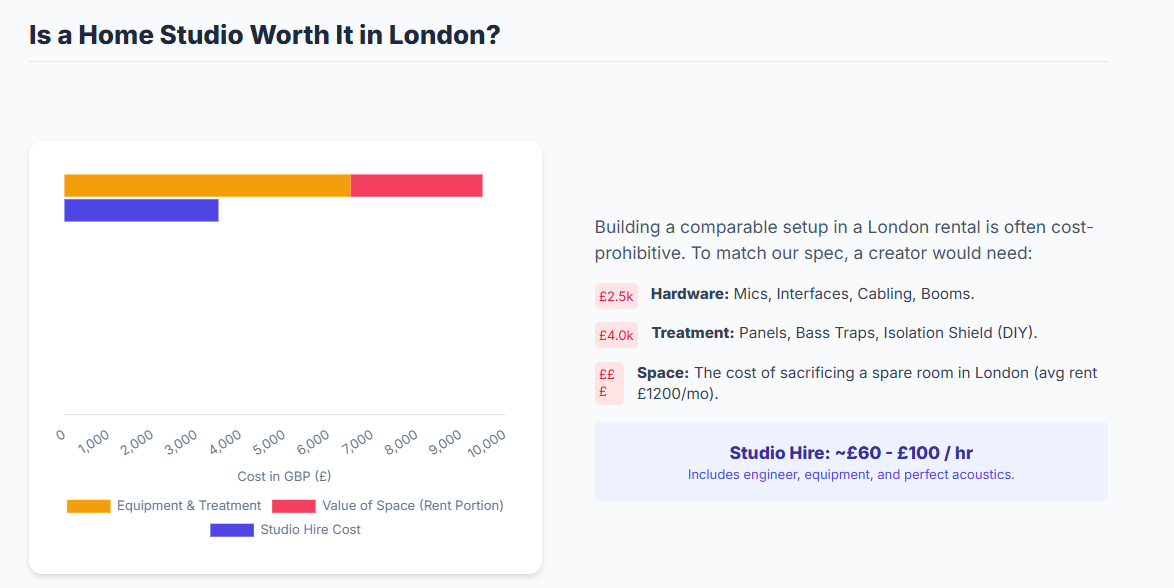
Shure SM7B: The ubiquity of this microphone makes it the visual icon of podcasting. It is a Dynamic microphone with low sensitivity, meaning it rejects background noise well (crucial in less-than-perfect rooms) but requires a lot of gain.13
Electro-Voice RE20: A staple of radio broadcasting. It features "Variable-D" technology, which eliminates the proximity effect (bass boost when getting close). This allows guests to move around without their voice tone changing drastically.29
Cloudlifters/Preamps: Because the SM7B is gain-hungry, the signal chain must include inline preamps (like Cloudlifters) or high-quality interfaces (like the Sound Devices MixPre or RØDECaster Pro II) to boost the signal without adding hiss.11
The "Live Switching" Revolution
To reduce post-production costs, studios are moving toward live-switched productions using hardware like the Blackmagic ATEM Mini Pro ISO.
The Workflow: An operator switches camera angles live during the recording. The ISO (Isolated) feature records all camera feeds individually plus the switched "program" cut. This gives the client a finished video immediately upon completion, while retaining the raw files for deeper editing if needed.11 This "Instant Turnaround" is a massive value-add for corporate clients who need speed to market.
Data Management and Post-Production Infrastructure
A 3-camera 4K podcast recording can generate 200GB+ of data per hour. This requires robust storage infrastructure.
On-Site Storage: Fast SSDs (e.g., Samsung T7 Shield or SanDisk Extreme Pro) with write speeds exceeding 1000MB/s are required to offload footage quickly so the client can leave.30
Post-Production Infrastructure: For the editing team, a Network Attached Storage (NAS) system (like Synology or QNAP) with 10GbE connectivity is essential to allow multiple editors to work on the same 4K footage simultaneously.32
Review Platforms: Cloud-based tools like Frame.io have become the industry standard for client review, allowing time-stamped comments directly on the video timeline, streamlining the approval process.33
Strategic Location & Accessibility: The N3 Advantage
In 2026, "Accessibility" is a multi-dimensional concept spanning physical access, logistical ease, and inclusivity.
The Friction of Central London vs. The Flow of Finchley
While Central London (Soho) offers prestige, it imposes "Friction."
Congestion: The £15 daily charge and ULEZ fees add up.
Parking: Soho parking is scarce and expensive (£50+ for a shoot).
Load-In: Carrying gear on the Tube or fighting for a loading bay is a significant pain point.2
Finchley's Solution: The inclusion of a free parking spot is a massive psychological unburdening for the client. The "Park and Record" model—offering free spaces and easy loading—is not just a convenience; it is an insurance policy against late starts and stressed guests.34
Neurodiverse and Physical Accessibility
A truly modern studio must be inclusive.
Mobility: While many Soho studios are in walk-up lofts, a truly accessible facility must offer step-free access or lifts. Finchley’s ground-floor access is a significant differentiator.2 Standard ADA/Equality Act guidelines suggest clear signage, accessible restrooms, and wide doorways (min 926mm) to accommodate wheelchairs.35
Neurodiversity: The acoustic environment plays a role here. A room with controlled reverb and low noise is less over-stimulating for neurodiverse guests. Furthermore, lighting should be dimmable and free of flicker (high refresh rate LEDs) to prevent sensory overload.17
Strategic Content Roadmap (SEO)
To capitalize on Finchley Production Studio's unique position, the digital strategy must align with the user's intent hierarchy using Semantic SEO and Latent Semantic Indexing (LSI).
Semantic Keyword Strategy (LSI)
Search algorithms now prioritize "topical authority" over simple keyword density. The content strategy should cluster related terms to signal depth.
Content Roadmap and "People Also Ask"
The blog content must directly answer the questions found in Google's "People Also Ask" (PAA) boxes to capture long-tail traffic.12
Article 1: "Why 4K Matters: The Visual Standard for 2026 Podcasting." Focus on 10-bit color, vertical cropping, and why webcams don't cut it. Feature the "Brick Studio" set.
Article 2: "The Hidden Cost of Noise: Why We Built a Box-in-Box Studio." Educate the user on Northern Line vibration and the engineering required to stop it. Differentiate from "foam on walls" competitors.
Article 3: "Logistics of a Launch: Why Parking and Transport Make or Break Your Guest Experience." Target the "Logistical Pragmatist." Compare the cost/stress of a Soho shoot vs. an N3 shoot.
Conclusion: The "High-Value Professional" Opportunity
The analysis confirms that the "Podcast Studio London" market has fractured. The low end is a race to the bottom on price, dominated by automated booths. The high end is dominated by exclusive, member-only clubs.
Finchley Production Studio occupies a high-value gap: the "Smart Professional" sector. By offering broadcast-grade Acoustic Engineering (Box-in-Box, NC-20) and top-tier Environmental Control (Silent HVAC, Parking) without the bloat of Central London overheads, it solves the specific pain points of brands and serious creators.
The winning strategy for 2026 is not just to rent space, but to sell "Production Certainty." Certainty that the audio will be clean, the video will be 4K/10-bit, the guest will arrive parked and unstressed, and the files will be safe. In a chaotic city, this certainty is the ultimate value proposition.
Works cited
The Strategic Evolution of the London Podcast Studio Market: A ..., accessed January 8, 2026, https://www.finchley.co.uk/finchley-learning/visual-podcast/the-strategic-evolution-of-the-london-podcast-studio-market-a-comprehensive-industry-report
The Complete Guide to Hiring a Podcast Studio in London - Finchley Studios, accessed January 8, 2026, https://www.finchley.co.uk/finchley-learning/visual-podcast/the-complete-guide-to-hiring-a-podcast-studio-in-london
UK Podcasting Market Size & Outlook, 2025-2030, accessed January 8, 2026, https://www.grandviewresearch.com/horizon/outlook/podcasting-market/uk
Strategic Market Analysis and Content Roadmap: Podcast Studio London & Accessible Production Facilities, accessed January 8, 2026, https://www.finchley.co.uk/finchley-learning/visual-podcast/strategic-market-analysis-and-content-roadmap-podcast-studio-london-accessible-production-facilities
Shout it from the rooftops: the noise pollution in towns and cities is killing us | Coco Khan, accessed January 8, 2026, https://www.theguardian.com/commentisfree/2023/apr/10/noise-pollution-britains-towns-cities-killing-us
Soho Noise Survey Reports 2008 - Westminster City Council, accessed January 8, 2026, https://www.westminster.gov.uk/media/document/soho-noise-survey-reports-2008
Poll suggests growing noise of UK cities is impacting hearing - CIEH, accessed January 8, 2026, https://cieh.org/ehn/housing-and-community/2025/may/poll-suggests-growing-noise-of-uk-cities-is-impacting-hearing/
How Loud is Your Tube Ride? The Loudest Underground Lines Ranked - Acsoft Shop, accessed January 8, 2026, https://shop.acsoft.co.uk/post/how-loud-is-your-tube-ride-the-loudest-underground-lines-ranked/
London's getting louder! Inside the capital's toxic noise pollution problem | The Standard, accessed January 8, 2026, https://www.standard.co.uk/lifestyle/london-s-getting-louder-inside-toxic-noise-pollution-problem-b1093594.html
Studio Acoustics - The White Files, accessed January 8, 2026, https://whitefiles.org/tec/pgs/h13g.htm
The Best Podcast Recording Studios in Central and North London: A Strategic Market Analysis and Content Roadmap, accessed January 8, 2026, https://www.finchley.co.uk/finchley-learning/visual-podcast/the-best-podcast-recording-studios-in-central-and-north-london-a-strategic-market-analysis-and-content-roadmap
Live Streaming Studios in London: How to Broadcast Your Podcast, accessed January 8, 2026, https://www.finchley.co.uk/finchley-learning/visual-podcast/live-streaming-studios-in-london-how-to-broadcast-your-podcast
Best Podcasting Studios in London | Our Picks for 2025 - TYX Studios, accessed January 8, 2026, https://tyxstudios.com/blog/best-podcast-studios-in-london
Design for Noise Criteria | Commercial Acoustics®, accessed January 8, 2026, https://commercial-acoustics.com/sound-advice/design-for-noise-criteria/
Box-in-box acoustics - Designing Buildings Wiki, accessed January 8, 2026, https://www.designingbuildings.co.uk/wiki/Box-in-box_acoustics
Box-in-Box Acoustic Design: A Proven Method for High-Noise Equipment Isolation, accessed January 8, 2026, https://www.conservesolution.com/blog/box-in-box-acoustic-design-a-proven-method-for-high-noise-equipment-isolation/
Mason UK: Acoustic Engineering and Vibration Control Products, accessed January 8, 2026, https://www.mason-uk.co.uk/
RT60 Rating 101: Understanding Reverberation Time - Commercial Acoustics, accessed January 8, 2026, https://commercial-acoustics.com/guides/rt60-rating-101/
What is Reverberation Time (RT60)? How to Calculate It for Room Acoustics - Sound-Rite, accessed January 8, 2026, https://www.sound-rite.com/blog/what-is-reverberation-time-rt60
Custom Noise Control Solutions for Recording Studios - Quiet Technology Systems, accessed January 8, 2026, https://qtechsys.com/how-custom-noise-control-solutions-for-recording-studios-improve-functionality-quality/
How to Build Baffle Boxes Like the Pro - Soundproof Your Studio, accessed January 8, 2026, https://www.soundproofyourstudio.com/blog/how-to-build-baffle-boxes-like-the-pro
Best Camera for Podcast & YouTube in 2026 (Beginner to Pro), accessed January 8, 2026, https://www.youtube.com/watch?v=OvSP5Imrkg8
The Best 4K Cameras for Podcasting in 2025 - Boomcaster, accessed January 8, 2026, https://www.boomcaster.com/the-best-4k-cameras-for-podcasting-in-2025/
Top 4K Cameras & Podcast Bundles for Pro Video Recording 2025 - Maono, accessed January 8, 2026, https://www.maono.com/blogs/news/top-4k-cameras-podcast-bundles-for-pro-video-recording-2025
Video Lighting: How to Setup & The Best Lighting Kits - Riverside, accessed January 8, 2026, https://riverside.com/blog/video-lighting
Lighting tips and recommendations for video podcast in small room? : r/AskPhotography, accessed January 8, 2026, https://www.reddit.com/r/AskPhotography/comments/1hvwg2l/lighting_tips_and_recommendations_for_video/
Podcast lighting equipment: What are needed for a pro look, accessed January 8, 2026, https://momanx.com/blogs/moman-ideas/podcast-lighting-equipment-what-are-needed
Home Studio vs Professional Podcast Studio: Which Delivers Better Quality?, accessed January 8, 2026, https://klpodcast.studio/home-studio-vs-professional-podcast-studio/
Podcast Equipment Guide 2025: What to Buy for Every Budget, accessed January 8, 2026, https://thepodcasthaven.com/podcast-equipment-guide-2025
The best hard drives for video editing in 2025 - Digital Camera World, accessed January 8, 2026, https://www.digitalcameraworld.com/buying-guides/the-best-hard-drives-for-video-editing
The best hard drives for video editing in 2025 | LucidLink, accessed January 8, 2026, https://www.lucidlink.com/blog/best-hard-drives-for-video-editing
The Complete Guide to Storage Options for Video Creators in 2025 - Pixflow, accessed January 8, 2026, https://pixflow.net/blog/storage-options-for-video-creators/
Tools for Remote Video Production to Collaborate in 2025 - Shunyanant, accessed January 8, 2026, https://shunyanant.in/tools-for-remote-video-production/
Podcast Studio Hire in London: Everything You Need to Know ..., accessed January 8, 2026, https://www.finchley.co.uk/finchley-learning/visual-podcast/podcast-studio-hire-in-london-everything-you-need-to-know-before-booking
Accessibility - The Recording Studio London, accessed January 8, 2026, https://therecordingstudio.london/help/accessibility/
Building Access: A good practice guide for arts and cultural organisations - Arts Council, accessed January 8, 2026, https://www.artscouncil.org.uk/sites/default/files/download-file/Building_access_guide_260319_0.pdf
LSI Keyword - How do They Help With Website SEO - PageTraffic, accessed January 8, 2026, https://www.pagetraffic.com/blog/lsi-keywords/