Rodecaster Pro II vs. Discrete Interfaces: The Technical Evolution of the Professional London Podcast Studio
The professional landscape for multimedia production in London has undergone a seismic shift, moving from the monolithic broadcast houses of the twentieth century to a democratised yet highly sophisticated network of specialised facilities. In a city where the competitive edge is defined by both creative output and technical precision, the choice of audio infrastructure is far from arbitrary. The central debate currently engaging studio owners, audio engineers, and content creators revolves around the utility of the Røde Rødecaster Pro II—an all-in-one integrated production console—compared to the traditional modular architecture of discrete audio interfaces and outboard signal chains. This analysis examines the technical specifications, operational workflows, and environmental considerations that define high-end studio hire London, providing a definitive guide to the tech stacks powering the modern creator economy.
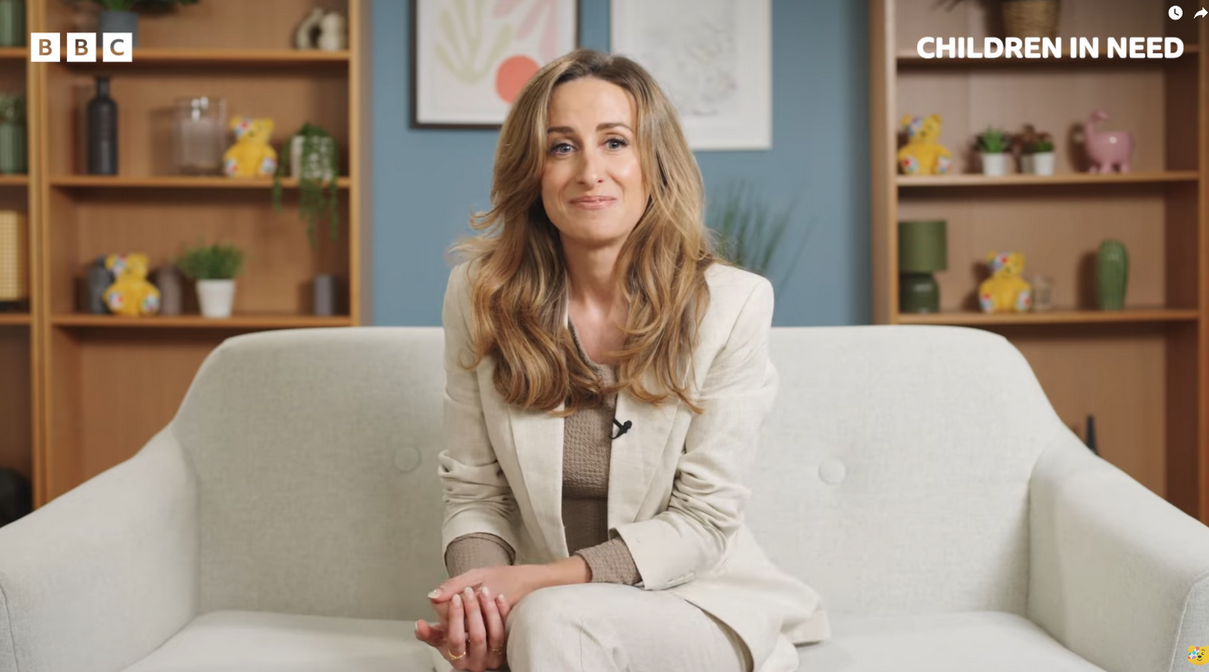
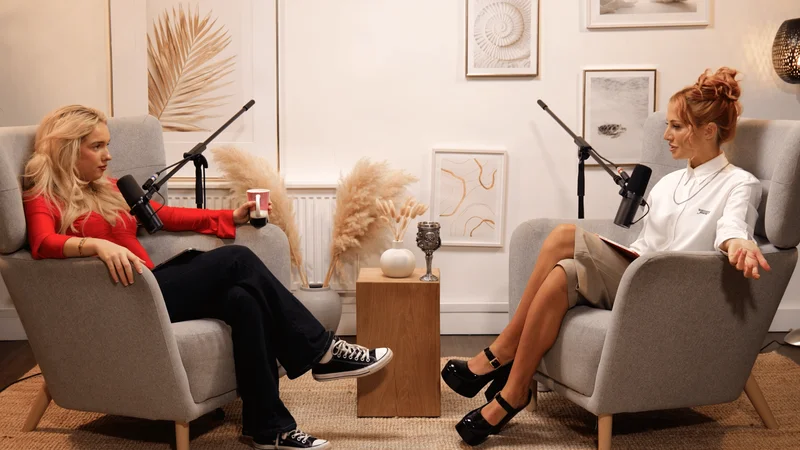
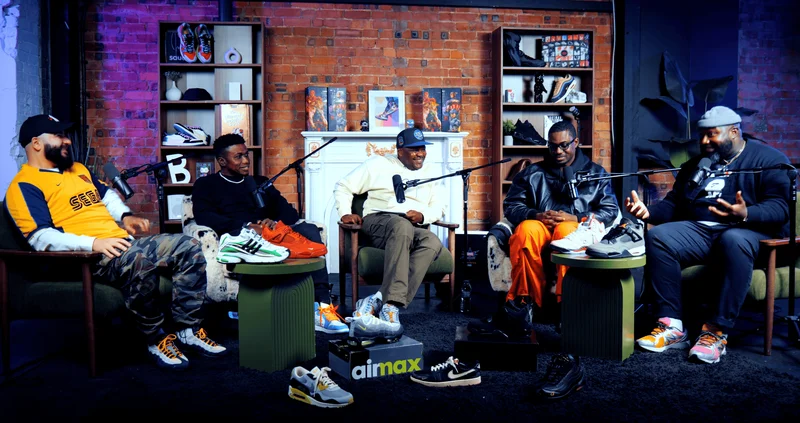
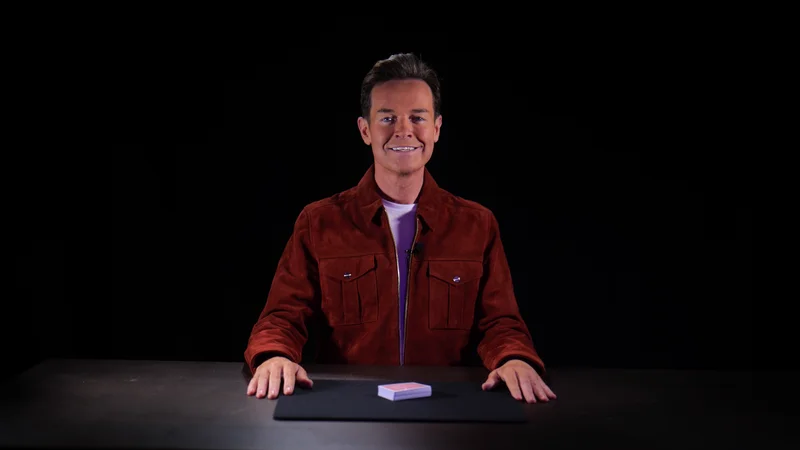
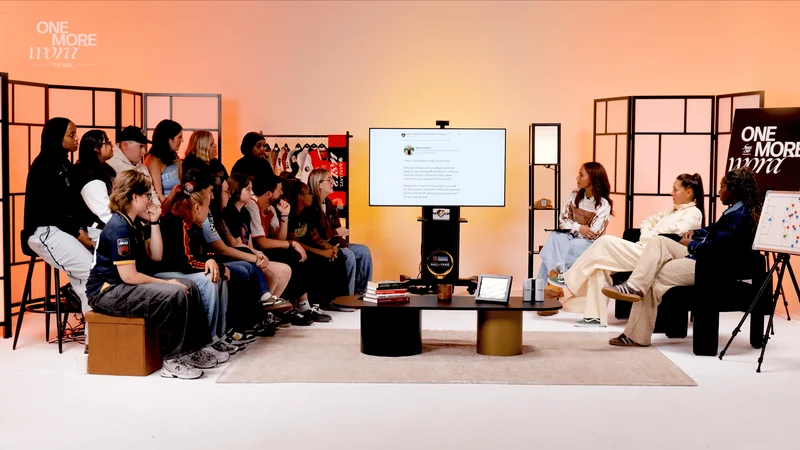
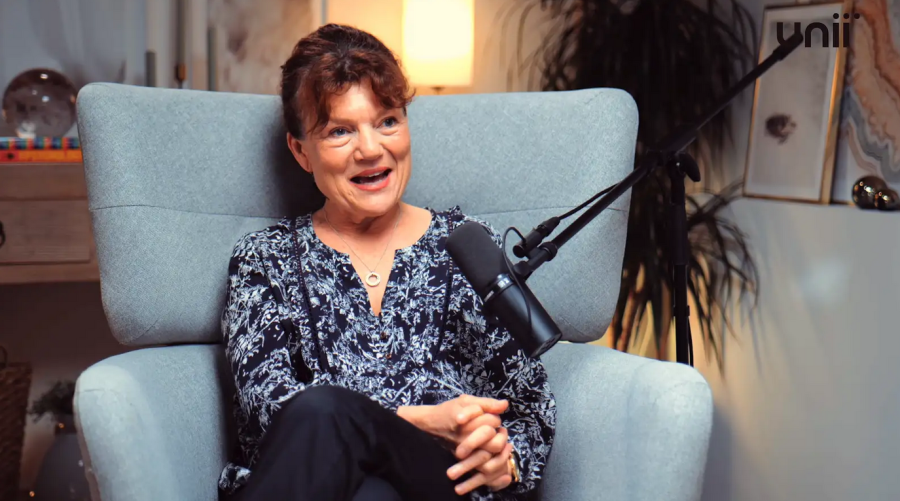
See the 'BBC Children in Need' podcast setup used by Dr Julie from BBC at Finchley Studio (Lounge setup). Book this setup for your podcast
The Architectural Necessity of the Modern Podcast Studio
The definition of a podcast studio in 2026 extends beyond a quiet room and a microphone. It represents a complex intersection of acoustic engineering, digital signal processing (DSP), and visual storytelling. For a professional recording studio in London, the technical infrastructure must solve the unique challenges posed by the urban environment. Noise pollution, ranging from the low-frequency rumble of the London Underground to the high-frequency intrusion of emergency sirens, necessitates a rigorous approach to sound isolation. Furthermore, the rise of the "vodcast" has forced facilities to integrate 4K video capabilities and professional three-point lighting into their core offering, transforming the traditional audio booth into a multi-sensory video studio.
The strategic decision to implement an integrated system like the Rødecaster Pro II or a discrete interface setup is often dictated by the intended use case. High-end facilities catering to London podcast production must balance the need for "radio-ready" sound with the flexibility required for diverse client projects. The following technical comparison elucidates how these two approaches serve the evolving needs of the London market.
Preamplification and the Physics of Signal Integrity
The fundamental component of any audio tech stack is the preamplifier. Its role is to take a weak electrical signal from a microphone and amplify it to a "line level" without introducing significant electronic noise. In the context of a professional recording studio, the quality of this amplification defines the clarity and professional sheen of the final product.
The Revolution of Integrated Gain
The Rødecaster Pro II introduced the "Revolution Preamp," a proprietary design specifically engineered to address the high-gain requirements of industry-standard dynamic microphones like the Shure SM7B. RØDE These preamps offer an impressive 76dB of gain and an equivalent input noise (EIN) of -131.5dBV. RØDE The mathematical impact of such low noise is significant; it allows for clean amplification even when a speaker is whispered or when using mics that are notoriously "gain-hungry."
Before the advent of these high-performance integrated preamps, London podcast production often relied on external signal boosters, such as the Cloudlifter CL-1, to bridge the gap between a standard interface and a dynamic microphone. The Podcast Host The integration of this power directly into the console simplifies the signal path, reducing the potential for interference and signal degradation. RØDE
Discrete Preamps and Sonic Colouration
Conversely, discrete interfaces often serve as the gateway to a modular signal chain. In high-end London facilities, an interface like the RME Fireface UFX or a Focusrite Scarlett 18i8 might be paired with legendary outboard preamps like the Focusrite ISA or Neve 1073. YouTube The primary advantage of this modular approach is the ability to introduce "sonic colouration"—harmonic distortion that is pleasing to the ear and adds a sense of warmth or authority to the voice. The Podcast Haven
For a studio hire London business, the choice often comes down to the desired outcome. A "transparent" preamp like those found in RME or high-end Focusrite interfaces provides a blank canvas, while the Rødecaster Pro II's internal processing attempts to emulate the finished, processed sound of a broadcast station immediately.
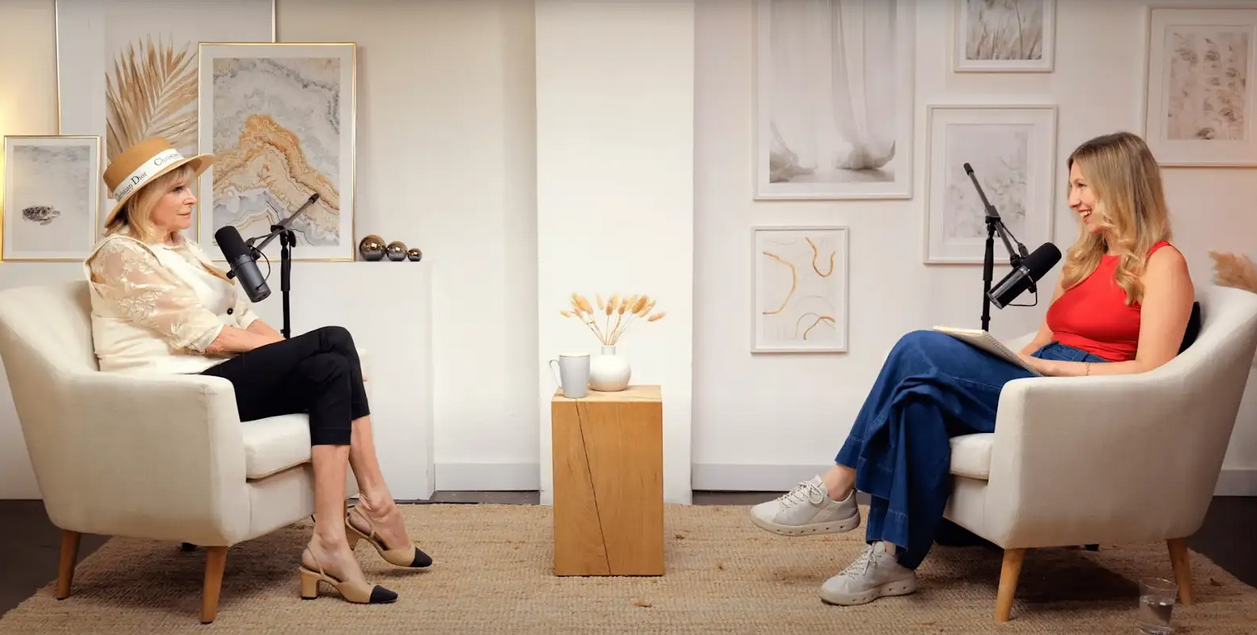
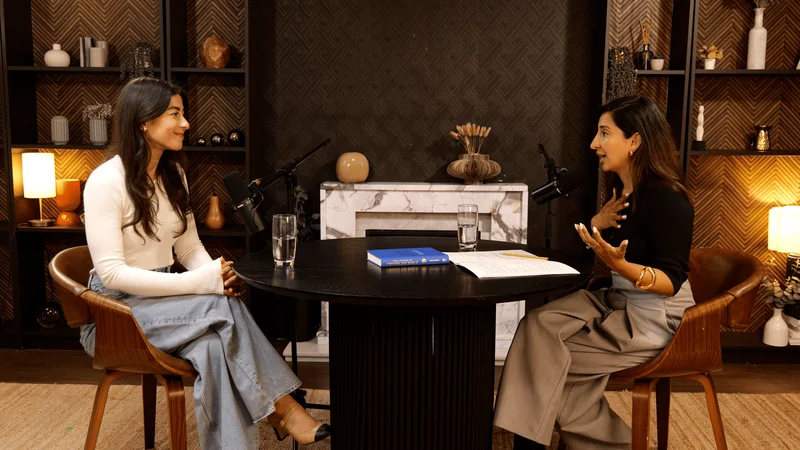
Finchley Studio (Dialogue set): book this setup for your podcast
Digital Signal Processing: The Aphex Legacy vs. Software Modularism
One of the most compelling reasons to choose an integrated production studio like the Rødecaster Pro II is the inclusion of hardware-based Digital Signal Processing (DSP). This processing occurs within the unit's quad-core audio engine, meaning there is virtually zero latency between the speaker talking and hearing the processed sound in their headphones. MusicRadar
The Broadcast Aesthetic
The Rødecaster Pro II leverages the intellectual property of Aphex, a legendary name in radio broadcasting. The onboard suite includes the Aural Exciter, which enhances clarity and detail in the high frequencies, and the Big Bottom, which provides a resonant, deep low-end without muddiness. For a London podcast studio, this allows hosts to achieve the "radio voice" without needing an audio engineer to post-process every file.
Furthermore, the unit features a "Compellor," an automatic leveller that ensures multiple guests—regardless of how loudly or quietly they speak—maintain a consistent volume relative to one another. This is particularly valuable for "as-live" recordings where the content must be ready for distribution immediately after the session concludes. The Podcast Host
The Flexibility of VST and DSP Plugins
In a discrete interface setup, such as one utilising a Universal Audio Apollo Twin X, the processing is often handled by external plugins that emulate vintage hardware. The advantage here is the sheer breadth of options. An engineer in a professional recording studio can choose from hundreds of different compressors, EQs, and limiters, tailoring the sound to the specific vocal characteristics of the guest. Podcast Videos.com
However, this flexibility comes with a "complexity tax." It requires a sophisticated understanding of gain staging and signal routing, often necessitating the presence of a dedicated engineer. Podcast Studio Hire For many creators looking for studio hire London, the Rødecaster's "VoxLab" interface—which simplifies complex parameters into "Depth," "Sparkle," and "Punch"—is far more accessible. Audio Technology
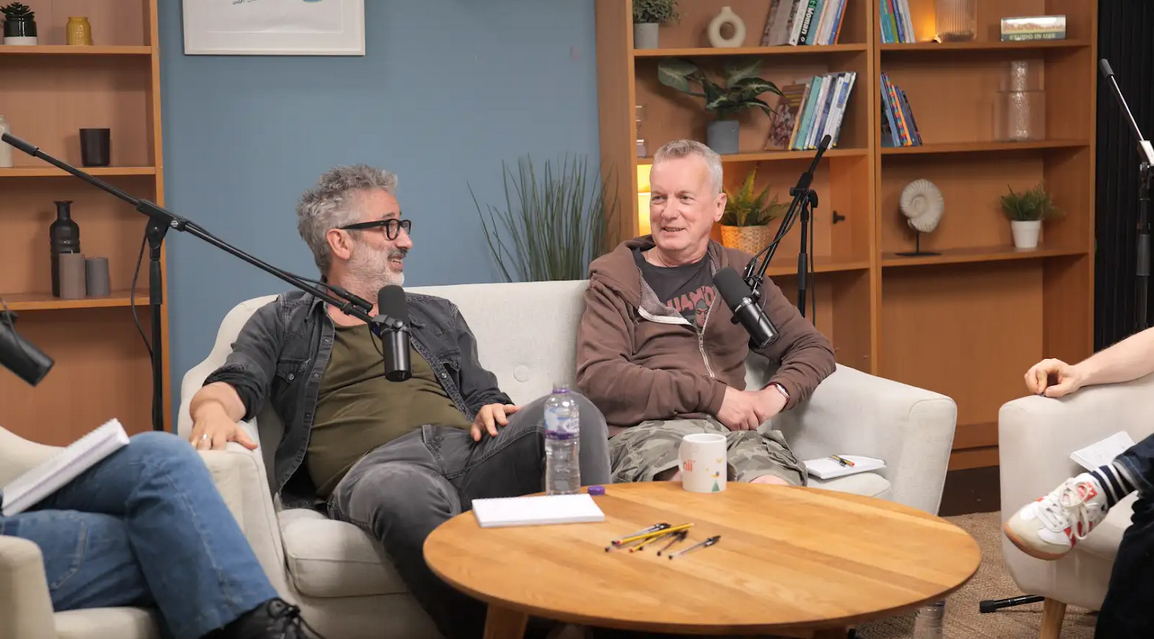
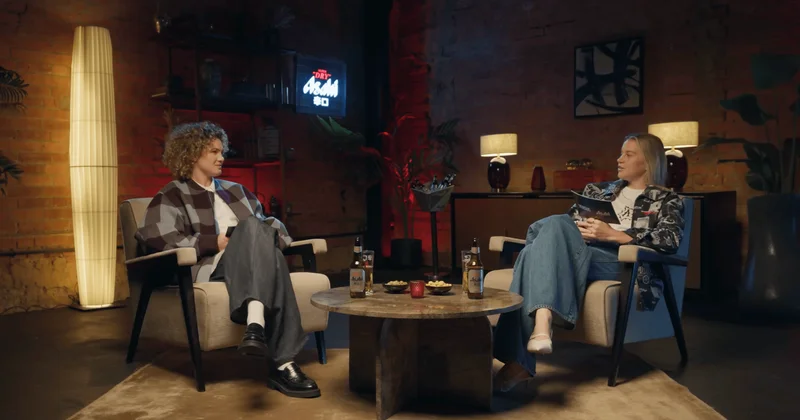
Finchley Studio (Lounge set): book this setup for your podcast
Video Studio Standards: Integrating the Visual Narrative
The transition from audio-only to video-first podcasting has redefined the requirements for a professional multimedia facility. In London, where brand identity is paramount, the visual tech stack must match the audio quality.
4K Resolution and AI Integration
By 2026, 4K resolution has become the non-negotiable standard for professional video studio output. Facilities such as Ravenor Farm Studios in West London or Premiere Podcast Studios in Shoreditch utilise multi-camera setups featuring Sony A7IV or Blackmagic Design cameras. Premiere Podcast Studios These cameras offer superior dynamic range and autofocus, ensuring that guests remain sharp even when moving during an animated discussion.
The integration of AI into the camera tech stack is a burgeoning trend. AI-driven auto-framing can now track multiple speakers, automatically switching or zooming to ensure the most engaging shot is always captured. This reduces the need for large crews, making high-end London podcast production more affordable for independent creators and SMEs. Finchley Studio
The Science of Studio Lighting
Lighting in a professional video studio is governed by the principles of three-point lighting, which includes the Key Light, Fill Light, and Backlight.
Key Light: The primary light source, typically placed at a 45-degree angle to the subject to create shape and dimension.
Fill Light: A softer light placed on the opposite side to reduce harsh shadows.
Backlight: Positioned behind the subject to create a "halo" effect, separating them from the background and adding depth to the 2D image. My Transcription Place
Professional London studios often use programmable LED panels that allow for precise control over colour temperature, measured in Kelvin (K). A typical studio setup might range from 3200K (warm tungsten) to 5600K (daylight), depending on the desired mood of the programme.
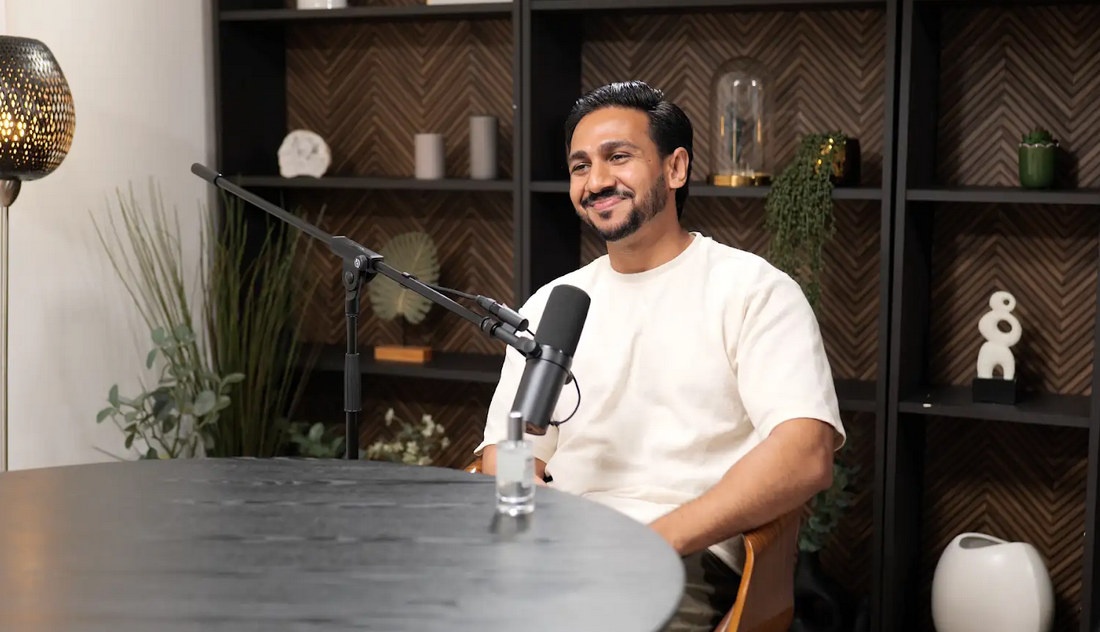
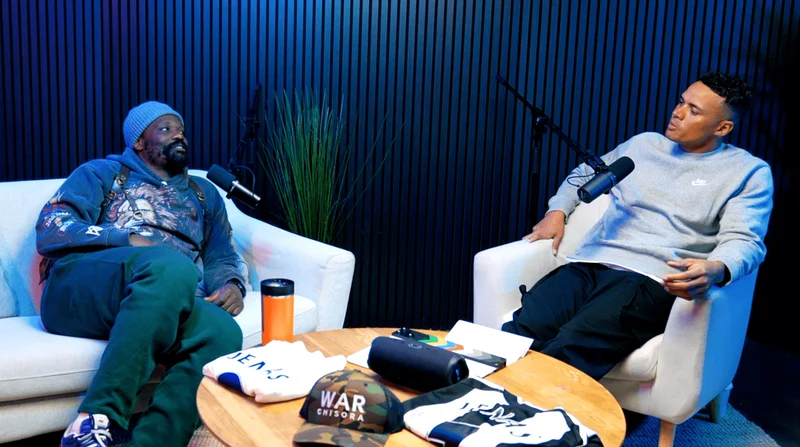
Finchley Studio (CEO Set): book this setup for your podcast
Acoustic Engineering in the London Context
For any recording studio in London, the primary antagonist is external noise pollution. The city's dense infrastructure means that studios are often located near train lines, flight paths, or busy thoroughfares. Solving these issues requires a two-pronged approach: isolation and treatment. Acoustical Solutions
Box-in-Box Construction and Isolation
High-end facilities like Dean St. Studios in Soho or London Broadcast Studios utilize "box-in-box" construction. This involves building a secondary floor, walls, and ceiling that are physically decoupled from the main building structure using vibration isolators or "acoustic hangers". Reddit This prevents structure-borne noise—such as the rumble of a passing Tube train—from entering the microphones. Premiere Podcast Studios
The effectiveness of this isolation is measured by the Sound Transmission Class (STC). A professional podcast studio should aim for an STC rating of 55 or higher to ensure that external sirens or construction do not ruin a recording session. Reddit
NRC Ratings and Internal Treatment
Once the room is isolated from external noise, the internal acoustics must be managed to eliminate "flutter echoes" and excessive reverberation. Acoustical Solutions This is achieved using materials with high Noise Reduction Coefficient (NRC) ratings. Acoustical Solutions
The NRC is a scalar representation of the amount of sound energy a material absorbs. An NRC of 0.0 indicates total reflection (like a glass window), while an NRC of 1.0 indicates total absorption. Acoustical Solutions For human speech, which typically falls in the 250Hz to 2000Hz range, a professional studio will utilise thick mineral wool or PET felt panels with an NRC of 0.85 or higher. Acoustical Solutions
$$NRC=\frac{\alpha_{250}+\alpha_{500}+\alpha_{1000}+\alpha_{2000}}{4}$$
Where $\alpha$ is the absorption coefficient at a specific frequency. This mathematical average ensures that the room sounds "natural"—neither too echoing nor completely "dead". Material LogIQ
Logistical Mastery: Navigating London's Creator Pain Points
The functional value of a podcast studio in London is often as much about its location and accessibility as its technical gear. For creators, the journey to the studio can be as stressful as the recording itself. Finchley Studio
Transport, ULEZ, and the Congestion Charge
The expansion of the Ultra Low Emission Zone (ULEZ) to cover all London boroughs and the 2026 increase in the Congestion Charge to £18 have made vehicle access a significant financial burden for creators. FMB For a London video studio, providing free private parking—as seen at Ravenor Farm Studios—is a major competitive advantage, allowing teams to bring heavy lighting and camera gear without incurring hundreds of pounds in daily fees. Ravenor Farm Studios
Alternatively, studios in Central London (Zones 1-2) must be located within a five-minute walk of major transport hubs like Canary Wharf, Shoreditch High Street, or Soho. The ease of guests arriving via the Elizabeth Line or the Northern Line often outweighs the technical specs of the microphones for high-profile talent who value their time above all else. Finchley Studio
Accessibility and Inclusion
Professional studio hire London must also consider physical accessibility. Many converted industrial spaces in East London lack step-free access, which can exclude guests with mobility requirements. Facilities that prioritise ground-floor access or modern lifts are increasingly preferred by corporate clients who must adhere to strict diversity and inclusion policies. Finchley Studio
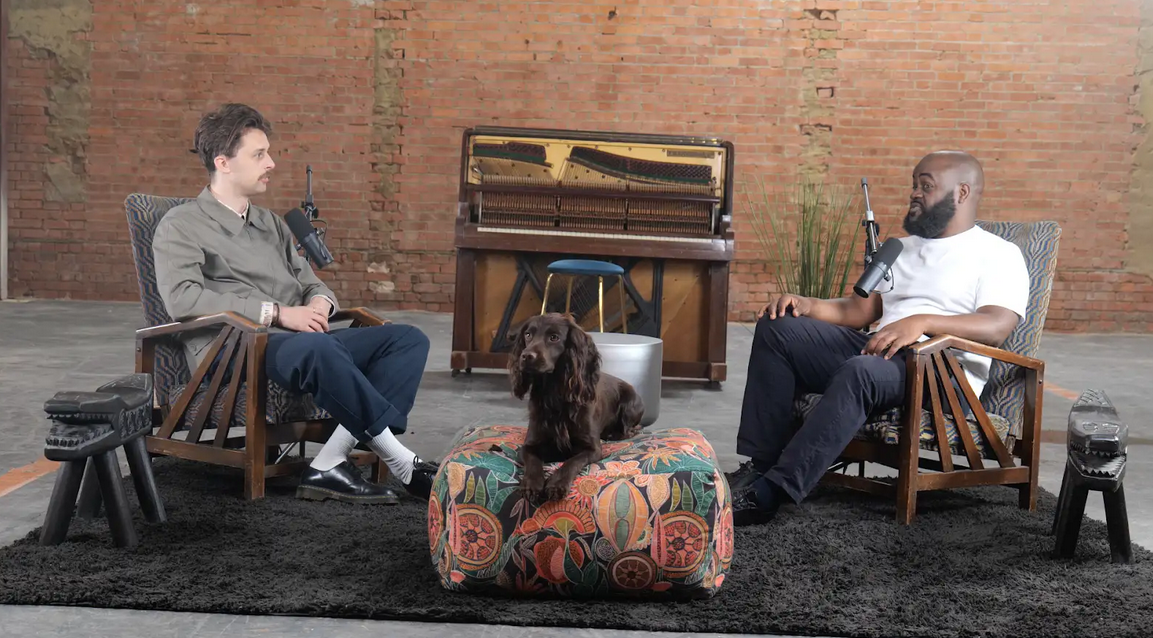
Finchley Studio (The Brick Studio): book this setup for your podcast
The Legal and Financial Framework of Professional Studio Hire
One of the most overlooked aspects of the "home setup vs. professional studio" debate is the legal and insurance protection offered by a dedicated facility. Alan Boswell Group For brands and professional creators, the risks of home recording extend far beyond bad audio. Finchley Studio
Liability and Insurance Requirements
A professional recording studio in London carries extensive insurance policies that protect the client. Alan Boswell Group
Public Liability Insurance: Protects the client if they, or a guest, are injured on the premises. This is crucial for high-profile guests who may have multi-million-pound "key person" insurance policies. Hiscox UK
Professional Indemnity: Covers the studio if technical failure leads to a loss of data or the inability to deliver a finished product, which could result in significant financial loss for a brand's marketing campaign. Protectivity
Employers' Liability: A legal requirement in the UK that ensures any engineers or runners working on the session are protected. Protectivity
Business Interruption: Ensures the studio can remain operational or provide alternatives if a catastrophe occurs, providing a level of reliability that a home office simply cannot match. Alan Boswell Group
Data Protection and GDPR
In an era of high-profile data breaches, how a London podcast production facility handles its files is a matter of legal compliance. Hiscox UK Professional studios must adhere to GDPR (General Data Protection Regulation), ensuring that guest contact details and sensitive raw recordings are stored securely and deleted after a set period. Many automated, self-service studios like Pirate now require digital ID verification for entry, adding a layer of security but also a layer of data privacy consideration for high-profile guests. Finchley Studio
Connectivity: USB-C, Bluetooth, and Remote Integration
The Rødecaster Pro II shines in its ability to integrate the digital world into a physical recording. Its dual USB-C architecture allows it to connect to two computers simultaneously, or a computer and a mobile device.
The Mix-Minus Solution
A common problem in London podcast production is the "echo" experienced by remote guests on Zoom or Riverside.fm. The Rødecaster Pro II solves this through automatic "mix-minus". It sends the guest a feed of everyone except themselves, preventing the disorienting loop of their own voice. While this can be achieved in discrete setups using complex software routing (like Voicemeeter or Loopback), having it built into the hardware makes the Rødecaster a "foolproof" solution for high-stakes interviews. SonusGear
SMART Pads and Broadcaster Workflow
The SMART pads on the Rødecaster Pro II are not just for playing "laugh tracks." They are fully programmable triggers that can send MIDI commands to a DAW or vision mixer. RØDE In a professional video studio, a host can use a pad to switch camera angles or trigger lower-third graphics on a live stream, effectively becoming their own director. This level of control, integrated directly into the audio console, represents the ultimate convergence of the modern media tech stack.
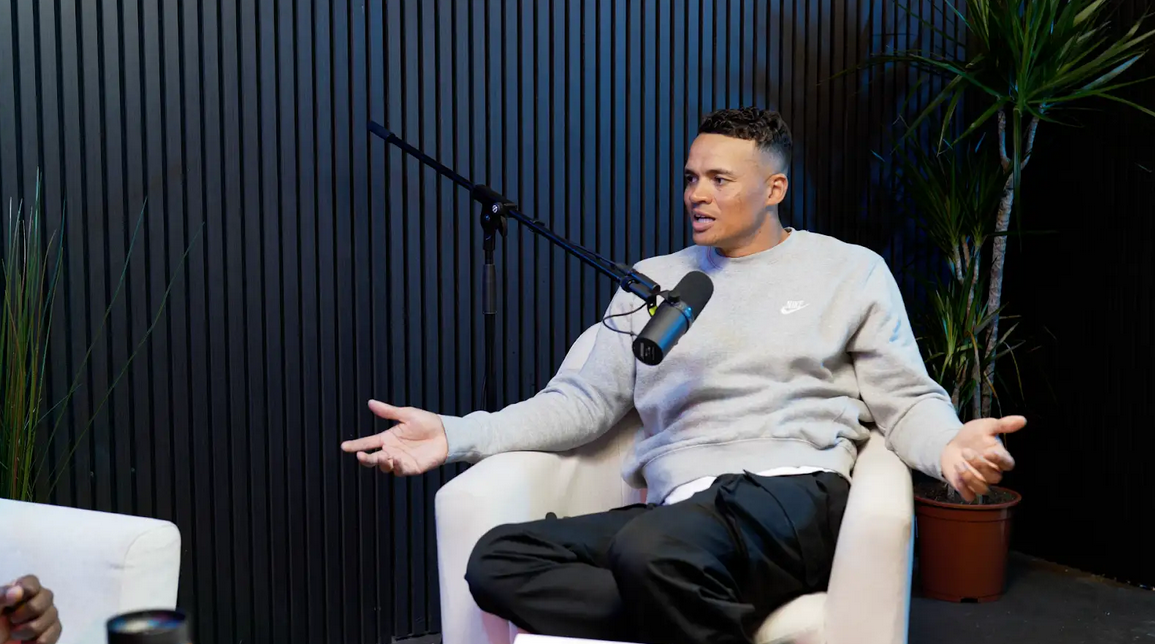
Finchley Studio (Blackwood): book this setup for your podcast
Future Vectors: AI, Spatial Audio, and 6G
As we look toward the future of media production in London, several emerging trends are set to redefine the tech stack further.
The Rise of Immersive Audio
While stereo has been the standard for decades, high-end studios are now moving toward spatial audio and Dolby Atmos for podcasting. This is particularly relevant for audio dramas and high-budget documentary series. Facilities like Dean St. Studios already offer Atmos mixing suites (9.1.4 PMC systems), providing a "nose-to-tail" production pipeline that takes a recording from a simple microphone to a cinematic audio experience.
5G and 6G Remote Production
London is a leader in 5G infrastructure, and the early testing of 6G promises even lower latency for remote production. This will allow for real-time, high-fidelity collaboration between a London podcast studio and guests located anywhere in the world, with delays so minimal they are imperceptible to the human ear. Integrated consoles like the Rødecaster are already being updated with firmware to support these high-bandwidth connections, ensuring they remain relevant for years to come. Audio Technology
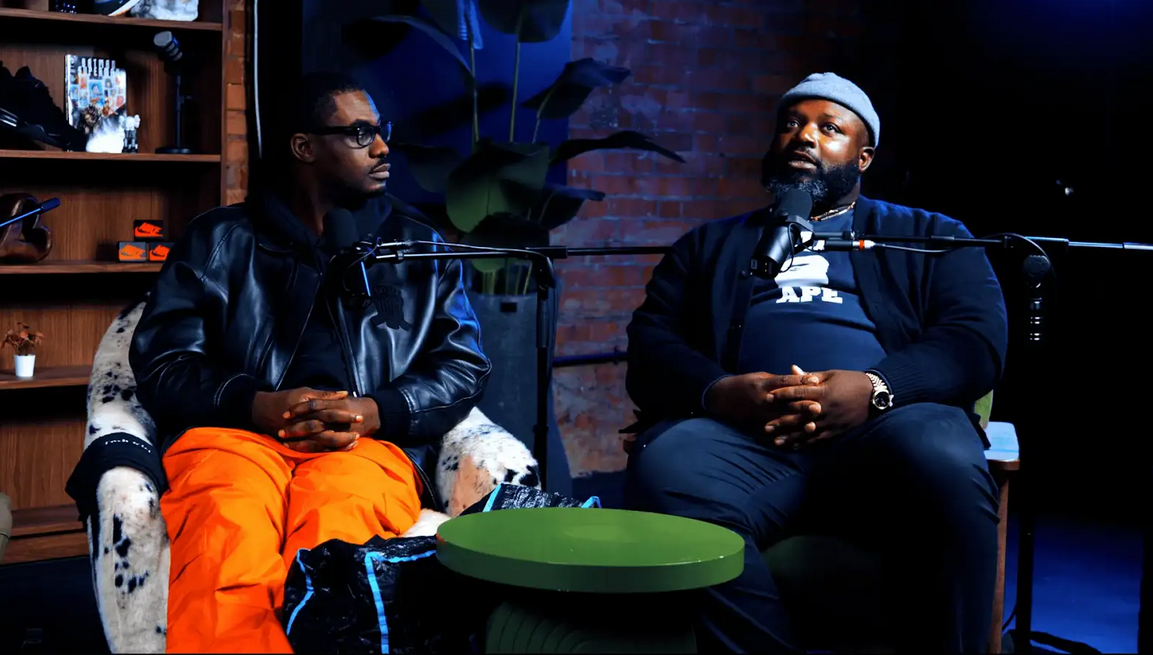
Finchley Studio (URBAN LOUNGE): book this setup for your podcast
Frequently Asked Questions
What is the difference between a podcast mixer and an audio interface? A podcast mixer, like the Rødecaster Pro II, is an all-in-one console that includes preamps, DSP processing, recording to SD card, and sound pads. An audio interface is a more focused device that primarily acts as a bridge between a microphone and a computer, often requiring a computer to record and process the sound. For a professional London studio, a mixer offers more "live" control, while an interface offers modular flexibility.
Is 48kHz sufficient for a professional podcast? Yes. 48kHz is the industry standard for video and broadcast audio. While some high-end recording studios use 96kHz or 192kHz for music production to capture more high-frequency detail, the human ear cannot distinguish these higher rates in spoken word content. Most platforms like Spotify and Apple Podcasts actually compress the audio anyway, making 48kHz/24-bit the "sweet spot" for quality and file size. MusicRadar
Why do I need an engineer for my studio session? While integrated gear like the Rødecaster Pro II is user-friendly, a professional engineer provides "insurance" for your content. Podshop Studios They manage the gain levels, ensure that the cameras are in focus, handle the "Live Cut" switching, and troubleshoot any technical glitches that could occur. Ravenor Farm Studios This allows the host to focus entirely on the guest and the conversation, which consistently leads to a higher-quality episode.
How do I receive my files after a session in London? Most professional London studios offer multiple options. You can bring an external hard drive (ideally an SSD with 1000MB/s write speed like a Samsung T7) to transfer the large 4K files immediately. Alternatively, many studios provide a cloud transfer link (via WeTransfer Pro or MASV) within 24 hours. Ravenor Farm Studios Be aware that some studios charge a small fee for data handling or cloud storage. Finchley Studio
Does the studio provide microphones, or should I bring my own? A high-end multimedia production facility will provide industry-standard microphones like the Shure SM7B or Røde Procaster as part of the hire. These mics are chosen for their ability to reject background noise, which is essential in a London environment. However, most studios are happy to let you bring your own gear if you have a specific "signature sound" you wish to maintain. Podcast Studio Hire
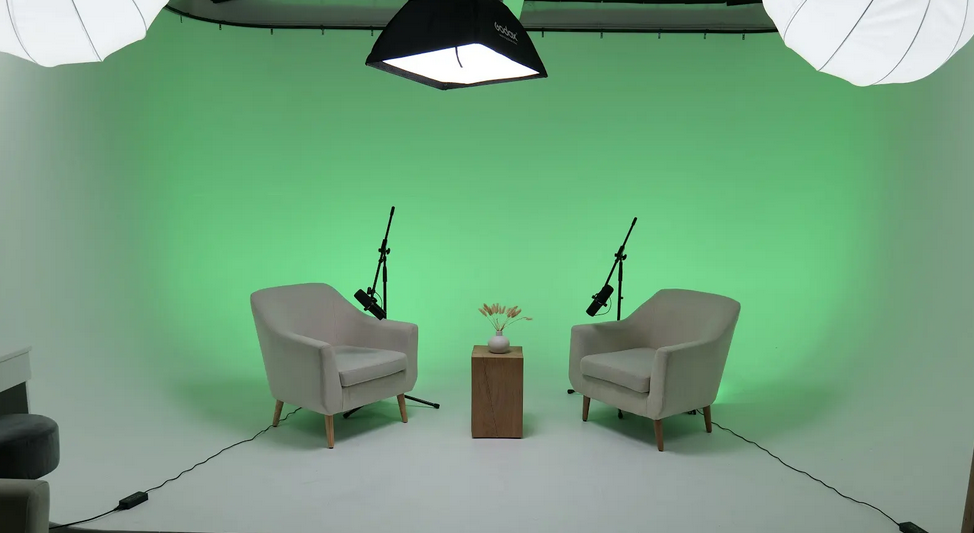
Finchley Studio (White Infinity Cove): book this setup for your podcast
Strategic Synthesis: Choosing Your Technical Path
The choice between a Rødecaster Pro II and a discrete interface tech stack is ultimately a choice between two different philosophies of production. The integrated approach of the Rødecaster Pro II represents the future of democratised, efficient, and high-quality content creation. Its ability to handle gain-hungry microphones, process audio in real-time, and manage remote guests through a single interface makes it the definitive choice for modern London podcast production. MusicRadar
For the professional facility, the Rødecaster Pro II reduces the barriers to entry for clients, ensuring that every session—whether it features a seasoned broadcaster or a first-time guest—sounds exceptional. It addresses the pain points of the London creator by providing a reliable, "all-in-one" sanctuary from the noise and complexity of the city.
However, the discrete interface remains relevant for the "nitty-gritty" enthusiast and the high-end recording studio focused on music and complex sound design. The ability to swap preamps, use high-sample-rate converters from RME or UA, and leverage the vast world of VST plugins offers a level of bespoke tailoring that no integrated unit can match.
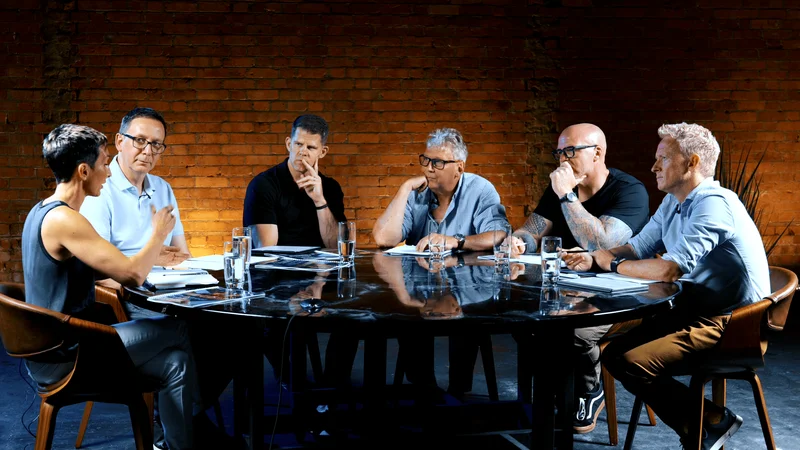
In the London market, where content is king, the best studio hire London is the one that understands these technical nuances and provides a space where they disappear. Whether you are recording a solo monologue, a four-person roundtable, or a full-scale video production, your tech stack should be your strongest ally.
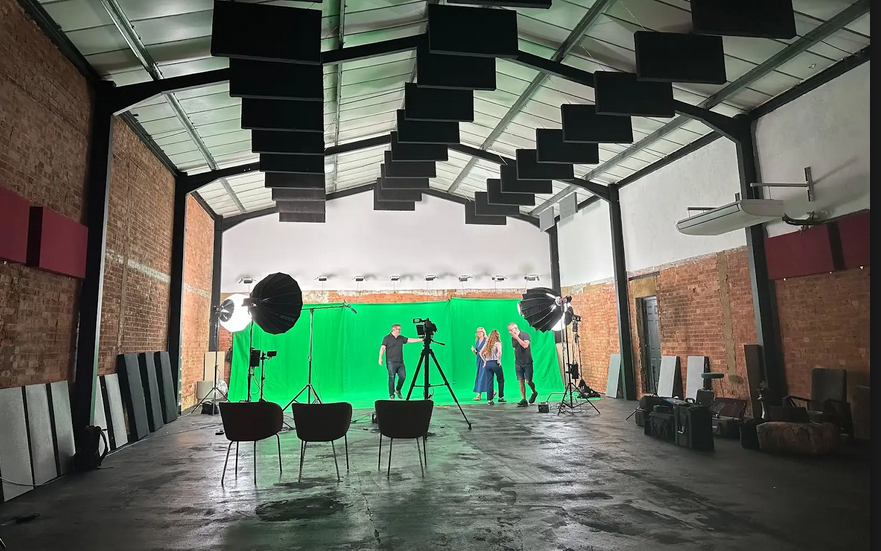
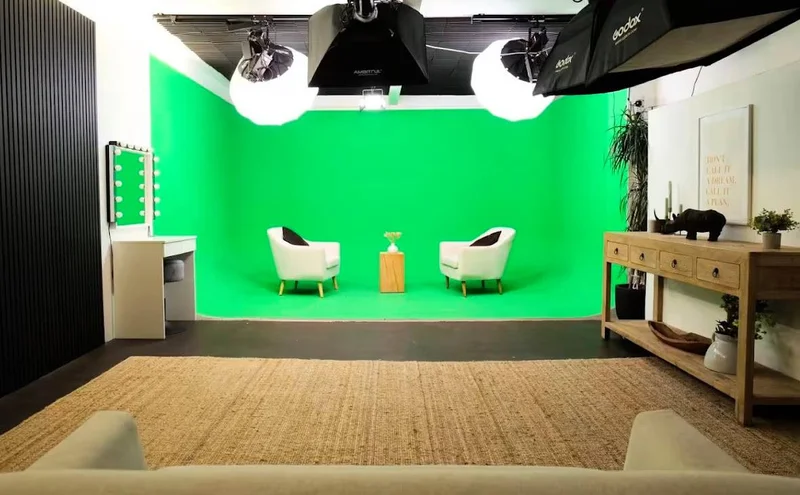
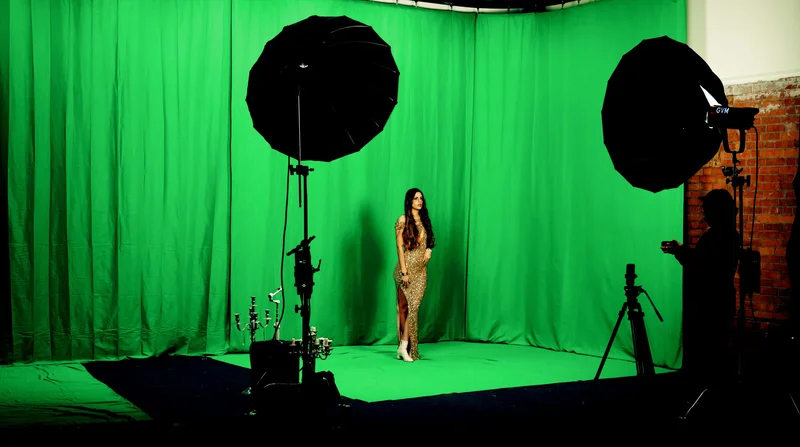
Finchley Studio (Giant Green Screen): book this setup for your podcast
Ready to Level Up Your Content?
The transition from a home setup to a professional facility is a transformative moment for any brand or creator. In the heart of London, our studio combines the power of the Rødecaster Pro II with the precision of discrete high-end interfaces and 4K visual tech. We invite you to step away from the noise of the city and into a space designed for clarity, creativity, and professional impact. Book a private tour of our London facility today or schedule your first session to experience the future of podcasting. Let's make something brilliant together.