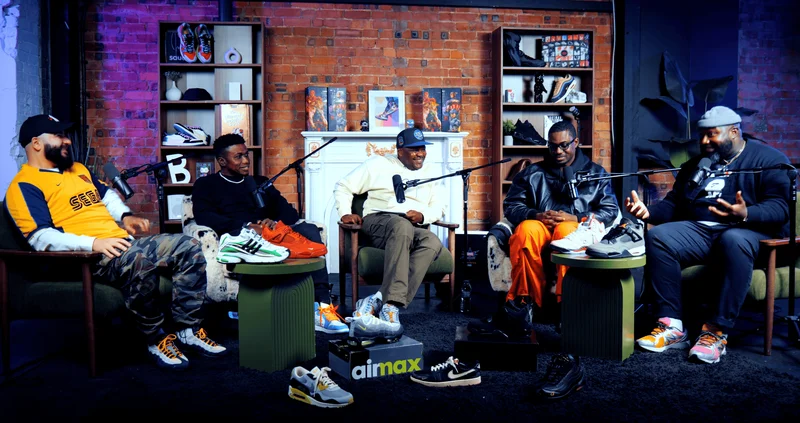
Executive Summary: The Decentralisation of High-Fidelity Content Production
The digital content landscape in the United Kingdom has matured rapidly, transitioning from a period of experimental audio formats into a robust industry dominated by "visual podcasting" (vodcasting) and broadcast-grade production standards. As of 2025 and approaching 2026, London remains the epicenter of this creative economy. However, a significant dichotomy has emerged within the capital's production sector: while the demand for professional-grade podcast studio and video studio environments has skyrocketed, the operational costs associated with Central London facilities—driven by rising real estate premiums, congestion charges, and logistical friction—have become increasingly prohibitive for independent creators and agile agencies.
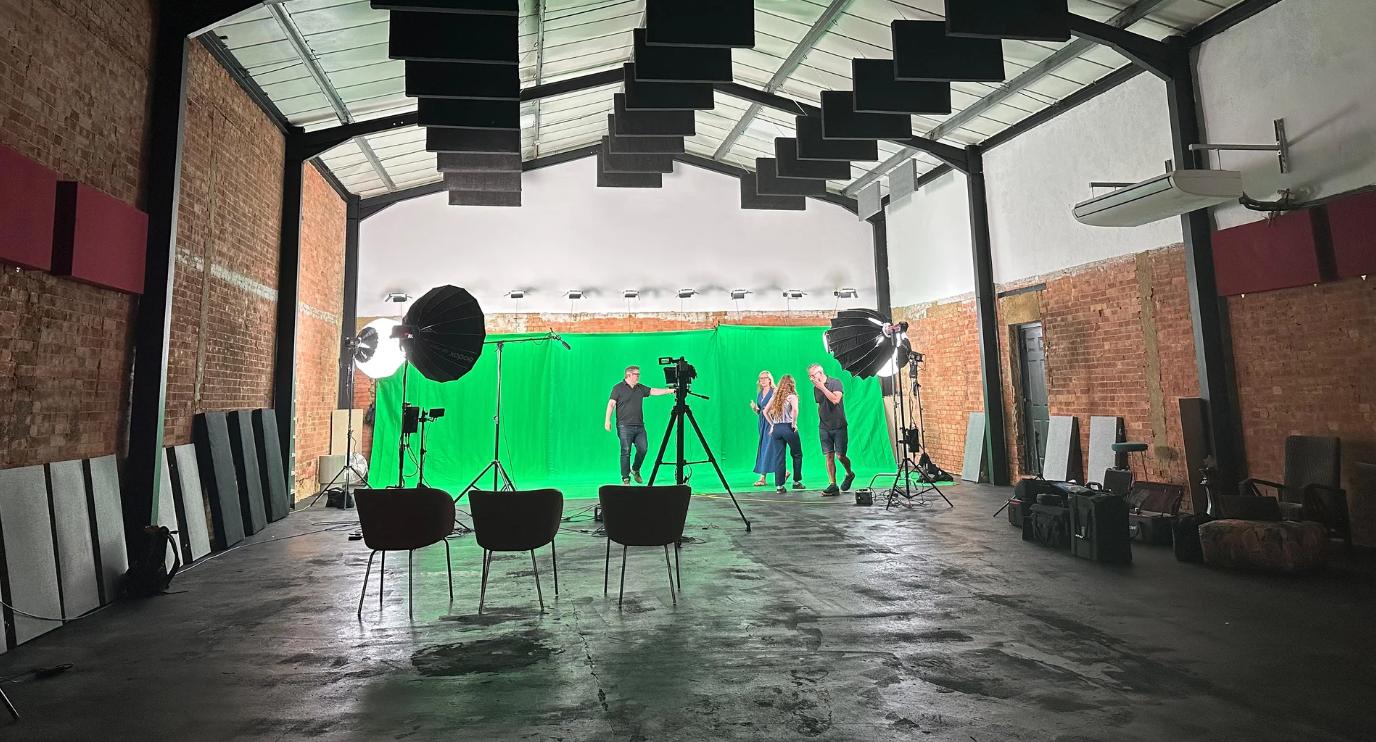
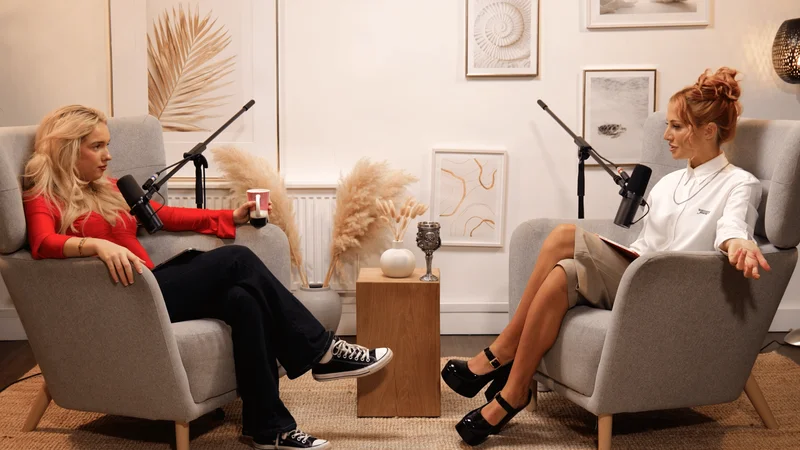
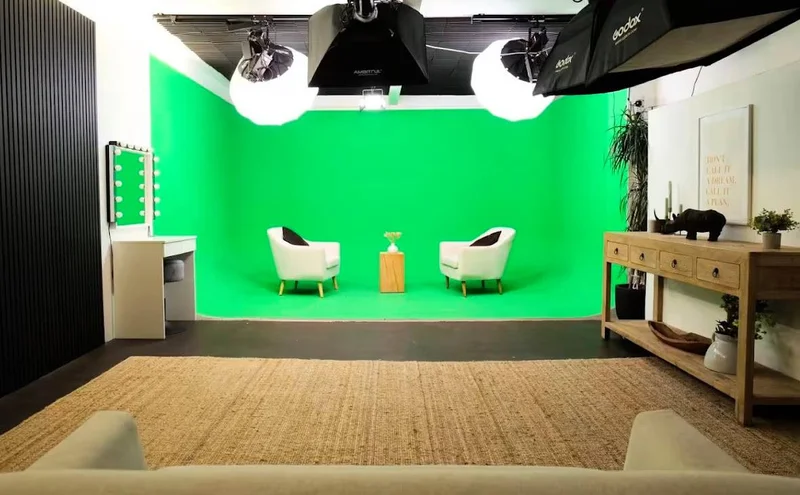
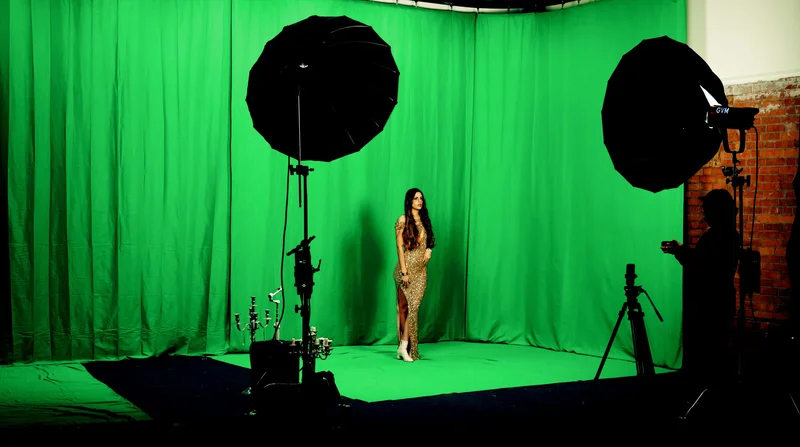
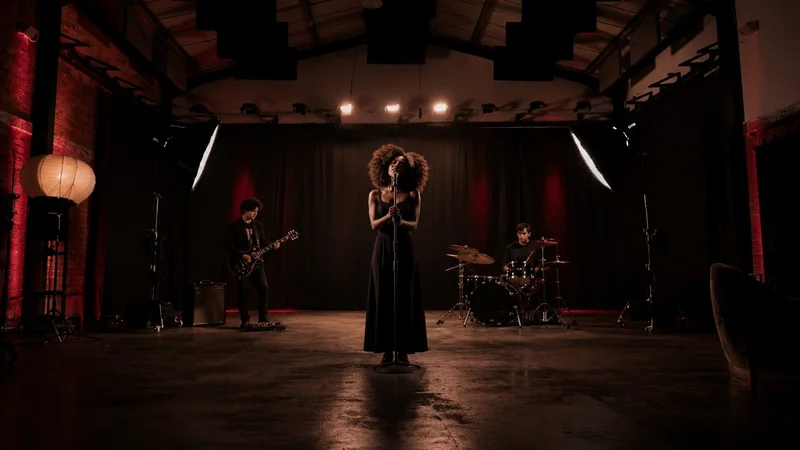
Finchley Studio (Giant Green Screen): book this setup for your podcast
This report presents a strategic analysis of the podcast production market in London, with a specific focus on the London Borough of Barnet as a high-value alternative to the traditional creative hubs of Shoreditch and Soho. Through a rigorous examination of technical specifications, economic variables, and local infrastructure, this document establishes the "Total Cost of Production" (TCP) as the definitive metric for evaluating studio value. The findings indicate that by shifting production to North London hubs such as Barnet and Finchley, creators can achieve a 30-50% reduction in overheads while accessing equipment specifications—such as Shure SM7B microphones and Blackmagic 6K cinema cameras—that rival or exceed those found in Zone 1 facilities.1
Furthermore, this guide addresses the critical technical and logistical pain points faced by London creators, from mitigating noise pollution in an urban environment to navigating the expanded Ultra Low Emission Zone (ULEZ) and the impending 2026 Congestion Charge increase.4 It serves as an exhaustive resource for identifying, evaluating, and booking an affordable recording studio that meets the rigorous demands of modern multimedia distribution.
1. The Strategic Pivot: Why London Creators Are Moving North
1.1 The Evolution of the "London Podcast Production" Market
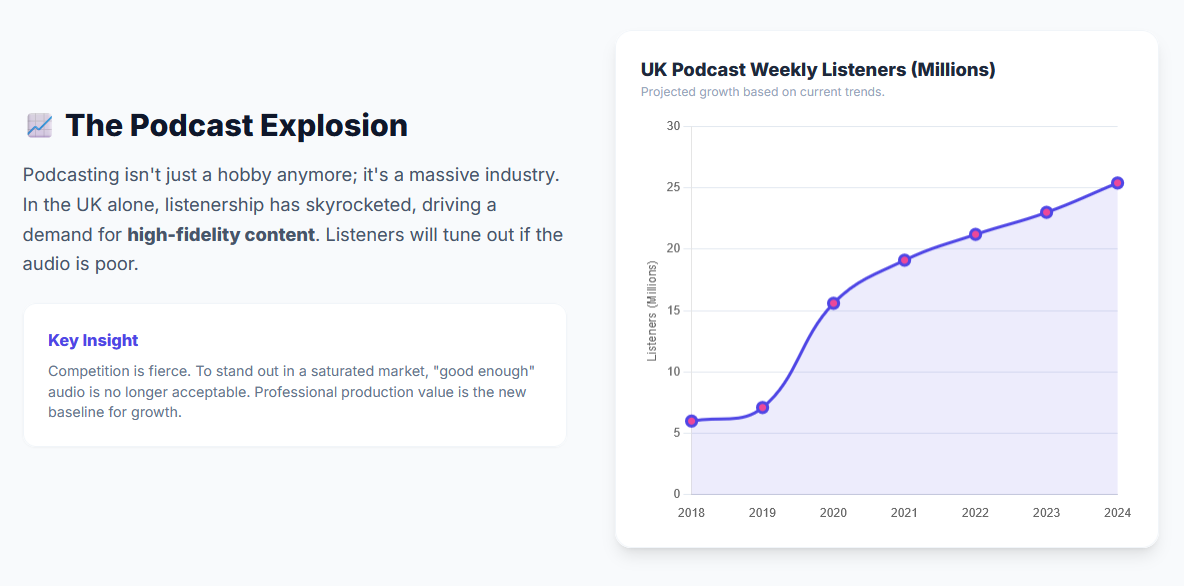
The concept of London podcast production has undergone a radical transformation. In the early 2020s, the barrier to entry was low; a quiet room and a USB microphone often sufficed. By 2026, audience expectations have shifted toward "TV-quality" video and pristine audio. This "flight to quality" has necessitated a move away from home recording setups, which struggle with the unique acoustic challenges of London living, toward professional studio hire London solutions.6
However, the concentration of studios in Central London (Zones 1 and 2) has created a "prestige premium." Studios in areas like Shoreditch and Soho often command hourly rates between £120 and £225, driven not necessarily by superior equipment, but by the exorbitant overheads of their location.
The Value Proposition of Barnet
Barnet, encompassing areas such as Finchley, Woodside Park, and High Barnet, has emerged as a strategic counter-balance. The region offers a compelling synthesis of accessibility and affordability. Data indicates that professional studios in this borough can offer high-end podcast studio facilities for rates starting as low as £95 per hour, often inclusive of engineering support that would be a chargeable add-on in Central London.1
1.2 The "Total Cost of Production" (TCP) Framework
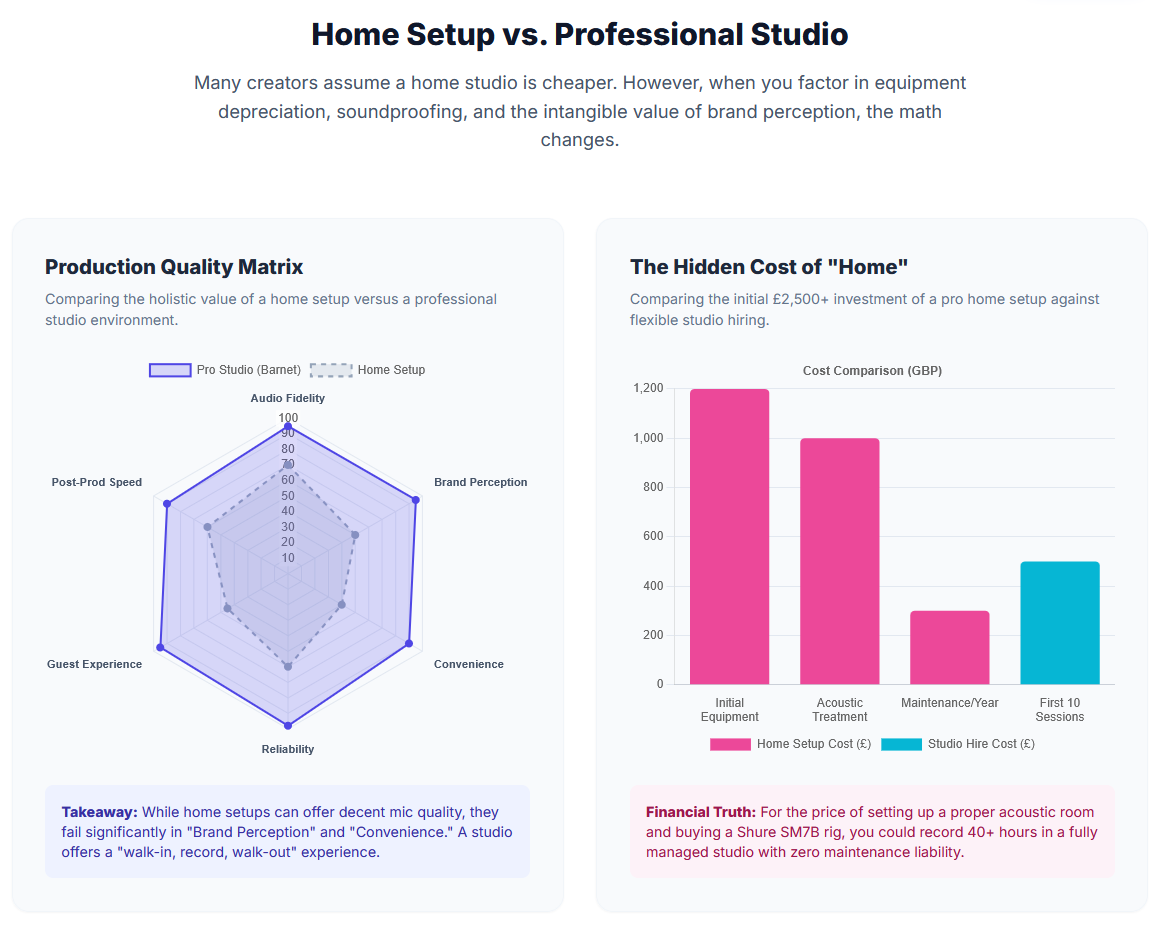
To truly assess affordability, one must look beyond the "headline hourly rate" advertised on a studio's website. A comprehensive financial analysis requires the calculation of the Total Cost of Production (TCP), which aggregates studio hire, transport costs, parking fees, and "stress costs" (time lost to logistics).
Table 1.1: Comparative Analysis of Total Cost of Production (4-Hour Session)
The data reveals that the TCP for a Central London session is more than double that of a Barnet session. For a weekly podcast, this equates to an annual difference of over £20,000—capital that could be reinvested in marketing, post-production, or talent acquisition.2
1.3 The Decentralisation of Creative Infrastructure
The migration to boroughs like Barnet is not merely a cost-saving measure but a strategic realignment. The "Zone 1 Centric" mindset is eroding as infrastructure improves. High-speed fibre internet is now standard in outer boroughs, facilitating the massive data transfers required for 4K video podcasting. Furthermore, the acoustic environment in Barnet—often characterised by mews houses, converted warehouses, and set-back properties—provides a natural advantage over the noise-polluted streets of Central London, where sirens and heavy traffic are constant threats to audio integrity.12
2. Navigating the Logistics of Studio Hire in London (2025-2026)
The logistical landscape of London is in a state of flux. Upcoming regulatory changes regarding transport and emissions are reshaping where businesses can affordably operate and where creators can feasibly travel.
2.1 The Congestion Charge and ULEZ Impact
A critical factor for any production involving equipment transport or guests is the cost of driving.
The 2026 Congestion Charge Rise
From January 2, 2026, the daily Congestion Charge for driving into Central London will increase from £15 to £18. Crucially, the 100% discount for electric vehicles (EVs) will be removed, meaning even green fleets will incur costs.4
Implication for Studios: Studios located within the Congestion Zone effectively pass this cost onto their clients. A guest driving to a Shoreditch studio faces an £18 "entry fee" before arriving.
The Barnet Advantage: Barnet sits well outside the Congestion Charge zone. It is accessible via major arterial routes like the A1 and A1000 without triggering this fee, making it a "logistics-friendly" hub for guests travelling from Greater London or the Home Counties.15
The Ultra Low Emission Zone (ULEZ)
While the ULEZ now covers all London boroughs, including Barnet, the compliance rate for vehicles in London is high (over 96%).16 For most creators, the ULEZ is a neutral factor across locations. However, the combination of ULEZ plus Congestion Charge in the centre creates a "double tax" zone that Barnet avoids.
2.2 Parking: The Silent Budget Killer
Parking availability and cost are often cited as major pain points for London creators. Transporting sensitive equipment (cameras, instruments) on the Tube is risky and exhausting, making driving a necessity for many.
Central London Reality: On-street parking in boroughs like Hackney or Westminster can cost up to £7.20 per hour.9 Commercial car parks often charge day rates exceeding £50.
Barnet Reality: Parking infrastructure in Barnet is designed for commuters and is significantly more affordable.
High Barnet Station Car Park: Offers 167 spaces with a daily tariff of roughly £6.00 on weekends and affordable weekday rates.10
Studio-Specific Parking: Many affordable podcast studios in the area, such as the North London Podcast Studio, offer on-site parking or are situated on streets with non-restrictive parking controls.1 This "door-to-door" convenience allows creators to load in heavy gear directly, minimizing setup time and physical fatigue.
2.3 Public Transport Connectivity
Despite the benefits of driving, public transport remains vital. Barnet is served by the High Barnet branch of the Northern Line, one of the most reliable arteries in the network.
Direct Access: Studios near Woodside Park Station or High Barnet Station are approximately 30-40 minutes from King's Cross St Pancras.1 This places them within easy reach of international rail links while maintaining suburban tranquility.
Bus Networks: The area is served by a dense network of bus routes (e.g., the 34, 263, 383), ensuring connectivity even for local staff and freelancers.15
3. Technical Architecture: What Defines a Professional Studio?
When searching for a podcast studio or video studio, the equipment list is the primary indicator of quality. "Affordable" should not equate to "amateur." The leading studios in Barnet differentiate themselves by offering specifications that meet global broadcast standards.
3.1 Audio Fidelity: The Foundation of Podcasting
In 2026, listener tolerance for poor audio is non-existent. A professional studio must offer a signal chain that guarantees clarity, warmth, and noise rejection.
The Microphone Standard: Shure SM7B
The Shure SM7B (and its variants like the SM7dB) is the undisputed industry standard for podcasting.18
Why it Matters: The SM7B is a dynamic microphone with a cardioid polar pattern. This means it is excellent at rejecting "off-axis" noise (sound coming from the sides or rear), which is critical for multi-person panel shows where "bleed" between microphones can ruin a mix.18
Studio Audit: When booking a studio in Barnet, verify they use Shure SM7B or Electro-Voice RE20 microphones. Avoid studios relying solely on USB microphones for group recordings, as these often lack the necessary isolation.19
Audio Interfaces and Processing
The microphone is only as good as the preamp it connects to.
RØDECaster Pro II: Widely used in modern studios for its ability to handle multi-track recording and mix-minus (for remote guests) natively.20
32-Bit Float Recording: Advanced studios now offer 32-bit float recording (e.g., using Zoom F8n Pro recorders), which makes it virtually impossible to clip (distort) the audio if a guest laughs too loudly.21 This is a safety net that saves hours of audio repair in post-production.
3.2 Visuals: The Shift to Cinema Standards
A video studio for vodcasting must provide more than just a webcam. The expectation is now cinematic depth of field and high dynamic range.
Camera Ecosystems
Blackmagic Design: Studios like Nostars and Finchley Studio in North London have adopted Blackmagic Pocket Cinema Cameras (4K and 6K) as their standard.3 These cameras offer superior color science and dynamic range compared to standard DSLRs, giving the podcast a "Netflix-ready" aesthetic.
Sony Ecosystem: Other studios utilize Sony FX30 or ZV-E10 cameras, known for their reliable autofocus—crucial for animated guests who move around in their seats.21
Lighting Design
Lighting is the difference between a "home video" and a "show."
Three-Point Lighting: A professional setup will always use a Key Light, Fill Light, and Back Light (Hair Light) to separate the subject from the background.22
Colour Temperature (CCT): High-end studios use bi-color LED fixtures (e.g., Aputure Amaran or Nanlite) that allow the lighting temperature to be adjusted between 3200K (warm/tungsten) and 5600K (daylight).22 This ensures skin tones look natural regardless of the time of day or ambient light.
RGB Branding: The use of RGB tube lights (like Pavotubes) allows a studio to instantly match the set's lighting to the podcaster's brand colours (e.g., washing the back wall in a specific shade of blue or purple).23
3.3 The Acoustic Environment: Fighting Noise Pollution
London is acoustically hostile. From sirens to construction, external noise is the enemy of recording.
Sound Isolation vs. Treatment:
Isolation: Prevents noise entering. Studios in converted industrial spaces in Barnet often benefit from thicker masonry and distance from main roads compared to glass-fronted offices in the City.12
Treatment: Controls internal reverb. Look for studios with visible bass traps in corners and diffusion panels on walls. A room without treatment will sound "boxy" and amateurish, regardless of the microphone quality.24
Silent Air Conditioning: A critical but often overlooked feature. A soundproof room gets hot quickly. Professional studios must have low-decibel, ductless air conditioning systems that can run during recording without being picked up by the sensitive microphones.25
4. Market Analysis: The Hierarchy of Studios in Barnet
The studio market in North London is diverse, catering to different budgets and technical needs. It can be categorized into three distinct tiers.
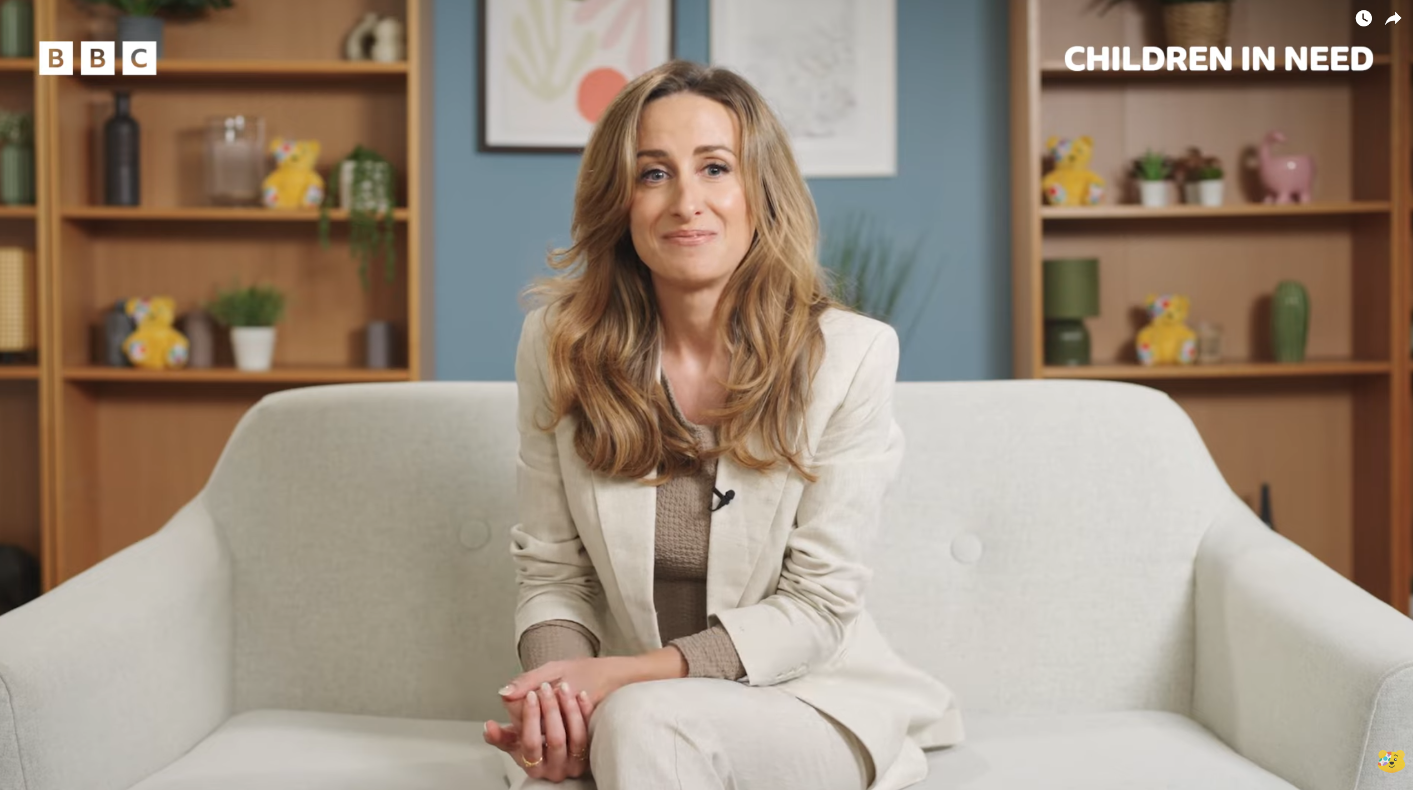
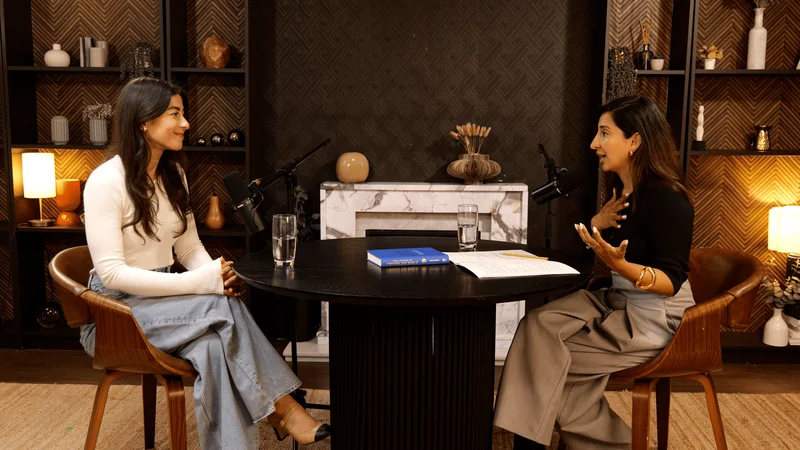
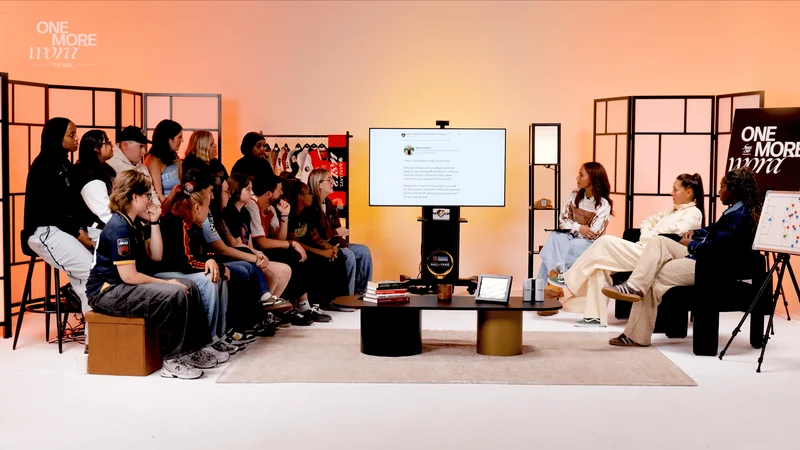
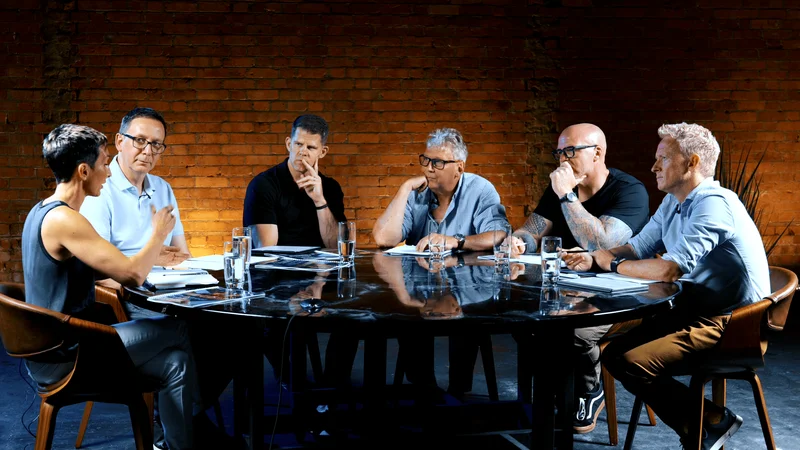
See the 'BBC Children in Need' podcast setup used by Dr Julie from BBC at Finchley Studio (Lounge setup). Book this setup for your podcast
4.1 Tier 1: The Budget / Self-Service (Dry Hire)
Price Range: £20 - £45 per hour.
Target Audience: Experienced audio engineers, hobbyists, solo creators.
Operational Model: "Dry Hire"—you rent the room and basic gear, but you are responsible for running the session.
Key Players: Pirate Studios (various locations), Nostars Studios (Wood Green).
Pros: Extremely affordable; often 24/7 access via keypad entry.26
Cons: No on-site support. If a cable breaks or software crashes, the session is stalled. Lighting and video capabilities are often basic or non-existent.7
4.2 Tier 2: The Flexible Mid-Range
Price Range: £50 - £90 per hour.
Target Audience: Emerging video podcasts, creators needing some assistance.
Operational Model: Staffed reception, equipment is set up for you, but an engineer to actively monitor the recording may be an extra cost.
Key Players: Podshop (Central/East, but competitive model), Outset Studio.21
Pros: Professional environment; cameras are pre-rigged.
Cons: "Add-on" culture—you might pay extra for file transfer, engineer time, or additional mics.27
4.3 Tier 3: The Affordable Professional (Wet Hire)
Price Range: £95 - £130 per hour.
Target Audience: Brands, agencies, high-profile interview shows.
Operational Model: "Wet Hire"—Engineer included. The price often covers multi-cam live switching, data transfer, and a studio manager.
Key Players: North London Podcast Studio 1, Finchley Studio.7
Pros: "Walk in, walk out" convenience. The inclusion of an engineer (valued at ~£50/hr) makes this the best value for money for serious productions. High-end gear (Blackmagic/Shure) is standard.
Cons: Higher upfront hourly rate, but lower TCP due to bundled services.
Table 4.1: Feature Comparison of Tiered Studio Models
5. Local Context: The Barnet Ecosystem
A successful production requires more than just a room with microphones. The surrounding ecosystem—amenities, accessibility, and "vibe"—plays a crucial role in the comfort of guests and the smooth running of a session.
5.1 Pre- and Post-Recording Amenities
The "Third Space" (cafés and lounges) is vital for briefing guests before a show or debriefing after. Barnet offers a variety of high-quality spots that rival Central London chains but with a more relaxed atmosphere.
Coffee & Meetings:
Gail's Bakery: Located in key hubs like Finchley, Gail's provides a reliable, high-quality environment for pre-production meetings. Their "Smoked Chicken Caesar Club" or "Bruern Farms Sourdough" are excellent catering options for longer sessions.28
93 Degrees Coffee: A highly-rated independent specialist in Finchley Central. It offers a "cozy and welcoming" atmosphere with premium Illy blends, perfect for impressing guests with local knowledge rather than generic chain coffee.29
Monica Café: For a more substantial lunch, Monica Café in Finchley is renowned for its authentic Italian sandwiches and freshly baked focaccia. This type of local, high-quality catering can be a morale booster for crews during long recording blocks.30
Barista on the Other Side: Situated near Finchley Road, this spot emphasizes "passion and expertise" in coffee making, offering a quiet retreat from the hustle.31
5.2 Accessibility and Inclusivity
Accessibility is a non-negotiable requirement for modern productions. Studios in Barnet often have a structural advantage over Central London counterparts.
Step-Free Access: Many Central London studios are located in converted Victorian townhouses with narrow staircases and no lifts. In contrast, Barnet's studios are often found in ground-floor mews conversions (e.g., Castle Mews 1) or modern industrial units, offering easier access for wheelchair users and those with mobility impairments.
Blue Badge Parking: The availability of designated Blue Badge parking bays at High Barnet Station and local streets ensures that guests with disabilities can park close to the venue, a luxury rarely afforded in Soho.10
Inclusivity Standards: Leading studios are increasingly adopting inclusivity toolkits, ensuring they have accessible toilets, clear signage, and staff trained to assist guests with additional needs.32
6. Operational Guide: How to Book a Studio in Barnet
Booking a studio is a business transaction that requires due diligence. To ensure the "affordable" rate remains affordable, creators must ask the right questions and prepare effectively.
6.1 The "Hidden Cost" Checklist
Before confirming a booking, clarify the following points to avoid "bill shock":
VAT Status: Is the advertised price inclusive or exclusive of VAT? A £95/hr rate can become £114/hr instantly.27
Data Transfer Fees: Does the studio charge for transferring footage to your hard drive? Some studios charge £25-£45 for this service if it runs into overtime.34 Recommendation: Always bring your own high-speed SSD (e.g., Samsung T7) to transfer data immediately.
Overtime Policy: Is overtime charged by the minute or the hour? Some studios charge punitive rates (e.g., £1.99 per minute) for overrunning.35 Book 30 minutes more than you think you need.
Setup Time: Does the booking time include setup and pack-down? In "Dry Hire" studios, you must account for this. In "Wet Hire," the engineer usually sets up before you arrive.
6.2 Data Management Strategy
Video podcasting generates massive files.
File Sizes: A 1-hour 3-camera shoot in 4K ProRes can exceed 150GB.
Transfer Time: Transferring 150GB via USB 3.0 takes time. Ensure your booking includes buffer time for this, or ask if the studio offers a cloud upload service (though this can delay your access to files).
Backup: A professional studio should have a redundancy system (e.g., recording to two cards simultaneously). Ask: "Do you record a backup of the audio?".36
6.3 Preparing Your Guests
The journey to Barnet is different from the journey to Soho. Manage guest expectations.
Travel Instructions: Send a clear guide. "We are recording at in Barnet. The nearest tube is High Barnet (Northern Line). If driving, please park at [Location Code 801620] for the best rates".10
Dress Code: Remind guests that green clothing interferes with green screen setups (if applicable). Patterned clothing (tight stripes) can cause "moiré" effects on 4K cameras.
7. Future Trends: Podcasting in 2026 and Beyond
The studio you hire today should be ready for the technology of tomorrow.
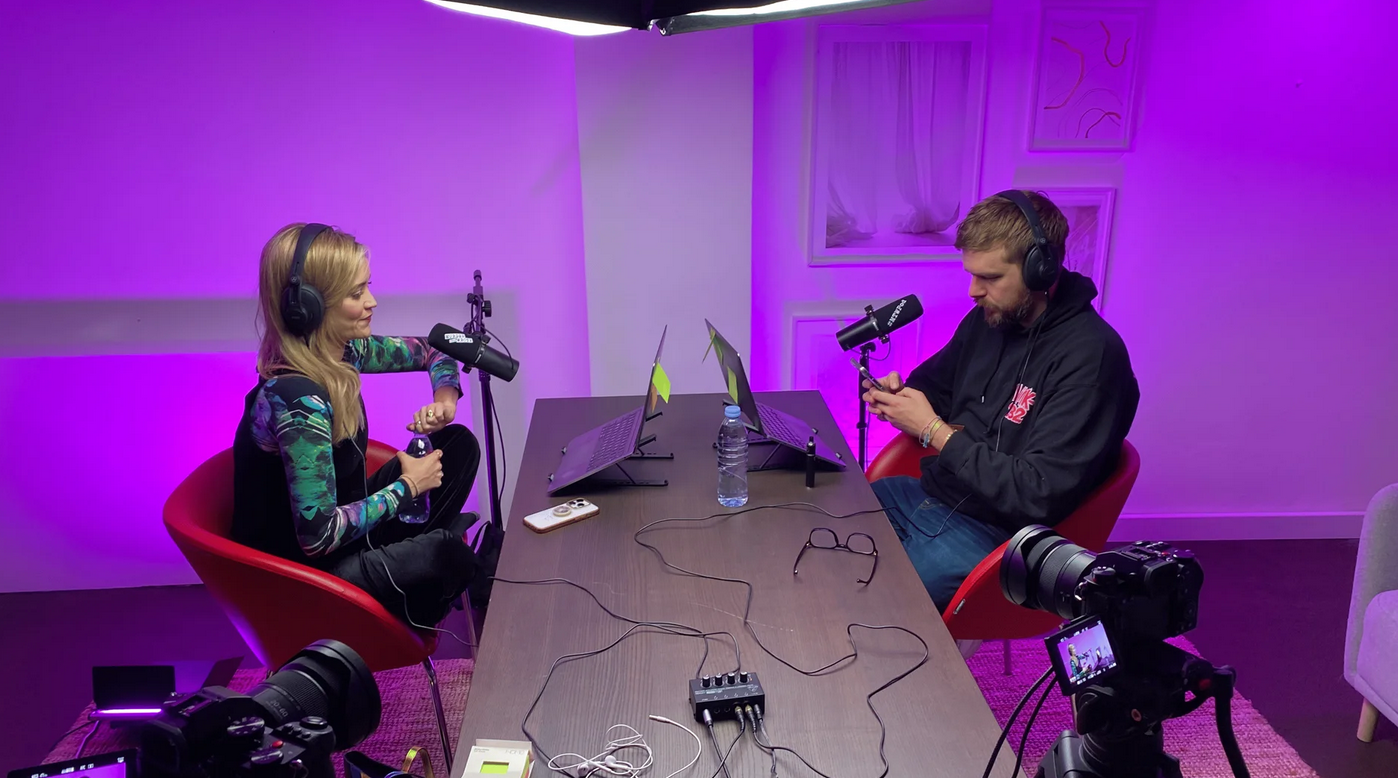
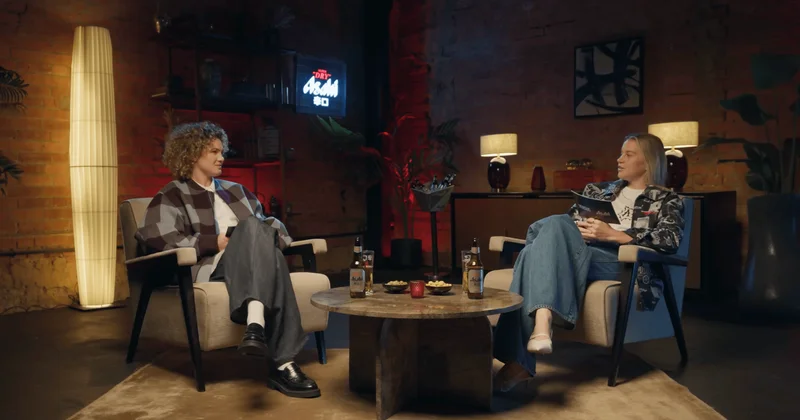
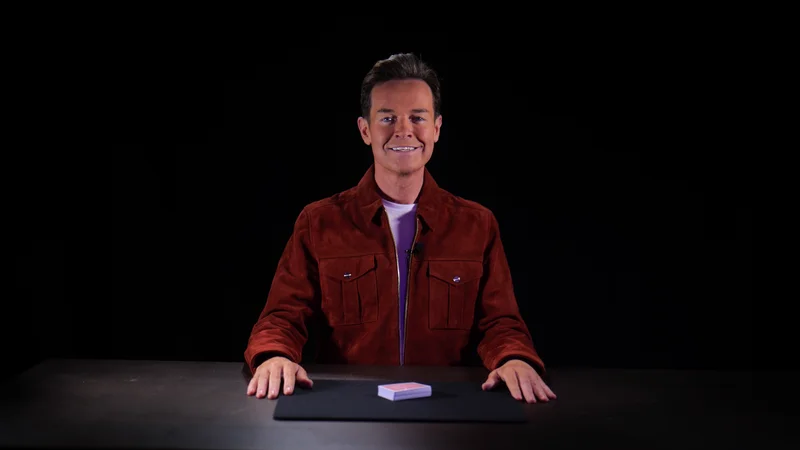
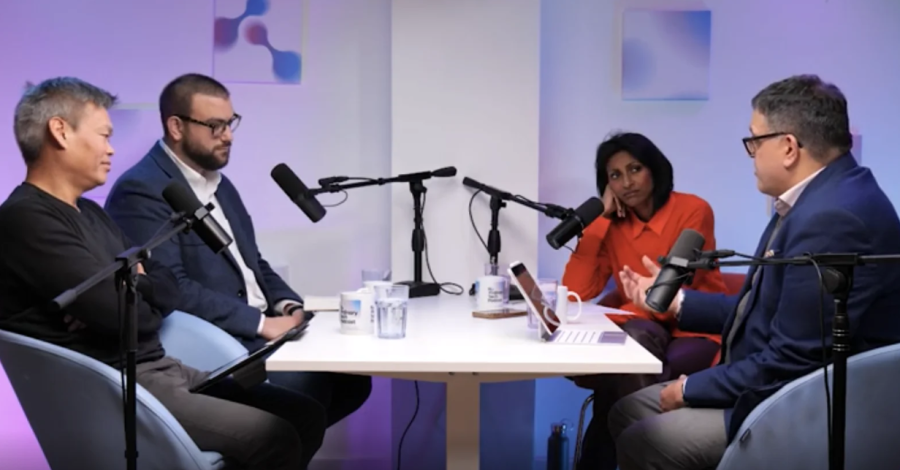
See the 'Murder They Wrote' podcast setup used by Laura Whitmore and Iain Stirling from BBC at Finchley Studio (Gathering setup). Watch Murder They Wrote at BBc sound , Spotify , Apple podcasts , Youtube , Instagram , Amazon music
7.1 Live Streaming Integration
The ability to broadcast live (to YouTube, Twitch, or LinkedIn) is becoming a standard request.
Infrastructure: This requires a hardwired ethernet connection with high upload speeds (20Mbps+). Wi-Fi is insufficient for professional streaming.
Hardware: Look for studios equipped with the Blackmagic ATEM Mini Pro ISO, which can stream directly while simultaneously recording high-quality ISO (isolated) feeds for later editing.37
7.2 AI and Automated Editing
Post-production is the most expensive part of the podcast workflow.
Live Switching: Studios that offer live camera switching (a human editor cutting between angles in real-time) provide a "finished" video file at the end of the session. This can save £200-£500 per episode in editing costs.
AI Tools: Progressive studios are integrating AI-assisted tools for generating instant transcripts, social clips, and audio clean-up, offering these as value-added services.36
7.3 The "Set" as a Service
As the market saturates, visual differentiation becomes key.
Customisable Sets: Studios are moving away from static backgrounds. The trend is toward modular sets with interchangeable furniture, magnetic wall panels, and programmable RGB lighting that allows a single room to look like five different studios.3
8. Frequently Asked Questions (FAQ)
Q: Is it really cheaper to hire a studio in Barnet compared to Central London?
A: Yes. When you calculate the Total Cost of Production (TCP), including parking (£5 vs £40), Congestion Charge (£0 vs £18), and studio hire rates (£95 vs £150+), the savings are typically between 30-50%.
Q: What equipment should I expect for "Broadcast Quality"?
A: At a minimum, look for Shure SM7B microphones, a RØDECaster Pro or similar interface, and 4K cameras (Blackmagic or Sony Alpha series). Avoid studios that only offer USB microphones for group recordings.
Q: How do I get my video files after the recording?
A: You should bring a high-speed portable SSD (USB-C 3.1 or 3.2). Most studios allow you to plug directly into their switcher or computer to offload files. Some offer cloud transfer, but this can take time for large video files.
Q: Can I park at the studio?
A: Most Barnet studios offer either free on-site parking or very cheap local parking (e.g., High Barnet Station). This is a major advantage over Central London. Always check the specific studio's parking policy before arriving.
Q: What happens if I go over my booked time?
A: Most studios charge for overtime, often at a premium rate. It is best to book an extra 30 minutes as a buffer. "Wet Hire" studios are stricter on time as they have staff schedules to manage.
Q: Is Barnet affected by ULEZ?
A: Yes, Barnet is within the ULEZ zone. If your vehicle is not compliant (generally pre-2015 diesel or pre-2006 petrol), you will pay the £12.50 daily charge. However, you avoid the separate Congestion Charge found in Central London.
Conclusion: The Smart Choice for London Creators
The narrative that professional content creation must happen in Zone 1 is a relic of the past. As the data demonstrates, the podcast studio market in Barnet and North London offers a superior value proposition for creators who prioritize quality and fiscal responsibility. By choosing to record in Barnet, you are not merely finding an "affordable" option; you are accessing a production ecosystem that offers:
Technical Superiority: Access to cinema-grade cameras and industry-standard audio gear often unavailable at similar price points in the city centre.
Logistical Ease: A stress-free environment with accessible parking, transport links, and freedom from the Congestion Charge.
Financial Efficiency: A significantly lower Total Cost of Production, allowing budget to be reallocated to growth and marketing.
Whether you are a brand launching a vodcast, an agency managing multiple shows, or an independent creator ready to level up, the studios of Barnet offer the professional infrastructure you need without the "London premium."